
To what extent is the notion of utopia obsolete in designing emerging futures ?
SYNOPSIS
Utopia is a contested ideal: some envision it through innovation and growth, others seek it through restraint, sustainability, and collective well-being while questioning whether advancement requires accumulation or a fundamental redefinition of prosperity. The future unfolds within the contradictions of these aspirations, where the pursuit of progress encounters the limits of possibility, and the desire for transformation remains entangled with the conditions it seeks to overcome. Between individual agency and collective existence, permanence and change, emerges a more fluid understanding of utopia not as a prescribed vision of perfection, but as an ongoing negotiation of how alternative futures might take shape.
CHARACTERS
Arthur Bennett – Marine Engineer
Zoya Akhtar – Film maker
Anthony Bourdain – Chef
Georgia Matthews – First Officer
Dr. Leo Fernandez – Biologist
Victor Jones – Deck Crew
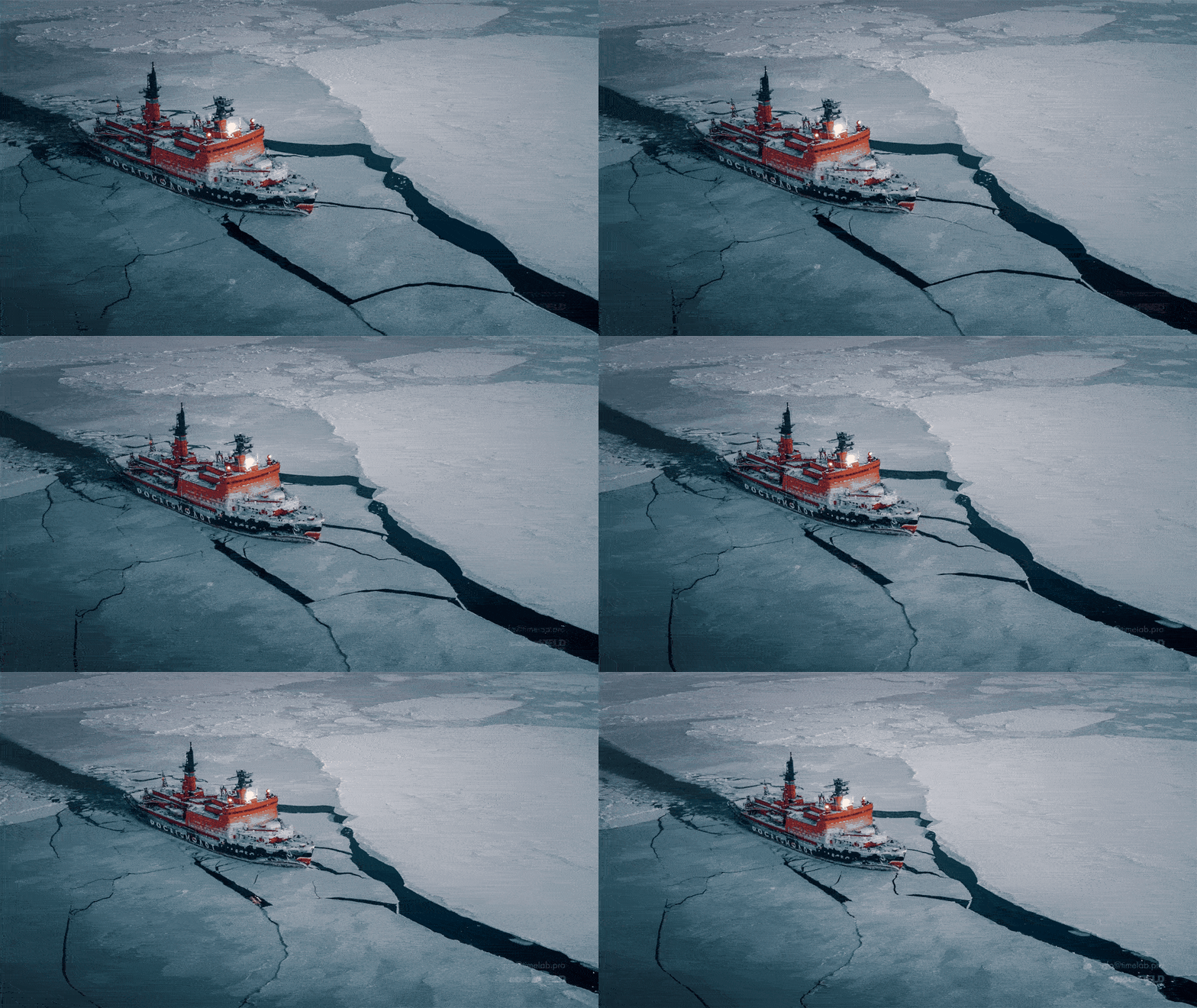
Fig. 1 https://youtu.be/bKaVhXn49xY?si=rwV_d5OzOutooXcn
-THE OBSERVATORY DECK-
First Act
DECEMBER 5TH | 06.30 AM | DAY 5 | ARCTIC OCEAN
(A cold, vast yet imposing Arctic morning unfolds across an immense expanse of pack ice as the nuclear-powered icebreaker navigates through the frozen landscape. The expedition begins as the ordinary exchanges, something feels inexplicably out of place, as though the ship has crossed a boundary they were never meant to find. Zoya Akhtar (Filmmaker) sets up her camera to document the expedition, while Georgia Matthews (First officer) monitors the navigation display and Arthur Bennett (Engineer) reviews an engine performance report.)
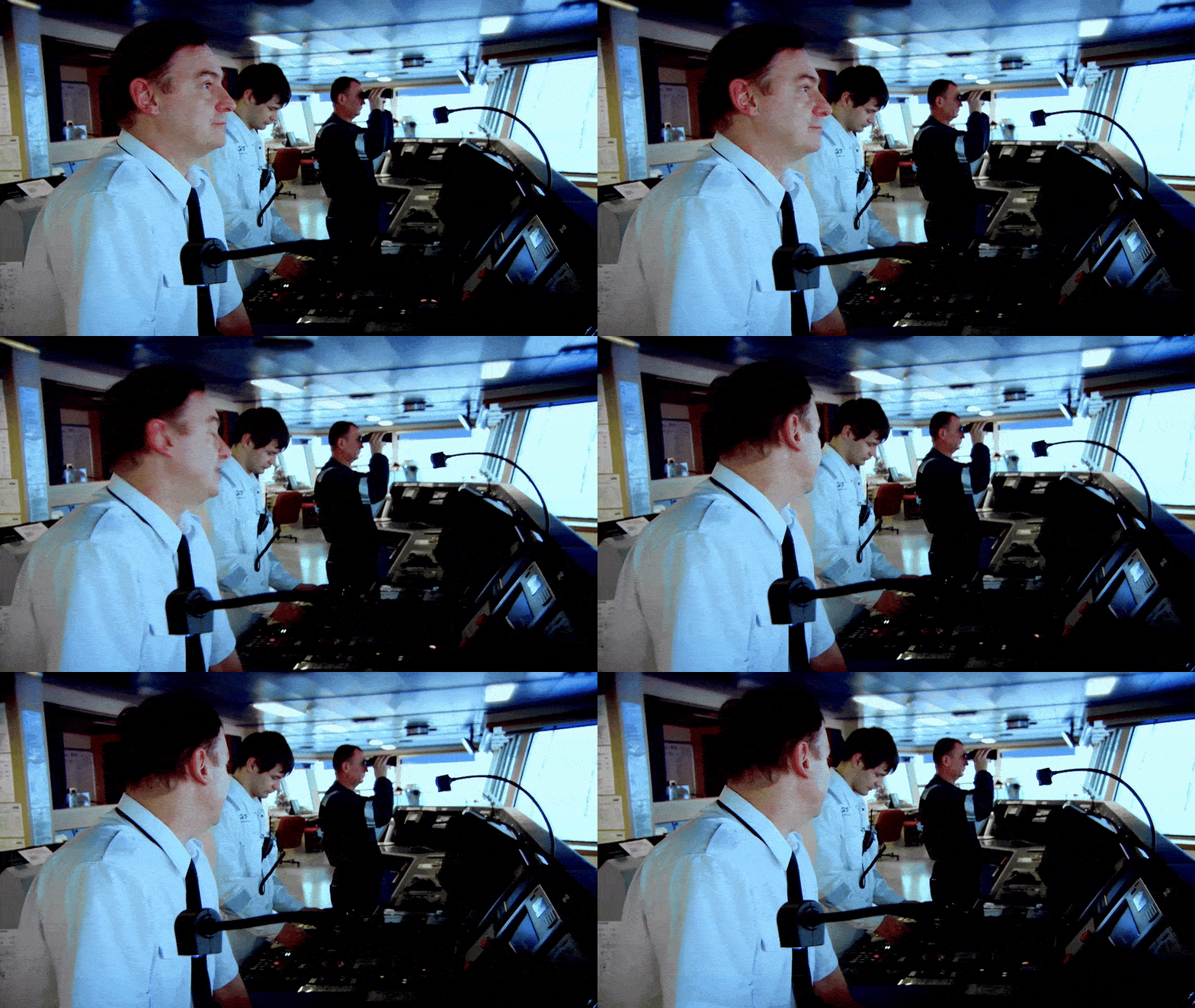
Fig.2- https://youtu.be/bKaVhXn49xY?si=rwV_d5OzOutooXcn
ZOYA: (Speaking enthusiastically into the camera) WELCOME ABOARD 50 LET POBEDY! It’s December 2025, and we’re a few days into our twenty-day Arctic expedition, exploring a new passage through the polar ice. (She turns towards Georgia.) Georgia, how exactly do you navigate somewhere that refuses to stay the same?
GEORGIA:(Studying the navigation display) Our mission is to identify an efficient passage through the Arctic. “Possibility is content, potency is energy, and power is form.” (1) I mean, you look for possibilities and then determine which ones are worth pursuing.
ZOYA: That’s reassuring. I’ve already imagined three documentaries, two disasters and an award-winning ending.
ARTHUR: (Still reading his report) Perhaps start with one functioning engine for a ship that can run for four straight years with no refuelling. “The Utopianist attitude, therefore, is opposed to the attitude of reasonableness. .”(2)
GEORGIA: “Power is the selection and enforcement of one possibility among many, and simultaneously it is the exclusion of many other possibilities.”(3)
An unexpected alarm goes off, the lights flicker, the navigation screen glitches, and the ship shudders as a warning signal flashes across the navigation display.
Wait, what’s that?
The alarm intensifies. The navigation display flickers
CURTAIN
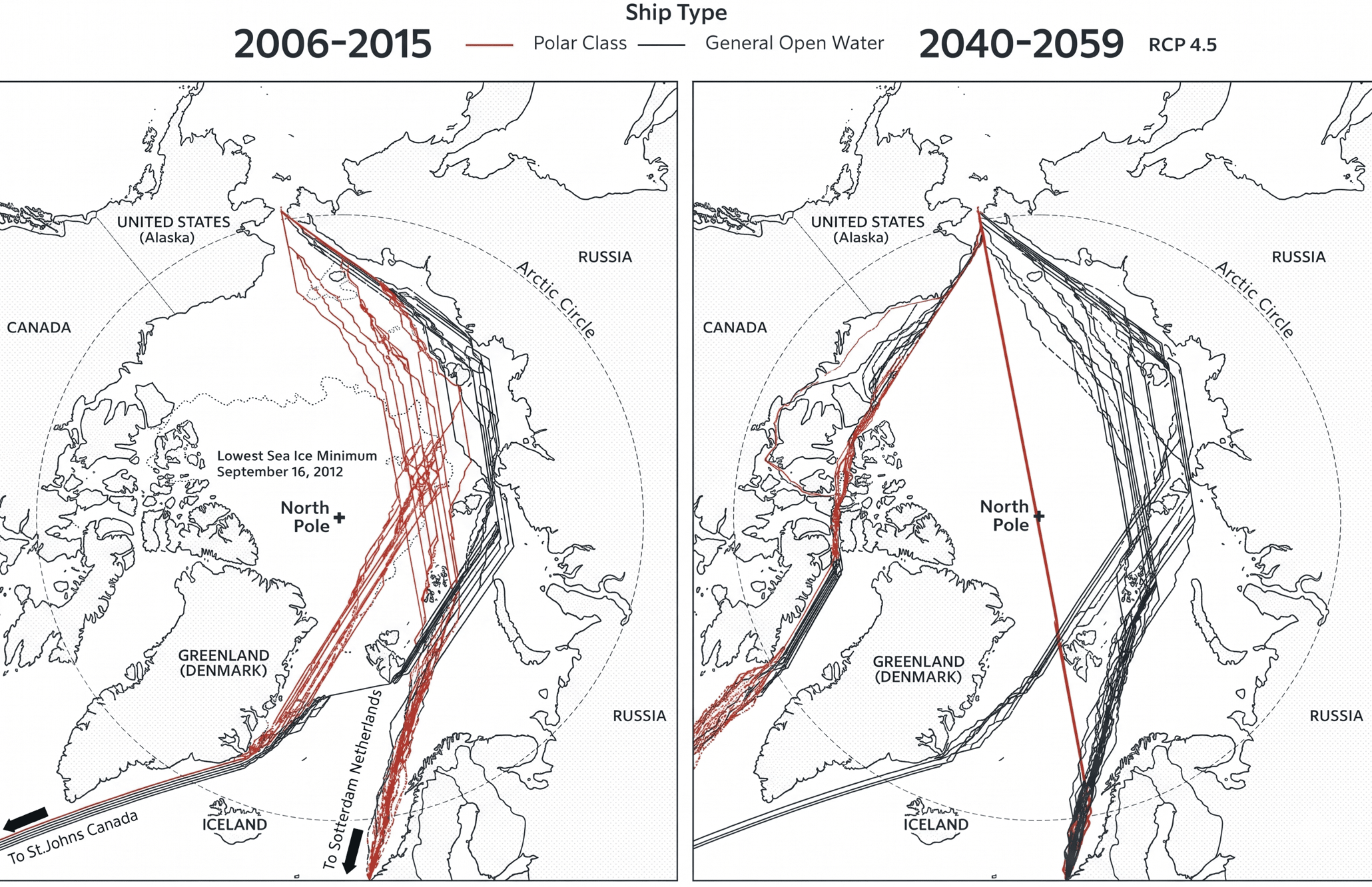
Fig.3 Arctic Council, 2009: Arctic Marine Shipping Assessment 2009 Report, 187 pp, https://pame.is/index.php/projects/arctic-marine-shipping/amsa.
– THE DINING HALL –
Second Act
DECEMBER 5TH | 01.42 PM | DAY 5 | ARCTIC OCEAN
(Five hours into the blaring alarm, an increasingly uncomfortable environment, the dining hall offers a brief illusion of mundane. The crew enters for lunch, disconcerted, with Zoya Akhtar (Filmmaker) reviewing footage in the background while everyone else debates about their paradigms of Utopia. )
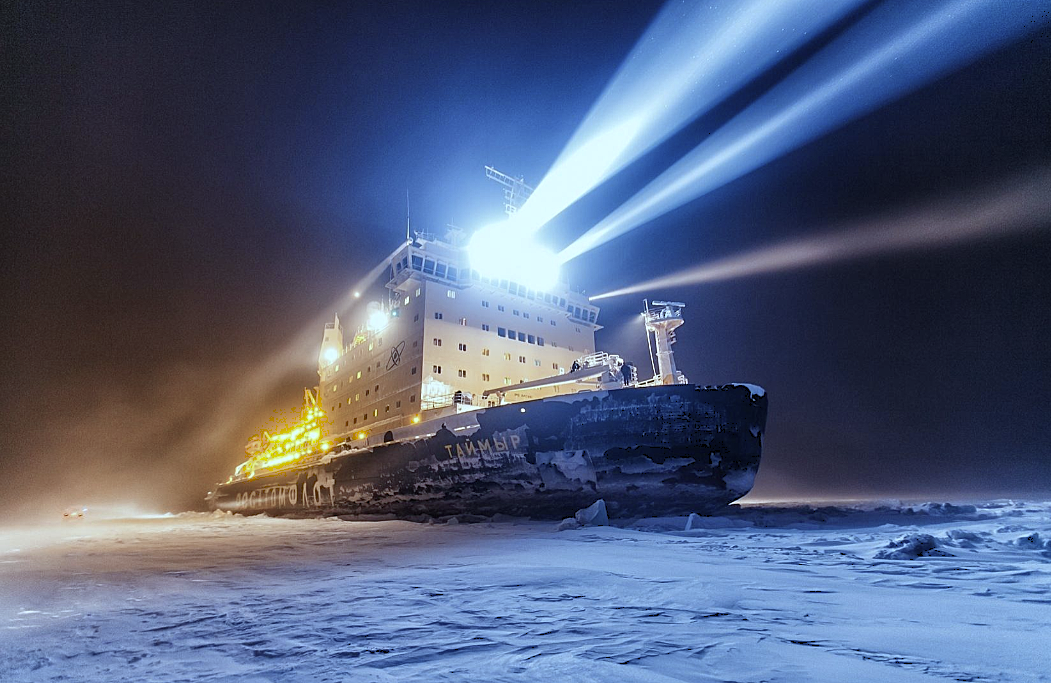
Fig.4 Julia Hager 8. February 2022 | Arctic, Science
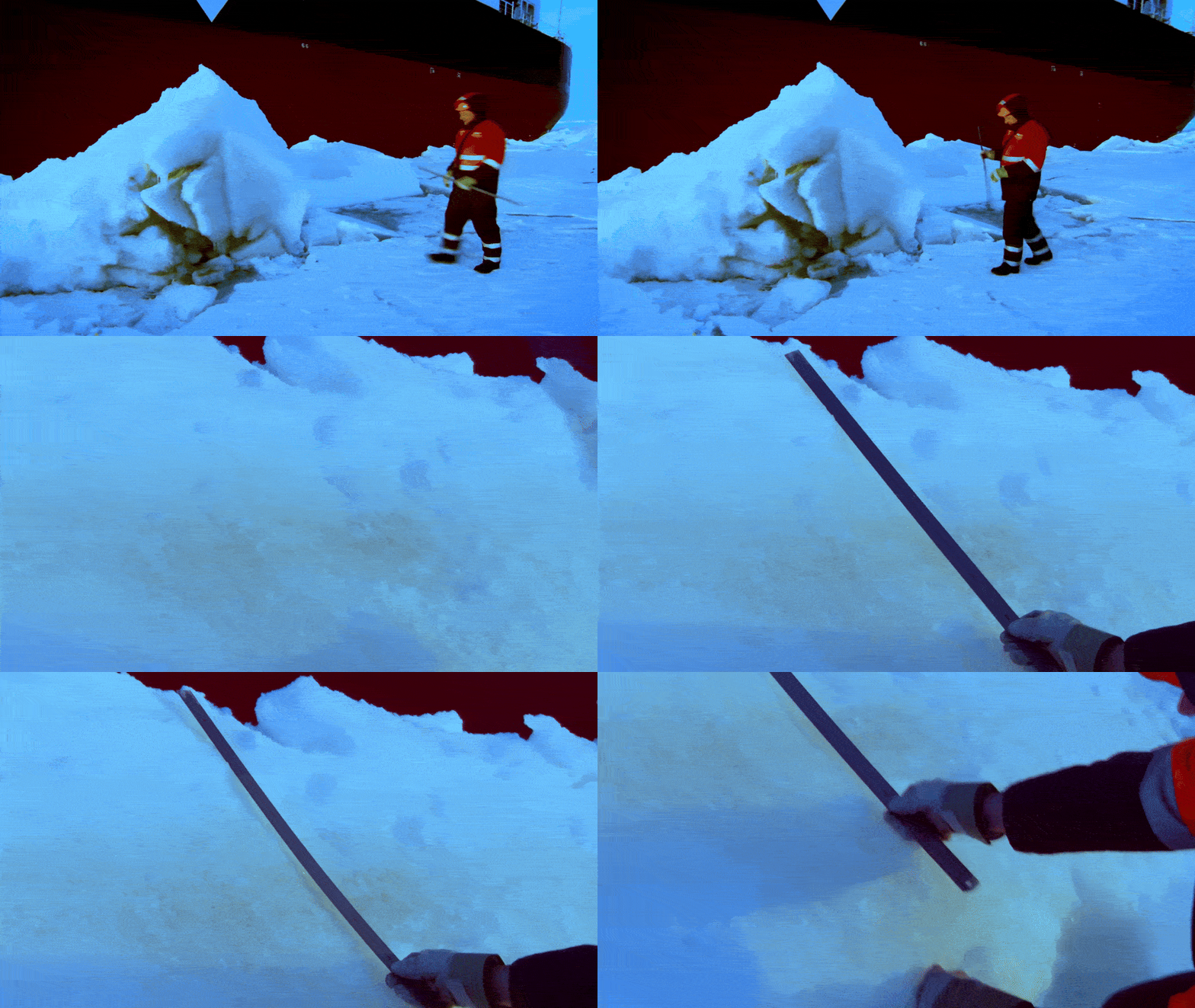
Fig.5 https://youtu.be/bKaVhXn49xY?si=rwV_d5OzOutooXcn
ANTHONY: (Setting down a tray) Four hours, two failed inspections and not one convincing explanation.”The utopian is in fact a freezing of the indeterminable movement from the past through the future that the present is unable to directly control.”(4)
VICTOR: (Placing a folder on the table) Three maintenance reports, First Officer. I flagged the auxiliary system’s vibration before departure, but nobody considered it urgent.
GEORGIA: I raised the issue. The repairs were postponed, and the decision came from above my authority.
VICTOR: That’s what makes this more than a technical problem. We reported the fault before departure, but nobody listened.
GEORGIA: We keep talking about what this expedition could achieve, but perhaps we’ve ignored what is already limiting us. “The field of possibility is not infinite because the possibility is limited by the inscribed impossibilities of the present.”(5)
ARTHUR: That’s why I don’t trust grand plans that look perfect on paper.”The problem of constructing a Utopian blueprint cannot possibly be solved by science alone.”(6)
VICTOR: We keep chasing this pipe dream while turning a blind eye to the bare minimum that we need for this expedition. What exactly are we progressing towards?
DR. LEO: And this way of thinking extends beyond the machinery. It shapes how we understand the world around us. “Technological acceleration is deemed able to help us overcome every limit to growth. But the resources necessary for life would then no longer be drawn from nature..”(7)
GEORGIA: Perhaps the problem was never a lack of information. It was who had the authority to act on it. “Power decides which possibilities become visible and which disappear.”(8) The maintenance reports existed; someone chose not to see them.
VICTOR: How can this authoritarian hold this vast power yet display such imprudence?
ANTHONY: Maybe the answer isn’t another grand design. Sometimes you have to work with what you have and make something different.”Makeshift, piecemeal transformations, and the possibility of being otherwise must be accorded to the built environment as to all futurity.”(9)
VICTOR: Wonderful. But improvisation cannot replace a functioning valve, and philosophy won’t get this engine running.
DR. LEO: But the consequences extend beyond this ship. The ocean is becoming another territory for commercial control.”Powerful private interests are taking ever greater control of the seas. The way is slowly opening to their financialization.”(10)
GEORGIA: We have the technology, the information and the resources. Yet none of that guarantees a better outcome. Then perhaps the question isn’t whether this route is possible, but who benefits from making it possible.
Zoya pauses her footage, listening.
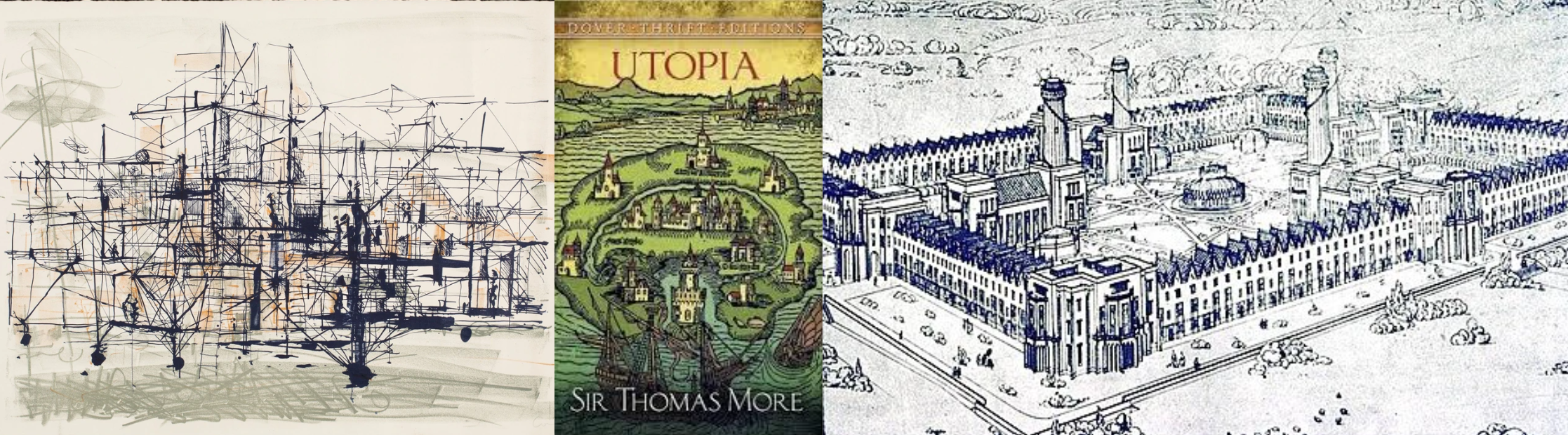
ZOYA: “Contemporary utopians acknowledge the dystopian cultural climate and break through it, smuggling hopeful futures into the non-utopian present.”(11)
ARTHUR: “Hope is useful, Zoya. But I’d prefer a ship that can make it through the night.”
VICTOR: Do not make it sound like there is no tomorrow.
The alarm sounds again. Everyone turns towards the ceiling and makes a move to the bridge. Okay, here we go again!
ZOYA: (Quietly, as Leo prepares to leave) Leo. Could you stay for a moment?
Leo stops.
Zoya looks from the screen towards him. The camera continues recording.
CURTAIN
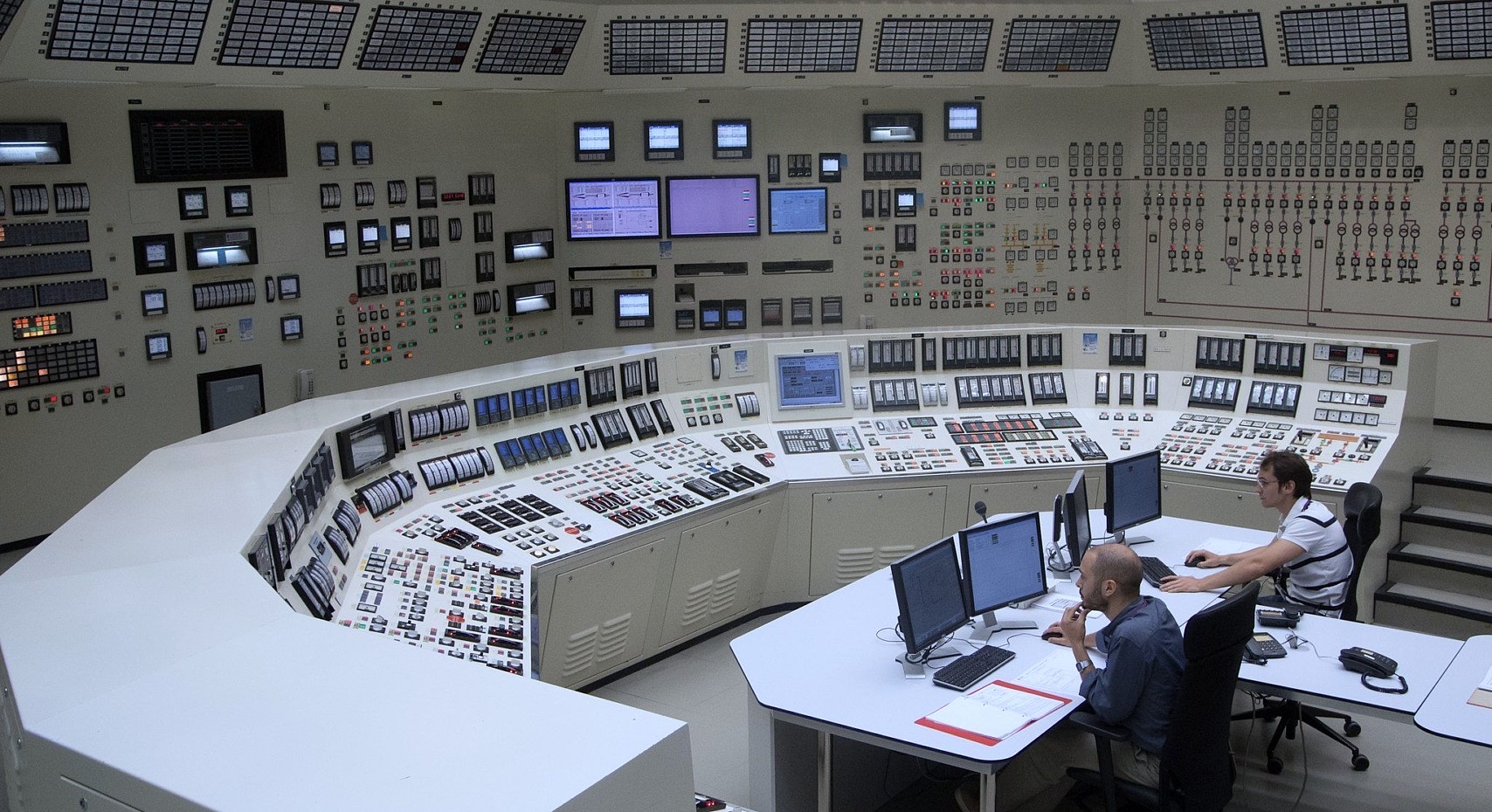
Fig.9 Julia Hager 8. February 2022 | Arctic, Science
-THE CORRIDOR-
Third Act
DECEMBER 5TH | 04.10 PM | DAY 5 | ARCTIC OCEAN
Claustrophobic, tense and psychologically unsettling. The narrow corridor becomes a liminal space where the distinction between observer and participant begins to blur. Outside the dining hall, Zoya Akhtar catches Leo beside the frost-covered bulkhead. She holds up her camera, displaying the paused footage of him near the alarm control panel.
ZOYA: (Firmly) I saw you beside the alarm panel, Leo. Five hours of disruption, and you knew exactly what was happening.
DR. LEO: (Unperturbed) You’ve mistaken observation for understanding. Seeing something happen doesn’t mean you understand why it happened.
ZOYA: Was the alarm deliberate? You endangered the funding, the crew and compromised an entire expedition. How does that create a better future?
DR. LEO: “Our relationship with the Earth has never been merely economic.”(12)
ZOYA: “One person’s utopia is another person’s dystopia. You cannot impose your vision of a better world on everyone else.” (13)
DR. LEO: “Our fundamental relationship to the Earth is that of the passer-by. The Earth receives us and shelters us as passers-by.” (14) An alarm sounds again in the distance. Zoya looks towards the bridge, then back at Leo.
ZOYA: Whatever your reasons, the crew needs to know the alarm was deliberate. She rushes towards the bridge, camera still recording. Leo remains alone in the corridor.
CURTAIN
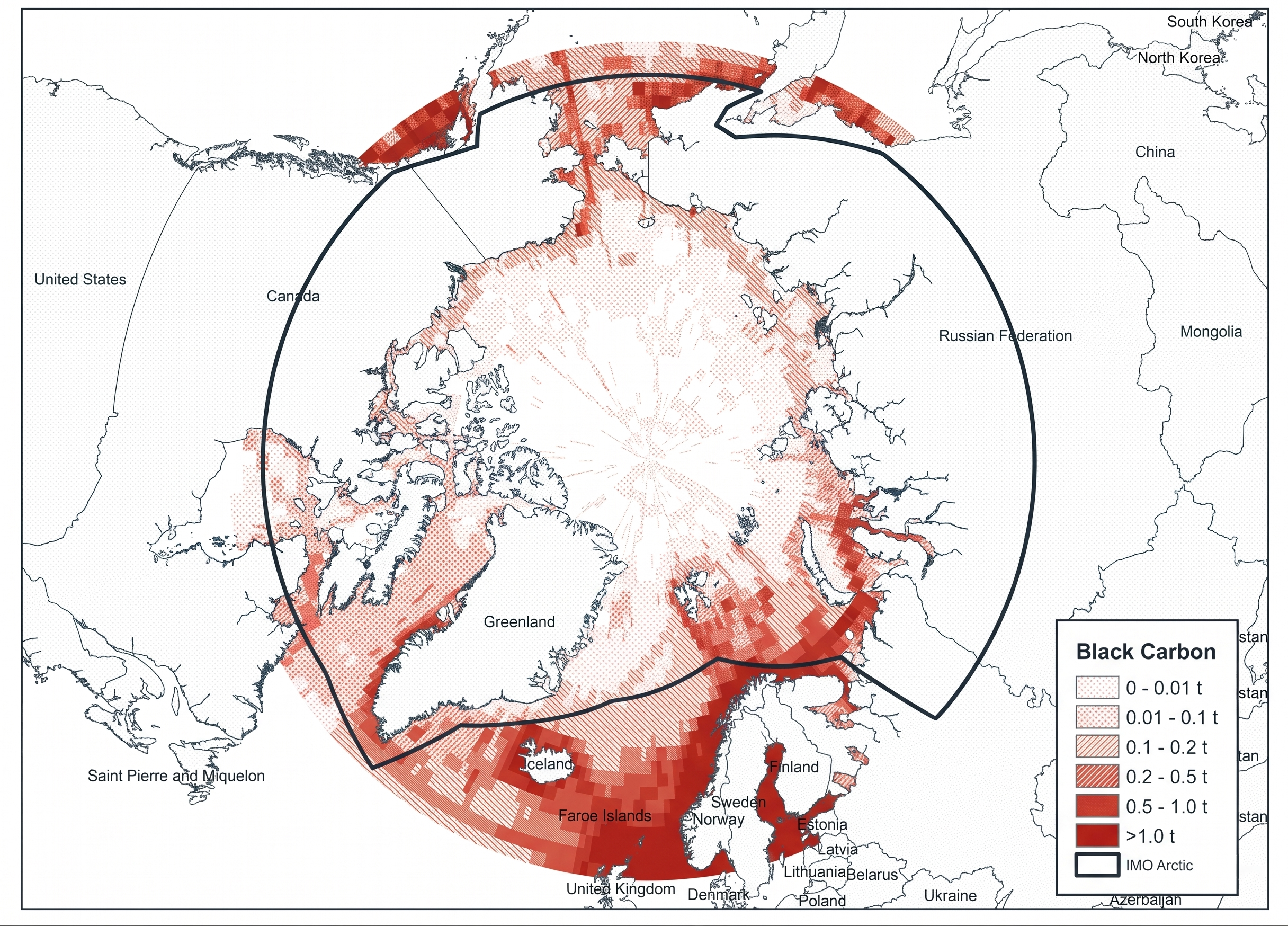
Fig.10 https://theicct.org/publications/black-carbon-emissions-global-shipping-2015.
-THE BRIDGE-
Fourth Act
DECEMBER 5TH | 05.00 PM | DAY 5 | ARCTIC OCEAN
(The controlled atmosphere of the bridge collapses into a battle of accusations, where suppressed frustrations, concealed intentions and competing visions of the future finally collide. The false alarm is no longer the real problem. As secrets surface, the crew discovers that the person they considered an outsider may have exposed a much deeper failure within their own system.)
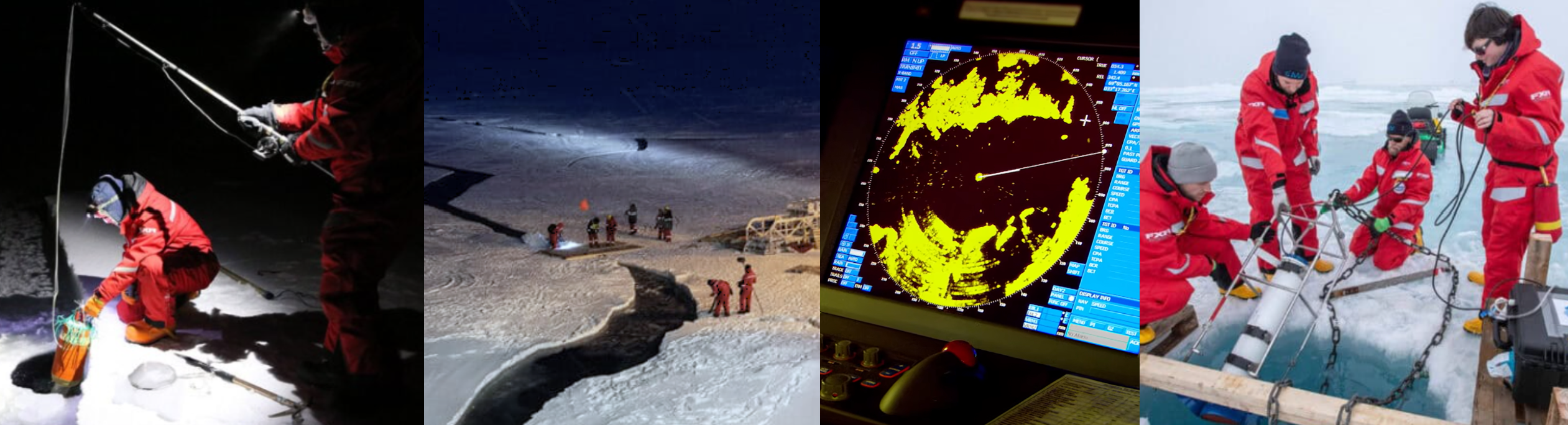
GEORGIA: Leo, you disrupted an entire expedition to make a point. What did you expect us to understand from that?
DR. LEO: I wanted everyone to question where this expedition was heading. We speak of progress while treating the Arctic as a mere opportunity for extraction.
ARTHUR: “Utopian rationalism is a self-defeating rationalism. However benevolent its end, it does not bring solace.” (15)
DR. LEO: “The Earth as a global political unit exists only as a utopia, perhaps the last of all. It must be imagined, convened, assembled, created, and driven.”(16)
VICTOR: (Angrily) While you imagined a better world, we spent five hours dealing with the consequences. Nobody asked whether we wanted to be part of your experiment.
DR. LEO: I never intended to put the crew in danger. I wanted to interrupt a system that continues without questioning its consequences.
GEORGIA: “At each historical bifurcation, consciousness plays a decisive role in the selection among conflicting possibilities.(17) But choosing a different possibility requires responsibility. You cannot force everyone into your vision and call it liberation.
ANTHONY: “The task of the present , as for philosophy, is not to settle on utopias, models, concrete ideals, but instead to embark on endless questioning.” (18)
ARTHUR: “No generation must be sacrificed for the sake of future generations, for the sake of an ideal of solace that may never be realized.” (19)
VICTOR: Brilliant. We debated the future for an hour. Anyone planning to fix the error, or should I ask the philosophers Zoya looks between Leo and the others, then turns her camera towards the windows.
ZOYA: “The postdystopian utopia approaches dystopian expectations about the future not as a barrier to imagining a liberated future, but as a springboard to this end.” (20)
DR. LEO: “The Earth sets itself apart from the other planets by being a general reservoir of life.(21)
ZOYA: Perhaps the question isn’t whether we should imagine a different future, but whether we can reach it without repeating the mistakes of the present. Georgia resumes monitoring the navigation display. Arthur and Victor head towards the engine room, while Anthony returns to the galley. Leo stays by the window, watching the ice drift past.
VICTOR: “Just one question, then. Who’s writing the maintenance report for this conversation?”
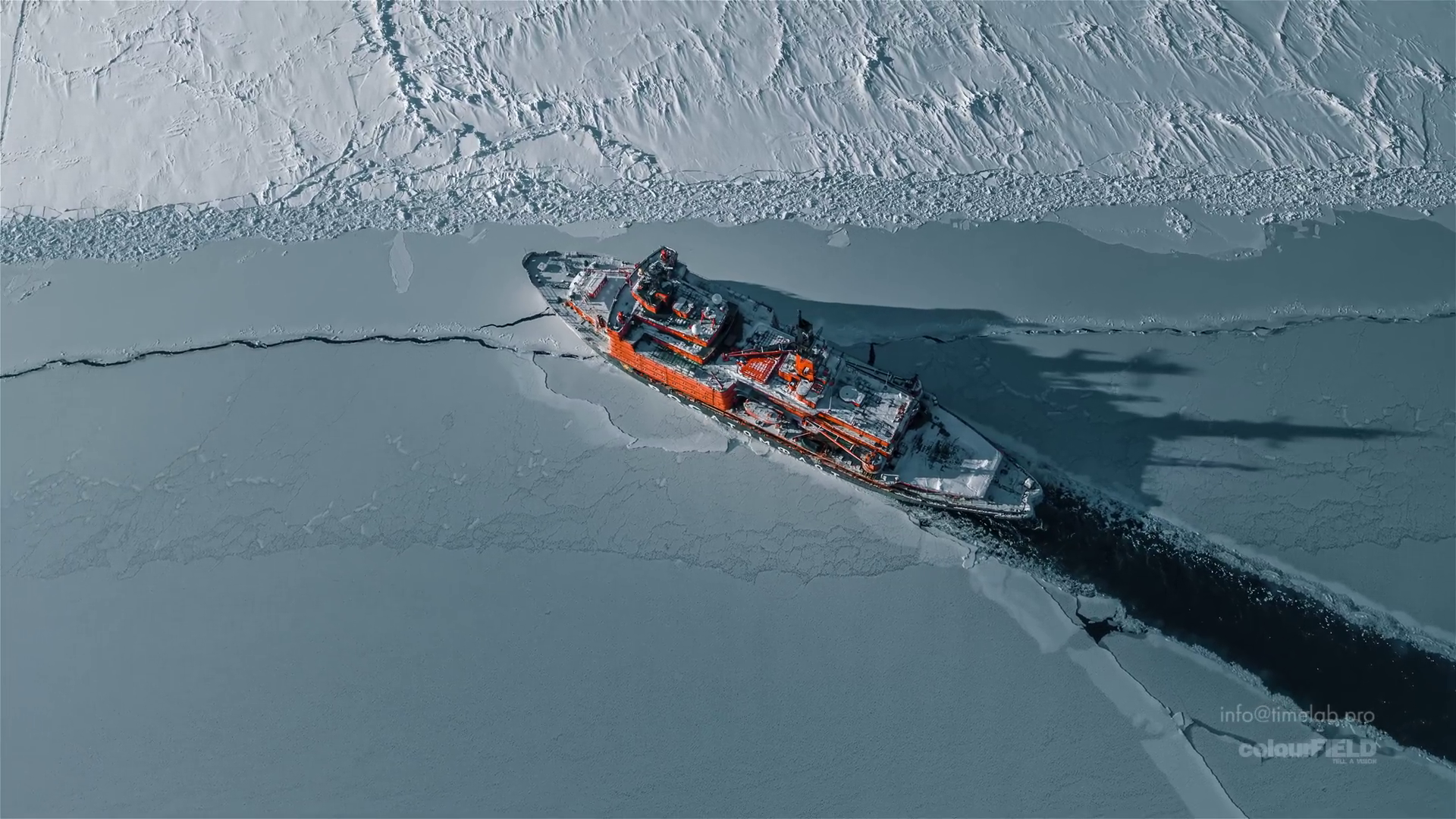
Fig. 15 https://youtu.be/bKaVhXn49xY?si=rwV_d5OzOutooXcn
FINAL CURTAIN
***
REFERENCES
(1) Franco “Bifo” Berardi, Futurability: The Age of Impotence and the Horizon of Possibility (2017).
(2) Karl Popper, “Utopia and Violence,” in Conjectures and Refutations: The Growth of Scientific Knowledge.
(3) Franco “Bifo” Berardi, Futurability: The Age of Impotence and the Horizon of Possibility (2017).
(4) Elizabeth Grosz, Architecture from the Outside: Essays on Virtual and Real Space (2001).
(5) Franco “Bifo” Berardi, Futurability: The Age of Impotence and the Horizon of Possibility (2017).
(6) Karl Popper, “Utopia and Violence,” in Conjectures and Refutations: The Growth of Scientific Knowledge.
(7) Achille Mbembe, The Earthly Community: Reflections on the Last Utopia.
(8) Franco “Bifo” Berardi, Futurability: The Age of Impotence and the Horizon of Possibility (2017).
(9) Elizabeth Grosz, Architecture from the Outside: Essays on Virtual and Real Space (2001).
(10) Achille Mbembe, The Earthly Community: Reflections on the Last Utopia.
(11) Joe P. L. Davidson, Saving Utopia: The Post-Dystopian Imaginary,2026
(12) Achille Mbembe, The Earthly Community: Reflections on the Last Utopia.
(13) Joe P. L. Davidson, Saving Utopia: The Post-Dystopian Imaginary,2026
(14) Achille Mbembe, The Earthly Community: Reflections on the Last Utopia.
(15) Karl Popper, “Utopia and Violence,” in Conjectures and Refutations: The Growth of Scientific Knowledge..
(16) Achille Mbembe, The Earthly Community: Reflections on the Last Utopia.
(17) Franco “Bifo” Berardi, Futurability: The Age of Impotence and the Horizon of Possibility (2017).
(18) Elizabeth Grosz, Architecture from the Outside: Essays on Virtual and Real Space (2001).
(19) Karl Popper, “Utopia and Violence,” in Conjectures and Refutations: The Growth of Scientific Knowledge.
(20) Joe P. L. Davidson, Saving Utopia: The Post-Dystopian Imaginary,2026
(21) Achille Mbembe, The Earthly Community: Reflections on the Last Utopia.
FOOTNOTES
(a) The future is not a predetermined destination but a collection of competing possibilities. What becomes reality depends on the social, political and economic forces that influence which possibilities are pursued and which are abandoned.
(b) Progress is experienced differently by different communities. A development that improves connectivity, economic growth or technological capacity may simultaneously produce displacement, inequality or ecological destruction. Utopia cannot be understood as a universally shared vision.
(c) Georgia’s line shows that authority shapes what the crew is able to see and consider. The navigation display shows only the route the expedition has chosen, while the engine risks and other options stay out of view until the alarm forces them into sight. Direct quote.
(d) Anthony speaks for the Chef’s openness to experiment. Reacting to hours without an explanation, he suggests the expedition froze its plan, because a utopian plan tries to fix the future in place. The present can’t fully control where time is heading, and the alarm is the moment that uncontrolled movement breaks through the fixed schedule. It prepares his later argument that the crew has to improvise instead.
(e) Arthur, the Engineer, trusts science for practical problems but not for deciding what a perfect society or expedition should be. For Popper, science can measure, test and repair, but it cannot settle questions of ultimate goals and values, so a utopian blueprint cannot be proven correct by technical expertise alone. In Act 2, Arthur says this when the crew argues over what the expedition is for: he can diagnose a failing system, but he cannot say what the route is meant to achieve.
(f) Leo, the Biologist, questions the crew’s faith in technology. The passage from Mbembe’s foreword describes the belief that technological acceleration can overcome every limit, and that technology could replace what nature once supplied. In Act 2 this reflects the expedition’s reliance on a nuclear icebreaker and a faster route, and Leo’s point is that the Arctic is being treated as replaceable, not as a living system the crew depends on. (Paraphrased)
(g) Anthony, the Chef, uses this line to argue for improvisation over fixed plans. For Grosz, the built environment and the future should stay open to small, provisional transformations and to the possibility of being otherwise, not be locked into a single ideal design. In Act 2, he answers the crew’s frustration by suggesting they work with what they have and make something different, as a galley does every day. His view contrasts with Arthur’s practical reply that improvisation cannot replace a working valve.
(h) Leo moves the argument from the ship to the ocean itself. In the expedition’s search for a faster Arctic passage, the sea becomes another territory for commercial control, and Mbembe’s point is that financial interests are increasingly taking over marine space and resources. It supports Leo’s view that the expedition’s idea of progress treats the Arctic as an opportunity for extraction. Paraphrased from a passage on coral reefs, coastal shores and the seabed. The exact wording “the financialization of the oceans” is Mbembe’s.
(i) Zoya, the Filmmaker, uses this line to defend hope without ignoring the crisis. For Davidson, contemporary utopian thinking begins from the dystopian climate and works through it, bringing hopeful futures into a present that doesn’t seem to allow them. In Act 2, Zoya answers the crew’s frustration by arguing that imagining a better future is still possible, even while the ship is failing. Arthur’s reply, that hope is useful but a ship that survives the night comes first, sets her optimism against his practicality.
(j) In the corridor scene, Leo answers Zoya’s accusation by reframing the issue. The Earth is not only a resource or a route for the expedition, and our connection to it is closer to a shared, almost existential exchange. This lets Leo defend his disruption as a challenge to treating the Arctic purely as an opportunity for extraction.
(k) Zoya turns Leo’s argument back on him. His reason for disrupting the expedition is to make the crew question their vision of progress, but she points out that he is imposing his own vision on them without asking. The line reflects the idea that visions of a better world are plural and often conflict, and that what one person calls a utopia can feel like a dystopia to another. It also sets up the bridge scene, where Leo has to answer for acting on his own.
(l) On the bridge, Arthur responds to Leo’s explanation. Even if Leo’s aim was good, a plan to impose an ideal ends up defeating itself, because it cannot guarantee the outcome it promises, and good intentions do not undo the harm done to the crew. The line also repeats Arthur’s earlier distrust of grand plans and sets his practical caution against Leo’s idealism. (Paraphrased)
(m) Every individual experiences the world differently, and therefore everyone may have a different understanding of a desirable future. When only a few people determine what progress should look like, other perspectives can be ignored. A more inclusive future requires listening to different voices rather than imposing one vision on everyone.
(n) The future is not a fixed destination waiting for us to arrive. It is continuously shaped by the decisions we make in the present. Every choice, whether related to technology, society, or the environment, opens certain possibilities while closing others. This makes the present an important moment for shaping what comes next.
(o) Modern society often measures progress through speed, efficiency, growth, and technological achievement. However, moving faster does not always mean moving in the right direction. It is equally important to question the purpose of development and whether the changes we make actually improve the conditions in which we live.
(p) We often justify development by claiming that it will create better opportunities for future generations. However, the needs of future generations should not become an excuse to ignore the struggles of people living today. A responsible vision of the future must balance present well-being with long-term environmental and social needs.
(q) We frequently imagine futures that are more equal, sustainable, and peaceful than the world we currently inhabit. Yet many developments continue to follow the same systems and practices that created today’s problems. If we do not question these existing conditions, our imagined futures may simply reproduce the problems of the present.
(r) Perhaps utopia should not be understood as a perfect world that humanity will eventually achieve. Societies, environments, and human needs are constantly changing, making any fixed idea of perfection difficult to sustain. Instead, utopia can be understood as an ongoing effort to question existing conditions and explore better ways of living.
BIBLIOGRAPHY
Saving Utopia Imagining hopeful futures in dystopian times , Joe P.L.Davidson
Utopia and Voilence, Karl Popper
Futurability, The Age of Impotency and the Horizon of Possibility, Franco ‘Bifo’ Berardi
Architecture from the Outside, Elizabeth Grosz
The Earthly Community, Achille Mbembe.
CREDITS
Trishala Vinod
Gayathri Chigullapalli
Sai Nikhil Bhaviri
Mohmed Taaha Munir Khatri
Labiqa Nadeem
Varad Hande
Kalyani Patil
Link to the website- https://readymag.website/6657773
