The goal of the workshop “From Matter to Model: Materials Intelligence” was to understand materials before designing with them, their properties, geometry and fabrication logic, in order to develop a column sculpture proposal composed of base, body and capital.
As a hands-on exercise, we built a column of compressed earth blocks and lime mortar using the two ABB robots in the lab. One robot placed the blocks, we filled the joints with mortar and left a generous layer on top, and the second robot smoothed it for the next course. The base was built by hand and the capital resolved with a timber beam system.
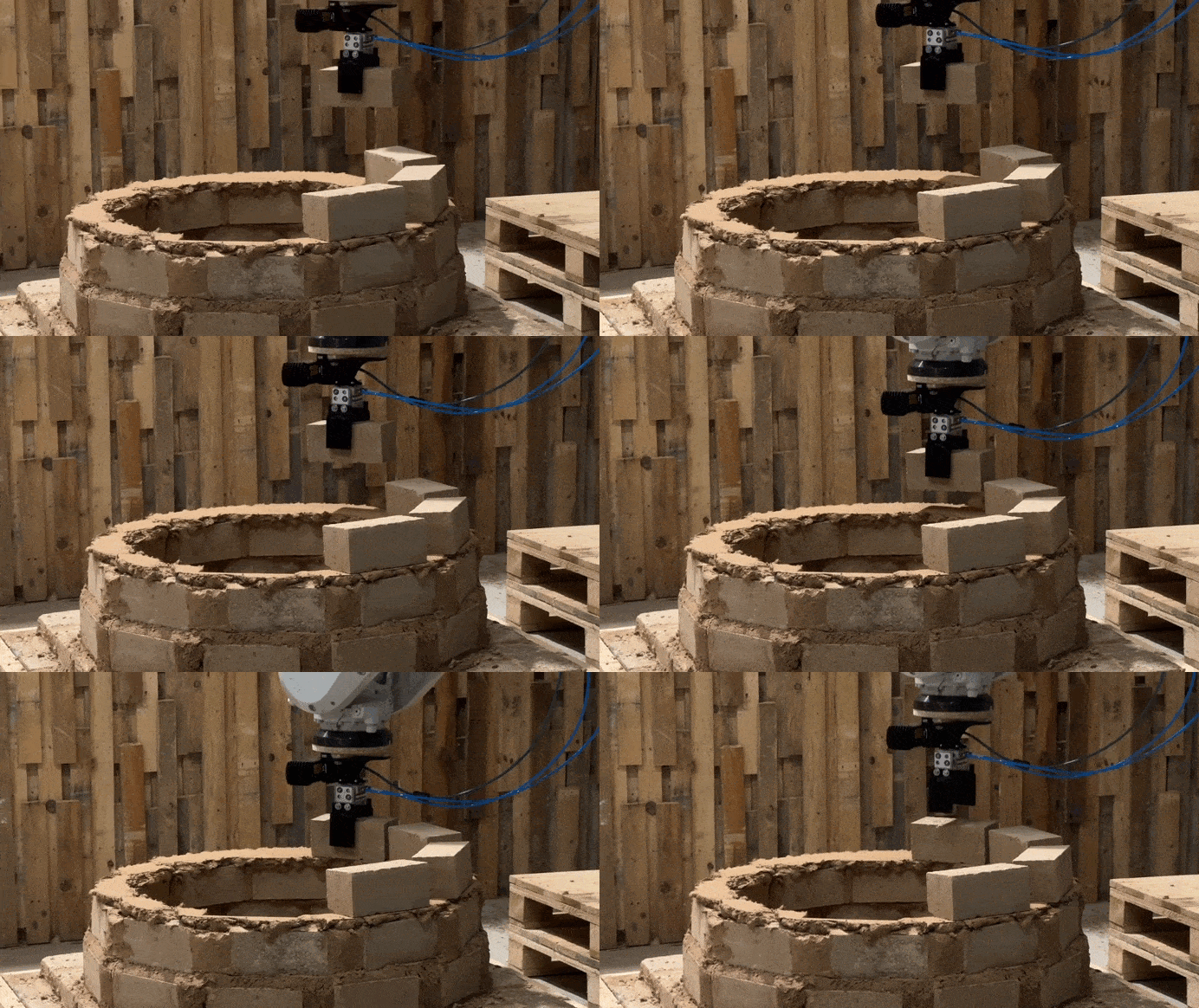
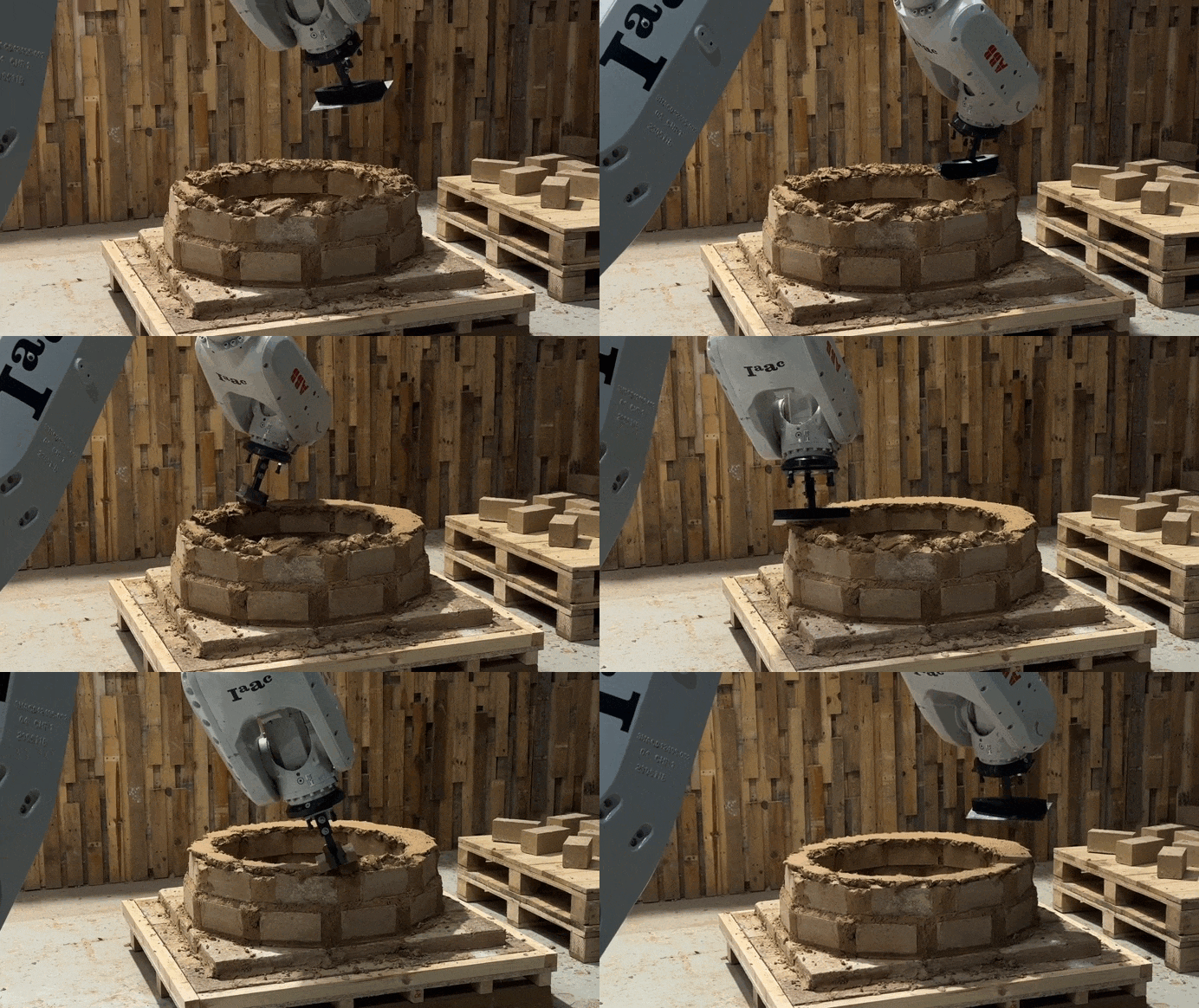
From that direct experience with the materials, we developed our own proposal.
IDEATION
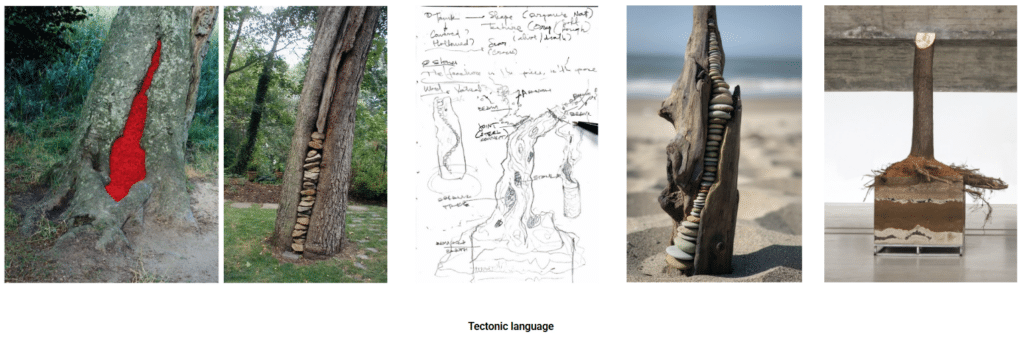
Our concept draws from kintsugi, the Japanese practice of repairing broken objects by filling the cracks with gold, making the damage visible rather than hiding it. We took that logic and pushed it further: instead of restoring something broken, we add material to something whole to strengthen and transform it. The core idea is the act of insertion, stone into wood, foreign into organic, precise into raw. The fracture is not the problem. It is the opportunity.
This thinking led us naturally to the tree as architectural reference. The Primitive Hut, architecture’s original archetype, is nothing more than branches and trunks becoming support and shelter. Its contemporary translation does the same: raw tree trunks used as structural columns, their irregular geometry embraced rather than corrected. Both point to the same idea: the tree is already a column. We just have to read it correctly.
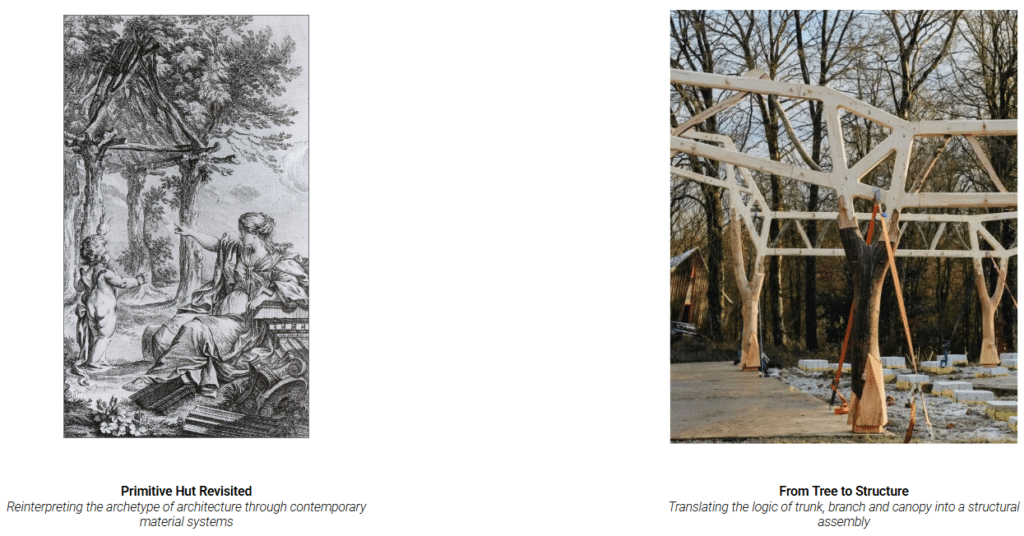
The core idea is the act of insertion, stone into wood, foreign into organic, precise into raw. The fracture is not the problem. It is the opportunity.
DESIGN MATERIAL
We worked with four materials, each chosen for a specific role in the assembly:
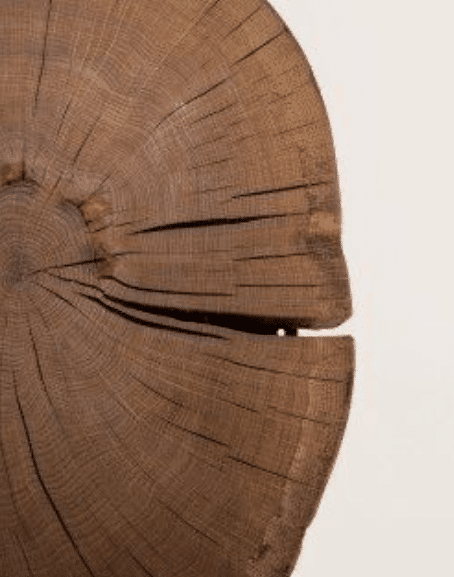
Raw wood is the body of the column. Its grain, live edge and natural cracks record the history of the tree. No two pieces are identical, that variability is not a problem, it is the starting point.
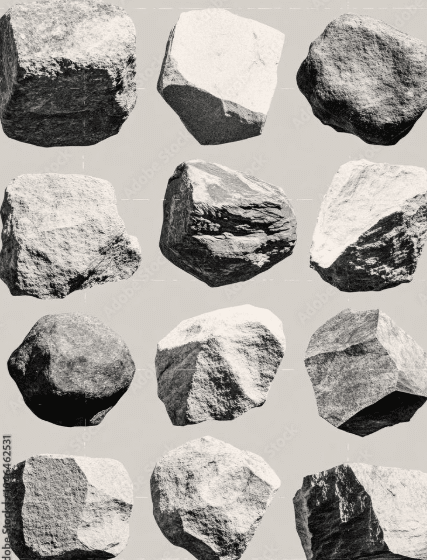
Stone acts as the insertion element. High compressive strength, irregular geometry, locally available and reusable. The stones are pressed into the wood by tolerance alone, no glue, no fixings. The fit is the joint.
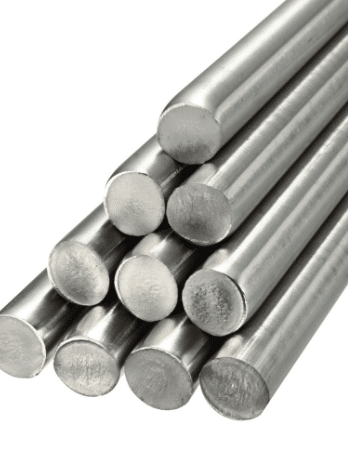
Mild steel round bar provides the structural backbone. Easy to cut, weld and bend on site, it ties the assembly together while remaining honest about its industrial nature.
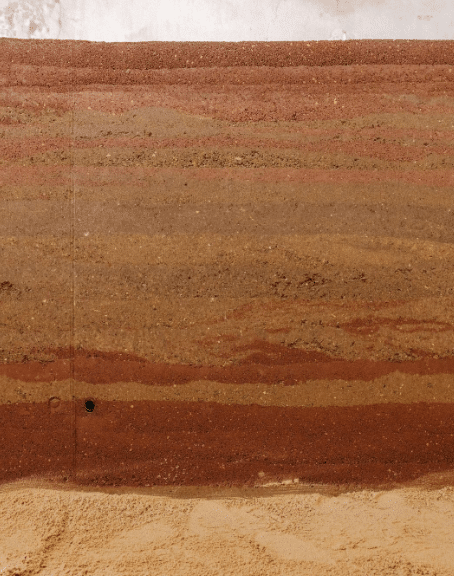
Earth brings stratification and depth. Its natural pigmentation, moisture retention and thermal mass make it an active material, one that changes over time and carries the logic of its origin visibly.
DESIGN FORM
During the computational design process in Grasshopper, the proposal evolved from the original kintsugi reference into something more abstract — but structurally more resolved.
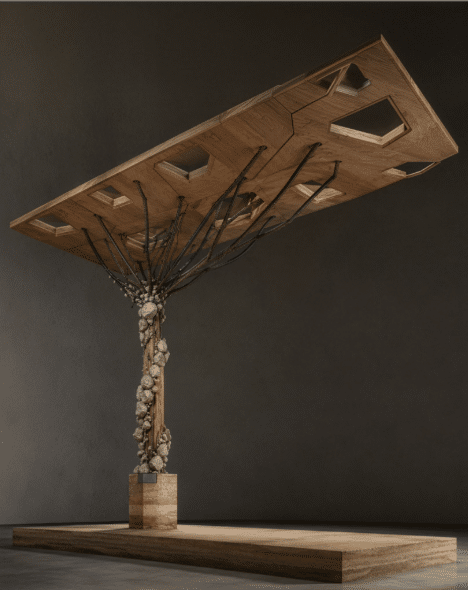
The column is composed of three distinct parts. The body is a raw wood log computationally mapped with cavities, each one shaped to receive a specific stone. The stones are catalogued, matched to their slot by geometry, and pressed in by tolerance alone. Same logic across all variations, different outcomes depending on the distribution and density of insertions.
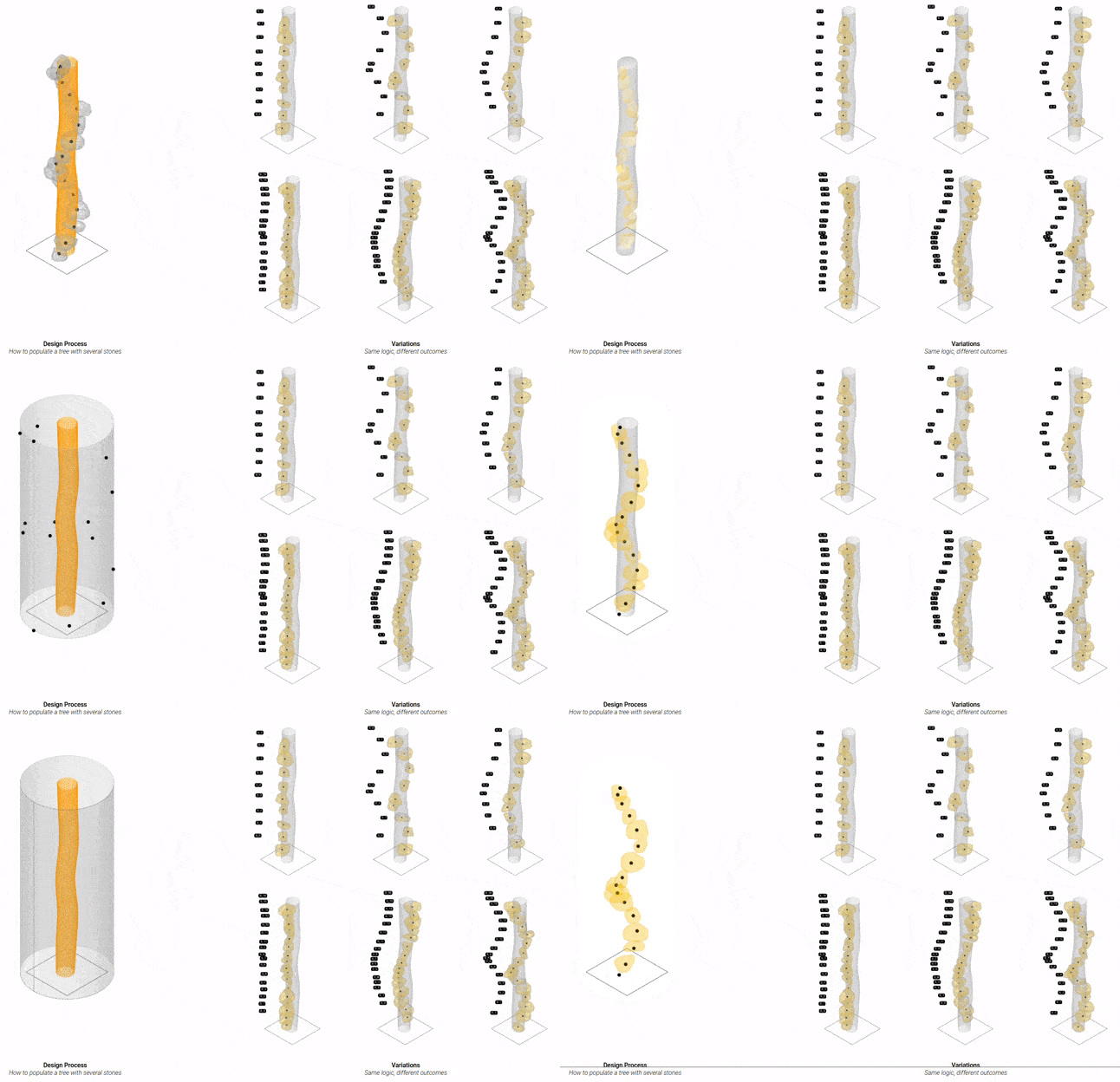
The base continues the material language of the body: compressed earth with stone incrustations that follow the same rhythm as the stones above, grounding the piece and creating visual continuity from floor to capital.
The capital is a branching system of bent mild steel rods — an abstraction of the tree’s upper structure, where trunk dissolves into branches. It connects the column to the beam above while maintaining the organic logic of the whole.
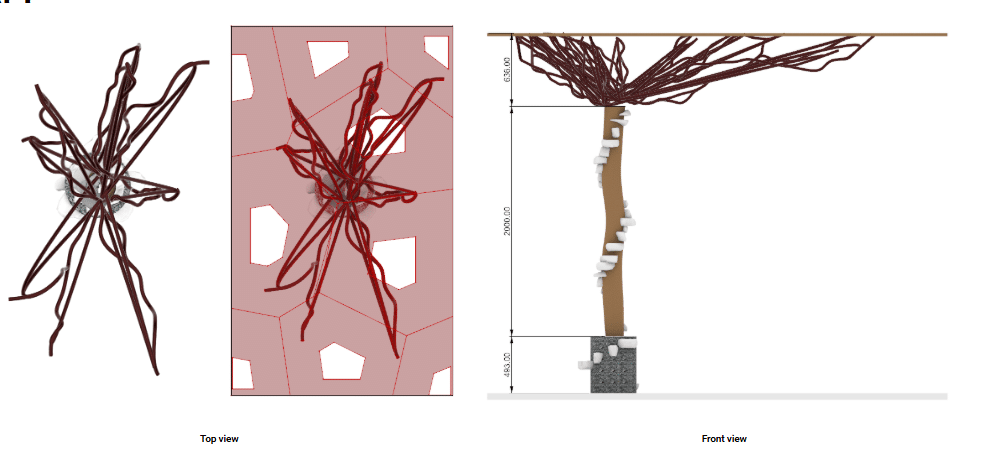
Total height: 493mm base, 2000mm body, 636mm capital.
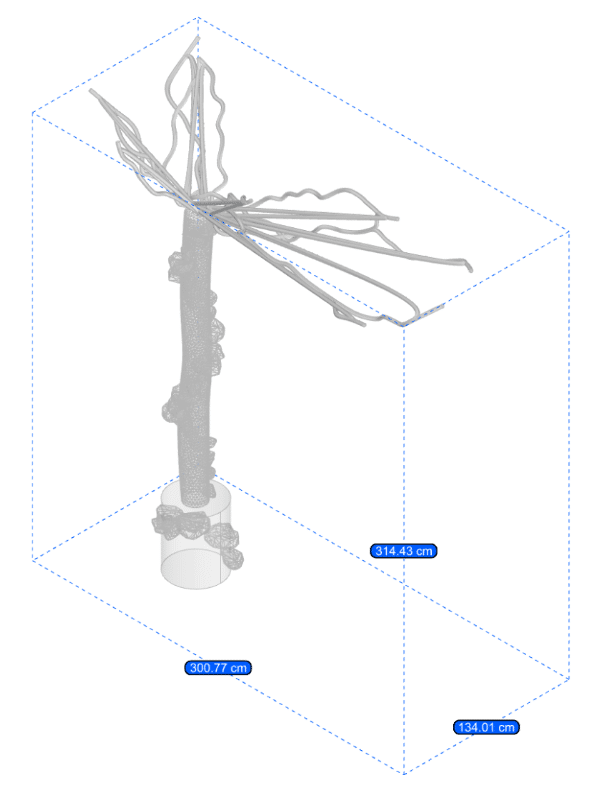
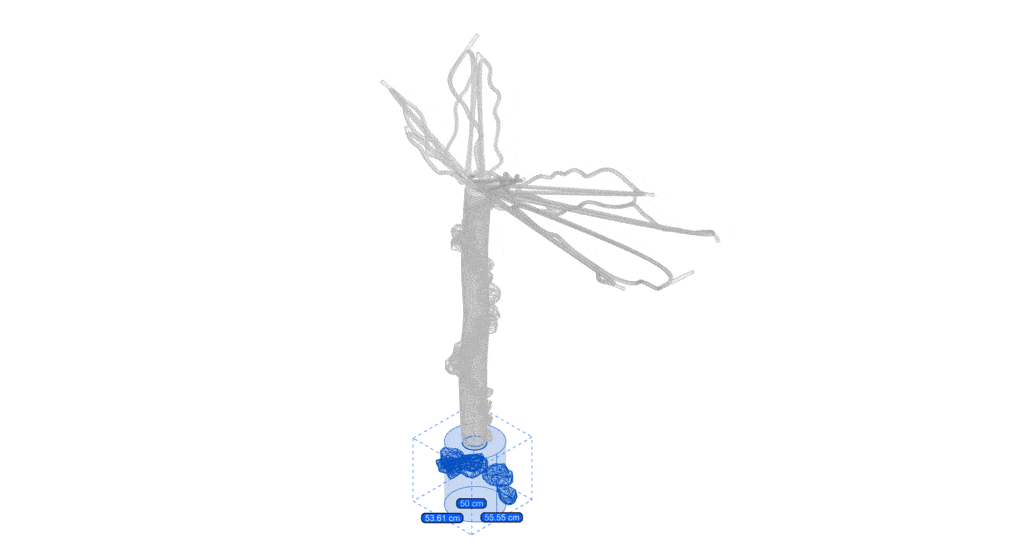
DESIGN MANUFACTURING
The fabrication process is a collaboration between two robots and a craftsman — none of the three can complete the process alone.
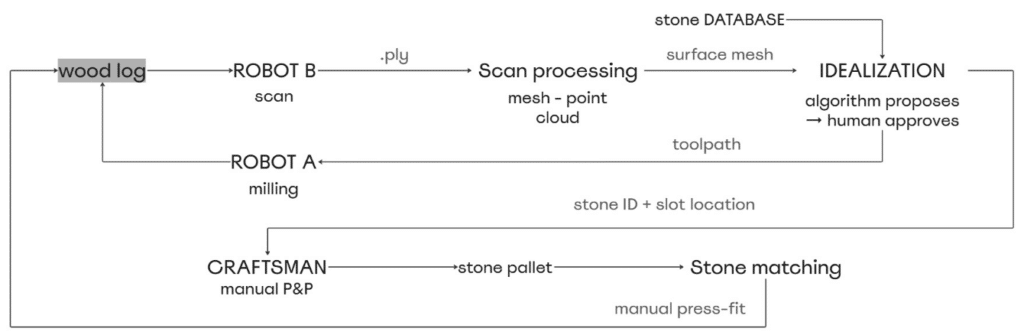
Robot B scans the wood log and generates a point cloud. That data is processed into a surface mesh and fed into an idealization algorithm that cross-references a stone database to propose slot locations and stone matches. A human reviews and approves the result.
Robot A receives the toolpath and mills the cavities into the log. Simultaneously, the craftsman receives the stone ID and slot location, picks the corresponding stone from the pallet, and manually press-fits it into position. No adhesive. The tolerance is the connection.
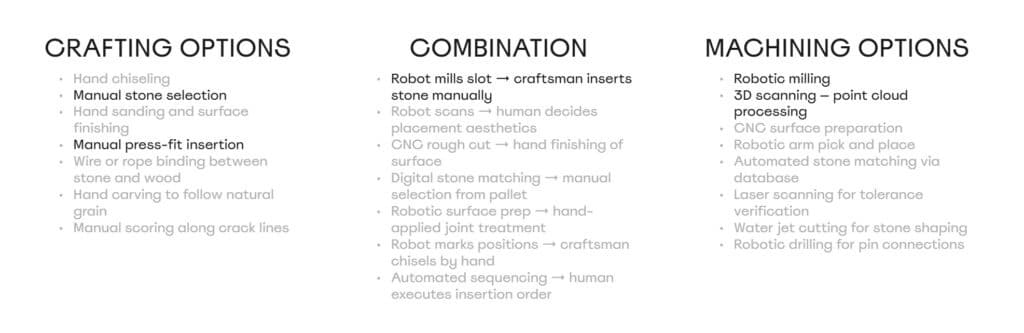
We explored three approaches to get there — pure crafting, full machining, and a combination of both. The selected path is the combination: robot mills the slot, craftsman inserts the stone. Each step requires the other.
VISUALIZATION
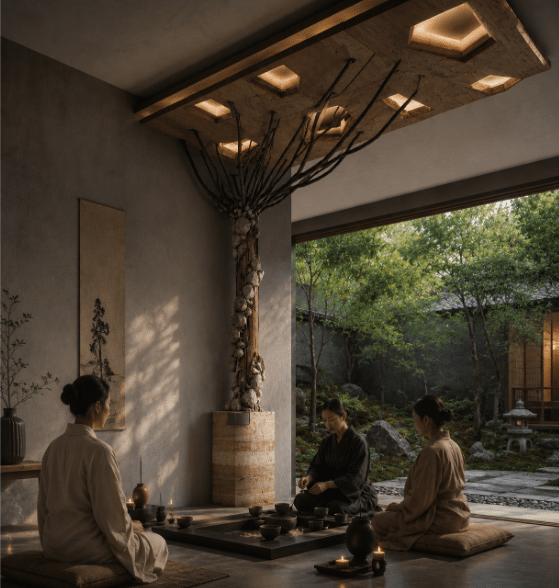
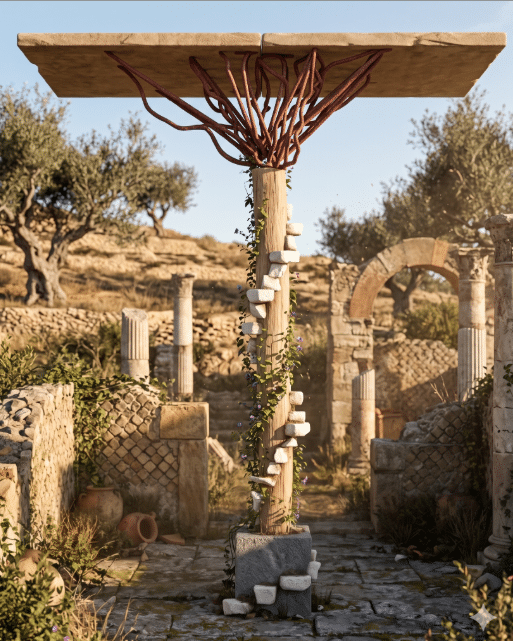
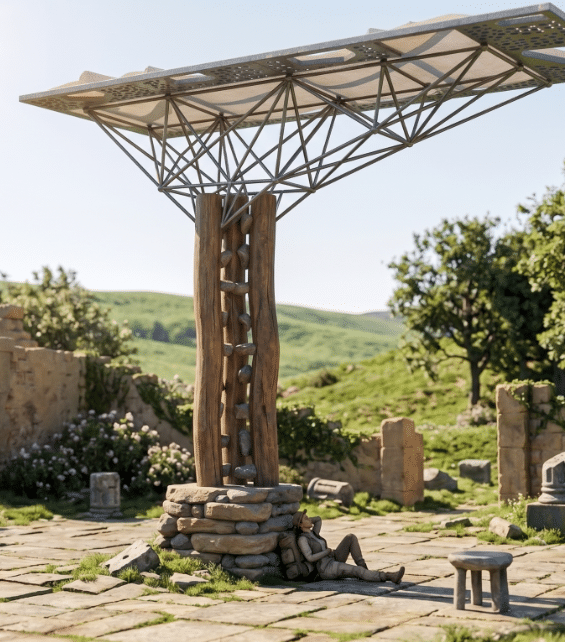
The renders explore the column in two contexts, interior and exterior, testing how the piece holds its own at architectural scale.