
What Is the Purpose of AI in the AEC Industry?
Artificial intelligence is not only a technology aimed at automating tasks; insights shared during this course demonstrate that AI plays a far broader and more strategic role in the Architecture, Engineering, and Construction (AEC) industry. Through real-world applications and practical case studies, AI emerges as a powerful enabler across the entire building lifecycle—from early design stages to operation and maintenance.
AI in Early Design and Analysis
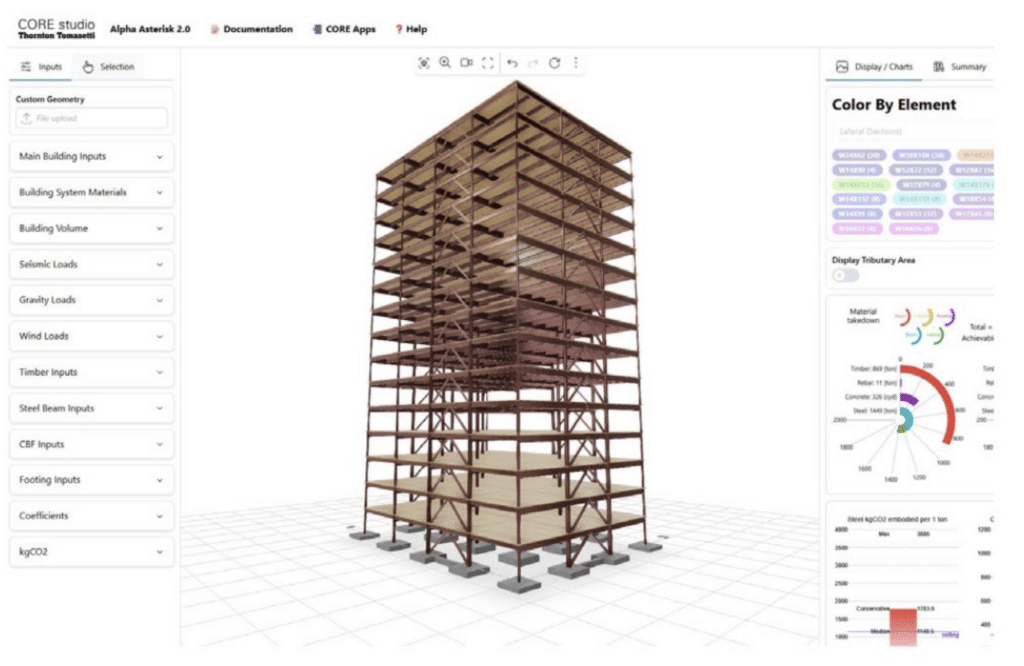
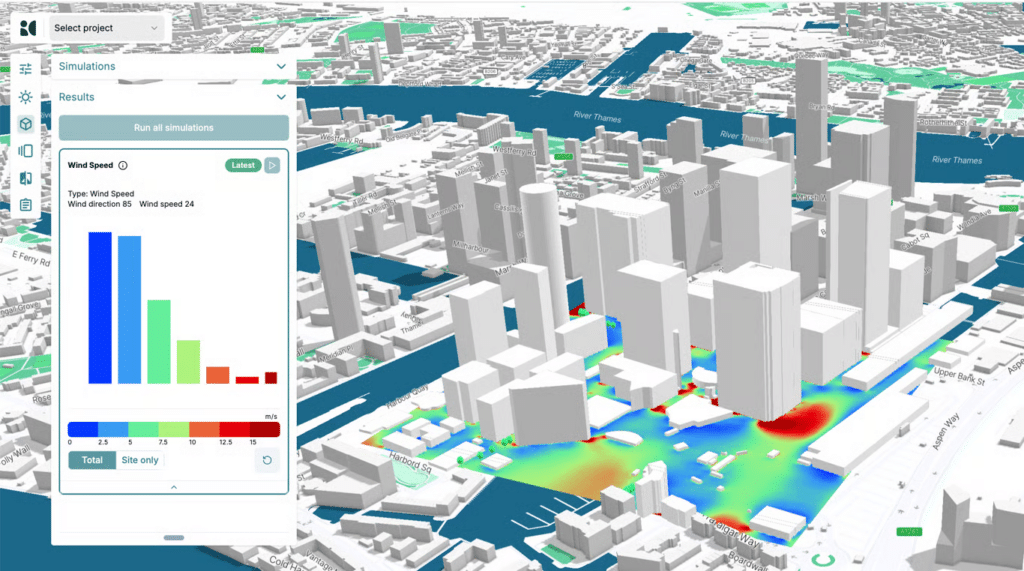
One of the most impactful applications of AI in AEC is during the early design stages, where rapid iteration and informed decision-making are essential. AI can dramatically accelerate analyses that are traditionally time-consuming and complex. This was clearly demonstrated by Sergey Pigach (CORE Studio) through AI-based tools for structural analysis, as well as by Infrared.City, which uses AI to perform Computational Fluid Dynamics (CFD) wind analysis and microclimate analysis. By enabling faster feedback and exploration of multiple design options, AI empowers designers and engineers to work more efficiently and creatively during the initial phases of a project.
Supporting Design Validation in Later Stages
AI also proves valuable in later stages of the design process. As shown by Libny Pacheco (up.skiller), machine learning models can be integrated into environments such as Revit to quickly verify daylight requirements. Running these models on a server allows teams to obtain reliable results faster, improving workflow efficiency while maintaining accuracy and compliance with performance standards.
AI for Data-Driven Operation and Maintenance
Beyond design, AI becomes a game changer in building operation and maintenance. By processing large volumes of data, AI enables predictive analytics that help optimize building performance over time. Generative AI, in particular, is not limited to image generation; it can also be applied to financial, energy, and water forecasting. These capabilities support better business planning and more informed operational strategies.
As demonstrated by Andrea Paindelli (Veolia), AI can be used to detect leaks, predict consumption patterns with the goal to reduce operational costs. In addition, AI-driven analysis of video footage from on-site cameras can enhance inspection processes, saving both time and money while improving reliability and safety.

Conclusion
Artificial intelligence is redefining its role within the AEC industry, evolving into a strategic partner across the building lifecycle. From accelerating early-stage analyses and validating design performance to enabling predictive analytics during operation and maintenance, AI supports more informed decisions and more efficient processes.
