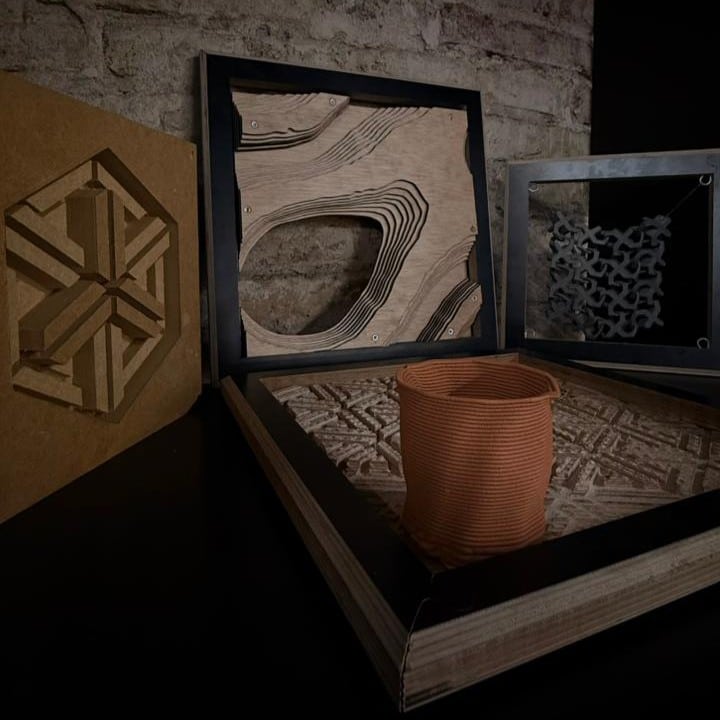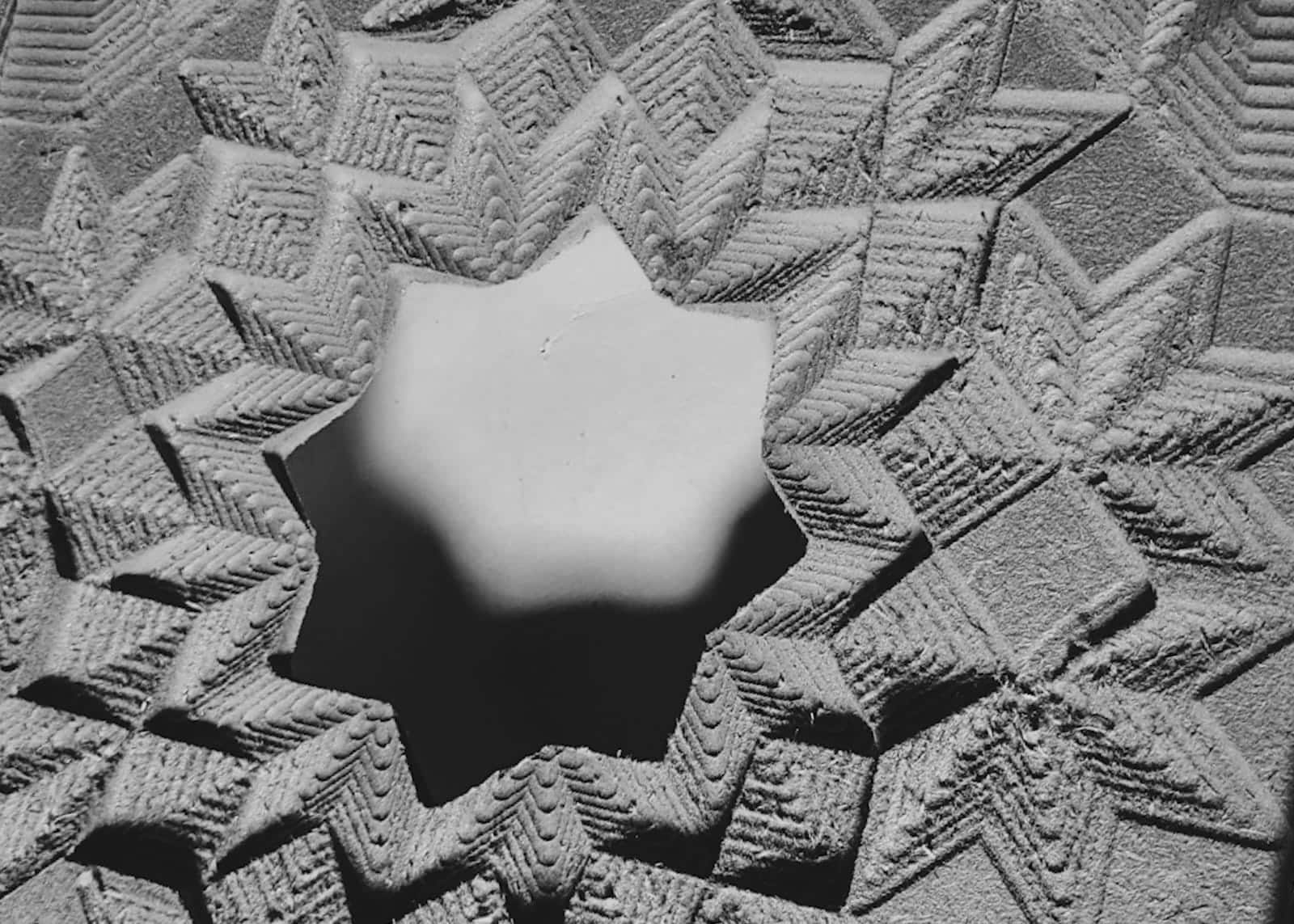
Digital Fabrication introduces students to contemporary production techniques that connect computational design with machine-oriented fabrication. The course explores how digital tools, such as laser cutting, CNC milling, and 3D printing, transform the way architecture is conceived and built.

Through weekly hands-on phases, students design and prototype modular components for vertical building elements, translating geometry into efficient, performance-based designs. Each phase combines lectures, practical fabrication sessions, and reviews focused on physical outcomes rather than digital models. By the end of the seminar, students gain the skills to model, fabricate, and assemble architectural elements, confidently using digital machines and collaborative maker spaces.


Syllabus


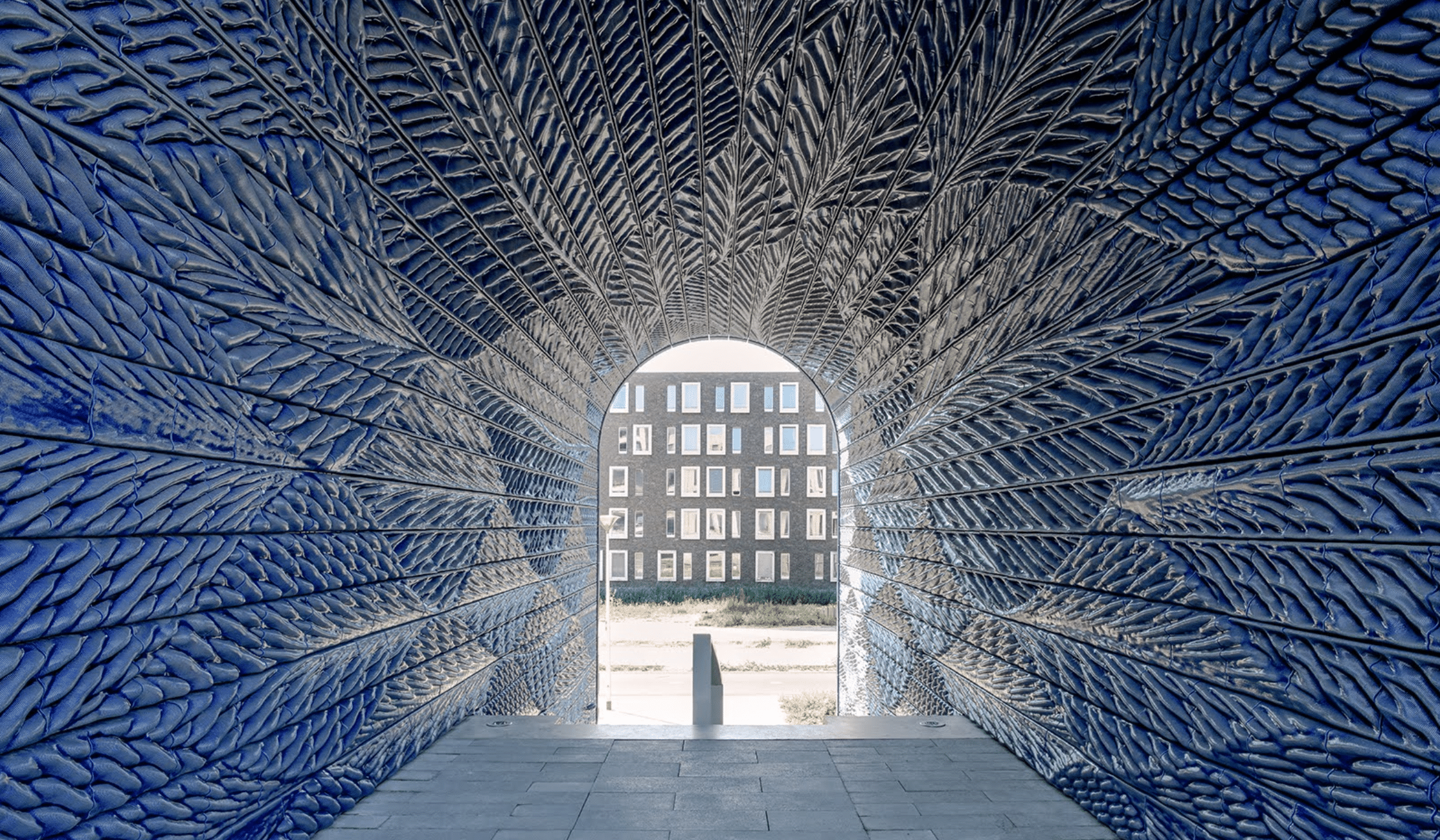
Credits: New Delft Blue, Studio RAP 2019

Digital Fabrication is an introductory course on new production techniques through the relation between computer data and machine-oriented fabrication.

CNC machines were introduced in the middle of the 20th century into industry, changing the conception of the production of objects and parts (mainly in the automotive and military industries, and then into mass-consumed products). The relationship between architecture and digital fabrication CAD / CAM processes in architecture is not new anymore, it started during the last two decades of the XXth century, bringing in a new relationship that is not only affecting the way architecture is produced but is changing the way machines are constructed and conceived for the production of architecture. 

At first, the relationship between architecture and digital fabrication has been focused on the production of non-standard parts/components and on the speculation of forms as an end itself. Instead, the seminar will focus on geometry and machines as a means to develop a performance-based design with efficient fabrication methods.

Learning Objectives

This seminar will be structured in weekly phases to reflect a different technology per phase. 

Through digital fabrication, tackling architecture details becomes an exciting new field of exploration for designers. The central theme of the weekly exercises revolves around the development of modular components of vertical building elements. Every week, teams are requested to bring new iterations of their work, incorporating novel aspects from three common digital fabrication processes: Laser Cutting, CNC milling and 3D Printing. You have both weekdays and weekends to collaborate on your projects, both digitally and physically (a lot can be explored and learn about matter behaviour without the use of digital machines).

Throughout the seminar, the first day of each phase will include an introductory lecture. Subsequently, students will explore fabrication parameters along with practical sessions with the goal of designing and prototyping their object. Each team will be provided with fabrication slots with the opportunity to use the machines in the lab to materialise their design. Students are requested to bring their files ready for production. Any doubt should be resolved previously.

Additionally, each week will include a “Fabrication Review” where students will have the opportunity to analyse the final object, review the design and learn about new processes and techniques under the guidance and support of tutors. The review will mainly be based on physically developed work. Students can show fabrication explorations, photos or diagrams during these reviews. Digital 3D models will not be allowed in the review.

By the end of the course, every student should be familiar with digital modelling, fabricating, documenting and assembly of a structure. Students should be able to devise strategies to translate geometries into articulated constructible solutions, produce the CAD-CAM files for production and use the CNC machines independently. During the course, students will also learn the principle of a FabLab and learn how to use this collaborative maker space in a safe, clean and respectful way. 


Faculty


Faculty Assistants


Projects from this course

Digital Fabrication Library

In today’s architectural landscape, digital fabrication has significantly expanded the way we design and construct building elements—offering unprecedented accuracy, efficiency, and formal freedom. Techniques such as laser cutting, CNC milling, 3D printing, and robotic manufacturing each bring distinct advantages in terms of material behavior, geometric complexity, and performance potential. RE:CELL Concept The Re:Cell is a … Read more

DIGITAL FABRICATION: Fabricating the Reef

A series of four fabrication exercises completed over eight weeks, each using a different digital manufacturing method at IAAC: CNC milling, 3D printing, laser cutting and robotic clay extrusion. Although each piece explores a distinct workflow, we maintained a consistent design logic by referencing coral ecologies and seabed morphologies. CNC Milling – Coral Veil Coral … Read more

Morphologies of Making: Four Experiments in Digital Craft

Our digital fabrication journey unfolds through four experiments that explore how material, geometry, and technology negotiate form. Each project challenges a different fabrication technique: laser cutting, CNC milling, 3D printing, and robotic manufacturing, while asking a deeper question: How does digital logic reshape the language of craft? Laser Cutting Tessellated Lightfield This project explores the … Read more

Tectonics of Digital Craft

Digital fabrication enables designers to explore geometries that go beyond traditional construction constraints. The exercise focuses on translating complex geometries into constructible systems that integrate material behaviour, joinery logic, and mass customisation. Each technique allows experimentation with unique fabrication constraints, informing the evolution of the vertical element design. The outputs serve as material and geometric … Read more

Digital Fabrication

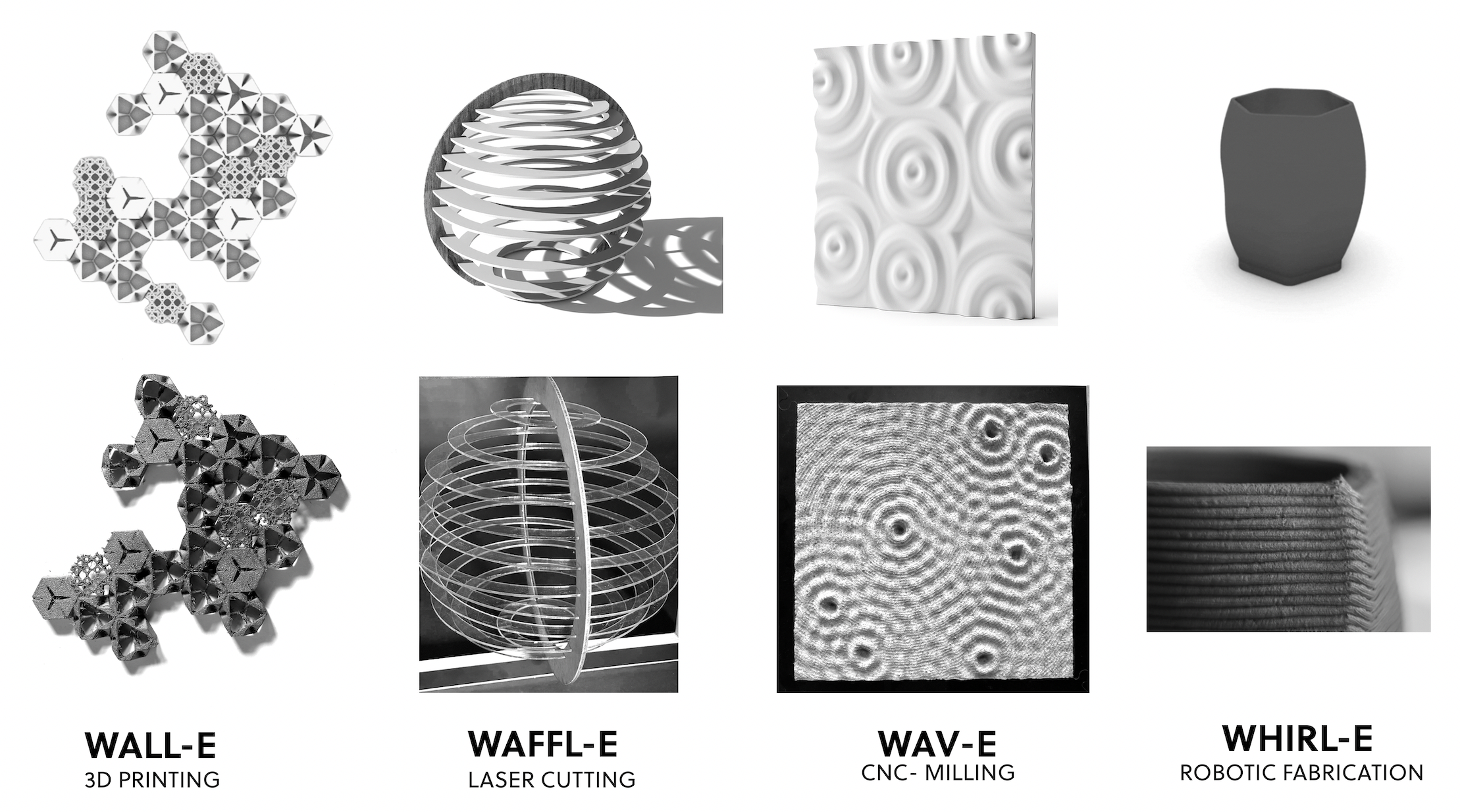
THE W-E SERIES WALL-E 3D PRINTING DESIGN INSPIRATION OBJECTIVE To create a modular vertical element that explores the capabilities of 3D printing and is simultaneously architecturally attractive, is structurally strong whilst using minimal material. DESIGN OPTIONS FINAL DESIGN CONCEPT By blending elements from previous prototypes, the final piece combines 2D and 3D forms to exploit … Read more

Axisential Fabrications

Architecture is entering a moment where the boundaries between design, technology, and material production are dissolving. As cities demand faster construction, customized spaces, and environmentally intelligent solutions, traditional methods alone no longer match the pace or precision required. Digital fabrication has emerged not just as a complementary tool, but as a transformative force reshaping how … Read more

Introduction to Digital Fabrication: A GAME OF DUALITY !

This term’s digital fabrication explorations investigated the expressive and technical potential of multiple fabrication methods laser cutting, CNC milling, robotic clay extrusion, and 3D printing. While each technique demanded a different workflow and material logic, a common thread emerged: the use of material duality to create depth, contrast, and spatial effect. By combining two materials … Read more

Machine Thinking

Introduction to Digital Fabrication Team : Sejin Park & Hasan Hirji CNC Milling During the CNC Milling process, RhinoCAM software automatically creates bridges; a necessary milling process outside of commands that one might use to manipulate material. We began with the idea of testing the frequency and depth of 2-axis bridging path movement presets to … Read more

BioMatter: Four Experiments in Digital Fabrication

Introduction to Digital Fabrication Seminar Faculty: Ricardo Mayor, Hamid Peiro, Shyam Francesco ZoncaFaculty Assistant: Sheikh Rizvi Riaz, Federico Caldi, Vivek Venkateshappa In our Introduction to Digital Fabrication course we developed a small ecosystem of “bio” prototypes that test how code, machines and matter can co-evolve. Across four exercises we treated each fabrication tool as a … Read more

Choreographies of Making

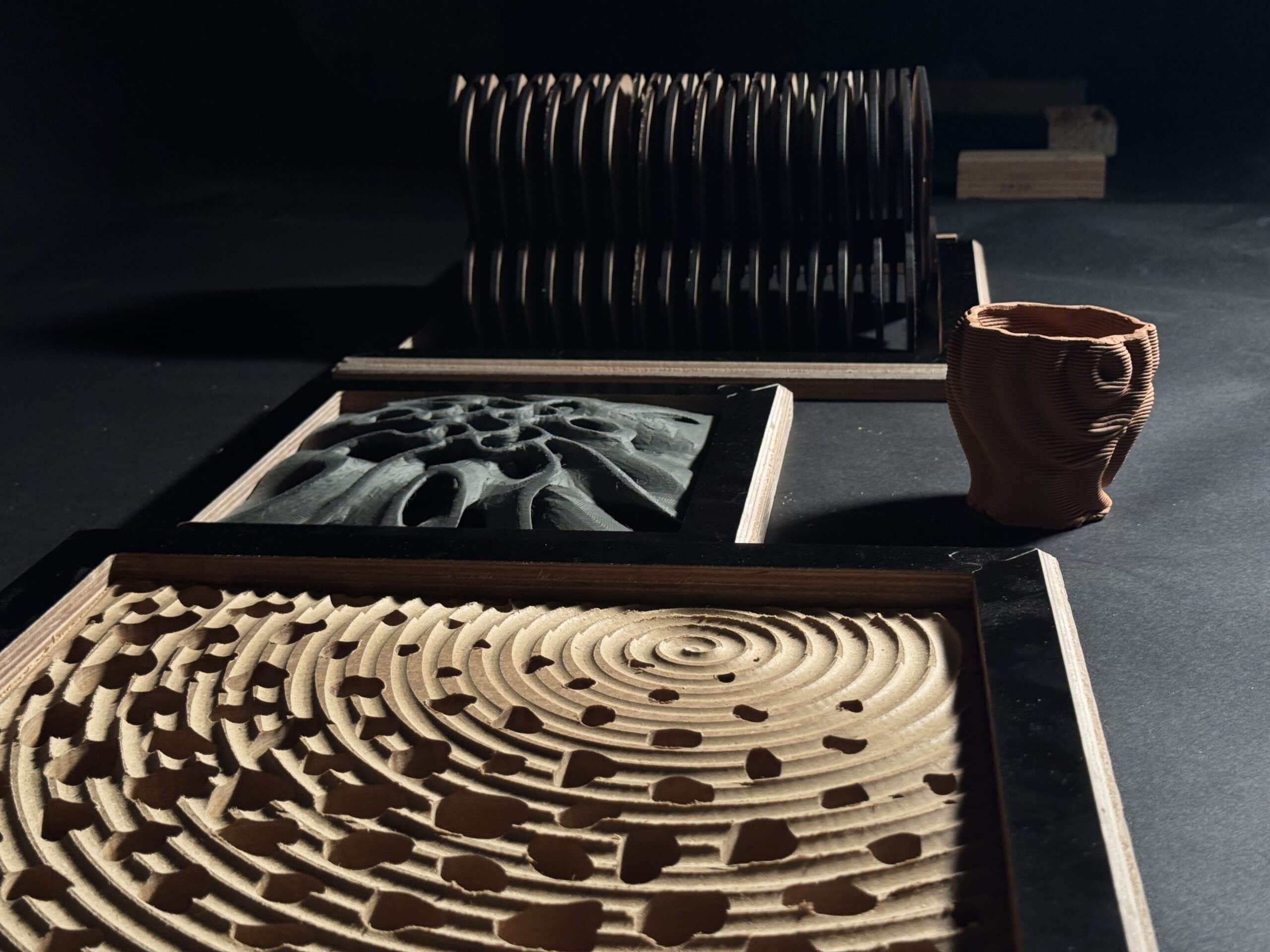
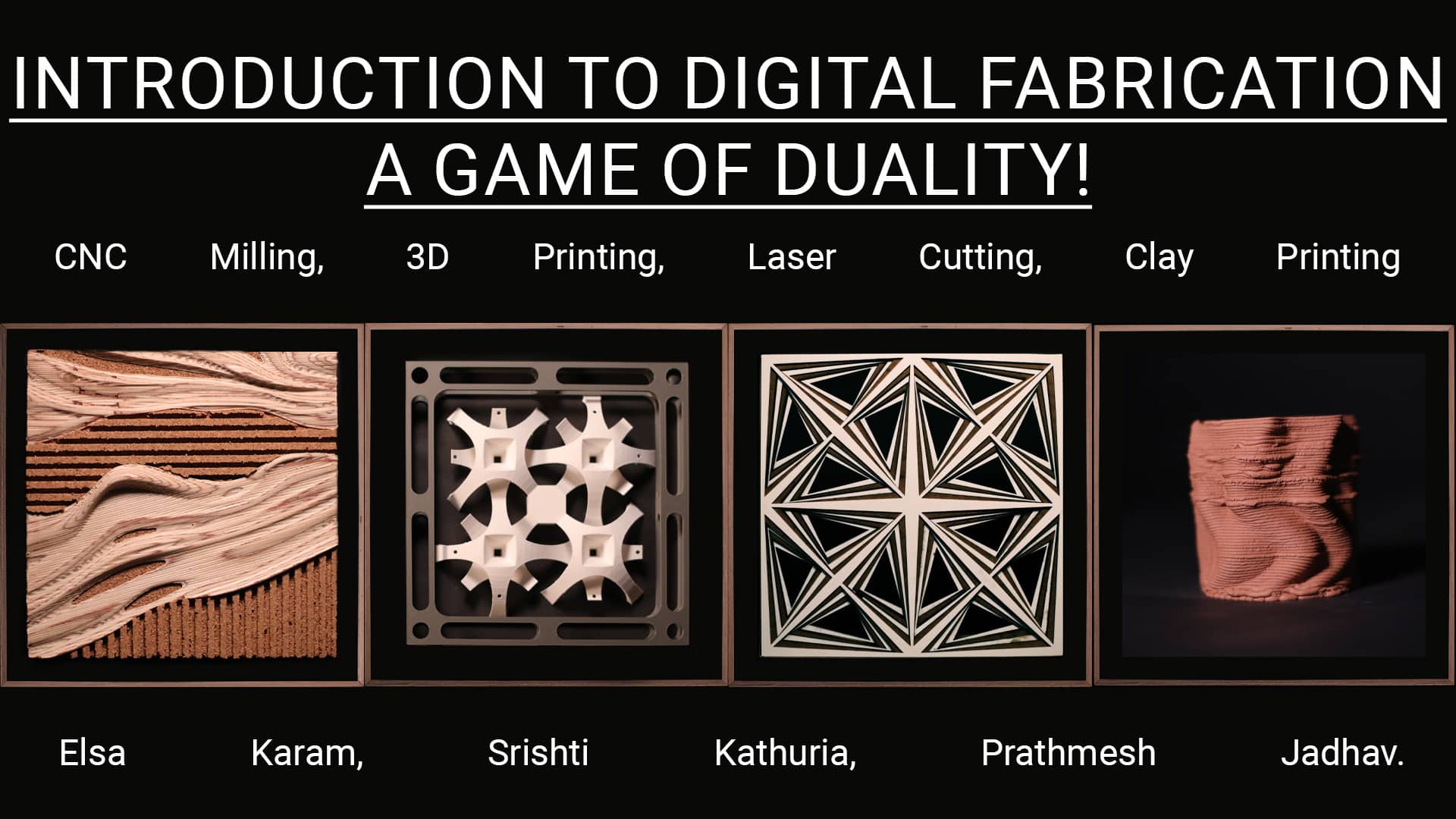
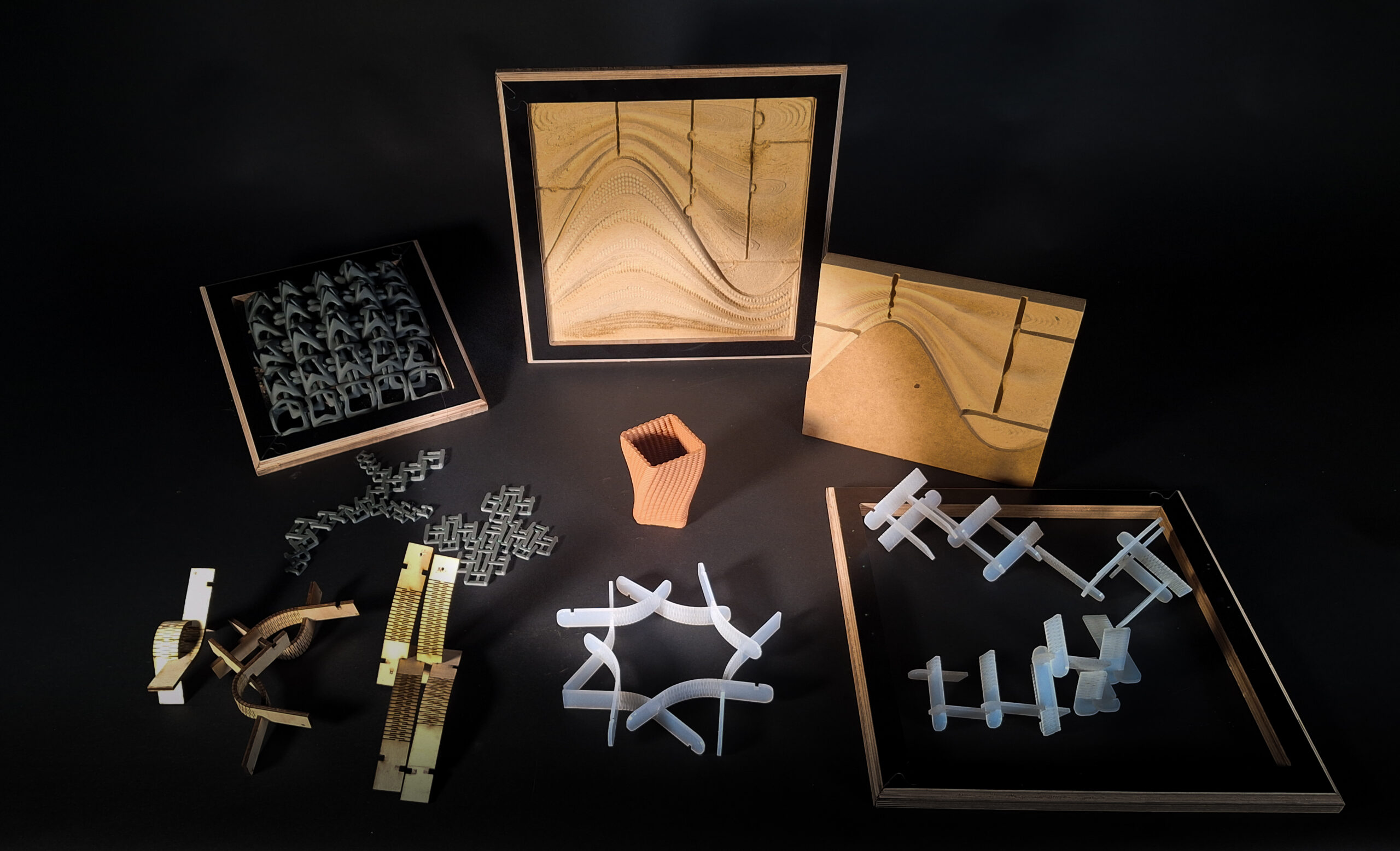
A collection of digital fabrication prototypes displayed on a dark background, including 3D-printed modular façade components, laser-cut bending assemblies, CNC-milled MDF panels with carved topographies, and a robotically 3D-printed clay vessel, all arranged within wooden frames and scattered test pieces.

This project explores how human motion in space may be sensed, interpreted, and recorded with physical computing. The project integrates digital sensing with spatial interaction. With three ultrasonic sensors, LEDs, a servo motor, and an OLED display, the system not only senses but also displays directional flow — i.e., whether people are coming or going … Read more

Material Ecologies: From Nature to Façade

Vertical architectural elements play a defining role in shaping thresholds, filtering light, and guiding how we perceive both interior and exterior spaces. In this project, we explored their spatial and expressive potential through a sequence of hands-on fabrication experiments. Drawing inspiration from natural forms and behaviors, each design aimed to reinterpret organic patterns into façade … Read more

Fabricated Motion

Introduction to Digital Fabrication In contemporary architectural practice, digital fabrication has opened new possibilities for designing and producing building components with precision, efficiency, and expressive complexity. Among the most widely used methods—laser cutting, CNC milling, 3D printing, and robotic fabrication, each offers unique material, geometric, and performative potentials. For this assignment, we explore these techniques … Read more

The Digital Fabrication Collection

The Digital Fabrication Collection showcases four prototypes developed through distinct making techniques. Each project explores how form, material, and geometry respond to CNC milling, laser cutting, 3D printing, and robotic fabrication, highlighting the diverse possibilities of digitally driven design. Light Lattice The Light Lattice project explores how laser cutting can translate digital geometry into tangible … Read more

FACADE PROTOTYPING

Vertical elements shape how we experience architecture-defining boundaries, filtering light, and giving character to both interiors and facades. In this exercise, we explored their potential through hands-on digital fabrication, rotating between 3D printing, laser cutting, CNC milling, and robotic manufacturing. Working within a fixed wooden framework, each technique challenged us to rethink material behavior, structural … Read more

TriAxial Dynamics

3D Printing | Kinetic Facade | CONCEPT | The project draws its primary inspiration from the dynamic, sun-responsive mashrabiya system of the Al Bahr Towers in Abu Dhabi. What captivated me was the sharp visual contrast between conventional, static façade geometries often rectilinear or triangulated and the refined kinetic intelligence embedded in these triangular adaptive … Read more