Team members: Nguyen Vu Tue Minh (Chloe), Eduardo Martinez Toribio, Symon Kipkemei
Modified by Nguyen Vu Tue Minh on December 12, 2025
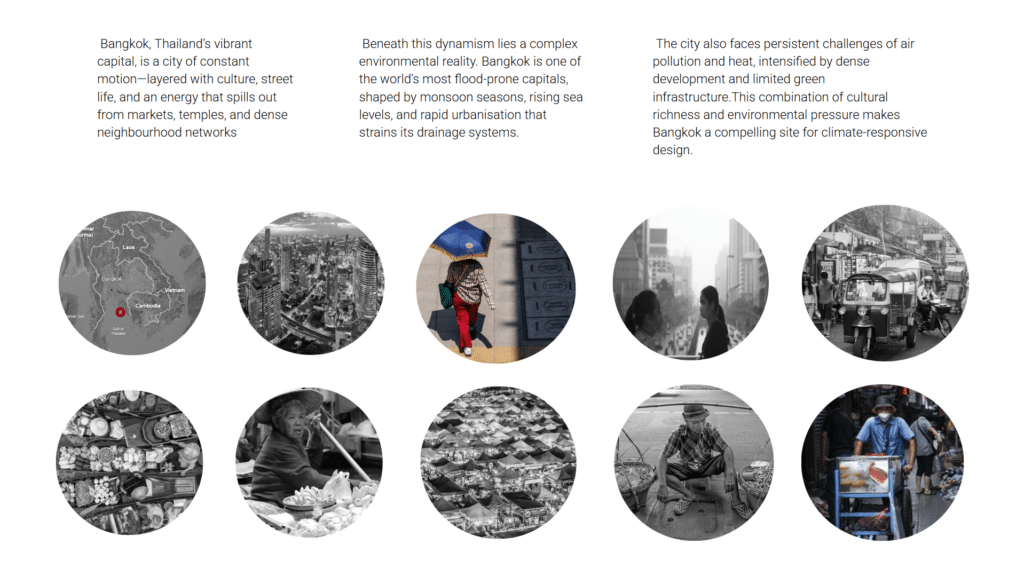
//CONTEXT
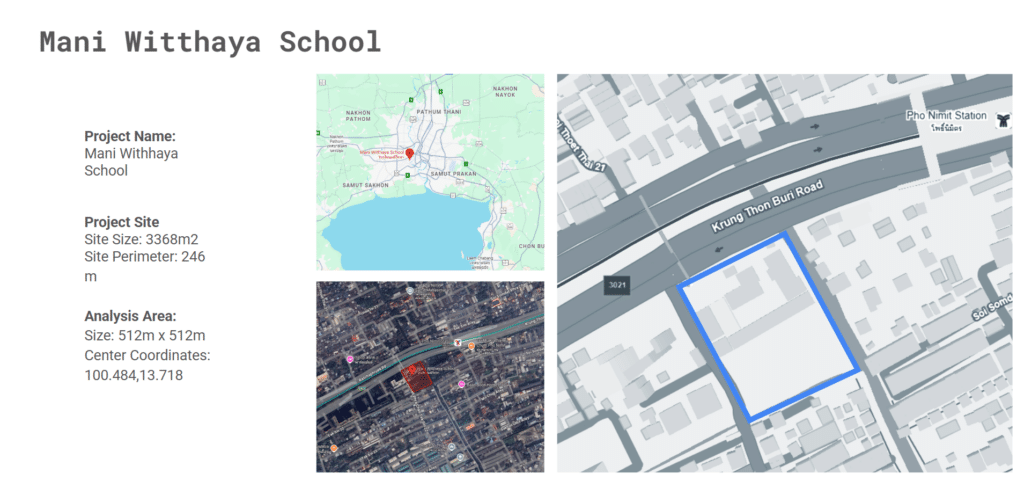
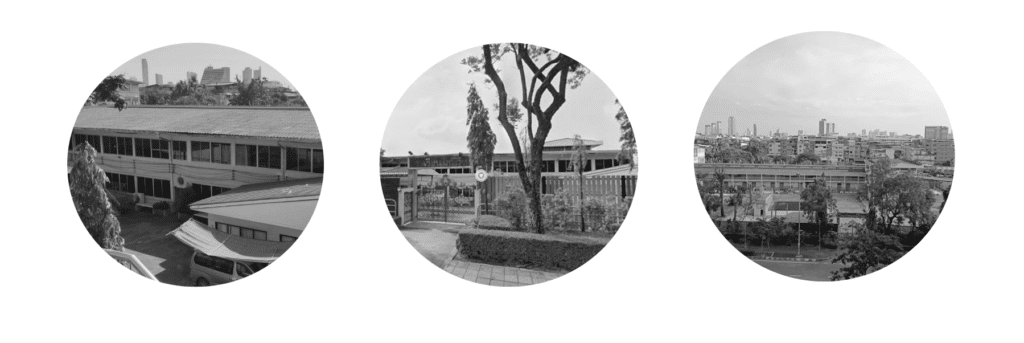
//SITE INFORMATION
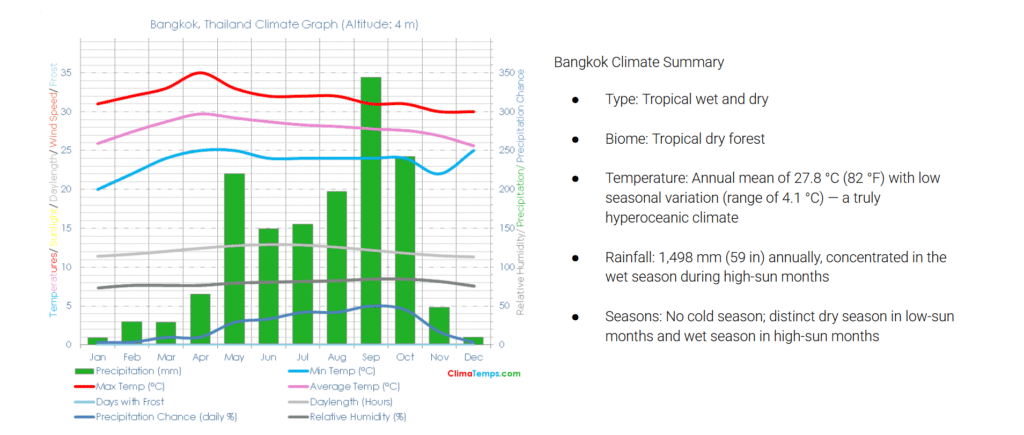
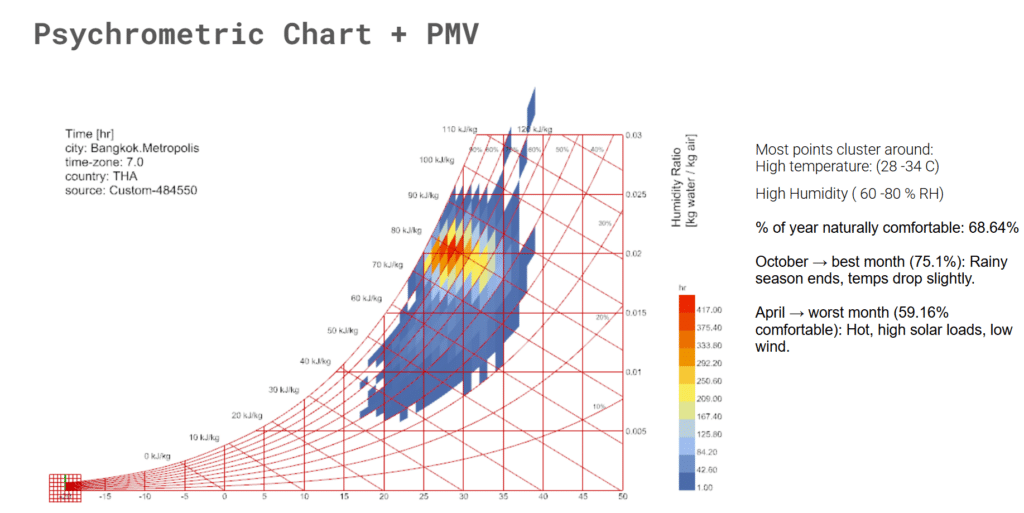
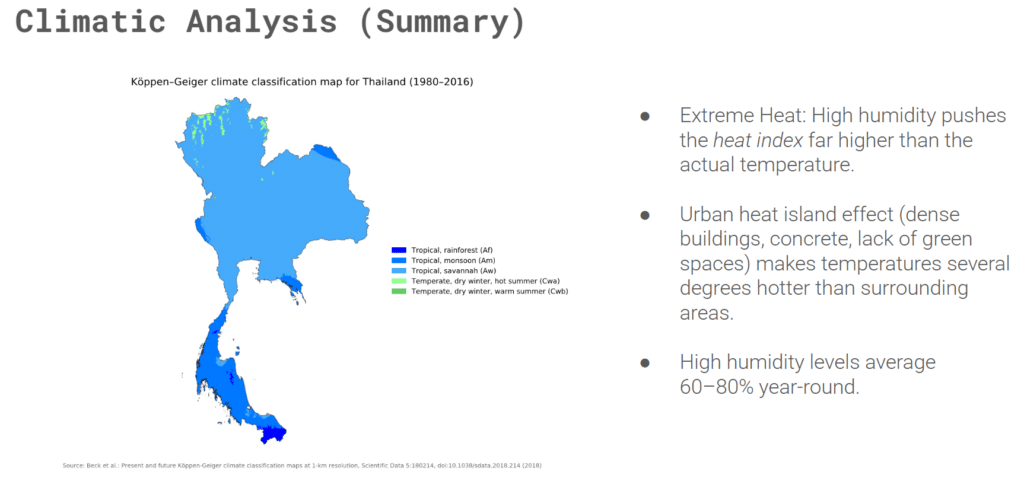
//CLIMATIC ANALYSIS
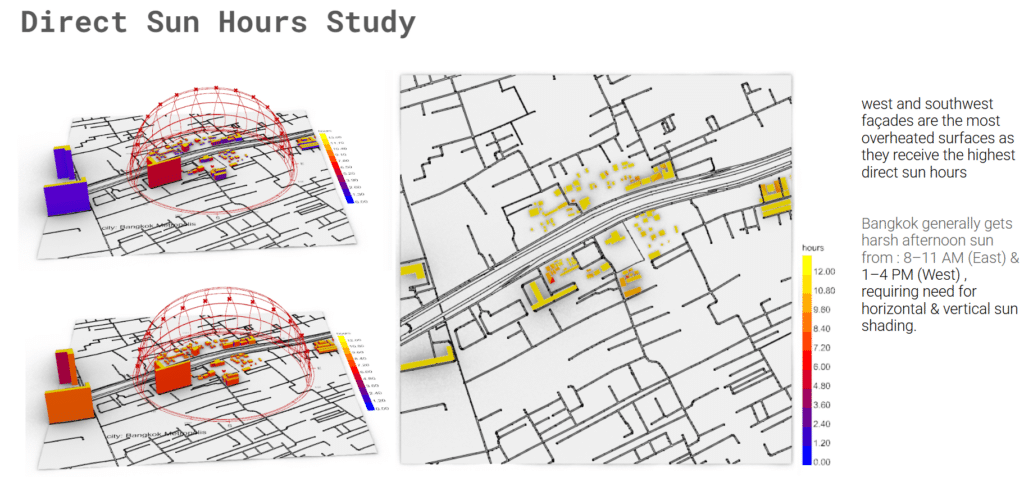
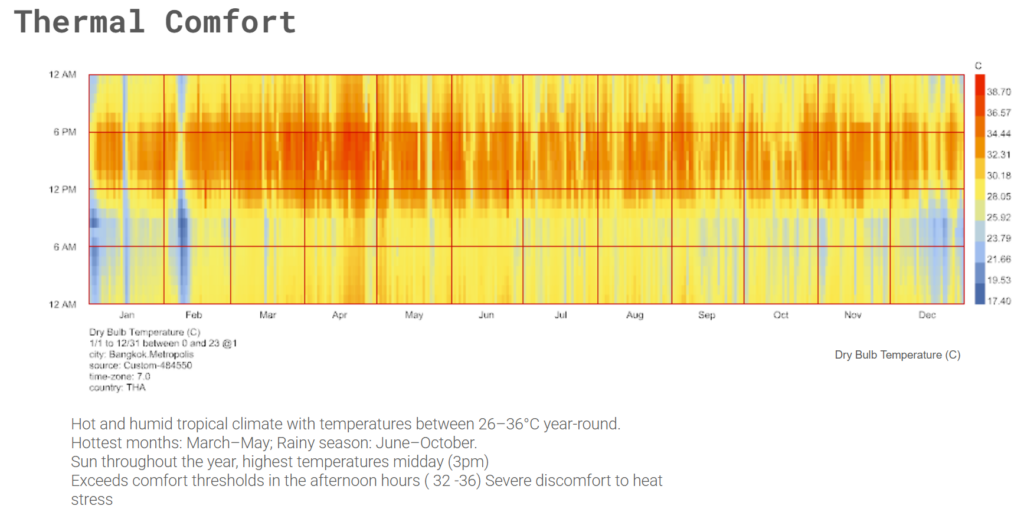
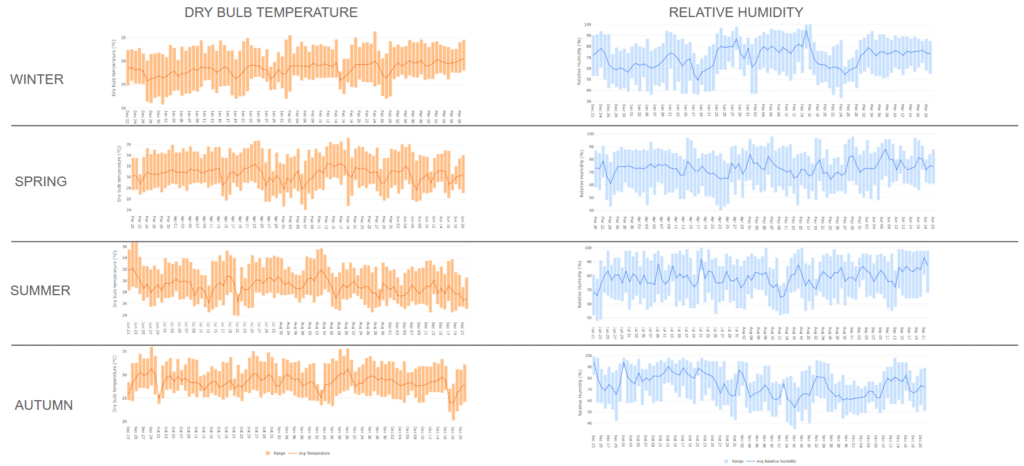
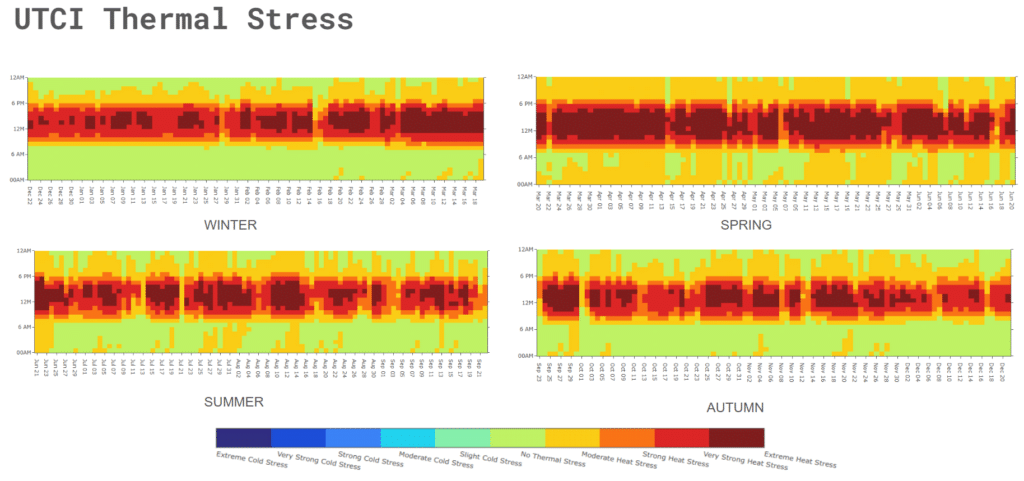
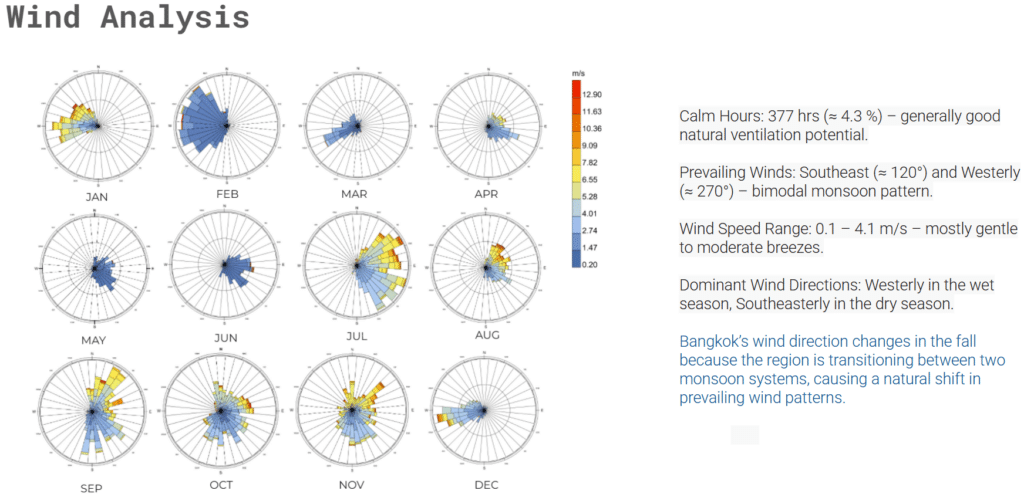
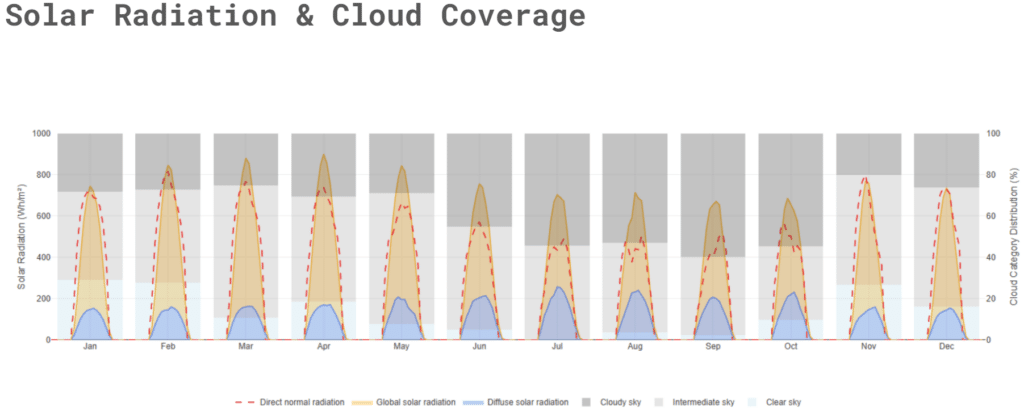
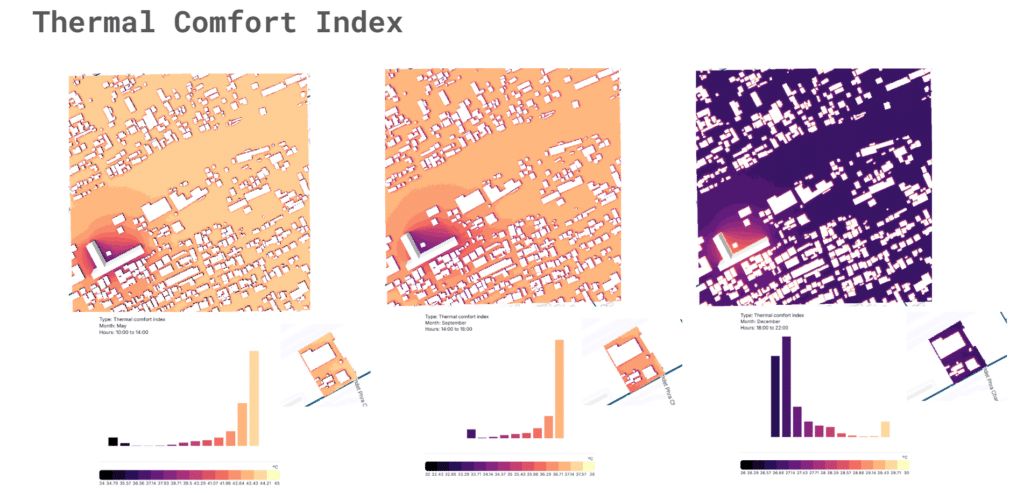
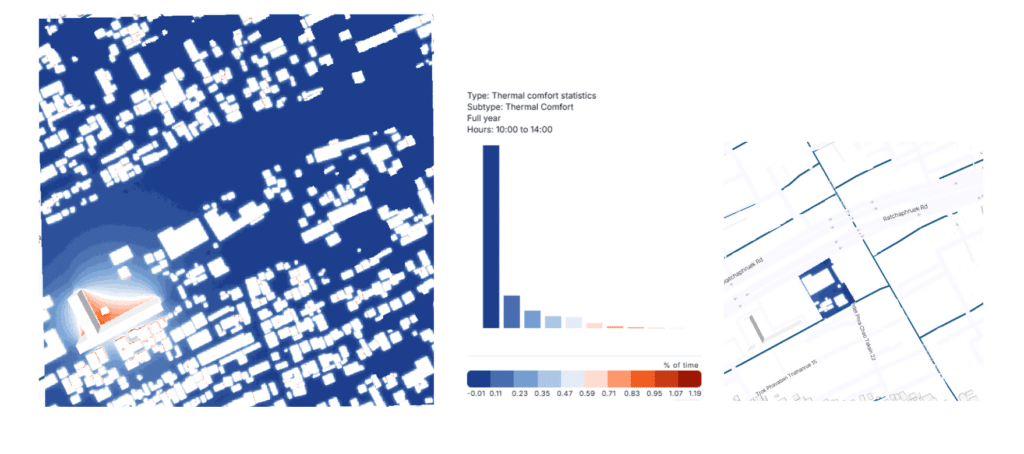
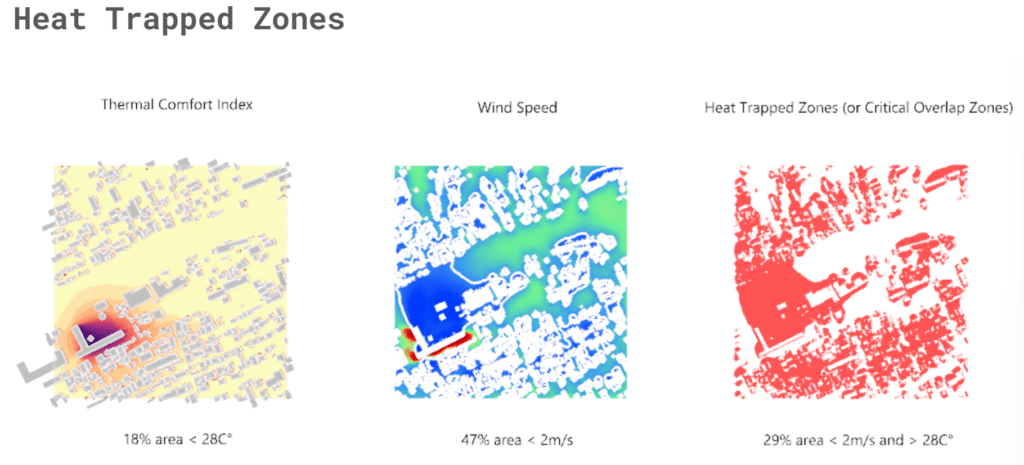
//DESIGN PARAMETERS
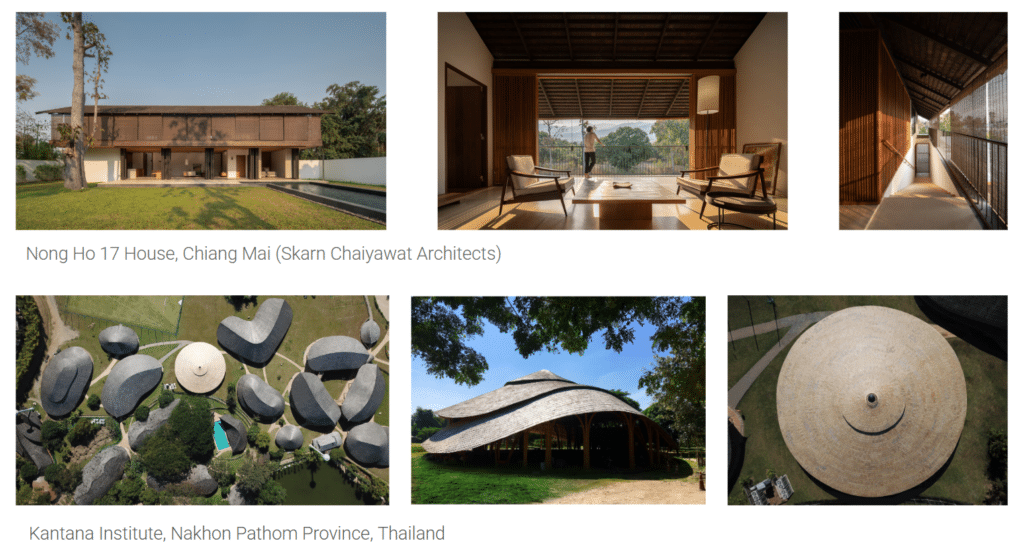
1. Precedent Study & Early stage explorations
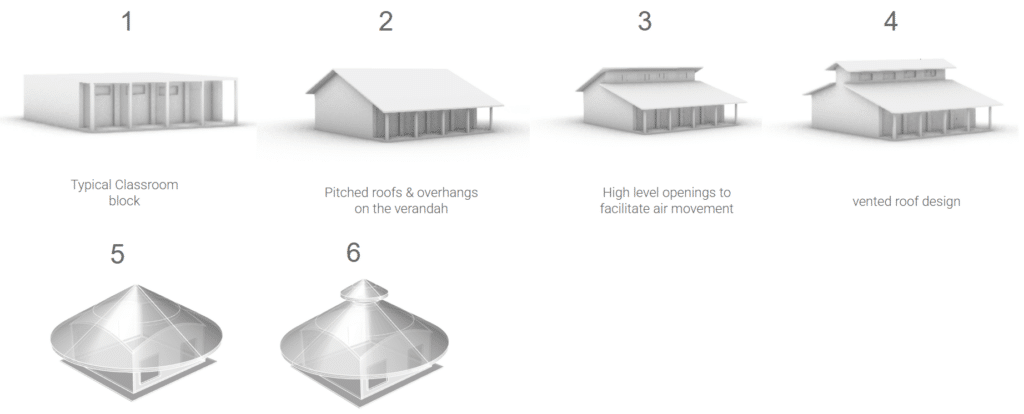
2. Form Study
3. Design Exploration
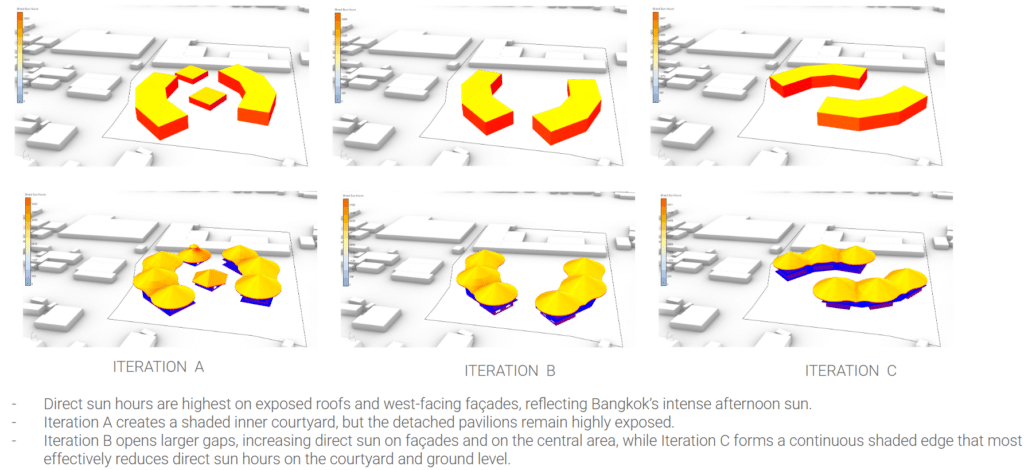
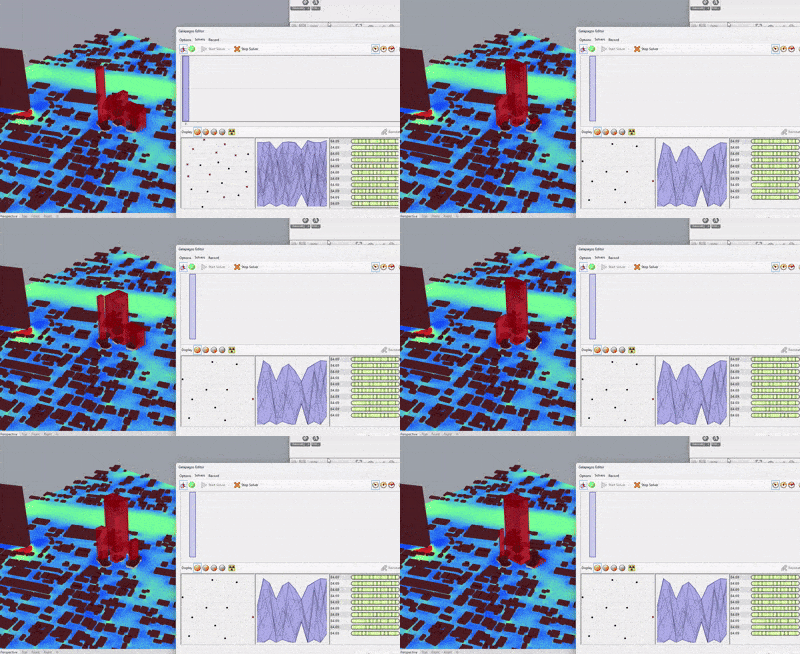
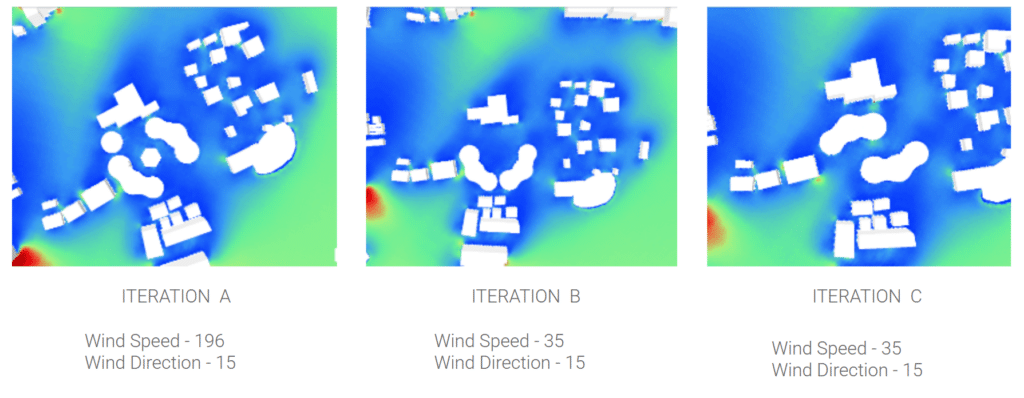
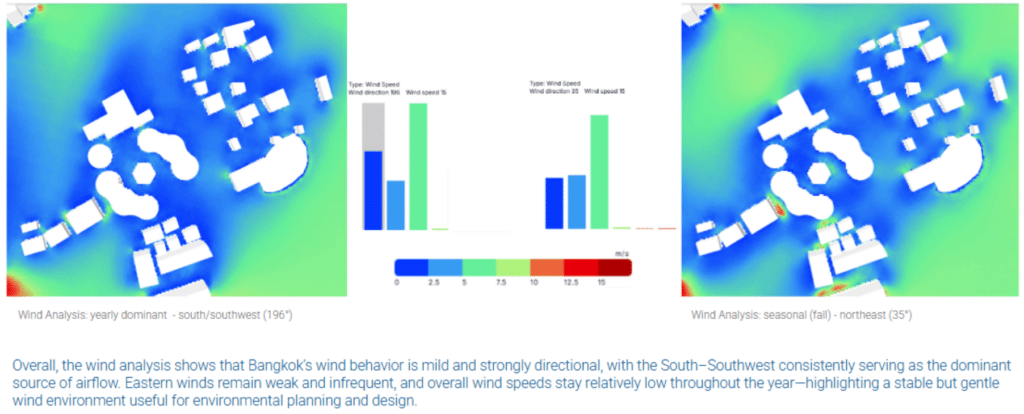
To test our ideas effectively, we simplified our design proposal into clean, minimal geometry and explored multiple placement iterations across the site. Each iteration was evaluated using direct sun hours analysis and Galapagos on wind studies to understand how the massing interacted with Bangkok’s intense climate. This process allowed us to compare shading performance, identify areas of excessive heat gain, and refine the design toward a configuration that enhances thermal comfort for the students at Mani Witthaya School.
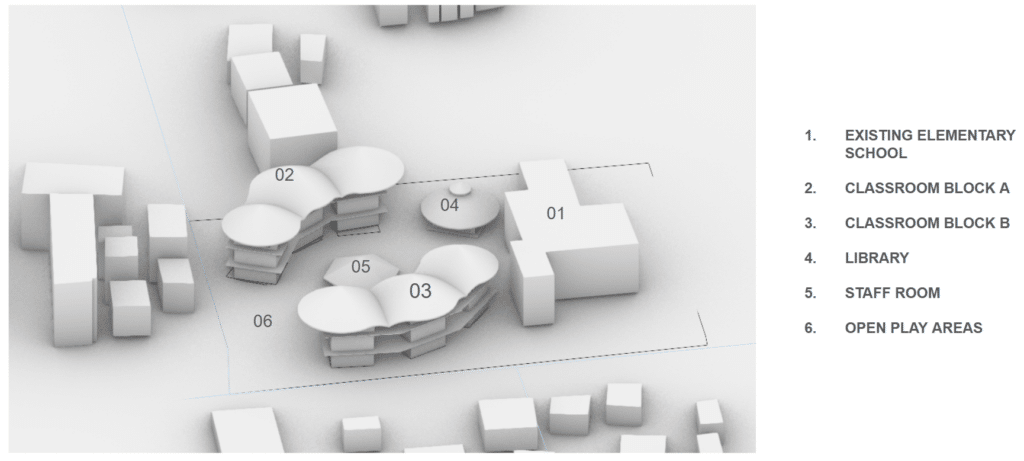
4. Proposed Design
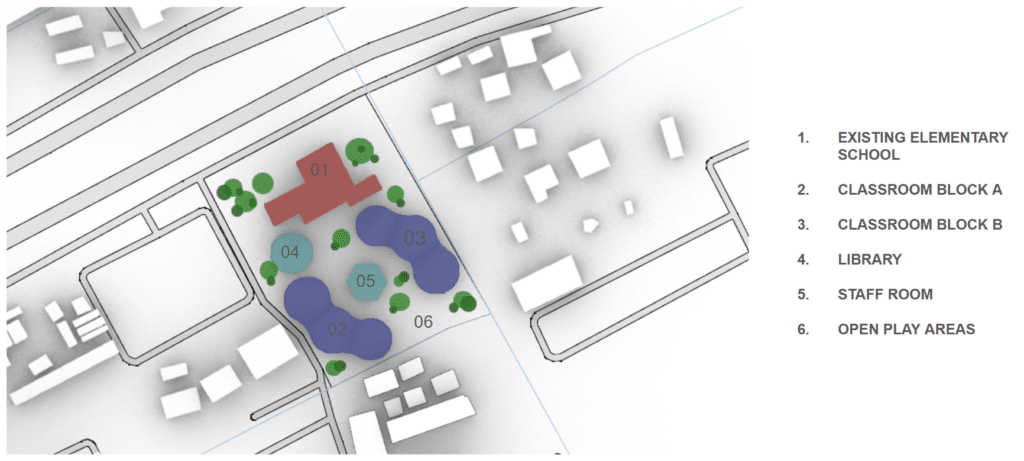
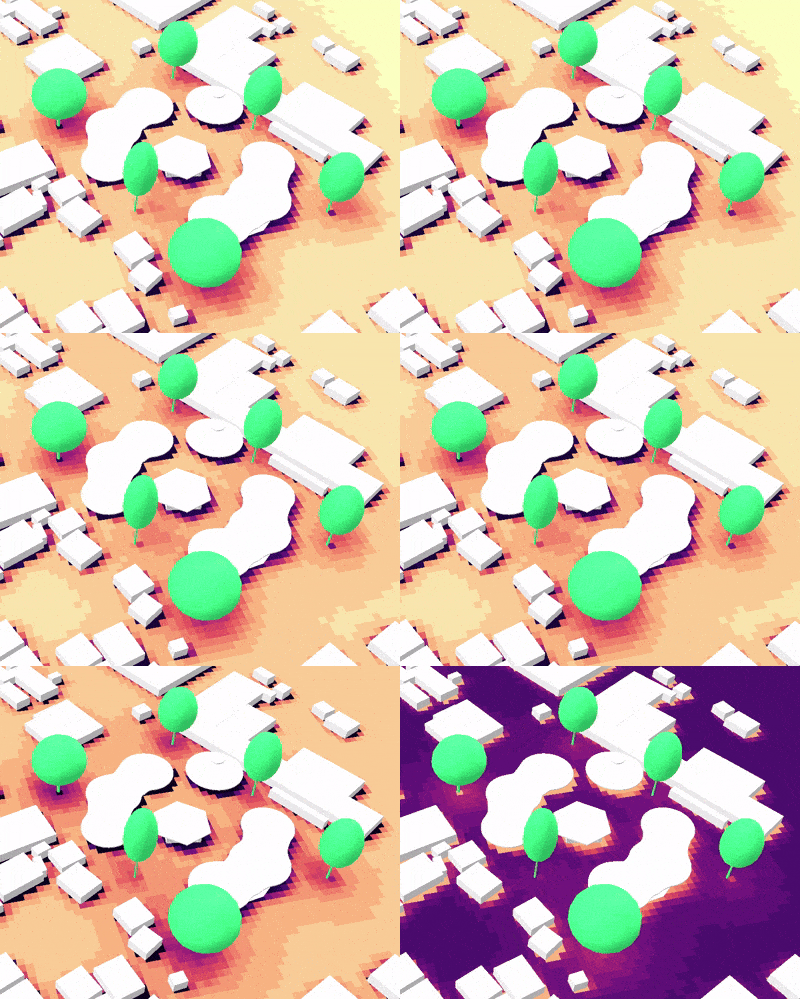
5. Thermal comfort analysis for the design
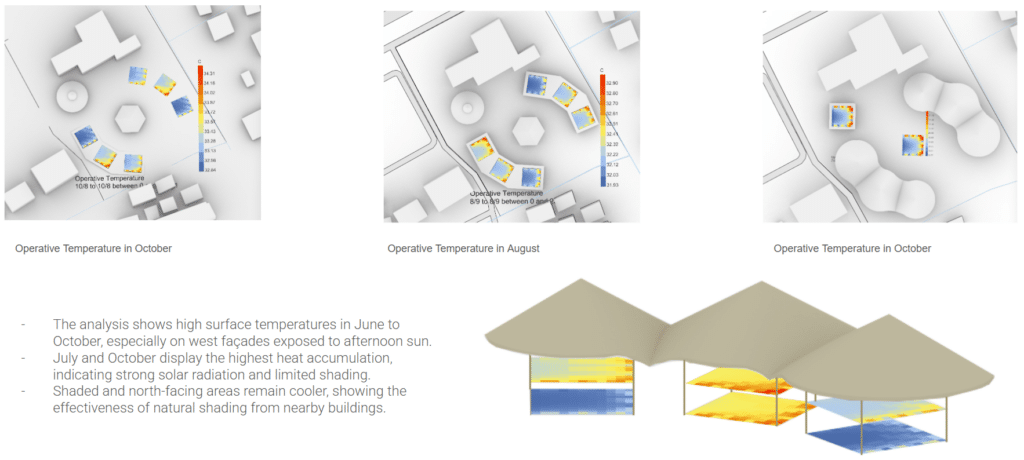
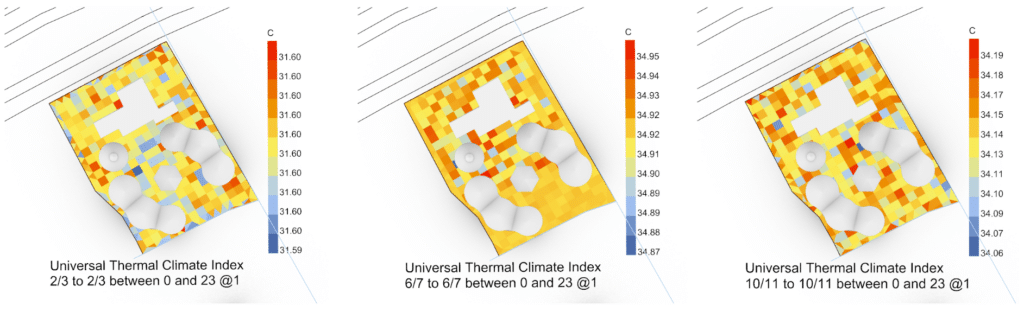
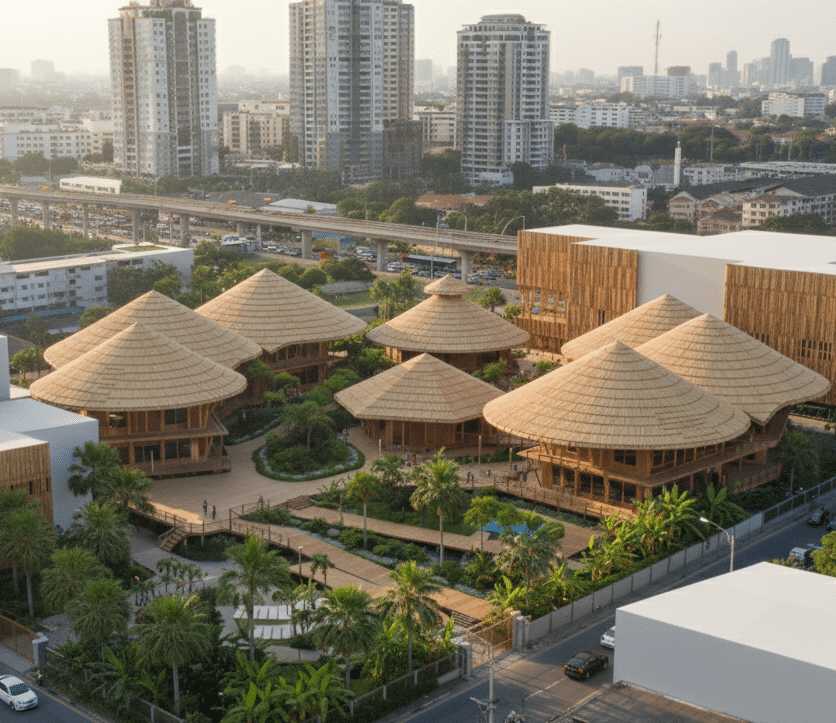
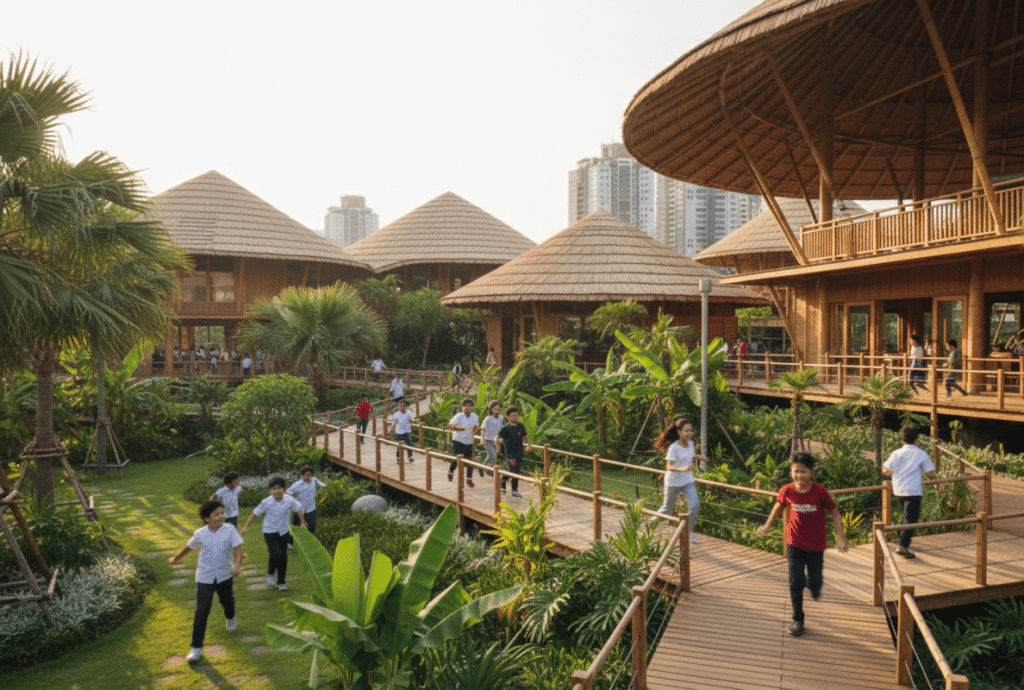
Design achieved:
Massive overhang roofs: Delivers essential shading to the envelope and circulation areas, mitigating solar heat gain.
Strategic Landscaping: Trees provide site-level thermal mitigation, prevent ground/floor overheating, and enable evaporative cooling
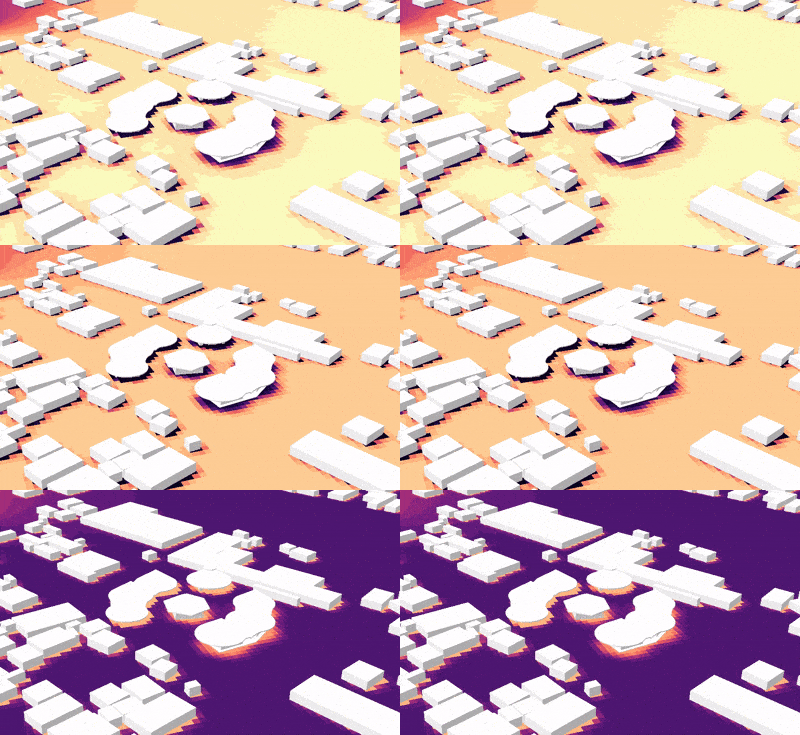
//CONCLUSIONS & TAKEAWAYS
Our environmental analysis clearly shows that Bangkok’s hot-humid climate demands a design approach grounded in shading, ventilation and landscape. Unshaded roofs and west-facing façades consistently overheat—especially from June to October—making passive strategies essential rather than optional. Through testing various massing options, the continuous ribbon with courtyards emerged as the most effective, balancing daylight, shade and open-space quality.
Using digital tools such as Ladybug and Infrared City allowed us to evaluate each scenario quantitatively and refine decisions with evidence at every step. This led to a proposal centred on shaded courtyards, covered walkways and north-oriented learning spaces, supported by big roofs, verandahs and strategic planting. Trees and soft landscaping become climate infrastructure—cooling the ground, filtering solar gain and improving comfort across the site.
Ultimately, the process reinforced one key lesson: form and section should work hard first—ventilated roofs, high openings, deep overhangs—before turning to mechanical systems. The iterative workflow of analyse → design → simulate → optimise not only shaped our final proposal but also provides a transferable method for future projects in not just tropical climates but in any climates.