

“Planetarity” is a philosophical concept that examines how the ways we visualize the Earth shape how we interact with it. Coined by Gayatri Spivak in her 2003 book Death of a Discipline, the term challenges us to move away from viewing the Earth as a controllable resource. Instead, Spivak argues that we must think beyond the “global” model—one deeply rooted in colonialism and capitalism.
Our task was to explore a range of perspectives on this concept and translate them into a 15-minute, quotation-based play. Transforming philosophical ideas into conversational reenactments is a strategy long used by thinkers to make complex ideas more accessible (as seen in works such as Caligula by Camus, No Exit by Sartre, and The Theban Plays by Sophocles). Because philosophical texts are often dense and abstract, our challenge was to directly quote or carefully paraphrase these sources while keeping the material clear, engaging, and dramatically compelling.
As natural disasters—flooding, wildfires, droughts, and catastrophic storms—become increasingly common, often driven by accelerated, human-caused climate change, the urgency of these ideas grows. These events devastate lives, communities, and ecosystems alike. Yet amid so many competing visions of what the Earth is or should be, a central question emerged in our play: what planet are we rebuilding for?
The Play
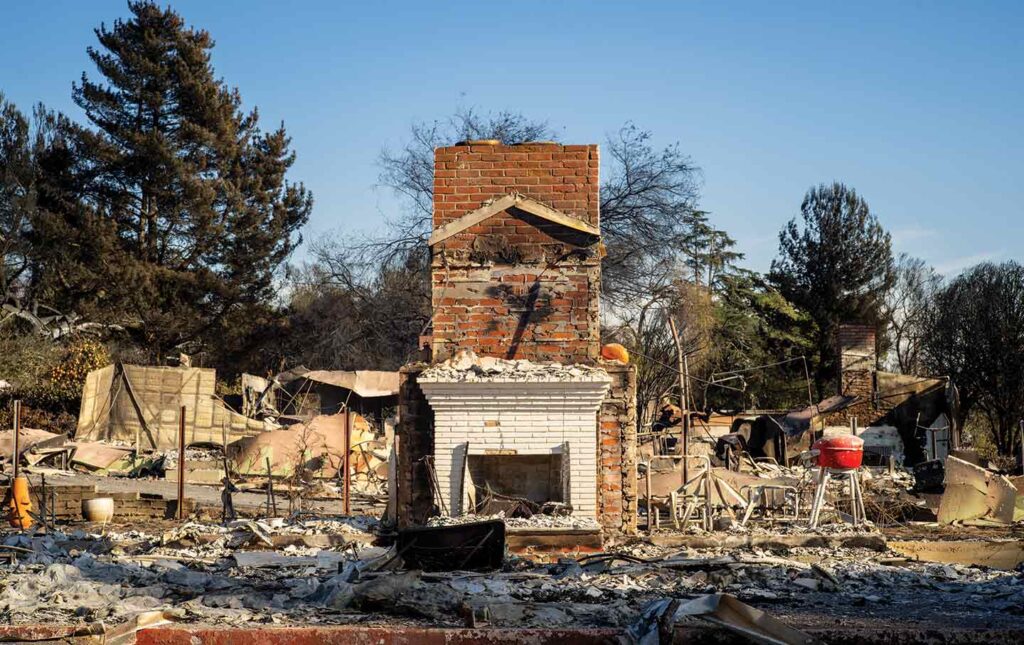
The play opens on a neighborhood clearly destroyed by a fire, quickly the audience learns that this is the recent aftermath of the 2025 California wildfires. A amateur documentary filmmaker and an assistant camera man are walking around looking for subjects to interview for a YouTube documentary on how people cope and recover from natural disasters.
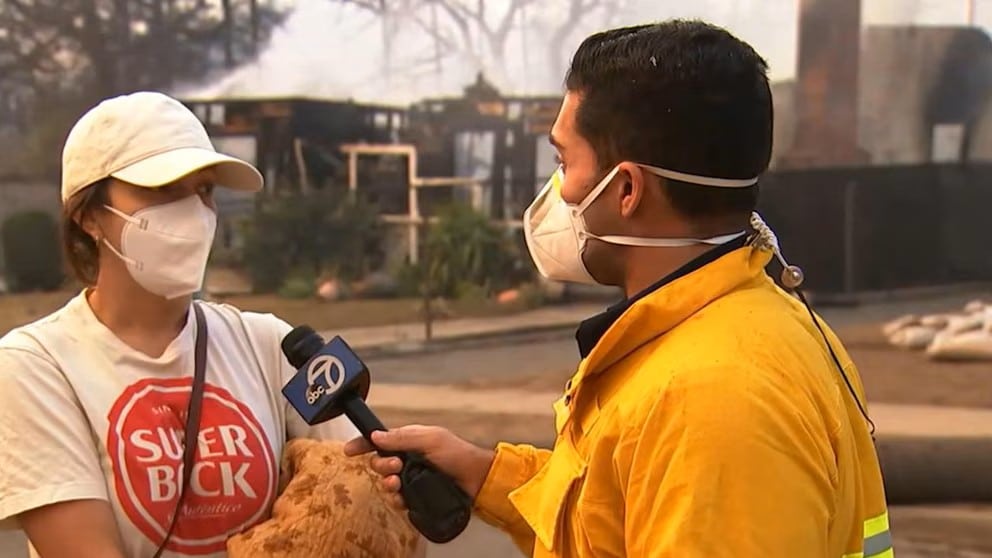
They first find a woman digging in the dirt in her front yard and ask her to speak. Reluctantly agreeing, the woman, named Terra, informs them that she is a lifelong resident of the neighborhood. Representing the philosophical view of the “terrestrial,” she understands that the Earth is an incredibly complex system, but that we cannot fully separate our lived reality from it. She is conflicted about how to move forward, knowing that leaving LA is not a viable option for her but also that rebuilding exactly the same would be ignoring the complexity of the Earth’s systems at play.
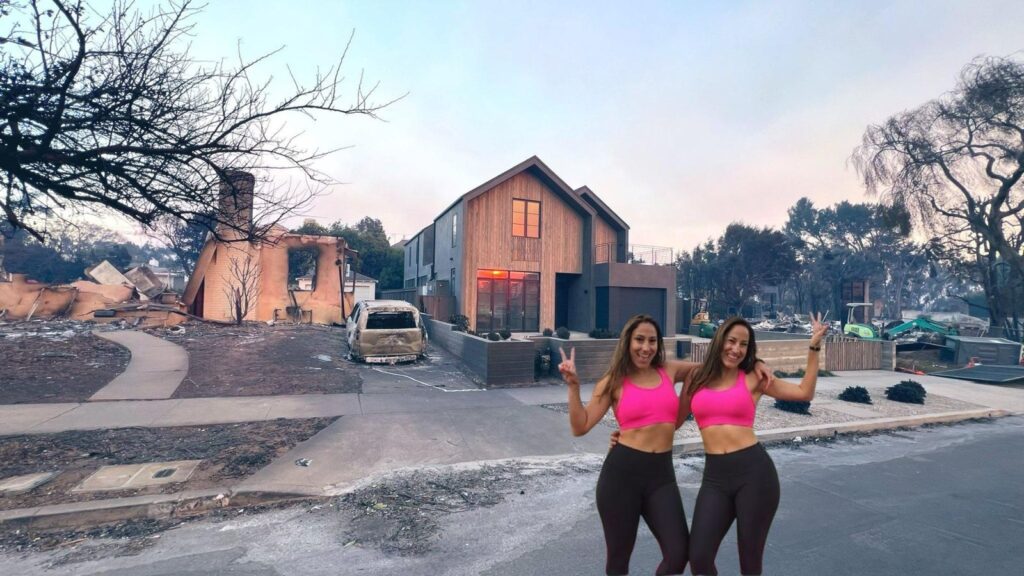
She is interrupted by two trendy young women, twins, Lili and Lola. They have come over ask their neighbor how she is holding up. Luckily, the girls’ home has survived-they had the resources to build a fire-resistant home a few years back. They think that even though it is awful about what happened to people’s homes, this is an amazing chance to rebuild better than before! They represent the view of the “global,” suggesting that human are at the steering wheel of the planet, and the planet is here to benefit their existence.
Terra argues with them that she agrees she wants to rebuild, this place and culture is her home-but they need to think more responsibly and consider the Earth’s systems at-large, not just their own ambitions. It seems as though the twins start to understand her view, but are distracted by their needs and desires of the moment.
Sauntering along the road smoking a cigarette, a well-dressed man in all black overhears the interview and decides to insert himself. His name is Niko, and clearly knows Terra, but it is unclear from what. Niko, presenting as the contrarian, is indeed the contrarian, espousing his view that the neighborhood should do nothing at all to rebuild.
Coming from a mixed viewpoint of “Earth-Without-Us” and MacCormack’s Ahuman Manifesto, Niko reminds the audience that the Earth can and will continue on without humanity. Our attempts to do anything to control it are futile and not worth pursuit. He is in agreement with Terra about Earth’s uncontrollable nature, but sees her need to coexist with it as pointless.
A man who has been standing at the edge of the scene for some time, staring at a small burnt house, intervenes when he hears Niko trying to convince the twins that they are perpetuating human privilege by pretending to understand the planet.
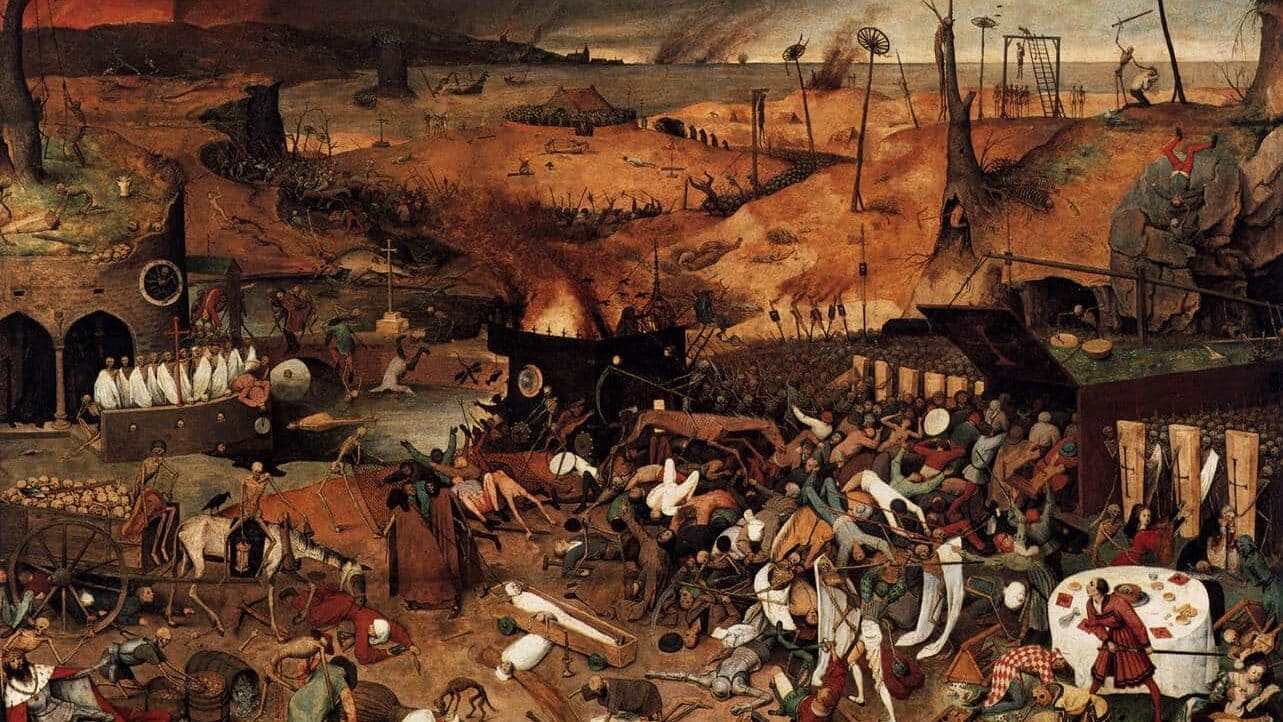
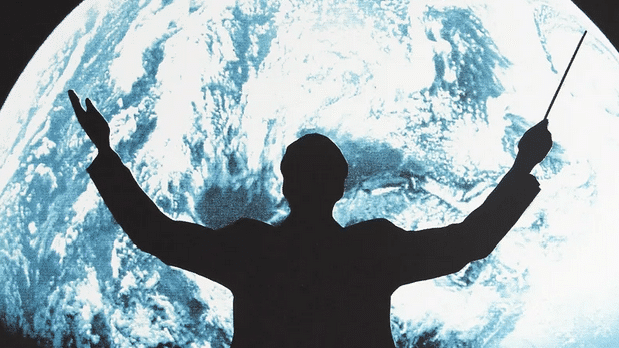
This man is Geoff, who apparently grew up in the neighborhood and had been there to see the affects of the fire on his childhood home. Hearing he was from the area, Terra is excited to speak with him, but he doesn’t seem interested in her opinions on how to help the neighborhood. Geoff has his own ideas about how they can rebuild, and implies that his connections and power can help get that done.
While it is not revealed until later in the dialogue, Geoff represents Bruno Latour’s idea of the elites being “out-of-this-world”. His wealth cocoons him from having to relate to the struggles of those who experienced loss in the fire. Even though he may have felt emotional loss from his childhood home, he has the resources to move on. He thinks that his ideas on how to solve issues, is the way forward, and if the neighborhood does not agree with him then that is their loss. Geoff does not inhabit the same living experience as the rest of humanity as he can buy his way into a new world.
After saying his piece, Geoff decides to take a call and wanders off a few meters away and is pacing in the background. As the excitement in the conversation dies down with him leaving, the twins decide that it is time to get back to their own agenda. As they say goodbye to the group they markedly comment, “…doesn’t it feel like they all live on totally different planets.”
Lastly, we meet Prithvi, a friend of Terra’s who has come to check on her. The documentary camera continues to roll as Prithvi urges Terra to move on from the neighborhood-that this will just happen again due to the nature of the ecosystem.
Prithvi represents the overarching view of “planetarity”. The Earth to her is a rock with geophysical processes, that we as humans are just a part of a larger environmental system and in no way have control over it. She, like Niko, sees human attempts to wrangle control of Earth as futile. However, she sees humanity as an integral part of the Earth system, we must live and care for the Earth, but we matter as much as moss on the trees or stones in the river.
Terra hears this, and argues that there has to be a way of existing as humans within the Earth systems-humans cannot cease their way of life entirely.
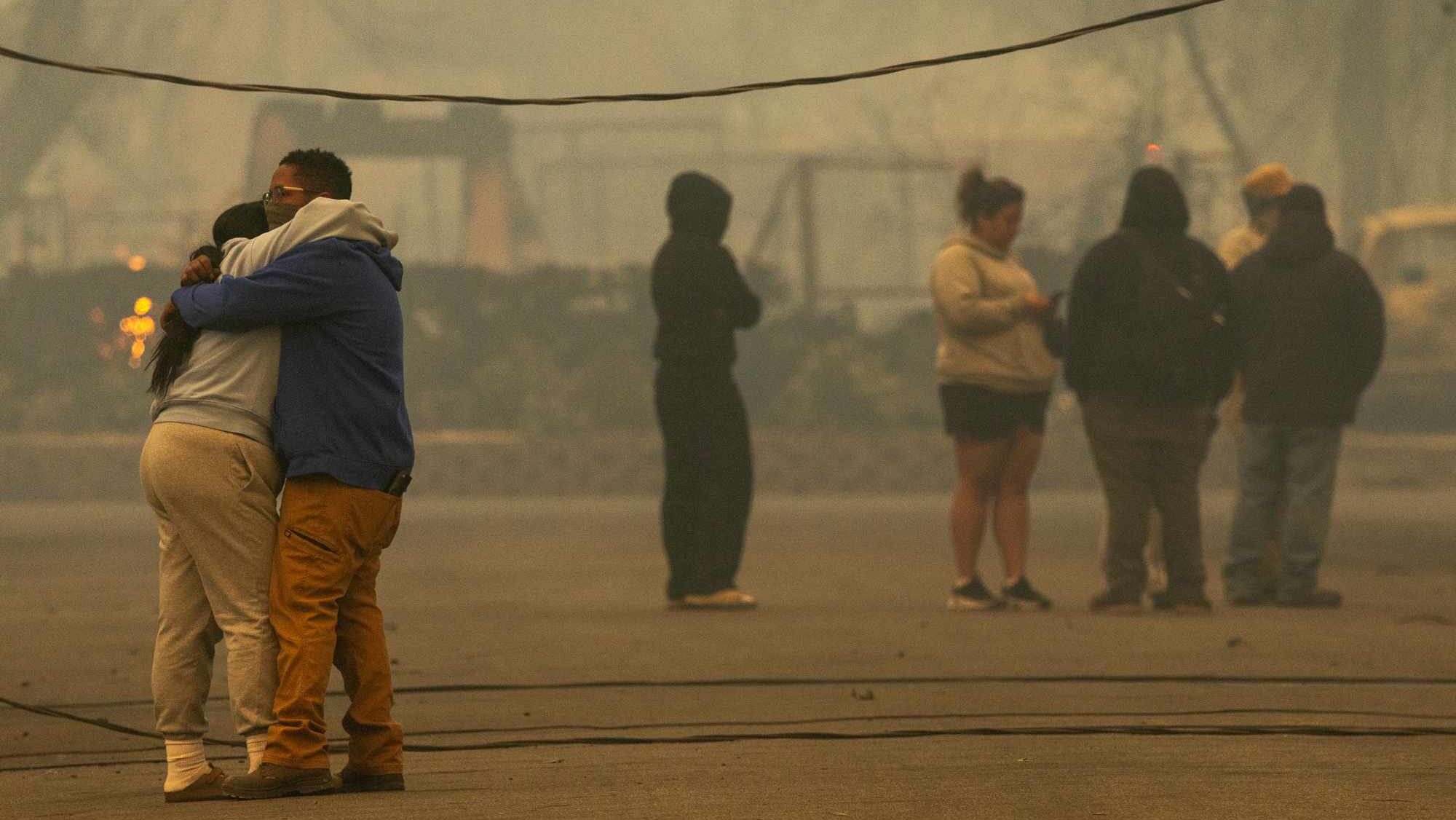
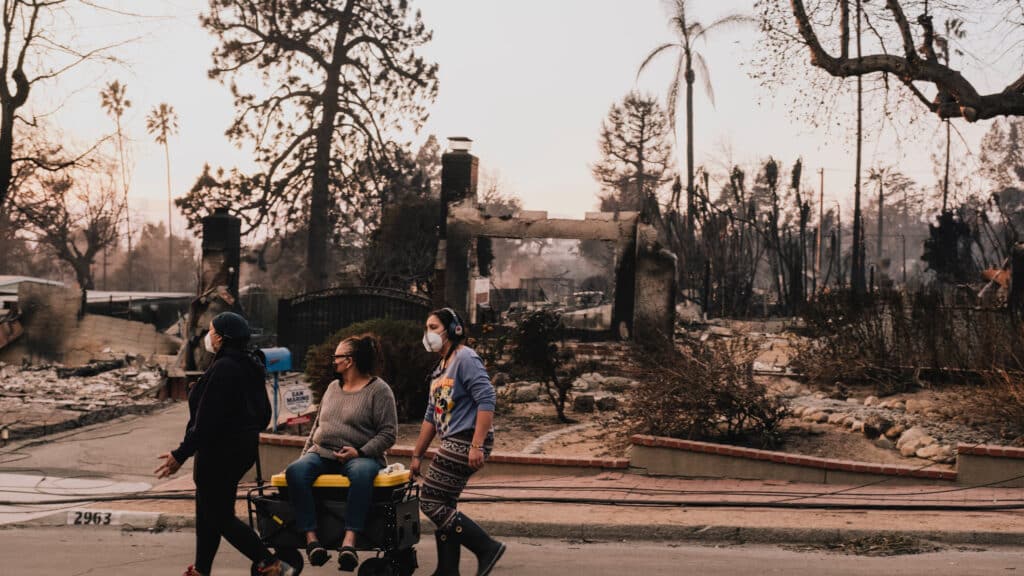
The remaining characters—Terra, Niko, and Prithvi—who have been passionately debating their visions for the future of the neighborhood, are abruptly pulled out of their argument when Prithvi realizes she recognizes Geoff, still absorbed in a phone call. He is the billionaire behind a proposed master plan for the area, infamous for his water-extractive data centers.
Terra immediately confronts Geoff, demanding accountability for the environmental consequences of his actions. Geoff, unfazed, proudly defends his projects as necessary steps toward advancing humanity. In his view, it is the ruling class that propels progress forward, and the public must place their trust in his vision. To Terra, however, it is unmistakably clear that Geoff’s idea of progress is fundamentally disconnected from the realities and struggles of everyday people.
The play ends with Geoff taking another call about what seems to be a new data center-what happened in the neighborhood is just a fleeting emotional moment and he has more important things to deal with.
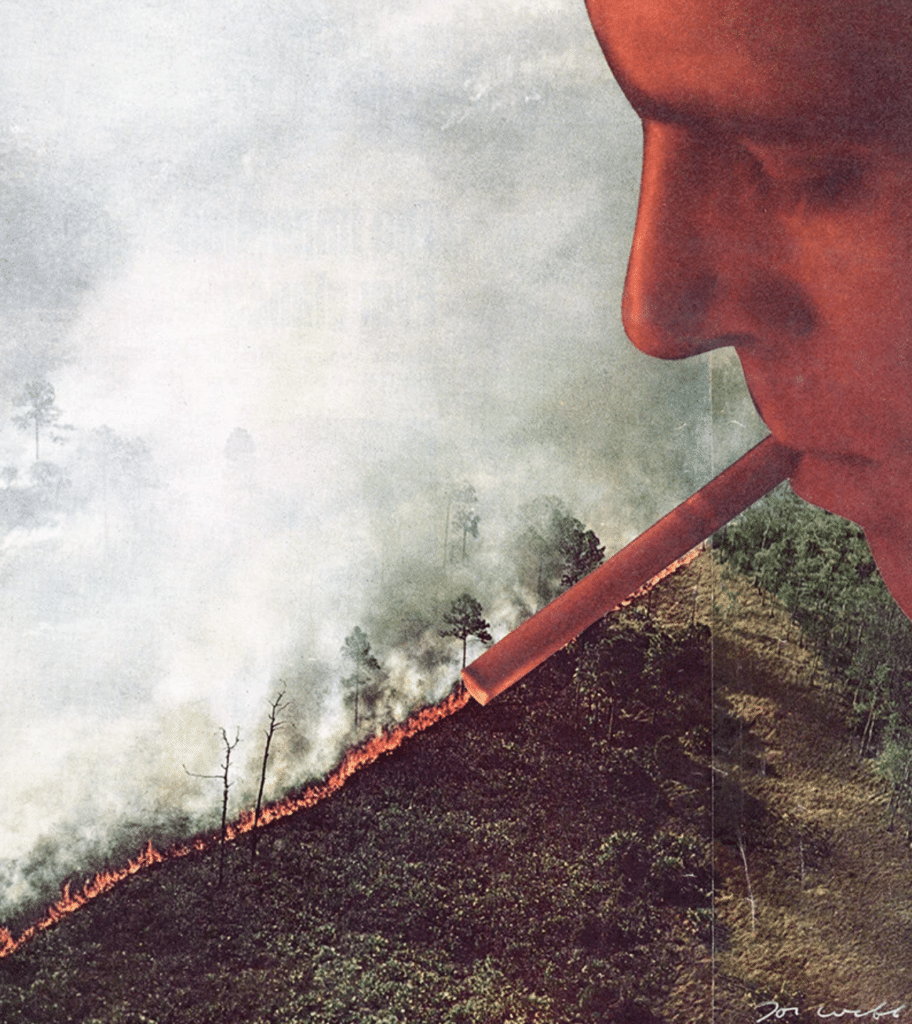
So what planet do we rebuild for? The play does not answer this question, but emphasizes it further. If humanity as a collective as a collective cannot agree on what our role is within Earth, how can we move forward as we continue to tackle issues of destruction stemming from climate change?
To read the full dialogue and see full source citations please refer to the following link:
