The MAA is a visionary master program with an innovative and open structure, mixing diverse disciplines, shaping professionals capable of producing theoretical & practical solutions towards responsive cities, architecture & technology.


Filters
Course

A Bee’s Nest

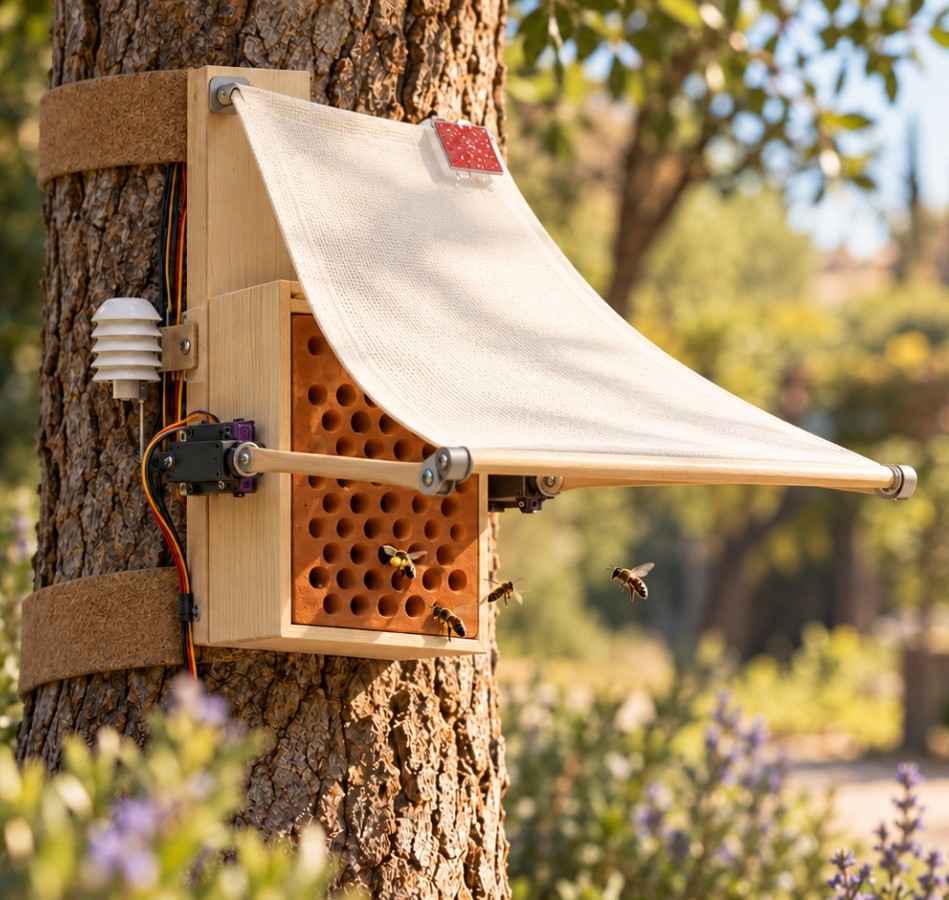
THE PROBLEM Wild pollinators are declining in Catalonia, and the regional plan PIPOL aimed to reverse this loss by 2030. In May 2025, the Barcelona City Council began installing 100 nests for wild bees and wasps across 25 parks (Barcelona City Council, 2025). But a nest is only a shelter. It is fixed, while a … Read more
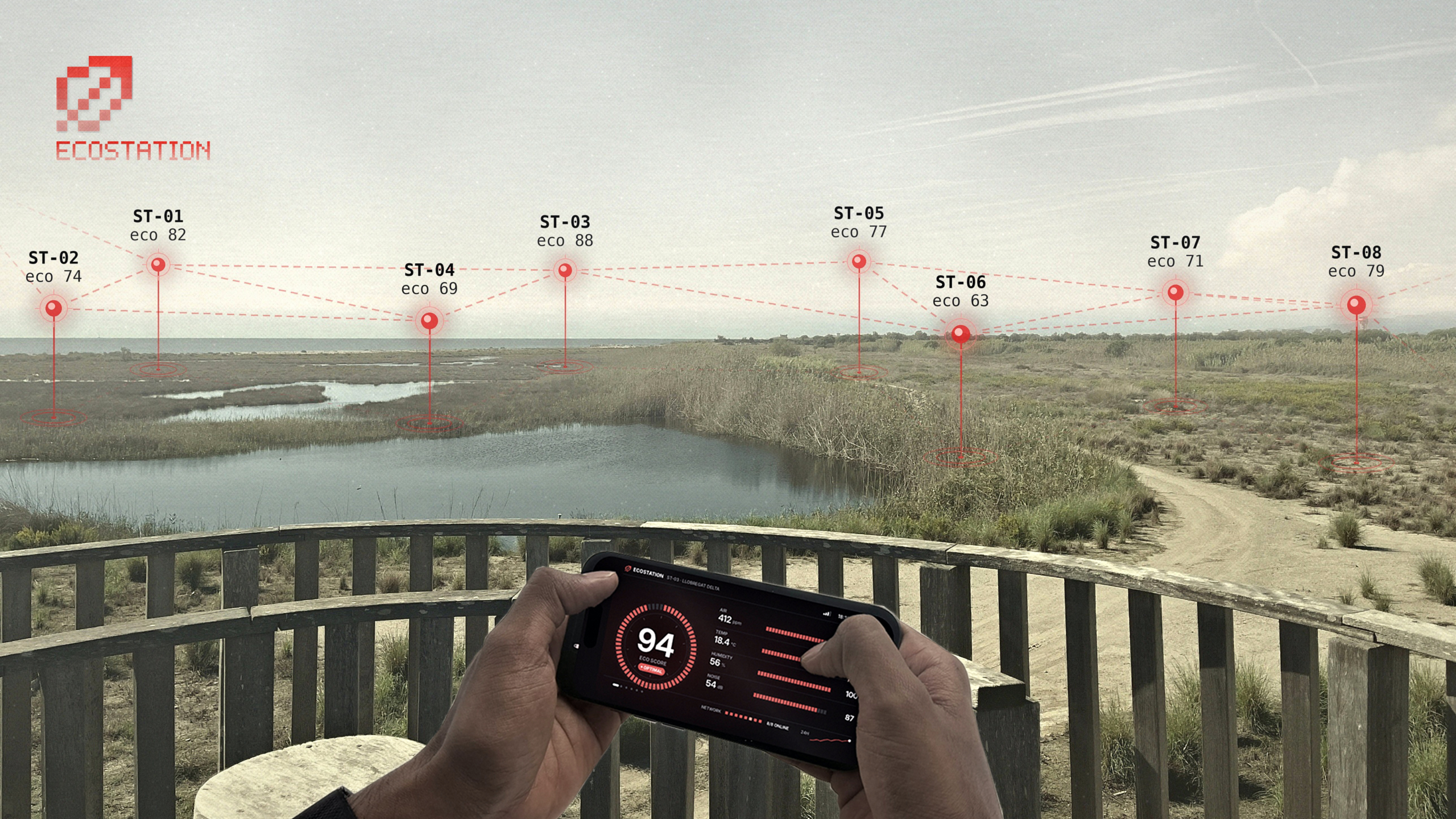
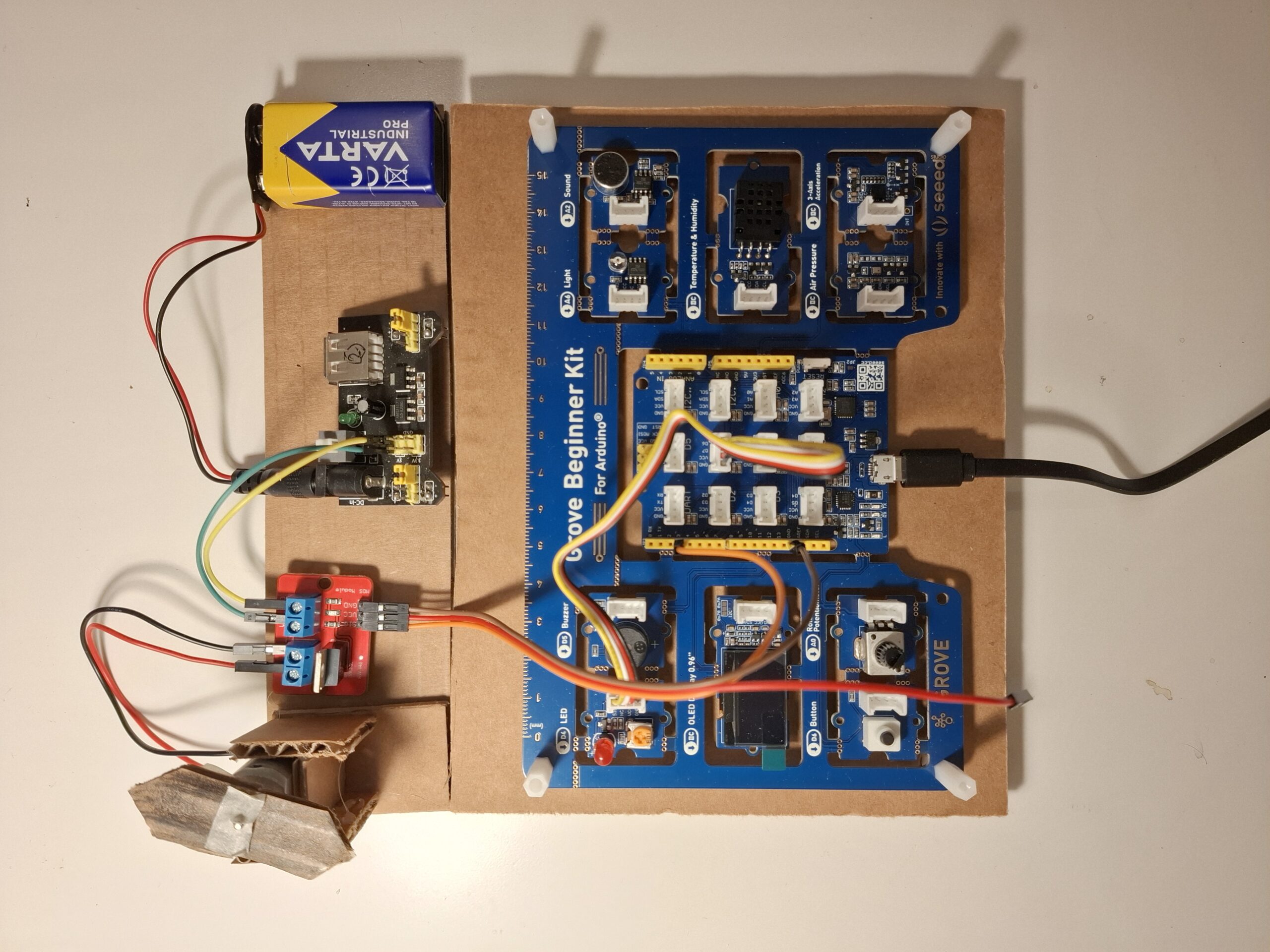
EcoStation

Concept EcoStation is a modular, low-cost environmental monitoring system designed to investigate the changing conditions of a place through temperature, humidity, air-quality signals, sound and soil moisture. By translating environmental signals into accessible readings, the station provides a starting point for observing differences between locations, identifying patterns and asking questions about the relationships between environmental … Read more

AEGIS

Autonomous Environmental Guard and Intelligence System – A Physical Computing Prototype for Disaster Monitoring and Early Warning Team Members: Pratik Kurtarkar, Varad Hande Prototype Model The objective of the project is to create an intelligent system to monitor remote and inaccessible areas that are fragile, sensitive and vulnerable to natural disasters. In light of recent … Read more

Fluid Landscapes: Hydro-Morphology

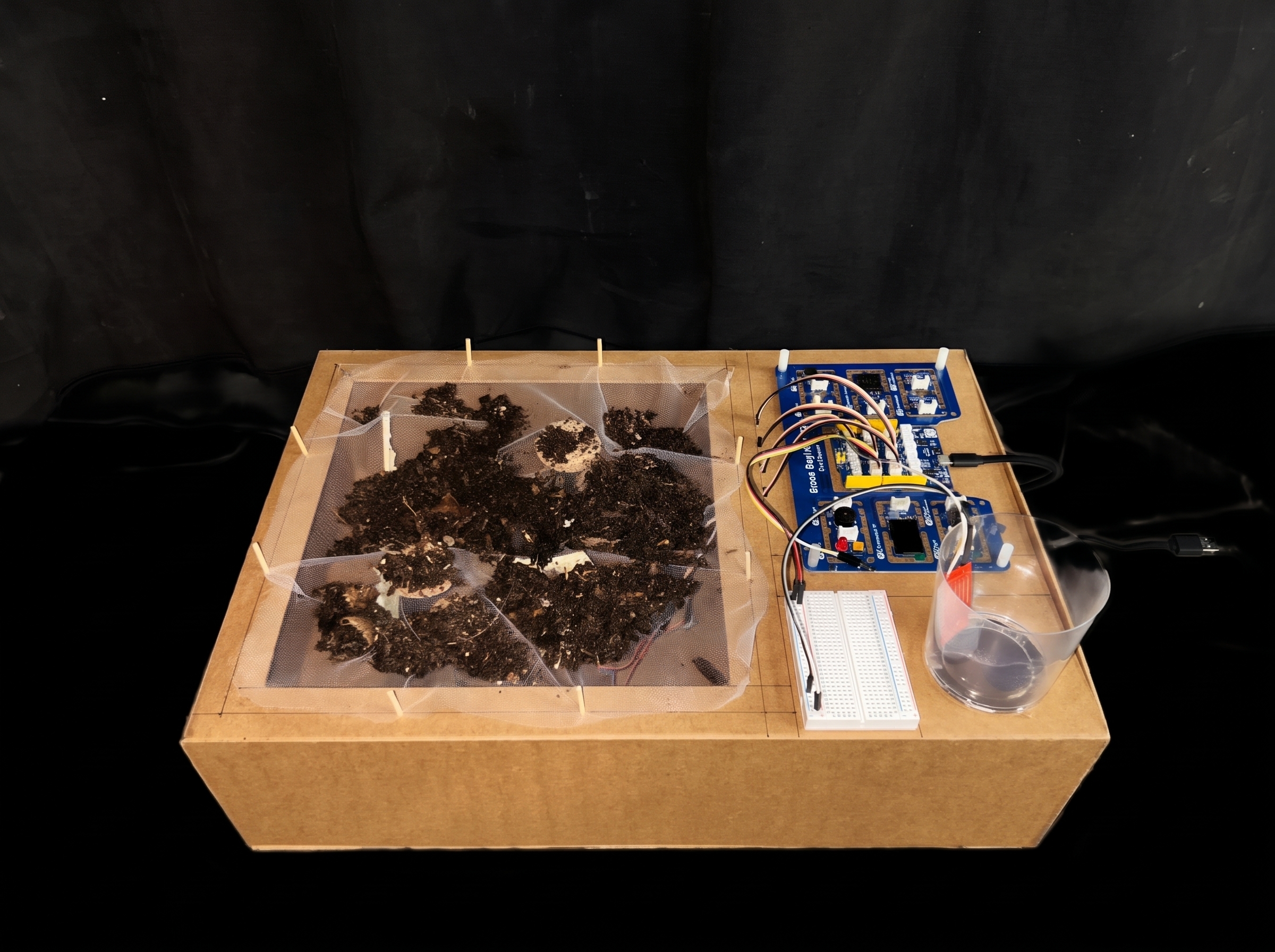
Exploring responsive topography through physical computing and adaptive water management. Rethinking the Relationship Between Water and Terrain Water is one of the most fundamental resources on Earth, shaping landscapes, sustaining ecosystems, and supporting human life. However, challenges such as flooding, drought, and soil erosion highlight the increasing need for more adaptable approaches to water management. … Read more

Casa Tosquella: The Mending of the Commons

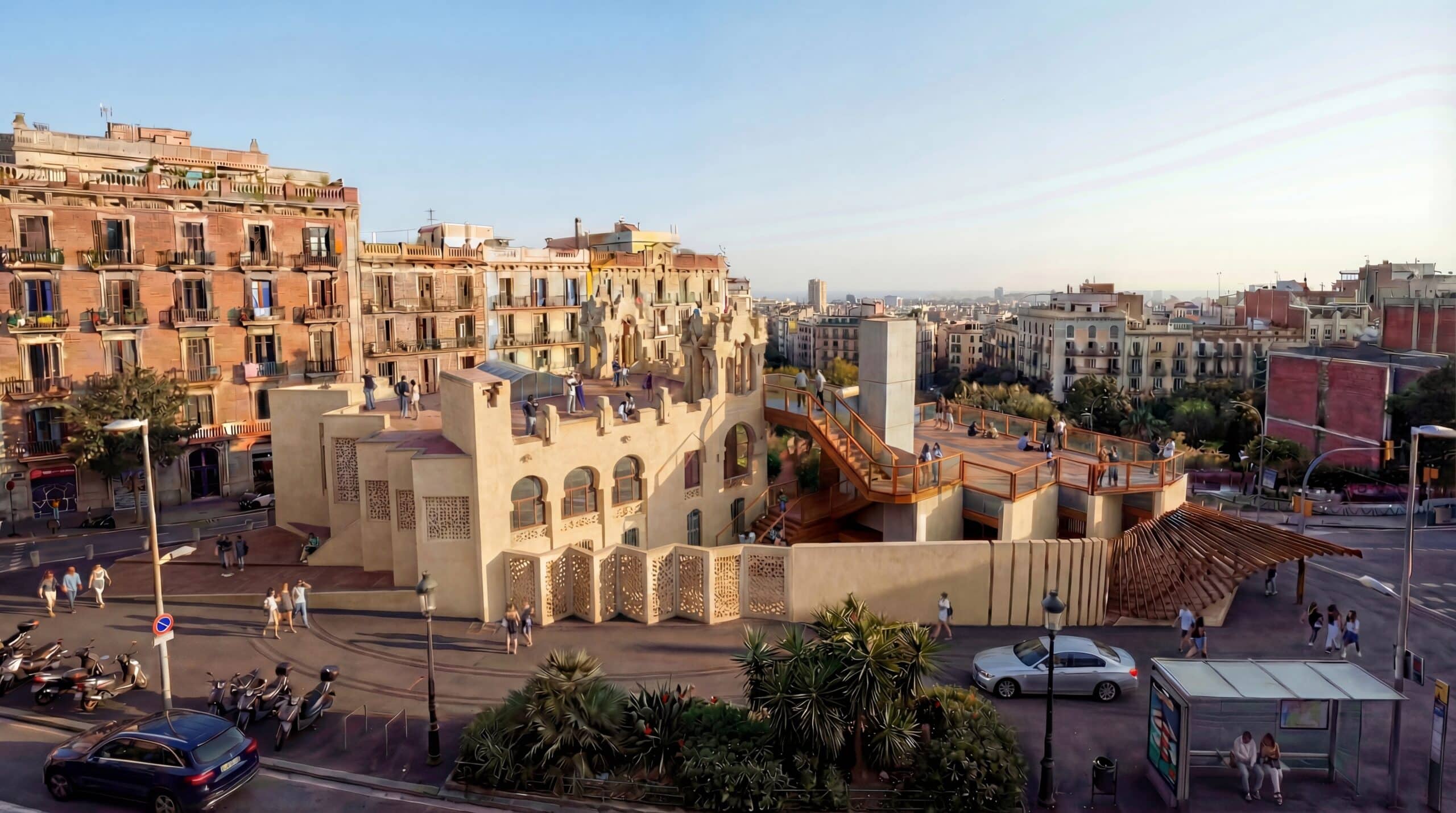
Heritage is not memoryHeritage is Production + Community In the dense urban fabric of Sant Gervasi, Casa Tosquella sleeps a Modernista jewel originally conceived as a summer retreat, now stranded in a city grappling with permanent heat. This project explores the tension between heritage preservation and climatic urgency. The proposal views the building not as … Read more

The Can Ricart Regeneration Project

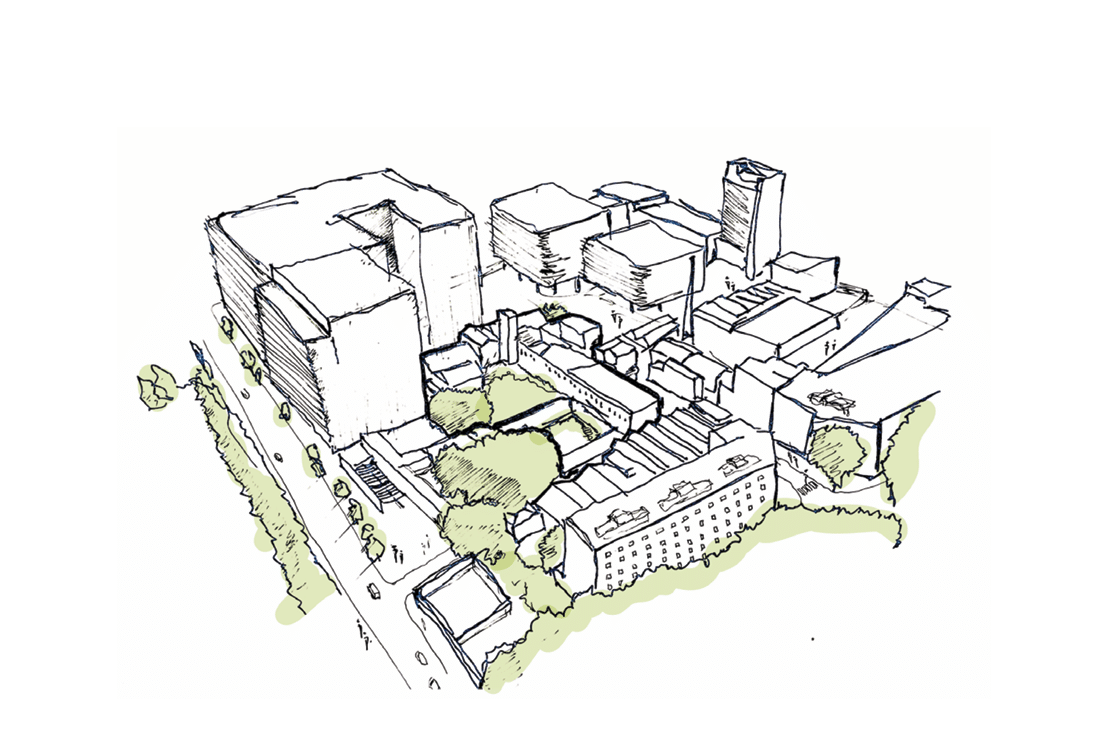
Design Ethos This project seeks to explore how issues of stagnation and obsolescence can be tackled whilst still enabling socio-economic and technological developments of our urban spaces. It will explore how they can be applied within architecture to evaluate how we can more effectively address issues of erasure whilst still permitting modern interventions and advancements … Read more

Cano(Pi)

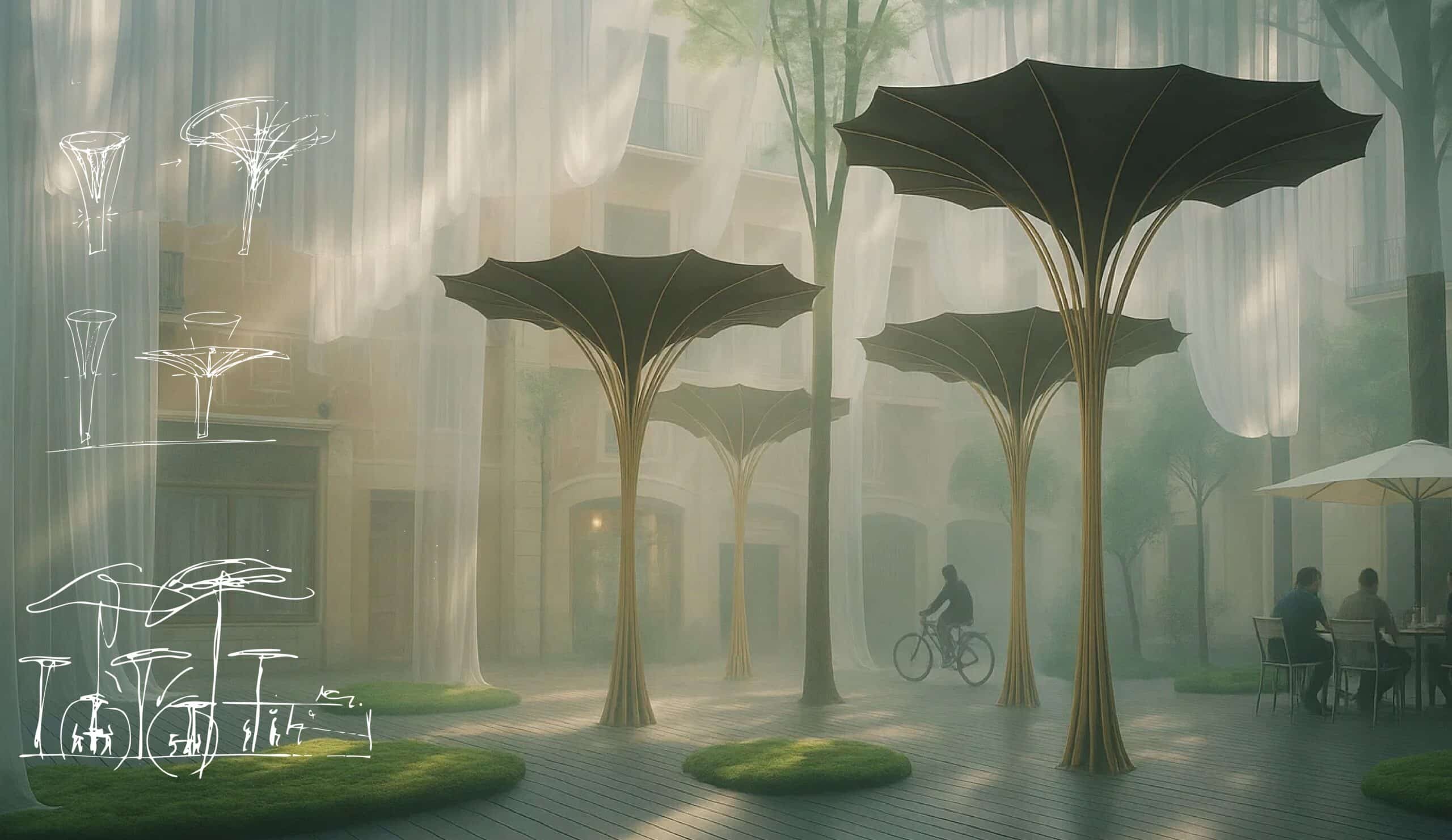
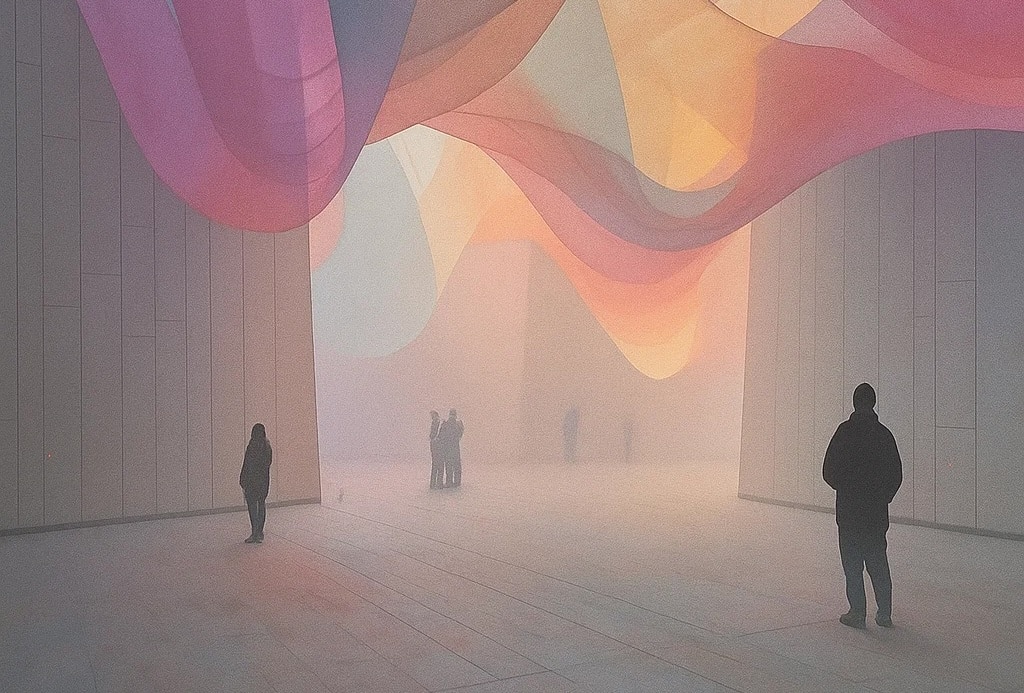
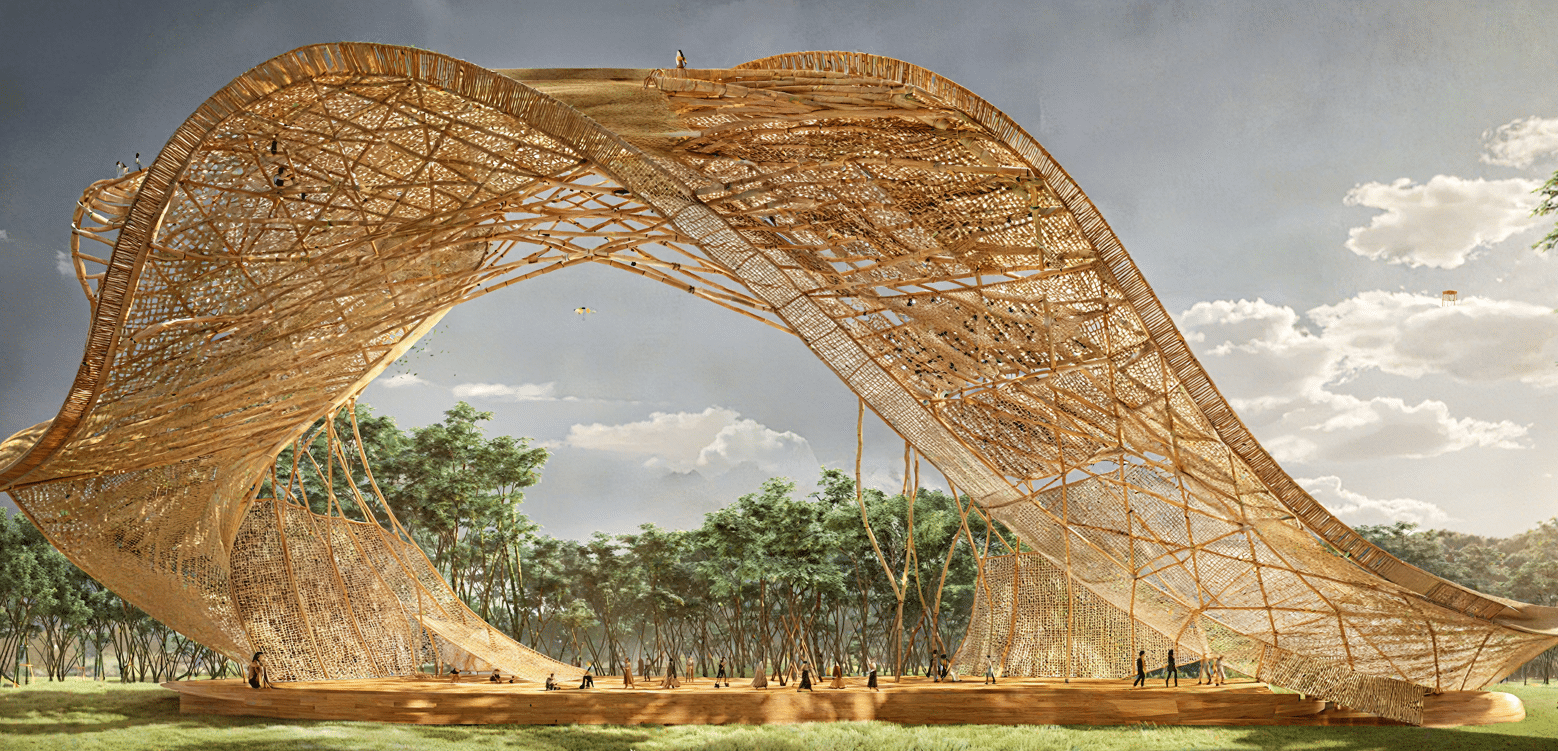
A dynamic forest pavilion. Plaça del Pi, Barcelona, Spain Design Concept Form Finding Psuedo Code The script relies on the organic undulation of sine and catenary curves to reflect the organic nature of our inspiration as well as provide a real-life simulation of the suspended fabric forming the canopy reacting to gravitational logic in both … Read more

CoolStreets Lab

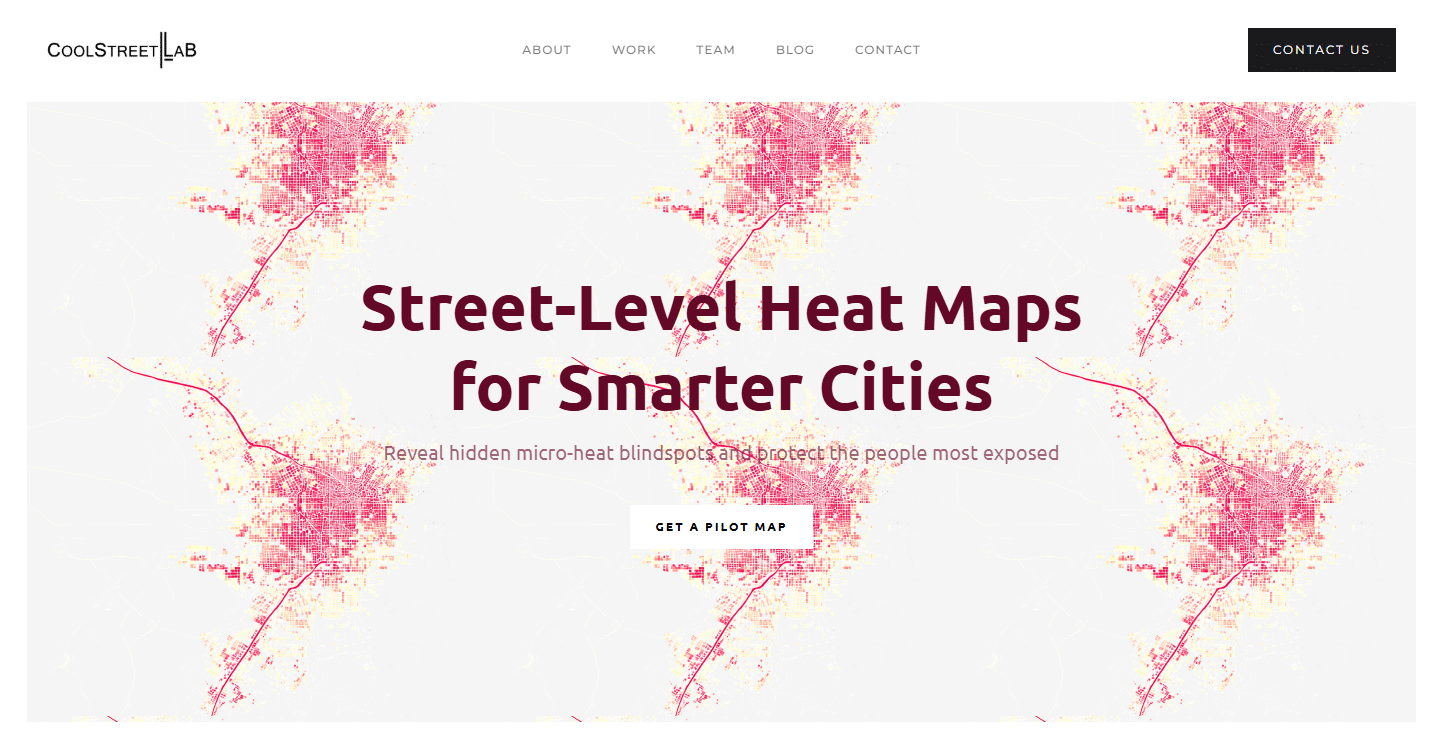
PROBLEM SOLUTION CoolStreets Lab provides scalable, practical micro-scale heat-risk maps that help cities identify where to cool, shade, and protect their most vulnerable areas. COMPETITION BUSINESS MODEL Target Customers Business Model Early Validation Expert Interviews Key Insight Municipality Feedback Unit Economics TEAM FUNDING NEED WHAT THIS COVERS WHY THIS AMOUNT This is the minimum budget … Read more

Hoarder.data

Problem Tersa is a public company that runs a waste incineration plant in Sant Adrià del Besòs, serving much of the Barcelona metropolitan area. Over the years, local associations and residents have raised concerns that the plant may exceed emissions limits of toxic substances and caused pollution. Despite all the concerns, the investigating judge archived … Read more

The ClimaColour Code

Abstract Environmental conditions are more often than not invisible and something that is felt rather than visually perceivable. The ClimaCode provides our spatial surroundings with their own language that enables them to better communicate with us as humans.  By translating climatic conditions, such as temperature and humidity, into light, the device communicates its climatic ‘mood’ … Read more

BreatheSmart

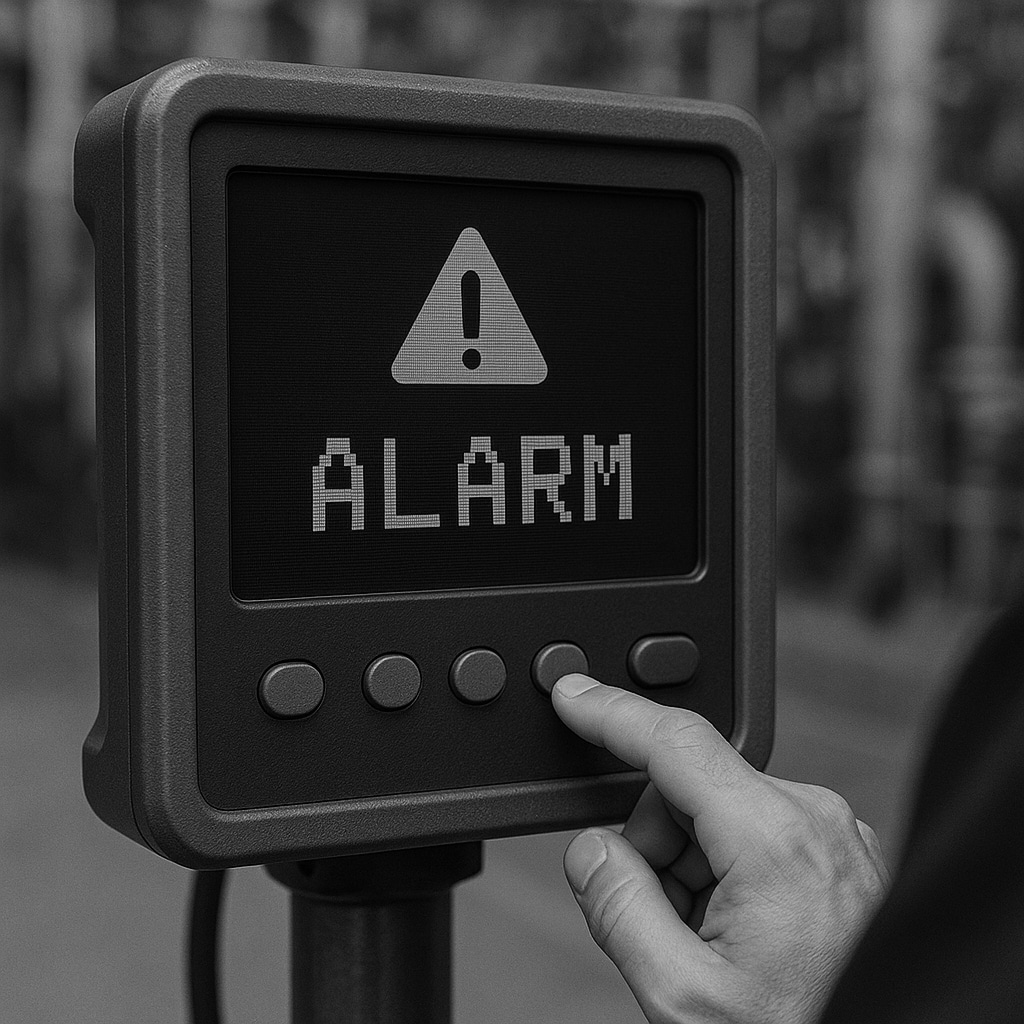
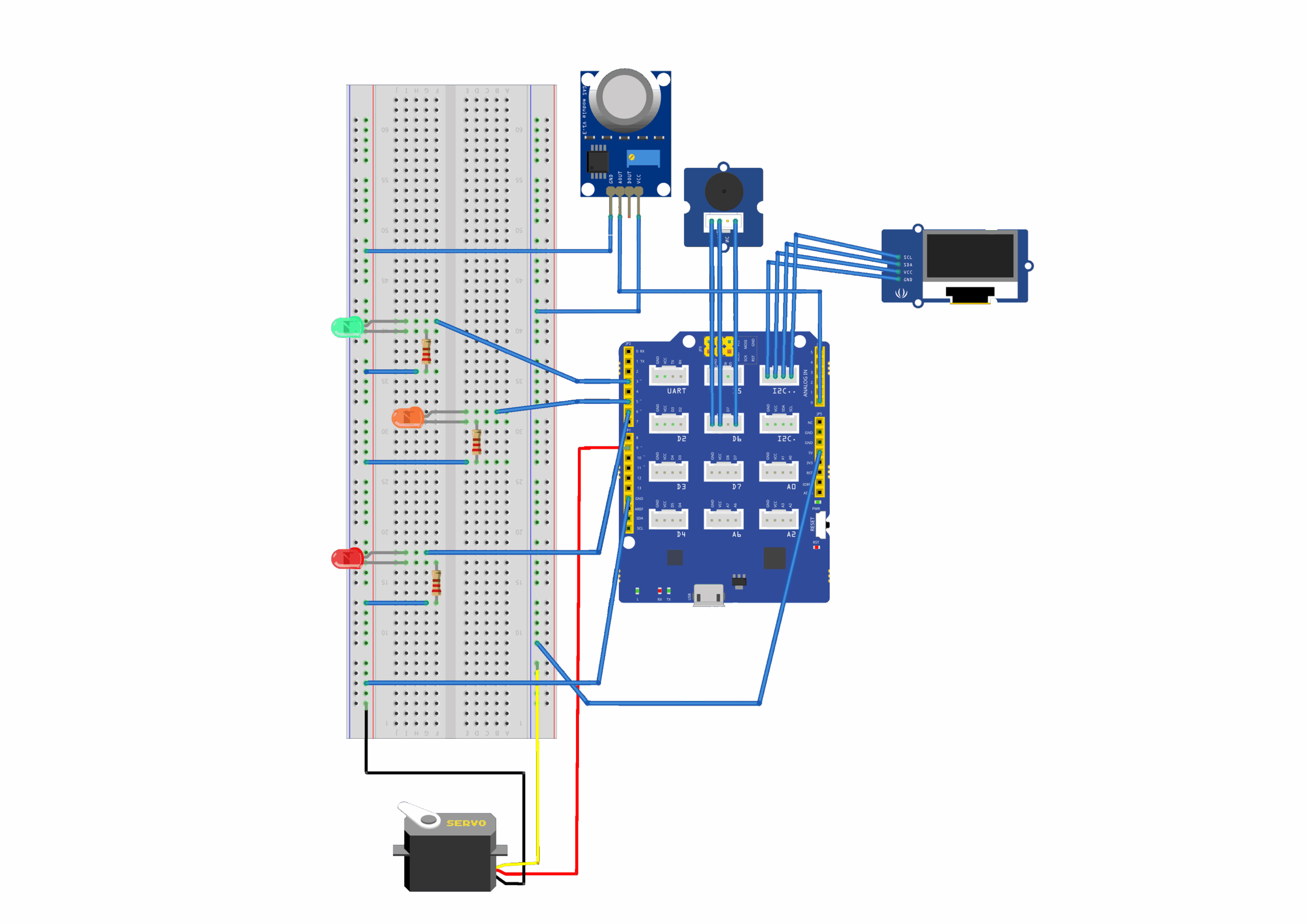
Introduction to Programming and Physical Computing Seminar This project focuses on developing a smart air quality monitoring system using a Seeed Lotus microcontroller, an MQ-135 air quality sensor, a 0.96” OLED display, a buzzer, a small motor or fan, and a panel with three LEDs to indicate air quality levels. The system continuously measures CO₂ … Read more

Rainwater Harvester The project proposes a regenerative infrastructure for runoff water collection, treatment, and reuse within the built environment. Conceived as a responsive system embedded in architecture, it seeks to transform excess rainwater often perceived as waste into an active resource within a closed ecological loop. During episodes of heavy rainfall, the system captures surface … Read more