The MAA is a visionary master program with an innovative and open structure, mixing diverse disciplines, shaping professionals capable of producing theoretical & practical solutions towards responsive cities, architecture & technology.


Filters
Course

The Can Ricart Regeneration Project
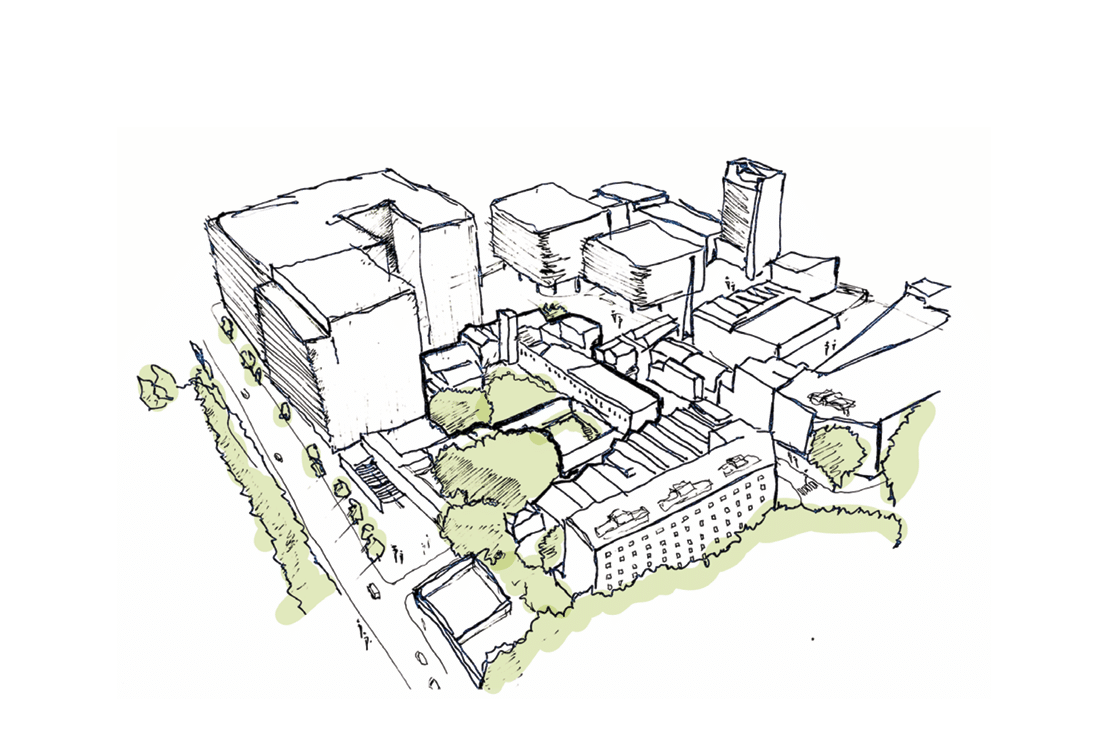
Design Ethos This project seeks to explore how issues of stagnation and obsolescence can be tackled whilst still enabling socio-economic and technological developments of our urban spaces. It will explore how they can be applied within architecture to evaluate how we can more effectively address issues of erasure whilst still permitting modern interventions and advancements … Read more
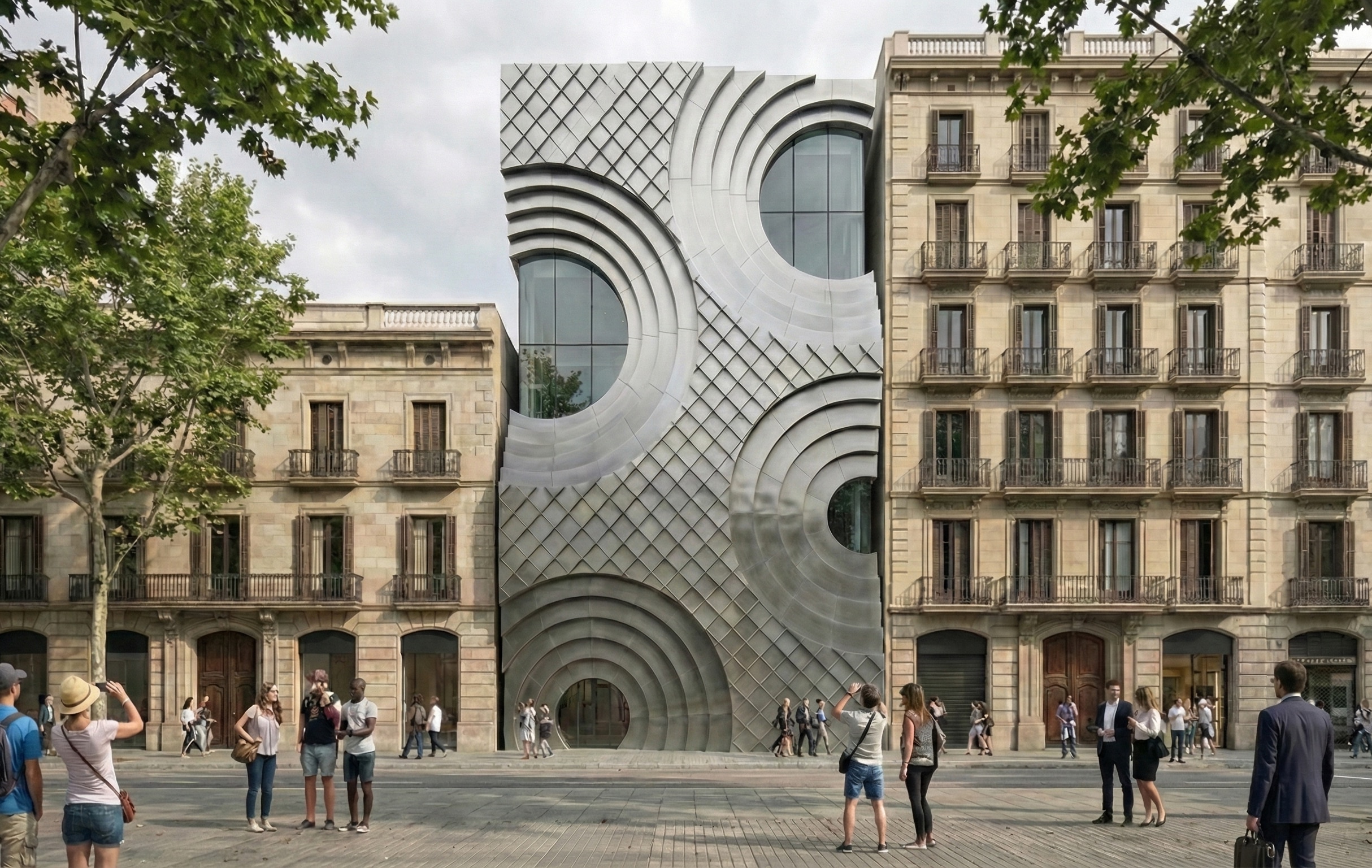
Computational Design Seminar | The Kring Facade

Referential work’s logics Our referential framework is the Kring Kumho Culture Complex in Seoul by Unsangdong Architects, a building defined by large circular recesses that function as urban windows. The design exploits these spaces to break the flat exterior, as ‘Kring’ means ‘Circle’ in Dutch. We developed a concentric propagation approach to translate this logic … Read more

CoolStreets Lab

PROBLEM SOLUTION CoolStreets Lab provides scalable, practical micro-scale heat-risk maps that help cities identify where to cool, shade, and protect their most vulnerable areas. COMPETITION BUSINESS MODEL Target Customers Business Model Early Validation Expert Interviews Key Insight Municipality Feedback Unit Economics TEAM FUNDING NEED WHAT THIS COVERS WHY THIS AMOUNT This is the minimum budget … Read more

Axisential Fabrications

Architecture is entering a moment where the boundaries between design, technology, and material production are dissolving. As cities demand faster construction, customized spaces, and environmentally intelligent solutions, traditional methods alone no longer match the pace or precision required. Digital fabrication has emerged not just as a complementary tool, but as a transformative force reshaping how … Read more

Silent Light

Introduction to Programming and Physical Computing Seminar Faculty: Daniel Mateos, Adai Suriñach, Antoine Jaunard Group Members: Amalia Anna Korgiala, Camilo Hernán Contreras Concept The project aims to design a sensor that can work with light or sound sensors, inspired by a library luminaire. The sensor can be placed in various areas and scales, such as … Read more

Hoarder.data

Problem Tersa is a public company that runs a waste incineration plant in Sant Adrià del Besòs, serving much of the Barcelona metropolitan area. Over the years, local associations and residents have raised concerns that the plant may exceed emissions limits of toxic substances and caused pollution. Despite all the concerns, the investigating judge archived … Read more

The ClimaColour Code

Abstract Environmental conditions are more often than not invisible and something that is felt rather than visually perceivable. The ClimaCode provides our spatial surroundings with their own language that enables them to better communicate with us as humans.  By translating climatic conditions, such as temperature and humidity, into light, the device communicates its climatic ‘mood’ … Read more

Cymat-E

CONCEPT Cymat-E explores the concept of an acoustic radar, a device that can detect and visualize the ideal audible range, or the distance where sound is heard most clearly and comfortably. The idea takes inspiration from how radar systems map physical space, but instead, we are mapping sound space. Using microphones and sound analysis, the … Read more

BIOGENESIS

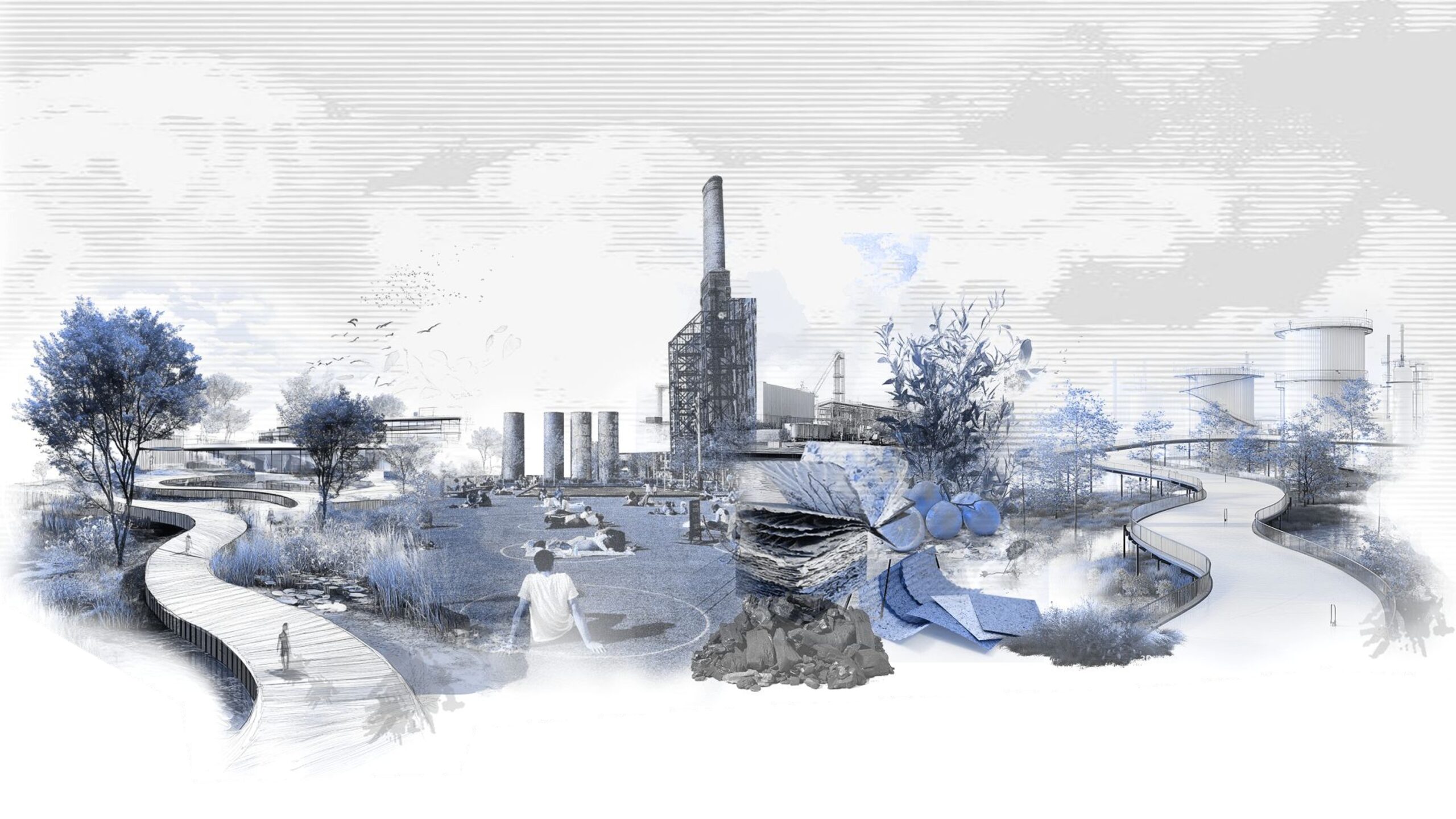
TRANSFORMING WASTE INTO SUSTAINABLE MATERIAL RESOURCES The goal is to convert various types of waste into sustainable resources, establishing a circular economy that enhances environmental benefits by repurposing waste, promoting renewable energy, and encouraging innovation in bioproducts. This site, like many others around the world, holds the memories of a different time. What happens when … Read more

EcoNodes

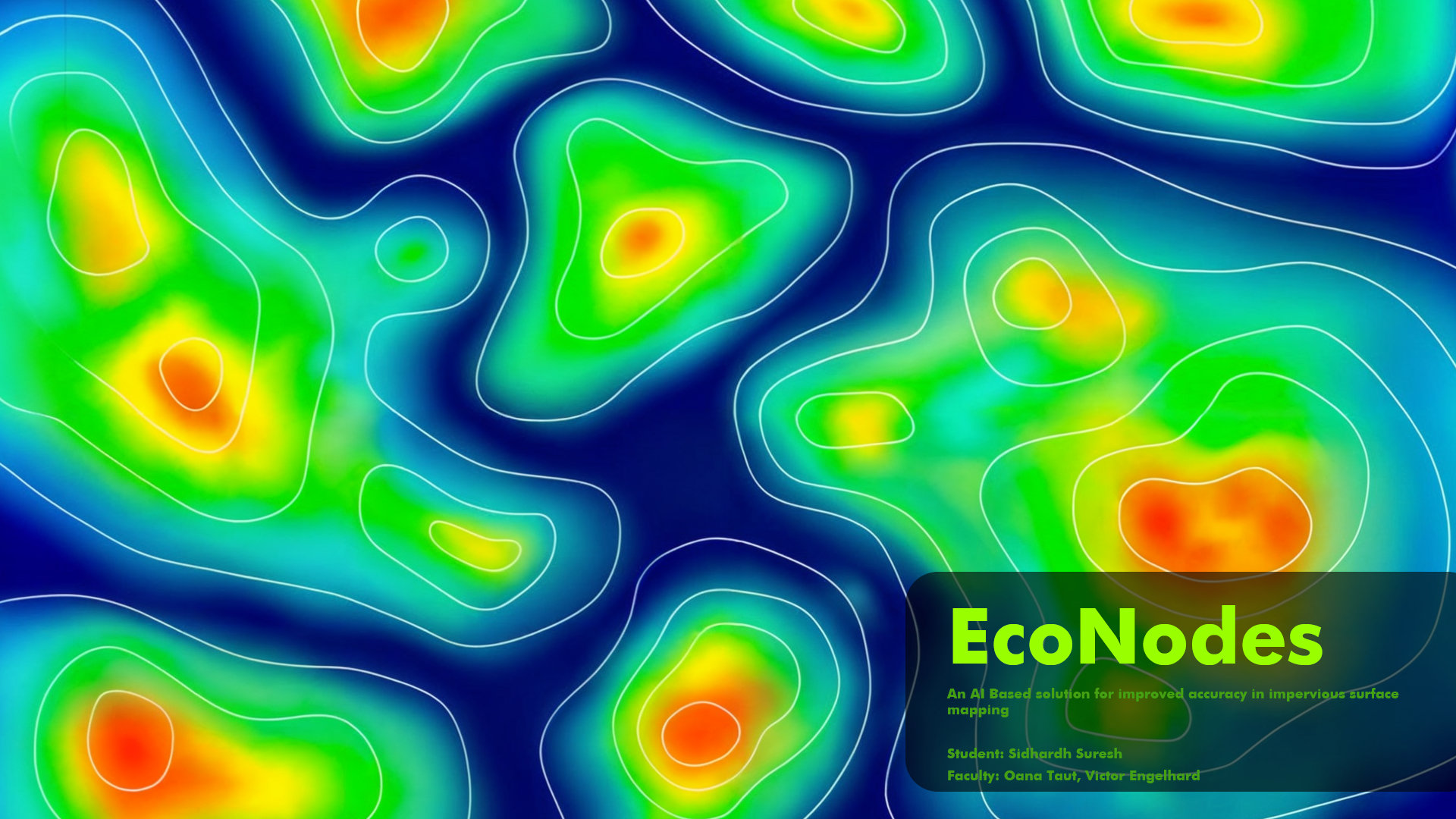
Introduction: Transforming Urban Junctions for a Sustainable Future Urbanization has drastically increased impervious surfaces in cities, leading to environmental challenges such as urban heat islands, stormwater runoff, and reduced access to green spaces. Junctions and intersections, often overlooked, are some of the most impervious and environmentally stressed areas in urban landscapes. This project aims to … Read more

Reconnecting Urban Fragments

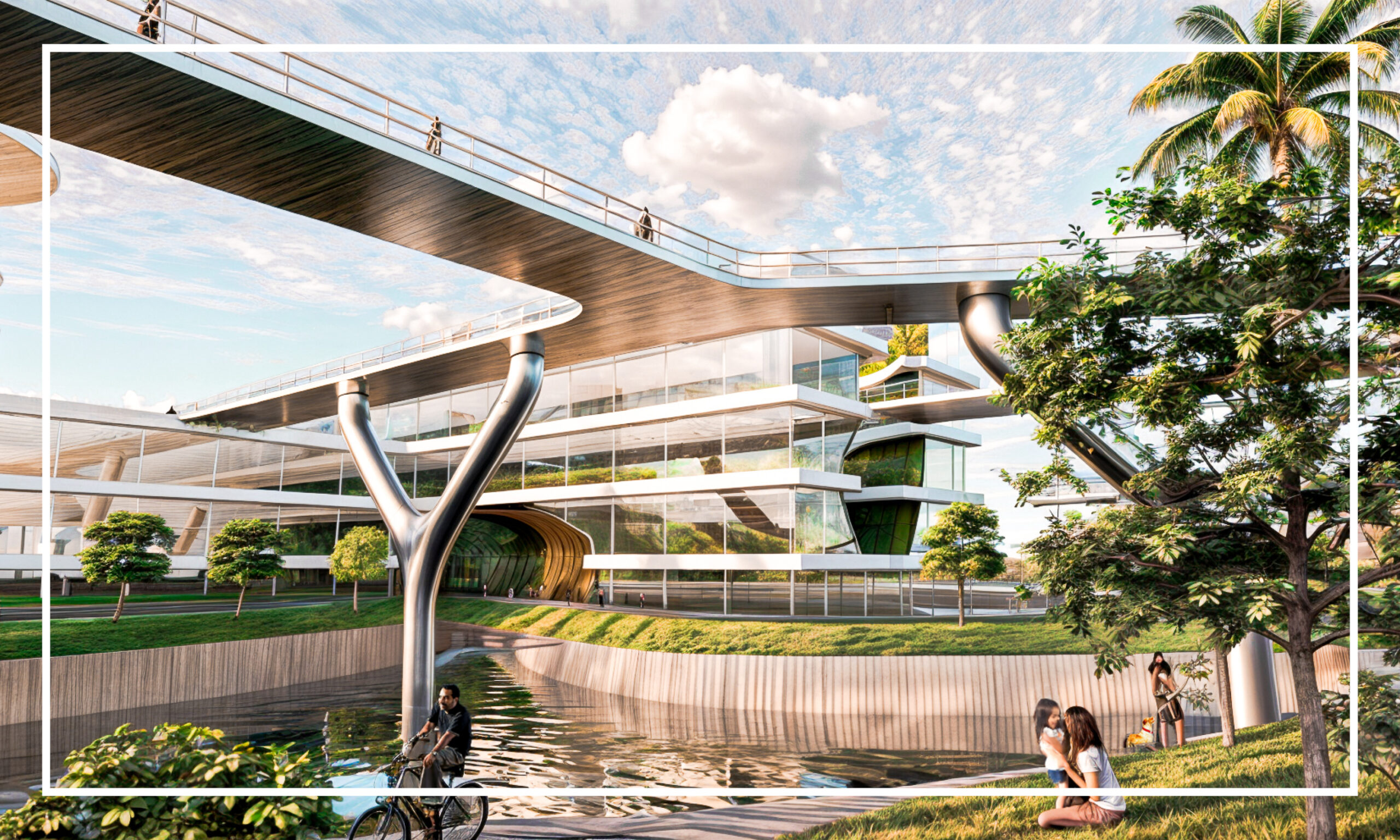
“Reimagining Urban Corridors: From Rigid Infrastructure to Inclusive Green Networks” “Urban environments today face critical challenges—population growth, rapid urbanization, and the fragmentation of ecological systems. As cities evolve, their rigid infrastructure often alienates natural systems and creates barriers to inclusivity and sustainability. This thesis focuses on reconceptualizing rigid urban environments by integrating transportation and ecological … Read more

FLOOD RESILIENCE TOOLBOX

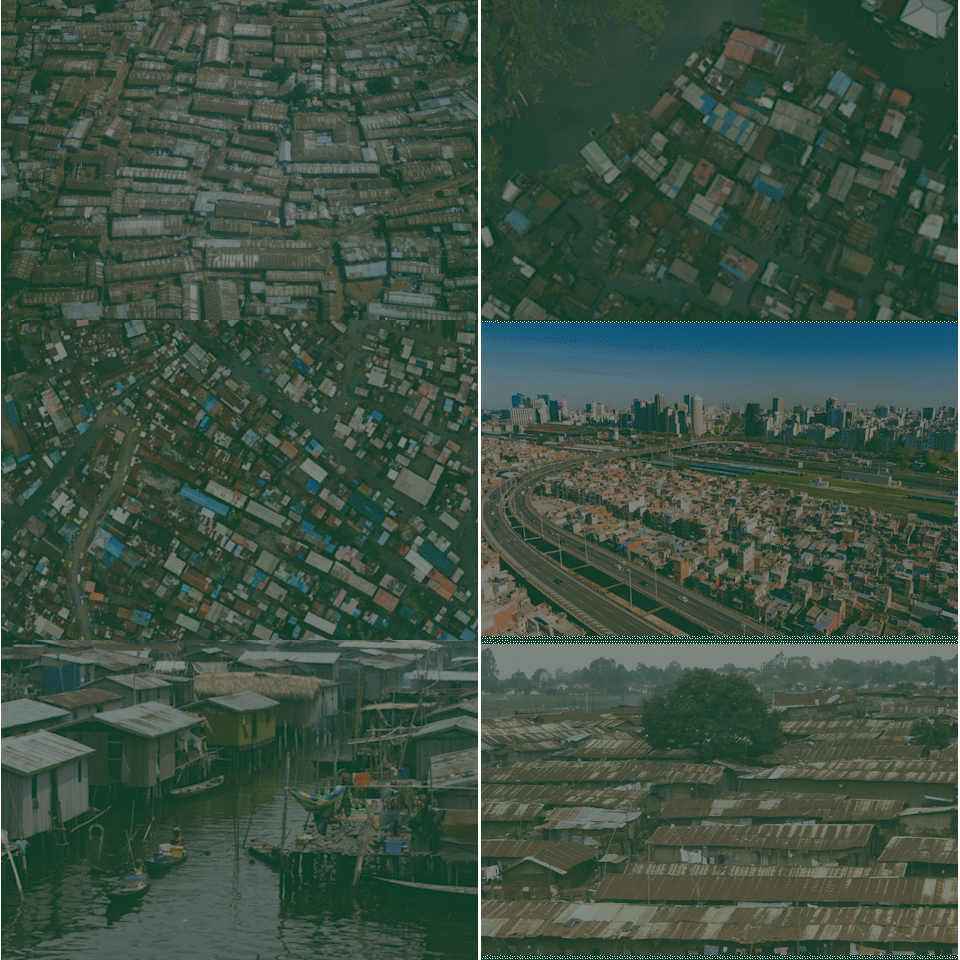
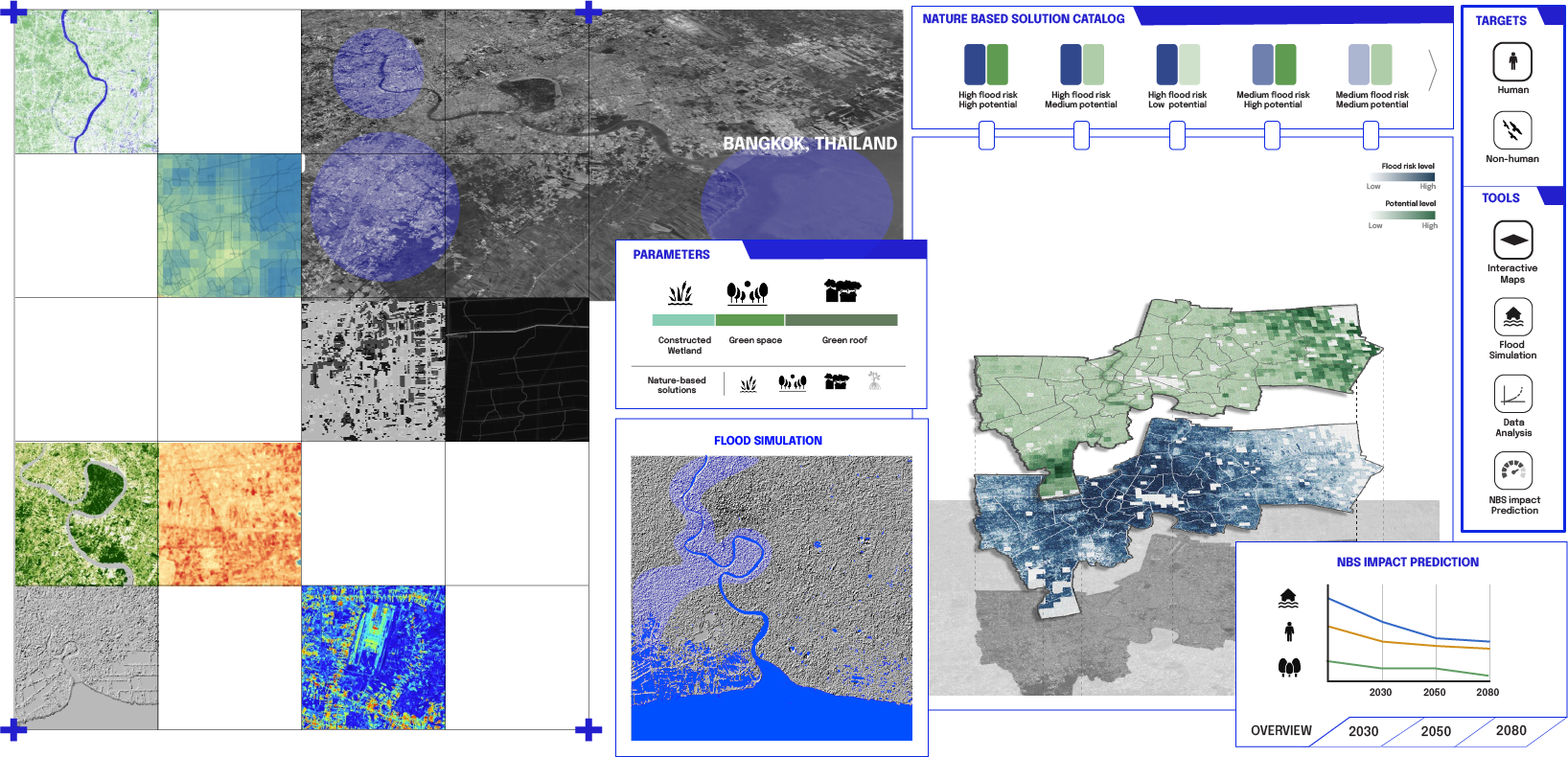
FLOOD RESILIENCE TOOLBOX FOR ADAPTIVE URBAN DESIGN IN COASTAL CITIES Flooding is the most frequent natural disaster worldwide. By the report from The OECD (Organization for Economic Co-operation and Development), floods cause more than 38 billion euro in damages worldwide per year. Due to climate change, floods are becoming more extreme and frequent. Coastal areas … Read more

Extending Habitats: Biotic Hut

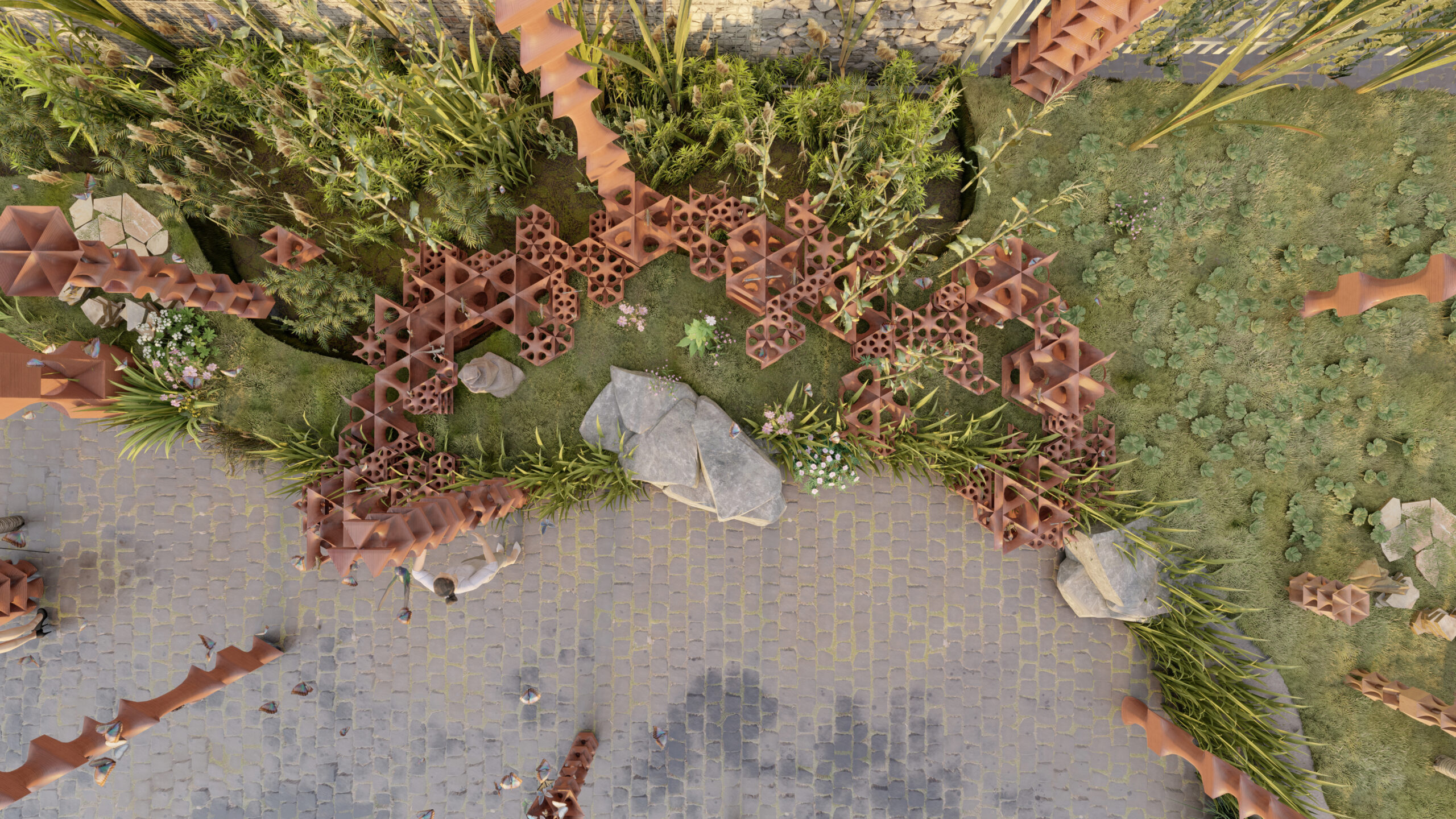
Our studio project is focused on reinventing this site near the Bésos Rivermouth as a biodiverse public space. To approach this project, we started by studying the site through the lens of multiple species, both human and non-human. In understanding what the flora and fauna of this area look like we began posing specific questions … Read more

NavBand

Cycle Navigation Aid – A Safer, Hands-Free Solution Arduino – Based Navigation Device for Cyclists NavBand is a compact navigation aid for urban cyclists, combining an 8×8 LED matrix display with a tactile vibration feedback system to provide clear, hands-free directional guidance. Designed to attach to a bicycle handlebar, it visually displays arrows for navigation … Read more