
The MAA is a visionary master program with an innovative and open structure, mixing diverse disciplines, shaping professionals capable of producing theoretical & practical solutions towards responsive cities, architecture & technology.
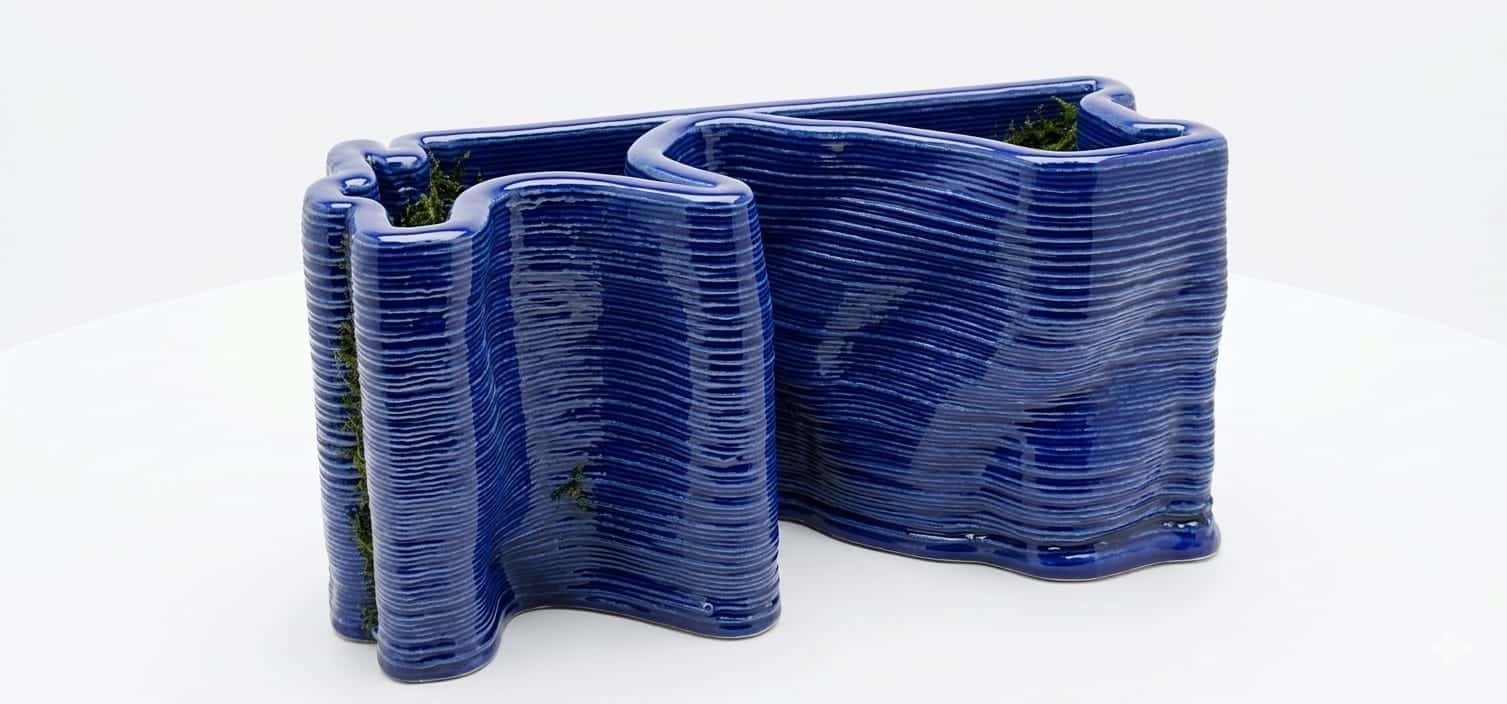

Tectonics of Digital Craft

Digital fabrication enables designers to explore geometries that go beyond traditional construction constraints. The exercise focuses on translating complex geometries into constructible systems that integrate material behaviour, joinery logic, and mass customisation. Each technique allows experimentation with unique fabrication constraints, informing the evolution of the vertical element design. The outputs serve as material and geometric … Read more
Introduction to Digital Fabrication: A GAME OF DUALITY !
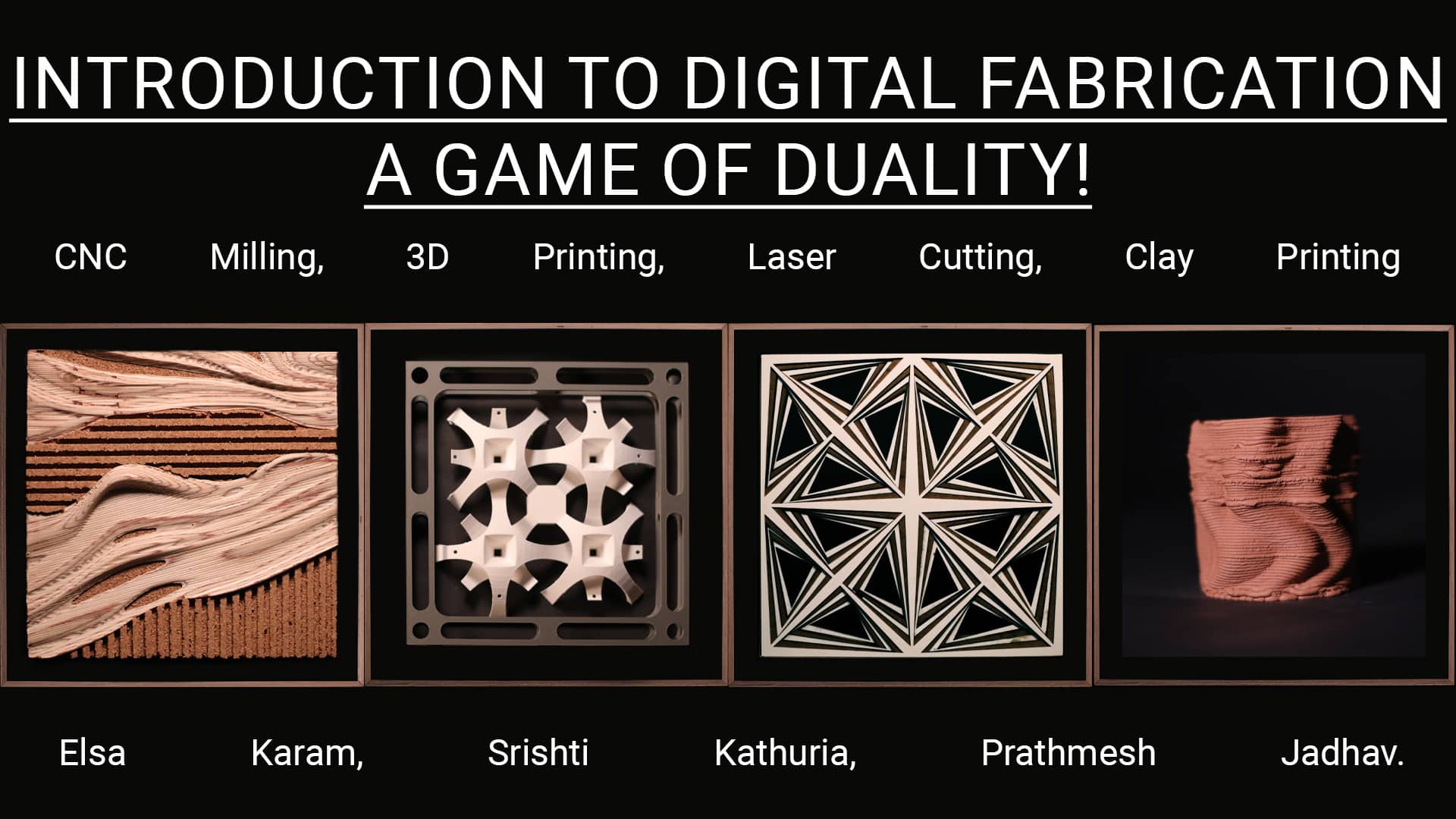
This term’s digital fabrication explorations investigated the expressive and technical potential of multiple fabrication methods laser cutting, CNC milling, robotic clay extrusion, and 3D printing. While each technique demanded a different workflow and material logic, a common thread emerged: the use of material duality to create depth, contrast, and spatial effect. By combining two materials … Read more
Machine Thinking
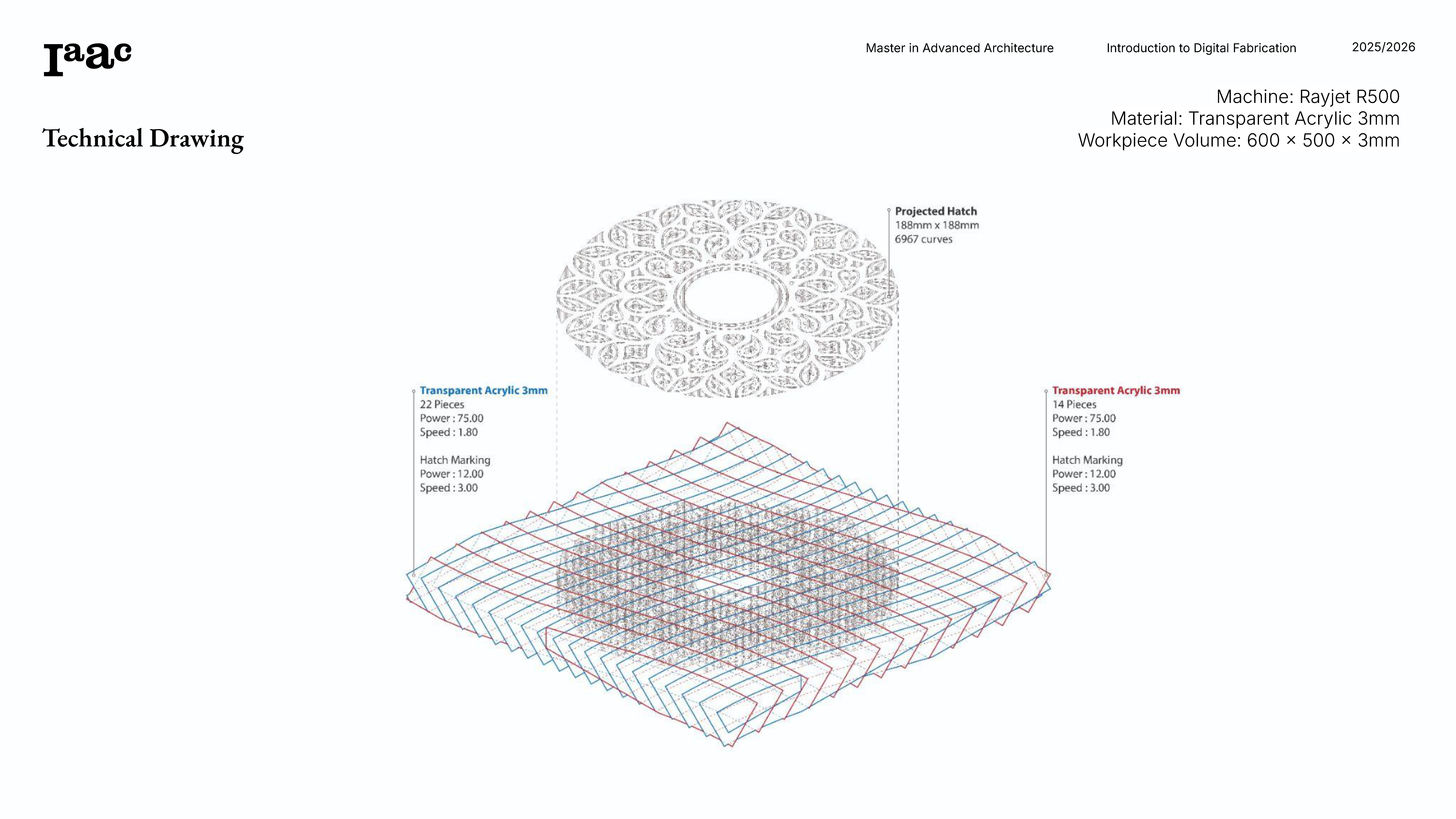
Introduction to Digital Fabrication Team : Sejin Park & Hasan Hirji CNC Milling During the CNC Milling process, RhinoCAM software automatically creates bridges; a necessary milling process outside of commands that one might use to manipulate material. We began with the idea of testing the frequency and depth of 2-axis bridging path movement presets to … Read more
Material Ecologies: From Nature to Façade
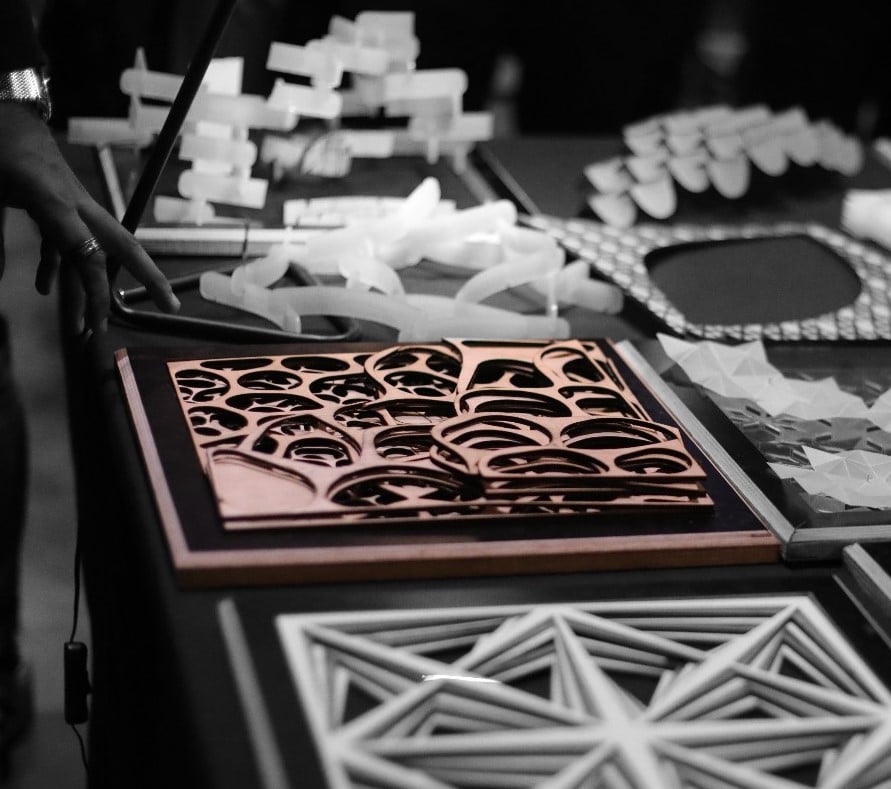
Vertical architectural elements play a defining role in shaping thresholds, filtering light, and guiding how we perceive both interior and exterior spaces. In this project, we explored their spatial and expressive potential through a sequence of hands-on fabrication experiments. Drawing inspiration from natural forms and behaviors, each design aimed to reinterpret organic patterns into façade … Read more
Fabricated Motion
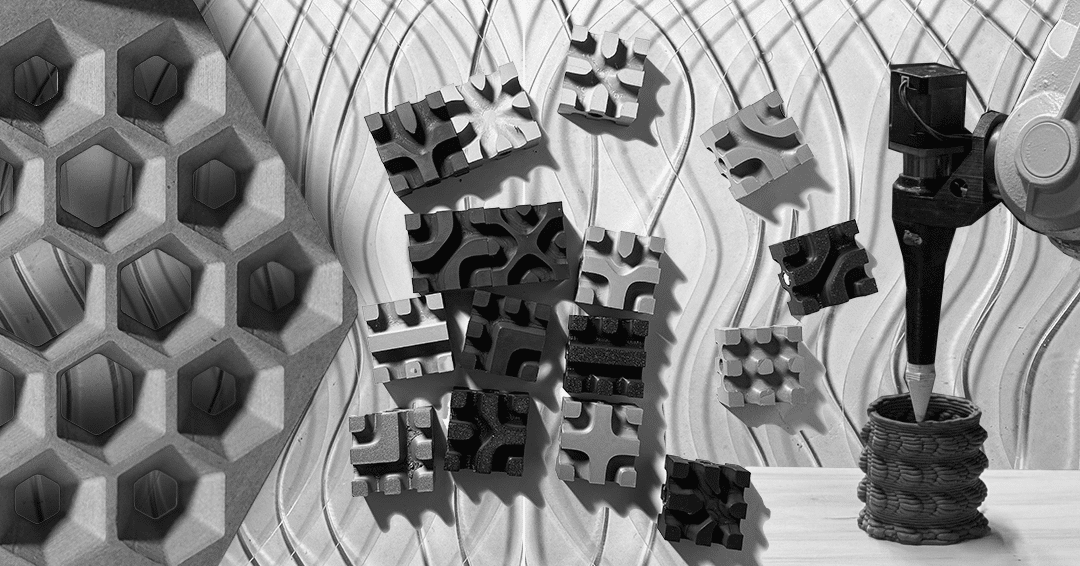
Introduction to Digital Fabrication In contemporary architectural practice, digital fabrication has opened new possibilities for designing and producing building components with precision, efficiency, and expressive complexity. Among the most widely used methods—laser cutting, CNC milling, 3D printing, and robotic fabrication, each offers unique material, geometric, and performative potentials. For this assignment, we explore these techniques … Read more
FACADE PROTOTYPING
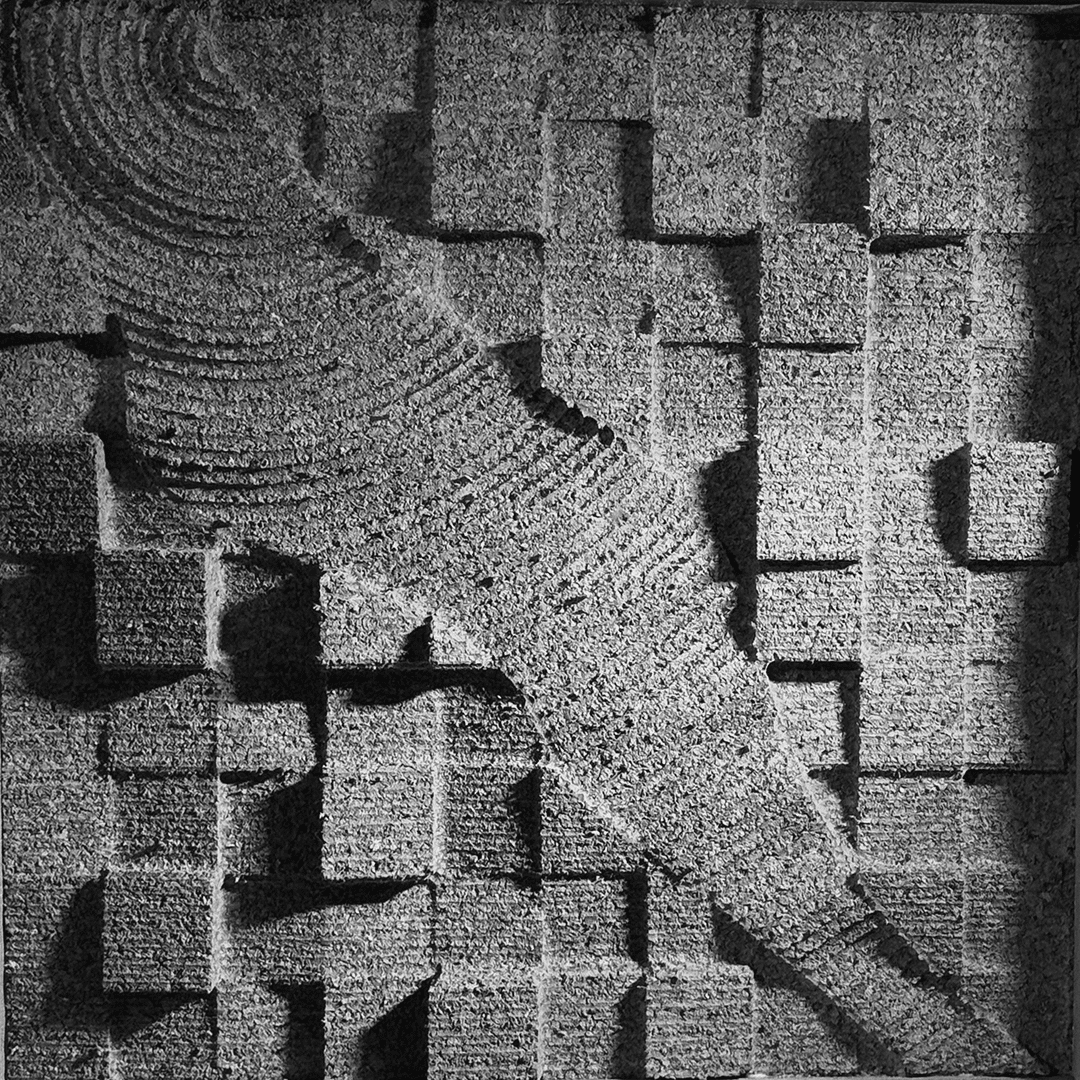
Vertical elements shape how we experience architecture-defining boundaries, filtering light, and giving character to both interiors and facades. In this exercise, we explored their potential through hands-on digital fabrication, rotating between 3D printing, laser cutting, CNC milling, and robotic manufacturing. Working within a fixed wooden framework, each technique challenged us to rethink material behavior, structural … Read more
TriAxial Dynamics

3D Printing | Kinetic Facade | CONCEPT | The project draws its primary inspiration from the dynamic, sun-responsive mashrabiya system of the Al Bahr Towers in Abu Dhabi. What captivated me was the sharp visual contrast between conventional, static façade geometries often rectilinear or triangulated and the refined kinetic intelligence embedded in these triangular adaptive … Read more
Sound-responsive Alert System

by Francisco Pinel on October 26, 2025 The Quiet-o-Meter is an interactive sound awareness prototype designed to promote mindful noise behavior in shared environments. Inspired by the need for greater awareness of how our collective sound levels can affect others, this project transforms ambient noise into visual and auditory cues that encourage quieter, more considerate spaces. Built on … Read more
BreatheSmart
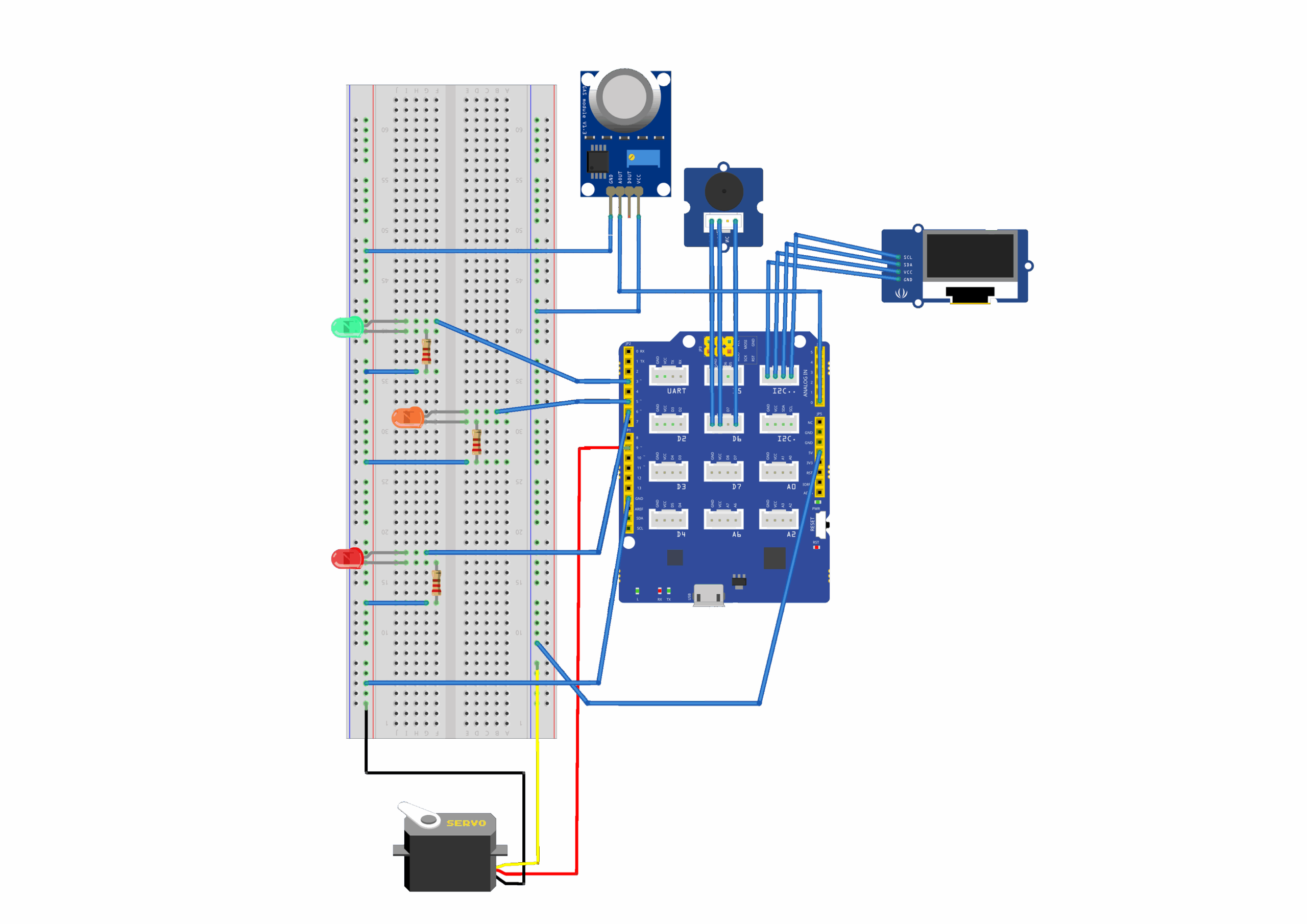
Introduction to Programming and Physical Computing Seminar This project focuses on developing a smart air quality monitoring system using a Seeed Lotus microcontroller, an MQ-135 air quality sensor, a 0.96” OLED display, a buzzer, a small motor or fan, and a panel with three LEDs to indicate air quality levels. The system continuously measures CO₂ … Read more

Advanced Manufacturing Cluster – T01
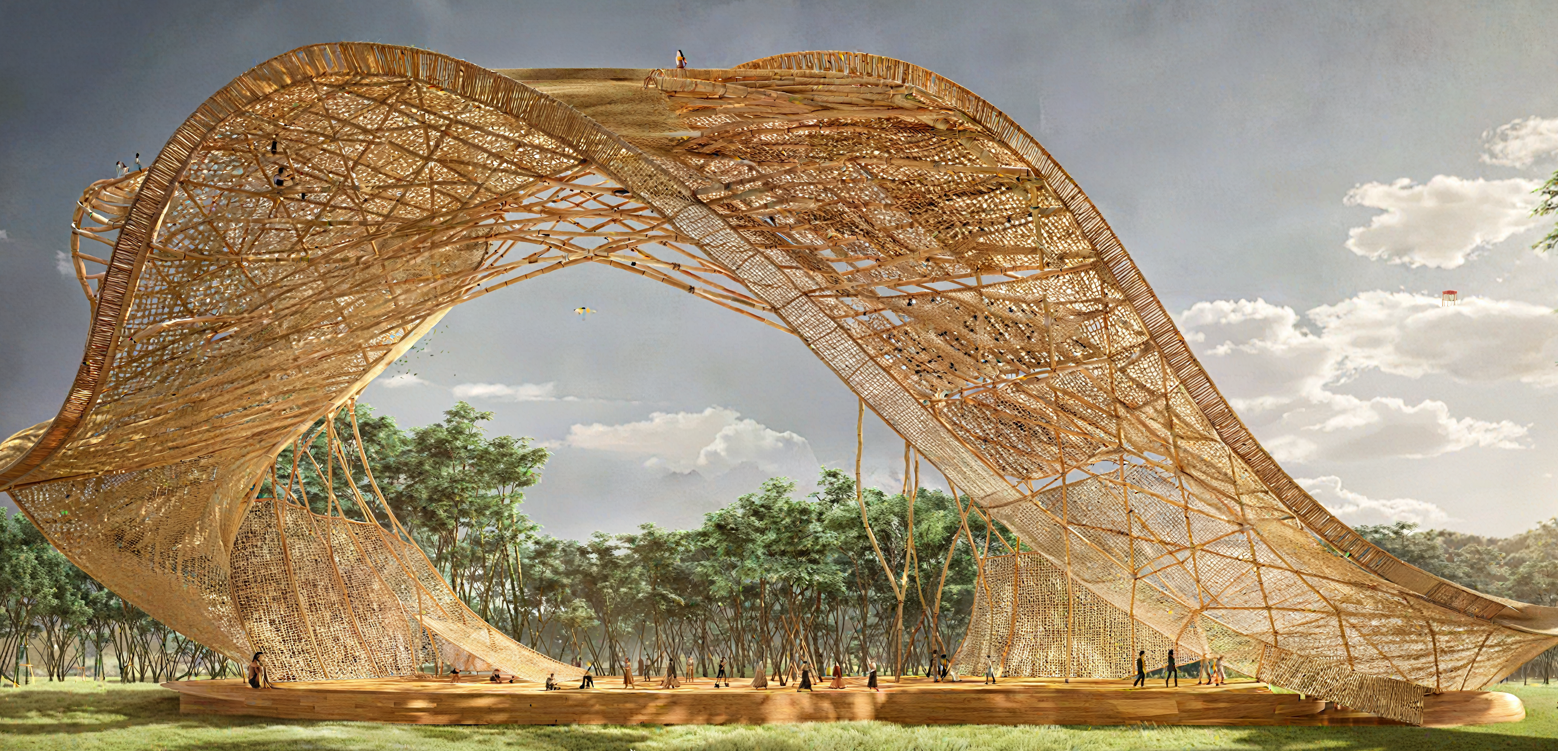
Research Question Context Why Natural Fibers? Possible Impact Typologies State of Art Material Research Methodology Design Workflow
The Living Loop
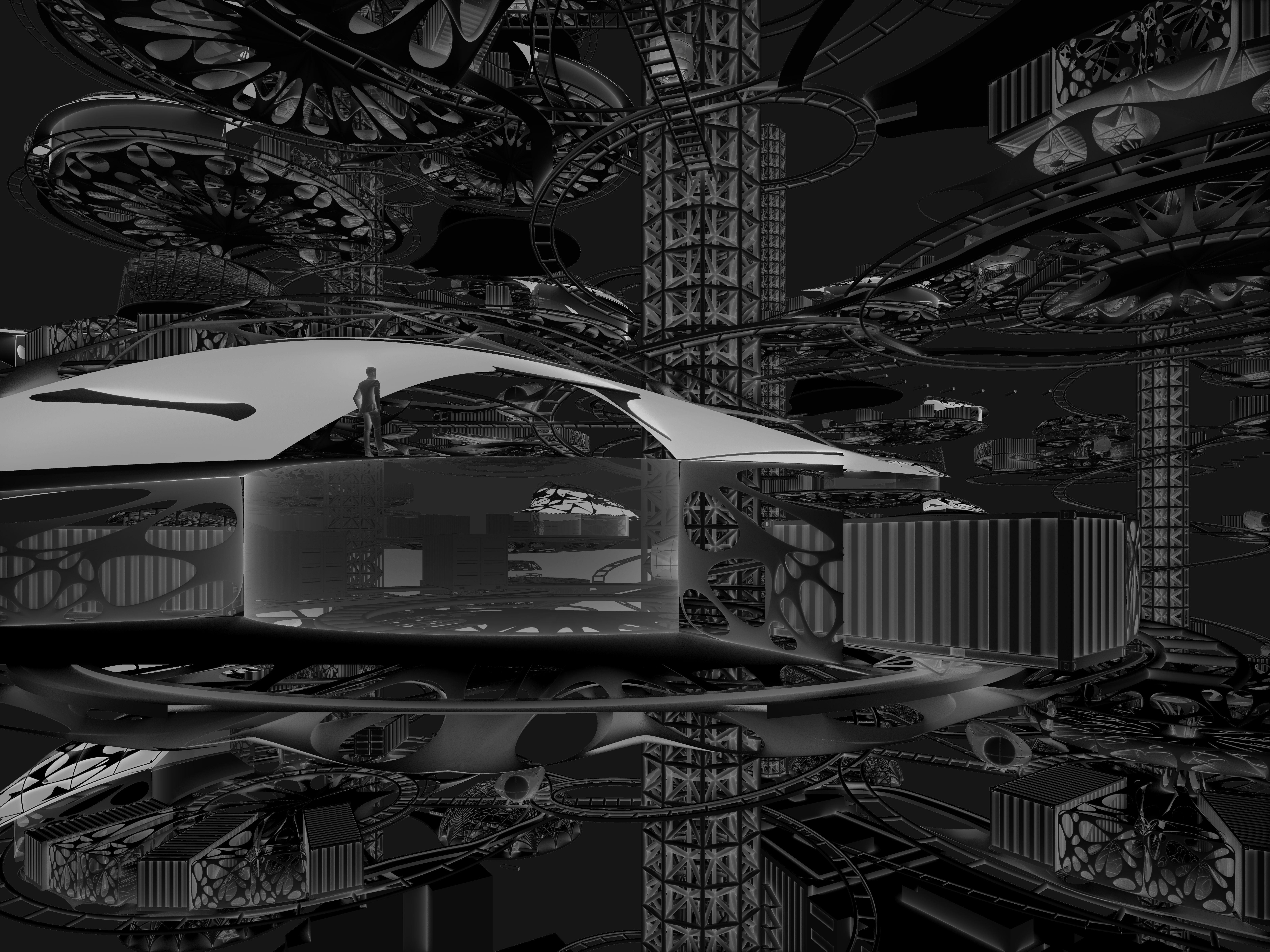
ABSTRACT This project seeks to transform a plot in Poblenou’s 22@ district into a pioneering model of metabolic co-living and circular urbanism. By leveraging the district’s technological ecosystem and repurposing e-waste from nearby Green Points, the project integrates a localized recycling and up-cycling facility with innovative prefabrication techniques. Modular co-living units, structural frames, and facades … Read more
Directional Strength: Glulam Components in Force-Responsive Design
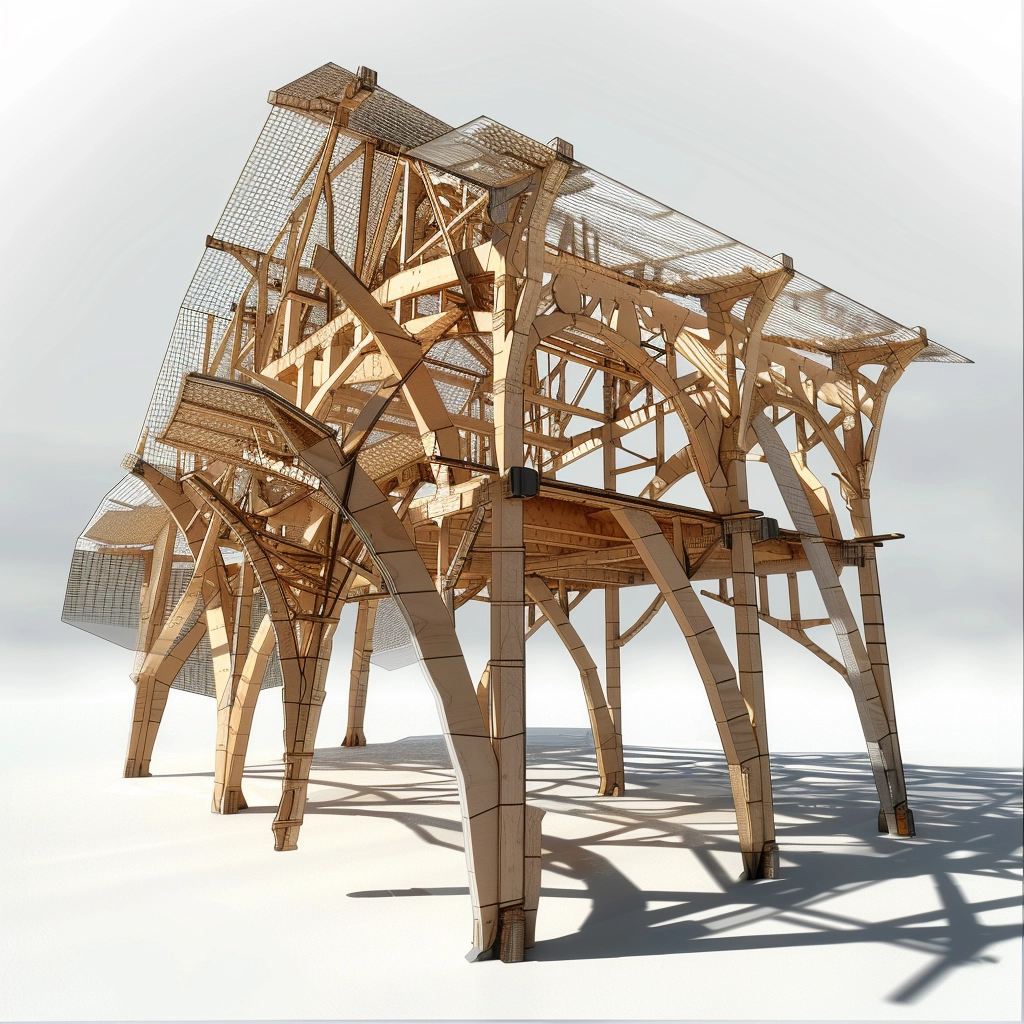
This research explores the optimization of glulam in architectural design by aligning material grading and grain orientation with force trajectories. Combining glulam offcuts and higher-grade timber, the study minimizes waste while maximizing structural efficiency. Computational workflows and generative algorithms are used to design force-aligned components for scalable applications. Prototypes demonstrate enhanced performance and sustainability, offering … Read more
Transient Plastics
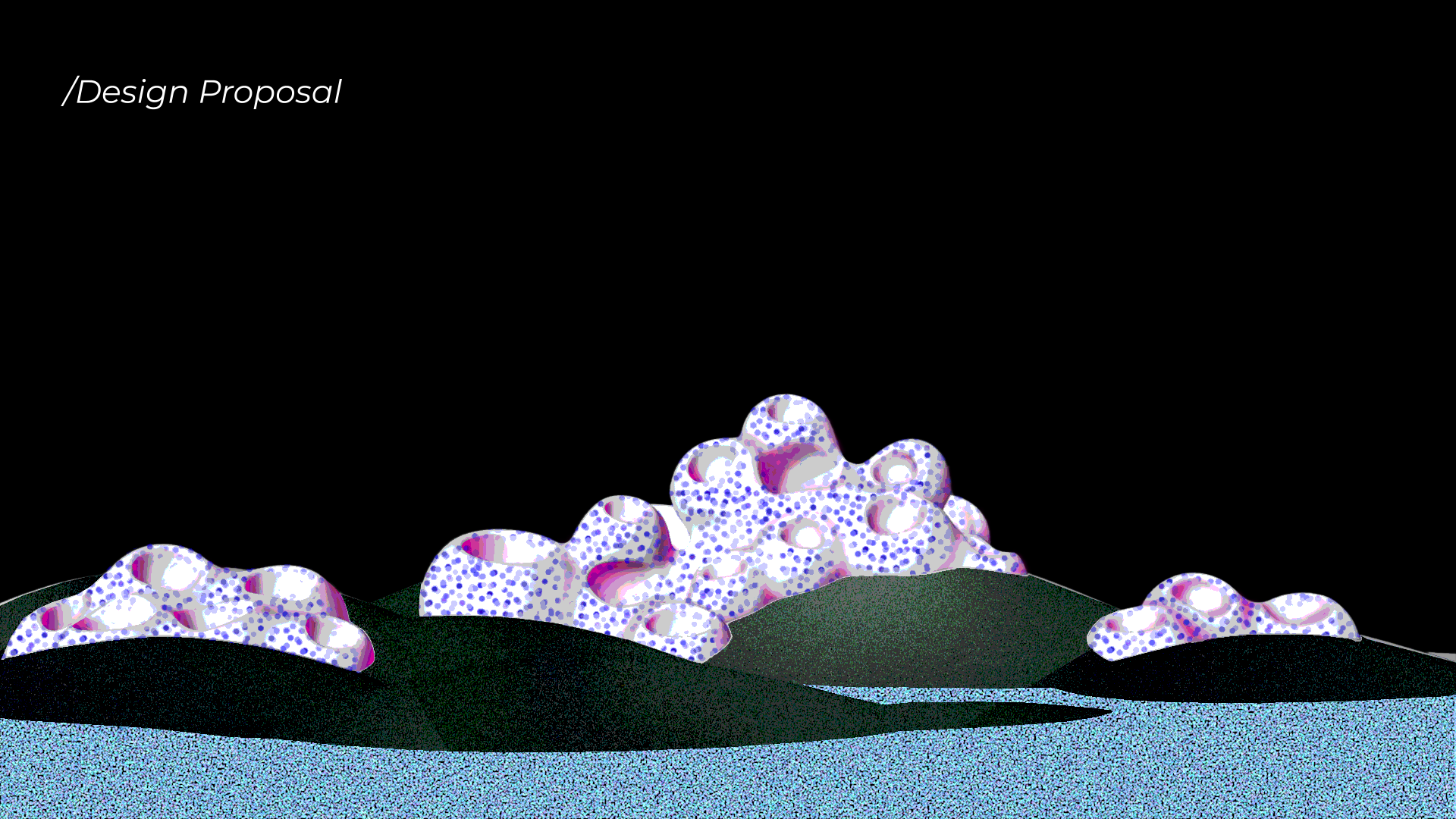
The plastic crisis has reached staggering proportions. If all the plastic waste on Earth were laid out, it would be enough to cover the entire surface of Argentina ankle-deep. Every year, we produce 300 million tons of plastic globally. Yet only 10% remains in use, while more than 80% is discarded. Of this discarded plastic, … Read more
