The MAA is a visionary master program with an innovative and open structure, mixing diverse disciplines, shaping professionals capable of producing theoretical & practical solutions towards responsive cities, architecture & technology.


Filters
Course

F.lok

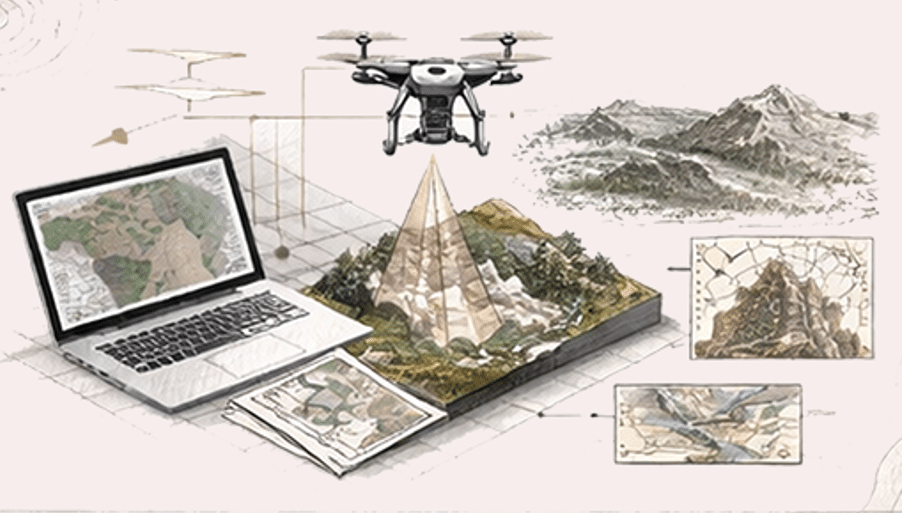
…digitizing terrain to understand runoff & delivering local NBS solutions… …there are 3 types of floods… …the mountains affect runoff… GREEN CITIES AROUND THE WORLD NBS (Nature Based Solution) Bank …Prototyping Phase… …understanding the prototype… THE PROTOTYPE
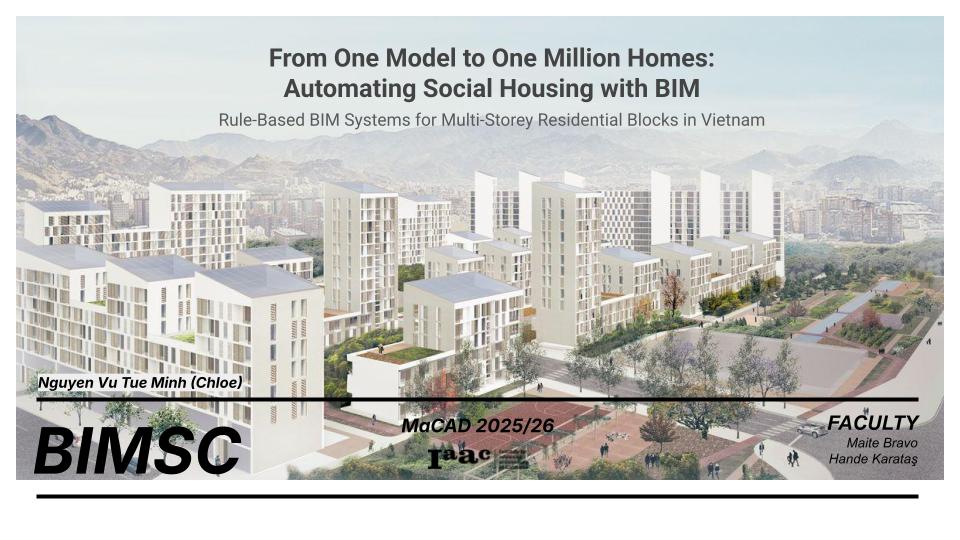
From One Model to One Million Homes: Automating Social Housing with BIM

Rule-Based BIM Systems for Multi-Storey Residential Blocks in Vietnam   Using rule-based BIM master models to automate repetitive social housing design in Vietnam, while addressing real-world challenges of coordination, adoption, and collaboration across large-scale public projects. //CONTEXT Vietnam currently has an ambitious national target to build one million social housing units by 2030. However, progress … Read more

Community Connections

Trinitat Nova and Trinitat Vella Scavenger Hunt   Moving between the neighborhoods of Trinitat Nova and Trinitat Vella in Barcelona, and reaching natural landscapes nearby, like the Collserola hillside or the Besòs River, can already feel a bit like a scavenger hunt. Large highway infrastructures carve through the area, creating barriers that make simple trips … Read more

Passadís d’ordinadors

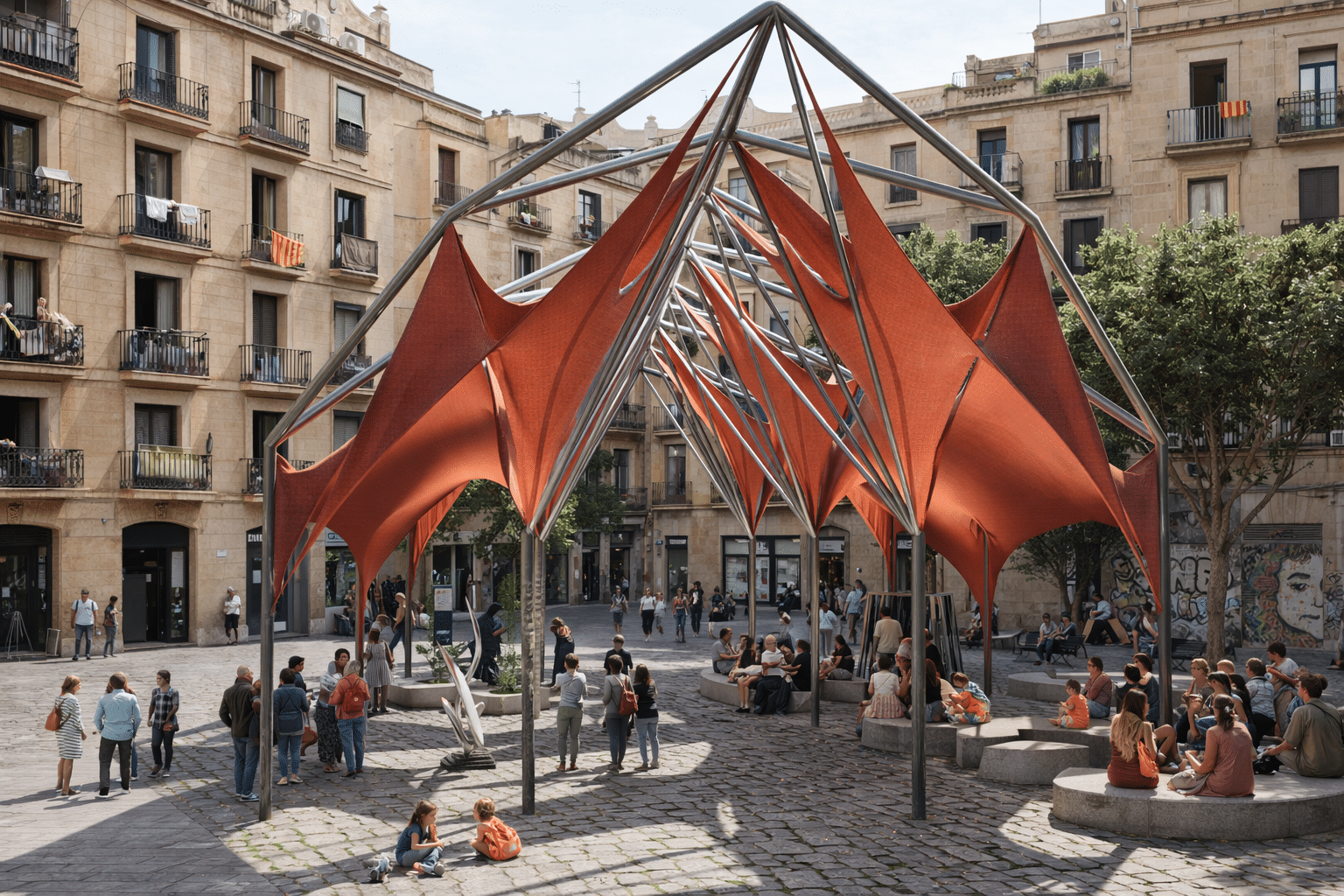
Concept Inspiration Creating a tensile pavilion structure based on Felix Candela‘s arch and aisle geometric logistics and diagrams. Iterative design approach based on ‘anchor points’ on a frame. Exploring scalable methodology for Kangaroo based computational design processes. ‘Iglesia de la Medalla Milagrosa‘ Felix Candela – photo by Lola Alvarez Bravo, 1954 Felix Candela Drawings and … Read more

Reciprocal Canopy

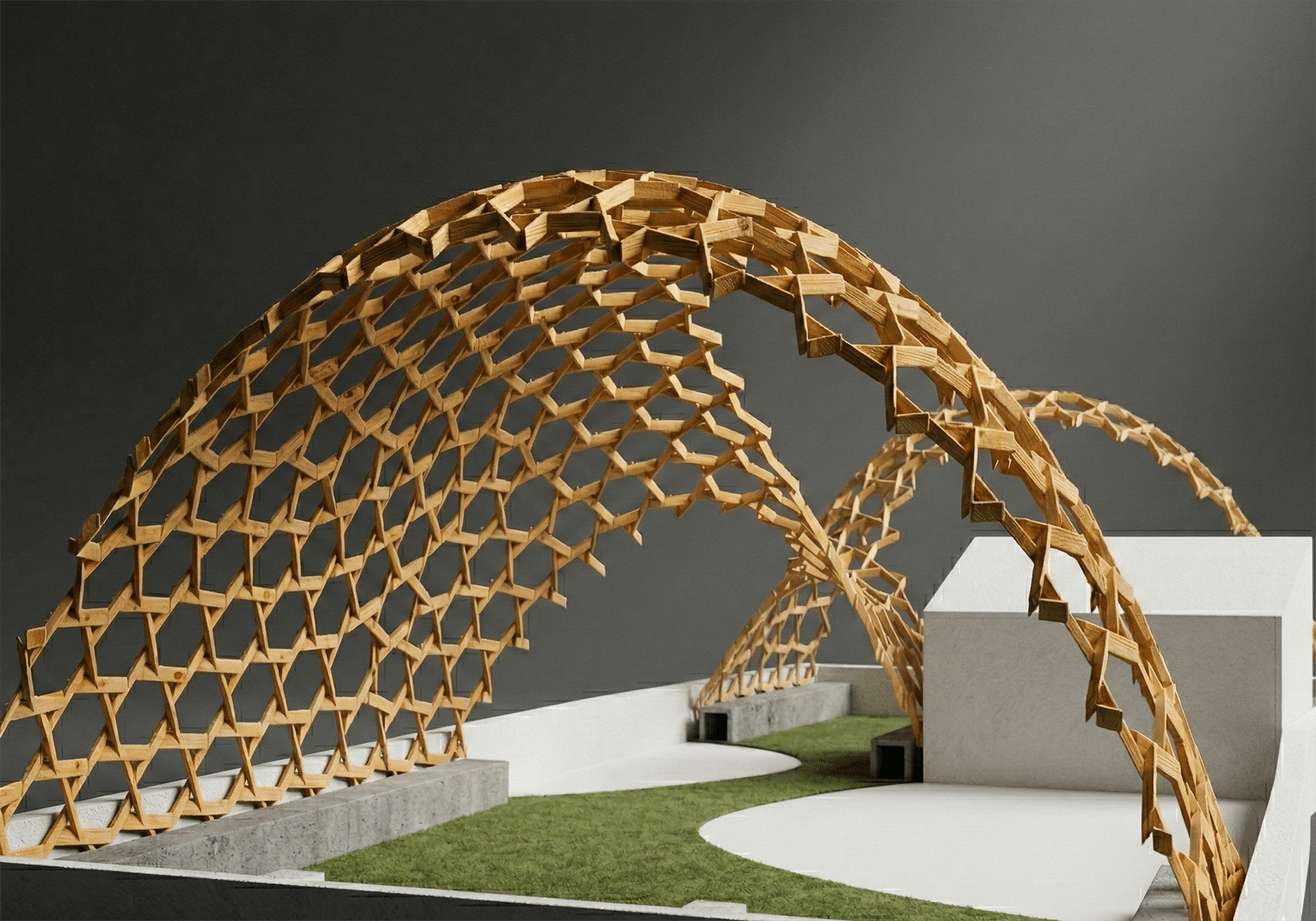
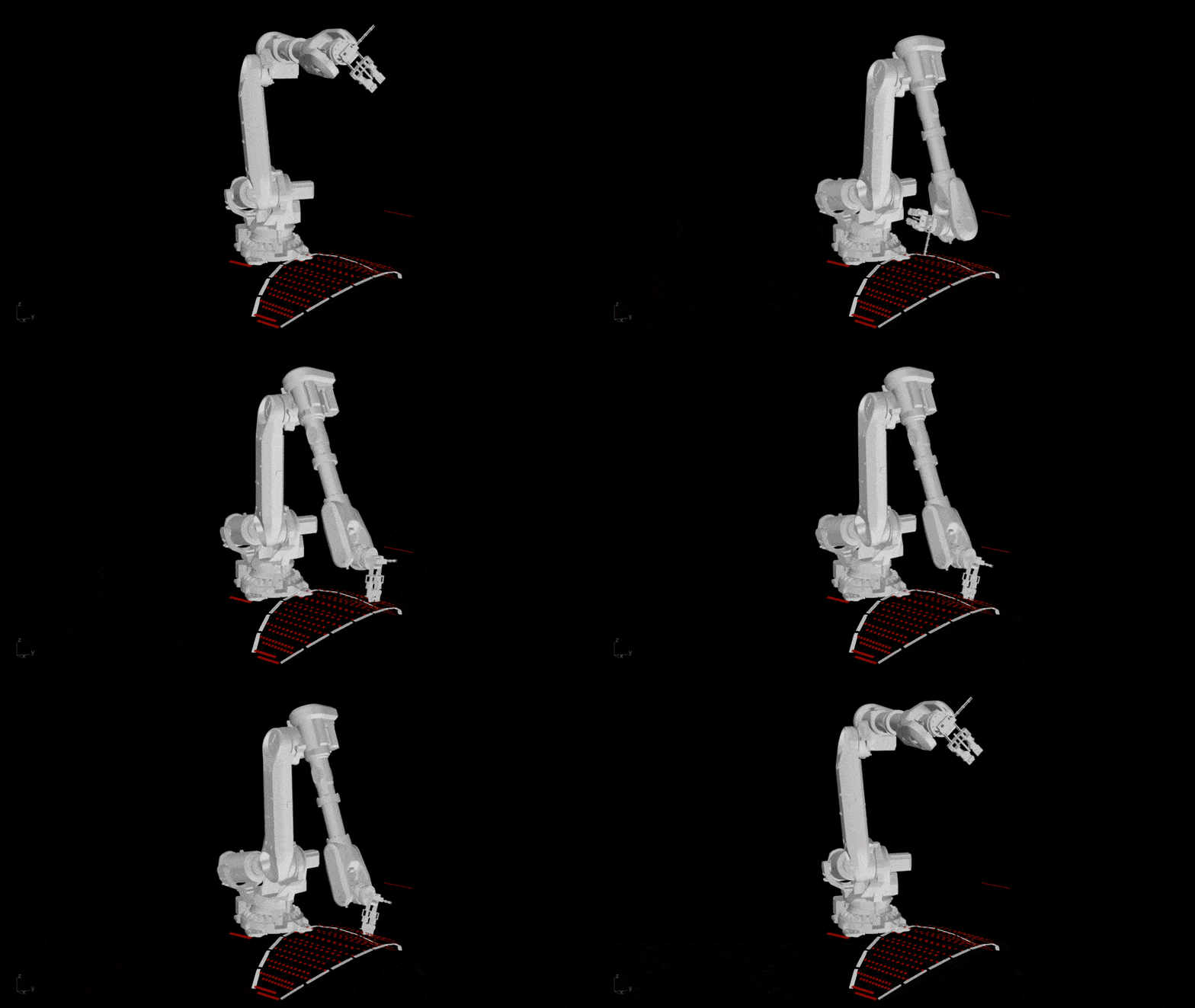
Designed for the IAAC rooftop, this pavilion merges computational design with advanced robotic fabrication. The geometry originates in Grasshopper, where a basic mesh is transformed into an optimized vault using Kangaroo’s physics-based dynamic relaxation. A reciprocal frame pattern is then applied, translating the continuous shell into short, mutually supporting timber pieces. Because every interlocking element … Read more

the Proxy Pods

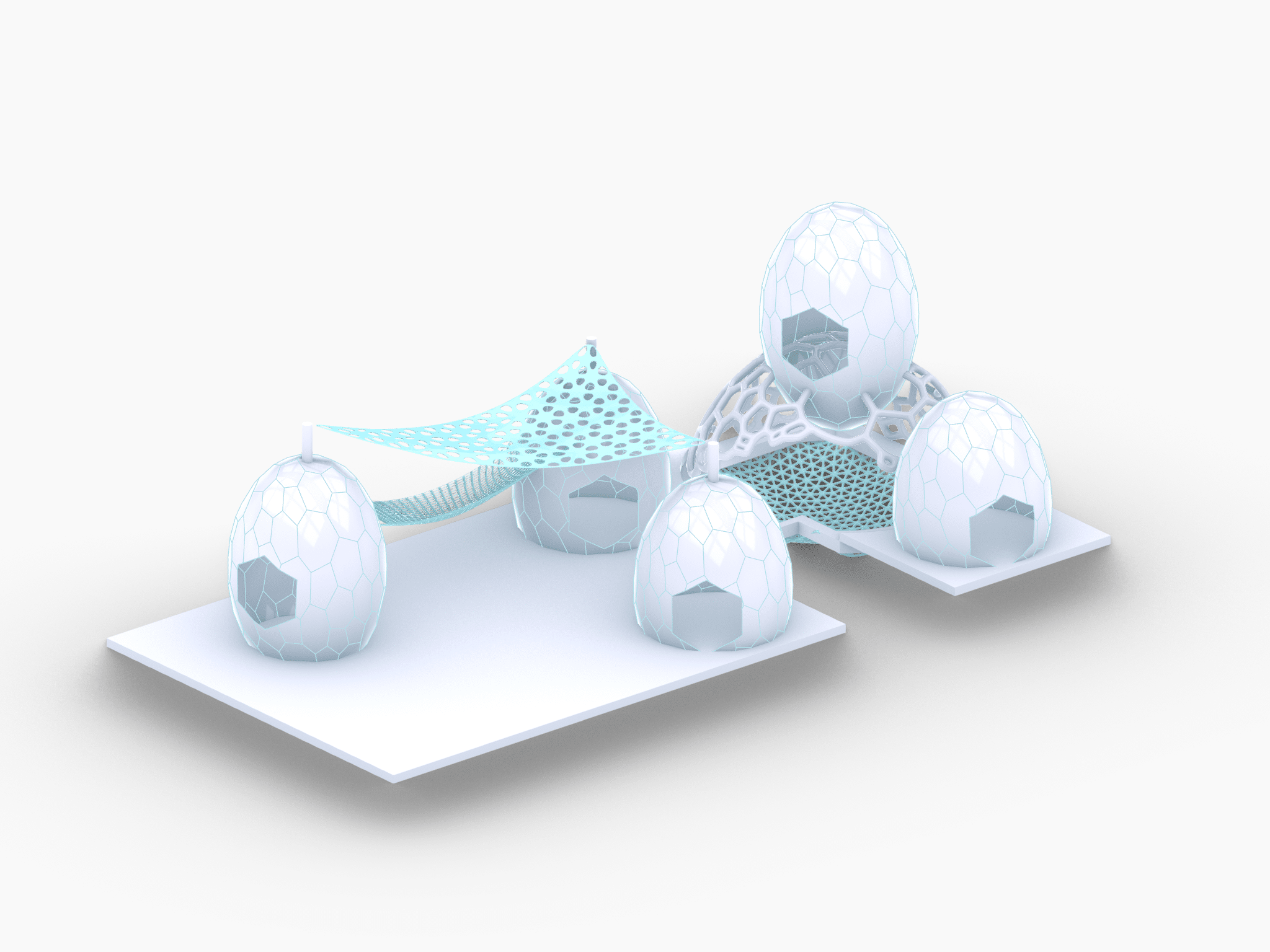
a Rooftop Lounge for Staff and Students Concept A series of digitally fabricated modular timber egg pods surrounded by physics-simulated tensile elements. A hexagonal structural system supports intimate enclosures, a suspended hammock, and a tensile canopy, forming clear gradients of privacy within one cohesive framework. Pseudo-code Parameter Playground Catalogue Pod Options Testing polygon scale options … Read more

Lifecycle of a Landslide

THE GREAT HIMALAYAN TERRAINKinnaur lies in the Middle to Higher Himalayas, one of India’s most landslide-prone regions, while also functioning as a critical ecological transition zone between temperate, sub-alpine, and cold desert ecosystems. The Sutlej valley acts as both a human infrastructure corridor and a biological movement corridor.         News reports show … Read more

Living Frames: Architecting Intelligence for Multispecies Design

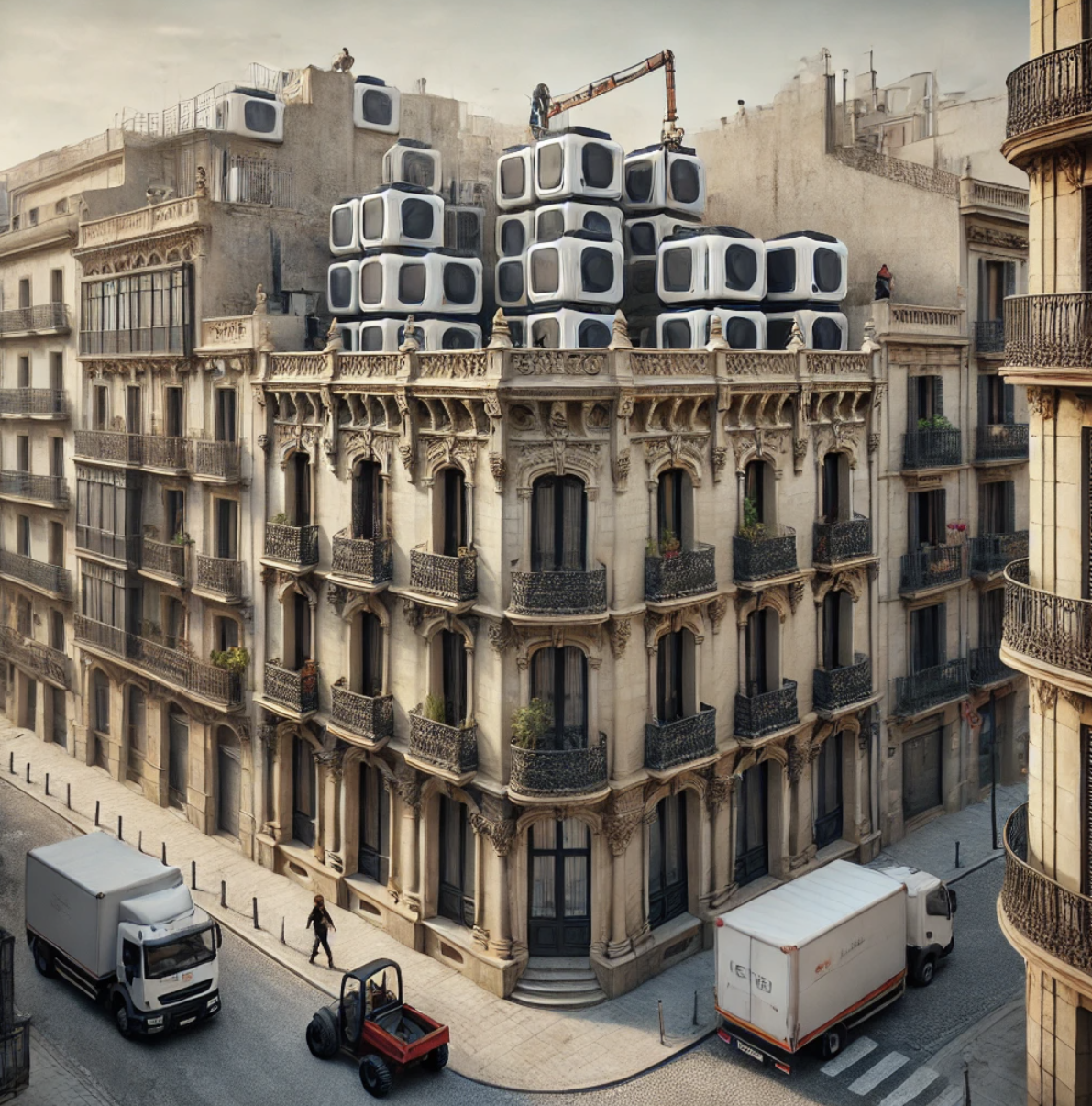
Contemporary architecture often prioritizes humans at the expense of ecological balance, distancing us from nature and other species. This thesis envisions a future where buildings evolve into living, adaptive frameworks that foster interspecies mutualism. By integrating third-order cybernetics, machine learning, and AI, architecture can become a mindful mediator, enhancing relationships between humans and other species. … Read more

Augmented & Mixed Reality

AR/VR enhances the connection between architecture and clients by visualizing rooftop pod safety, insulation, and climate adaptability. It provides immersive experiences, making designs more tangible, understandable, and acceptable for real-world living solutions. AR/VR allows clients to explore how rooftop pods are made, the materials used, and required tools. It offers immersive mockups, enhancing understanding, trust, … Read more

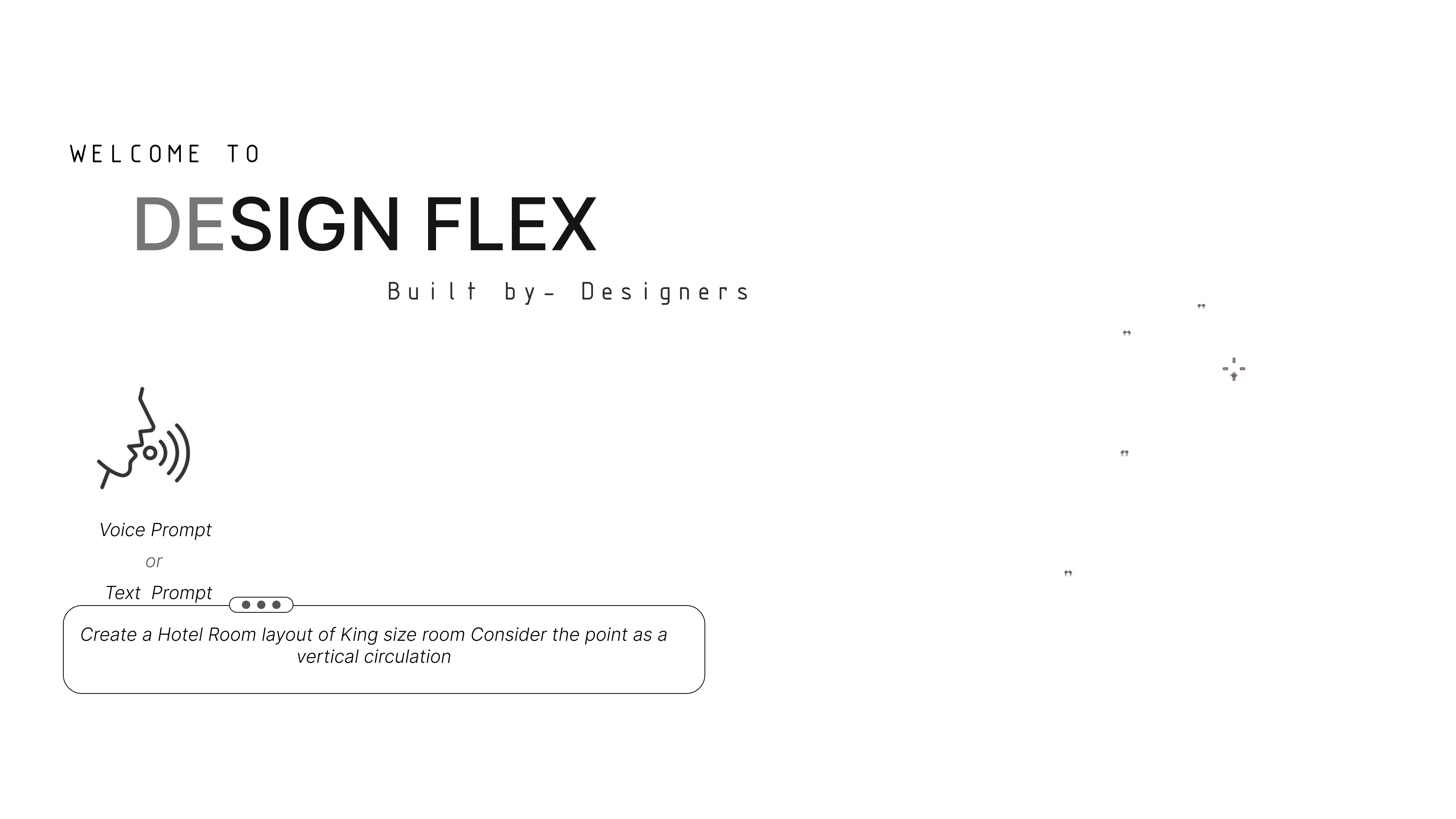
DESIGN FLEX- PHASE- II

Abstract Parametric design tools like Grasshopper empower architects to create adaptive and efficient spatial layouts, but their complexity presents a barrier for non-experts. This research proposes a community-driven design tool that leverages Graph Neural Networks (GNNs) and Large Language Models (LLMs) to learn from expert-authored Grasshopper scripts, enabling prompt-based parametric layout design. By encoding design … Read more