The MAA is a visionary master program with an innovative and open structure, mixing diverse disciplines, shaping professionals capable of producing theoretical & practical solutions towards responsive cities, architecture & technology.


Filters
Course

BANANA MATTERS

Abstract Banana Matters transforms discarded banana pseudostem biomass into carbon-sequestering architectural panels through material research, bio-based binders, and digital fabrication. The project addresses the untapped potential of nearly 525 million tonnes of annual banana waste by developing lightweight, low-carbon composites with acoustic and structural applications. Through iterative material experimentation, heat-press manufacturing, and mechanical and physical … Read more

Bedrock

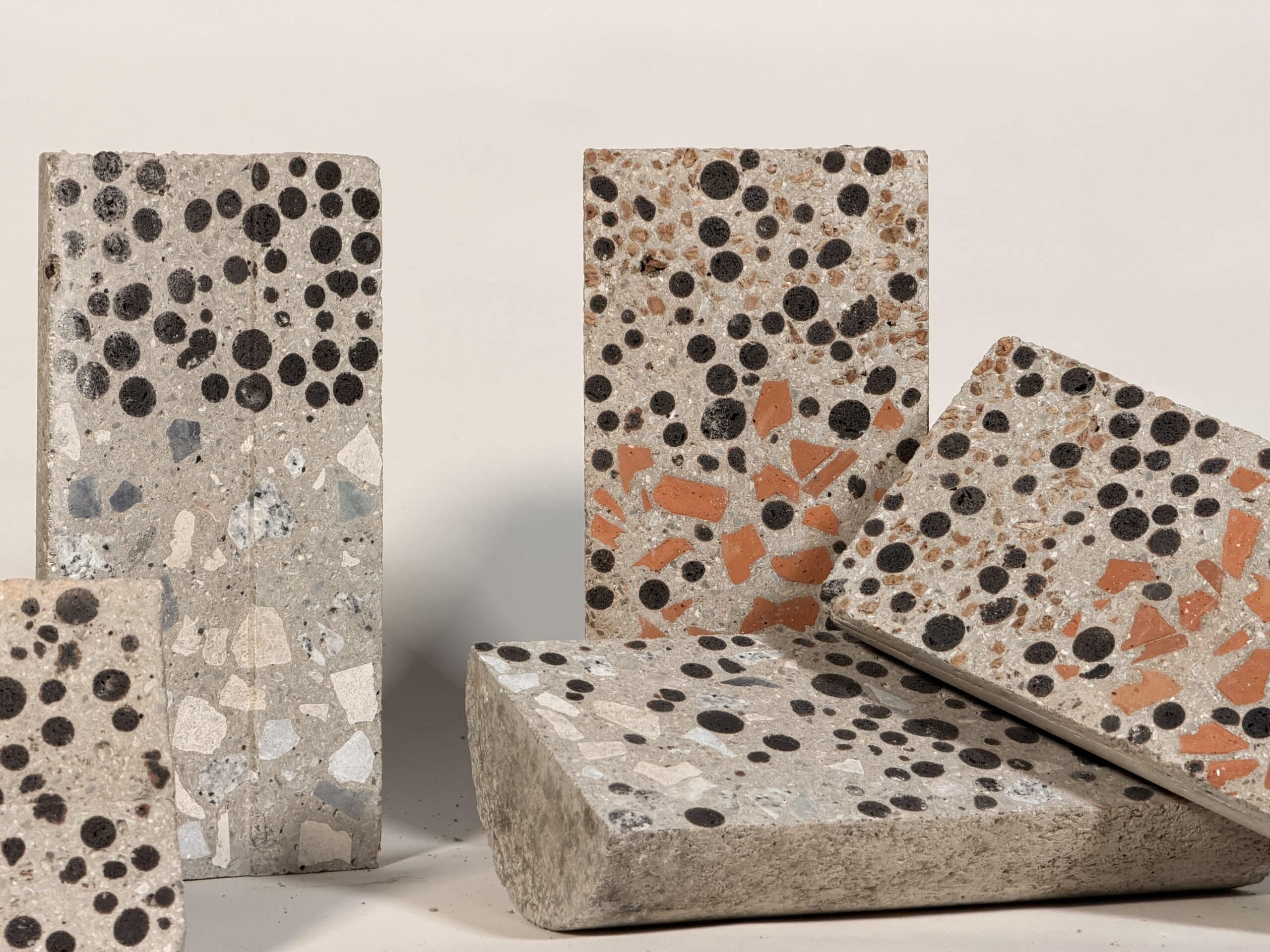
Prefabricated Slabs Embedding Structure and Finish Through Stress-Driven Geometry and Waste Aggregate Distribution This thesis challenges the conventional separation of structure and finish in floor systems, typically resolved through multilayer assemblies that increase thickness, material redundancy, and construction complexity. While such systems allow formal and technical flexibility, they externalize performance into discrete layers rather than … Read more

Living Fibers: Robotic Needle Felting as an Architectural Construction System

MAA/MRAC Studio Term 3 — 2025/2026 | Robotics for Ecological Building When you think of wool, construction probably isn’t the first thing that comes to mind. But wool has a longer history as a building material than most people realize, and it carries inherent properties that make it genuinely compelling for architecture: moisture regulation, thermal … Read more

Facade Energy Optimization

This research explores the use of Wallacei X to optimize a parametric facade for a site in Dubai, UAE. The study evaluates facade performance based on four objectives: maximizing sun hours, minimizing solar radiation, minimizing material consumption, and maximizing views. Through evolutionary optimization, hundreds of design variations were generated and assessed, revealing the trade-offs between … Read more

BIO FLOW

“ An AR-Driven Biomimetic Pavilion Generated Through Environmental Field Behavior “ Architectural pavilion design and fabrication often require complex digital workflows, technical expertise, and multiple visualization tools, making the process difficult for rapid concept development and real-world understanding. Designers also face challenges in translating organic, nature-inspired forms into fabrication-friendly structures.  BIOMIMICRY PAVILIONS Organic Geometry Biomimicry … Read more

Galapogos Mold Designer

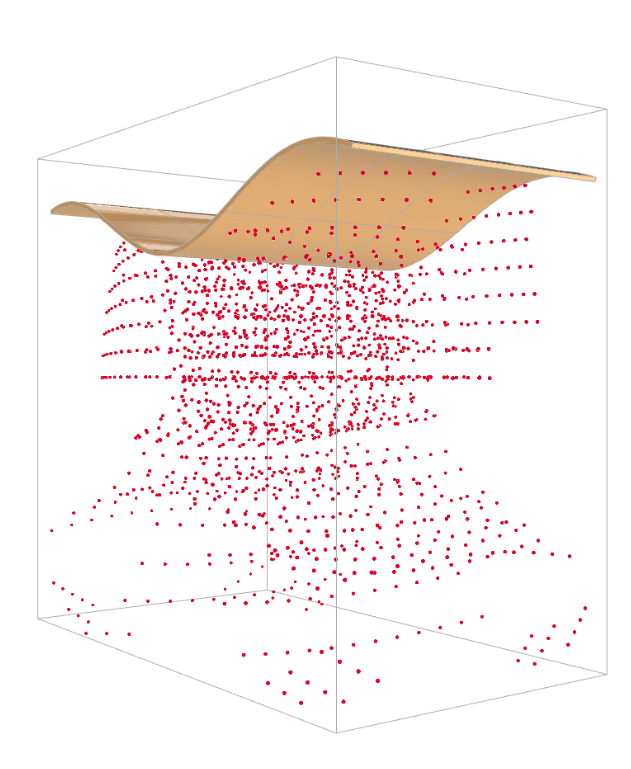
We identified the main problems while producing the roof of our Digital Matter studio, where we are making a system of bendable cork panels with jute and caesin, for that we needed molds to bend the panel according to curvature, To optimise the mold and reduce waste we used galapogos to define the bounding box … Read more

Project Michigan

Using climate clustering, vernacular precedent research, and evolutionary optimisation to create climate-responsive design typologies when no established local precedent exists Overview Lovingly named after the very first test location, Project Michigan is a tool that provides climate-responsive design guidelines when no local vernacular precedent exists. Through scraping climate data and global vernacular information, it helps … Read more

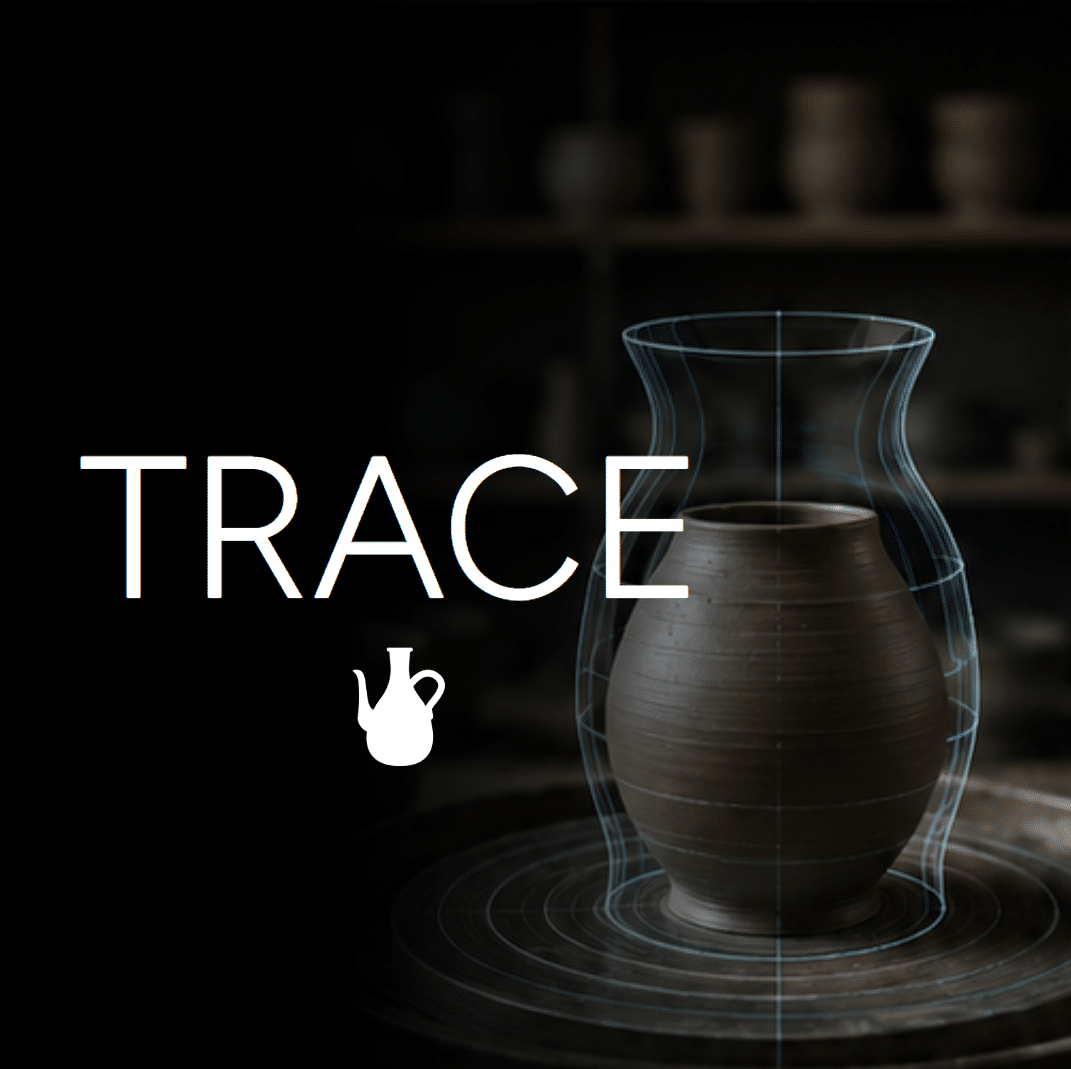
TRACE

An AR guidance system for pottery creation TRACE transforms pottery learning into an interactive guided experience. Instead of interrupting the making process with videos or tutorials, instructions are overlaid directly onto the clay in real time through AR guidance. Rather than replacing the craftsperson, TRACE acts as an apprenticeship layer: making expert knowledge visible, immediate, … Read more

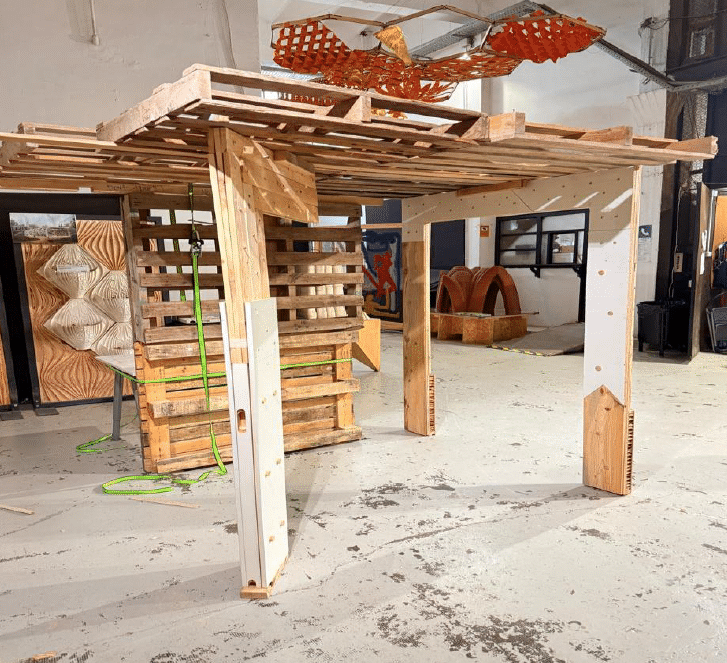
PORTAL FRAME

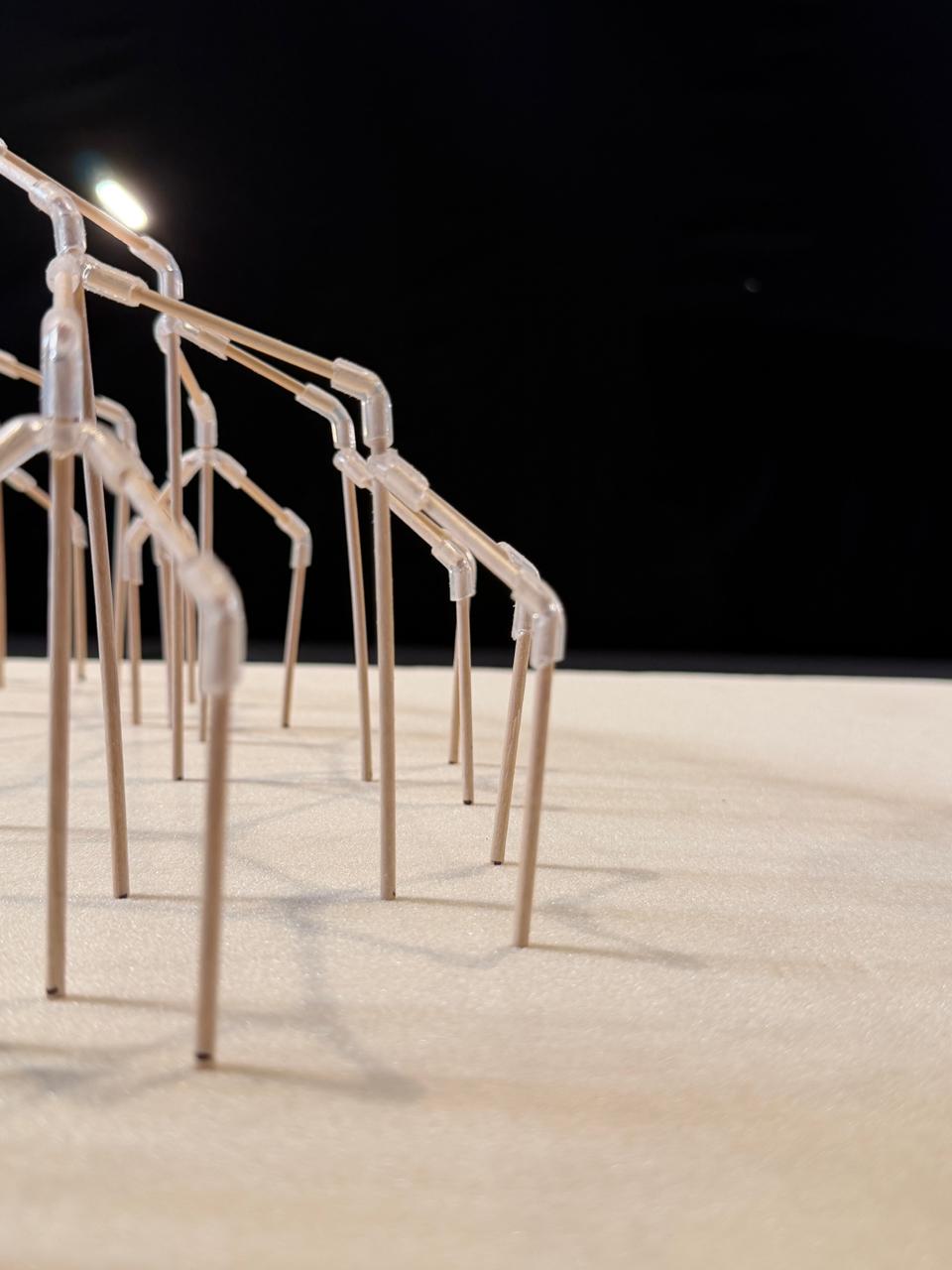
Introduction — Intent Building a portal frame from reclaimed timber, focusing on splicing and shuffling techniques to adapt irregular pieces into a stable, structurally working system. Material Intelligence — Understanding the Stock Structural Logic — Portal Frame System Methodology — Overlay & Splice Strategy FABRICATION — Digital vs Physical The workflow was driven by existing … Read more

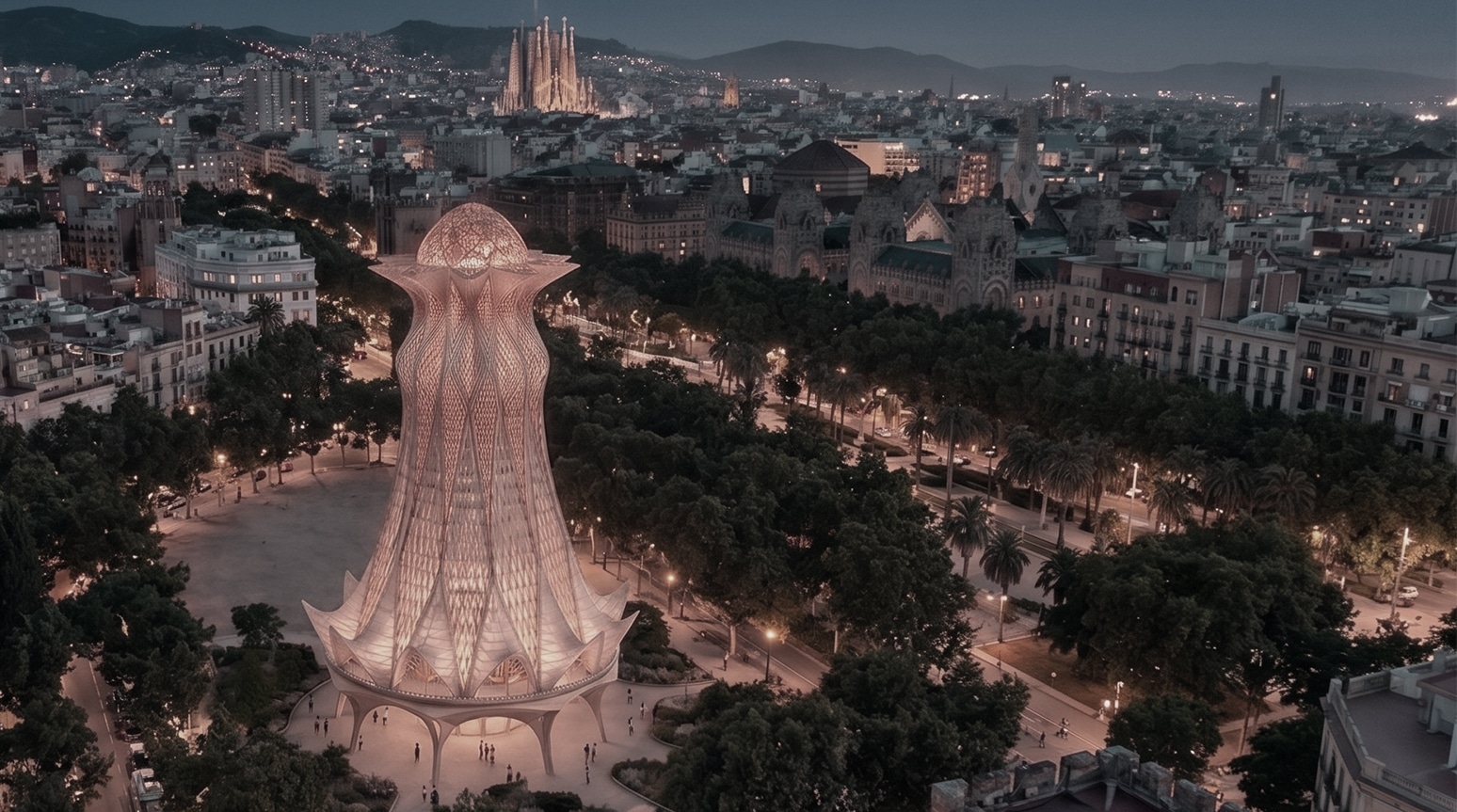
After Gaudi – Facade ll

Site and Key Viewpoint Site and Key Viewpoint Core Project Keywords References FORM FINDING Final Form – Sketch Form Logic Variations and Catalog – Side Profile Form Finding Catalog Base Variation Catalog Convex concave Variation Catalogue Final Form – Levels OPENING & PLANTERS Opening’s Logic – Diamond Shape Opening’s Logics Catalog of Opening Opening Logic … Read more

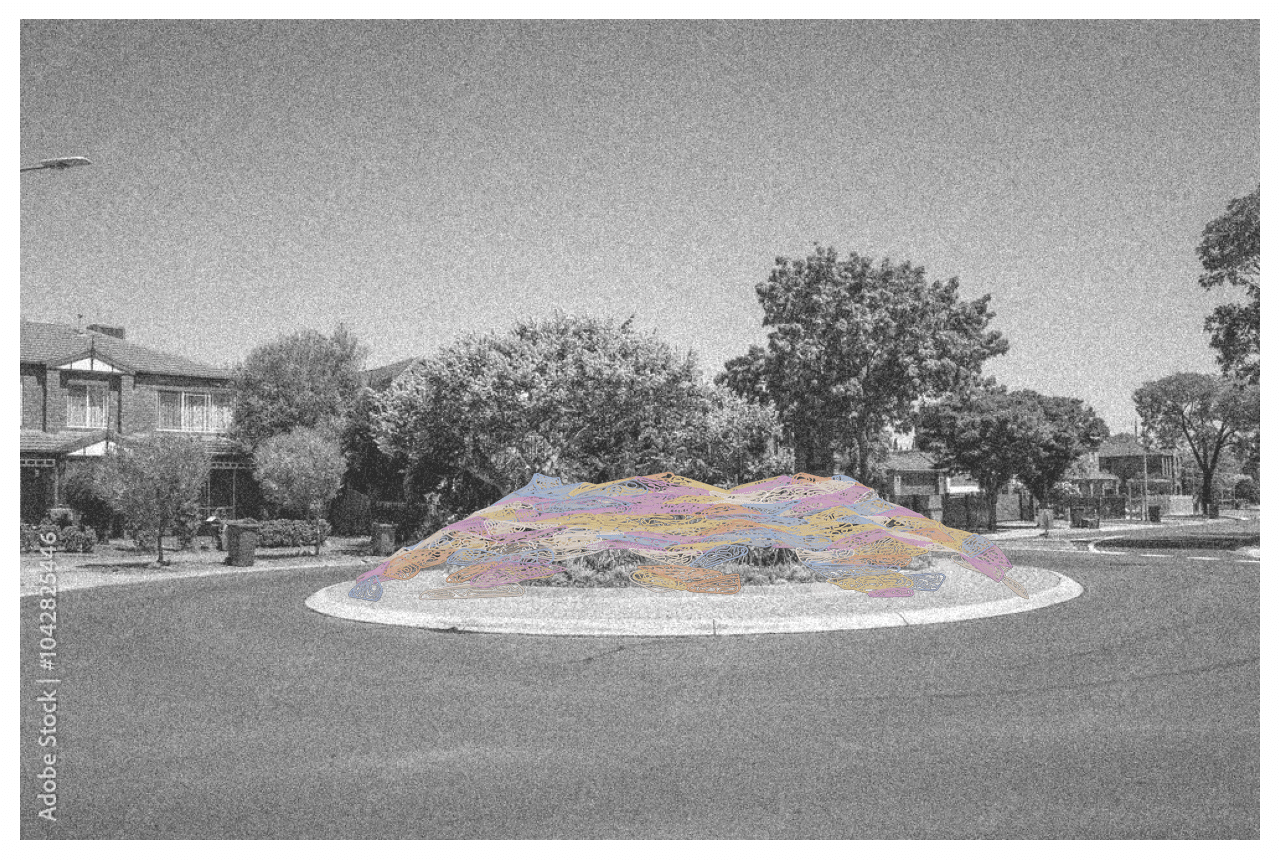
Transient Plastics 3.0

The plastic crisis has reached staggering proportions. If all the plastic waste on Earth were laid out, it would be enough to cover the entire surface of Argentina ankle-deep. Every year, we produce 300 million tons of plastic globally. Yet only 10% remains in use, while more than 80% is discarded. Of this discarded plastic, … Read more

SKYLOFT

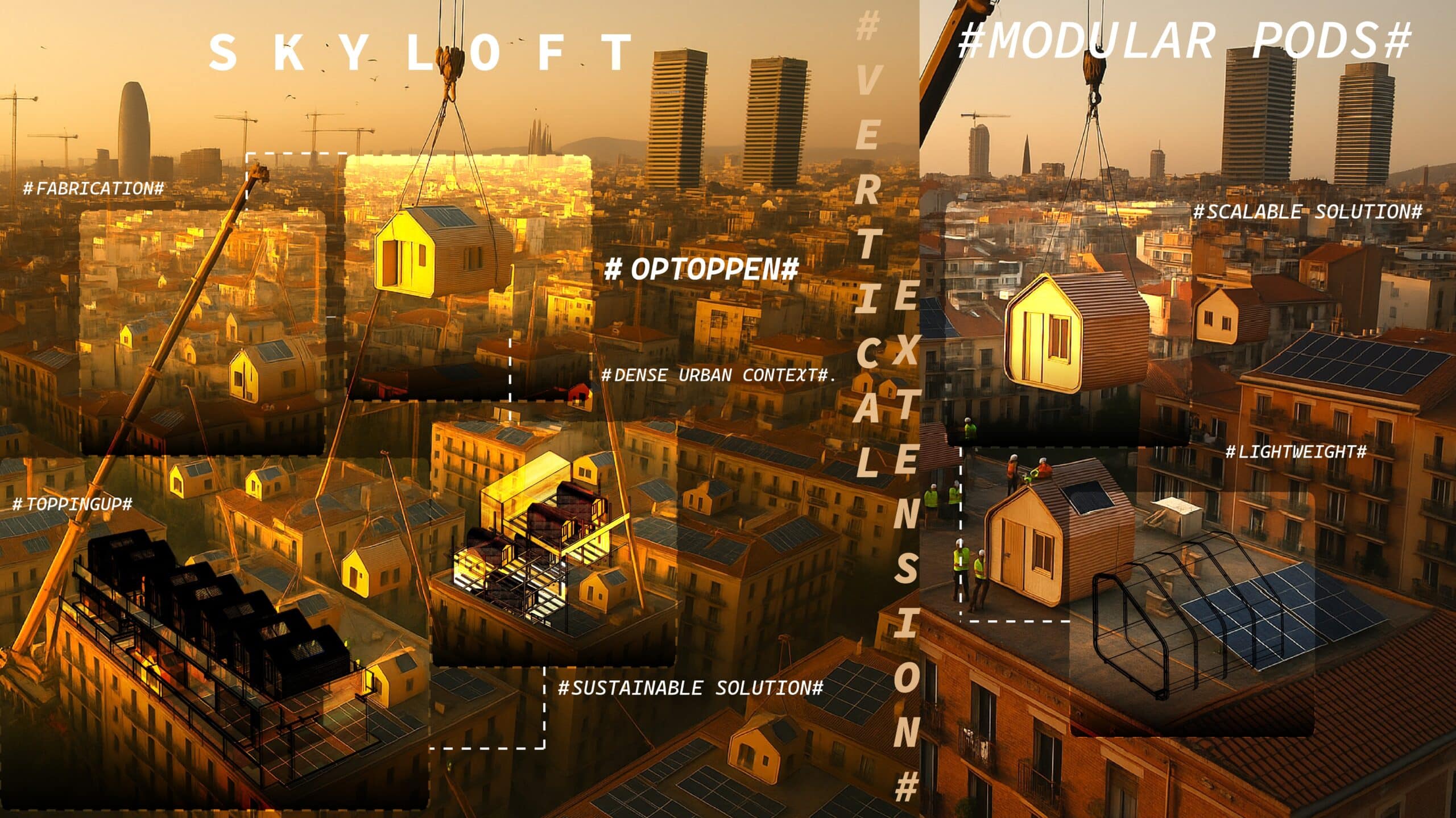
MODULAR PODS VERTICAL EXTENSIONS To address urgent urban housing needs, this thesis explores modular rooftop pods using Digital Twins, CNC fabrication, kerfing, and timber joinery—enabling precise, low-waste, minimum tool required for assembling and sustainable expansion of aging urban buildings through scalable and prefabricated Modular systems Why Vertical extension required ? What’s the purpose of the … Read more

TÀN 58

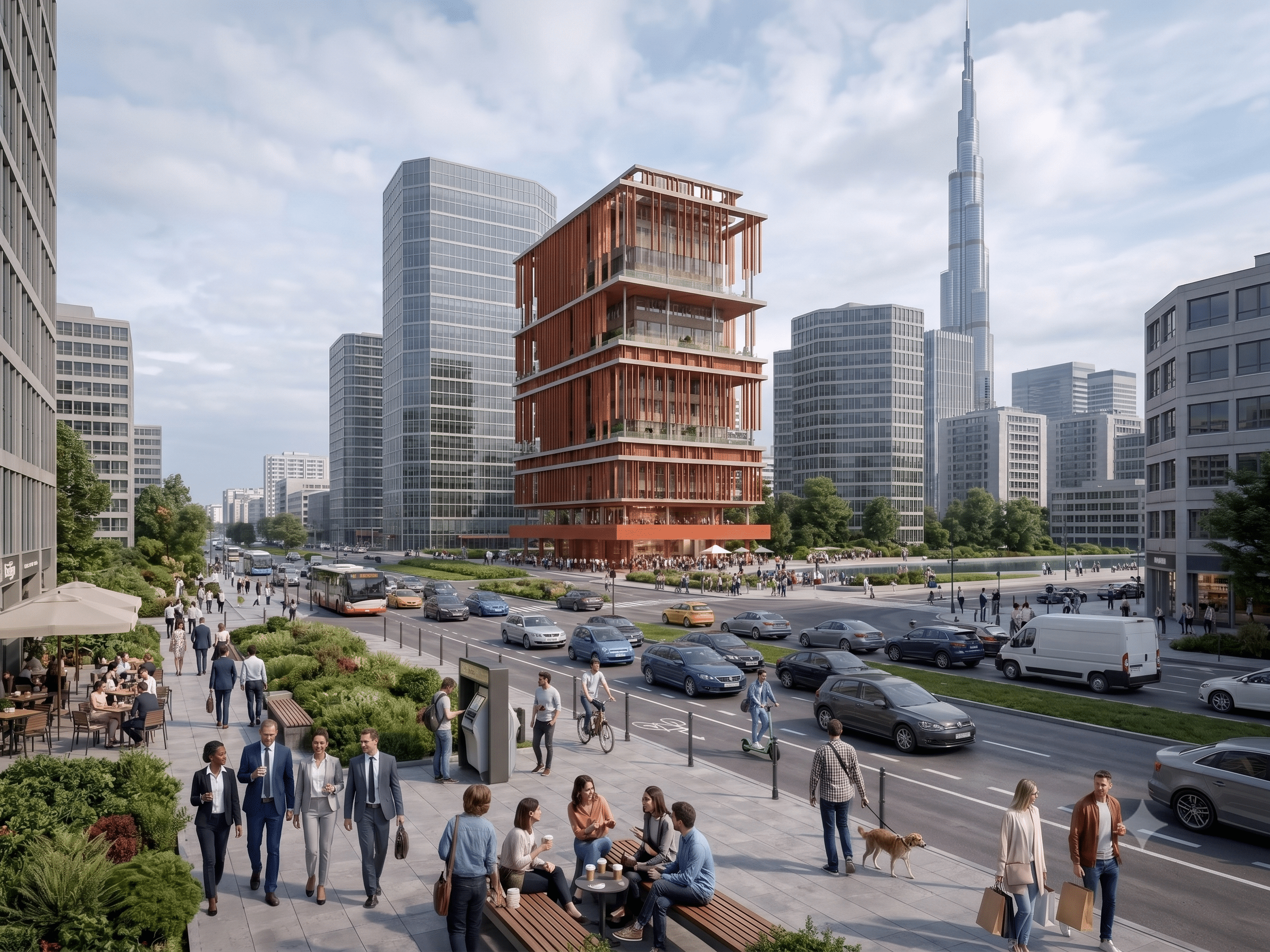
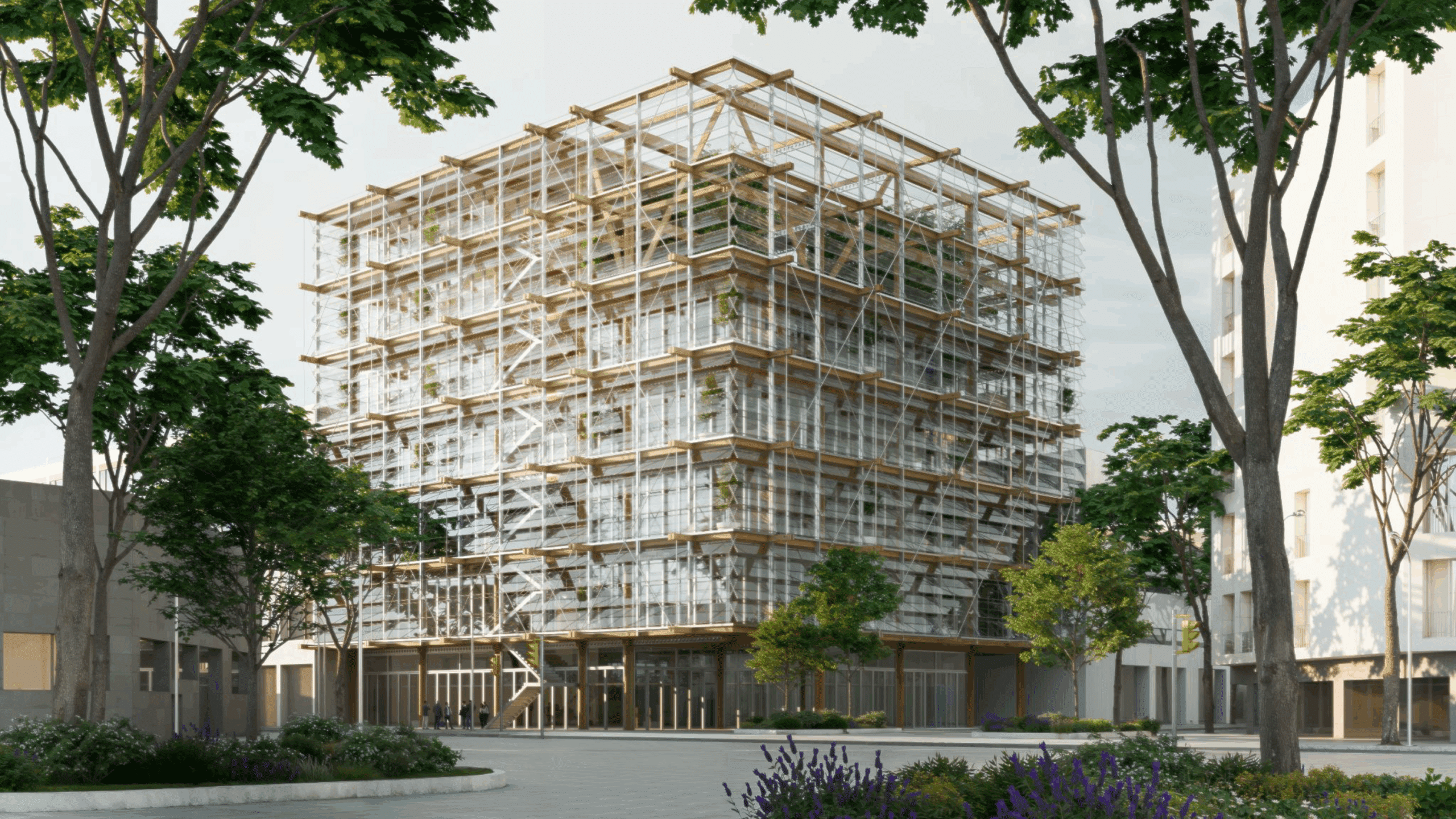
TÀN 58 is a seven-story student housing project located in Poblenou, an industrial district of Barcelona. The building’s form and orientation were shaped through computational studies that optimized daylight access and solar radiation across the site. This analysis led to the introduction of two central atriums, which act as vertical heat sources and organizational cores—spaces … Read more

HYGROHOUSE

Self Sufficient Buildings The project investigates esparto grass as a natural humidity moderator within urban student housing. By analyzing its hygroscopic response and recording relative humidity variations, a passive air filtration system is developed. Anchored in a double landscape strategy, the design links material cultivation, extraction, and environmental performance across urban and ecological contexts. Carrer de … Read more

KINXA | The future built with tradition

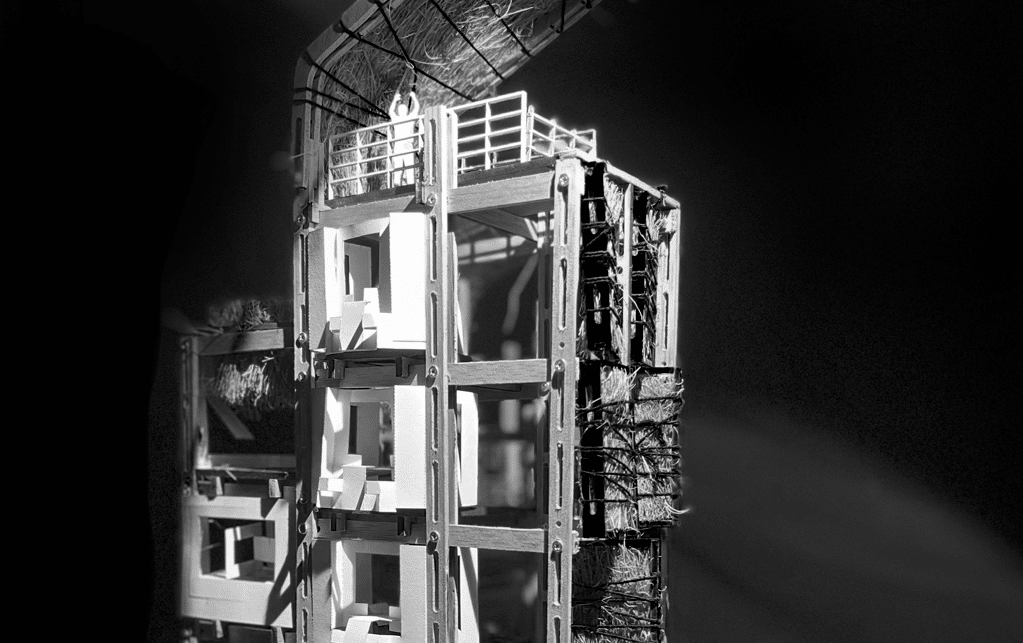
Vernacular architecture has steadily lost relevance in contemporary practice. Industrialized construction methods, aesthetic shifts, and the pursuit of perceived reliability in materials like concrete and steel have overshadowed traditional techniques. However, these modern materials often come at a high environmental cost. Among the overlooked methods is quincha, a construction technique common in Latin America. It … Read more