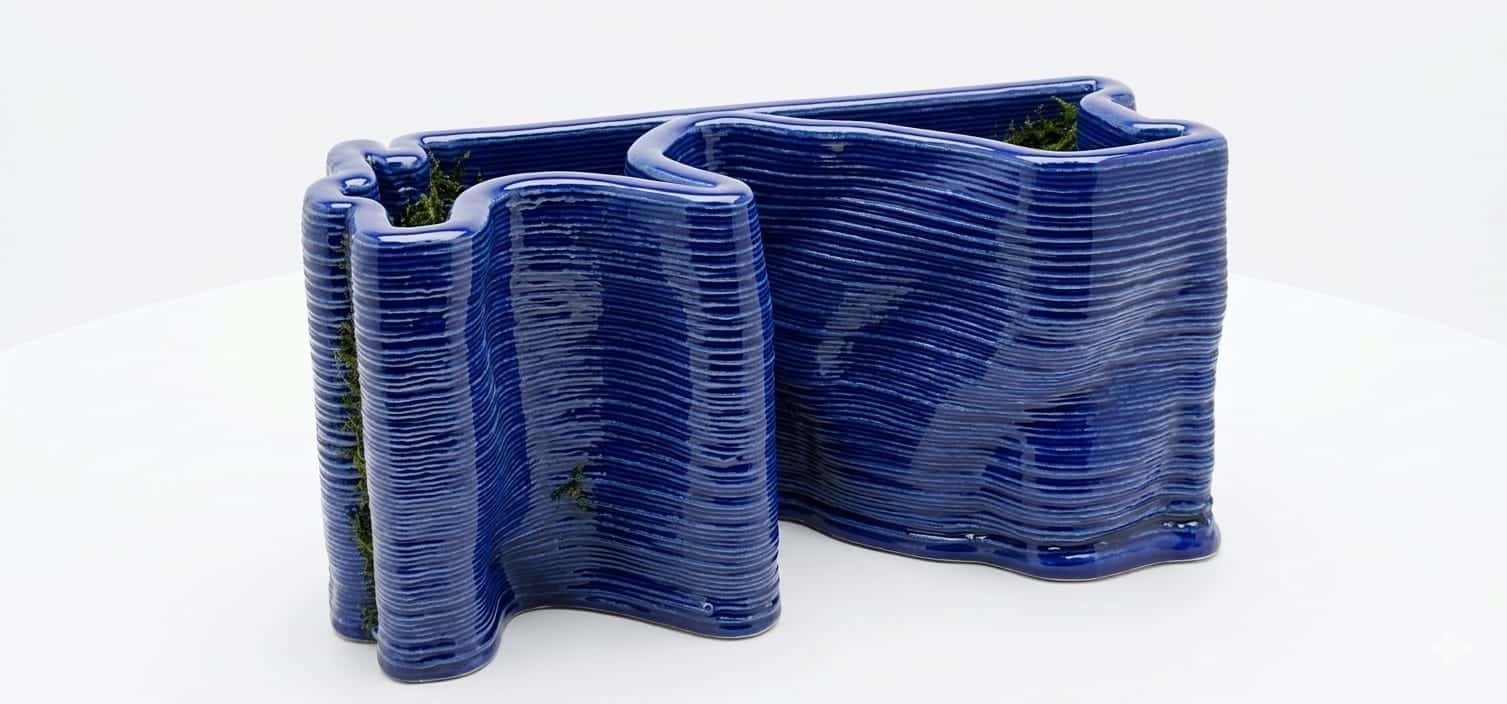
Thermo-Char
“Carbon-breathing panels: a regenerative material system for climate-adaptive architecture.”

The MAA is a visionary master program with an innovative and open structure, mixing diverse disciplines, shaping professionals capable of producing theoretical & practical solutions towards responsive cities, architecture & technology.
“Carbon-breathing panels: a regenerative material system for climate-adaptive architecture.”
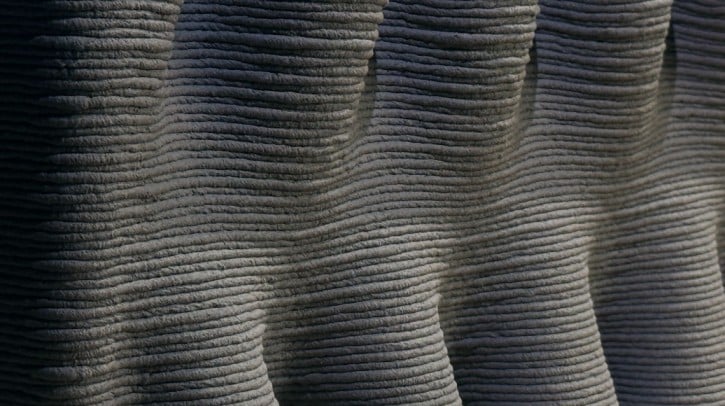
CONCEPT Double-Skin Façade STRATEGY TO CURVE CURVE ITERATIONS FINAL DESIGN THERMAL SIMULATIONS LOAD APPLICATIONS ROBOTIC FABRICATION Layer Height – 2.0 Clay thickness – 10mm Pressure – 3.95 Nozzle Diameter – 6mm FINAL BLOCK FABRICATION FRAME ASSEMBLY Final Assembly
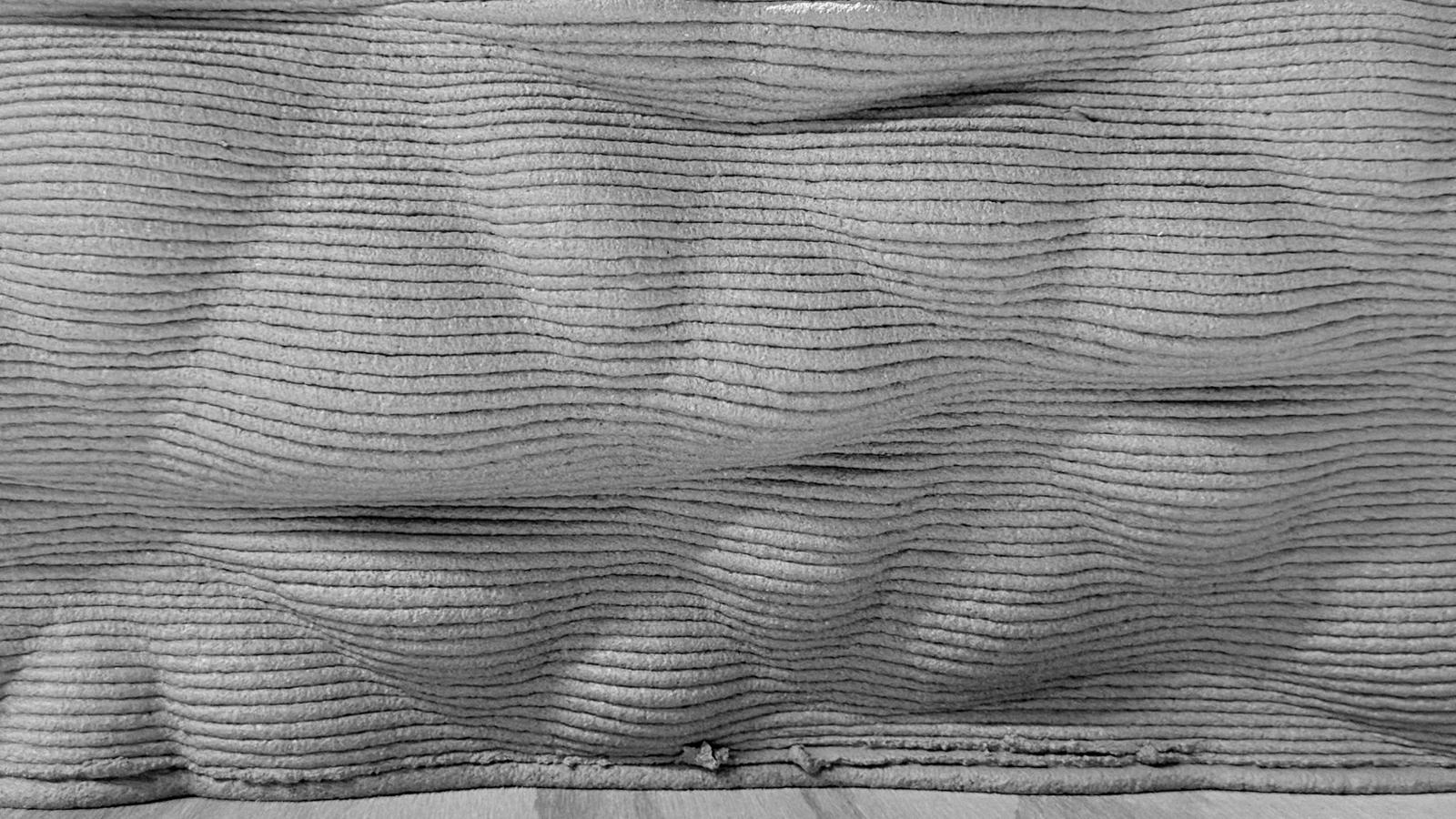
Fa(ça)de explores robotic clay fabrication as a method for producing expressive, materially efficient façade modules. Starting from a 2D patterned surface, the project develops a parametric workflow that transforms mesh-based geometries into 3D printed clay elements with controlled relief, wave amplitude, and module rotation. Through iterative prototyping, the design responds to fabrication limits such as … Read more
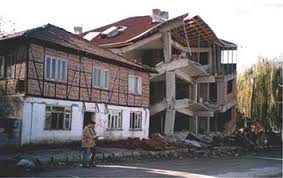
Turning time-tested vernacular intelligence into scalable, multi-hazard self sufficient building INTRODUCTION See this image above? yes, its comparison between two structures that survived a 6.8 rector scale earthquake in year 2005. The ironic part is , that these vernacular structures hold the carbon friendly intelligence responding towards climate adaptation and structural resistance against earthquakes, yet … Read more
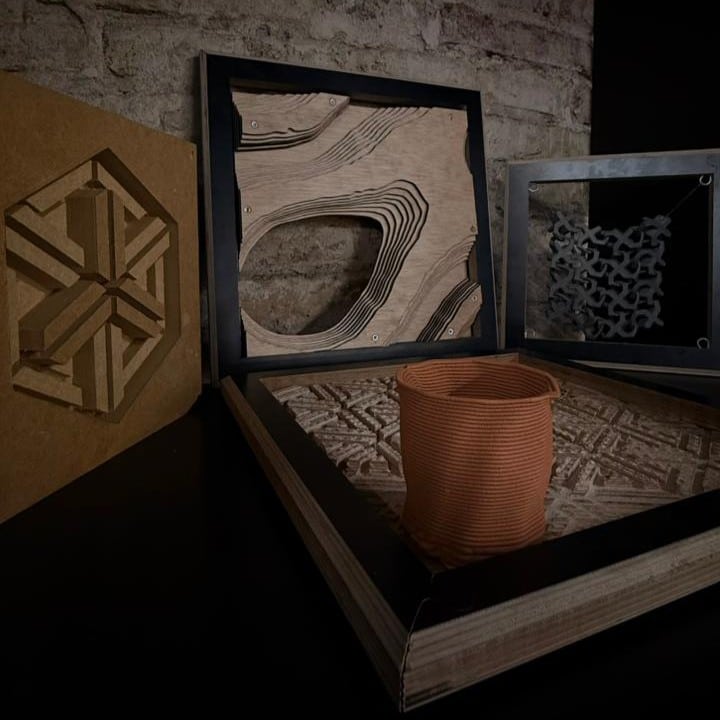
In today’s architectural landscape, digital fabrication has significantly expanded the way we design and construct building elements—offering unprecedented accuracy, efficiency, and formal freedom. Techniques such as laser cutting, CNC milling, 3D printing, and robotic manufacturing each bring distinct advantages in terms of material behavior, geometric complexity, and performance potential. RE:CELL Concept The Re:Cell is a … Read more
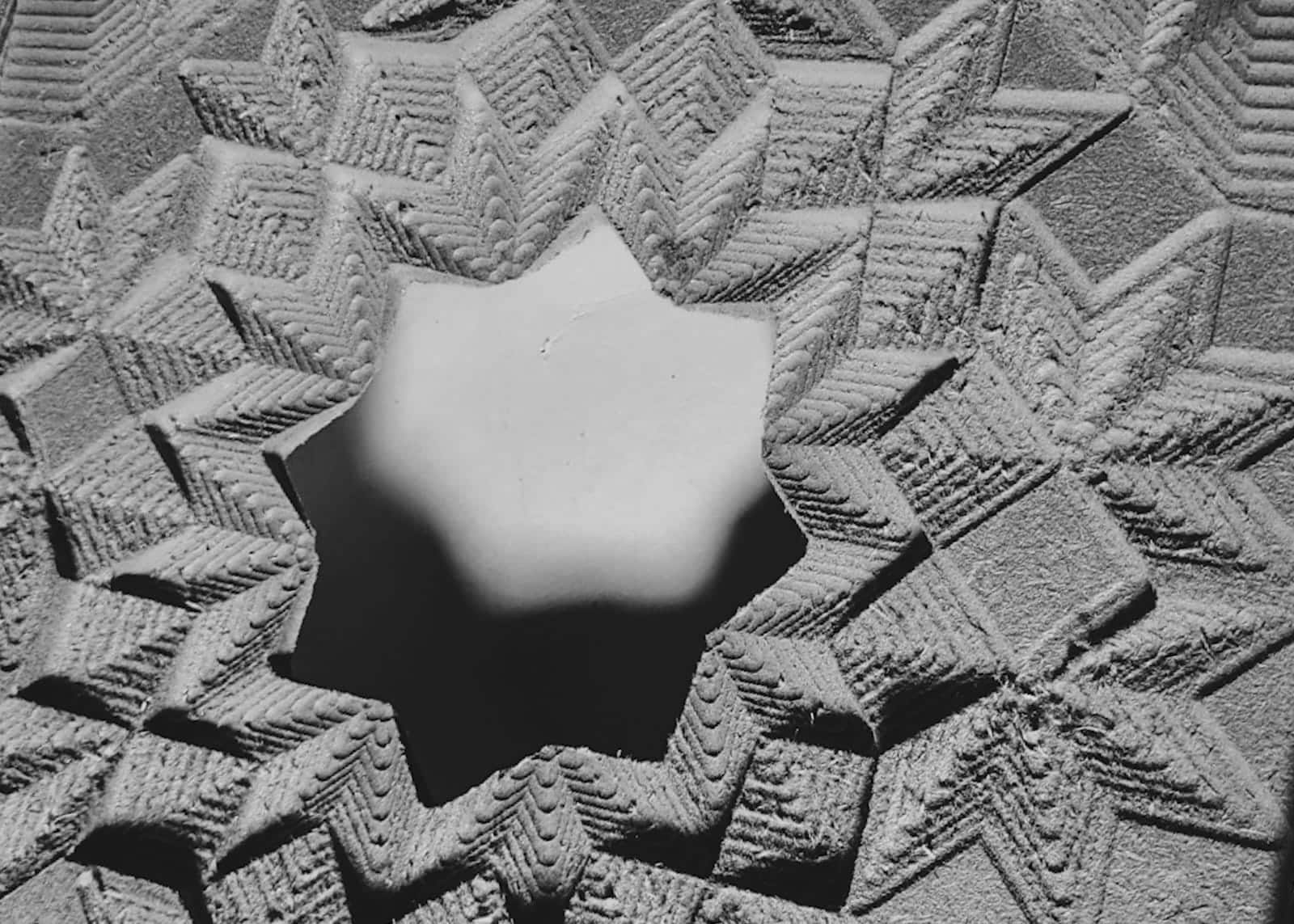
Our digital fabrication journey unfolds through four experiments that explore how material, geometry, and technology negotiate form. Each project challenges a different fabrication technique: laser cutting, CNC milling, 3D printing, and robotic manufacturing, while asking a deeper question: How does digital logic reshape the language of craft? Laser Cutting Tessellated Lightfield This project explores the … Read more

Digital fabrication enables designers to explore geometries that go beyond traditional construction constraints. The exercise focuses on translating complex geometries into constructible systems that integrate material behaviour, joinery logic, and mass customisation. Each technique allows experimentation with unique fabrication constraints, informing the evolution of the vertical element design. The outputs serve as material and geometric … Read more
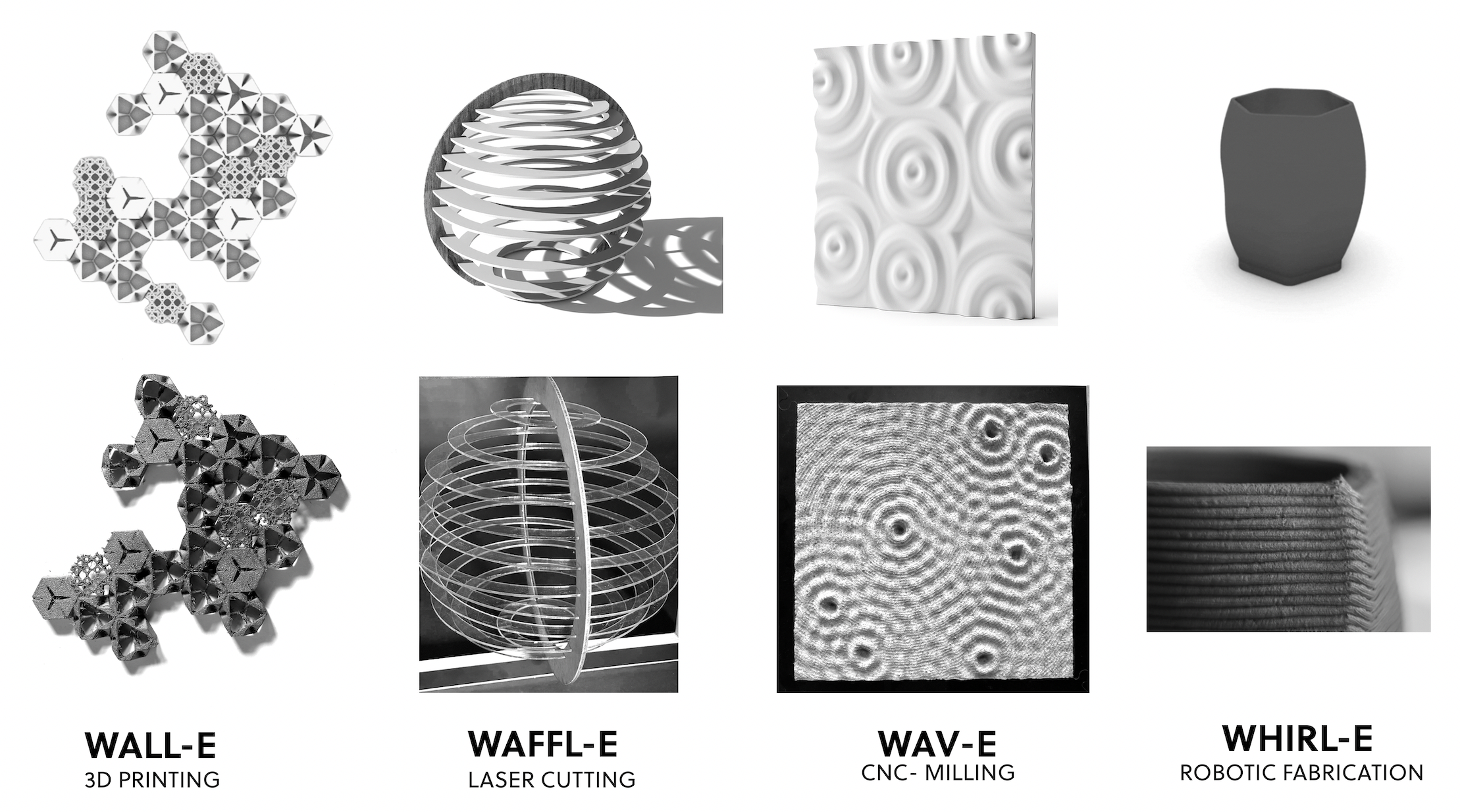
THE W-E SERIES WALL-E 3D PRINTING DESIGN INSPIRATION OBJECTIVE To create a modular vertical element that explores the capabilities of 3D printing and is simultaneously architecturally attractive, is structurally strong whilst using minimal material. DESIGN OPTIONS FINAL DESIGN CONCEPT By blending elements from previous prototypes, the final piece combines 2D and 3D forms to exploit … Read more
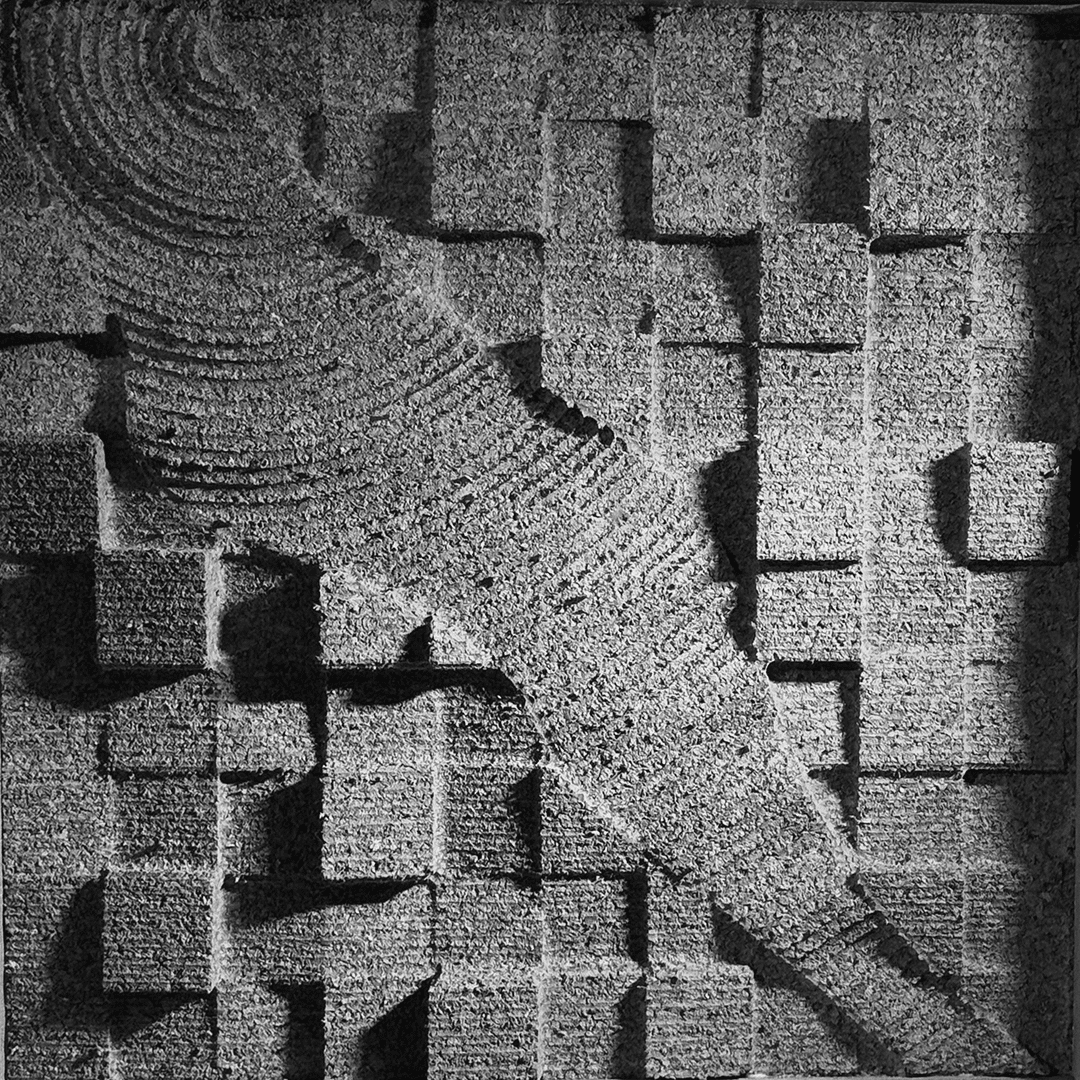
Vertical elements shape how we experience architecture-defining boundaries, filtering light, and giving character to both interiors and facades. In this exercise, we explored their potential through hands-on digital fabrication, rotating between 3D printing, laser cutting, CNC milling, and robotic manufacturing. Working within a fixed wooden framework, each technique challenged us to rethink material behavior, structural … Read more
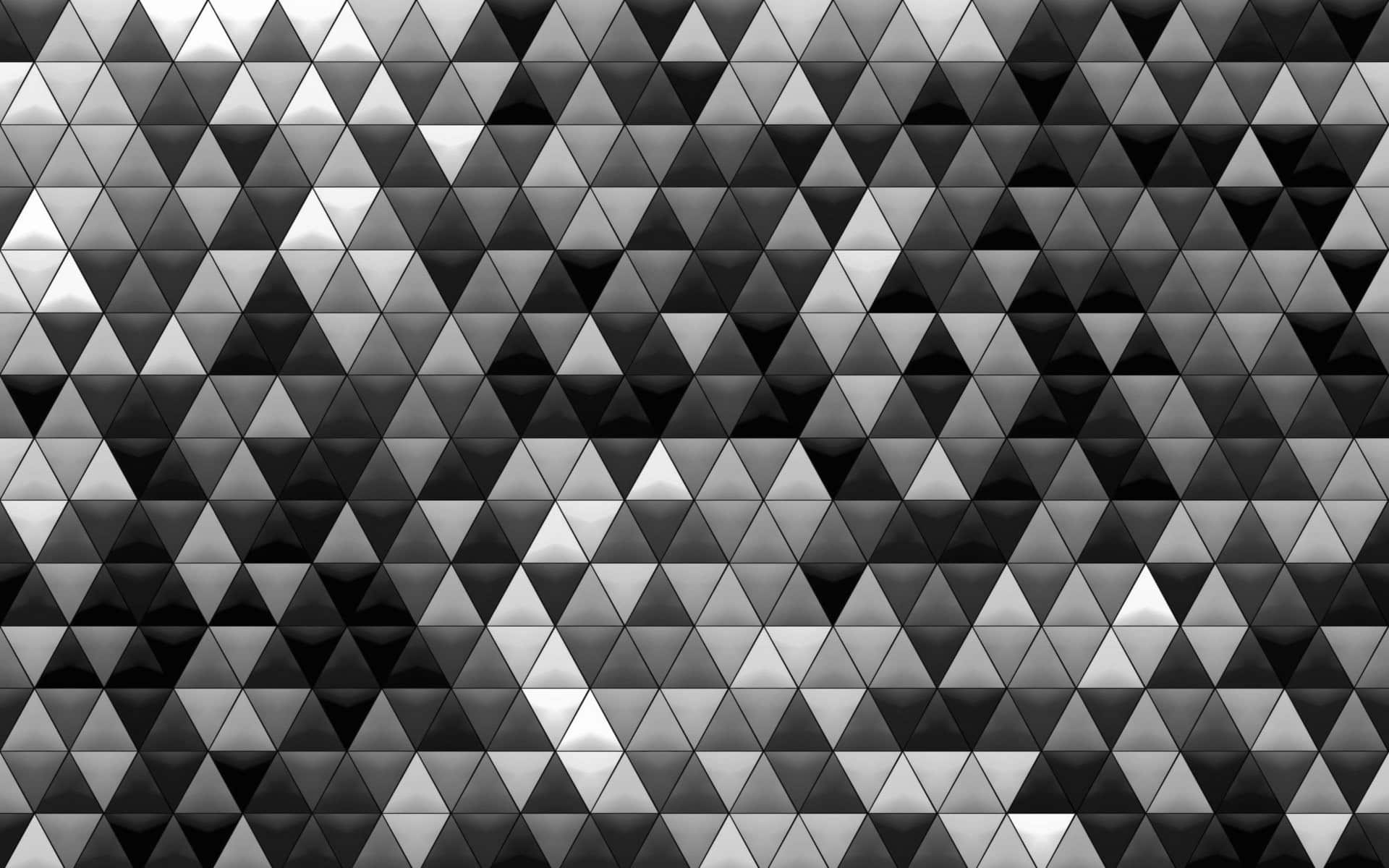
3D Printing | Kinetic Facade | CONCEPT | The project draws its primary inspiration from the dynamic, sun-responsive mashrabiya system of the Al Bahr Towers in Abu Dhabi. What captivated me was the sharp visual contrast between conventional, static façade geometries often rectilinear or triangulated and the refined kinetic intelligence embedded in these triangular adaptive … Read more