
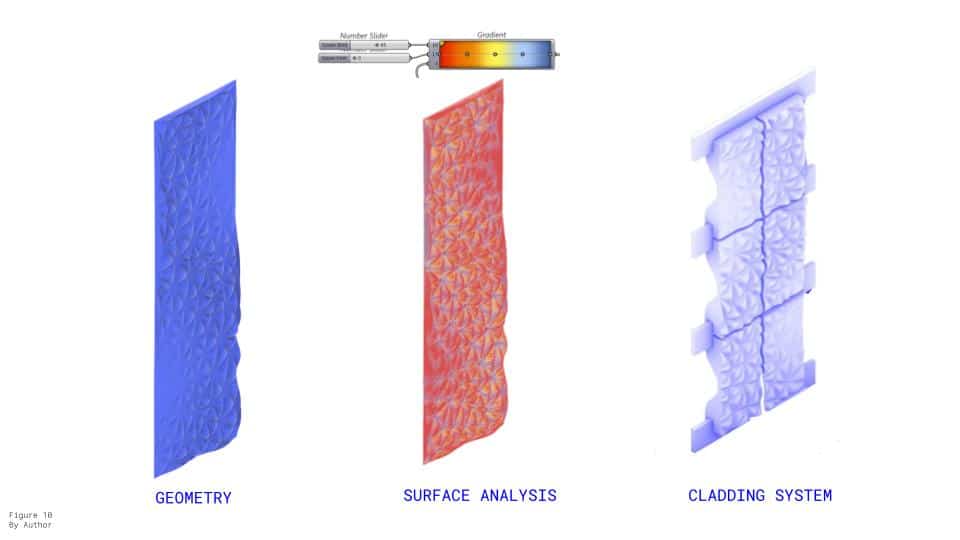
Fa(ça)de explores robotic clay fabrication as a method for producing expressive, materially efficient façade modules. Starting from a 2D patterned surface, the project develops a parametric workflow that transforms mesh-based geometries into 3D printed clay elements with controlled relief, wave amplitude, and module rotation. Through iterative prototyping, the design responds to fabrication limits such as cantilever depth, print speed, and material behavior, resulting in a refined cladding unit that balances visual drama with printability. The system proposes future applications as façade, partition, insulation, and light-filtering elements.
State of Art
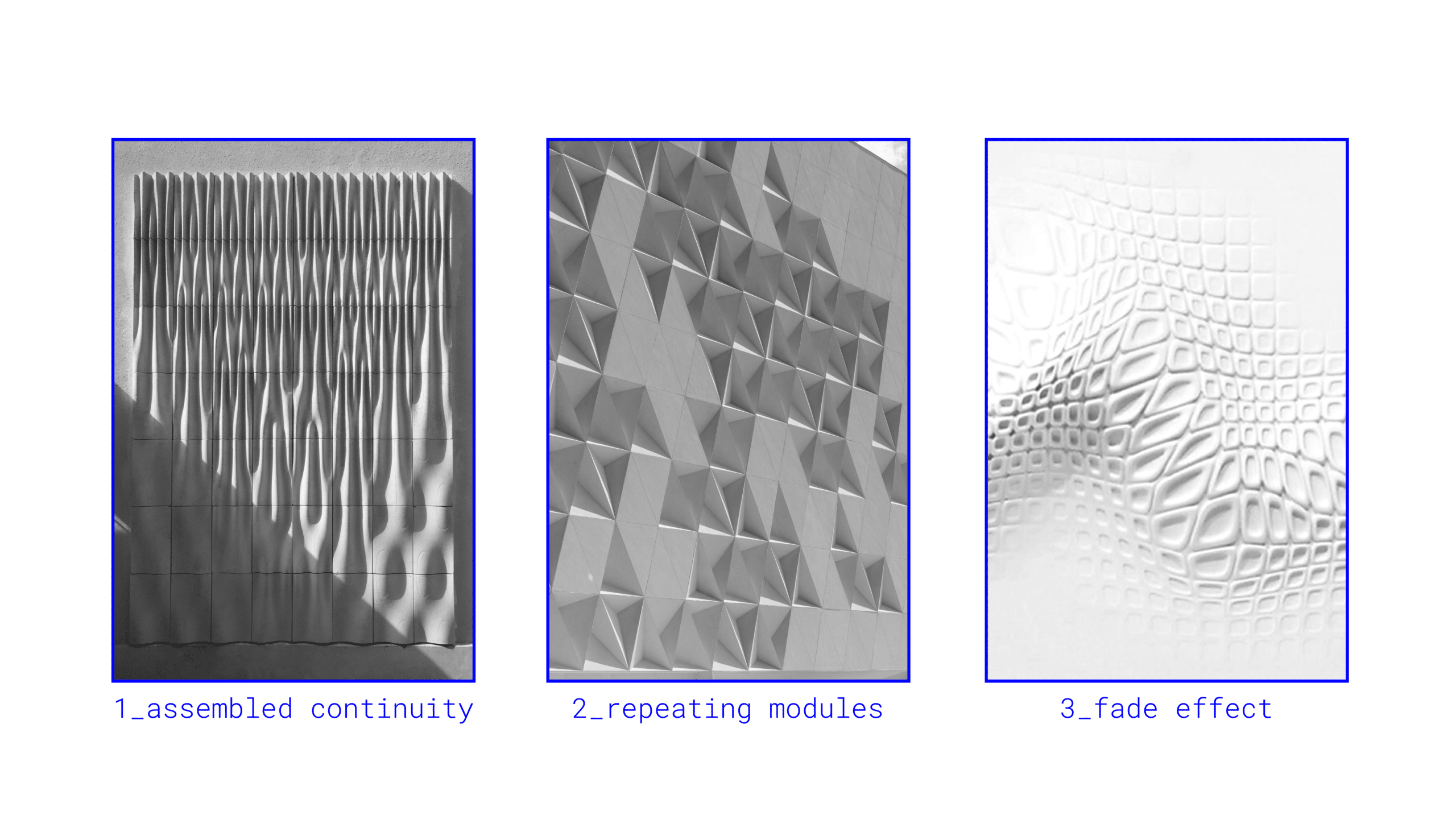
The design highlights three main surface strategies: assembled continuity, repeating modules, and fade effects. Together, these examples show how façade systems can move beyond flat, conventional compositions toward more dynamic, spatial, and expressive surfaces.
Trial Designs
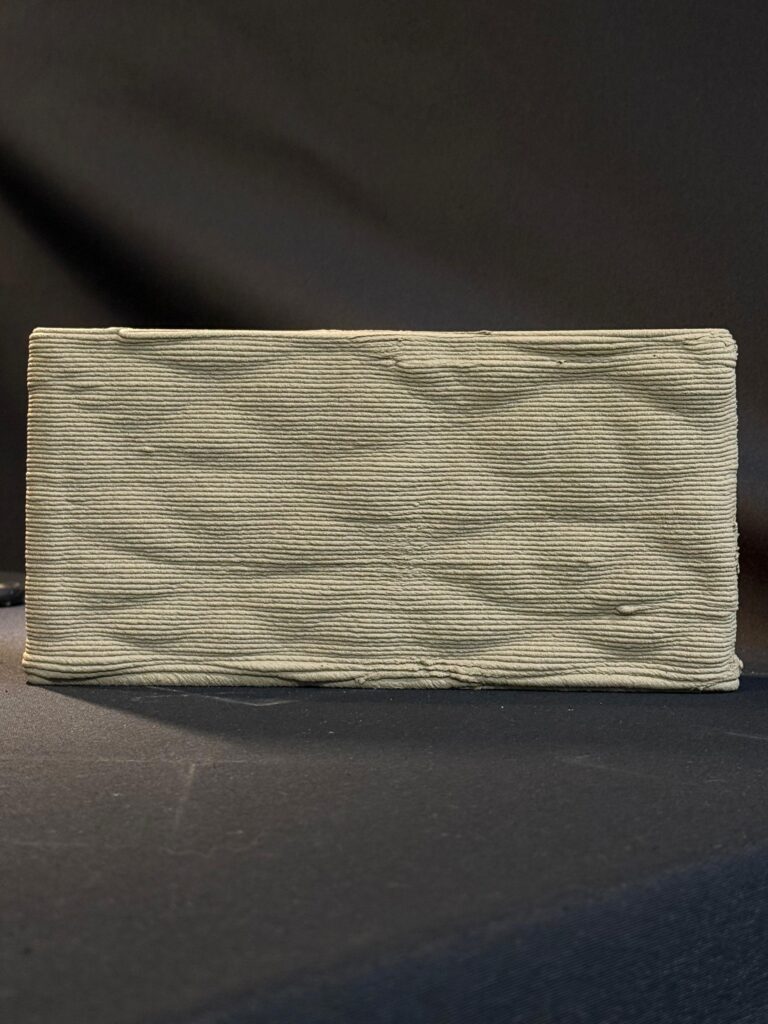
First Test
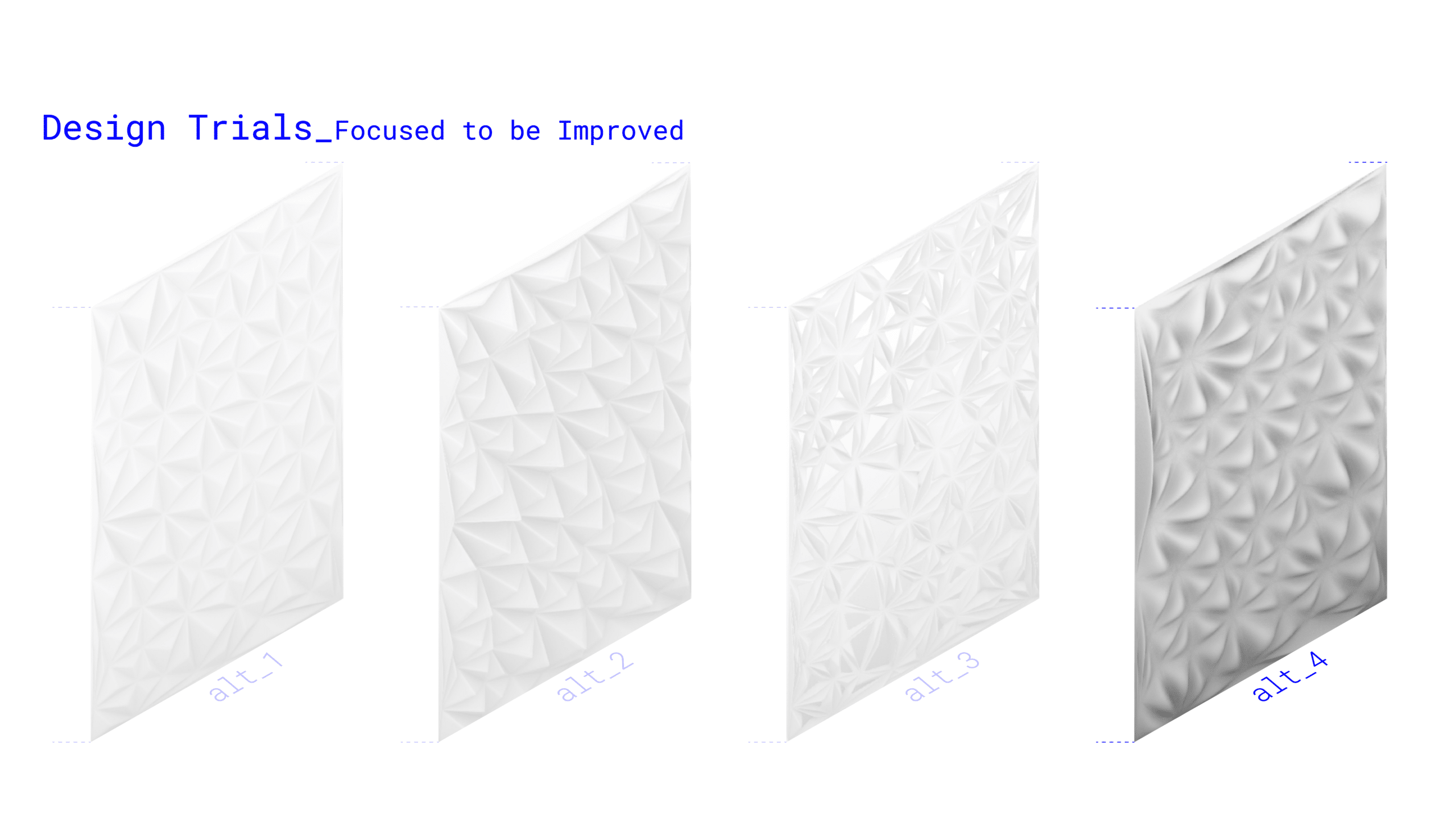
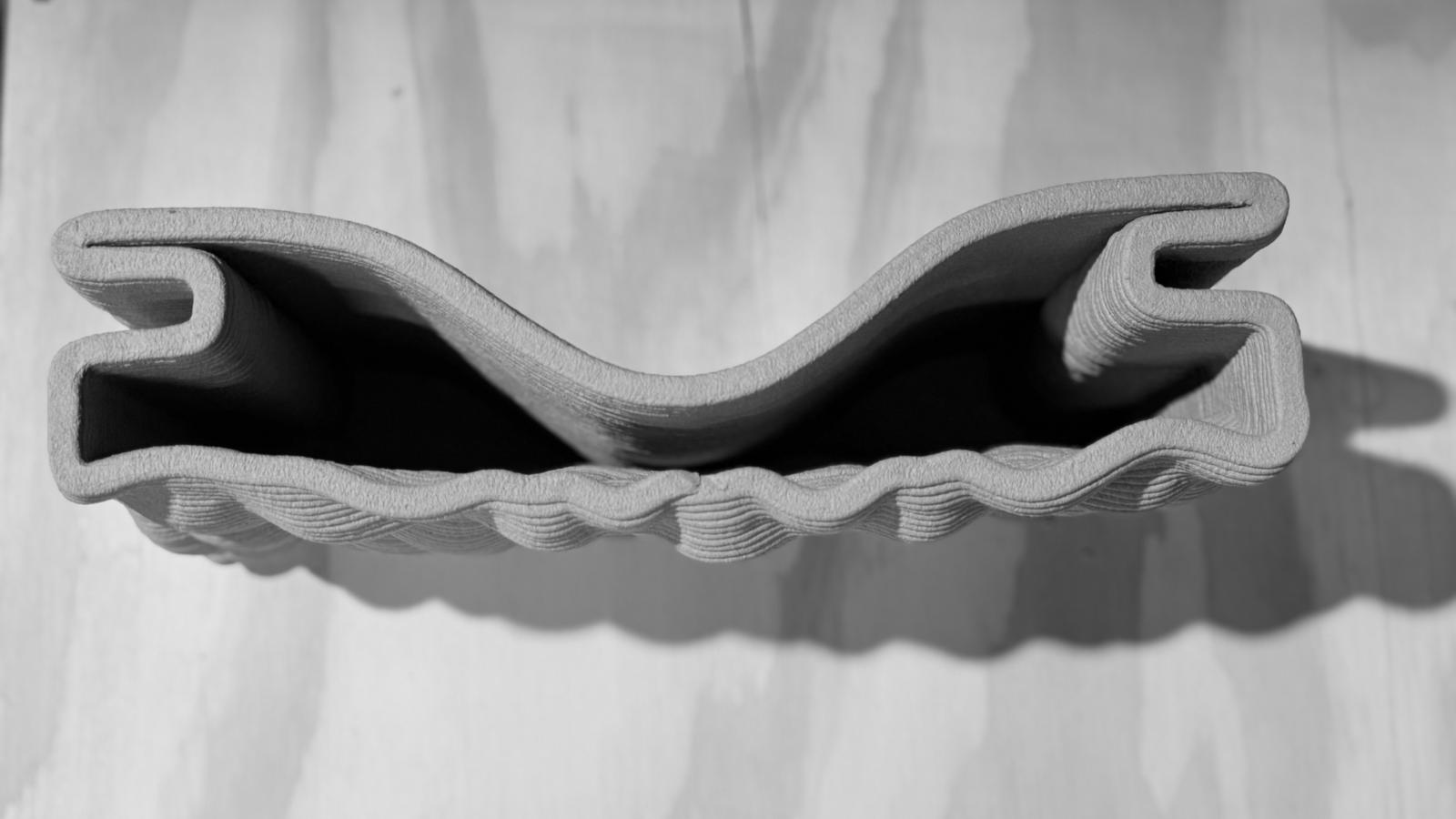
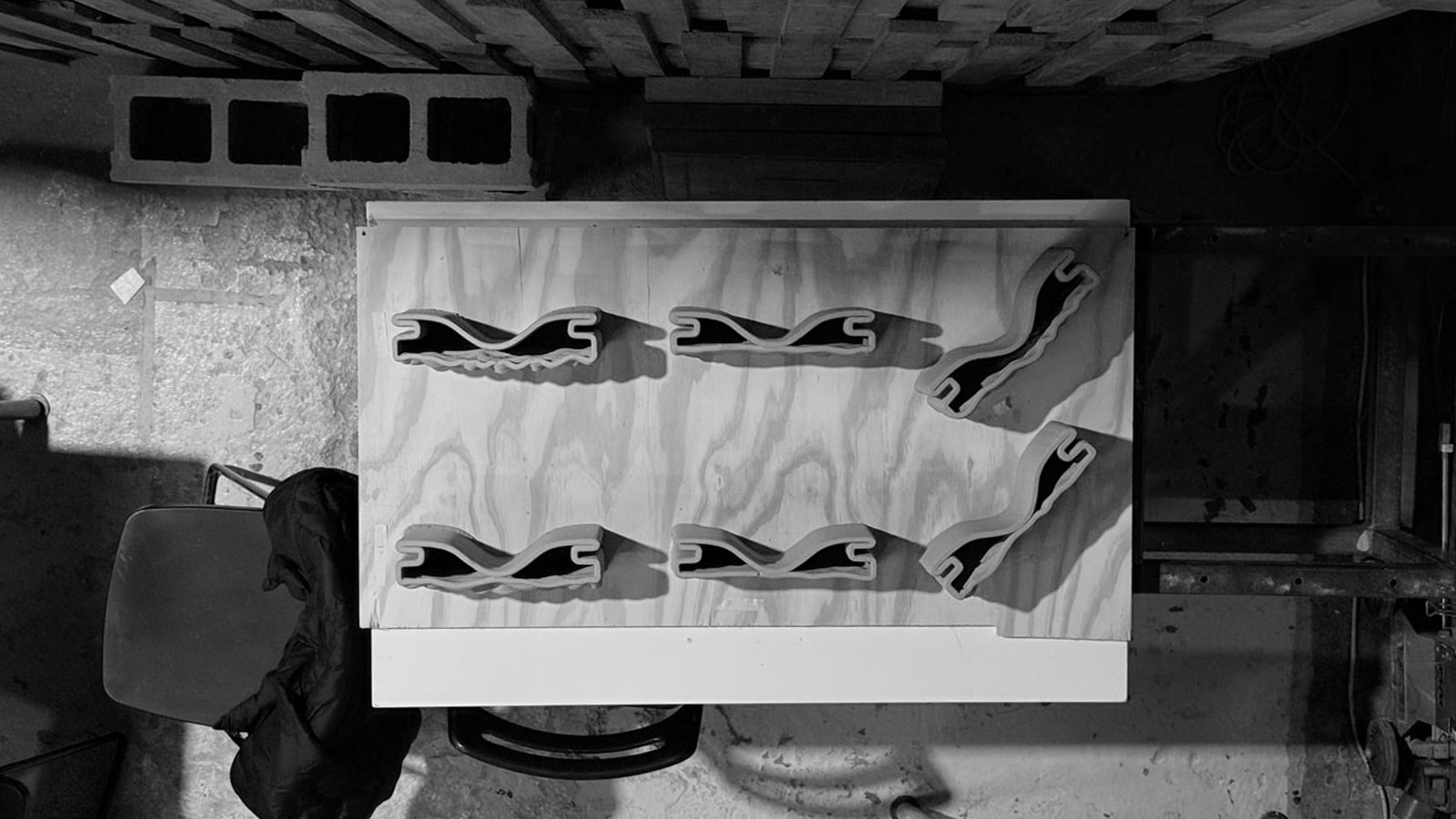
The initial 3D-printed material test reveals early fabrication constraints. Because the designing process only achieved low cantilevers, the resulting physical surface is overly flat and lacks the intended visual drama. To successfully match the digital concept’s striking geometry, future fabrication iterations will need to use refined designing and printing parameters to support deeper reliefs and steeper overhangs, ultimately restoring the intended dynamic surface.
Second and Final Production
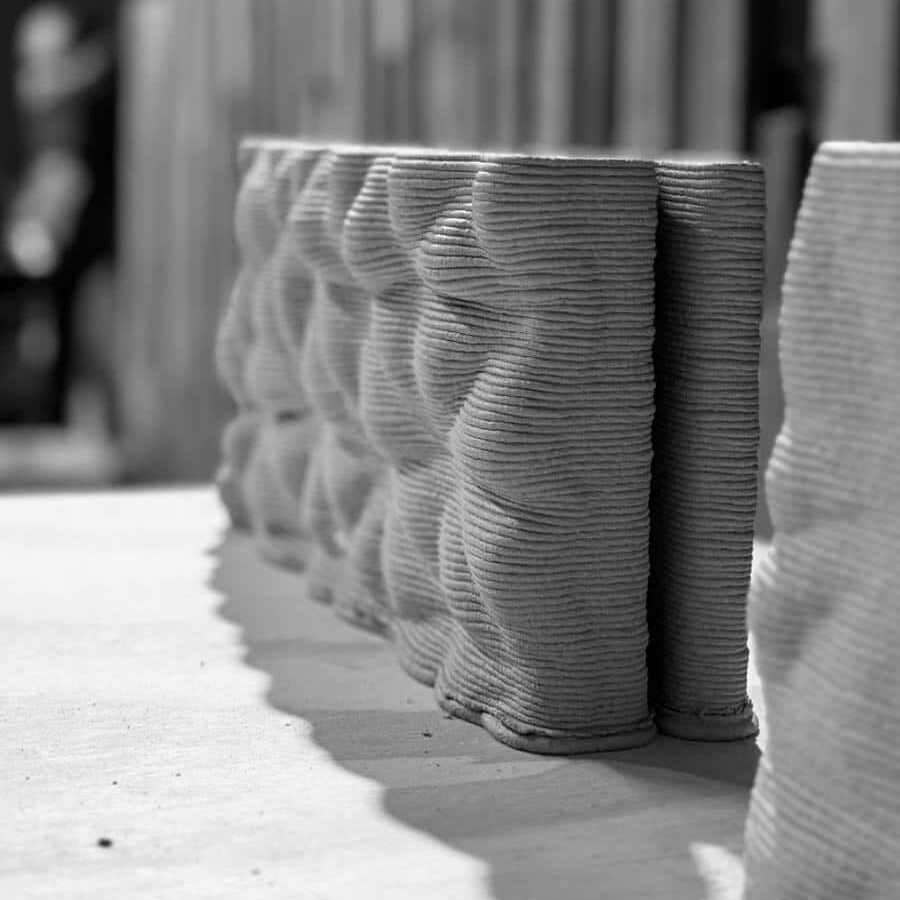
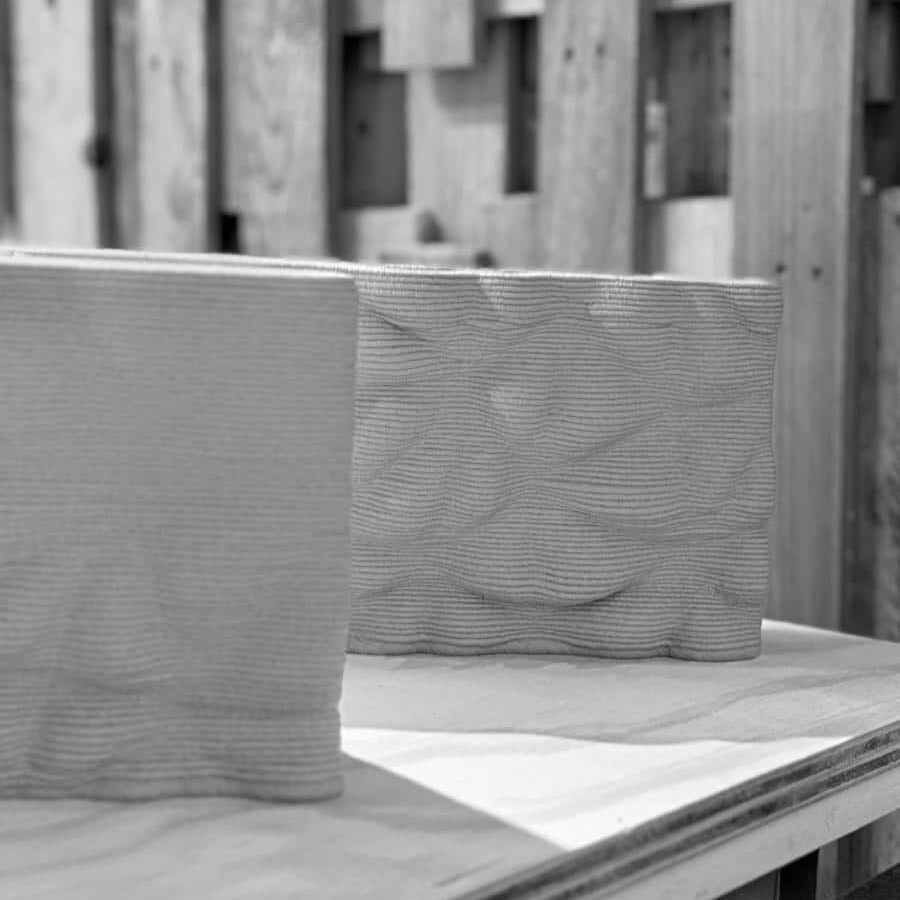
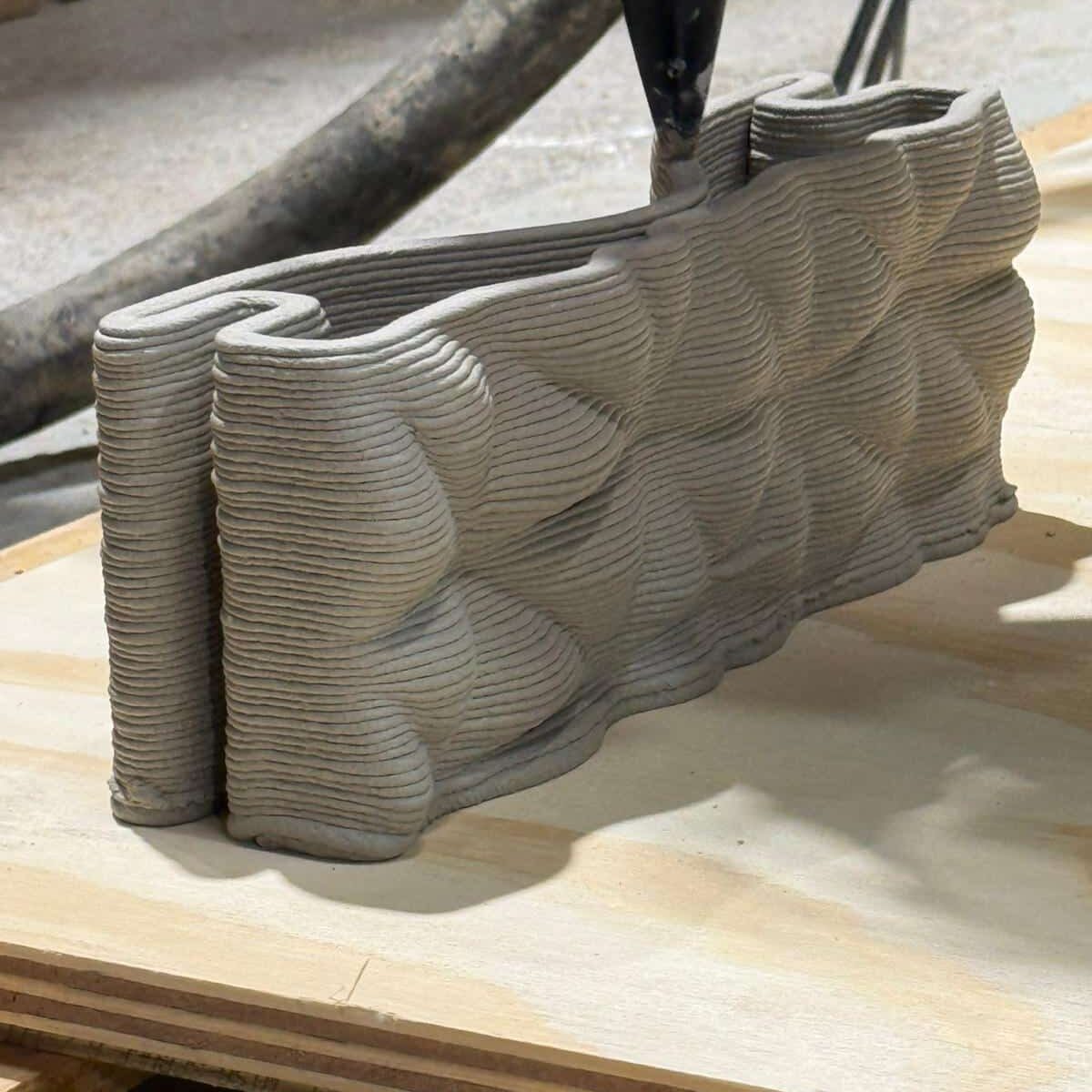
The Drama
Design Explanation
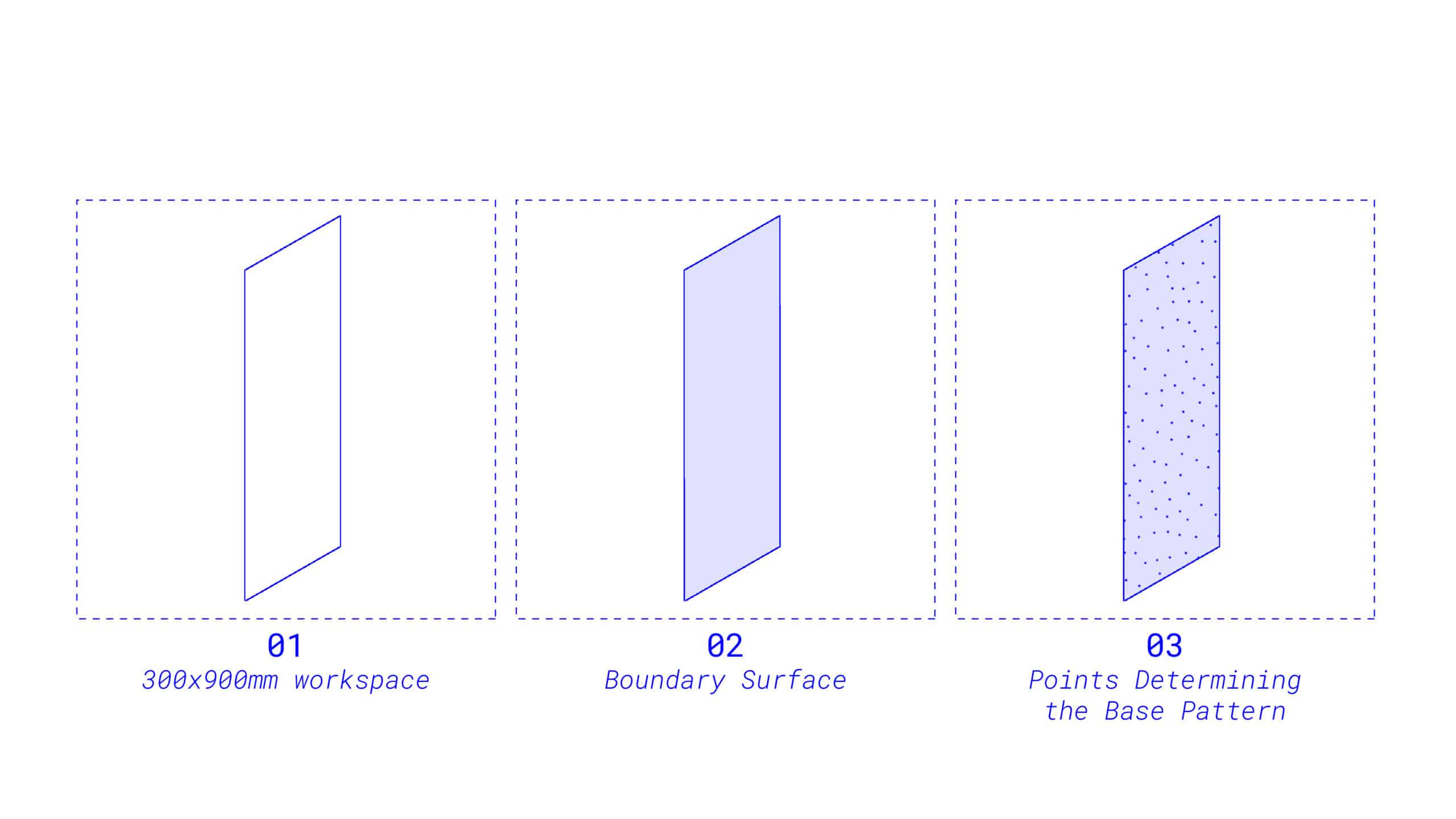
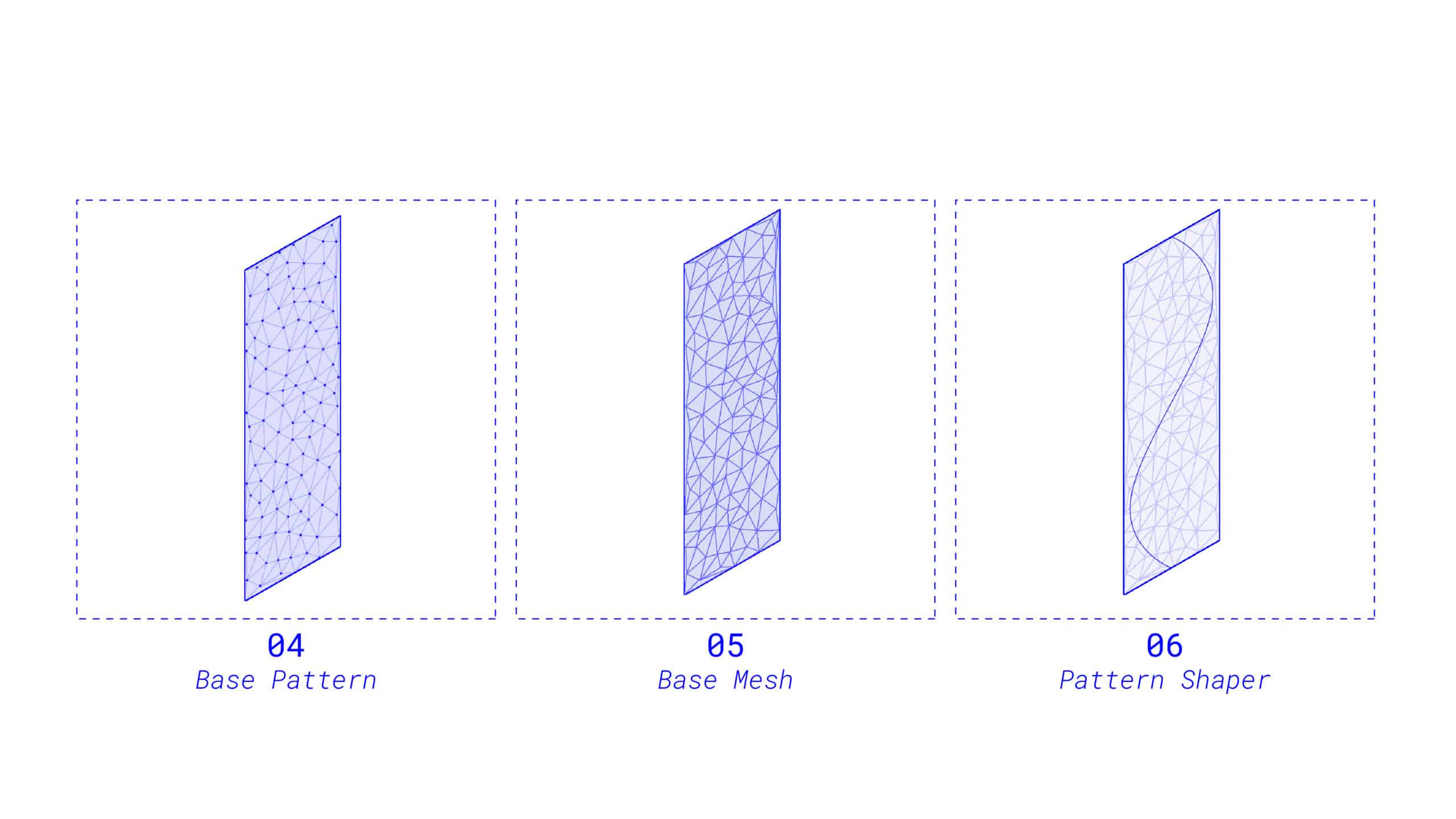
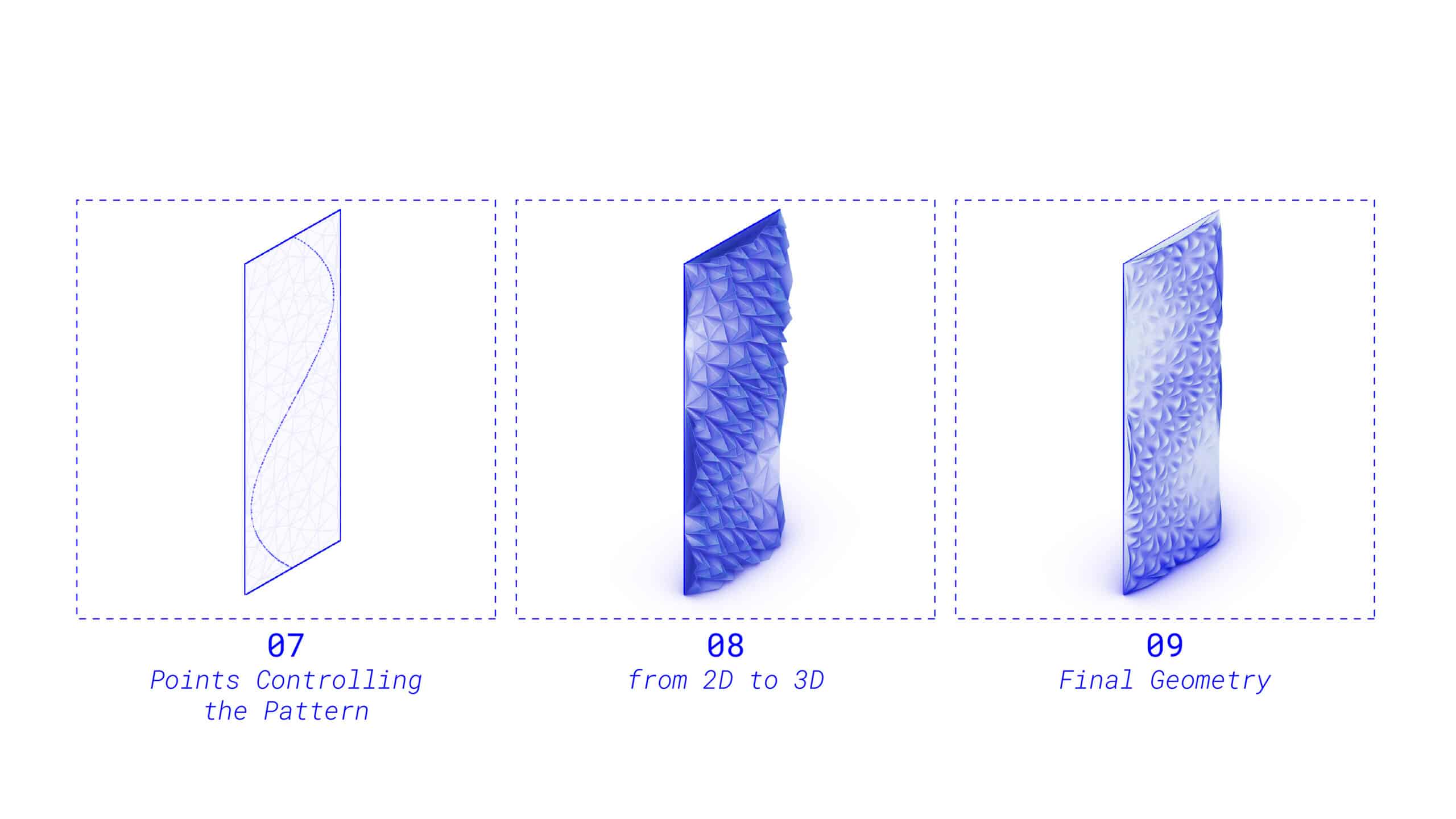
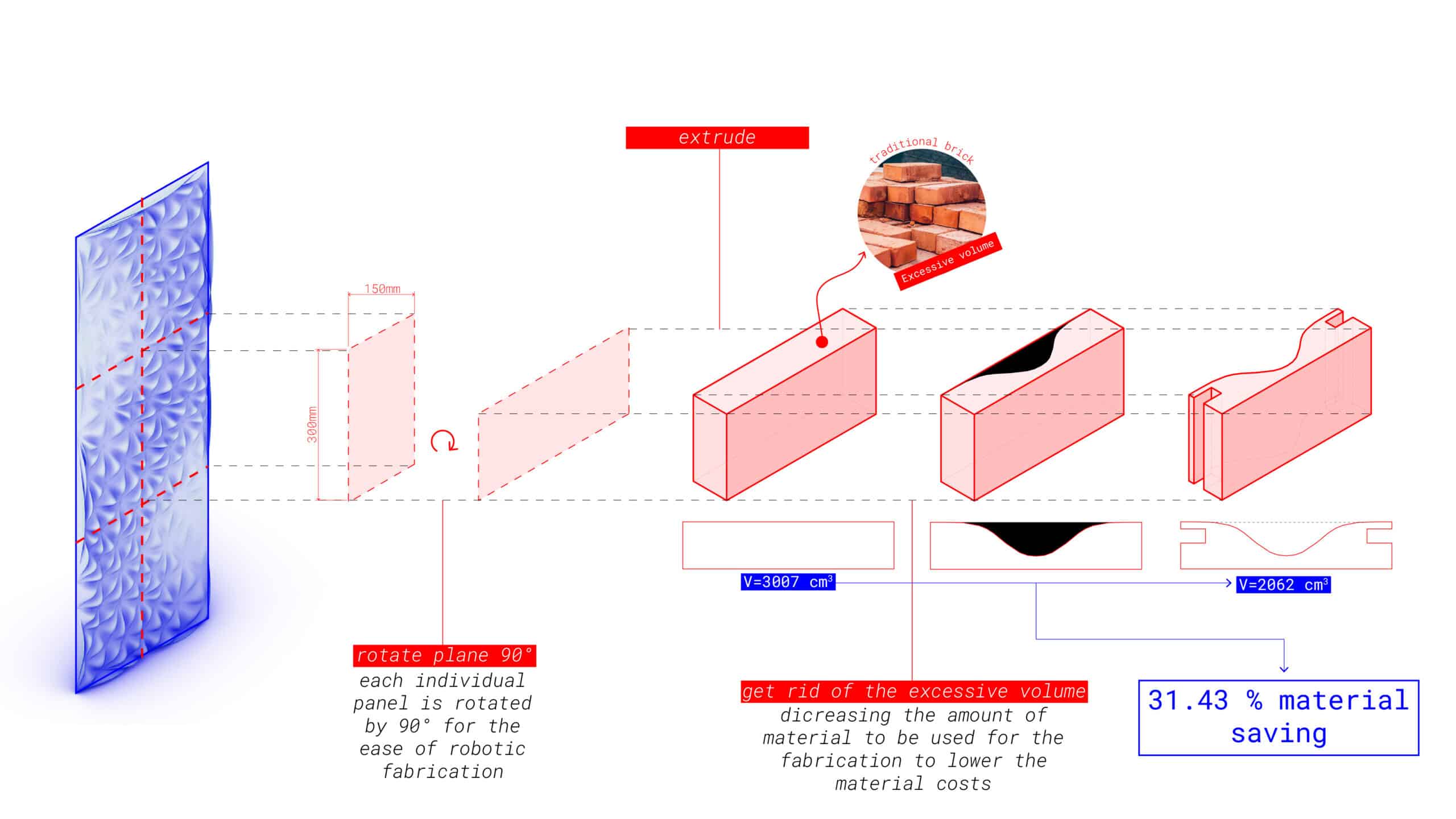
Design Analysis
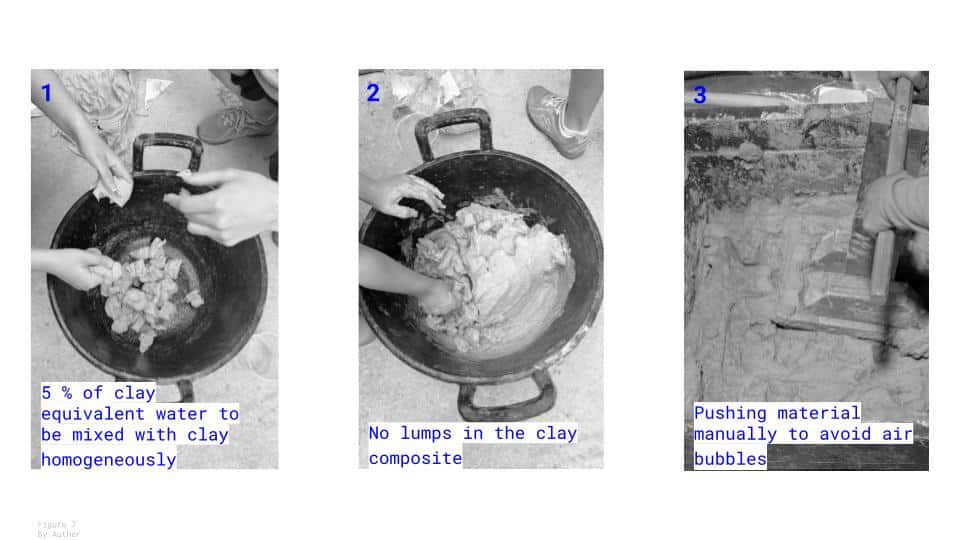
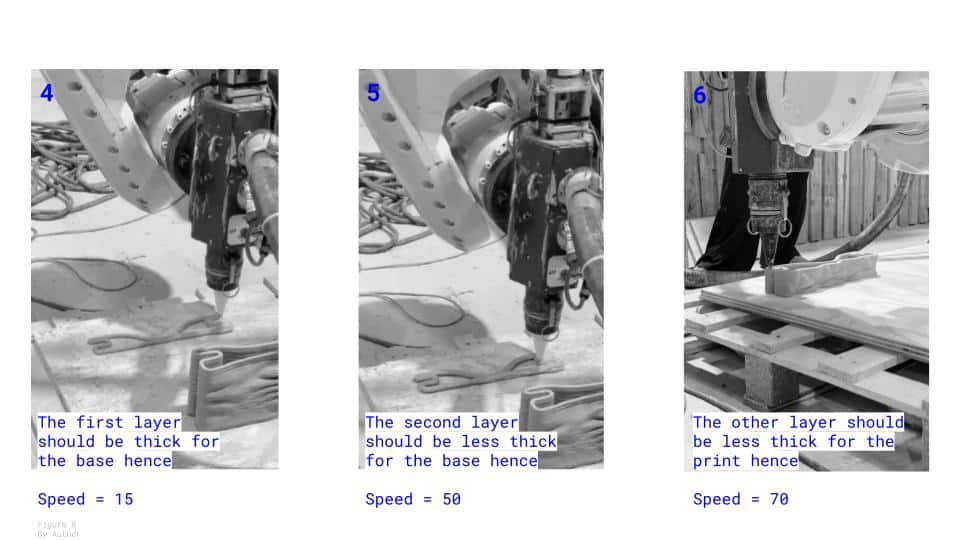
Printability Parameters
Future Material Applications
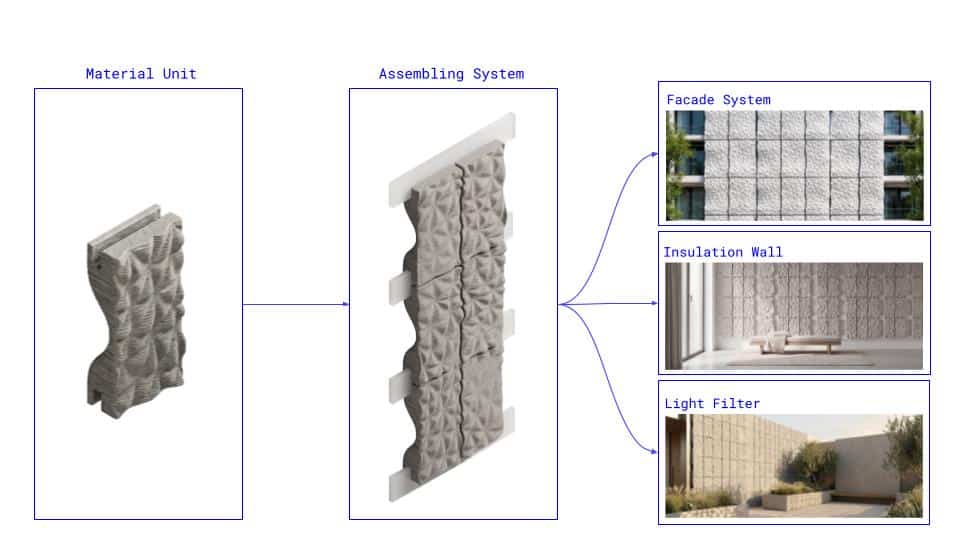
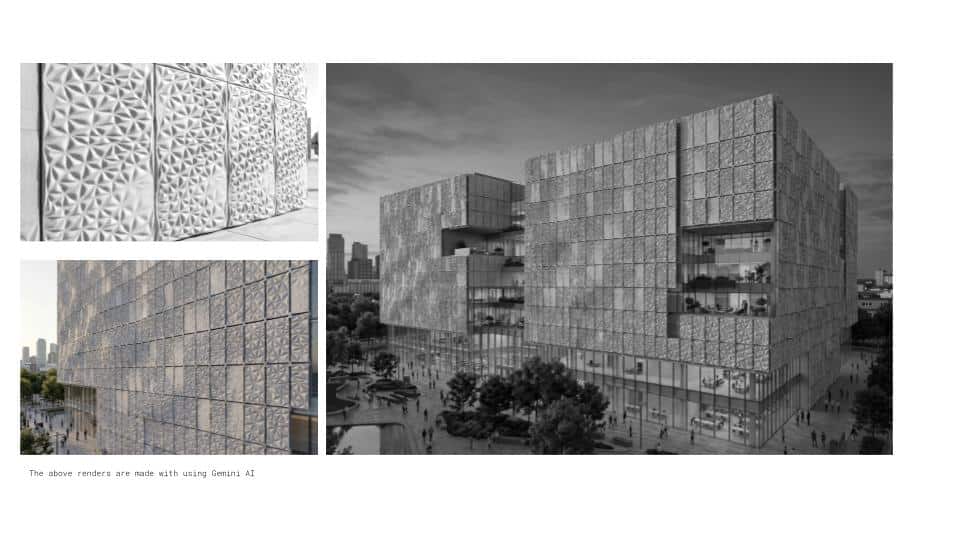
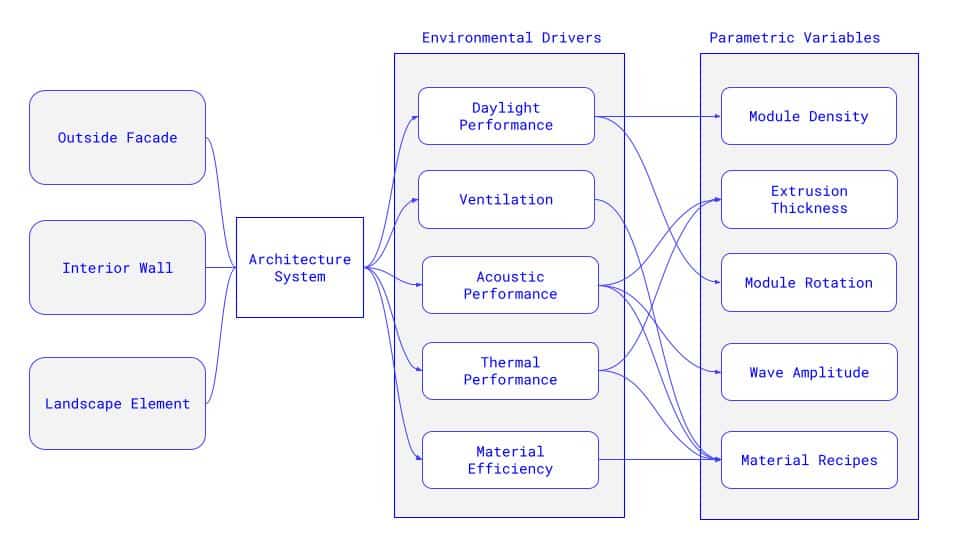
The future application of the tiles lies in their ability to operate as an adaptable architectural system across façades, interior walls, and landscape elements. The development of future application of the tiles can be driven by environmental goals such as daylight performance, ventilation, acoustic control, thermal behavior, and material efficiency, while being tuned through parametric variables like module density, extrusion thickness, rotation, wave amplitude, and material recipes.
This makes the tiles suitable for context-specific design, where the same system can be adjusted to respond to different spatial and climatic conditions. Rather than functioning as static surface elements, they can evolve into responsive building components that balance performance, aesthetics, and fabrication flexibility.
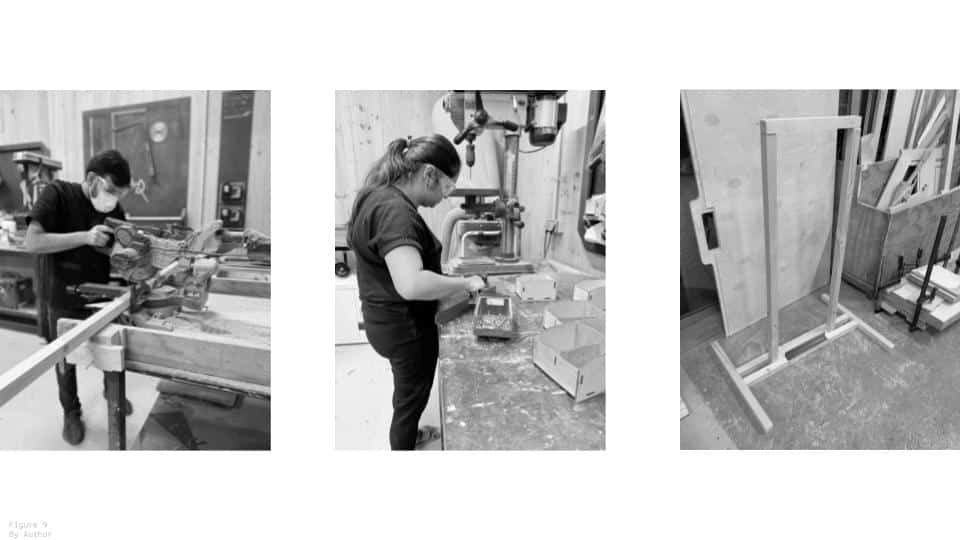
Making of the Frame
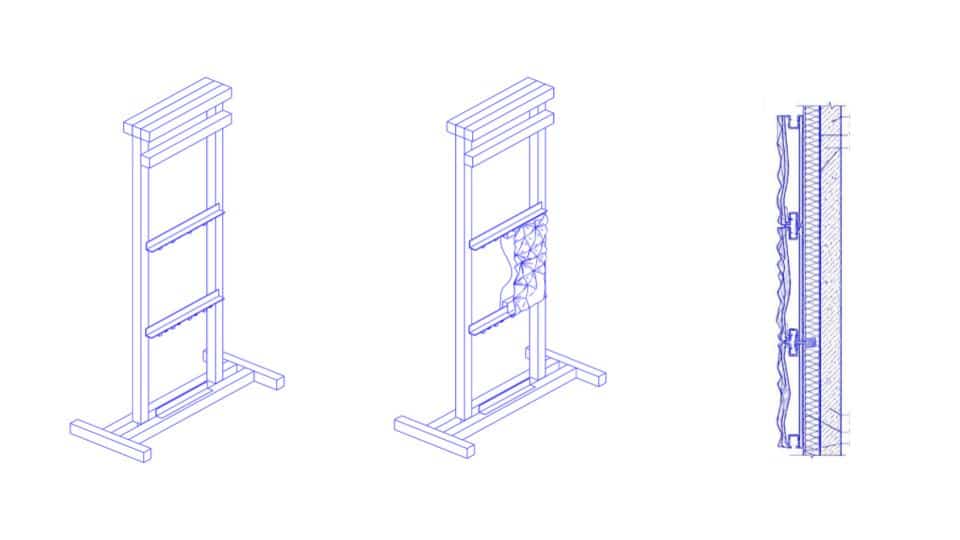
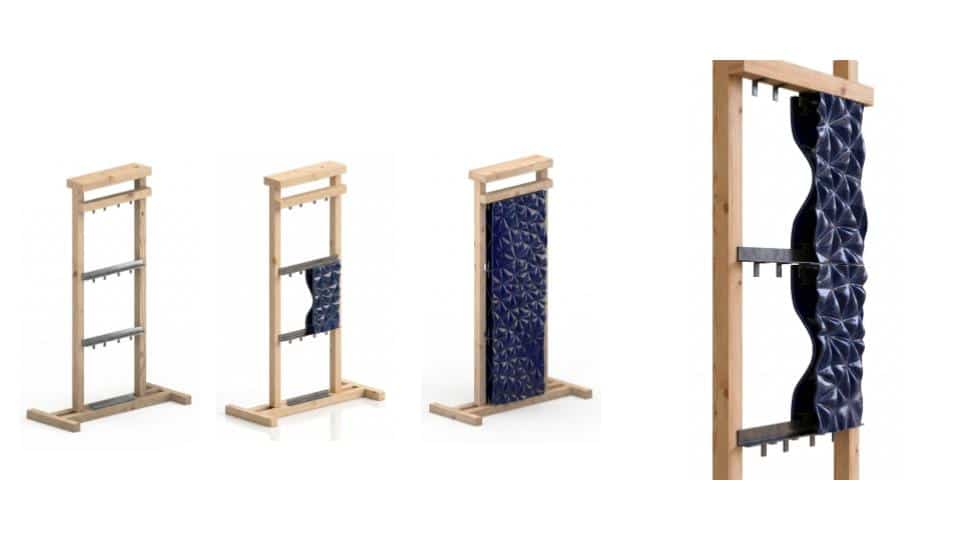
To assemble the 15x30cm tiles a frame is built.
For the making of the frame:
-35 × 35 mm timber sticks,
-30 × 30 mm steel L profiles with 2 mm thickness,
are used.
TO BE CONTINIUED….
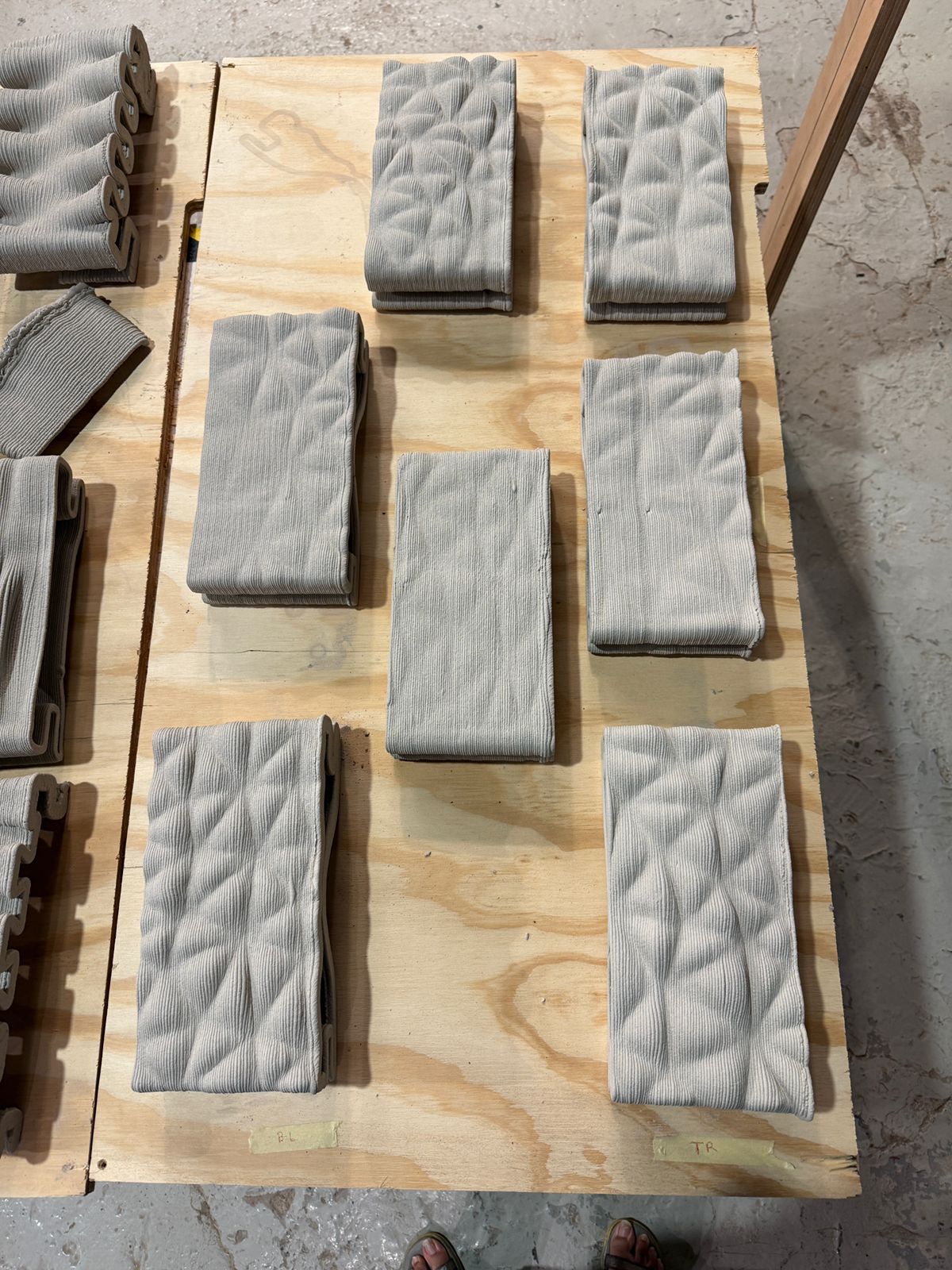
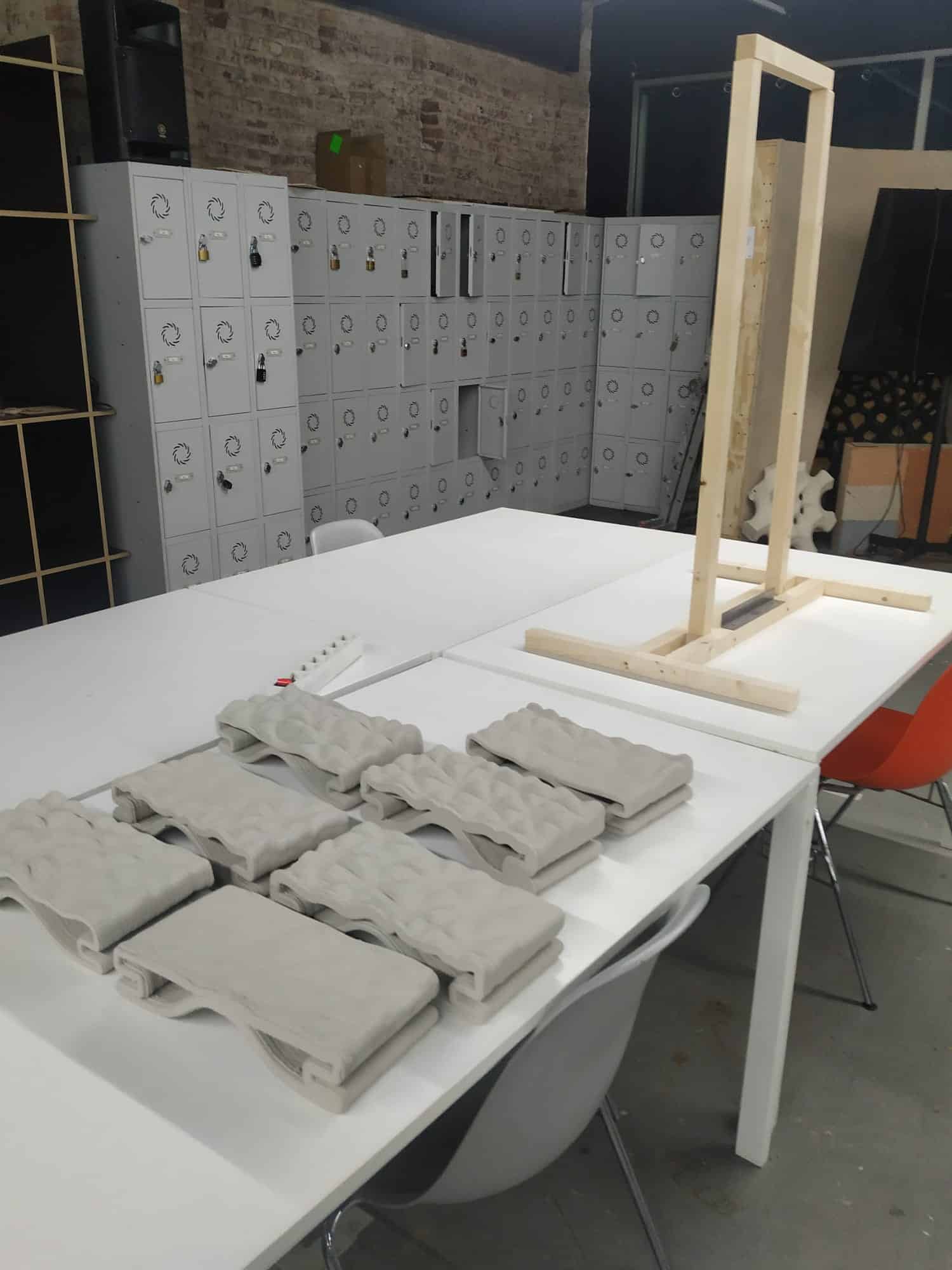
Tiles are drying atm….
