The MAA is a visionary master program with an innovative and open structure, mixing diverse disciplines, shaping professionals capable of producing theoretical & practical solutions towards responsive cities, architecture & technology.


Filters
Course

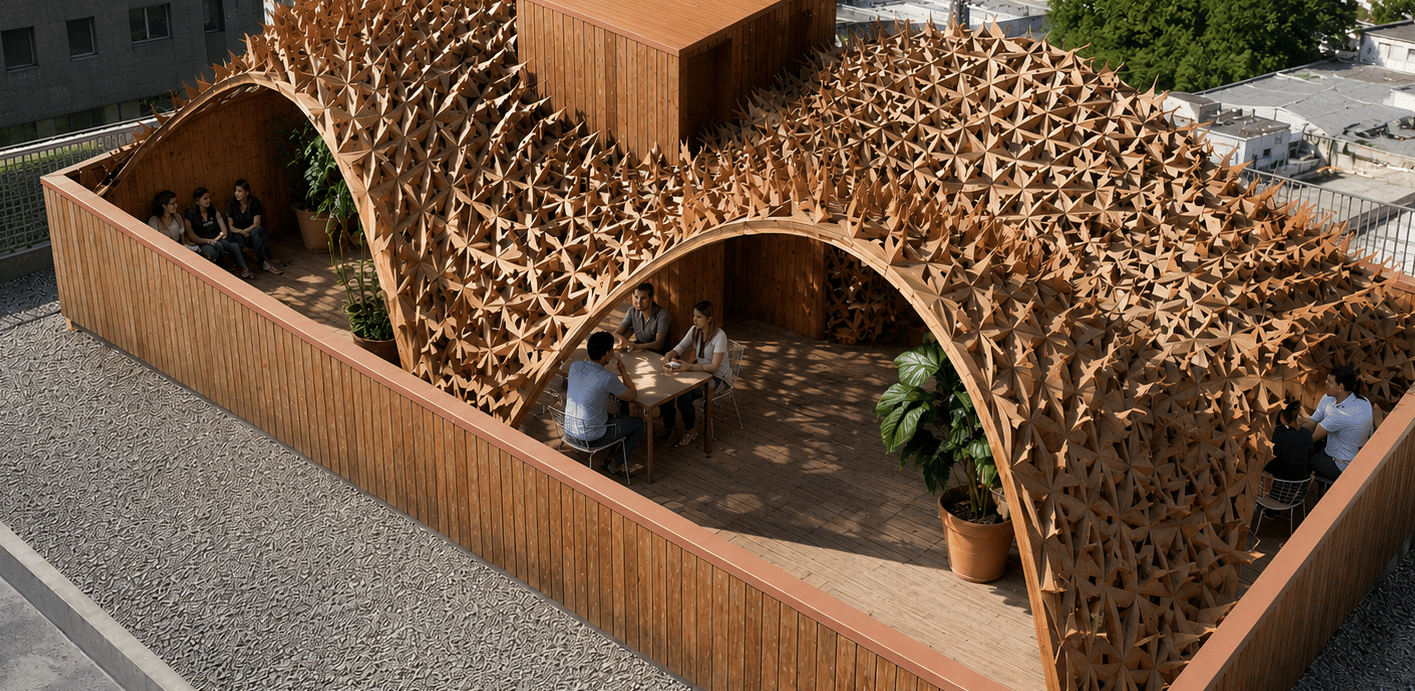
Beaver Burrow Pavillion

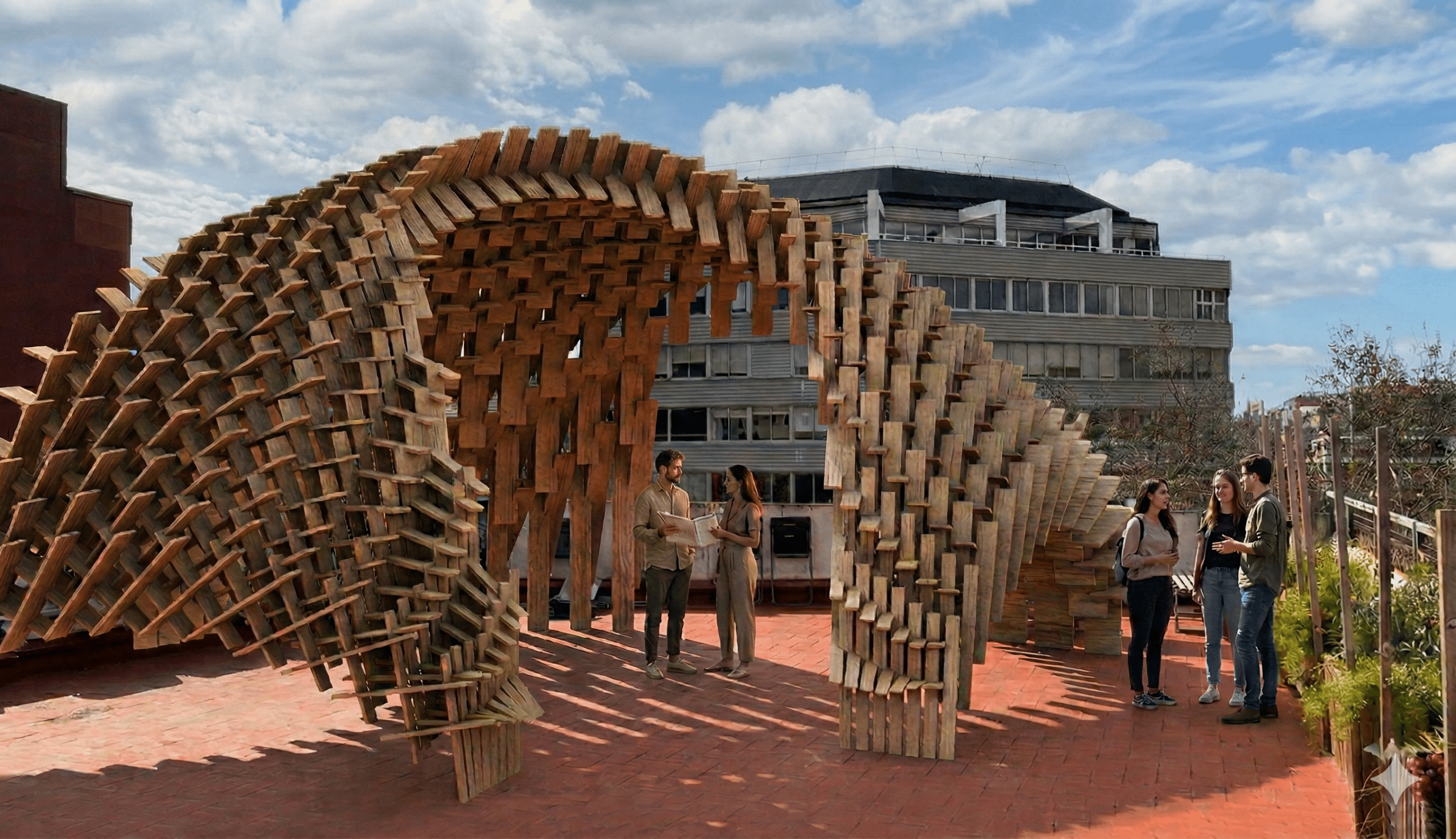
This project introduces a high-performance terrace pavilion that merges environmental data with advanced robotic fabrication. The design process began with a comprehensive solar and circulation analysis, identifying thermal hotspots and vantage points to determine the optimal balance between shaded gathering areas and open viewing corners. The resulting structure features a complex, interlocking timber geometry that … Read more

Chill.Point

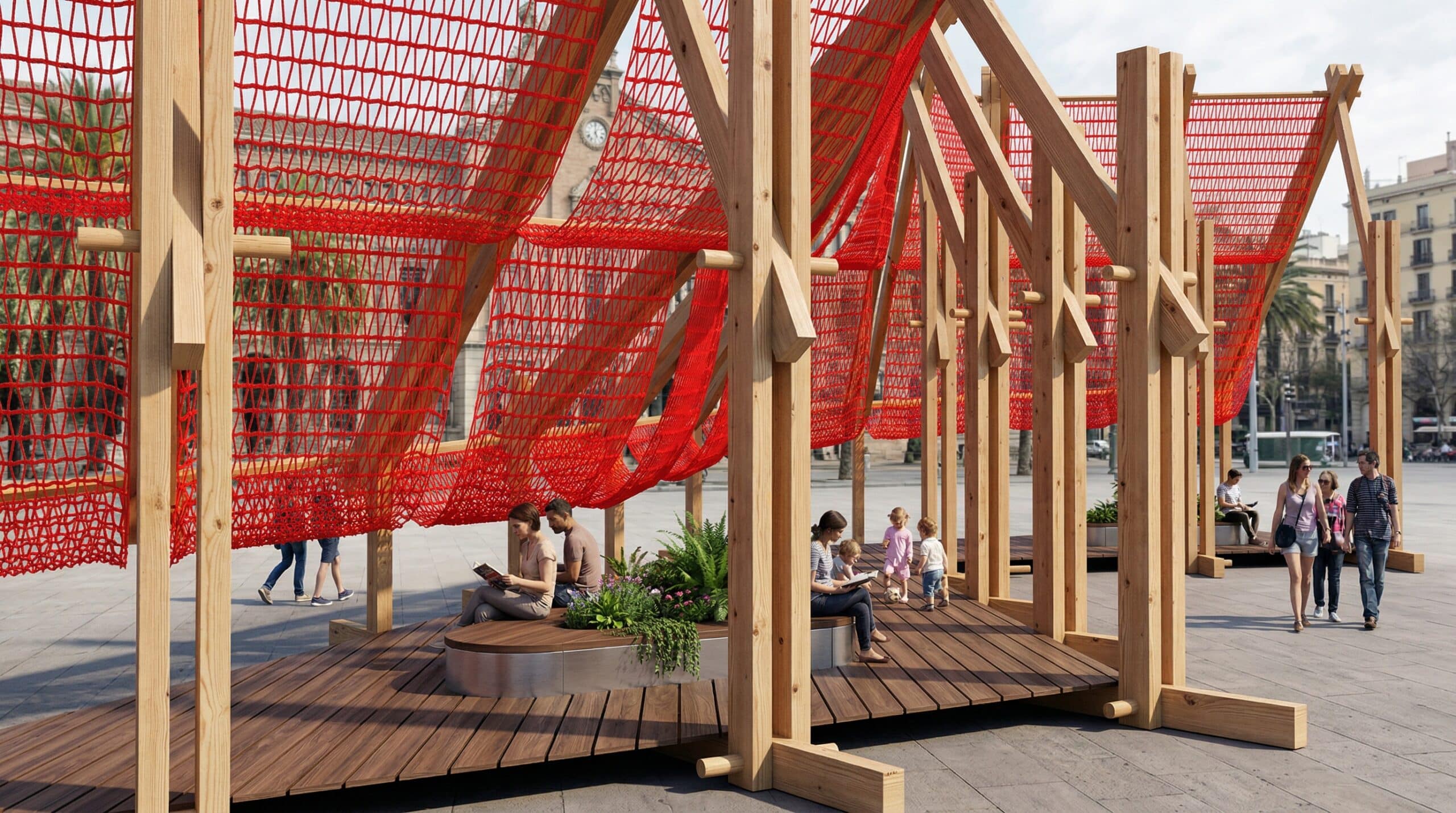
Inspirations Chill.Point is a lightweight timber and fabric pavilion designed for Plaça Universitat, creating a shaded urban pause within the city. Inspired by exposed timber frames and tensile scaffold structures, it combines structural clarity with soft, breathable enclosure. Using computational and parametric design tools, the pavilion responds to sun, wind, and pedestrian flow, optimizing geometry, … Read more

Relaxed tectonics

This research explores the intersection of physics-based form-finding and multi-objective evolutionary optimization to design a high-performance architectural pavilion. Utilizing Kangaroo2 for structural mesh relaxation and Wallacei for the genetic optimization of seating. The result is a topologically optimized structure where complex geometry is not merely aesthetic, but a direct manifestation of environmental data and structural … Read more

After Gaudi Seminar I: Interpretation Center

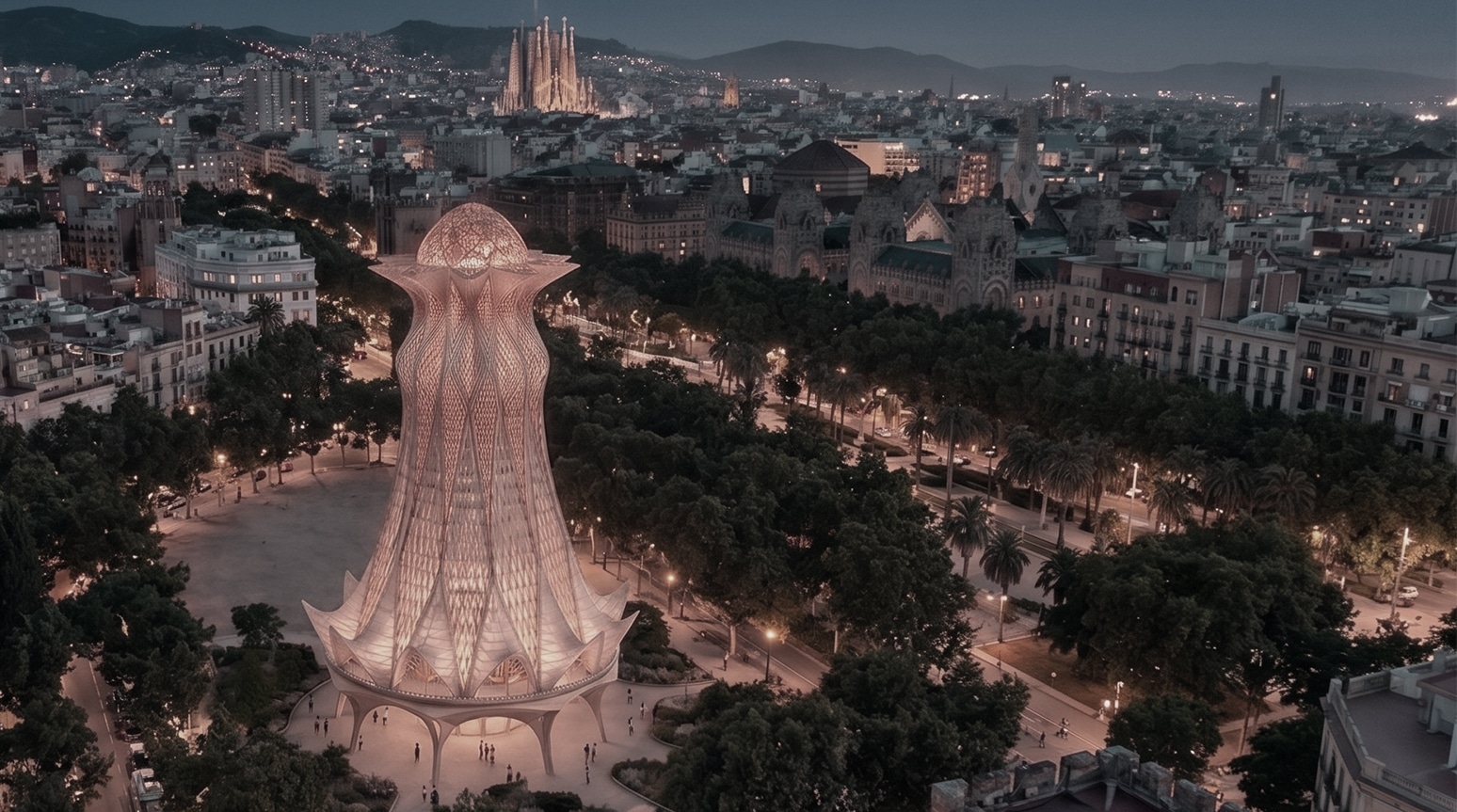
Our project explores the After Gaudí vision through the lens of an Interpretation Center—not by simply copying forms, but by deeply understanding his geometry and structural logic. Project Framing: A 2026 Centenary Monument in the Born District. The Interpretation Center: Defining the Cultural Program An Interpretation Center is not just an exhibition space; it is … Read more

The Kinetic Node Pavilion

Architectural render of the final timber pavilion, showing integrated ramps for skateboarding and shaded areas for pedestrians.

The Kinetic Node proposes a dynamic pavilion located in the central pedestrian zone of Plaça de la Universitat, Barcelona. Developed within a computational design seminar, the intervention explores the intersection of generative algorithms and active public space. The design utilizes parametric tools to generate a fluid structure where architectural form seamlessly transitions into skateable terrain, … Read more

Palmetric

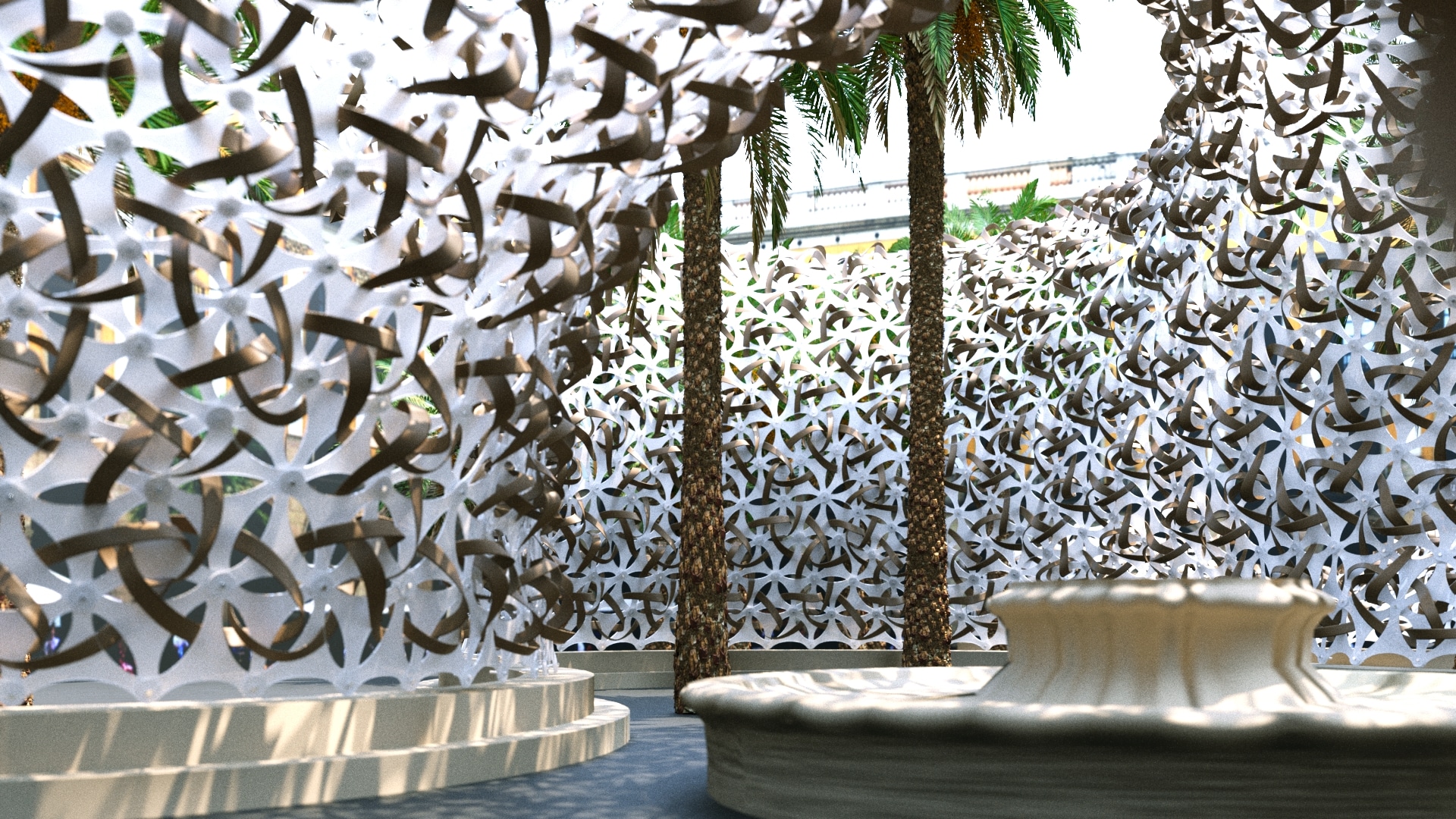
Site introduction The project is a pavilion conceived for the Plaça Reial (Royal Square) in Barcelona, Spain, which is a renowned, sophisticated square adorned with porticos, located just off Las Ramblas in the Gothic Quarter. This square is celebrated for its palm trees, fountain, lively nightlife featuring bars and restaurants, and serves as a central … Read more

Silent Light

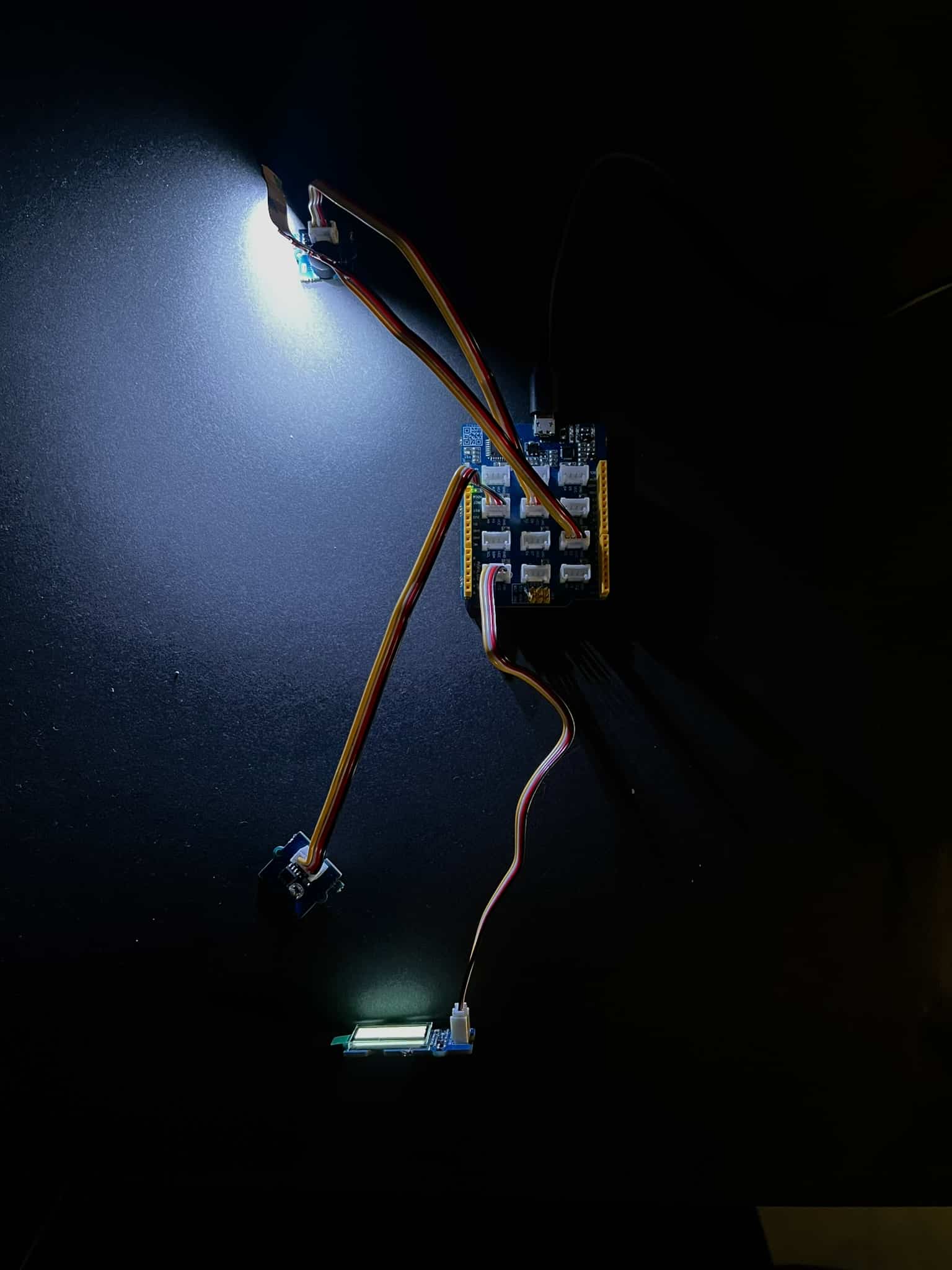
Introduction to Programming and Physical Computing Seminar Faculty: Daniel Mateos, Adai Suriñach, Antoine Jaunard Group Members: Amalia Anna Korgiala, Camilo Hernán Contreras Concept The project aims to design a sensor that can work with light or sound sensors, inspired by a library luminaire. The sensor can be placed in various areas and scales, such as … Read more

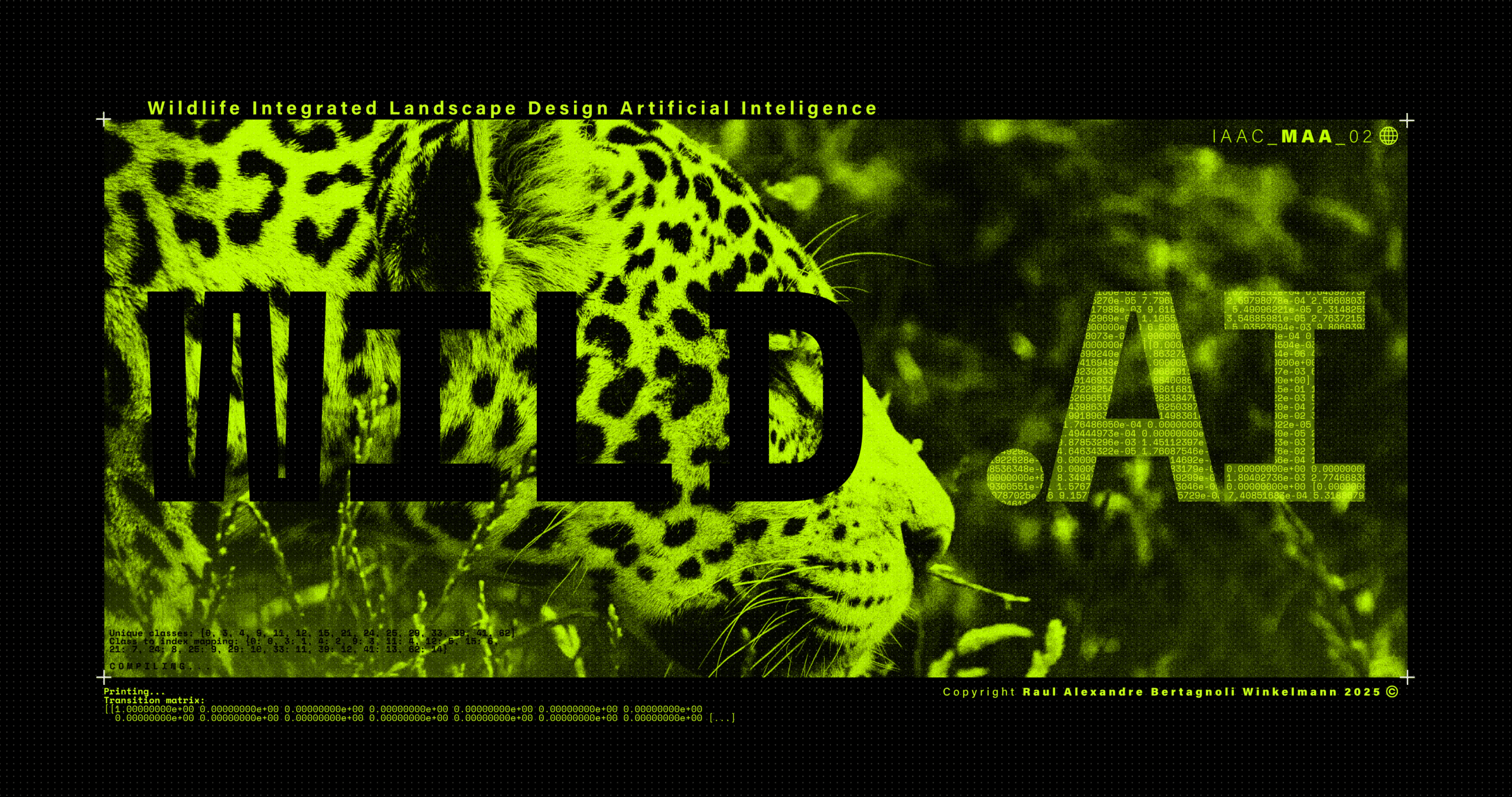
Wildlife Integrating Landscape Design Artificial Intelligence – WILD.AI — Term_III

CONTEXT DYNAMICS METHODOLOGY ANALYSIS By subtracting different scenarios from one another: The differences start to become clear as to what areas are consisently lost vs what areas are inconsistently lost. The latter being the one where planners and ecologists should focus their efforts the most if aiming to potentialize action. The figure becomes even clearer … Read more

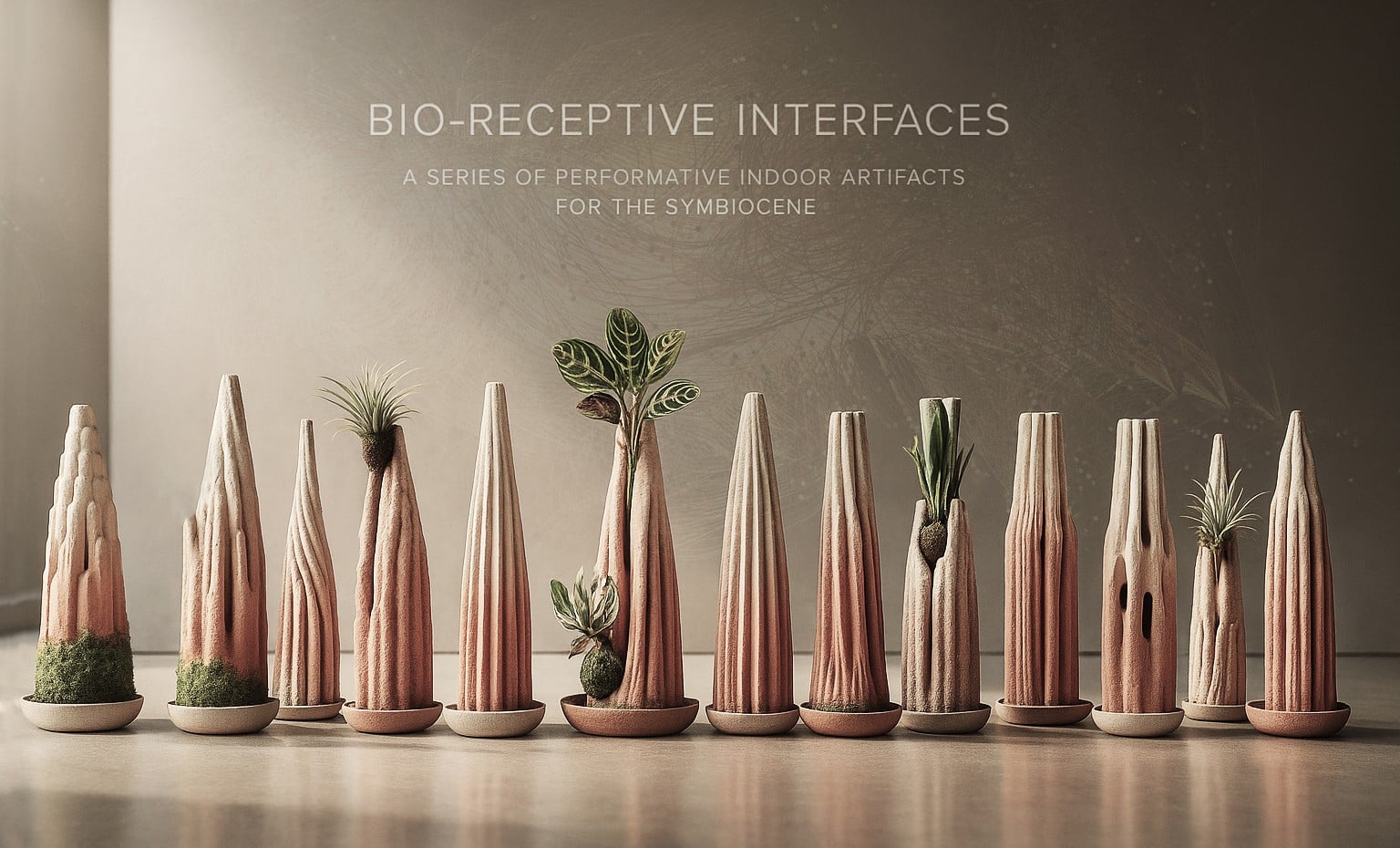
Bio-Receptive | Interfaces

Bio-Receptive Interfaces is a performative multi-material clay-based system for indoor environments, integrating hydrogel vascularity to host an ecosystem of cryptogams and vascular plants. Fusing biological intelligence with embedded sensors and AI, it sustains a prolonged hydration cycle, purifies air, sequesters carbon, and reintroduces ecological presence into synthetic indoor worlds—transforming sealed spaces into living, responsive, multi-species … Read more

TÀN 58

TÀN 58 is a seven-story student housing project located in Poblenou, an industrial district of Barcelona. The building’s form and orientation were shaped through computational studies that optimized daylight access and solar radiation across the site. This analysis led to the introduction of two central atriums, which act as vertical heat sources and organizational cores—spaces … Read more

Flow – SIGHT: De- coding urban mobility

Introduction Urban traffic congestion is more than just an inconvenience—it’s a global challenge tied to pollution, stress, and wasted time. While cities are turning to AI-driven systems to ease the gridlock, the question remains: Do these technologies actually perform better than traditional methods?Flow – SIGHT is a comparative research project that investigates traffic systems across … Read more

Fractal 25

Located in Poblenou, this student housing project comprises 25 modular units organized through solar optimization. Using Galapagos, the massing evolved through iterative simulations based on incident radiation, calibrating orientation and spacing to maximize winter sunlight while mitigating summer heat gain. The result is a compact, climate-responsive structure where environmental logic shapes architectural form—balancing solar access, … Read more