The MAA is a visionary master program with an innovative and open structure, mixing diverse disciplines, shaping professionals capable of producing theoretical & practical solutions towards responsive cities, architecture & technology.


Filters
Course

Fa(ça)de

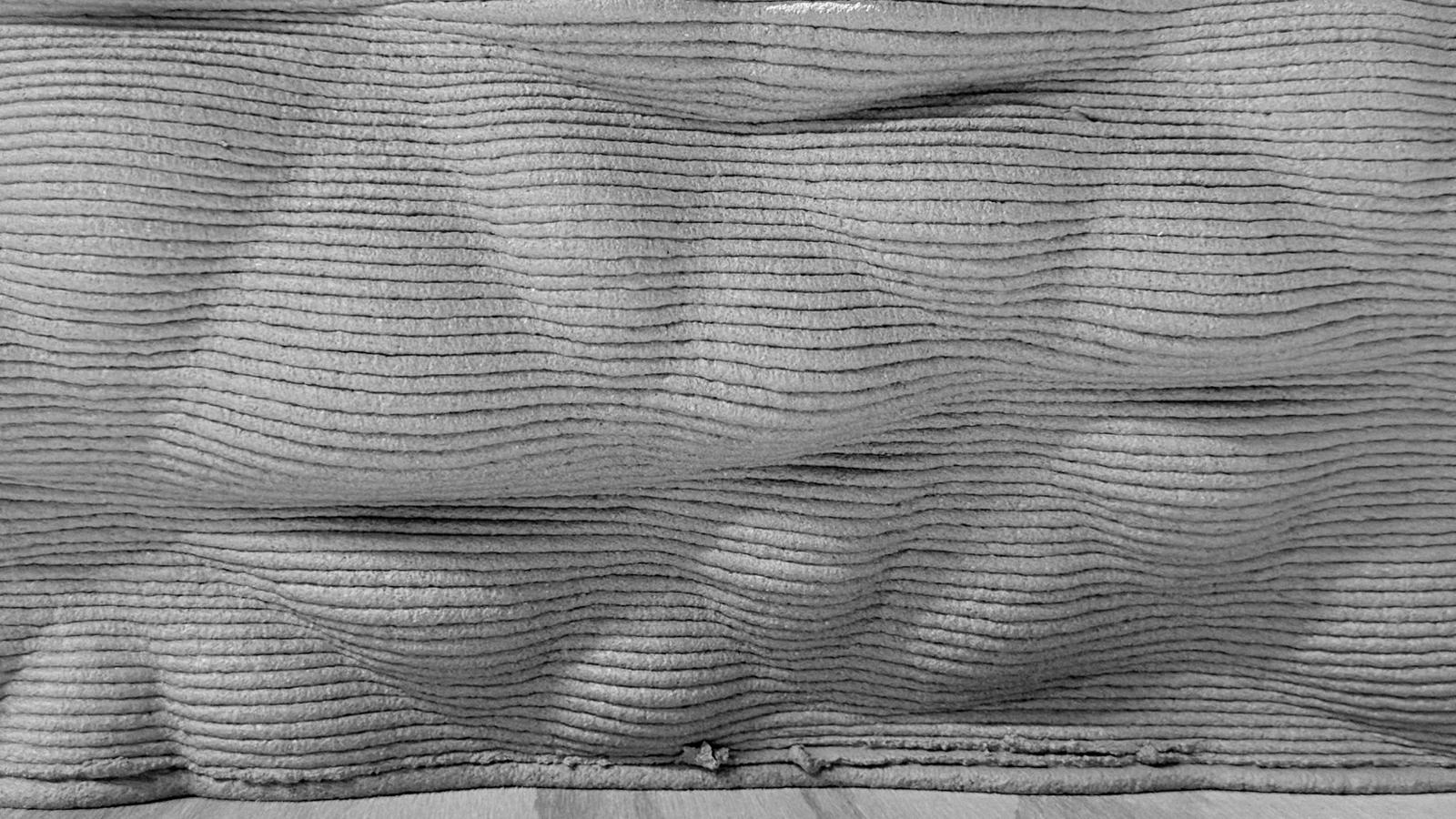
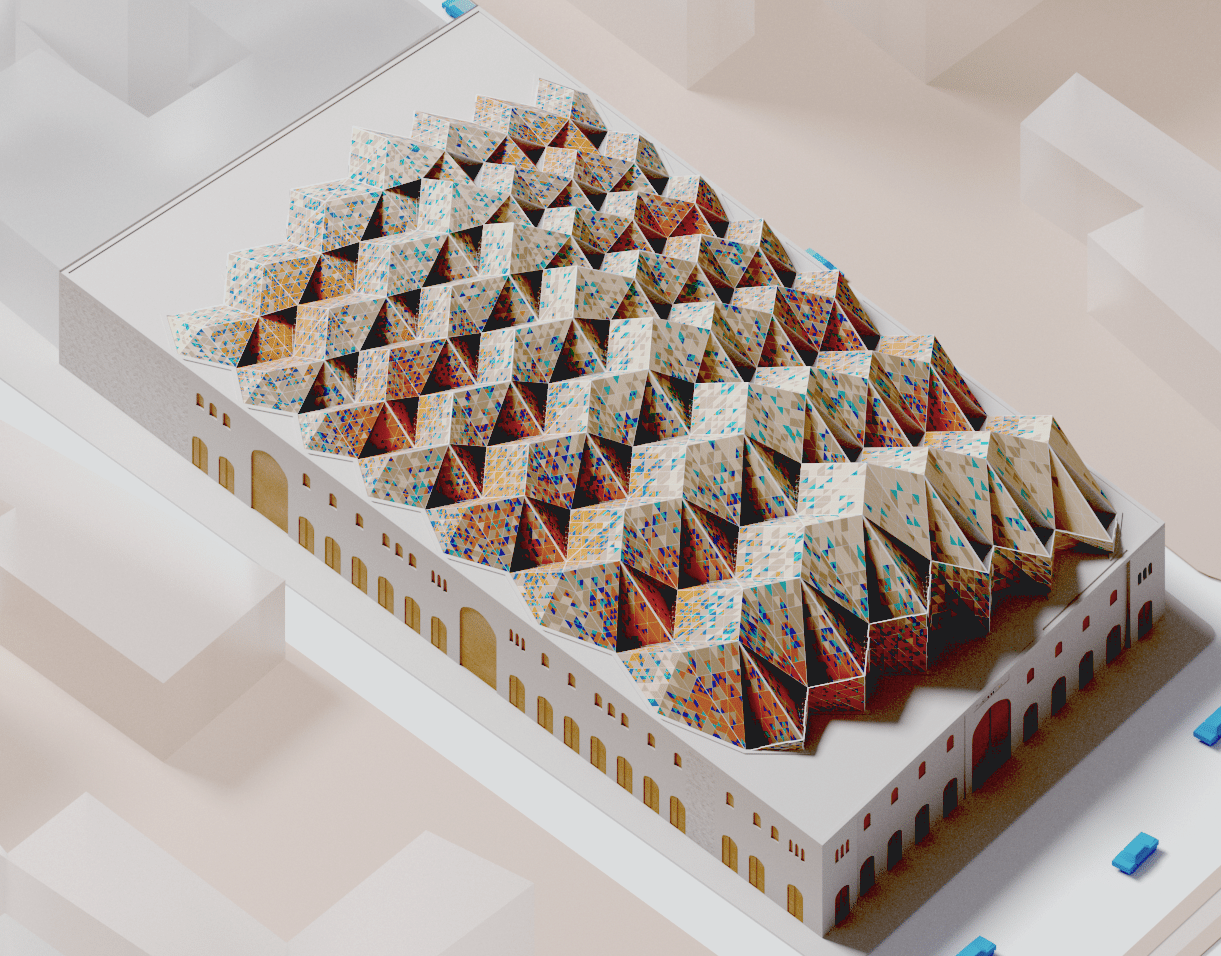
Fa(ça)de explores robotic clay fabrication as a method for producing expressive, materially efficient façade modules. Starting from a 2D patterned surface, the project develops a parametric workflow that transforms mesh-based geometries into 3D printed clay elements with controlled relief, wave amplitude, and module rotation. Through iterative prototyping, the design responds to fabrication limits such as … Read more

Chill.Point

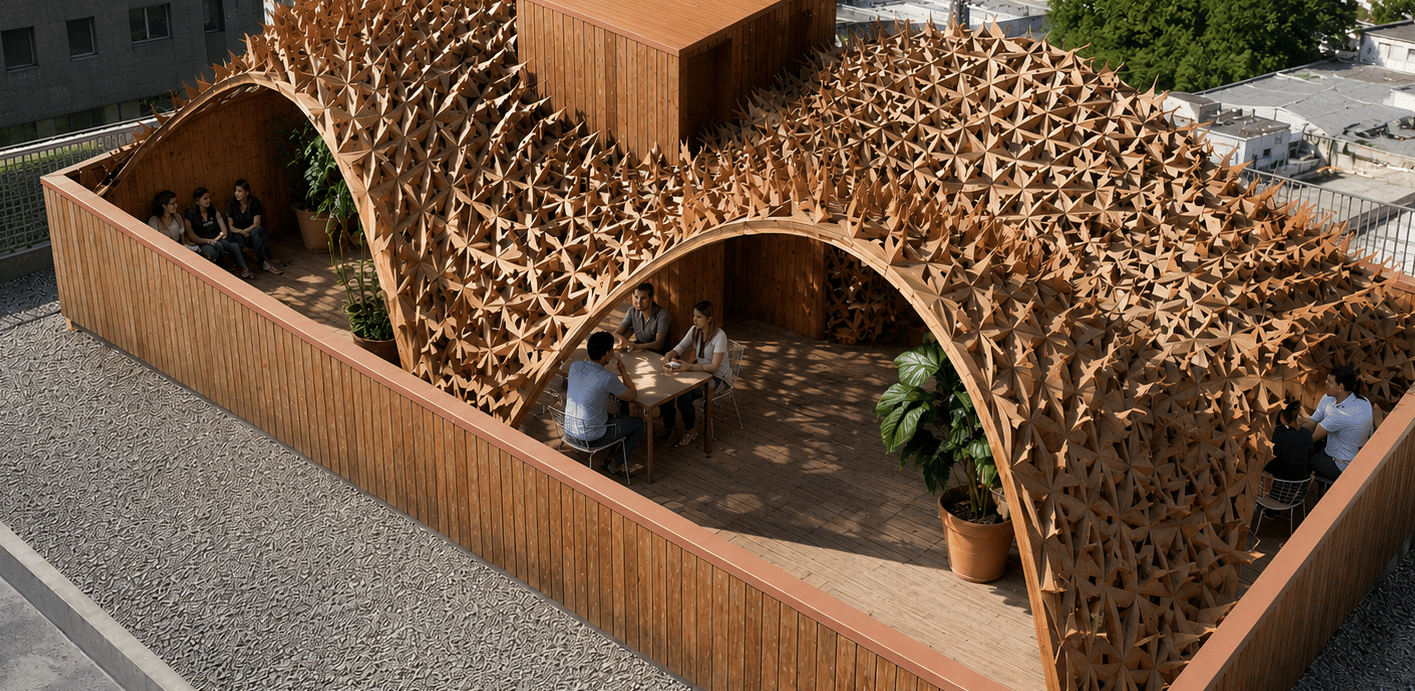
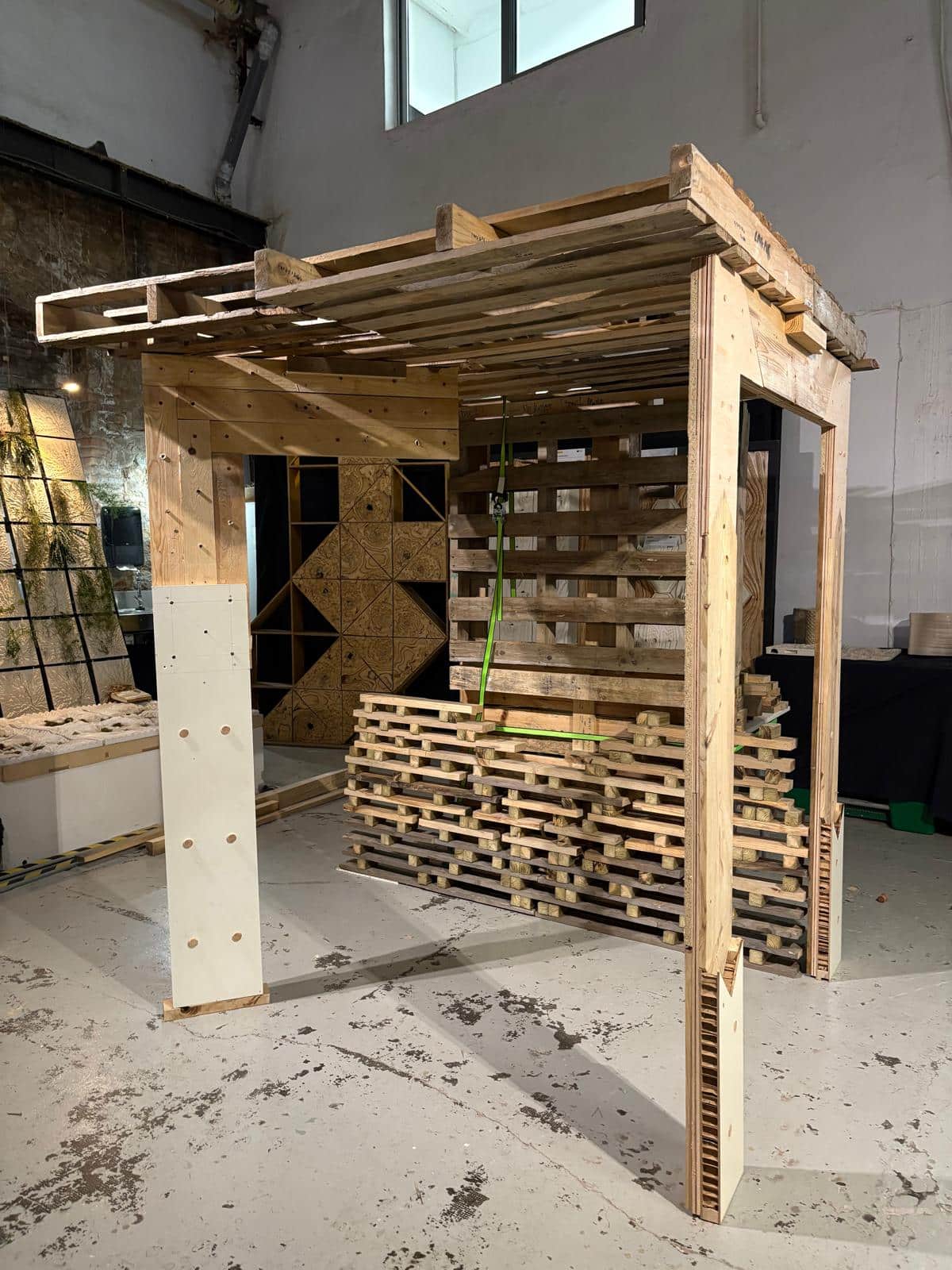
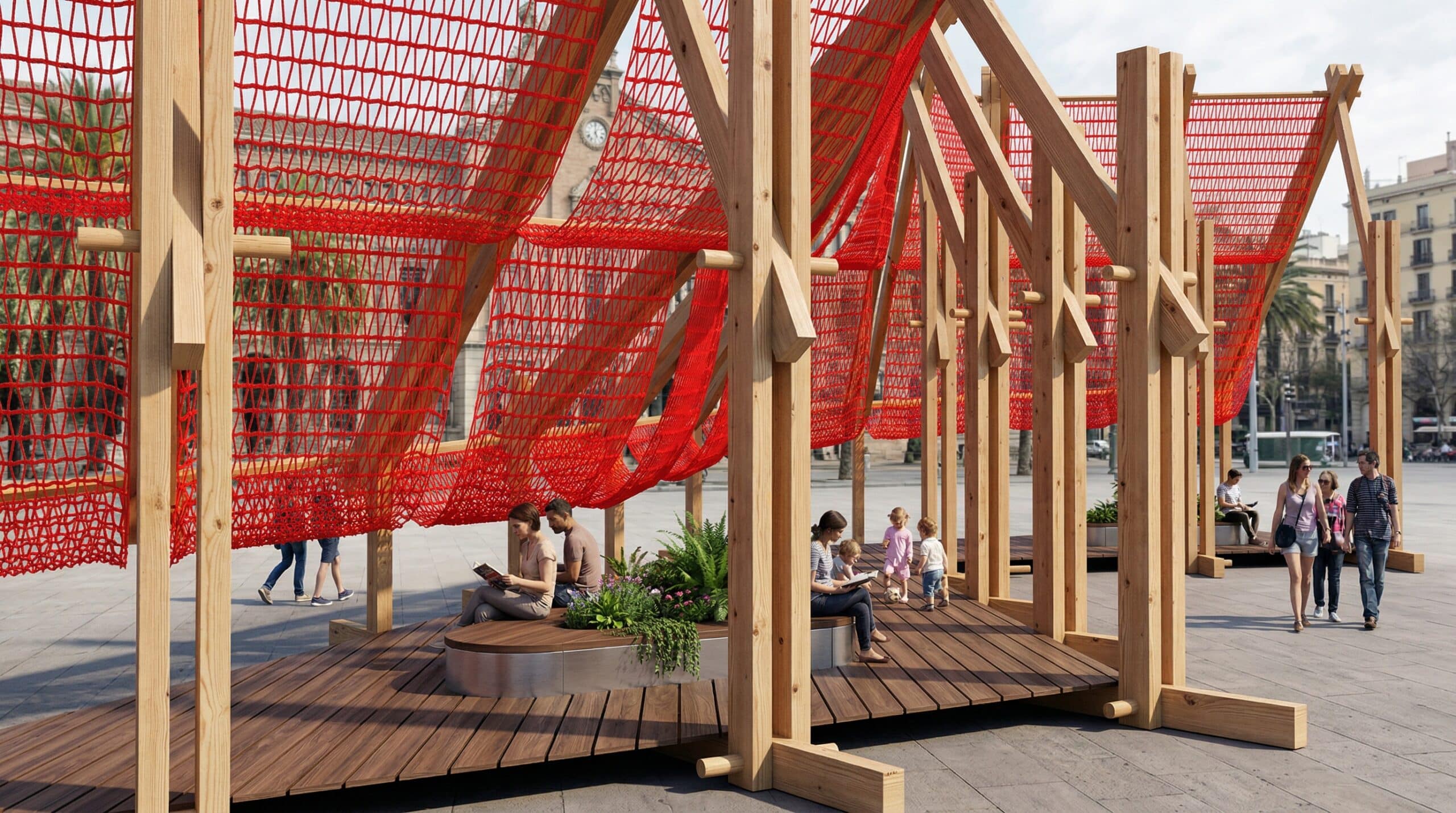
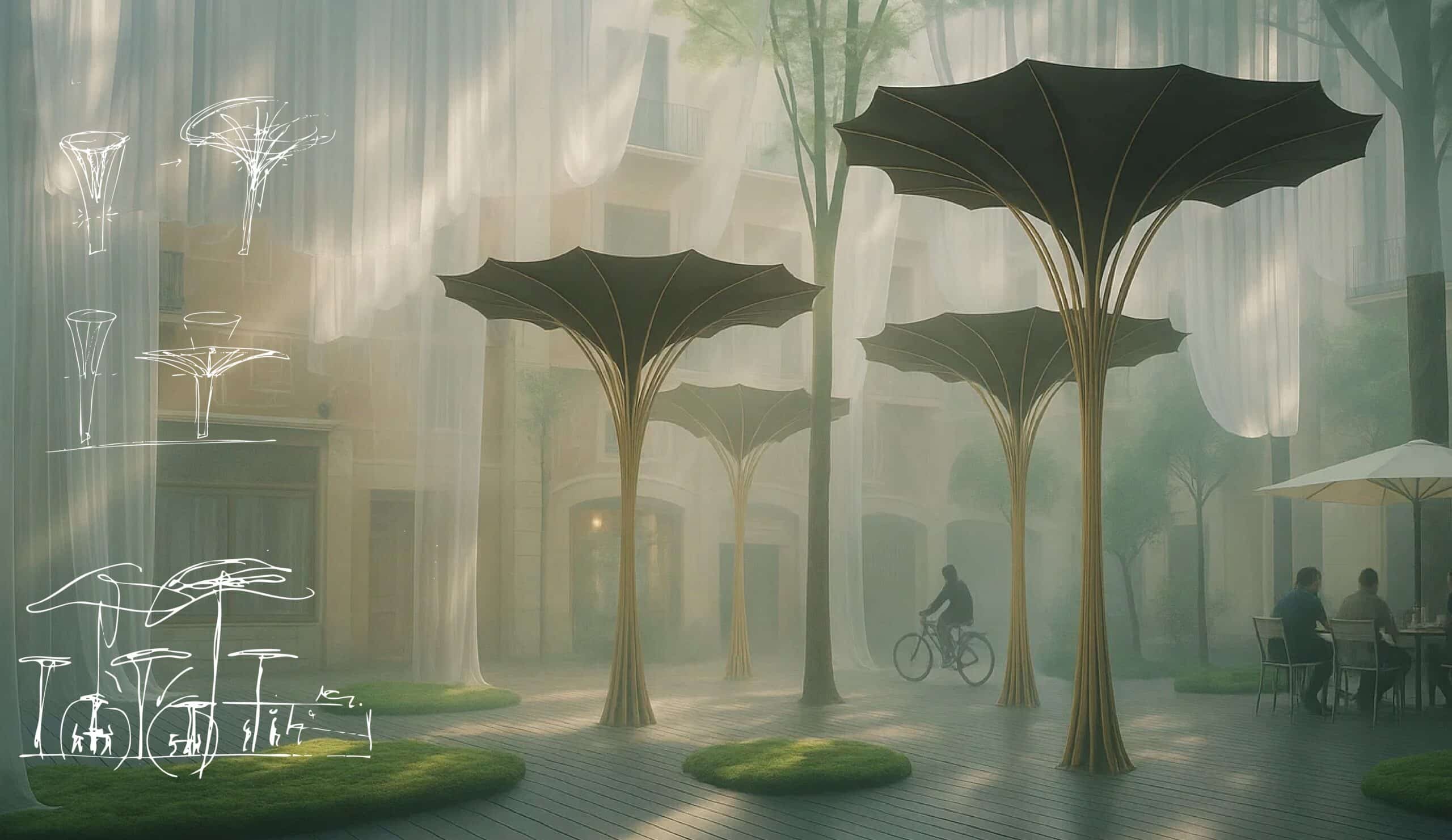
Inspirations Chill.Point is a lightweight timber and fabric pavilion designed for Plaça Universitat, creating a shaded urban pause within the city. Inspired by exposed timber frames and tensile scaffold structures, it combines structural clarity with soft, breathable enclosure. Using computational and parametric design tools, the pavilion responds to sun, wind, and pedestrian flow, optimizing geometry, … Read more

THE RECIPROCAL VIERENDEEL

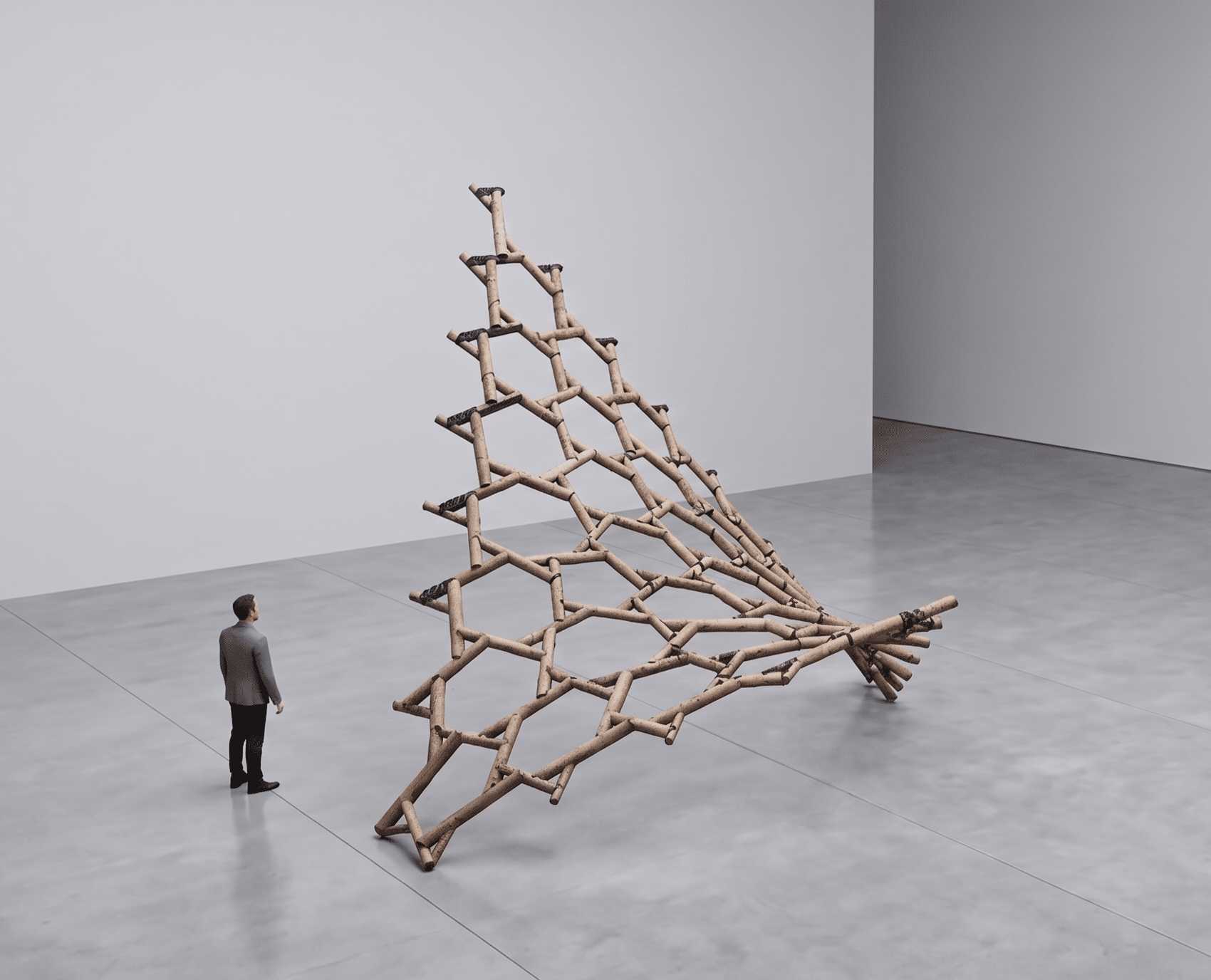
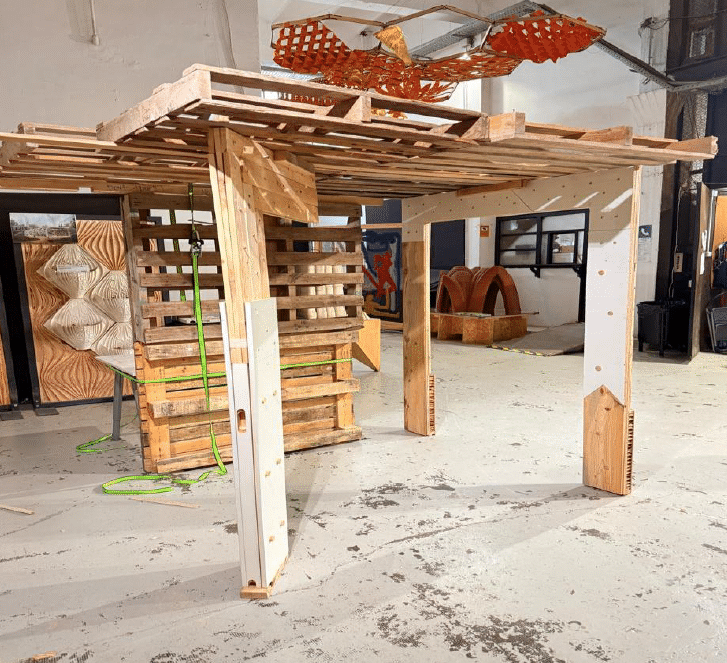
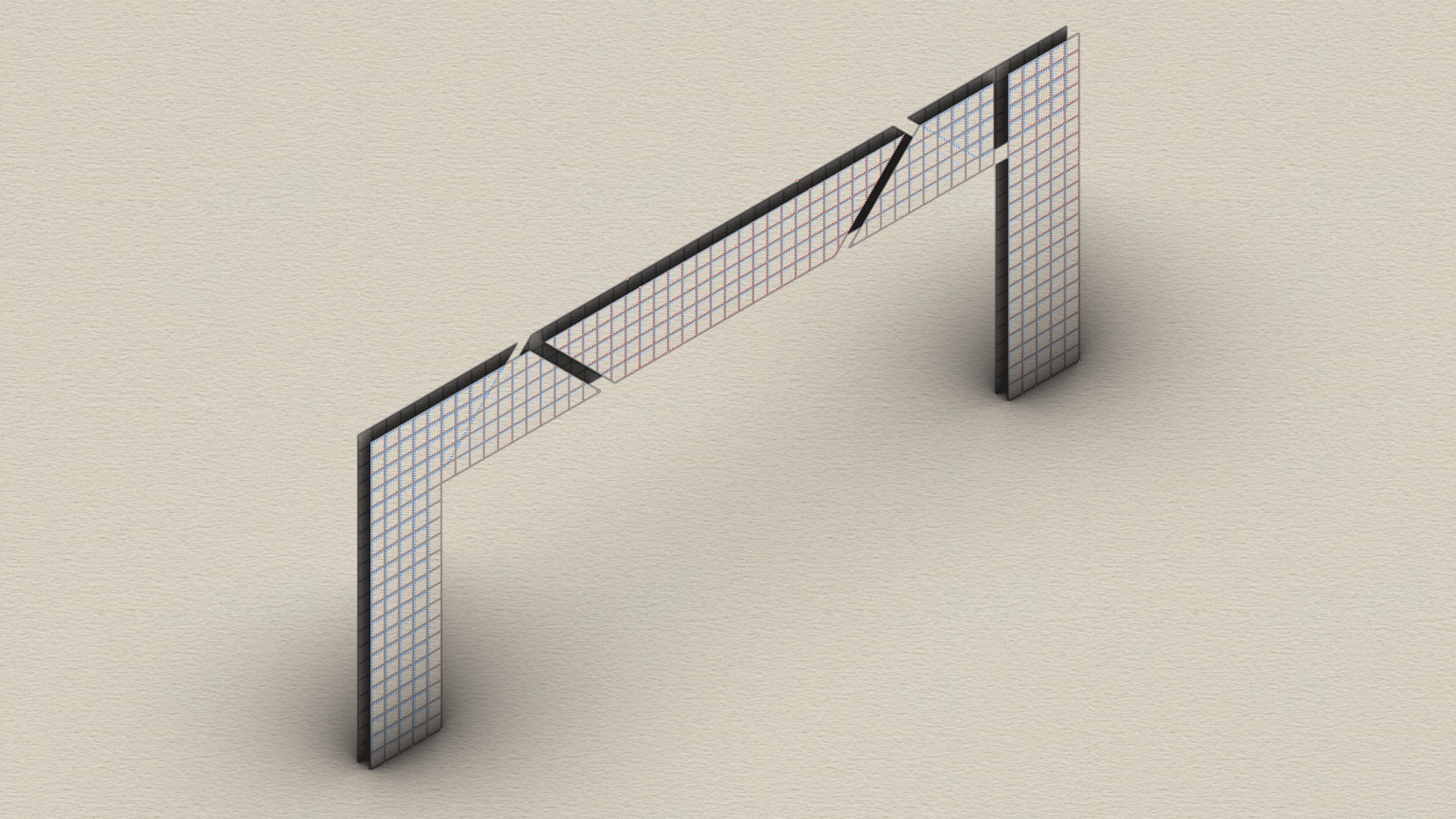
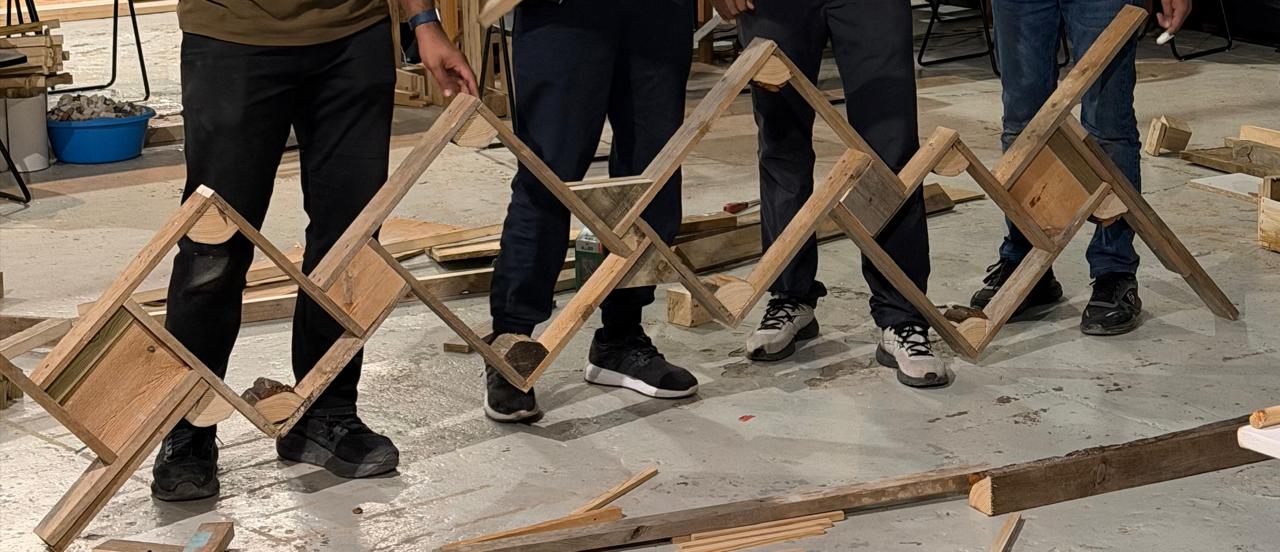
DIMENSIONS MATERIAL USED PROCESS OF MAKING BEAM TEST SETUP BEAM DEFORMATION The images document progressive deflection under incremental loading (0 kg to 76 kg) where it can be observed that the block is taking the load on which the beam is placed and it is under high compression whereas beam is held by strap to … Read more

Mining The City

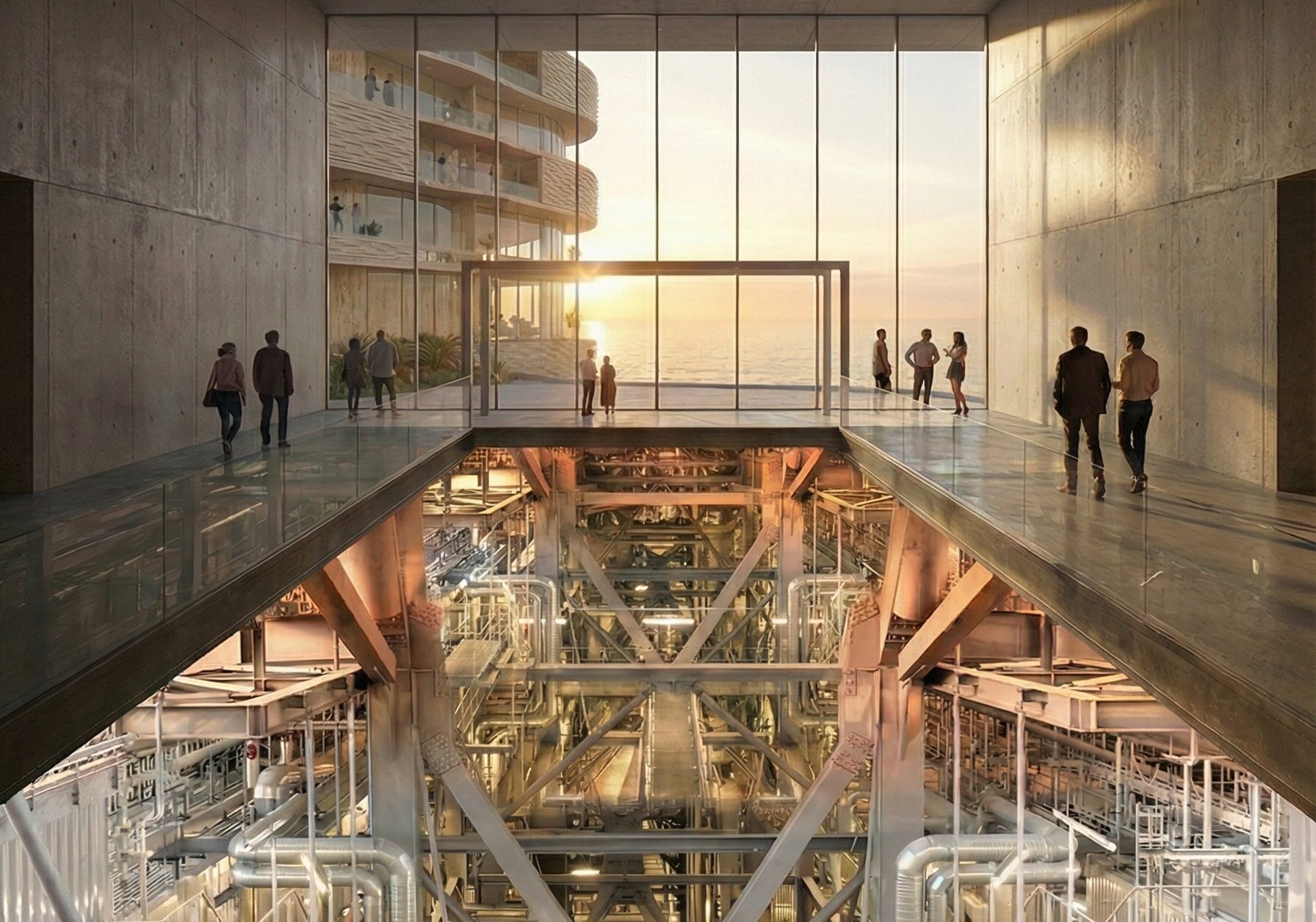
“Metabolising waste into habitat in a resource-scarce future” “Mining the City” reconceives legacy industrial infrastructure as an active force for urban regeneration and material resilience. Rather than treating waste as a problem to be discarded, this project positions Barcelona’s material flows from household refuse to industrial by-products as the resource base for a new metabolic … Read more

Cloud Transparent Pavilion

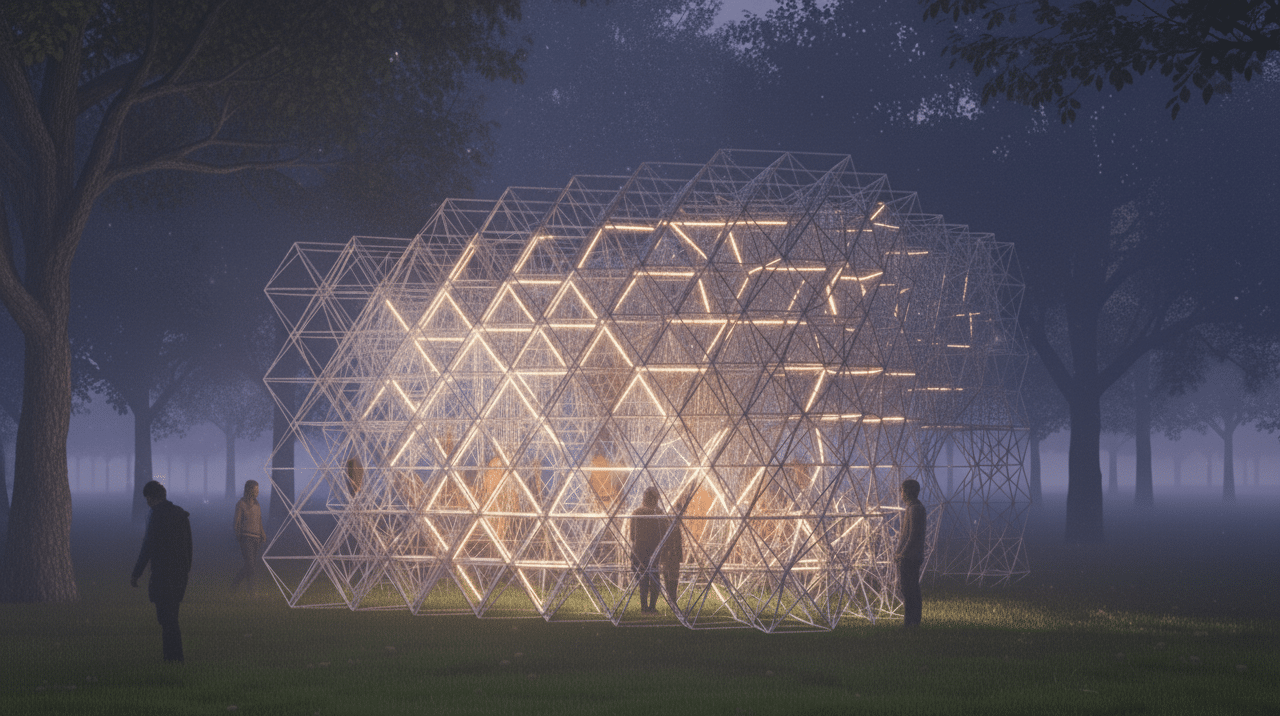
Group includes: Nguyen Vu Tue Minh (Chloe) & Eduardo Martinez Toribio //OVERALL DESIGN OBJECTIVE //PRECEDENT: TEMPORARY PARAMETRIC PAVILION //COMPUTATIONAL DESIGN SYSTEM USING CRYSTALLON //MATERIAL RESEARCH: GLASS-REINFORCED RECYCLED PET (GR-RPET) //ANALYSIS Total Mass: 191.8 (kg) Natural Vibration Analysis Frequency: 9.45 (Hz) Max Displacement: 0.125 (m) //OPTIMISATION: GOALS & TARGET //OPTIMISATION: RESULTS //OPTIMISATION: LIGHTNESS VS STIFFNESS Baseline: … Read more

EGITTO SKIN

Team member(s):MAHMOUD MOHAMED Modified by  MAHMOUD MOHAMED  on December 12, 2025 SITE AND EXISTING BUILDING Egypt, often reverently hailed as the “Mother of All Lands,” stands as one of the oldest and most influential civilizations in the vast chronicle of human history. Its legacy is not merely a collection of ruins or artifacts; it is a … Read more

Cano(Pi)

A dynamic forest pavilion. Plaça del Pi, Barcelona, Spain Design Concept Form Finding Psuedo Code The script relies on the organic undulation of sine and catenary curves to reflect the organic nature of our inspiration as well as provide a real-life simulation of the suspended fabric forming the canopy reacting to gravitational logic in both … Read more

THE MANUFACTURED VERNACULAR 

Image of comparison between a vernacular structure and a modern structure

Turning time-tested vernacular intelligence into scalable, multi-hazard self sufficient building INTRODUCTION See this image above? yes, its comparison between two structures that survived a 6.8 rector scale earthquake in year 2005. The ironic part is , that these vernacular structures hold the carbon friendly intelligence responding towards climate adaptation and structural resistance against earthquakes, yet … Read more

BAMBOO

Exploring Low-Tech, Sustainable Construction Methods and Manual Strategies for Community Empowerment The use of bamboo in construction is emblematic of an ongoing tension between traditional knowledge and the global imperatives of sustainable development. Despite its traditional use in many regions, the potential as a resilient, self-sustaining construction material remains largely underexplored in the contemporary architectural … Read more

StructuraX – Self aware Architecture

Prototype sensor

Structura X is a low-cost structural health monitoring system that tracks vibration patterns and foundation shifts to detect early signs of instability in buildings. Using a 3-axis accelerometer and ultrasonic distance sensing, the device provides real-time feedback through visual and acoustic alerts, enabling proactive maintenance and long-term structural safety. Why This Matters Buildings appear static, … Read more

SKYLOFT

MODULAR PODS VERTICAL EXTENSIONS To address urgent urban housing needs, this thesis explores modular rooftop pods using Digital Twins, CNC fabrication, kerfing, and timber joinery—enabling precise, low-waste, minimum tool required for assembling and sustainable expansion of aging urban buildings through scalable and prefabricated Modular systems Why Vertical extension required ? What’s the purpose of the … Read more

TÀN 58

TÀN 58 is a seven-story student housing project located in Poblenou, an industrial district of Barcelona. The building’s form and orientation were shaped through computational studies that optimized daylight access and solar radiation across the site. This analysis led to the introduction of two central atriums, which act as vertical heat sources and organizational cores—spaces … Read more

SecondMatter

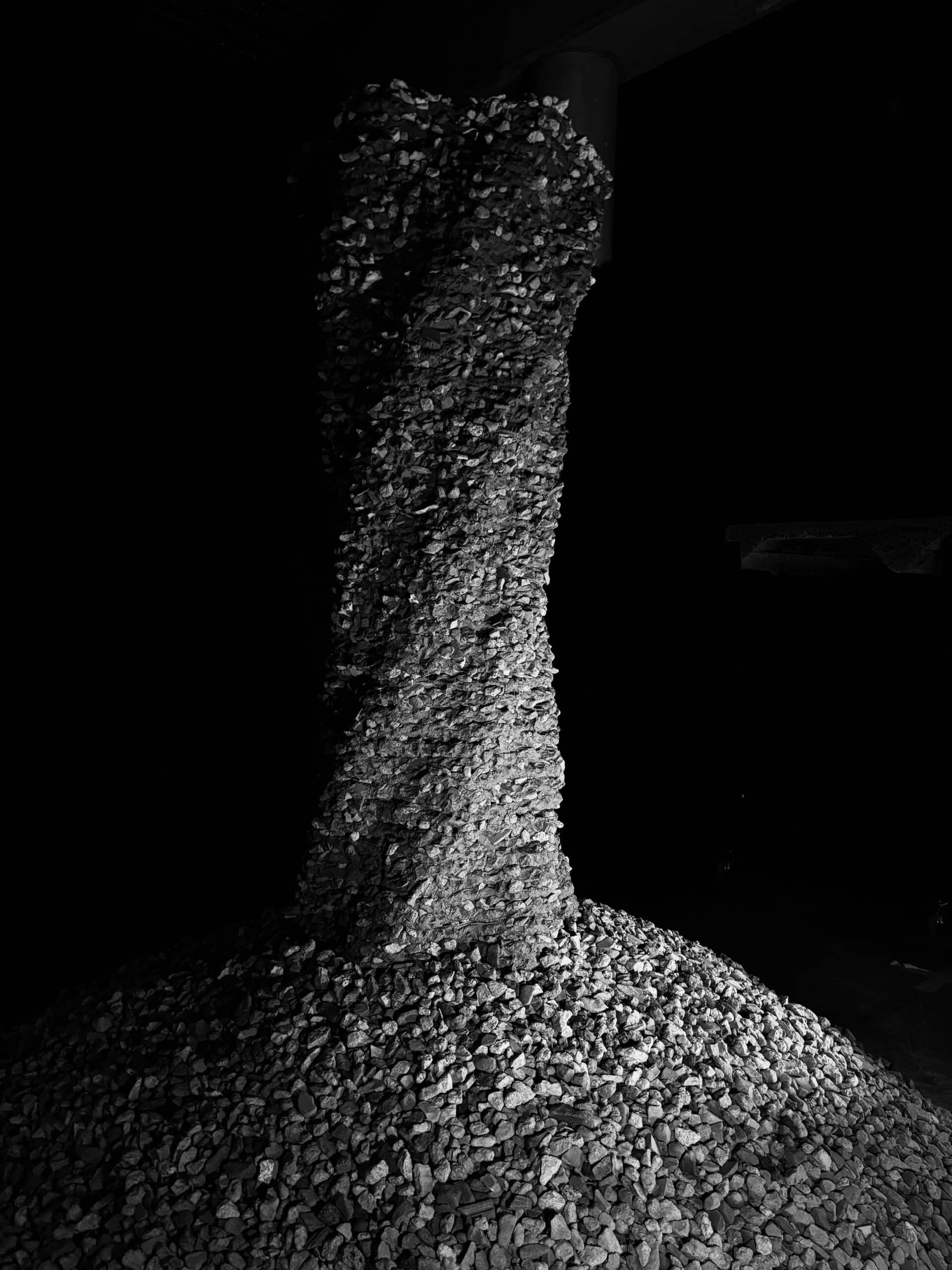
SecondMatter upcycles 85% construction and demolition waste into low-impact building units using a hybrid ramming-jamming technique. With 9 MPa strength and 7% lower carbon emissions, it forms walls, panels, and columns. Integrated into municipal waste systems, its compaction method adapts to unpredictable debris, turning urban waste into resilient, structural architecture within existing material cycles. What if … Read more

Tierra Tower

Tierra Tower is a student housing project shaped by climate and material. Using earth sourced directly from site, it creates a vertical sequence of spaces that adapt to seasonal change and personal comfort. Thick earthen walls absorb and release heat, guiding movement through warm and cool zones. The building responds passively—through texture, temperature, and atmosphere—to … Read more

KINXA | The future built with tradition

Vernacular architecture has steadily lost relevance in contemporary practice. Industrialized construction methods, aesthetic shifts, and the pursuit of perceived reliability in materials like concrete and steel have overshadowed traditional techniques. However, these modern materials often come at a high environmental cost. Among the overlooked methods is quincha, a construction technique common in Latin America. It … Read more