
The MAA is a visionary master program with an innovative and open structure, mixing diverse disciplines, shaping professionals capable of producing theoretical & practical solutions towards responsive cities, architecture & technology.
NEURO-ADAPTIVE INTERFACE
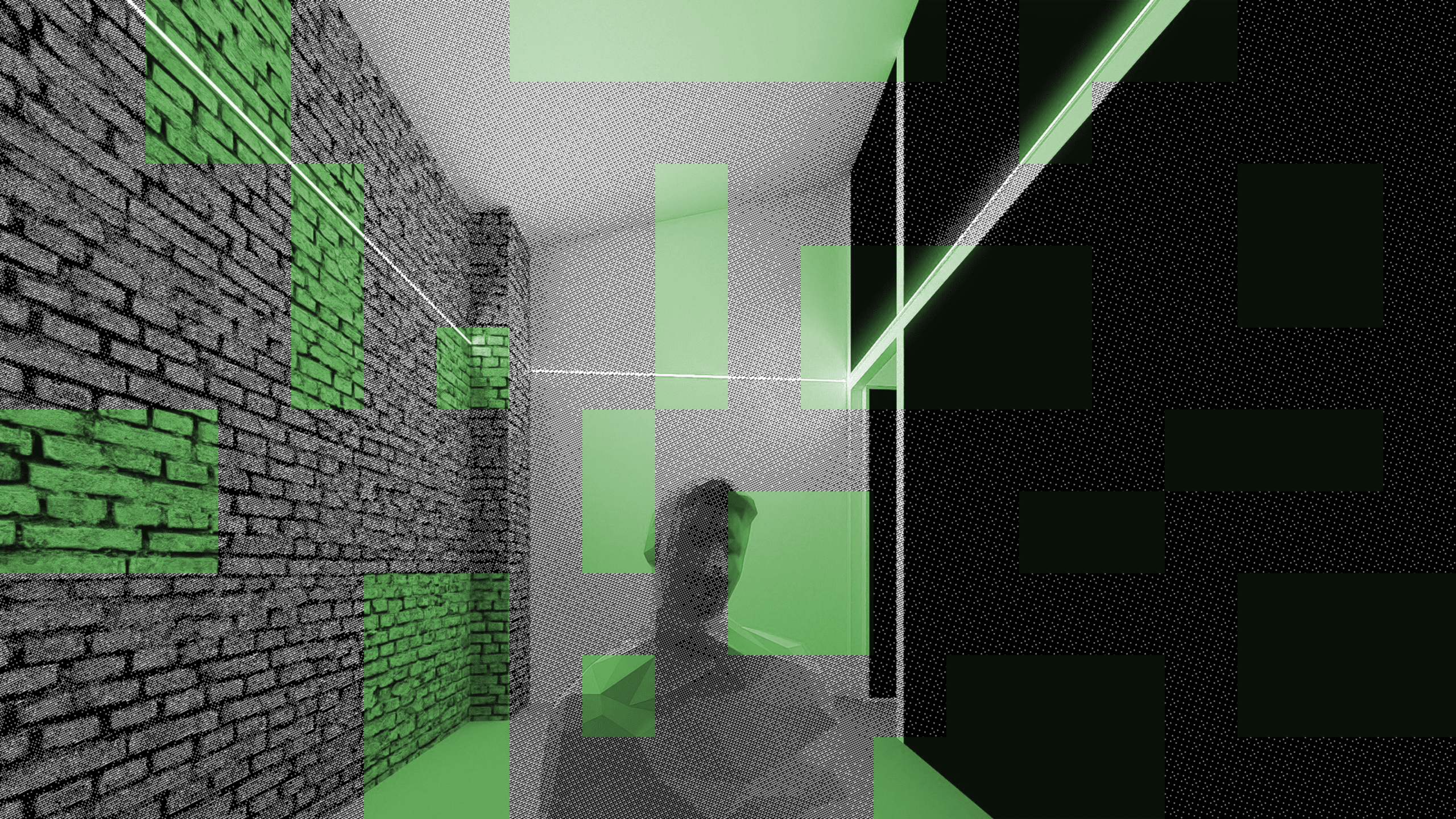
This thesis explores how biosignals can transform artificial light into an adaptive architectural interface. While light strongly affects human emotions, cognition, and well-being, most lighting systems still rely on manual control and cannot respond to users in real time. The research investigates how EEG, ECG, and GSR data can be used to create dynamic lighting … Read more
Cybernetic Ecologies
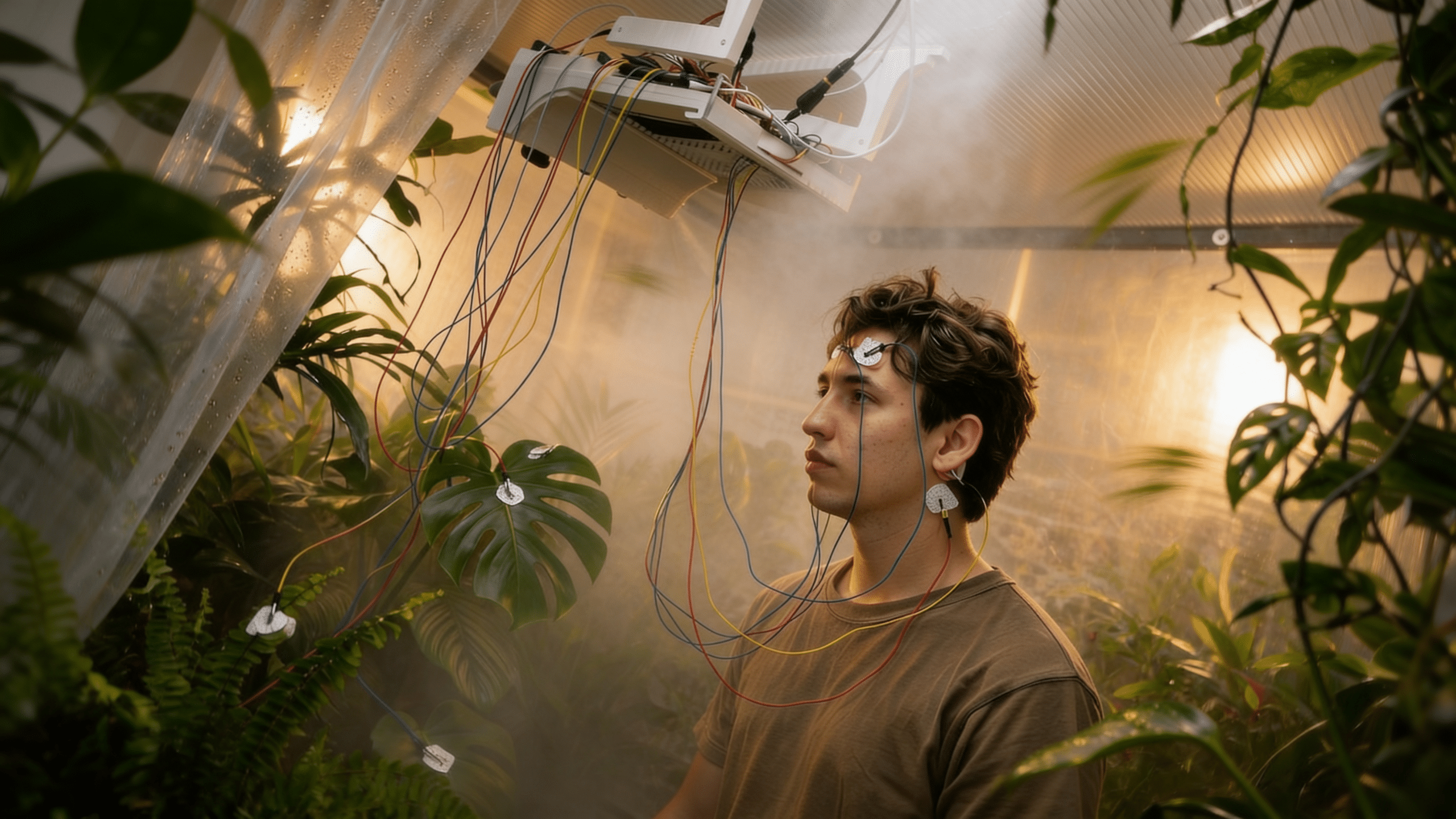
From Fragmented Systems to Cybernetic Ecologies Interactive Presentation Link : 260619_T3_Thesis Final CE 260619_T3_Thesis Final CE
PORTAL FRAME
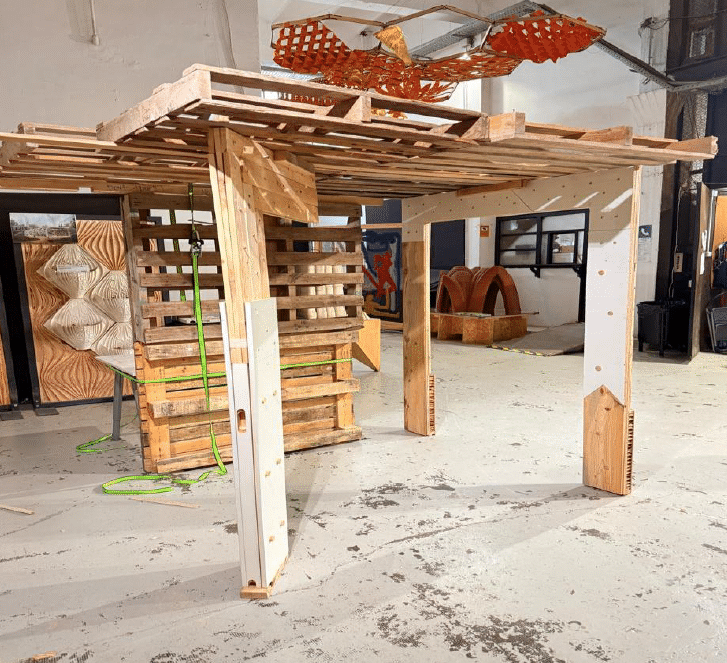
Introduction — Intent Building a portal frame from reclaimed timber, focusing on splicing and shuffling techniques to adapt irregular pieces into a stable, structurally working system. Material Intelligence — Understanding the Stock Structural Logic — Portal Frame System Methodology — Overlay & Splice Strategy FABRICATION — Digital vs Physical The workflow was driven by existing … Read more
From One Model to One Million Homes: Automating Social Housing with BIM
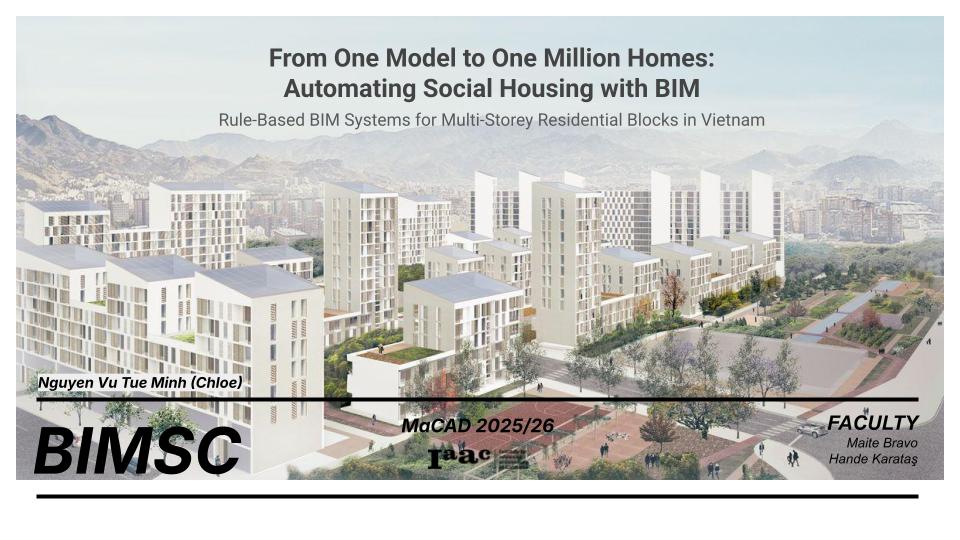
Rule-Based BIM Systems for Multi-Storey Residential Blocks in Vietnam Using rule-based BIM master models to automate repetitive social housing design in Vietnam, while addressing real-world challenges of coordination, adoption, and collaboration across large-scale public projects. //CONTEXT Vietnam currently has an ambitious national target to build one million social housing units by 2030. However, progress … Read more
Community Connections
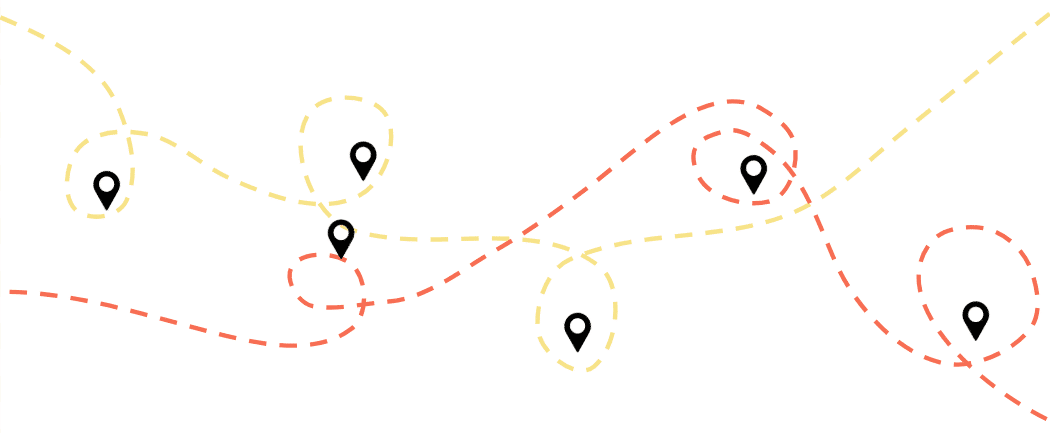
Trinitat Nova and Trinitat Vella Scavenger Hunt Moving between the neighborhoods of Trinitat Nova and Trinitat Vella in Barcelona, and reaching natural landscapes nearby, like the Collserola hillside or the Besòs River, can already feel a bit like a scavenger hunt. Large highway infrastructures carve through the area, creating barriers that make simple trips … Read more
Not the Same Planet: What planet do we rebuild for?
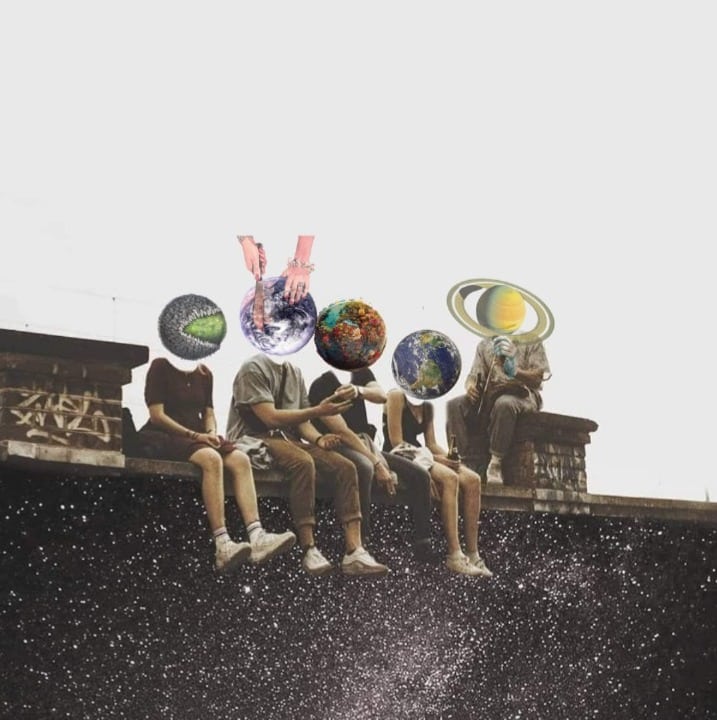
“Planetarity” is a philosophical concept that examines how the ways we visualize the Earth shape how we interact with it. Coined by Gayatri Spivak in her 2003 book Death of a Discipline, the term challenges us to move away from viewing the Earth as a controllable resource. Instead, Spivak argues that we must think beyond … Read more
Act at Dawn
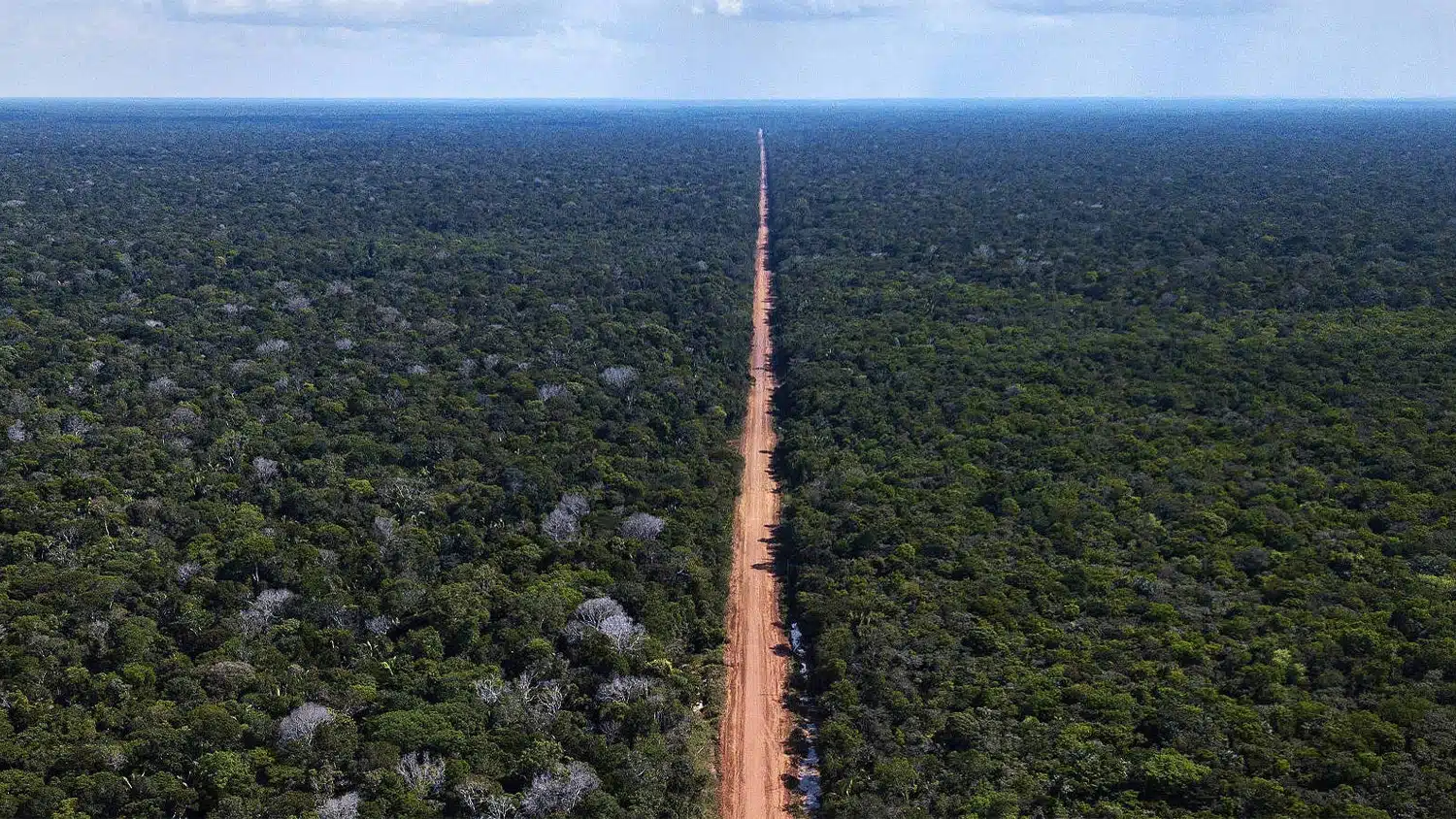
What modes of activism do the ends of a world trigger? Introduction This project was developed as part of the Advanced Theory Seminar: The Earthly Convivium – Conversational Narratives. The seminar invites students to work with theory not as a distant academic exercise, but as a tool to build fictional situations where different worldviews collide. … Read more
Casa Tosquella: The Mending of the Commons
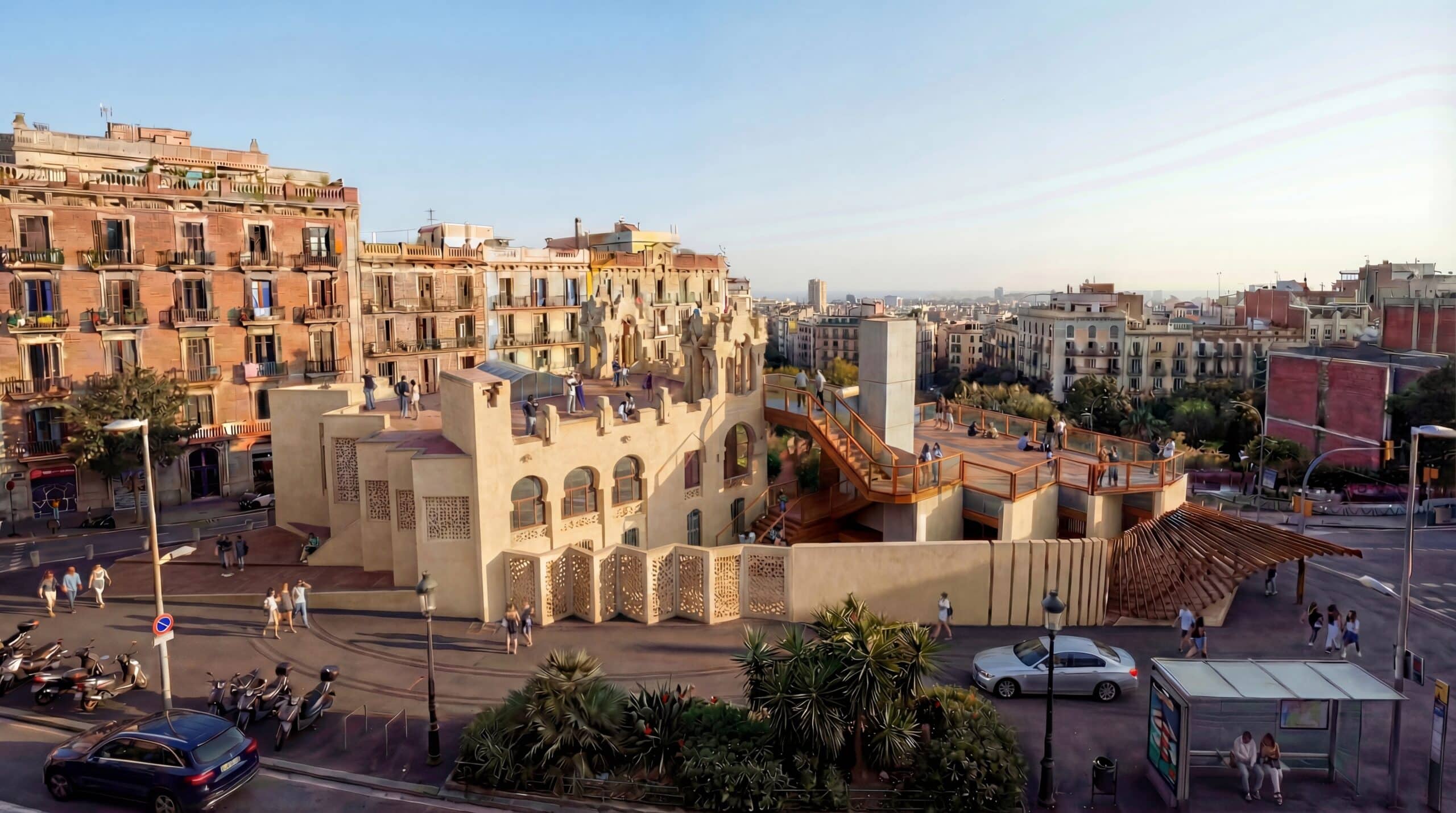
Heritage is not memoryHeritage is Production + Community In the dense urban fabric of Sant Gervasi, Casa Tosquella sleeps a Modernista jewel originally conceived as a summer retreat, now stranded in a city grappling with permanent heat. This project explores the tension between heritage preservation and climatic urgency. The proposal views the building not as … Read more
THE MANUFACTURED VERNACULAR
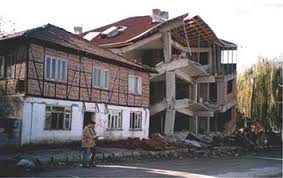
Turning time-tested vernacular intelligence into scalable, multi-hazard self sufficient building INTRODUCTION See this image above? yes, its comparison between two structures that survived a 6.8 rector scale earthquake in year 2005. The ironic part is , that these vernacular structures hold the carbon friendly intelligence responding towards climate adaptation and structural resistance against earthquakes, yet … Read more
After the Feed
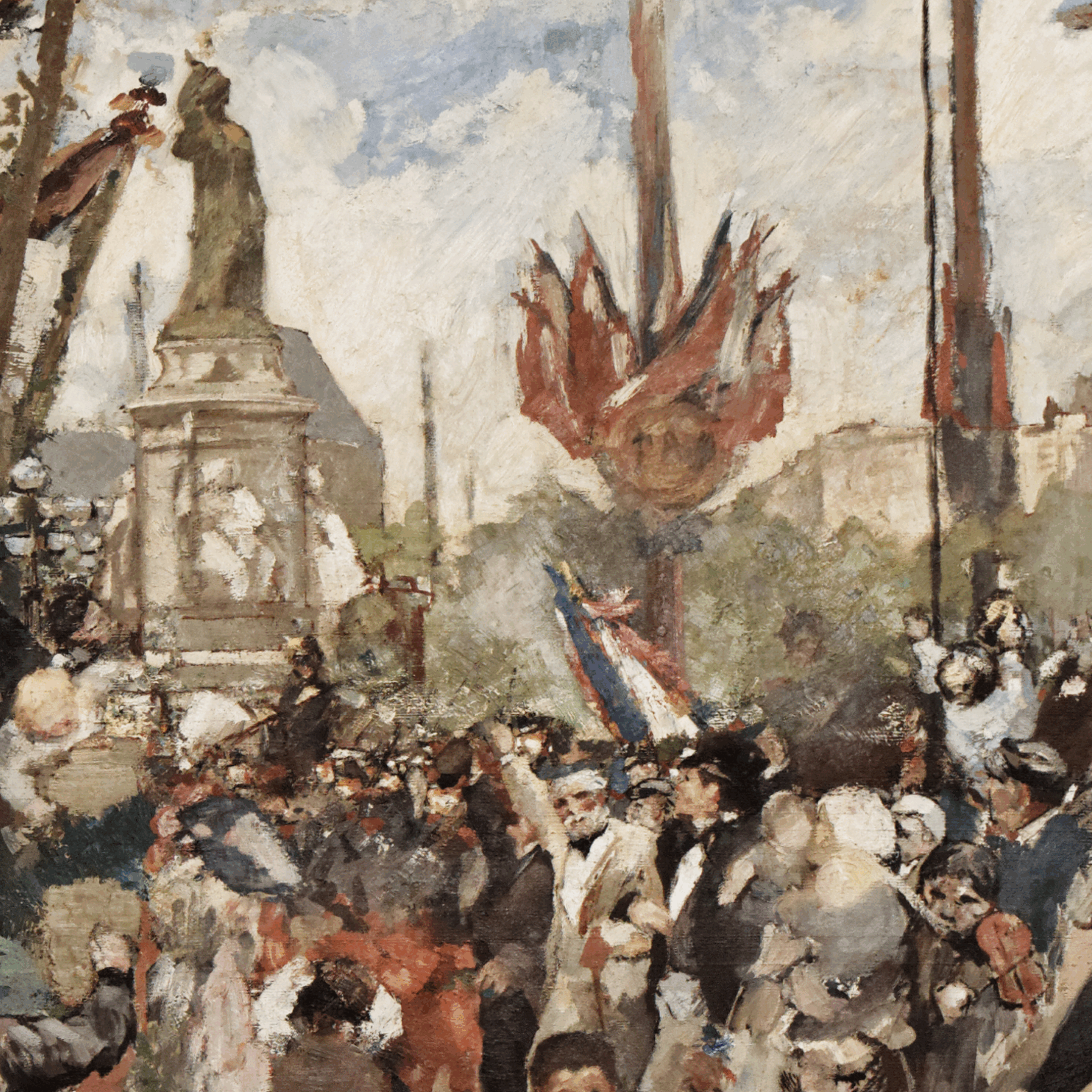
*** “Is there a perception of transparency in digital societies which masks a more intrusive form of control than disciplinary institutions ever achieved?” CHARACTERS Professor Bratton Peluza Lucia Vela Minister Mouffe Arin Reporter Nox – FIRST ACT – Scene 1: The Ambush at the Café Door Place de la République, early evening.A rally forms under … Read more
Cymat-E
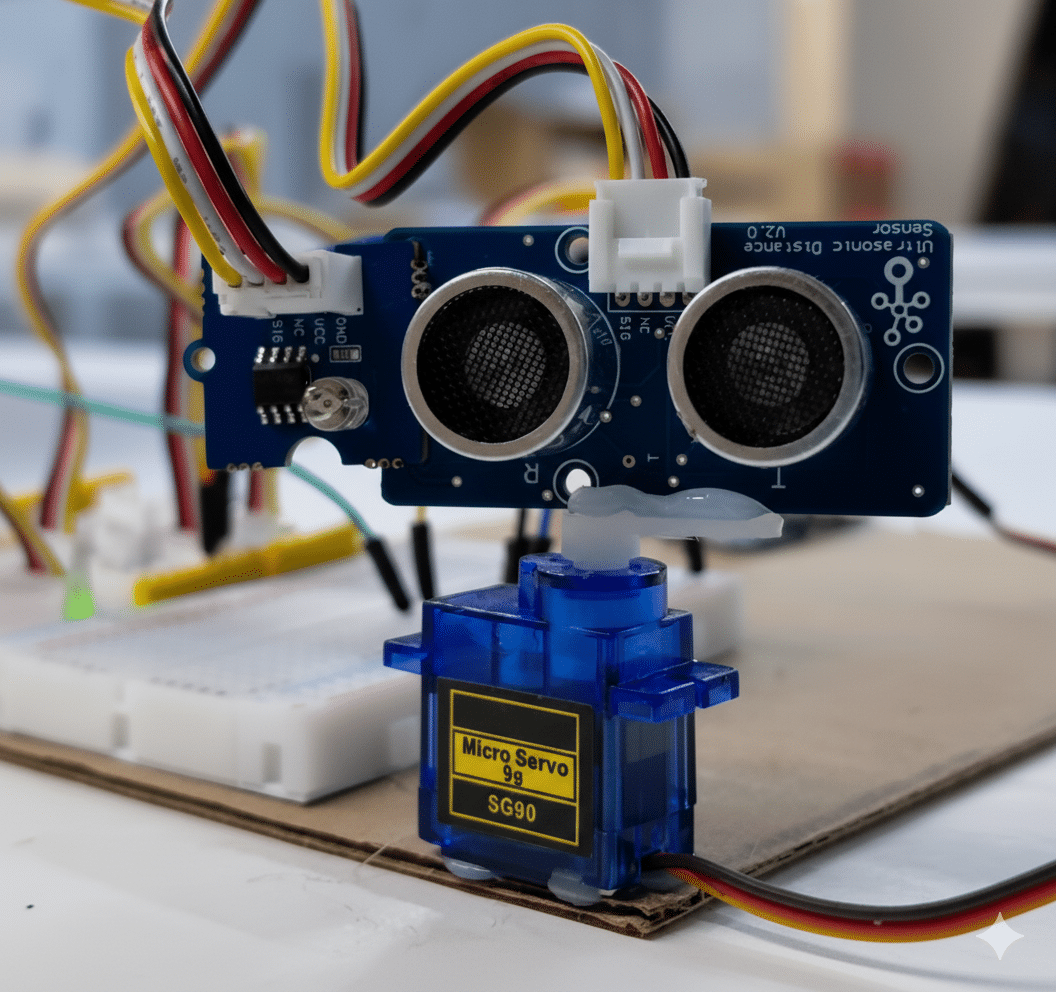
CONCEPT Cymat-E explores the concept of an acoustic radar, a device that can detect and visualize the ideal audible range, or the distance where sound is heard most clearly and comfortably. The idea takes inspiration from how radar systems map physical space, but instead, we are mapping sound space. Using microphones and sound analysis, the … Read more
AIA25 – Theory / Living Codes
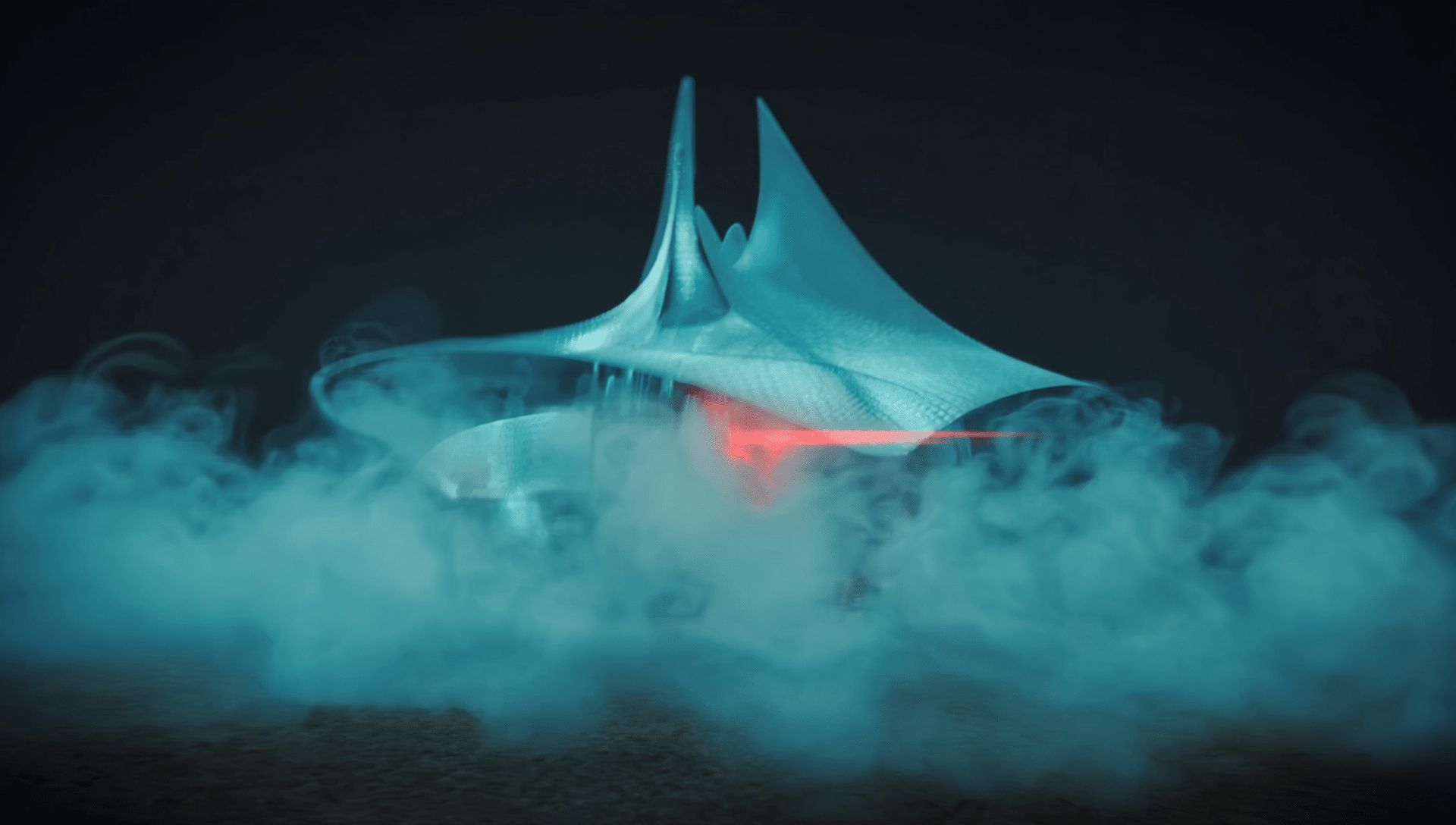
Architecture through the Semiotics of Biological and Artificial Intelligence
The Echoes We Buried
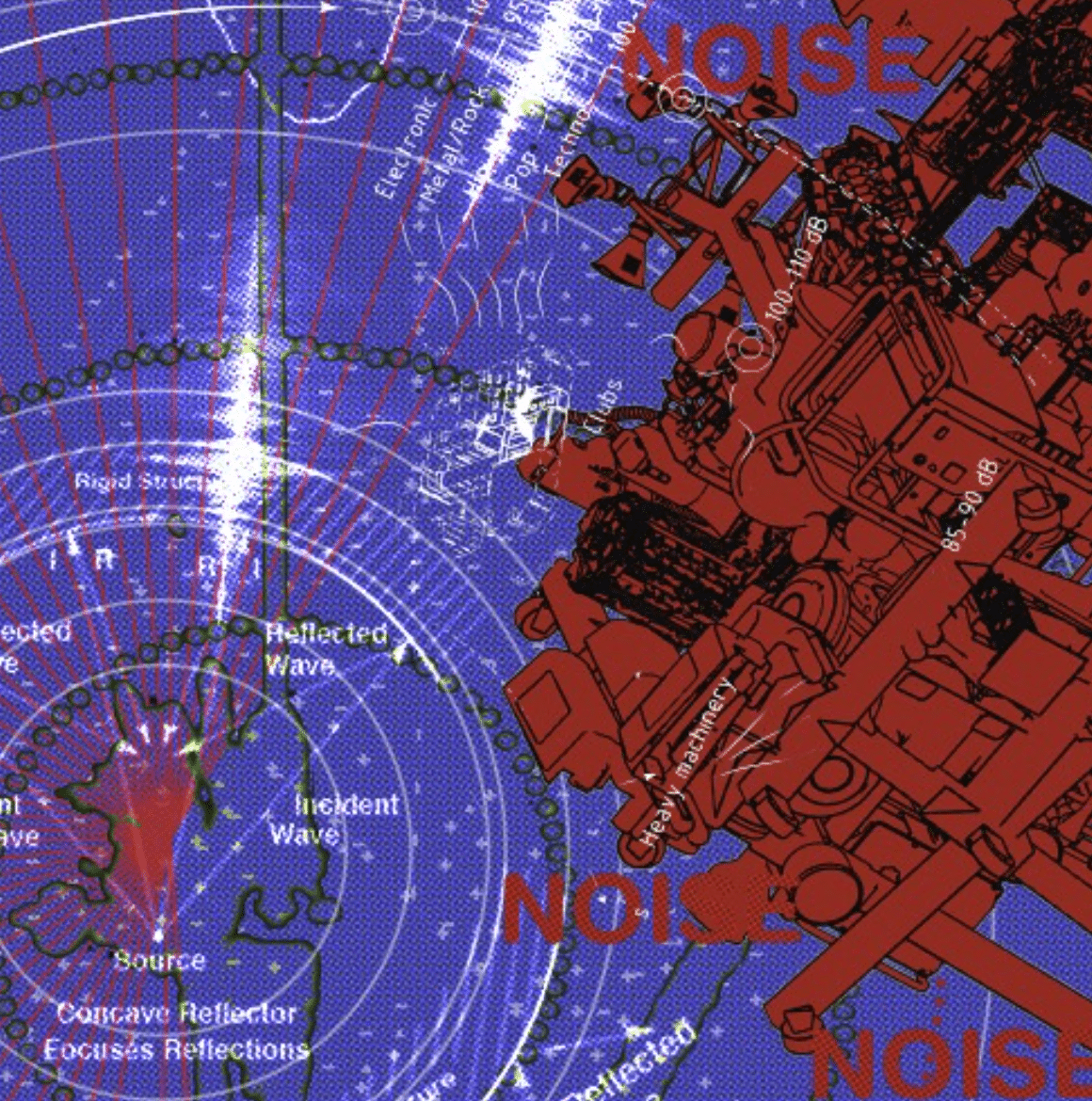
Construction fractured an ecosystem, and listening began to heal it The Echoes We Buried is a speculative eco-fiction set in a fractured Barcelona, where construction noise disrupts not just human life but the deep, vibrating language of ecosystems. As species falter and signals blur, one person begins to listen—to the pressure, the silence, the unraveling. … Read more
