Within the current global context of rapid change, integrated with the potentials of digital technologies, IAAC’s Master in Advanced Architecture (MAA) is committed to the generation of new ideas and applications for Urban Design, Self Sufficiency, Digital Manufacturing Techniques and Advanced Interaction.

In this context IAAC works with a multidisciplinary approach, facing the challenges posed by our environment and the future development of cities, architecture and buildings, through a virtuous combination of technology, biology, computational design, digital and robotic fabrication, pushing innovation beyond the boundaries of a more traditional architectural approach.

Filters
Course

The Kinetic Node Pavilion

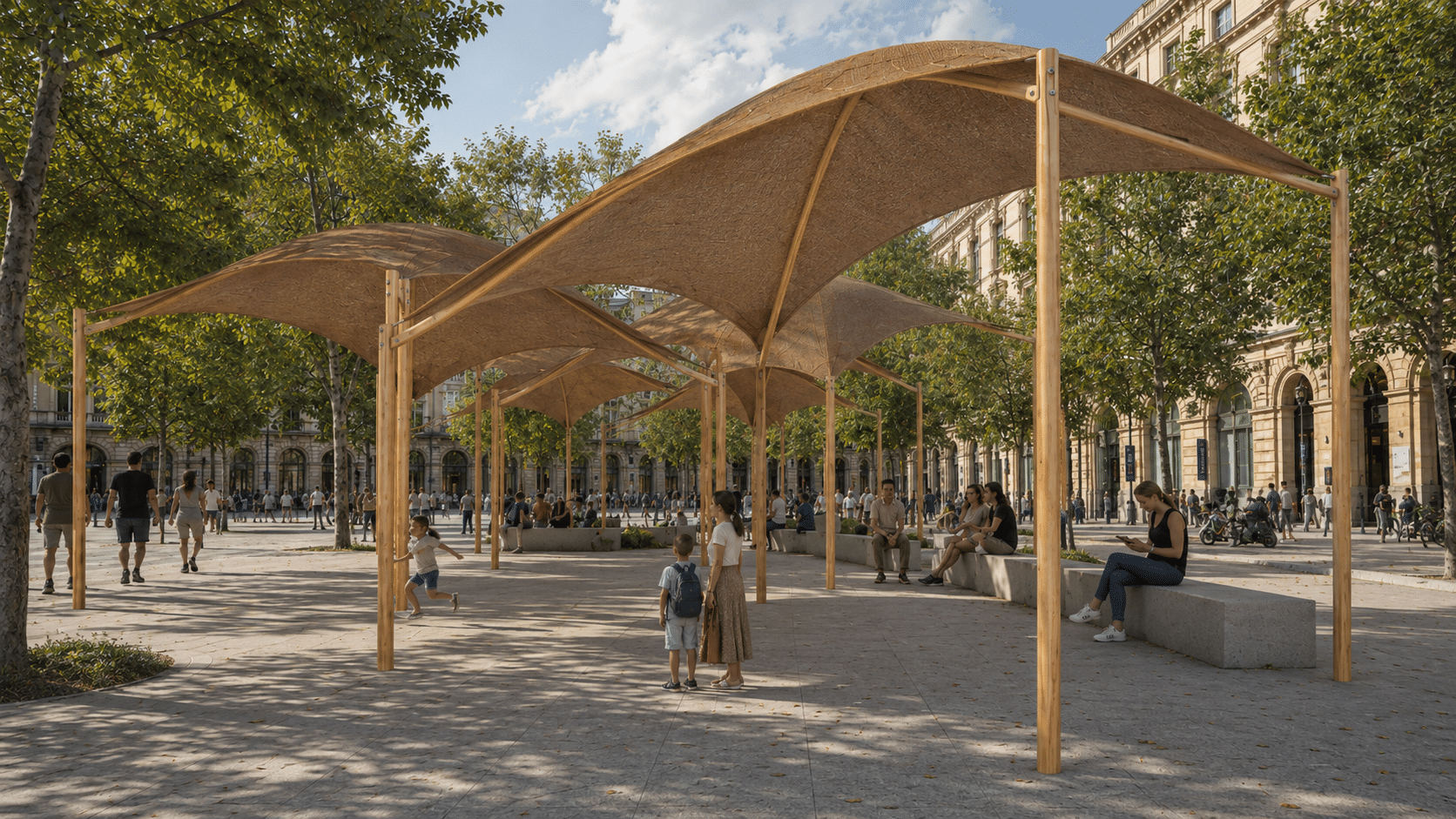
Architectural render of the final timber pavilion, showing integrated ramps for skateboarding and shaded areas for pedestrians.

The Kinetic Node proposes a dynamic pavilion located in the central pedestrian zone of Plaça de la Universitat, Barcelona. Developed within a computational design seminar, the intervention explores the intersection of generative algorithms and active public space. The design utilizes parametric tools to generate a fluid structure where architectural form seamlessly transitions into skateable terrain, … Read more

Palmetric

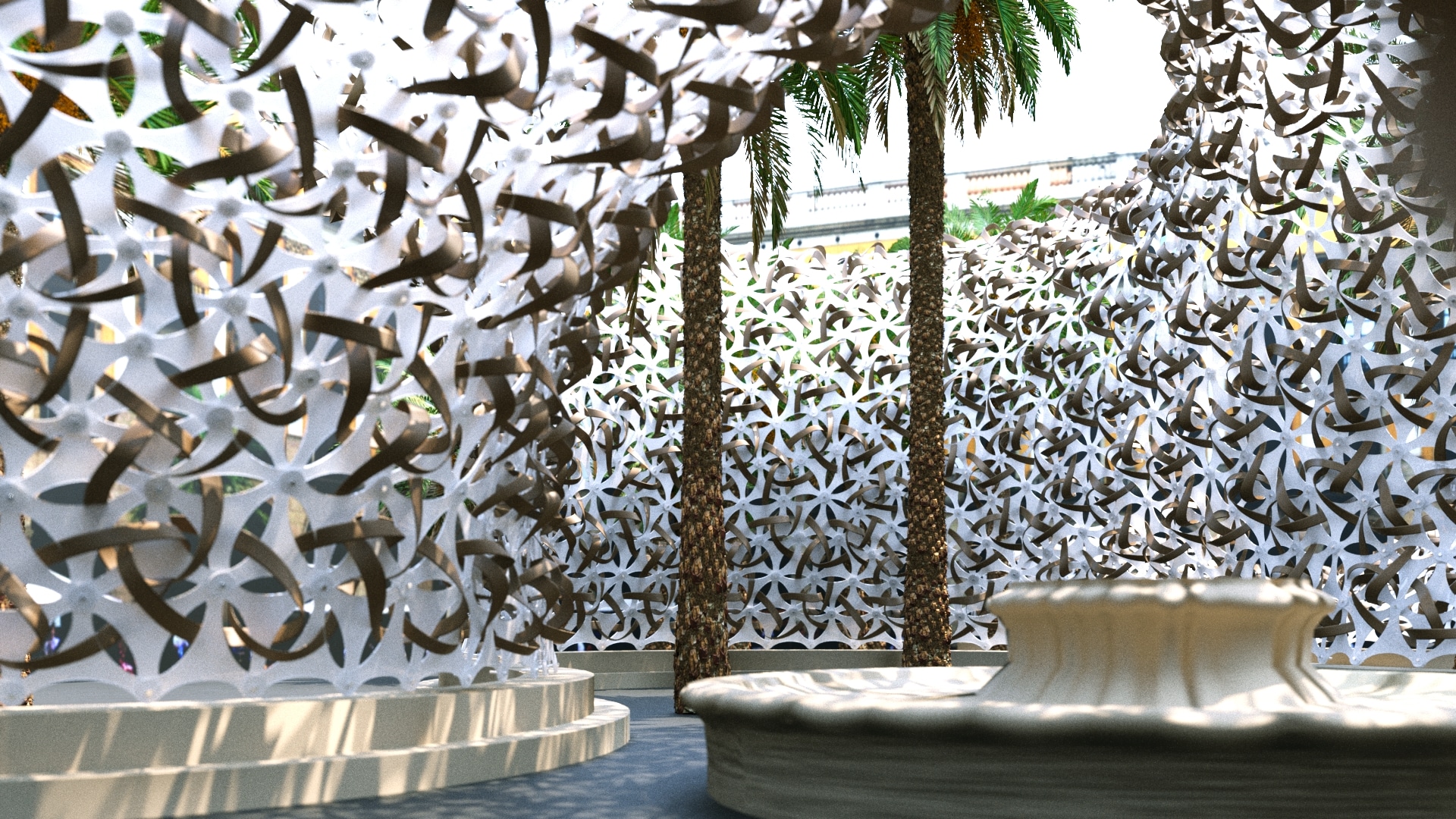
Site introduction The project is a pavilion conceived for the Plaça Reial (Royal Square) in Barcelona, Spain, which is a renowned, sophisticated square adorned with porticos, located just off Las Ramblas in the Gothic Quarter. This square is celebrated for its palm trees, fountain, lively nightlife featuring bars and restaurants, and serves as a central … Read more

The Can Ricart Regeneration Project

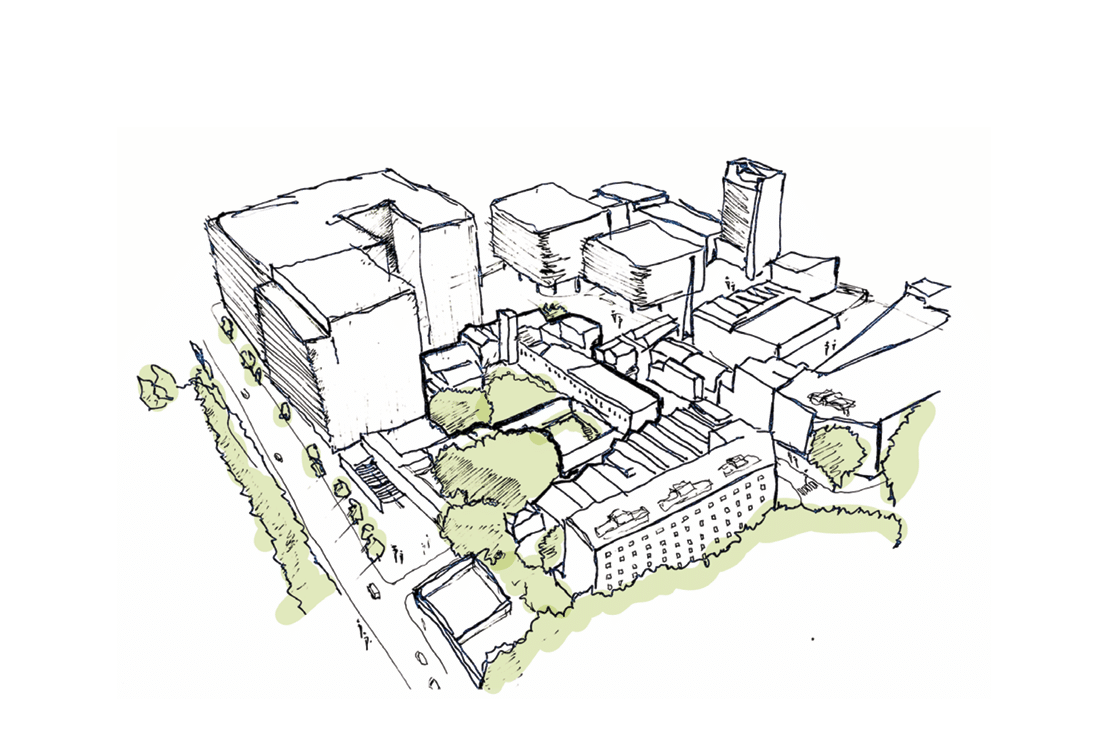
Design Ethos This project seeks to explore how issues of stagnation and obsolescence can be tackled whilst still enabling socio-economic and technological developments of our urban spaces. It will explore how they can be applied within architecture to evaluate how we can more effectively address issues of erasure whilst still permitting modern interventions and advancements … Read more

LumiMaze

The goal of this project is to design a smart light maze that reacts to the movement or presence of people. In this system, the paths and walls of the maze are made of colorful LED strips (such as NeoPixel), which light up dynamically and interactively as participants move through the maze. When a person … Read more

AutoAdapt

All seats in public areas are typically uniform in height; however, individuals differ in stature. When a seat is elevated, a child may find it challenging to access, whereas a low seat could cause discomfort for a taller individual. The optimal proportion is that the chair’s seat height should be approximately 25% of your total … Read more

Urban Matrix

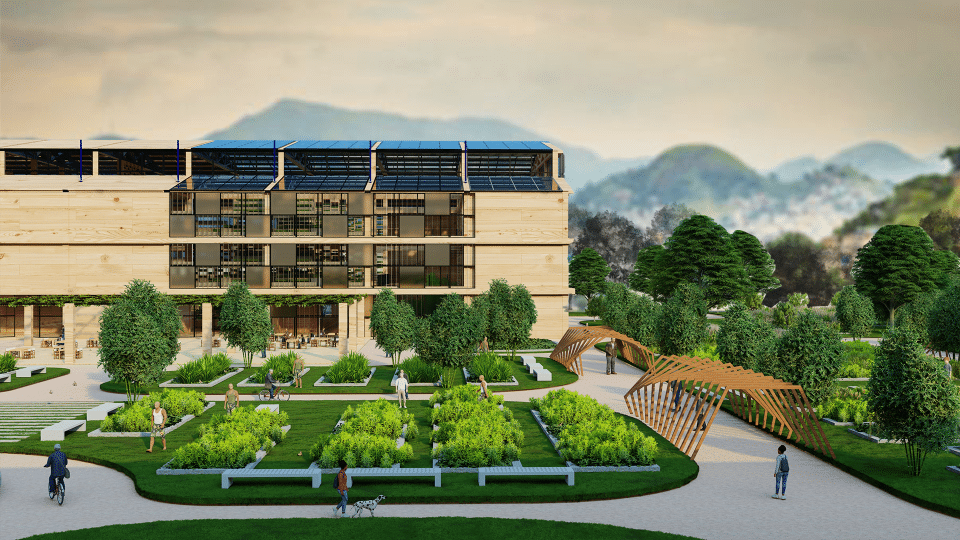
Abstract Our project, addresses the need for Productive Justice for Self-Sufficiency in Mesquita, a municipality in Rio de Janeiro marked by socio-economic challenges such as food insecurity, water scarcity, infrastructure deficiencies, and a strong dependence on government subsidies. Our strategy transforms residual urban spaces-abandoned plots, unused corners, canal edges-into a Productive Web of interconnected hubs … Read more

The Palace of Trash

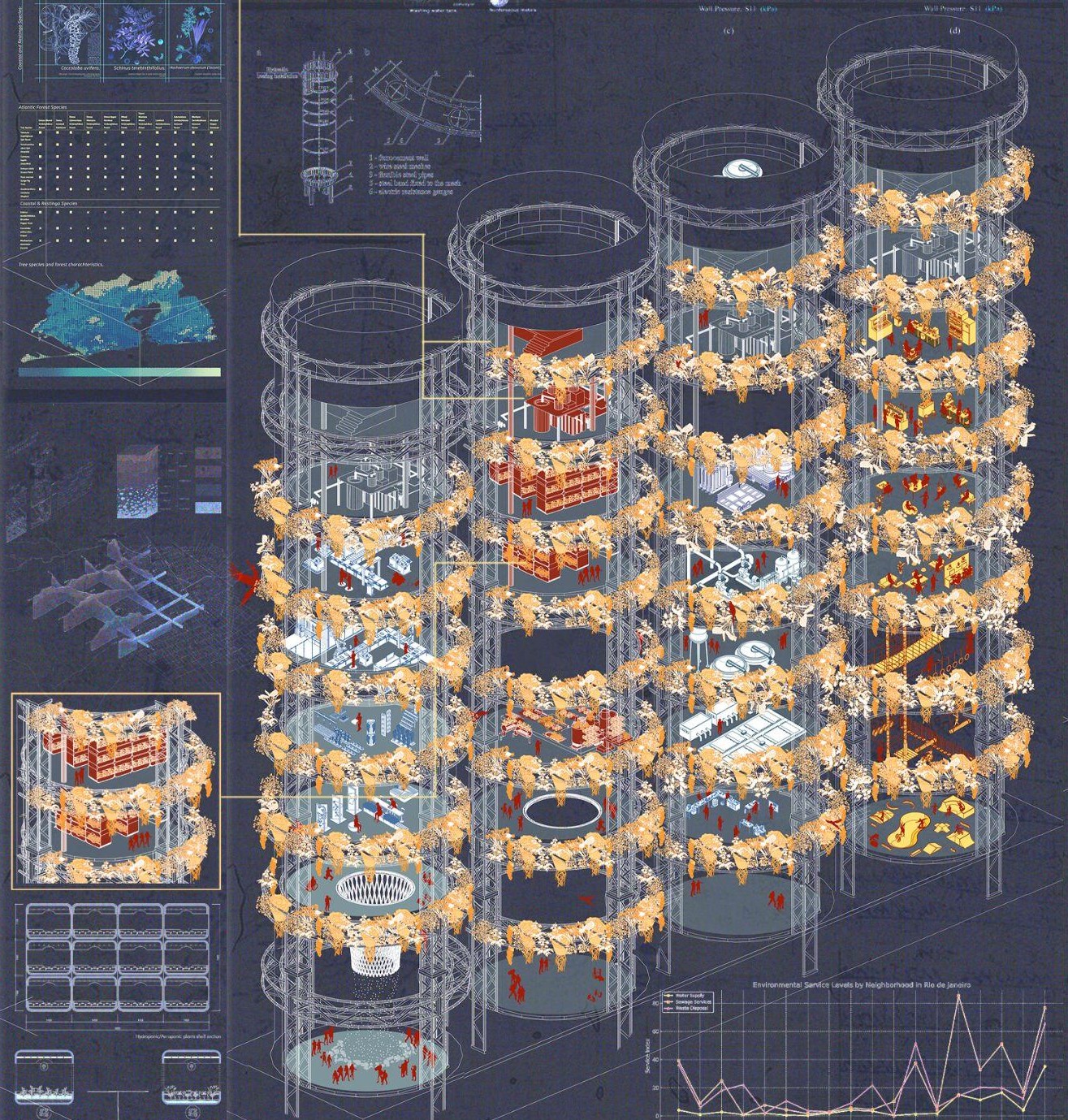
This project reclaims abandoned silos in Rio de Janeiro as neighborhood-scale infrastructures for ecological justice. It builds a circular system where waste is not only recycled, but revalued through community collaboration. Organic and material waste become part of urban greening and pollination strategies, empowering catadores and youth as co-creators. Through reuse, education, and biodiversity enhancement, … Read more

Domus-X

DomusX is a modular pavilion designed using the Assembler plugin in Grasshopper, exploring parametric assembly systems for adaptive architecture. The structure consists of interlocking components that can be easily reconfigured or expanded, allowing flexibility in design and use. DomusX promotes sustainable, site-responsive design through modularity and digital fabrication. DomusX leverages Assembler’s generative capabilities to create … Read more

Re – Rio_ The Next 10 years

Redesigning the Municipality of Mesquita for Productive Justice: A Sustainable Urban Transformation Productive Justice “Productive justice for self-sufficiency” refers to the frameworks and practices aimed at enhancing individual and community self-reliance while promoting social justice. Productive Justice Through Architecture and Urban Planning State Of The Art Collectives/Case Studies Rio De Janeiro _Productivity Focused Research on … Read more

Re-Rio: Ecological Justice

This project explores ecological justice through the lens of waste inequality in Rio de Janeiro. Focusing on the Gamboa neighborhood and the repurposing of the historic Moinho Fluminense silos, we propose a decentralized recycling system connected to local waste streams. By integrating informal and formal actors—such as catadores and recycling industries—we aim to reduce landfill … Read more

Sant Felip Neri Pavilion

Master in Advanced Architecture Computational Design Seminar Yetkin Demir / Giovanny Gordillo SITE Placa De Sant Felip Neri is a small square located in the Gothic quarter. Bearing scars from the Spanish Civil War in 1938, this plaza holds a tragic past. Surrounded by the church and mixed use buildings, this square serves as a … Read more

BIOGENESIS

TRANSFORMING WASTE INTO SUSTAINABLE MATERIAL RESOURCES The goal is to convert various types of waste into sustainable resources, establishing a circular economy that enhances environmental benefits by repurposing waste, promoting renewable energy, and encouraging innovation in bioproducts. This site, like many others around the world, holds the memories of a different time. What happens when … Read more

Roots & Routes

BIODIVERSE PUBLIC SPACECollaborative Design with Humans and Non-humans The Besòs River in northeastern Spain flows through Catalonia from the Montseny mountains to the Mediterranean Sea near Barcelona, covering about 17 kilometers. Once heavily polluted by industrial waste and urban runoff, it has undergone significant environmental restoration, improving its water quality and accessibility for wildlife and … Read more

Pixel ecology

Succession Landscape Strategy of succession through the creation of ecological island Site ANALISIS PROJECT MATRIX CONCEPT Strategy of succession through the creation of ecological island MASTERPLAN THE COMPONENT THE ISLANDS Island 01 Island 02 Island 03 SUSSECCION STRATEGY HOW IT WORKS VIDEO MODEL