Within the current global context of rapid change, integrated with the potentials of digital technologies, IAAC’s Master in Advanced Architecture (MAA) is committed to the generation of new ideas and applications for Urban Design, Self Sufficiency, Digital Manufacturing Techniques and Advanced Interaction.

In this context IAAC works with a multidisciplinary approach, facing the challenges posed by our environment and the future development of cities, architecture and buildings, through a virtuous combination of technology, biology, computational design, digital and robotic fabrication, pushing innovation beyond the boundaries of a more traditional architectural approach.

Filters
Course

Forces of Nature

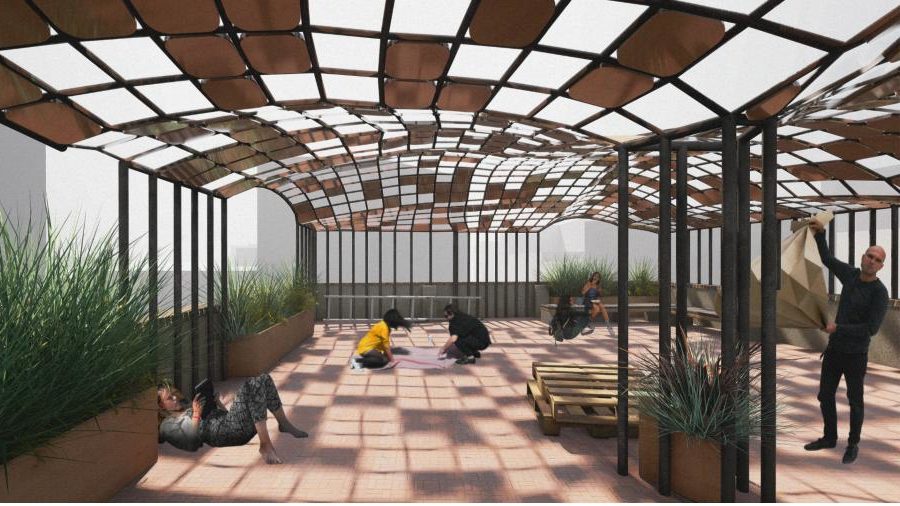
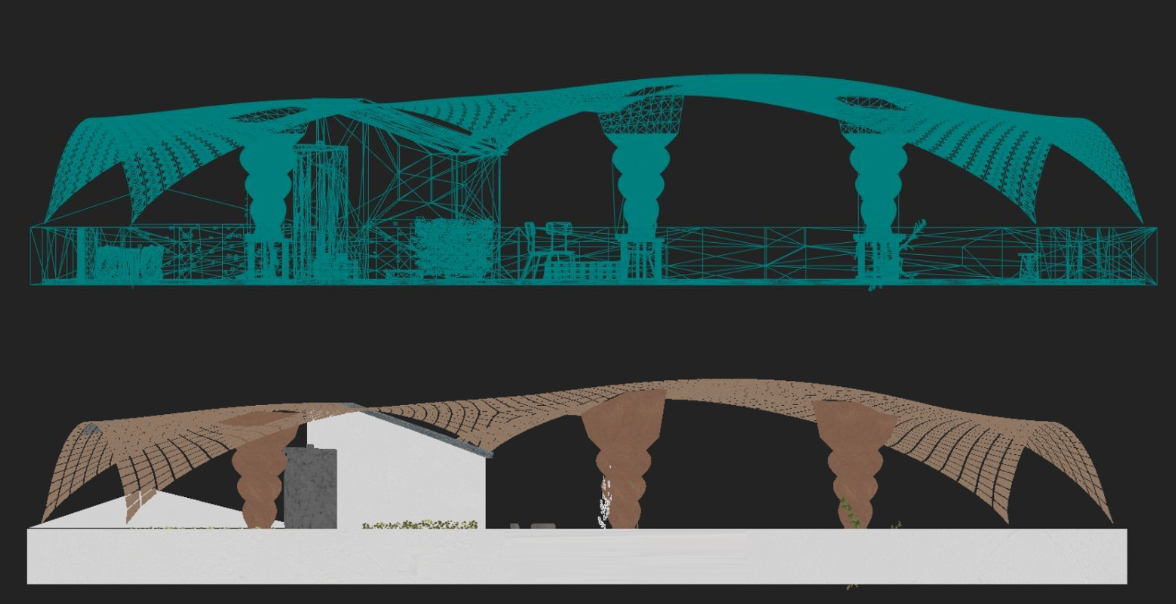
This project explores the use of various physics simulations using Kangaroo in order to reach a structurally viable design proposal for the IaaC rooftop. The design relies on a combination of specific behaviors (below) that have been calibrated to achieve the desired form.

Forces of Nature

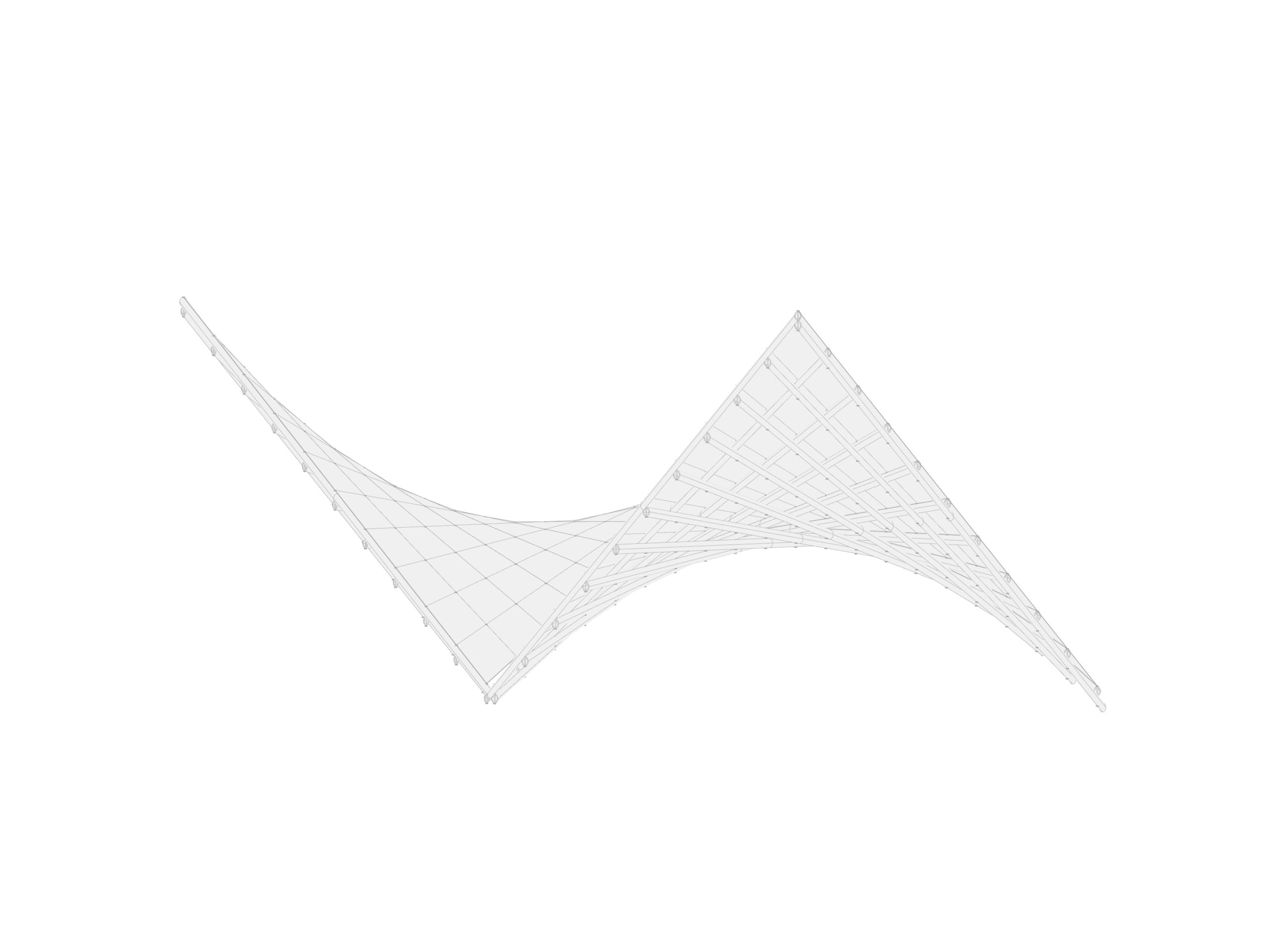
HYPERBOLIC PARABOLOID ROOF This research project in the field of architecture aims to investigate the application of physics simulations in the form-finding process of designing live-interactive installations using Kangaroo, located in IAAC’s rooftop. The design strategy is creating a simple geometry based on forces in compression and tension on different points. The pavilion’s sail-like plane … Read more

FORCES OF NATURE: BLUE SADDLE ROOF

This project was developed in the Computational Design Seminar with the goal of proposing a new installation for the roof of IAAC’s main building using parametric design through Grasshopper and Kangaroo components. The resulting structure aims to improve the quality of the open area, adding shade, light, and shadow effects and creating a base for … Read more

FORCES OF NATURE / Flower Power

The aim of the design was to create a space that evokes a sense of enclosure but is still open and lightweight. This led us to the concept of designing our pavilion from minimal surfaces inspired from geometries exhibited in nature such as plants, mushrooms and corals. The intention was to fabricate it using strip … Read more

Forces of Nature:

“Arachnid Maze” Abstact The aim of the design was to create a recreational space on the rooftop of the main IAAC. The intention was to design a “spider net” inspired by testing materials that included hair, bones, spider webs, and seashells. We simulated our design via physics simulation springs that are able to hold multi … Read more

FORCES OF NATURE / TWIST FUNNEL PAVILION

Brief “This investigative research project in the field of architecture aims to investigate theapplication of physics simulations in the form-finding process of designing live-interactiveinstallations.”The research objective is to build a user-friendly interface that enables real-time manipulation of forces as design parameters, the goal of replicating real-life behaviors by using kangaroo as a main engine. With … Read more

Forces of Nature

Force of Nature – Circle of Force Circle of Force emerged as a research project for studying the form-finding process by applying physics simulations interactively with grasshopper plugin Kangaroo. Our objective is to create a user-friendly design where they can spend time on IAAC Pujades Campus rooftop. Design drives: Parameters for Base Geometry The Base … Read more

Forces of nature

Funicular canopy The aim pf the project is to design a funicular canopy on the IAAC rooftop using computational design tools. State of the art BUGA WOOD PAVILLIONICD/ITKEUNIVERSITY OF STUTTGART The BUGA Wood Pavilion celebrates a new approach to digital timber construction. Its segmented wood shell is based on biological principles found in the plate … Read more

Possibilities of Reciprocal Timber Structures in the Formation of Space

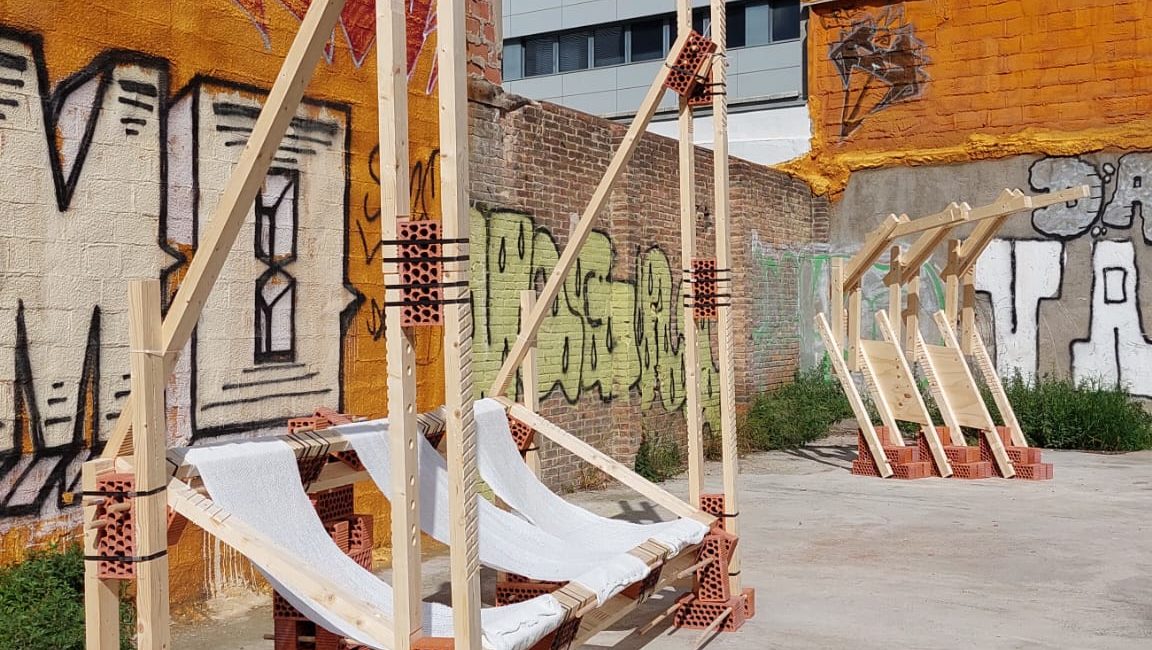
Possibilities of Reciprocal Timber Structures in the Formation of Space is a project that aimed to explore the potential of using reciprocal timber structures to create innovative and functional spaces. The projects main goal is to leverage both traditional artisanal technologies and modern digital tools to create structures that combine beauty, functionality and sustainability. The … Read more

The Spaces in Between

The objective of this project was to investigate the potential of the pick and place technique in producing a compelling vertical element that showcases the precision of robotic fabrication. Our column boasts an intricate design of oscillating, twisting triangles that expand and contract throughout the height of the structure. The purpose of this design is … Read more

Timber Zipper

The goal of this project is to comprehend the pick-and-place robotic fabrication process using timber members and how to optimize the process using design choices. By experimenting with various twist, rotate, shift, mirror, and scale actions, column typologies that eventually took the form of a zipper-like column were created. The exercise helps us to understand … Read more

TOWER TWIST

Concept Catalogue Main Catalogue Weekly Catalogue Catalogue of the digital exploration Parameters Digital input and ABB Fabrication Physical Limitation of fabrication Design Analysis Rules of the Proposed Geometry Layers: 30N. of Sticks: 120Pivot angle Increment: y = sin (x)Total Rotation: 160* Rotation’s Logic Column Making: The 3 modules Comparison Physics Simulation | Robot Simulation | … Read more

DESIRE

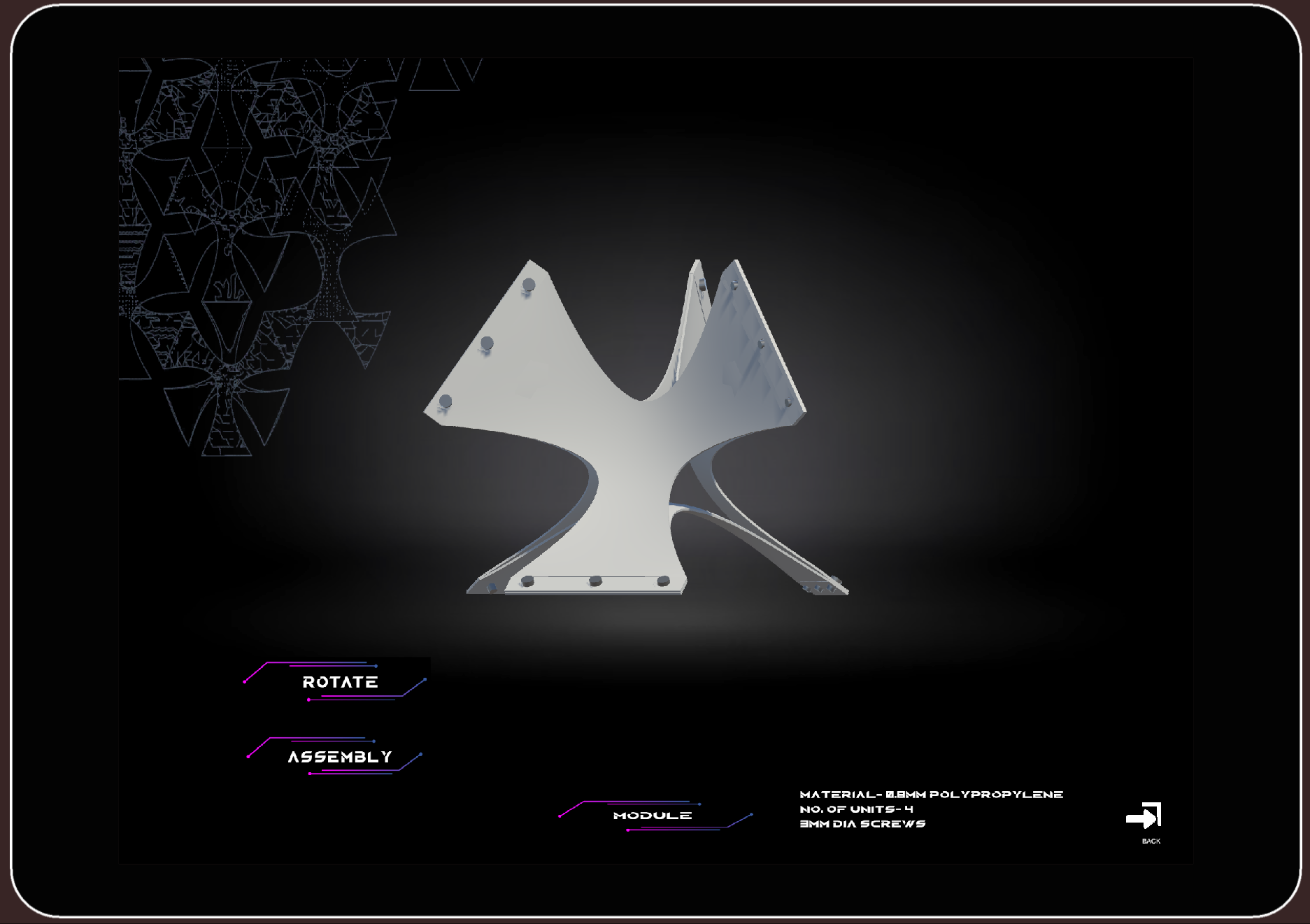
DESIgn for REassembly “Design for Dis- and Re-assembly; From a column at the Mobile World Congress in Barcelona to inhabitable space Valldaura, to…?” Our aim for the course is to design 4 columns for the World Mobile Congress, which then will be reassembled and transformed into roofs, walls, and foundations for a small construction in … Read more