During the second year of the Master in Advanced Architecture + Thesis Project (MAA02), students have the unique opportunity to work for a period of 1 year on an Individual Thesis Project, focused on the development of a research or pilot project based on the student’s interest, and the learnings of the first year. IAAC supports the student in selecting their Thesis Project topic in order to better orient them according to their future career interests and opportunities. Each student, according to their specific topic, is assigned one or more Thesis Advisors that follow the development of the work throughout the year.

In parallel to the development of the Individual Thesis Project, the second year of the MAA02 offers a series of seminars enhancing the theoretical, practical and computational skills of the students.

Filters
Course

HiveNet: Pollinators as Environmental Monitors

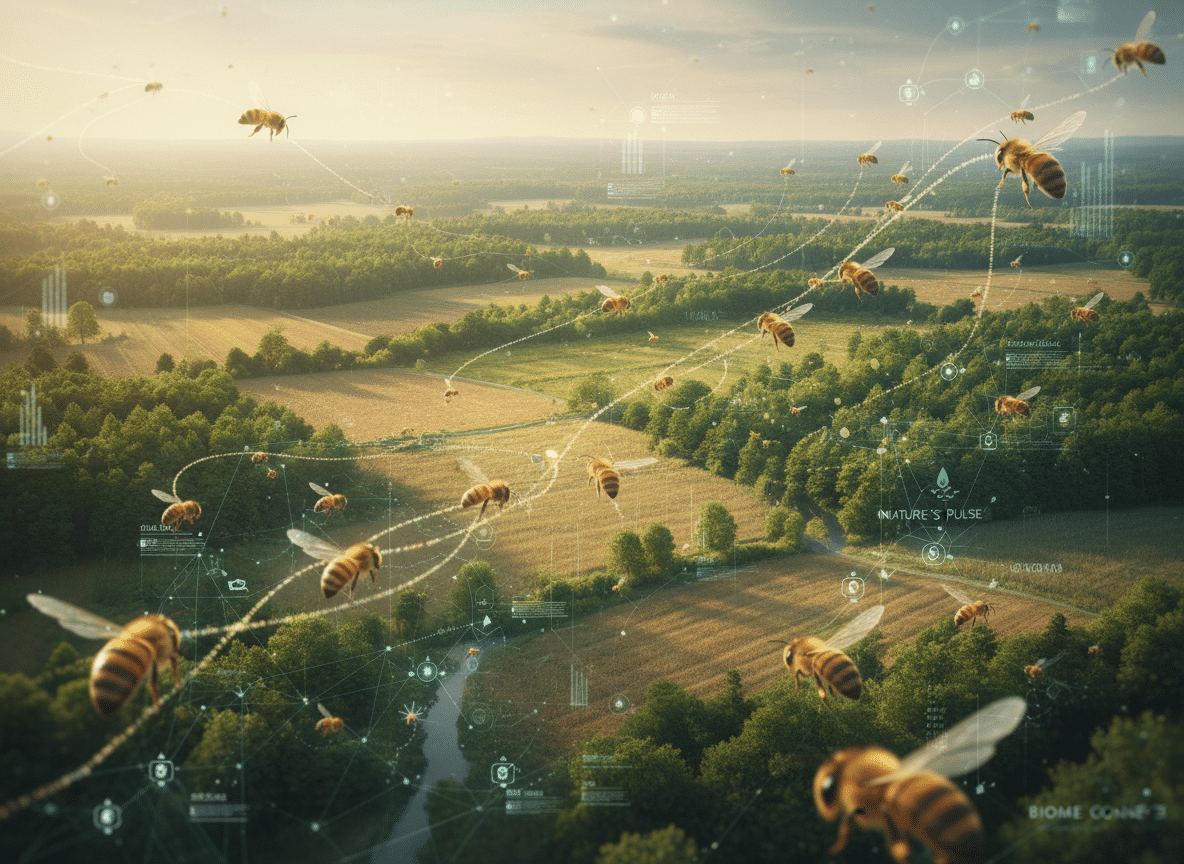
This project explores how ecological monitoring can be integrated into rural economies through beekeeping in the Ebro Delta region, with a focus on the upstream village of Benifallet. Bees naturally collect pollen from surrounding vegetation, and the composition of this pollen reflects local plant diversity and environmental conditions. By equipping beehives with simple sensors and … Read more

FIREIGUANAS

INTROUCTION Building regulations are among the most critical and most cumbersome aspects of architectural practice. In Spain, the Documento Básico de Seguridad en Caso de Incendio (DBSI), part of the Technical Building Code (CTE), sets out detailed requirements for fire safety across every typology of building. Yet in most practices today, compliance validation remains a largely … Read more

IFCore Compliance Checker

During the AI in Architecture and Urbanism Seminar, our team built an automated compliance checking system that validates architectural projects directly from IFC models. Building regulation checks are traditionally manual, slow, and error-prone. Architects review 2D drawings, interpret regulations individually, and often wait weeks for compliance feedback. We asked a simple question: what if compliance … Read more

Large Scale 3D Printing with Bio-Based Materials

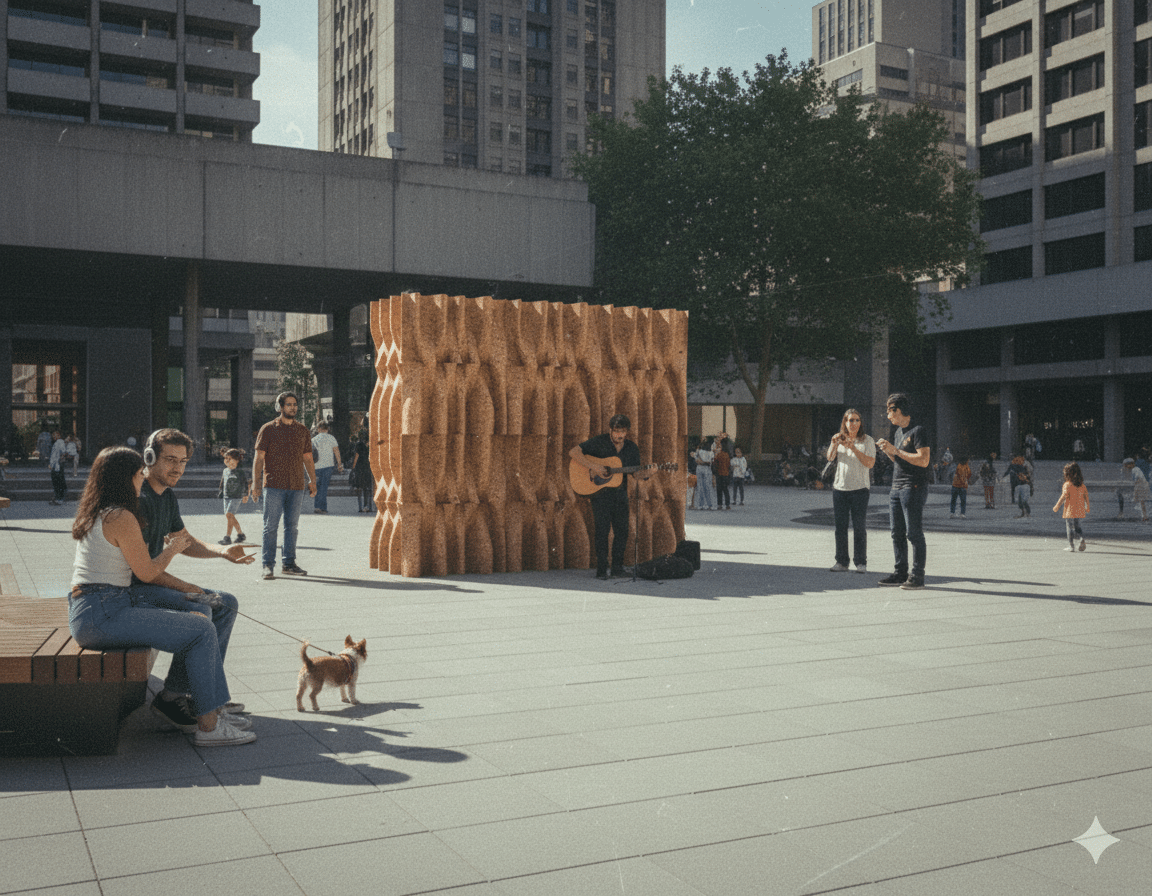
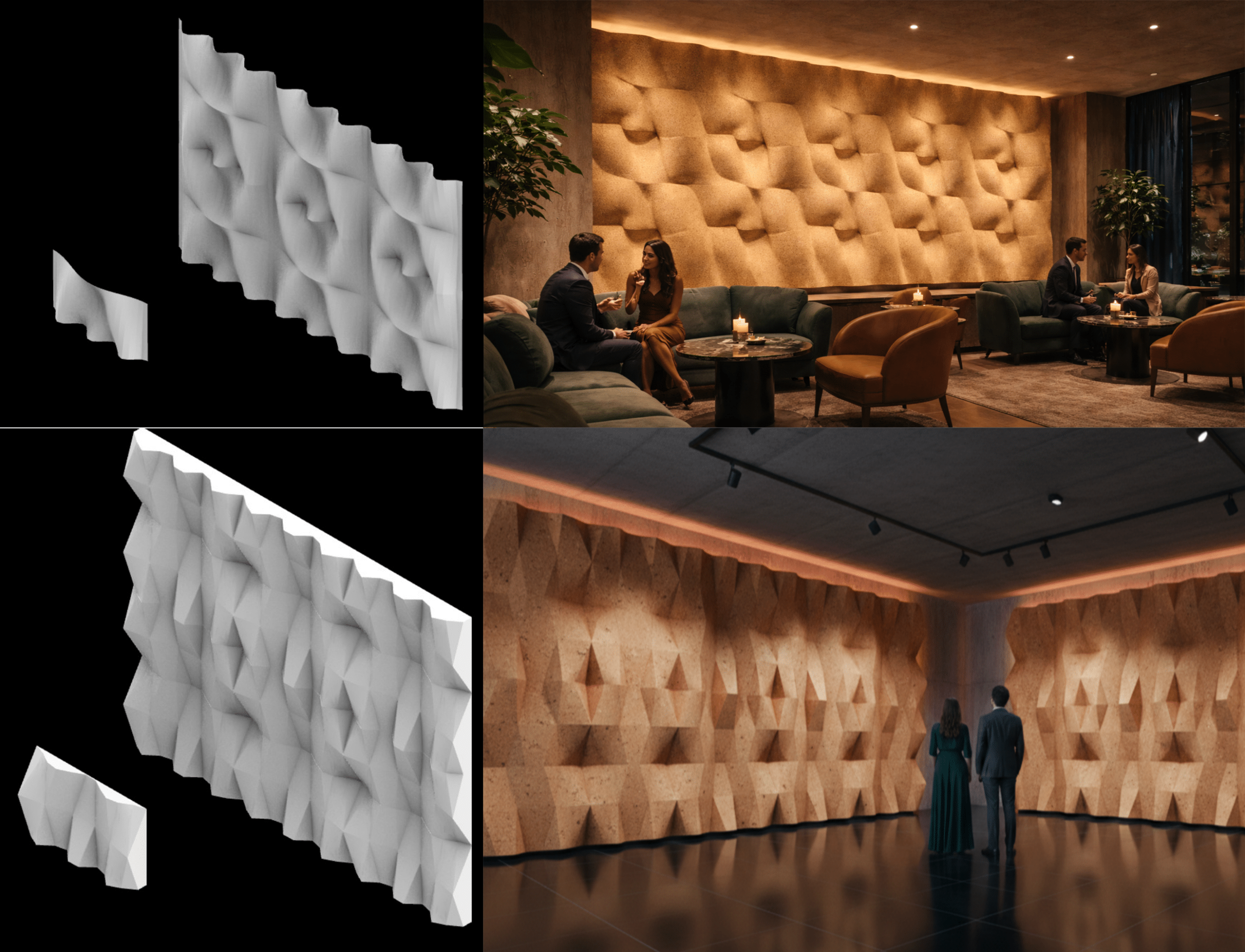
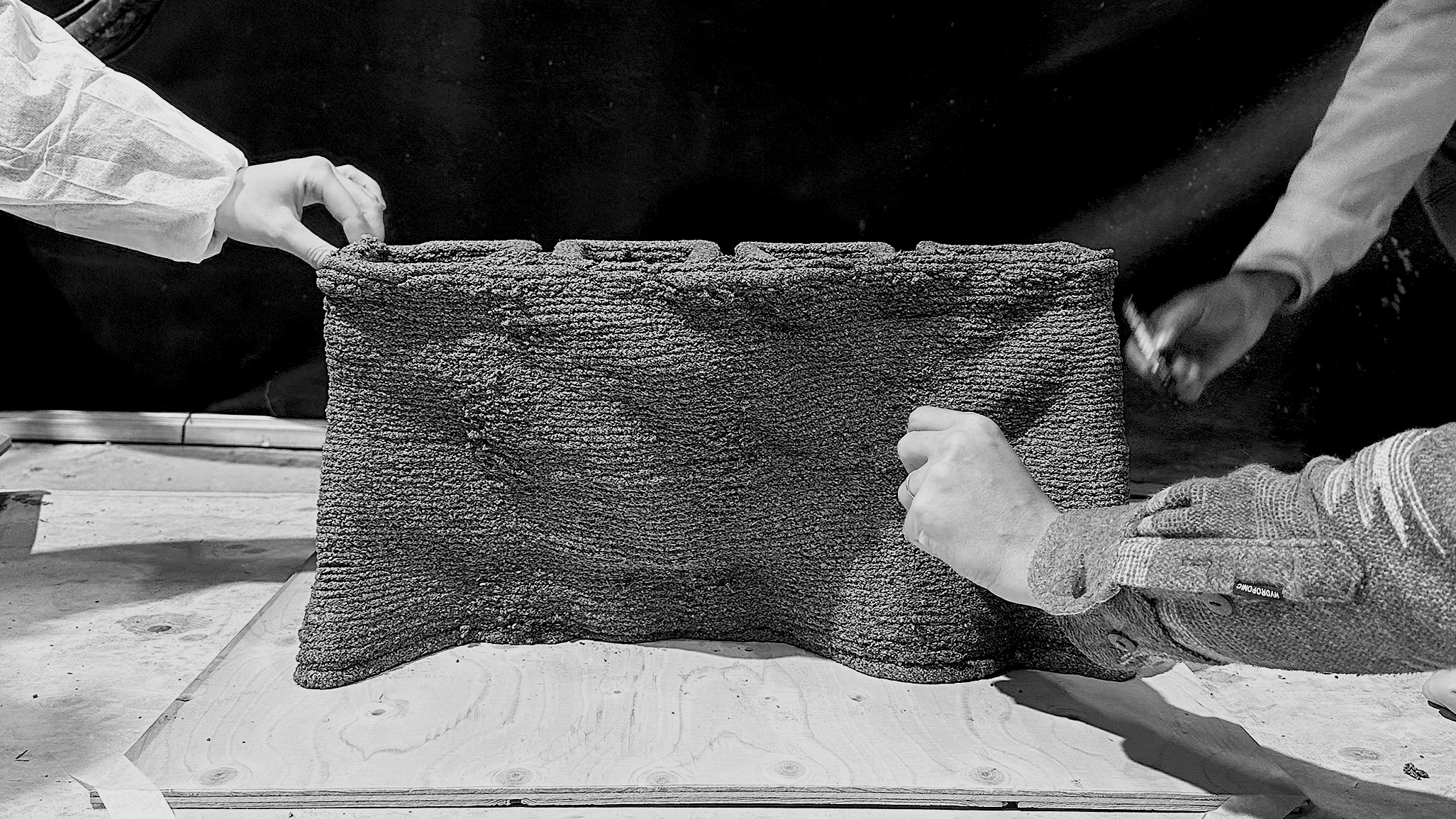
Our project for the Large-Scale 3D Printing with Biomaterials workshop focuses on the transition from conventional, high-emission construction to a circular, bio-based architectural model. Utilizing a 6-axis robotic arm, we have developed an acoustic envelope system composed of a cork-based bio-composite sourced from recycled stoppers. The research prioritizes a “File-to-Factory” workflow where computational geometry is … Read more

ADAPTIVE ATMOSPHERE LAB

Adaptive Atmosphere Lab

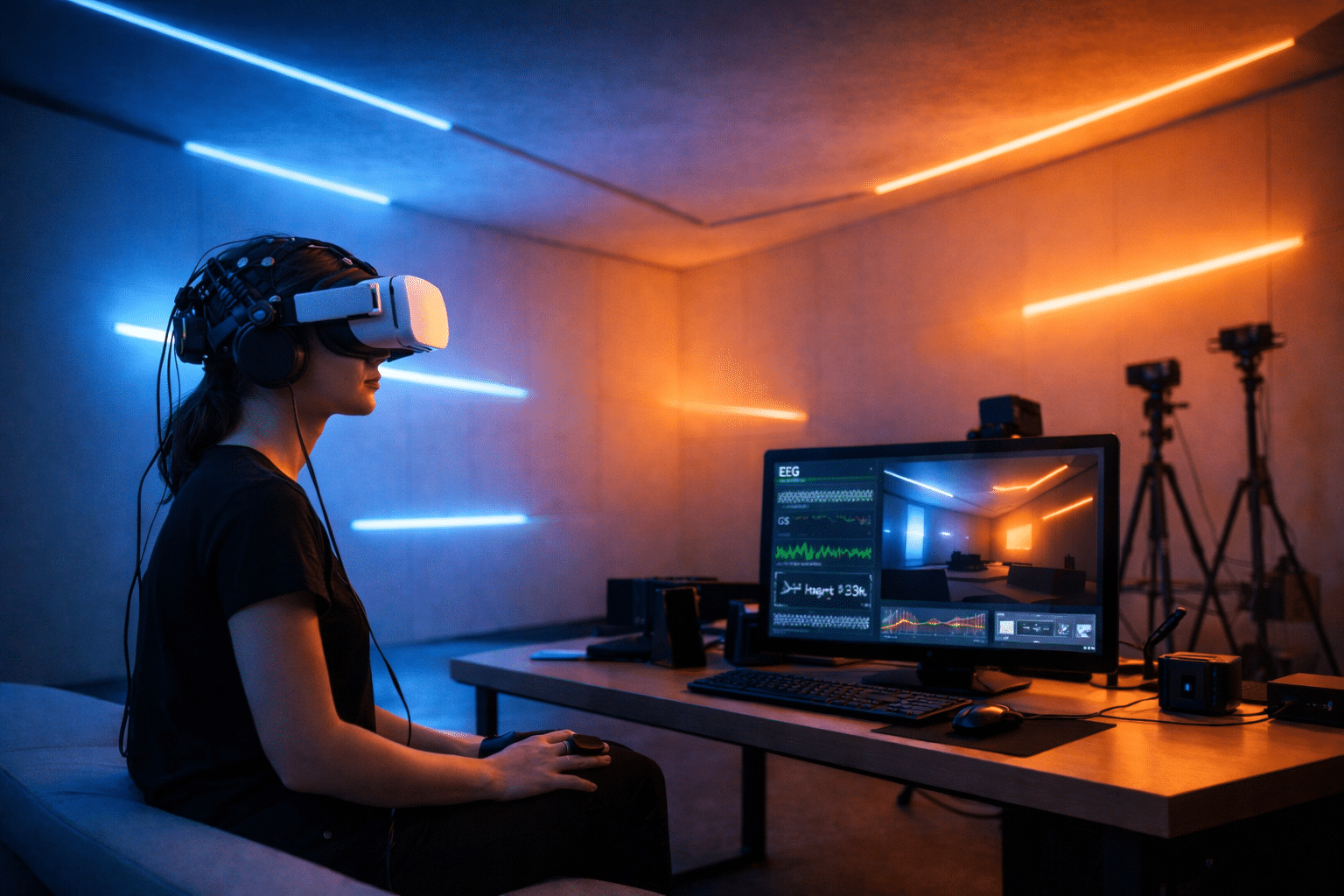
This project explores how light can respond to human emotions through biosignals. The main goal is to design an adaptive architectural space where lighting changes according to the user’s physiological data, such as EEG, ECG, and GSR. Instead of using light only for visibility, this research treats light as an empathic interface between the human … Read more

LAGOON RESCUE

Lagoon Rescue is an interactive spatial platform that examines the resilience of coastal lagoon systems under climatic and human-induced pressures by simulating how sediment deficit, storm intensity, salinity intrusion, and wetland degradation drive ecological instability, and how targeted interventions can influence lagoon stability over time. Simulation Interaction The platform functions as a decision-making interface that … Read more

ReSchool Ukraine

ReSchool Ukraine develops fast-build 3D-printed educational centers to support reconstruction in war-affected regions. Traditional construction is too slow and labour-intensive to meet urgent educational needs. Our modular 3D-printed classrooms can be built in 3–4 weeks, using 60–70% less onsite labour and lower-carbon materials. In 2025, we aim to launch three pilot projects with municipalities and … Read more

HOSTILE

Architectural Alienation In a world that is rapidly urbanizing itself, architecture holds immense power to shape the lives of individuals and how they experience the public space. Yet, architectural design often neglects the various needs of the community it is supposed to serve, leading to alienation and exclusion, particularly for marginalized populations. – 1.1.Hostile design  … Read more

Go with the Flow Term 2

Research Question: In my research I believe that by looking and understanding ancient vernacular passive systems and working with computer aided design and cfd wind analysis, we will be able to create a system that can manipulate airflow to cool a space. This data can then inform modernized plans and sections that use these strategies … Read more