
The MAA is a visionary master program with an innovative and open structure, mixing diverse disciplines, shaping professionals capable of producing theoretical & practical solutions towards responsive cities, architecture & technology.

After the Feed

*** “Is there a perception of transparency in digital societies which masks a more intrusive form of control than disciplinary institutions ever achieved?” CHARACTERS Professor Bratton Peluza Lucia Vela Minister Mouffe Arin Reporter Nox – FIRST ACT – Scene 1: The Ambush at the Café Door Place de la République, early evening.A rally forms under … Read more
Digital Fabrication Library
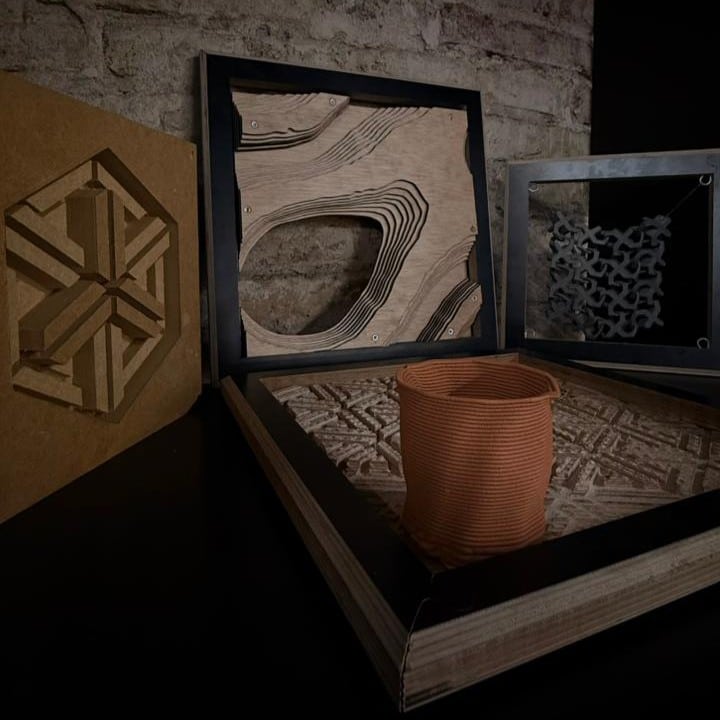
In today’s architectural landscape, digital fabrication has significantly expanded the way we design and construct building elements—offering unprecedented accuracy, efficiency, and formal freedom. Techniques such as laser cutting, CNC milling, 3D printing, and robotic manufacturing each bring distinct advantages in terms of material behavior, geometric complexity, and performance potential. RE:CELL Concept The Re:Cell is a … Read more
DIGITAL FABRICATION: Fabricating the Reef
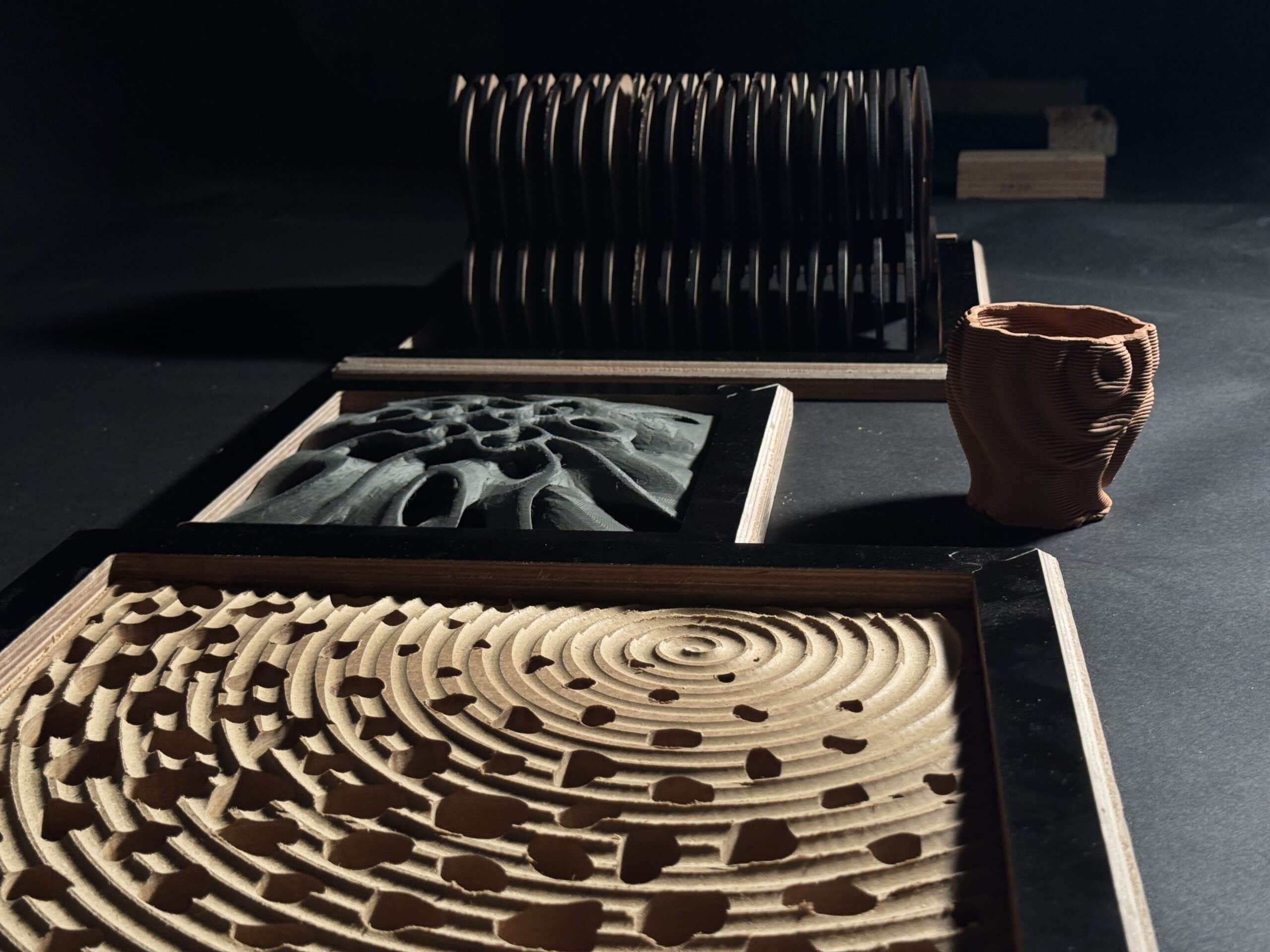
A series of four fabrication exercises completed over eight weeks, each using a different digital manufacturing method at IAAC: CNC milling, 3D printing, laser cutting and robotic clay extrusion. Although each piece explores a distinct workflow, we maintained a consistent design logic by referencing coral ecologies and seabed morphologies. CNC Milling – Coral Veil Coral … Read more
Morphologies of Making: Four Experiments in Digital Craft
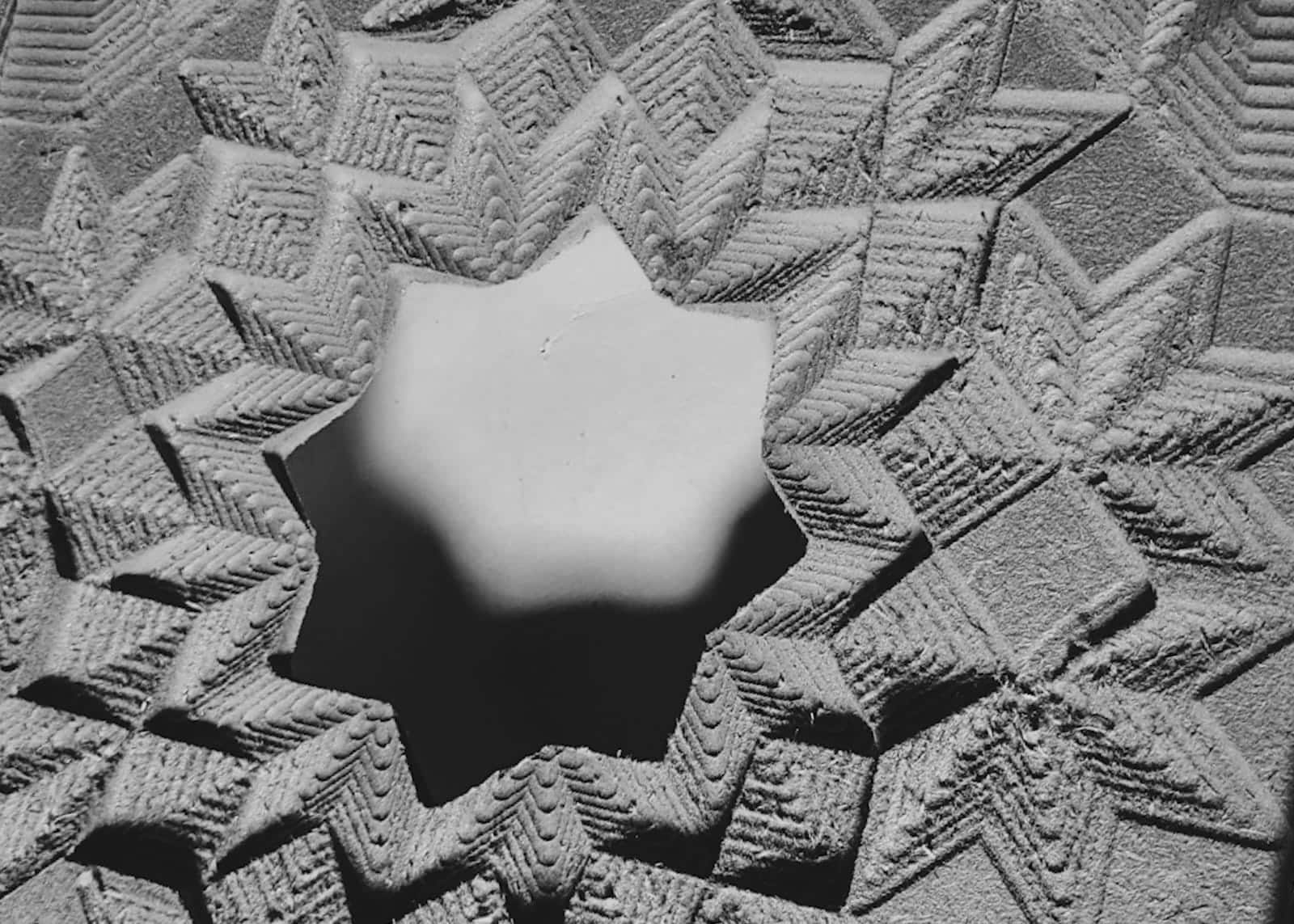
Our digital fabrication journey unfolds through four experiments that explore how material, geometry, and technology negotiate form. Each project challenges a different fabrication technique: laser cutting, CNC milling, 3D printing, and robotic manufacturing, while asking a deeper question: How does digital logic reshape the language of craft? Laser Cutting Tessellated Lightfield This project explores the … Read more
Tectonics of Digital Craft

Digital fabrication enables designers to explore geometries that go beyond traditional construction constraints. The exercise focuses on translating complex geometries into constructible systems that integrate material behaviour, joinery logic, and mass customisation. Each technique allows experimentation with unique fabrication constraints, informing the evolution of the vertical element design. The outputs serve as material and geometric … Read more
Digital Fabrication
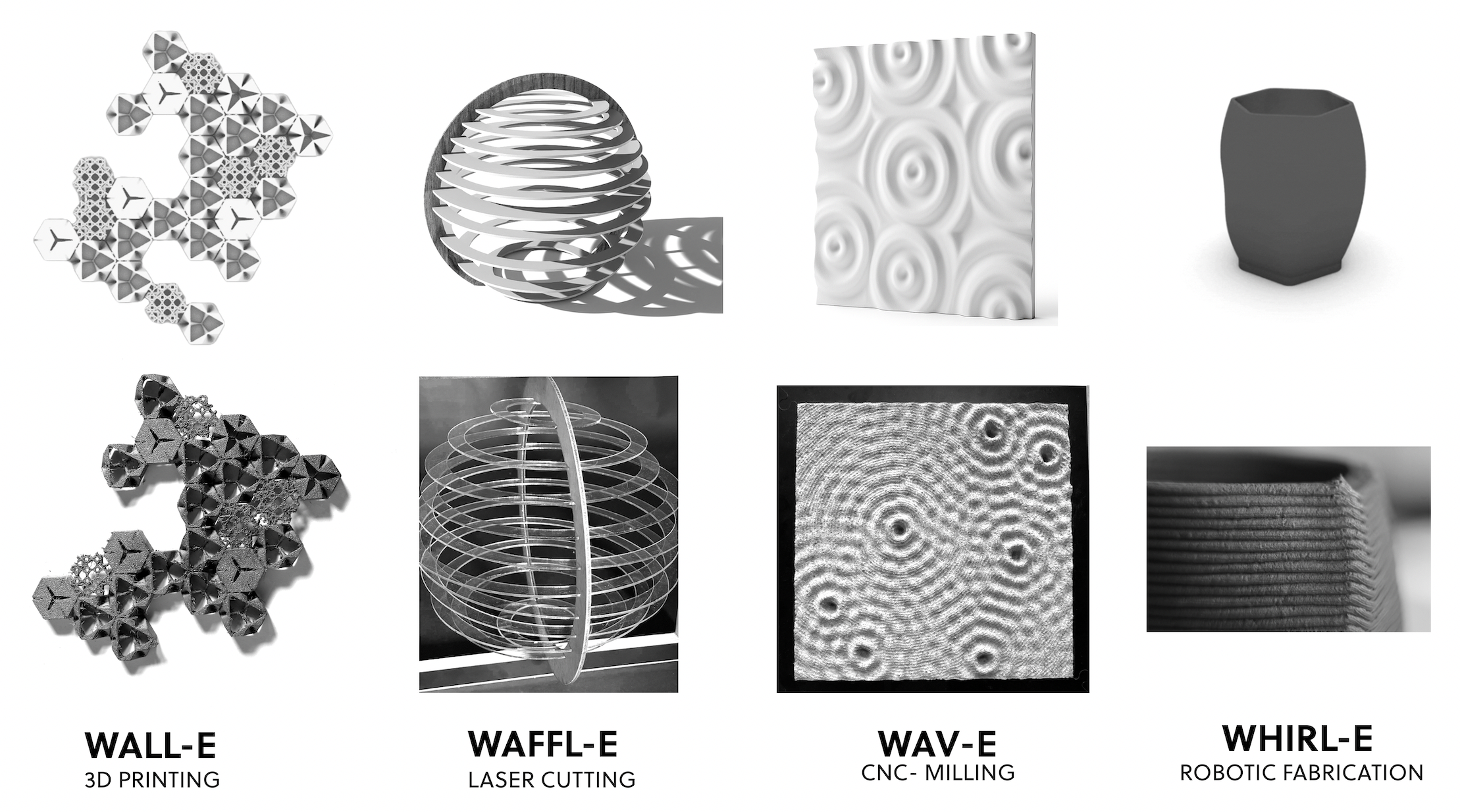
THE W-E SERIES WALL-E 3D PRINTING DESIGN INSPIRATION OBJECTIVE To create a modular vertical element that explores the capabilities of 3D printing and is simultaneously architecturally attractive, is structurally strong whilst using minimal material. DESIGN OPTIONS FINAL DESIGN CONCEPT By blending elements from previous prototypes, the final piece combines 2D and 3D forms to exploit … Read more
Axisential Fabrications
Architecture is entering a moment where the boundaries between design, technology, and material production are dissolving. As cities demand faster construction, customized spaces, and environmentally intelligent solutions, traditional methods alone no longer match the pace or precision required. Digital fabrication has emerged not just as a complementary tool, but as a transformative force reshaping how … Read more
Introduction to Digital Fabrication: A GAME OF DUALITY !
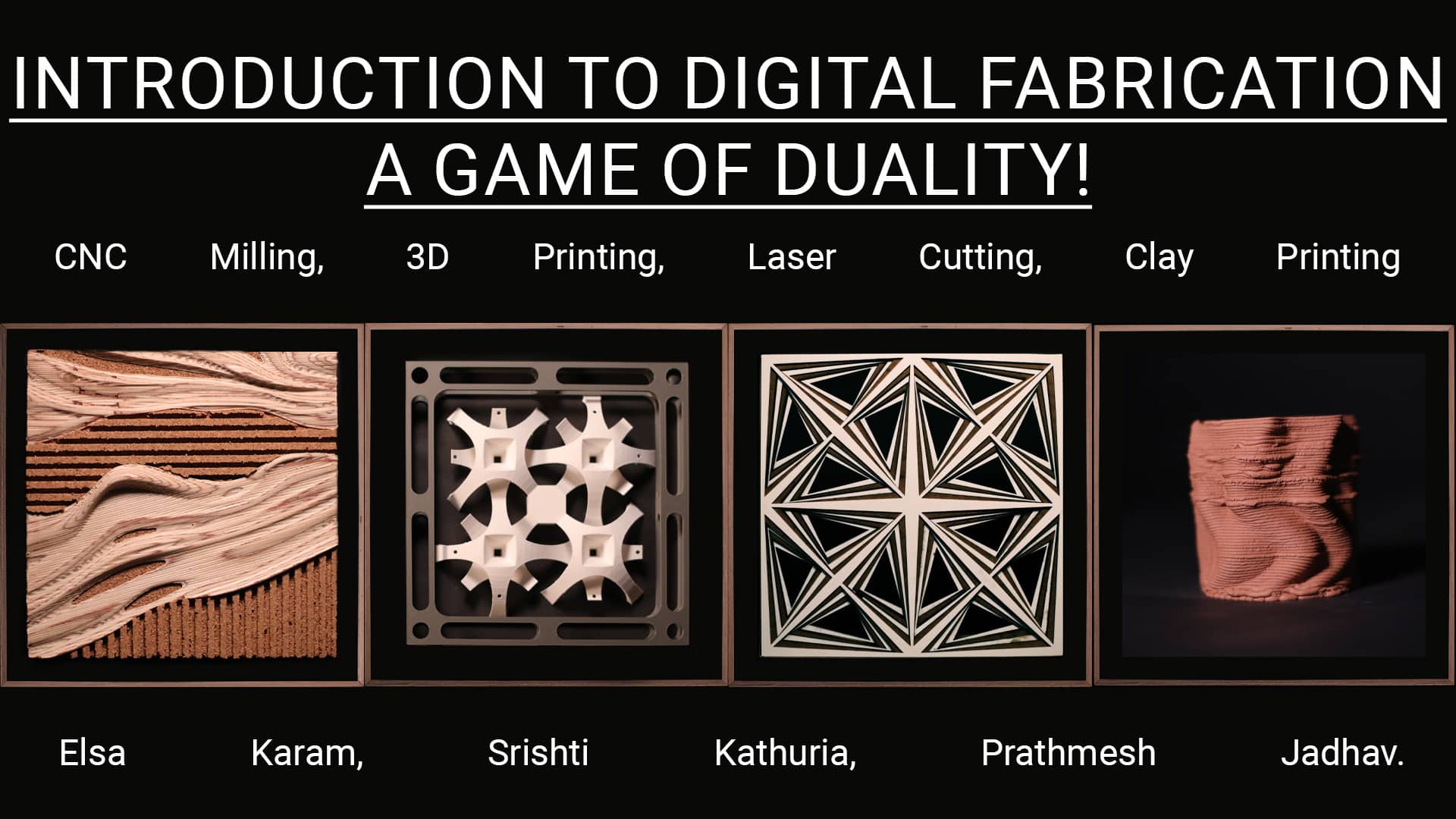
This term’s digital fabrication explorations investigated the expressive and technical potential of multiple fabrication methods laser cutting, CNC milling, robotic clay extrusion, and 3D printing. While each technique demanded a different workflow and material logic, a common thread emerged: the use of material duality to create depth, contrast, and spatial effect. By combining two materials … Read more
Machine Thinking
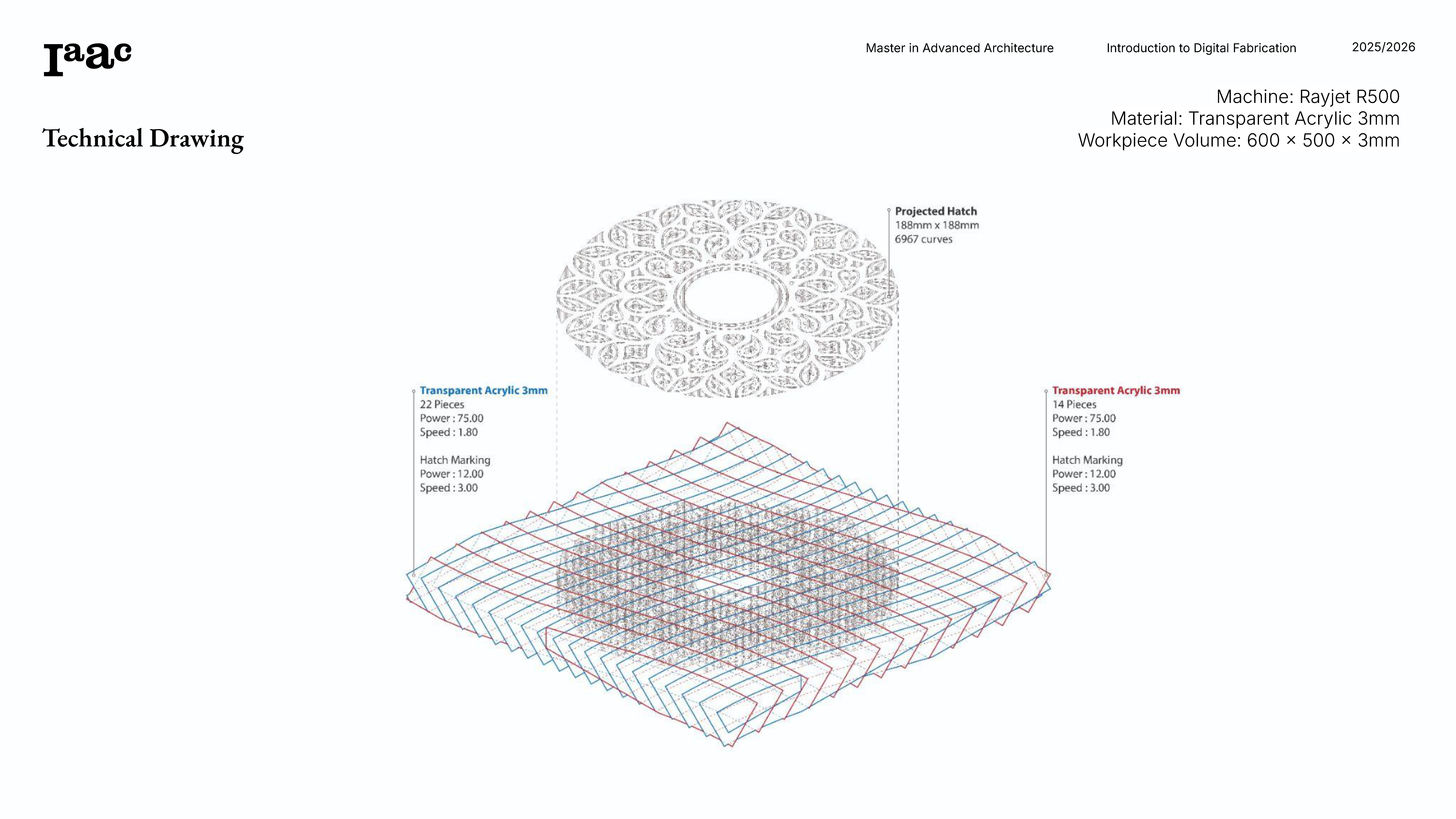
Introduction to Digital Fabrication Team : Sejin Park & Hasan Hirji CNC Milling During the CNC Milling process, RhinoCAM software automatically creates bridges; a necessary milling process outside of commands that one might use to manipulate material. We began with the idea of testing the frequency and depth of 2-axis bridging path movement presets to … Read more
Silent Light
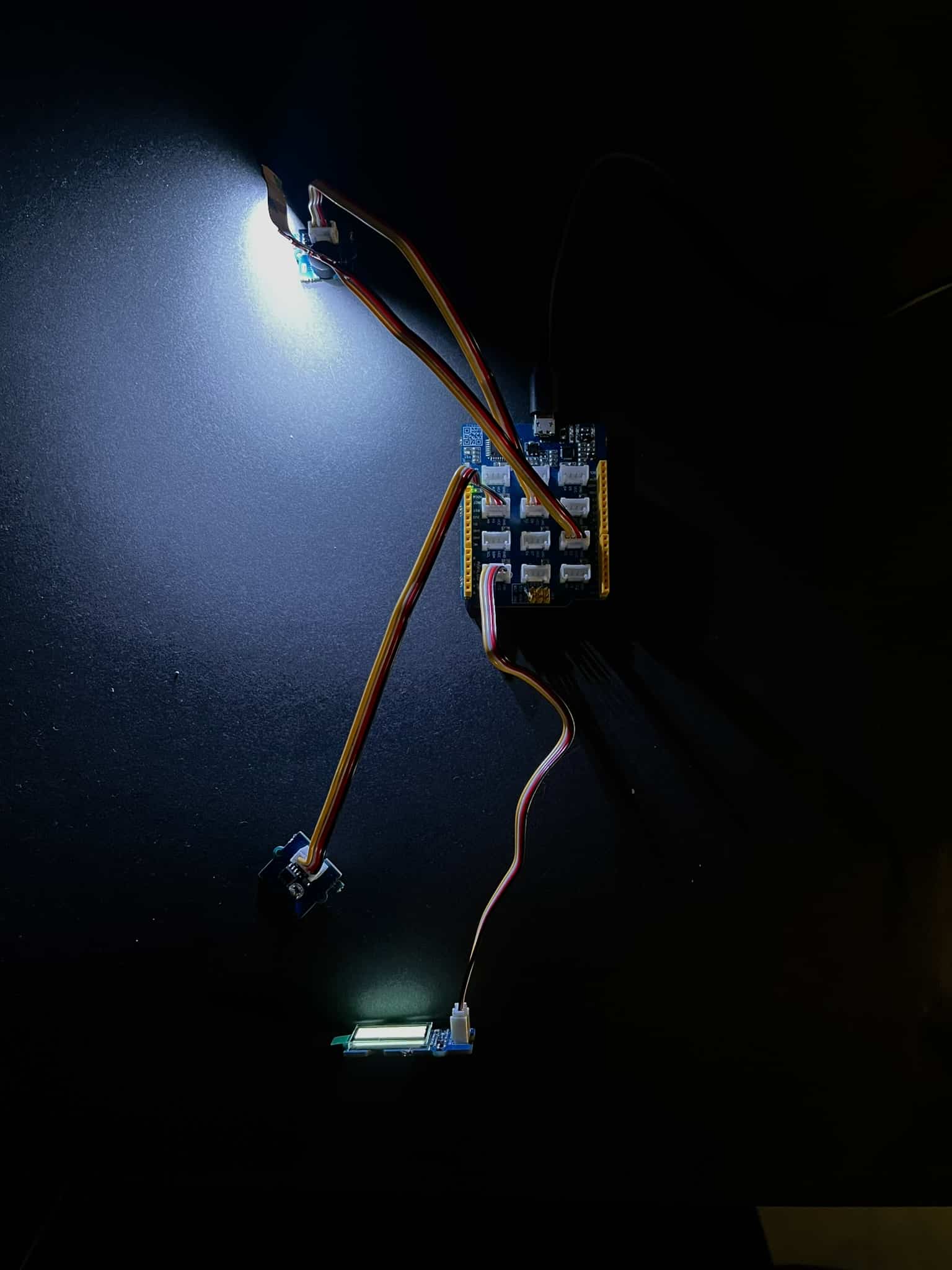
Introduction to Programming and Physical Computing Seminar Faculty: Daniel Mateos, Adai Suriñach, Antoine Jaunard Group Members: Amalia Anna Korgiala, Camilo Hernán Contreras Concept The project aims to design a sensor that can work with light or sound sensors, inspired by a library luminaire. The sensor can be placed in various areas and scales, such as … Read more
BioMatter: Four Experiments in Digital Fabrication
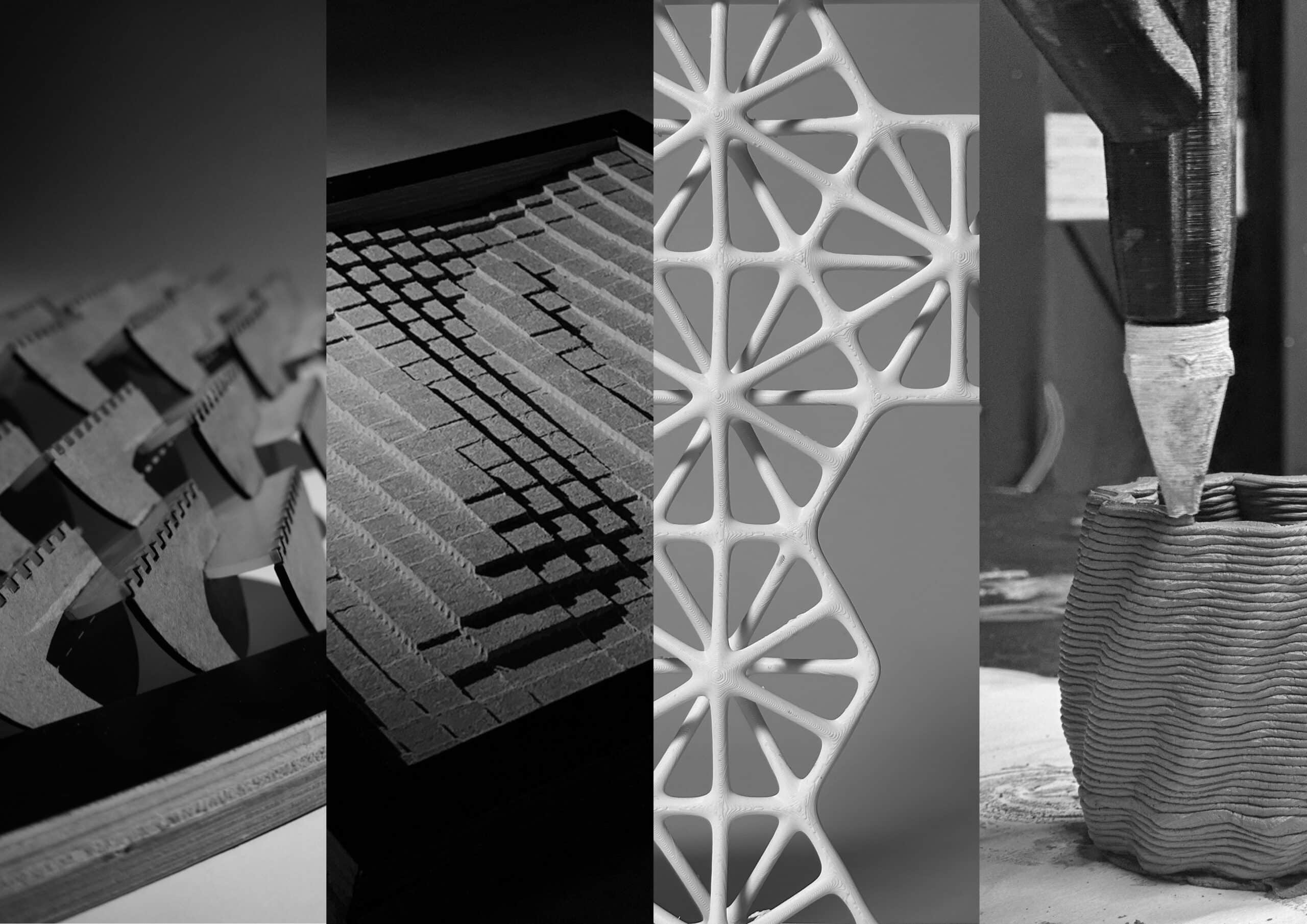
Introduction to Digital Fabrication Seminar Faculty: Ricardo Mayor, Hamid Peiro, Shyam Francesco ZoncaFaculty Assistant: Sheikh Rizvi Riaz, Federico Caldi, Vivek Venkateshappa In our Introduction to Digital Fabrication course we developed a small ecosystem of “bio” prototypes that test how code, machines and matter can co-evolve. Across four exercises we treated each fabrication tool as a … Read more
Choreographies of Making: Introduction to Digital Fabrication
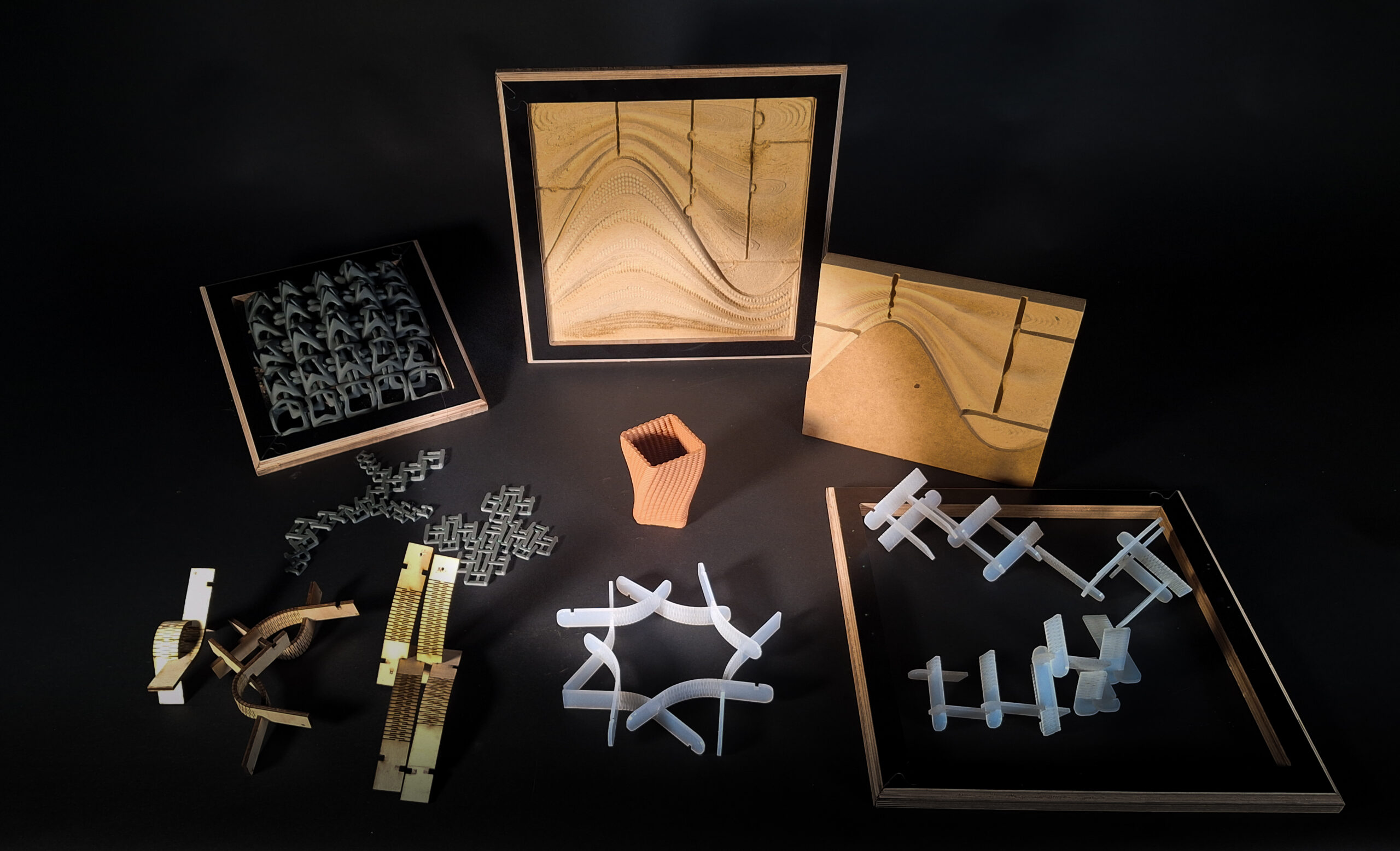
The evolution of digital fabrication has transitioned from rapid prototyping toward the sophisticated integration of multi-platform manufacturing workflows. This report examines the technical implementation of Additive Manufacturing (AM), Subtractive Computer Numerical Control (CNC), and Robotic Automation within a controlled laboratory environment. By synthesizing these diverse technologies, the project explores the precision, scalability, and material efficiency … Read more
Material Ecologies: From Nature to Façade
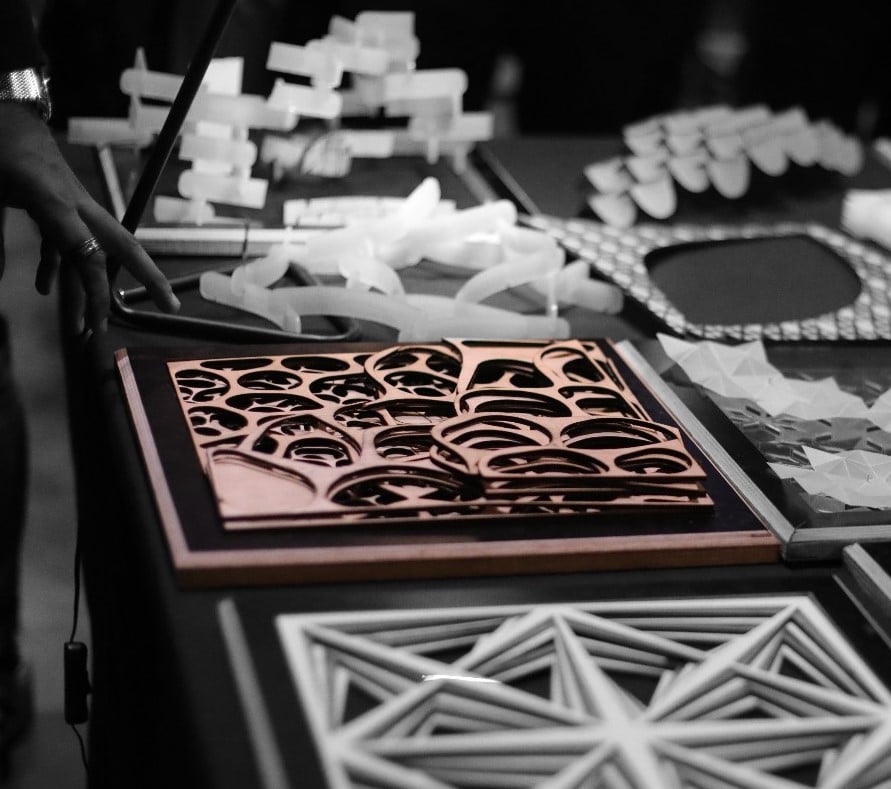
Vertical architectural elements play a defining role in shaping thresholds, filtering light, and guiding how we perceive both interior and exterior spaces. In this project, we explored their spatial and expressive potential through a sequence of hands-on fabrication experiments. Drawing inspiration from natural forms and behaviors, each design aimed to reinterpret organic patterns into façade … Read more
