The MAA is a visionary master program with an innovative and open structure, mixing diverse disciplines, shaping professionals capable of producing theoretical & practical solutions towards responsive cities, architecture & technology.


Filters
Course

STEP ON IT!

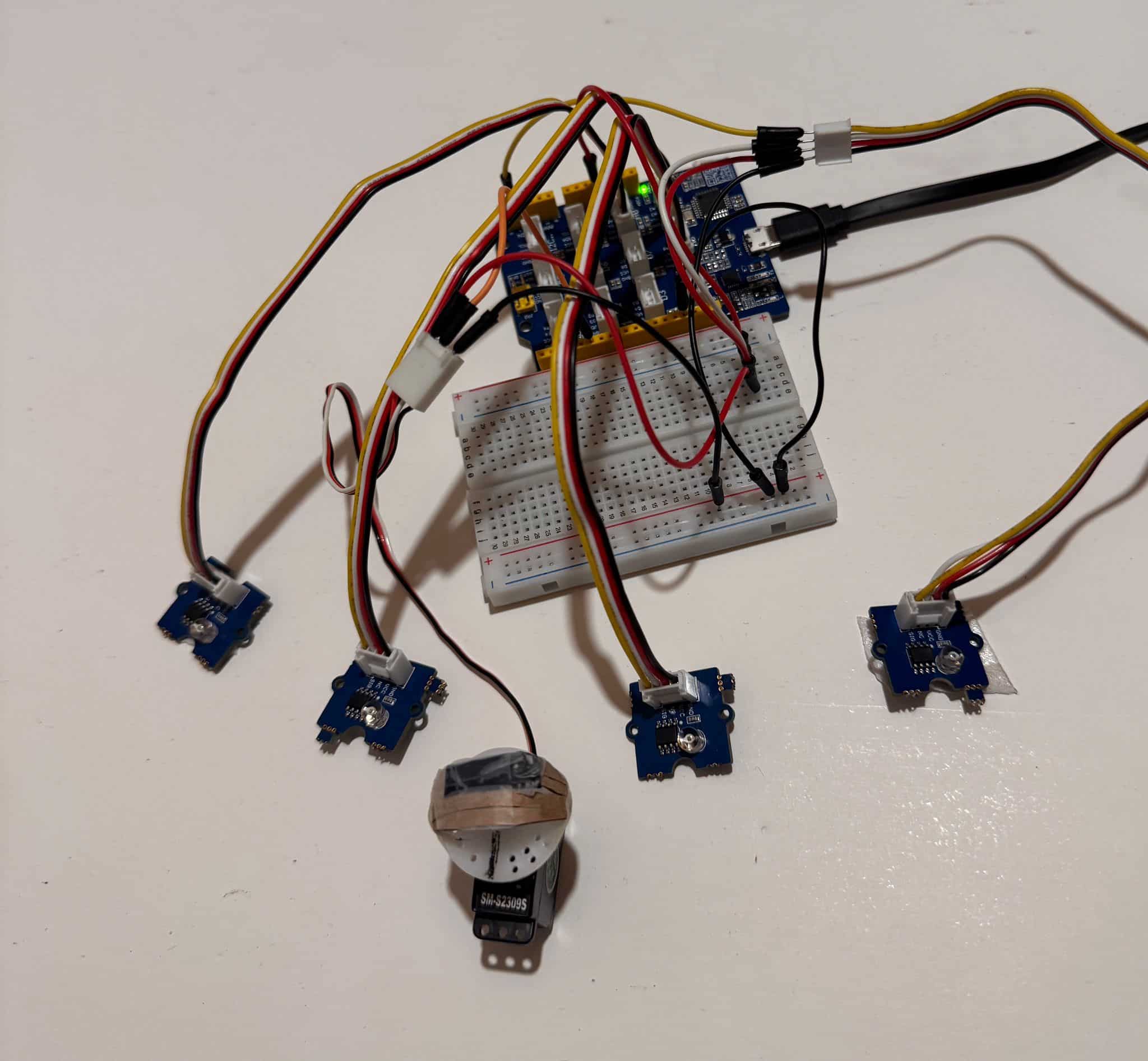
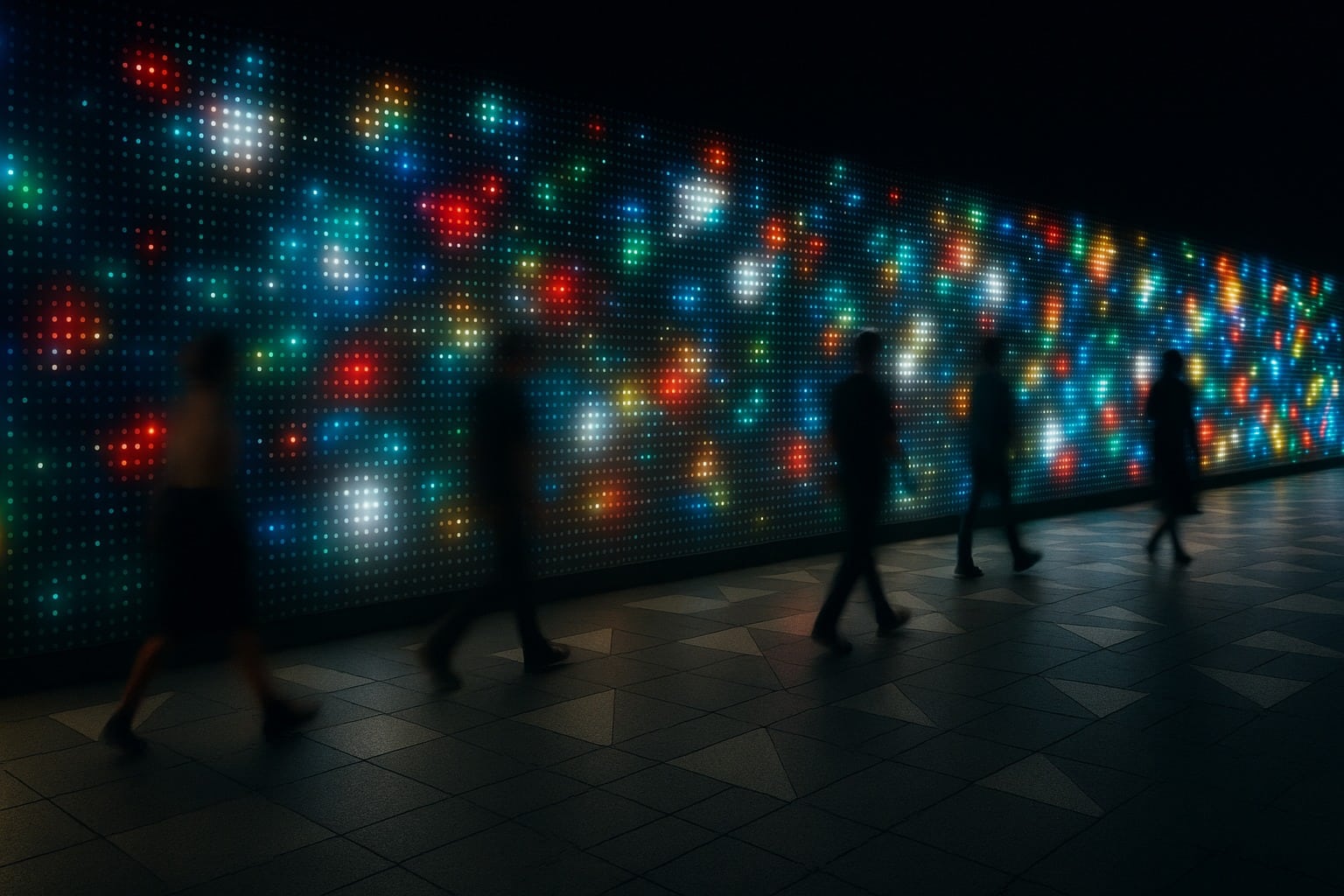
A prototype for an interactive floor system that transforms human movement into light. The prototype consists of buttons representing movable floor tiles equipped with sensors that detect when someone steps on them.Each activated tile triggers an individual light source, creating a unique and dynamic composition that changes with every step.As people move across the surface, … Read more

Dancing Tiles

This project investigates the reinterpretation of the traditional mosaic technique of Trencadís through contemporary methods of digital and robotic fabrication. The process began with manual explorations aimed at understanding the material and compositional logic underlying Trencadís—specifically, the principles governing the arrangement and fitting of irregular fragments to generate cohesive surfaces. These initial studies provided critical … Read more

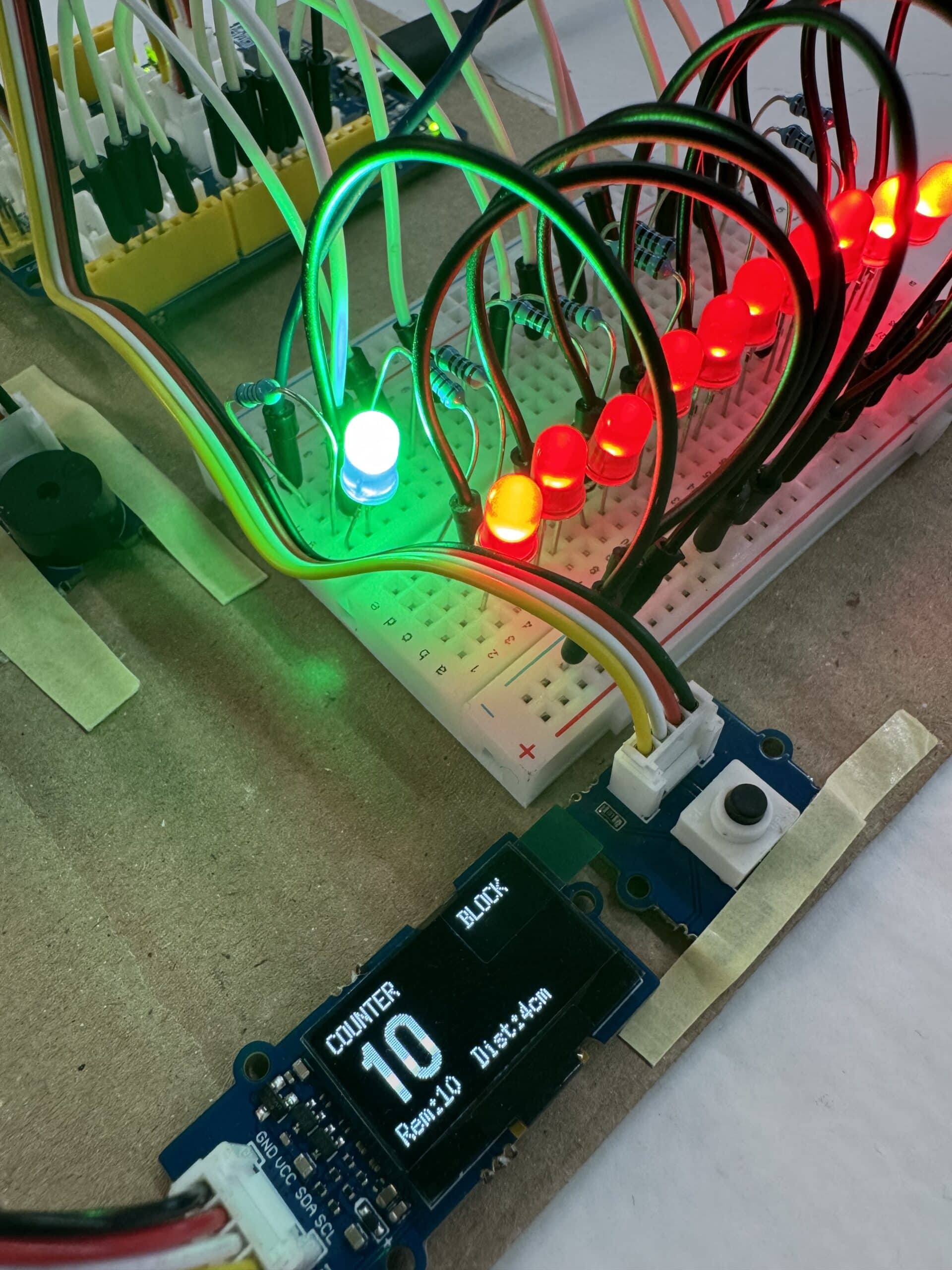
COUNTER

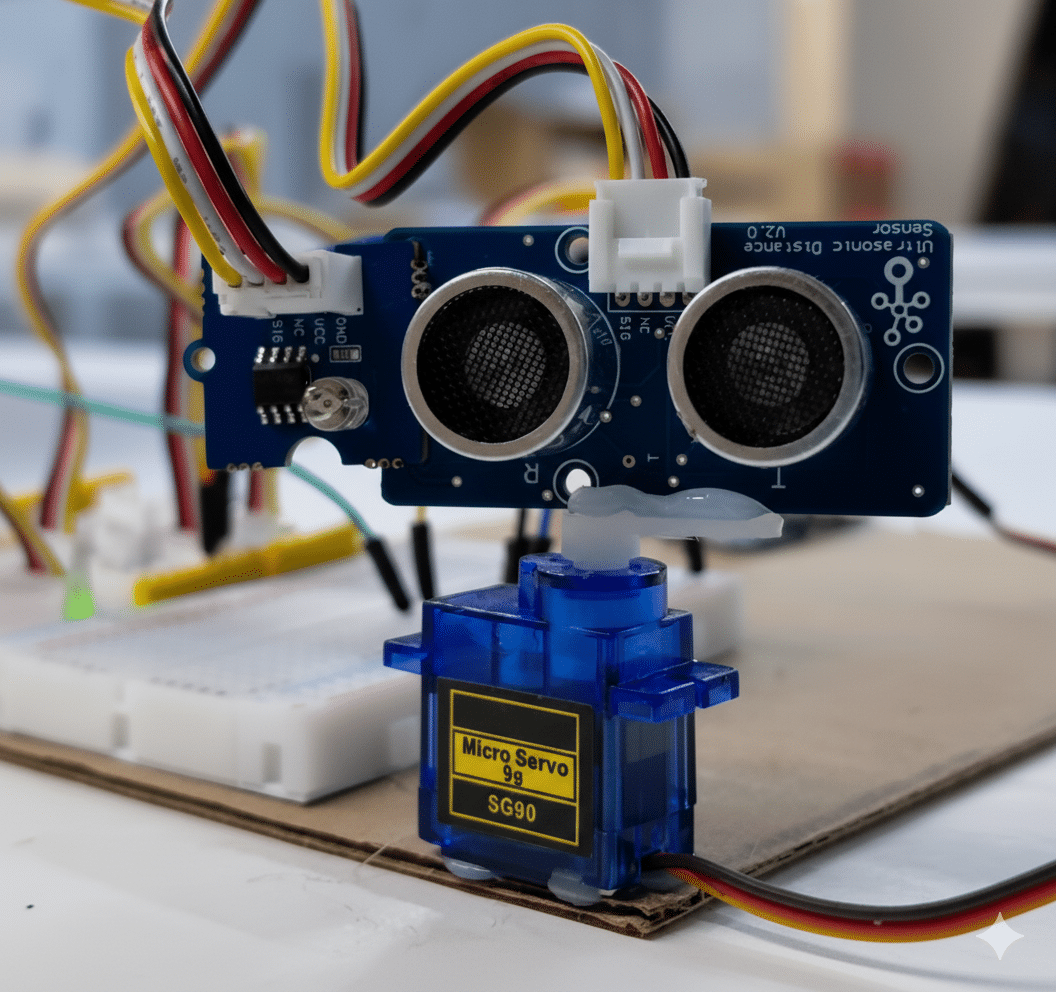
Introduction to Programming and Physical Computing Seminar Leonard A. Rieck   CONTEXT Ultrasonic Counter System – Explanation This system uses an ultrasonic sensor to detect when an object passes in front of it.Every time something comes closer than x cm, the Arduino counts one pass and lights up fewer red LEDs, showing how many passes … Read more

Rainwater Harvester The project proposes a regenerative infrastructure for runoff water collection, treatment, and reuse within the built environment. Conceived as a responsive system embedded in architecture, it seeks to transform excess rainwater often perceived as waste into an active resource within a closed ecological loop. During episodes of heavy rainfall, the system captures surface … Read more

Autonomous Plant

Autonomous Plant is a project that explores how non-human beings can actively respond to the built environment. The central idea is that human and plant needs do not necessarily conflict; instead, they can be aligned to create mutual benefit. While humans inside buildings often prefer shade, plants seek sunlight. A dynamic façade system can satisfy … Read more

BioFacade-Valve

Introduction to Programming and Physical Computing Faculty: Daniel MateosFaculty Assistants: Adai Suriñach, Antoine Jaunard Conceptual Narrative Water is our most stressed urban resource, yet we spill it daily through irrigation. Sprinklers run on timers, not need; water evaporates on hot surfaces, overspray sidewalks, and runs off compacted soil. Without feedback from the ground, we irrigate … Read more

Spirals

Introduction This project was an exploration of traditional Trencadis using robotic assembly system. Inspired by spirals in nature, we explored entropy and how we can achieve order from chaos, from broken irregular pieces of ceramics. We chose spirals as the symbol of emergent order. Context Barcelona’s architectural identity is deeply tied to Trencadís, a mosaic … Read more

Studio Silence.

stressed student studying in noisy environment

In today’s collaborative work environments, open and shared workspaces have become the norm. Yet while they promote connection and creativity, they also introduce a significant challenge: noise. This project seeks to address the problem of excessive noise in shared workspaces while maintaining flexibility and openness.  The Concept – The project is inspired by the shared … Read more

SolarShift

Concept What if our façades could react to sunlight? This project explores how architecture can respond to changing light conditions through simple automation. Using Arduino, it translates light intensity into movement, mimicking the adaptive behavior of a brise-soleil, and highlighting how design can respond to environmental change. REFERENCES – BRISE SOLEIL Schematics The Arduino code … Read more