The MaCAD is a unique online programme training a new generation of architects, engineers and designers ready to develop skills into the latest softwares, computational tools, BIM technologies and AI towards innovation for the Architecture, Engineering and Construction (AEC) industry.

Sensi: Making Comfort a Design Layer

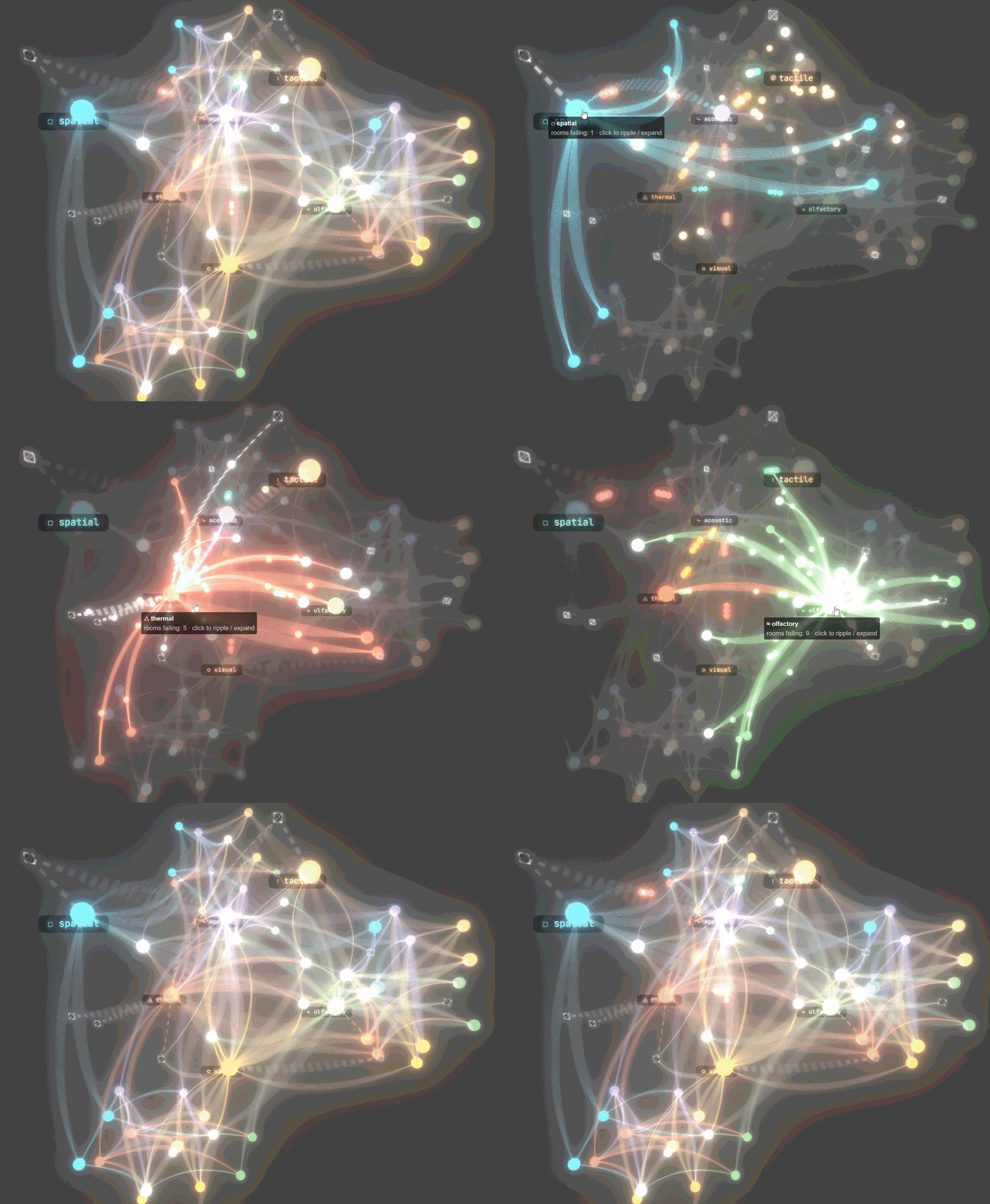
Building Sensi, a sensory copilot for architectural floor plans. In architecture, we model everything. Structure, cost, energy, code compliance. Layer after layer of analysis that makes a building accountable before it’s built. But one thing was missing from the stack: how the space will actually feel. Not feel as in emotion. Feel as in the … Read more

The Dispositif & Arcades Project

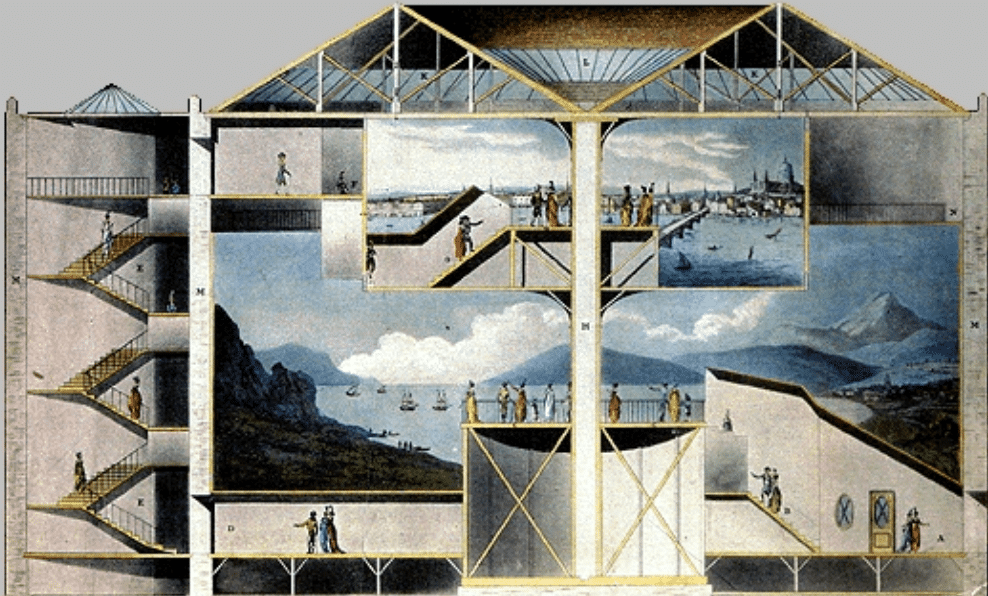
A Reading of What Is a Dispositif? and The Arcades Project Context This document presents a combined reading of two texts: Gilles Deleuze’s What Is a Dispositif? (1992) and Walter Benjamin’s The Arcades Project — specifically the Exposé of 1935, Paris, the Capital of the Nineteenth Century. These texts were not written in conversation with … Read more

Analyzing Narkomfin Through Its Graph

The building The Narkomfin Building was completed in 1930 in Moscow, designed by Moisei Ginzburg and Ignaty Milinis. It is one of the most recognized examples of Soviet Constructivist housing — a dom-kommuna, or communal house. The design was deliberately unconventional: kitchens were minimal because residents were expected to eat in a shared canteen, and living … Read more

Bornet’s Agentic AI: Understanding Multi-Agent Systems and the Creativity-Reliability Dilemma

The promise of AI agents is compelling: systems that can sense their environment, plan strategically, take action, and learn from experience. But as organizations begin deploying these systems in production, a troubling reality emerges. The very capabilities that make AI agents powerful—their ability to reason, adapt, and solve novel problems—also make them frustratingly unpredictable. This … Read more

Encoding Urban Risk: Spatial Feature Analysis and Assessment

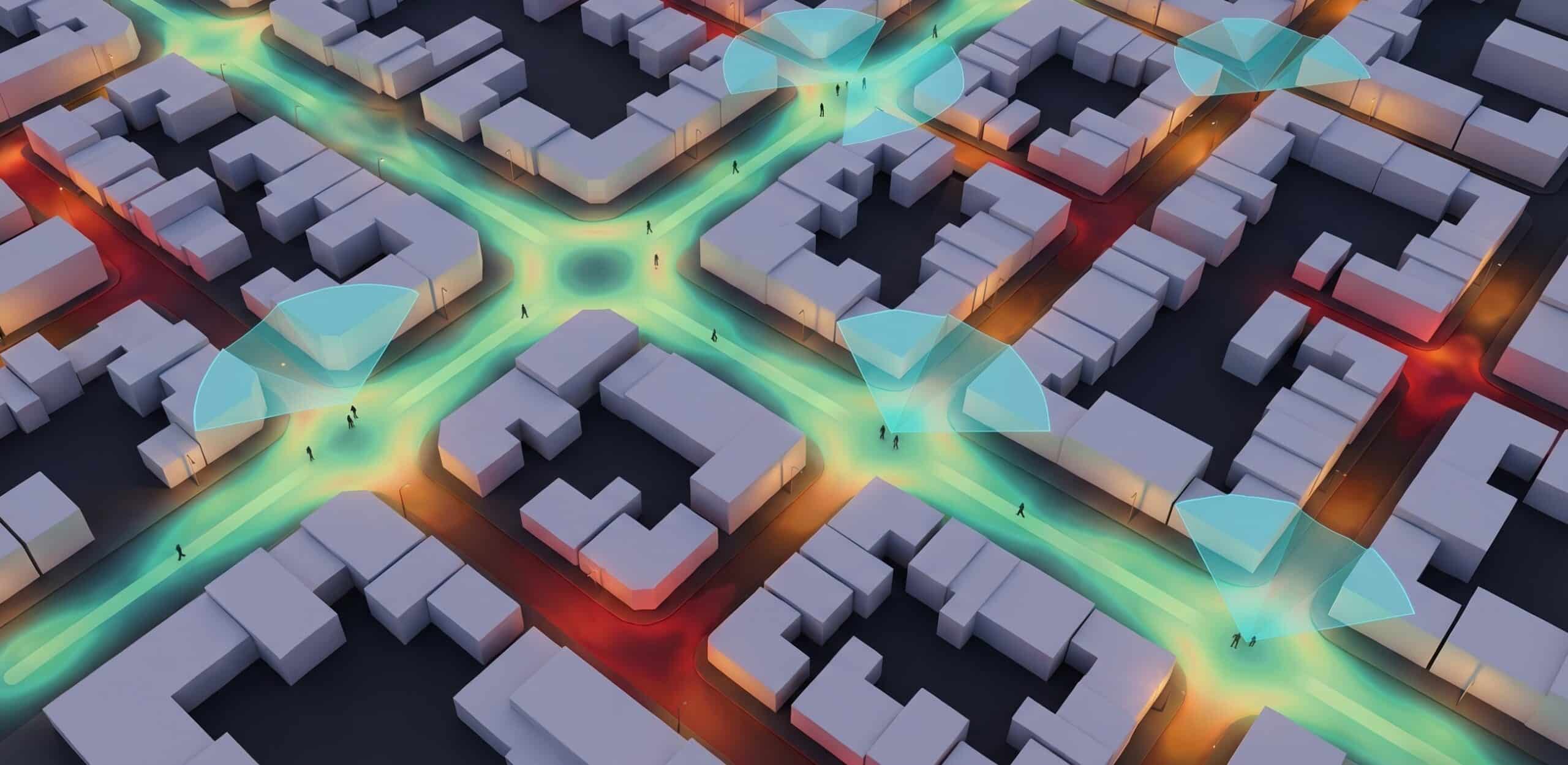
Can Street Geometry Predict Urban Safety Risk? A machine-learning pipeline that classifies street morphology into risk typologies — from OpenStreetMap features to multi-city deployment, dead ends included. This post documents the full arc of our Urban Safety project — not just the results, but the reasoning, the wrong turns, and what we learned from them. … Read more

Machines and Empathy: the Skills of AI and Humans

Introduction Empathy has been a cornerstone of human interaction throughout history, profoundly influencing personal relationships, societal dynamics, and professional environments. It has played a pivotal role in human development, serving as a fundamental skill for navigating complex social structures and fostering meaningful connections. As artificial intelligence becomes increasingly integrated into our daily lives, questions arise … Read more

Architecture of Resistance: Hacking Life

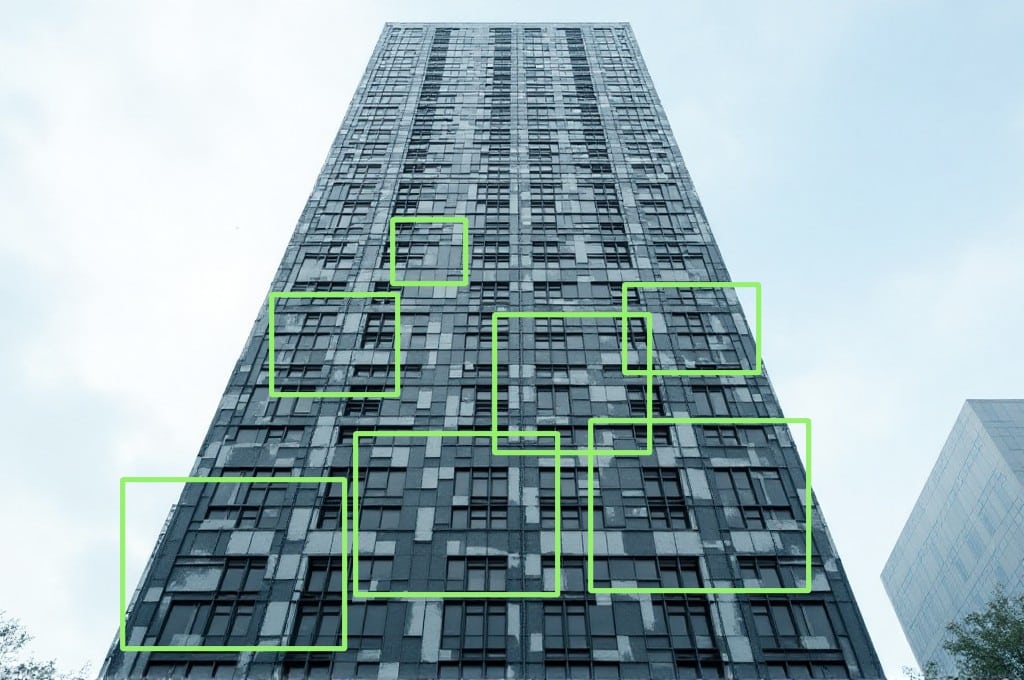
a highrise building with a facade that tricks a.i. into detecting faces that aren't there. Green bounding boxes show the false positive predictions of the a.i.

The Algorithmic Epoch Modern advertising was born out of propaganda techniques developed in World War I by Edward Bernays. He realized that by manipulating symbols and emotions, it was possible to shape mass behaviour, a concept that now forms the backbone of our algorithm-driven economy. The Internet, once heralded as a tool for global connection, … Read more

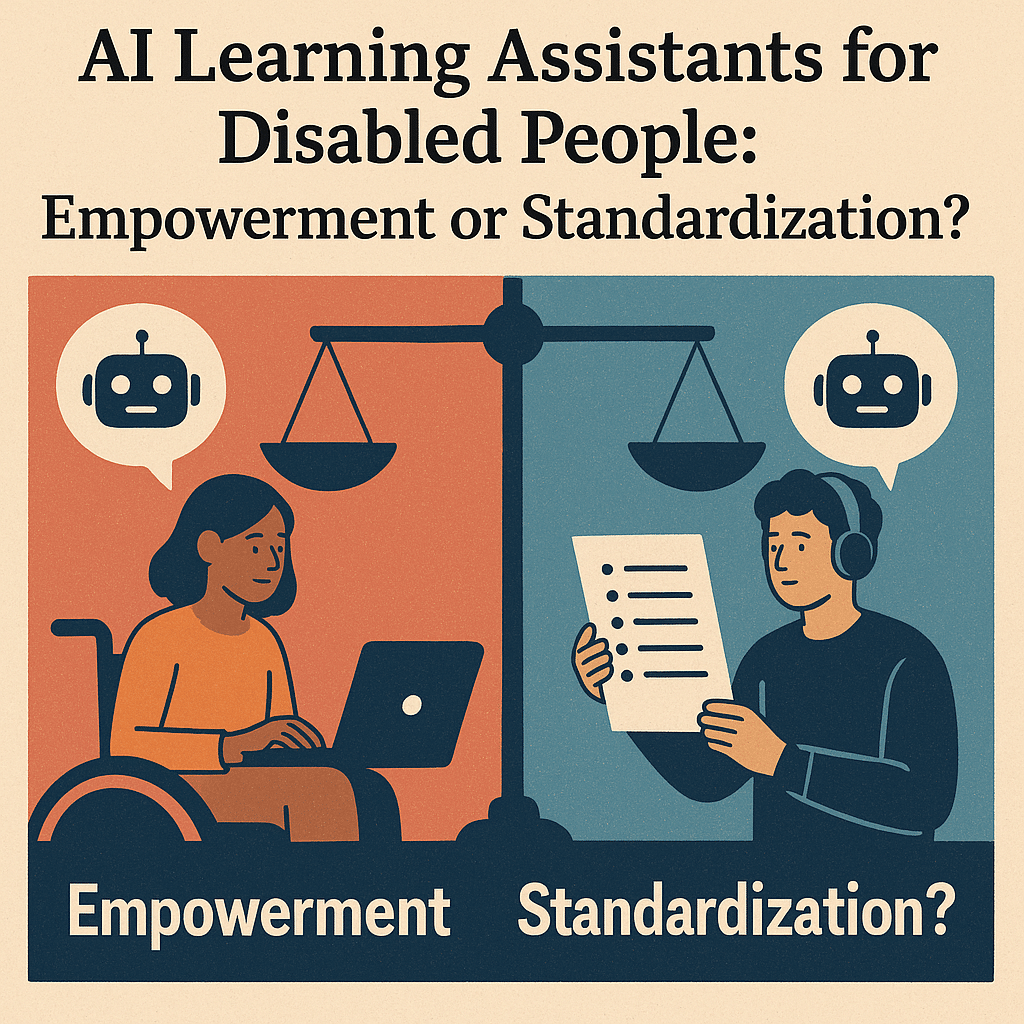
AI Learning Assistants for Disabled People: Empowerment or Standardization?

Framing the Dilemma: Access vs. Autonomy The Promise of AI for Inclusive Learning Artificial intelligence (AI) is starting to gain traction as a tool to bridge educational gaps for people with disabilities. AI-powered learning assistants – from chatbots to adaptive tutoring systems – have emerged as a promising solution to provide personalized support at scale … Read more

AI-chitect

A Self-Reflection on AI’s  Replication and Innovation in Architecture Our group explores the topic of AI-chitect, a self reflection on AI’s replication and innovation in architecture. The proposal is to initialise Vitruvius’ De Architectura using RAG (Retrieval-Augmented Generation) and set the volume of text as a knowledge base from which our journey as the AI-chitect … Read more

AI Unleashed – A Debate on the Future

In an era where Artificial Intelligence (AI) is rapidly evolving, understanding its potential and risks is crucial. To explore these dimensions, we staged a fictitious debate featuring three contrasting AI agents. This debate delves into the ethical implications, societal benefits, and possible downsides of an advancing AI era. Project Overview This project staged a fictitious … Read more

migrAItion

Studying migration is crucial for urban planners and architects to anticipate and accommodate the influx of people into cities, ensuring the development of robust infrastructure that can support this growth. As migration patterns shape demographic changes, understanding these trends allows cities to plan for adequate housing, transportation, healthcare, and educational facilities. This foresight is essential … Read more

FacAid + Chatbot

In a world where urban areas are predominantly developed and the heat island effect is intensifying, the construction industry significantly contributes to environmental challenges. Instead of focusing on tools that promote new construction, our goal is to provide a tool that analyzes existing buildings and suggests improvements. This approach aims to enhance sustainability and mitigate … Read more