The MaCAD is a unique online programme training a new generation of architects, engineers and designers ready to develop skills into the latest softwares, computational tools, BIM technologies and AI towards innovation for the Architecture, Engineering and Construction (AEC) industry.

Filters
Course

Title: A First-Person Parametric Exhibition: Bringing Architectural Design into the Browser
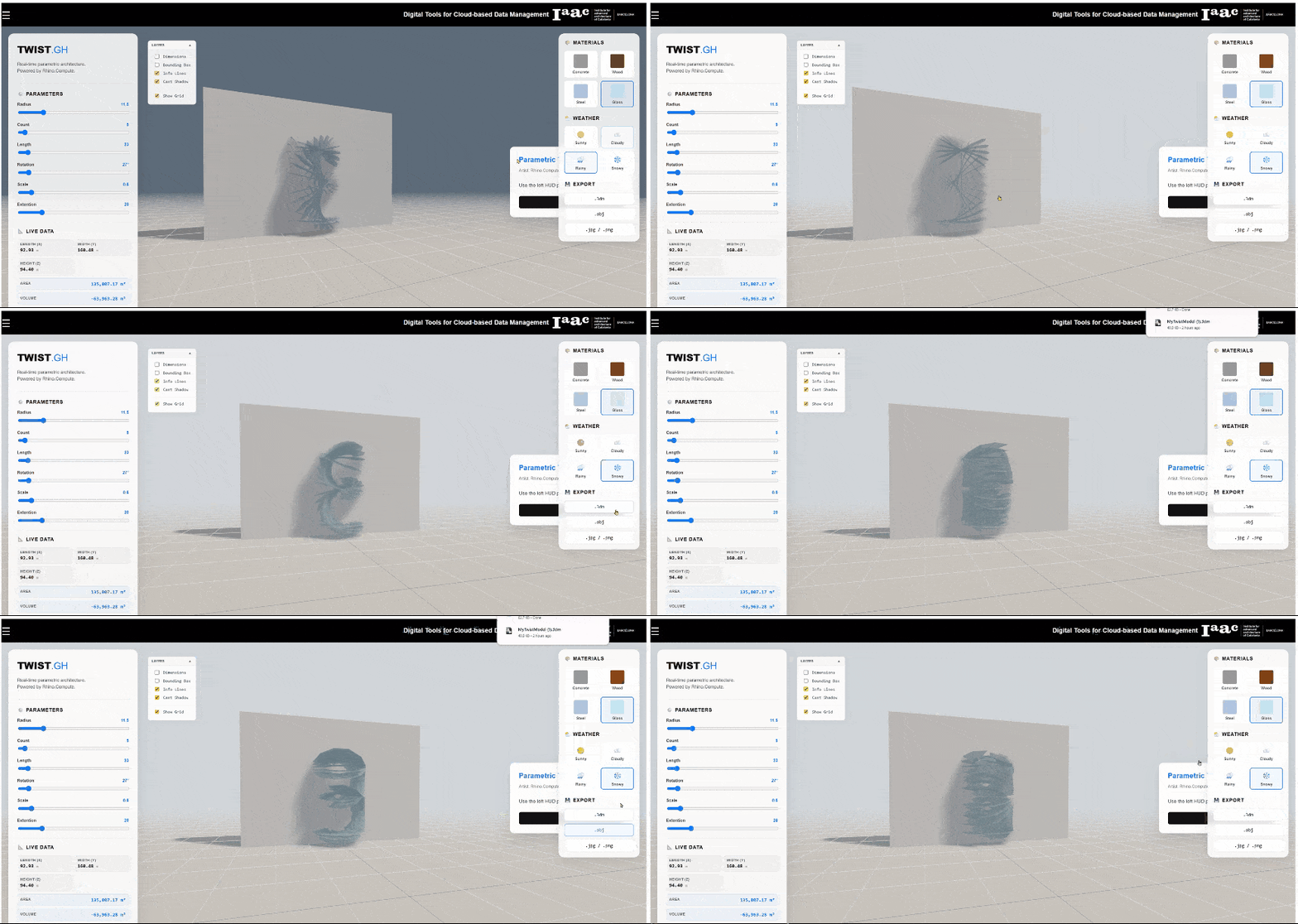
Shuai Zhang Have you ever felt that parametric architectural design is trapped behind a high barrier to entry? Traditionally, designers and clients must install heavy, complex software just to view or tweak a 3D model. For my final project in the Cloud-based Data Management module, I wanted to break down this barrier. The result is … Read more
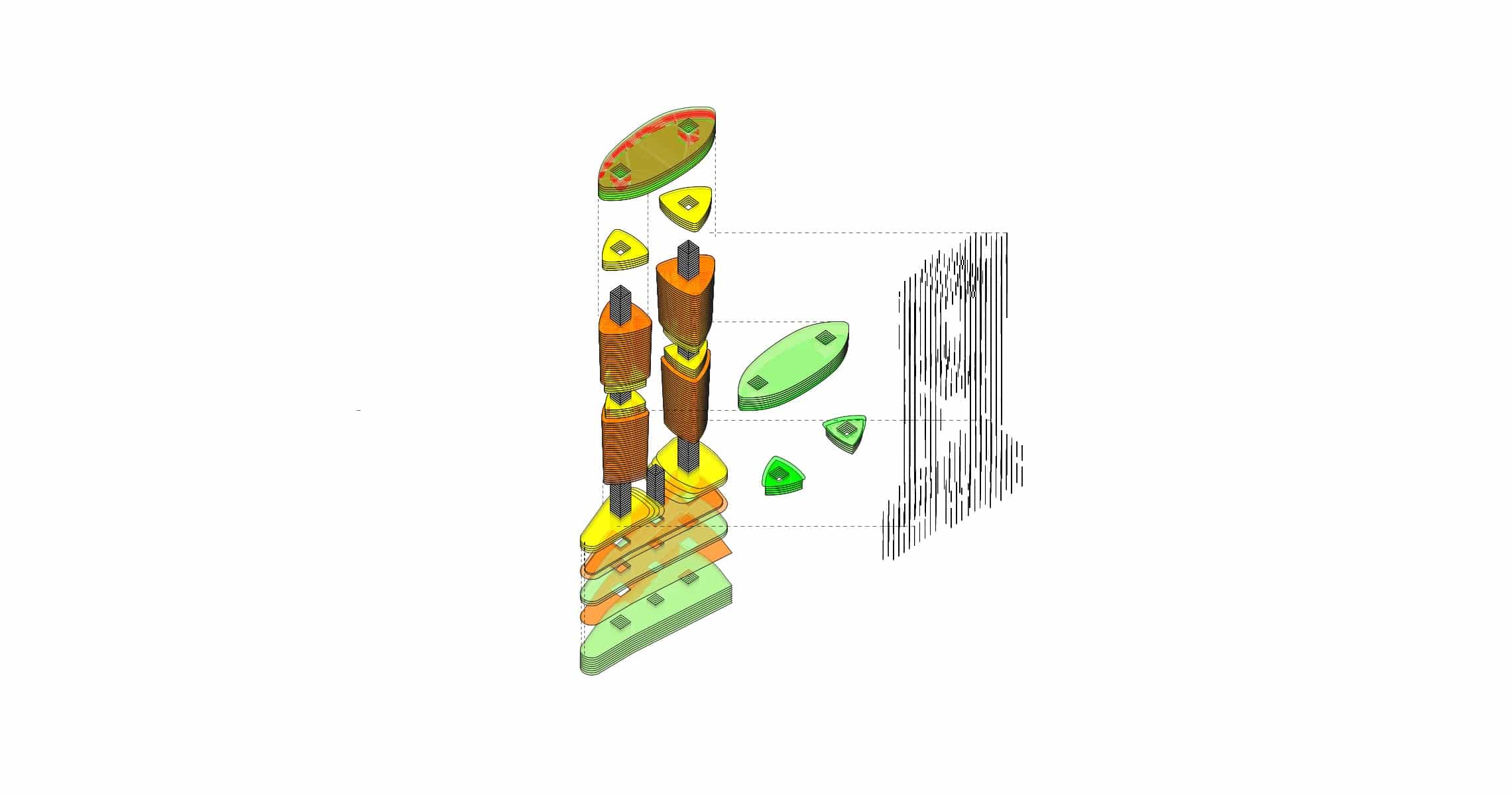
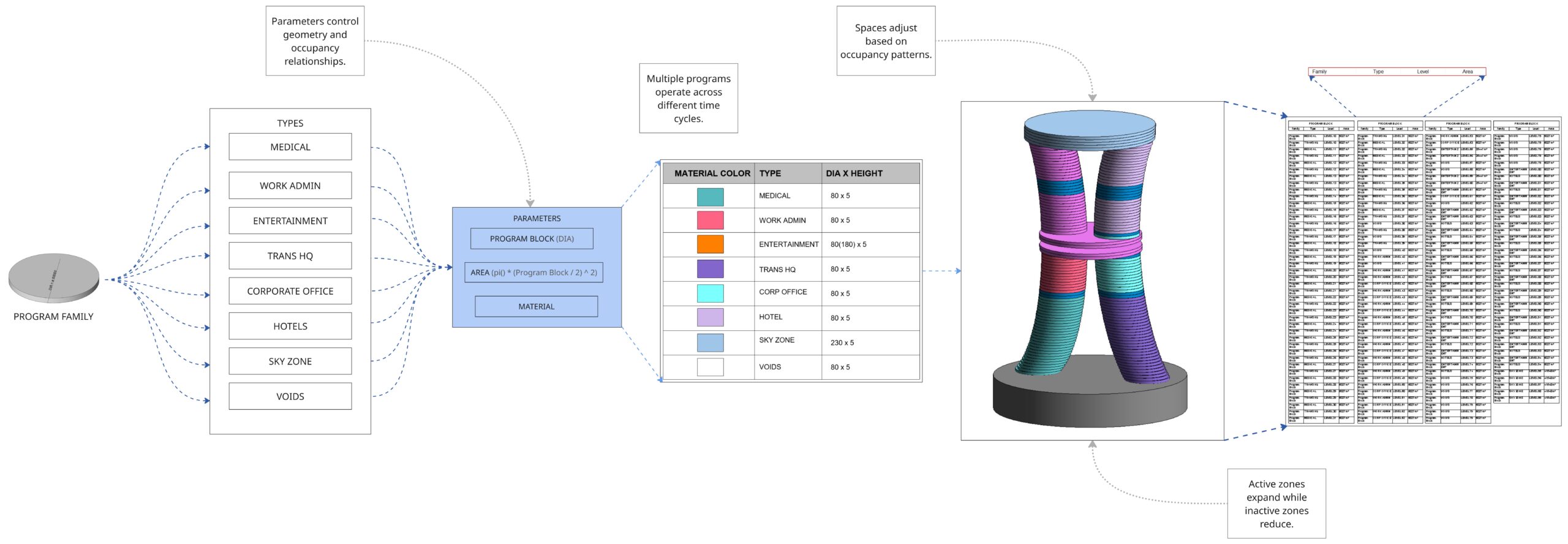
From KPI Calculation to Native Revit Documentation

Hyperbuilding 02 Data Team: From KPI Calculation to Native BIM Documentation Introduction Hyperbuilding 02 Data Team developed an interoperability workflow that transforms analytical performance data into native BIM documentation. Instead of keeping KPI evaluation outside the architectural model, the project uses Rhino.Inside.Revit to transfer computed values into Revit, where they can be read through schedules, color-coded … Read more

Designing a Time-Responsive Tower: A Data-Driven BIM Workflow

Hyperbuilding 2 functions as the transportation heart of the Vertical Machine, chanelling 20,000 passengers hourly while coordinating energy, logistics, and information flows across the entire urban system. Our team tackled the Program development for HB02, using Revit and Rhino Inside Revit to build a parametric system where occupancy data directly generates architectural form. The studio … Read more

sen.city – Sense urban heat and plant cooler futures for everyone

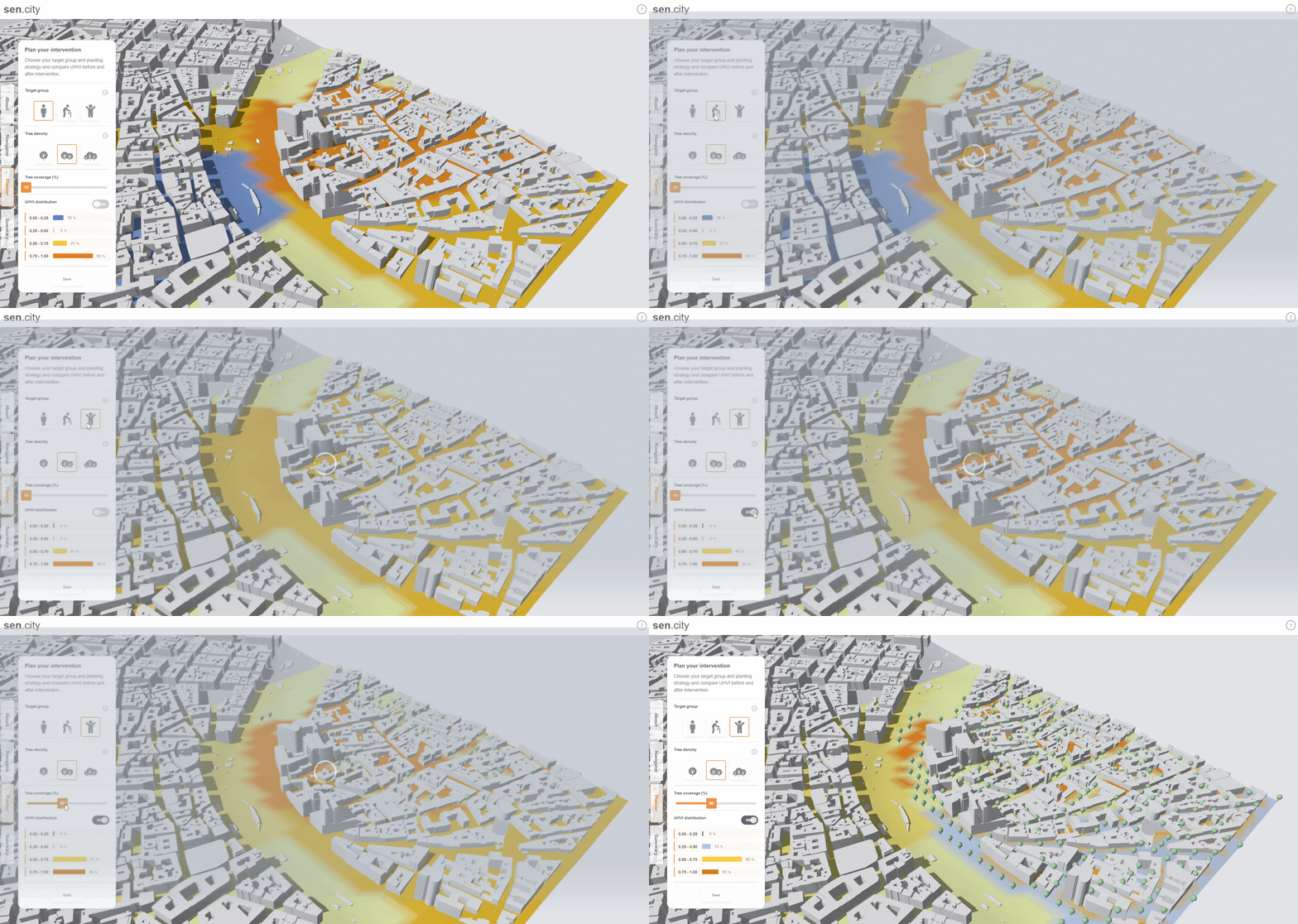
Cities are warming rapidly, and dense urban centers feel it the most — especially areas with little shade or vegetation. Heat doesn’t affect everyone equally: groups like the elderly, youth, and people with health conditions are far more vulnerable. Problem Statement Most existing tools focus on UTCI, the Universal Thermal Climate Index. It measures how … Read more

The Data Pipeline Behind NeuroSpace: From Sliders to Synapses

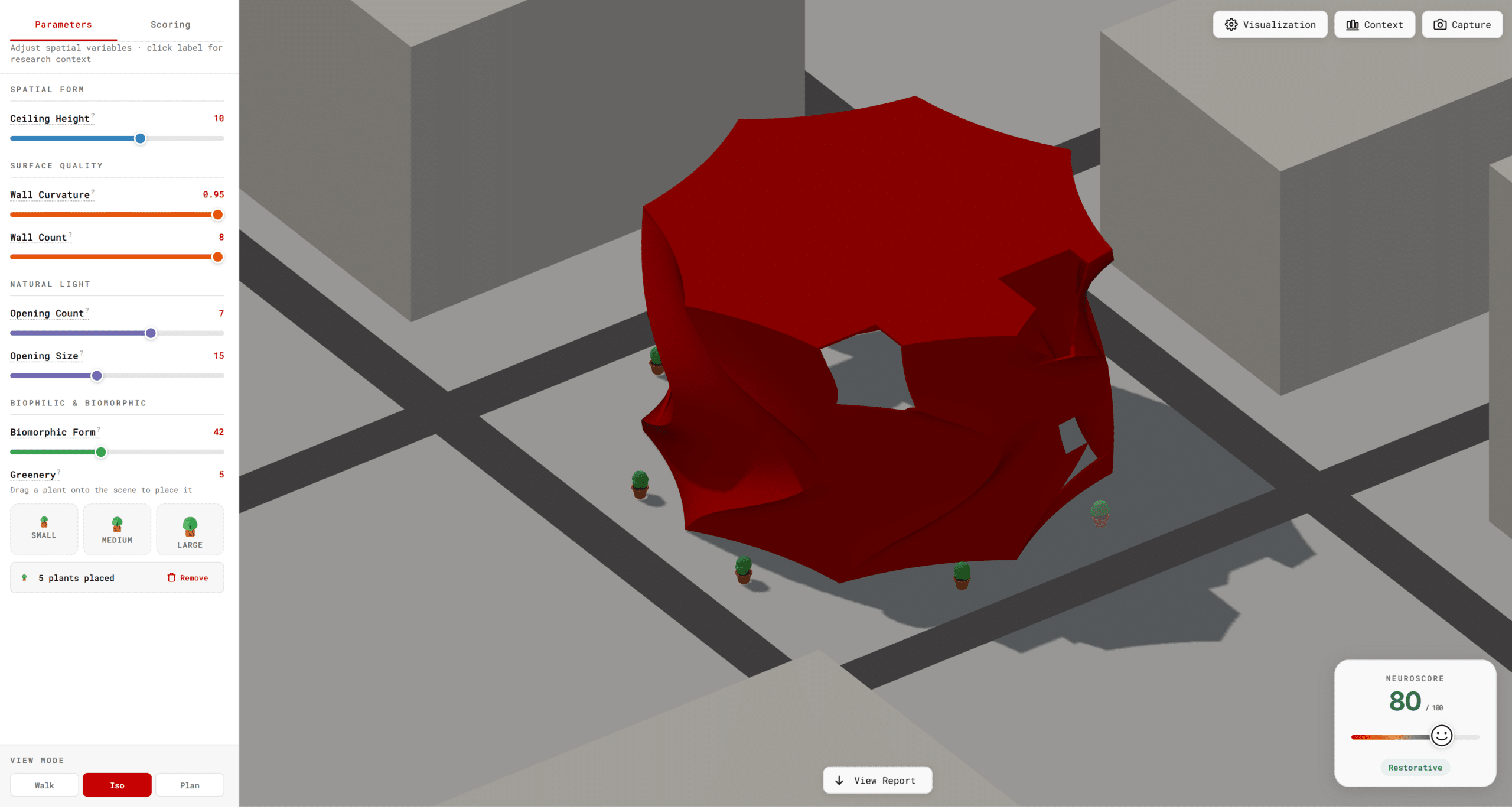
Abstract NeuroSpace is a browser-based parametric design tool that reframes Building Information Modeling as Behavior Information Modeling — encoding predicted neurophysiological outcomes into architectural geometry. This post traces the full data pipeline: from seven UI sliders through a dual-path architecture (server-side Rhino.Compute for 3D geometry, client-side JavaScript for real-time NeuroScore calculation), through reactive state management … Read more

A Parametric Detour: Designing Modular Cat Towers

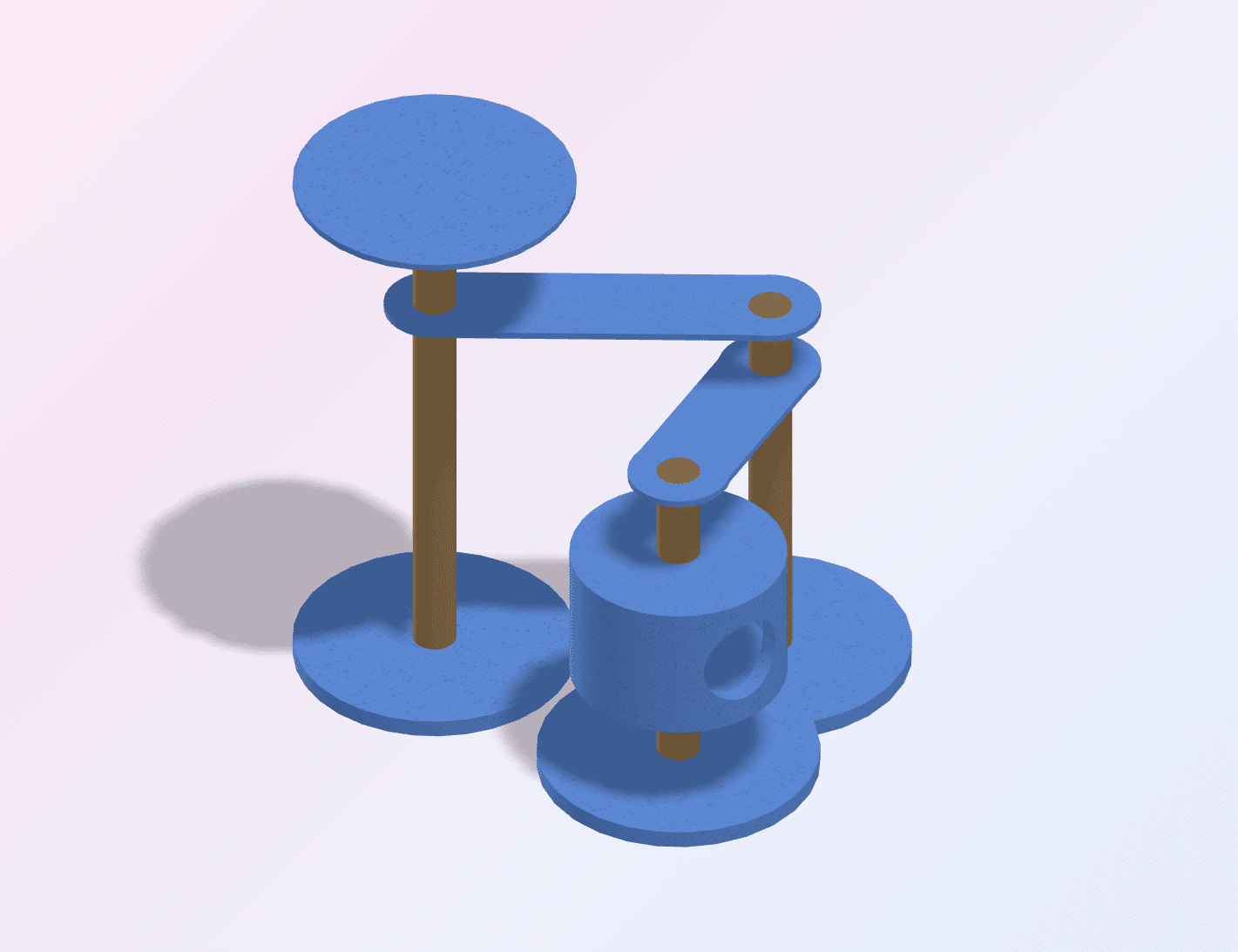
Concept After long periods working within architectural systems—parametric models, BIM workflows, data coordination—there is value in stepping sideways. Not away from design, but into a different scale and context. This project explores exactly that: applying computational design logic to something deliberately lighter—a customizable modular cat tower. From Grasshopper to Web Interface The application is a … Read more

WeaveLamp Configurator: From Craft Logic to a Web-Based Parametric Tool

WeaveLamp Configurator WeaveLamp Configurator is a web-based application that brings a Grasshopper workflow into an accessible browser-based experience. The project explores how a craft-inspired lamp system can be translated into a clear digital tool for customization, spatial visualization, and fabrication-oriented output. Concept Origin The project started from a manual exploration of ring proportions, textile density, … Read more

Hyper Builder: Vertical Community Generator

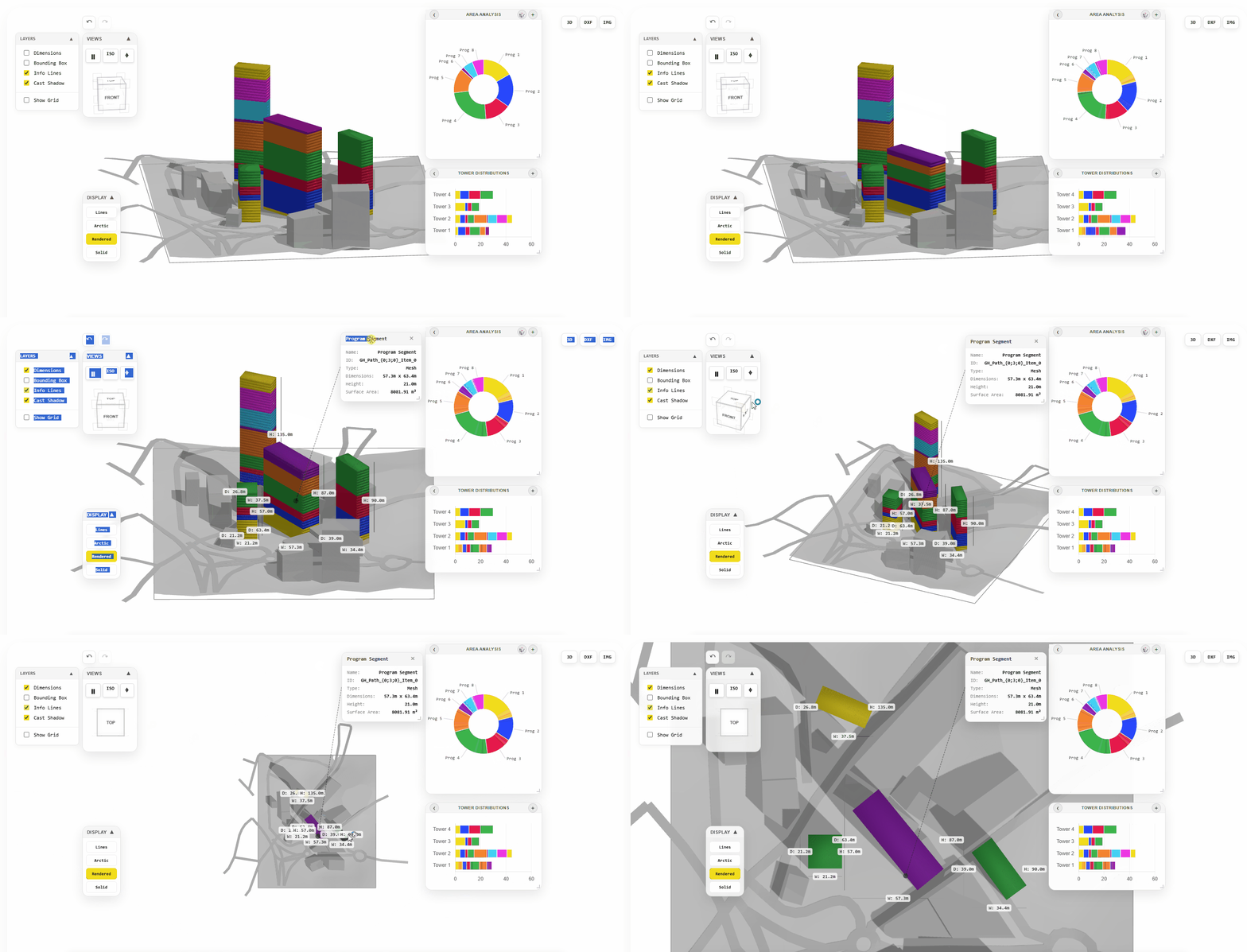
Hyperbuilder is a web-based parametric design app that transforms complex architectural modeling into a seamless, rapid-iteration process. Powered by a Grasshopper backend, it allows users to effortlessly generate, evaluate, and configure complex building massings and program distributions through a highly intuitive, simple interface. The Vision: Vertical Communities, Quantified The architectural industry is obsessed with “final” … Read more

Automating Interoperability with Rhino.Inside.Revit and ACC

Designing dynamic, adaptive skyscrapers is no longer just a conceptual exercise; it is a computational reality. The true challenge lies not just in creating fluid, parametric geometries, but in translating those complex forms into rigorous, actionable building information models. Developed during the Master in Advanced Computation for Architecture & Design (MaCAD) Integrative Modeling Seminar at … Read more

Program Through Geometry: An Integrative Modeling Approach with Rhino.Inside Revit

INTRODUCTION As the program team our role is to define the overall program strategy, which we call The Living Cells, with the goal to create a livable neighborhood that supports daily life beyond residential use. This means integrating a range of supporting functions — public and green spaces, schools, retail, and community amenities — so … Read more

How much kgCO2e does our HyperBuilding weight?

Introduction Life Cycle Assessment (LCA) is increasingly required in the building industry, yet it remains difficult to integrate into the design workflow. The challenge is that LCA operates across multiple scales, from macro-level building decisions to micro-level material choices. This is especially relevant for designers, since they have to engage with these considerations from the … Read more

Architecture as Living Matter: Turning Data into Geometry

Introduction Hyperbuilding 03 In our project, the building is conceived not as an isolated object, but as a vertical living tissue within the broader human organism of the “Vertical Machine”. Much like a network of functional cells, it sustains life, maintains environmental balance, and coordinates with the system’s “lungs” and “heart.” This biological metaphor guided … Read more

Automated Cloud-Based Metadata Extraction: HB01 – Program Team

An automated pipeline that transforms raw 3D model metadata into structured cloud spreadsheets. This makes complex geometric data easily accessible and adaptable for various end-uses, from simple data reading to feeding live web platforms. Problem Statement Streamlining Complex Metadata Communication Communication across large design teams presents a significant challenge due to the massive volume of … Read more

Data-Driven Parametric Workflows for Environmental Optimization in Architecture: The Development of In-House Tools

Intro In recent years, the AEC industry has begun rethinking traditional linear workflows, where environmental analysis often comes too late to meaningfully influence design.  The development of in-house tools, shows how integrating environmental analysis into parametric, data-driven processes can guide decisions from the outset.  Topic This research investigates how in-house software tools developed by AEC … Read more