The MaCAD is a unique online programme training a new generation of architects, engineers and designers ready to develop skills into the latest softwares, computational tools, BIM technologies and AI towards innovation for the Architecture, Engineering and Construction (AEC) industry.

Filters
Course

Optimizing For The Mind: Integrating Generative AI and Game Engines into BIM
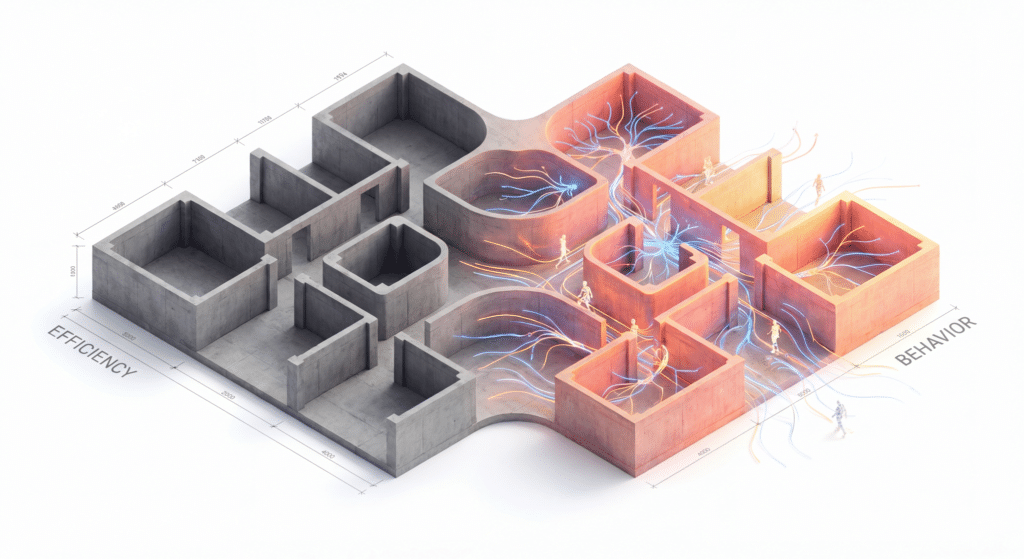
How architectural neuroimmunology is redefining the relationship between design and human health. The AEC industry optimizes for physical efficiency but neglects the neuro-physiological impact of built environments. This research investigates how Generative AI and Game Engine simulations, integrated into BIM workflows, can enable predictive cognitive performance analysis, transitioning the discipline from Building Information Modeling to … Read more
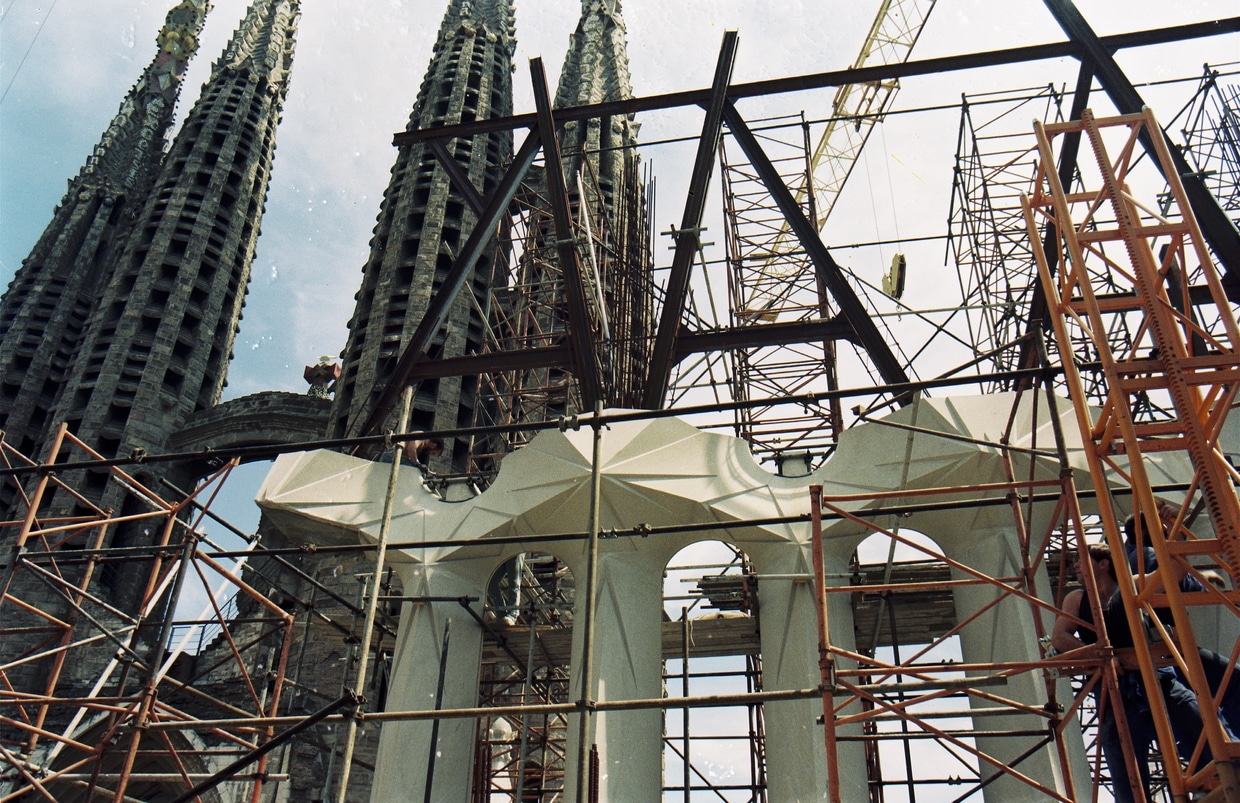
BIM in Ongoing Heritage Construction: The case of the Sagrada Família

Computational Workflows at the Sagrada Família The Sagrada Família in Barcelona is one of the most complex and long-running architectural projects in the world. Begun in 1882 and still under construction today, the basilica sits at the intersection of historical heritage, evolving design intent, and contemporary digital technology. To understand how digital tools support such … Read more

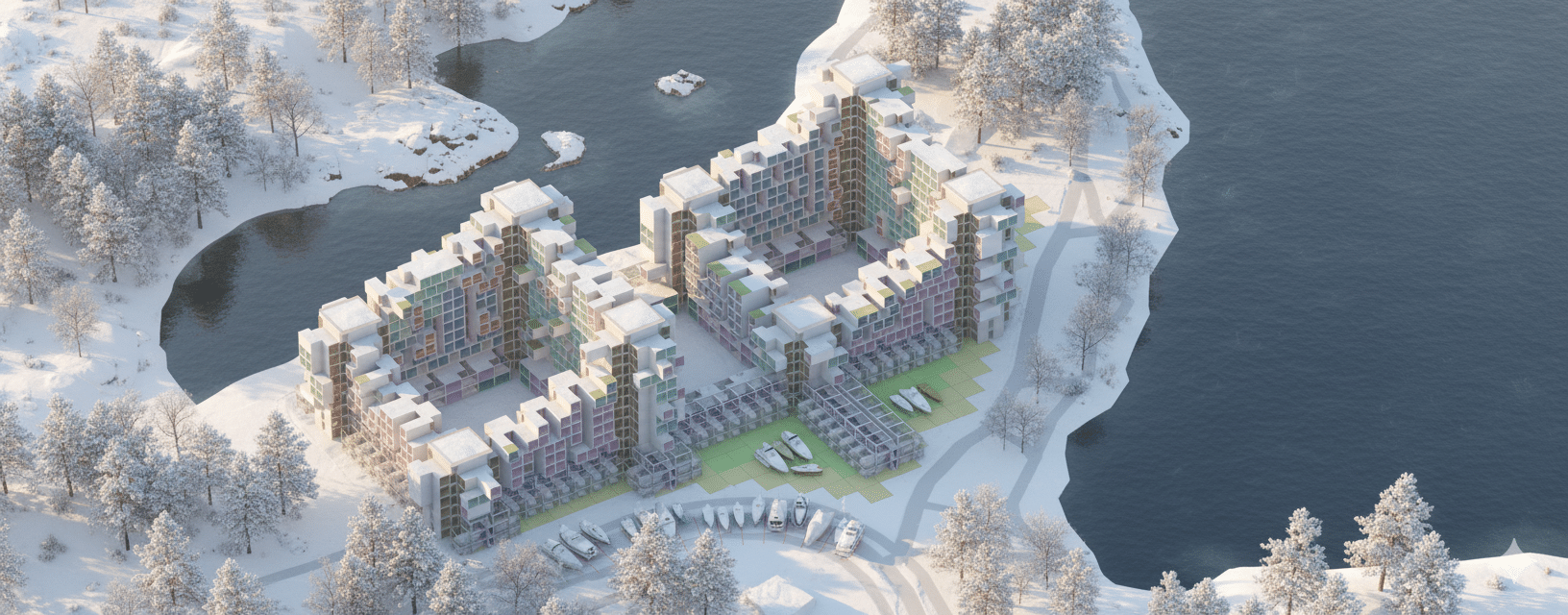
MERIHAUS – Sea Urban Escapes for Seasonal Living

The project explores a contemporary reinterpretation of Finnish cabins, combining seasonal water living, public wellness, and boating storage. The core idea is that small modular units — cabins, saunas and workspaces — can aggregate into larger urban and social systems. Helsinki has a harsh Nordic climate, with long winters ranging from –10°C to +25°C, high … Read more

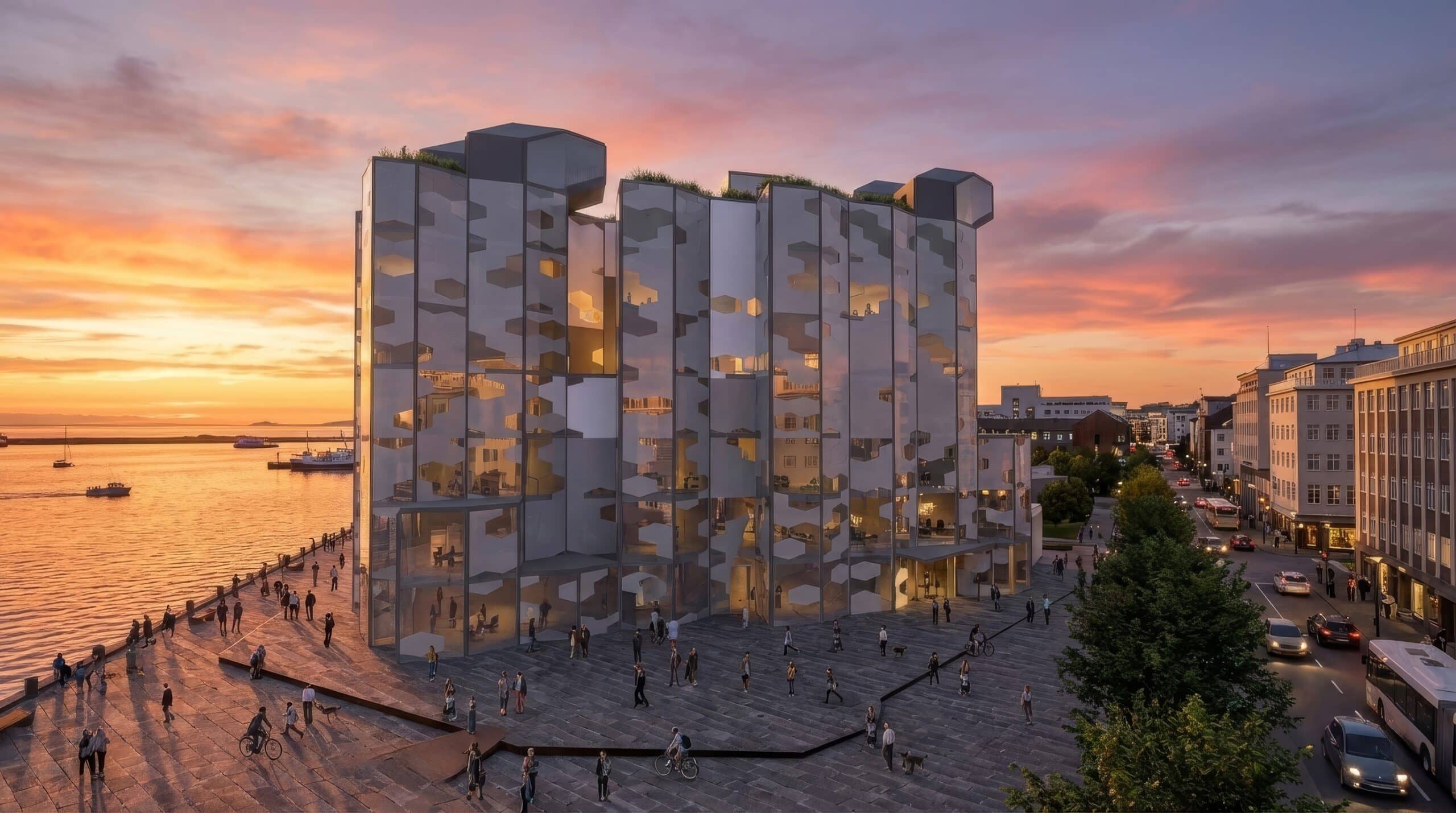
Tectonic Hub: Climate-Adaptive Recipe for Cultural Hubs in Reykjavik

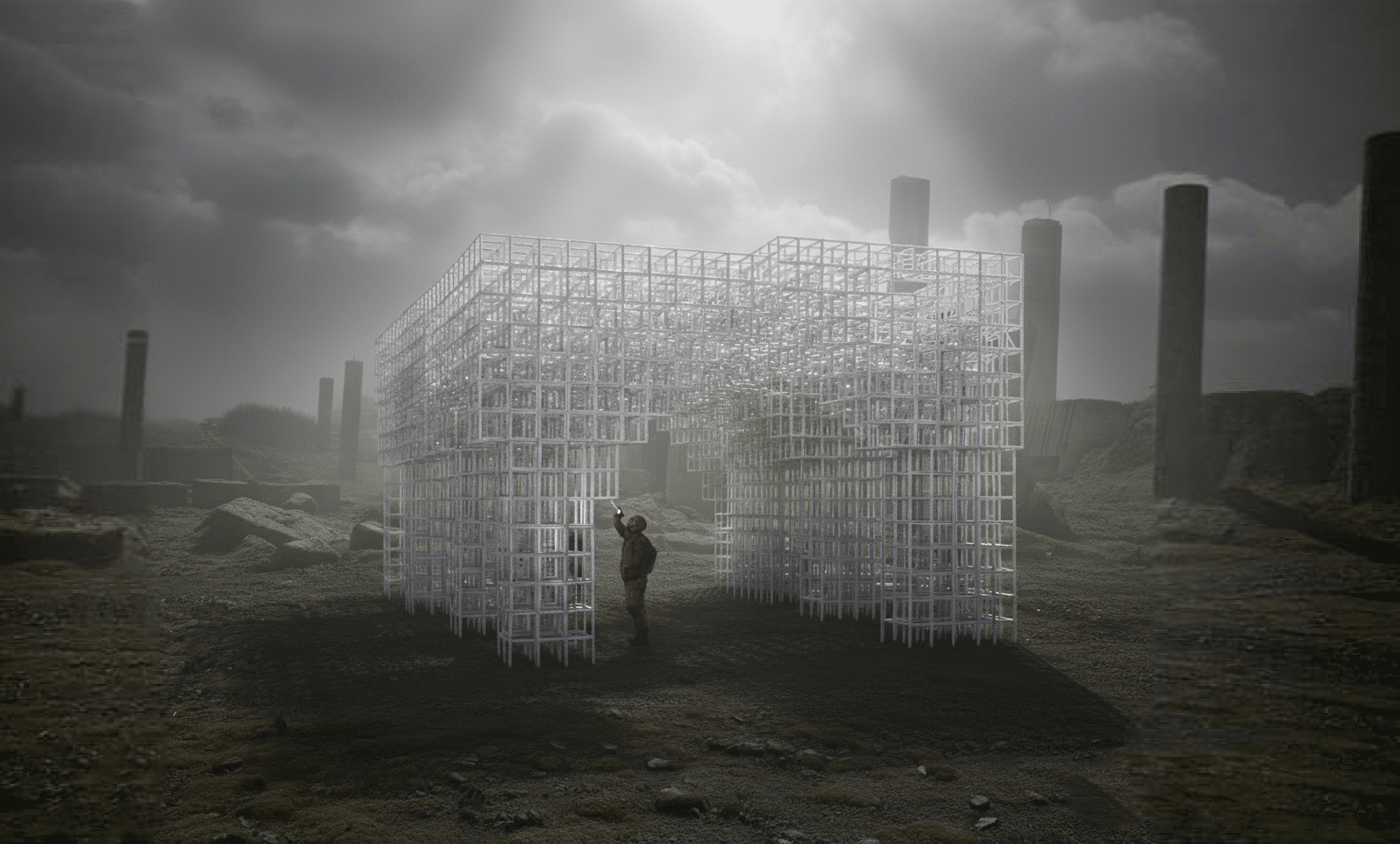
Ingredients Climate Reykjavík’s climate shapes the entire project. The site is exposed to strong, multi-directional winds reaching 27 m/s, with a prevailing direction around 135°. Daylight conditions are equally extreme, shifting from long summer days to very short winter ones. The system therefore needs to adapt, protect, and still create comfortable public spaces. Form Our formal … Read more

Monsoon Nest: Living Between Flood and Sky

Monsoon Nest is a modular housing proposal for Bangkok that responds to monsoon rainfall, flooding, and high-density urban conditions. The project explores adaptable modules, elevated structures, and passive climate strategies to create resilient, community-oriented living environments in a tropical context. The design of Monsoon Nest is informed by four primary parameters: contextual environmental data, parametric … Read more

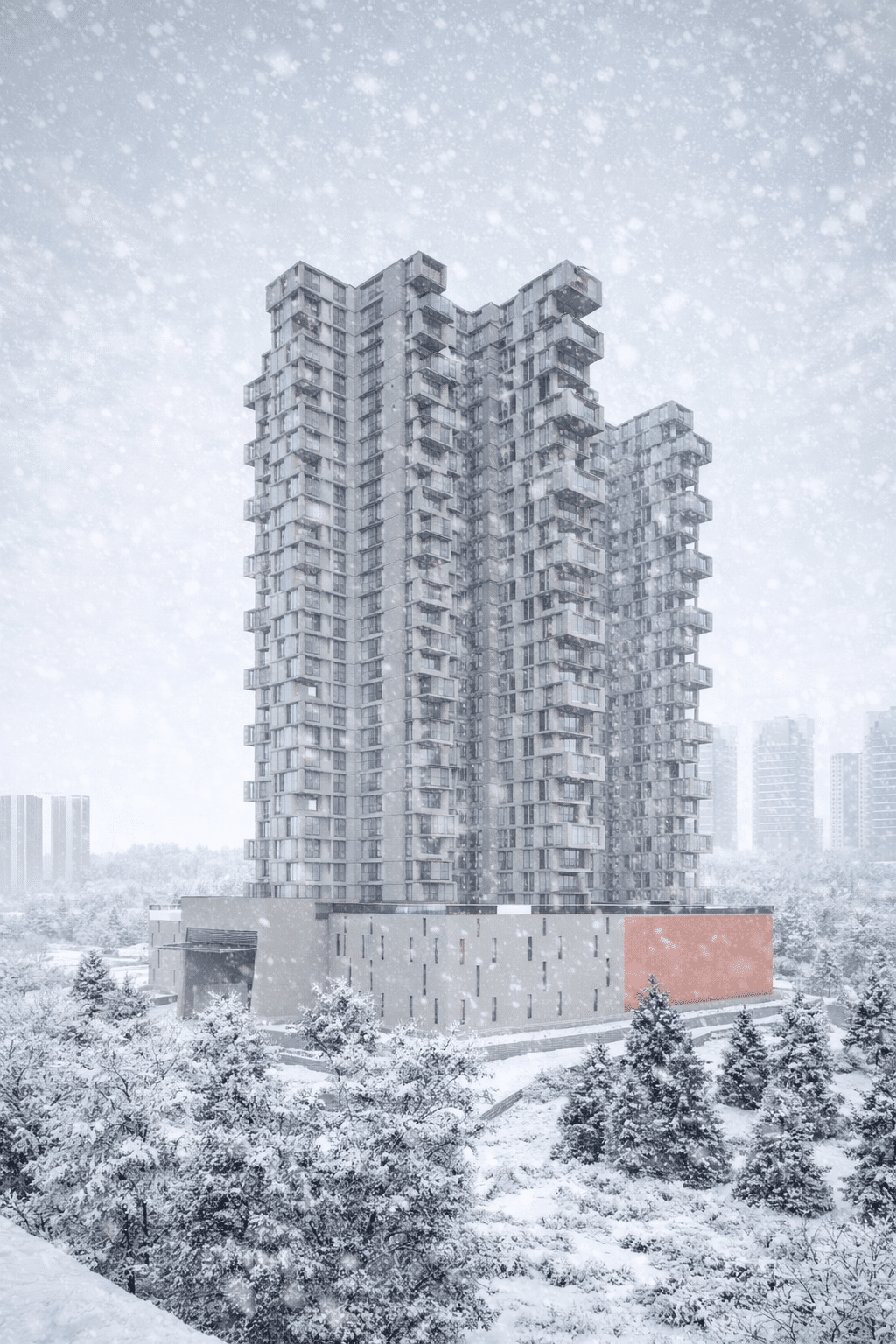
THE HARBIN CODE

“The Harbin Code“, designed by Muhammed Senin and Sushmitha Ravi, explores housing as a system-driven response to extreme cold climates. The project treats environmental performance, social interaction, and spatial flexibility as equally important design parameters, and is structured as a ‘building recipe’ that allows repeatable yet adaptable outcomes across the site. BUILDING RECIEP DESIGN STRATEGY … Read more

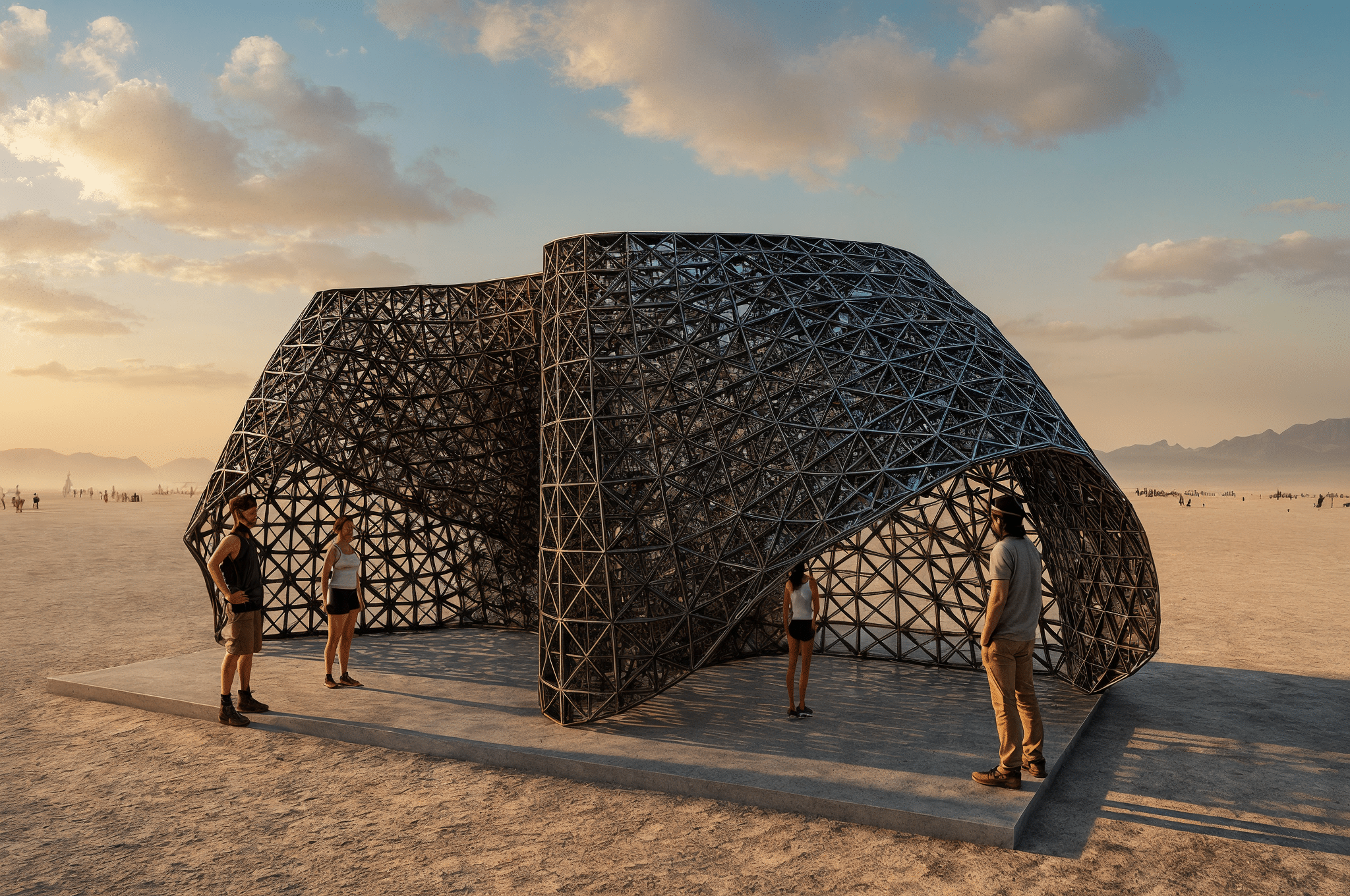
Catenary Field

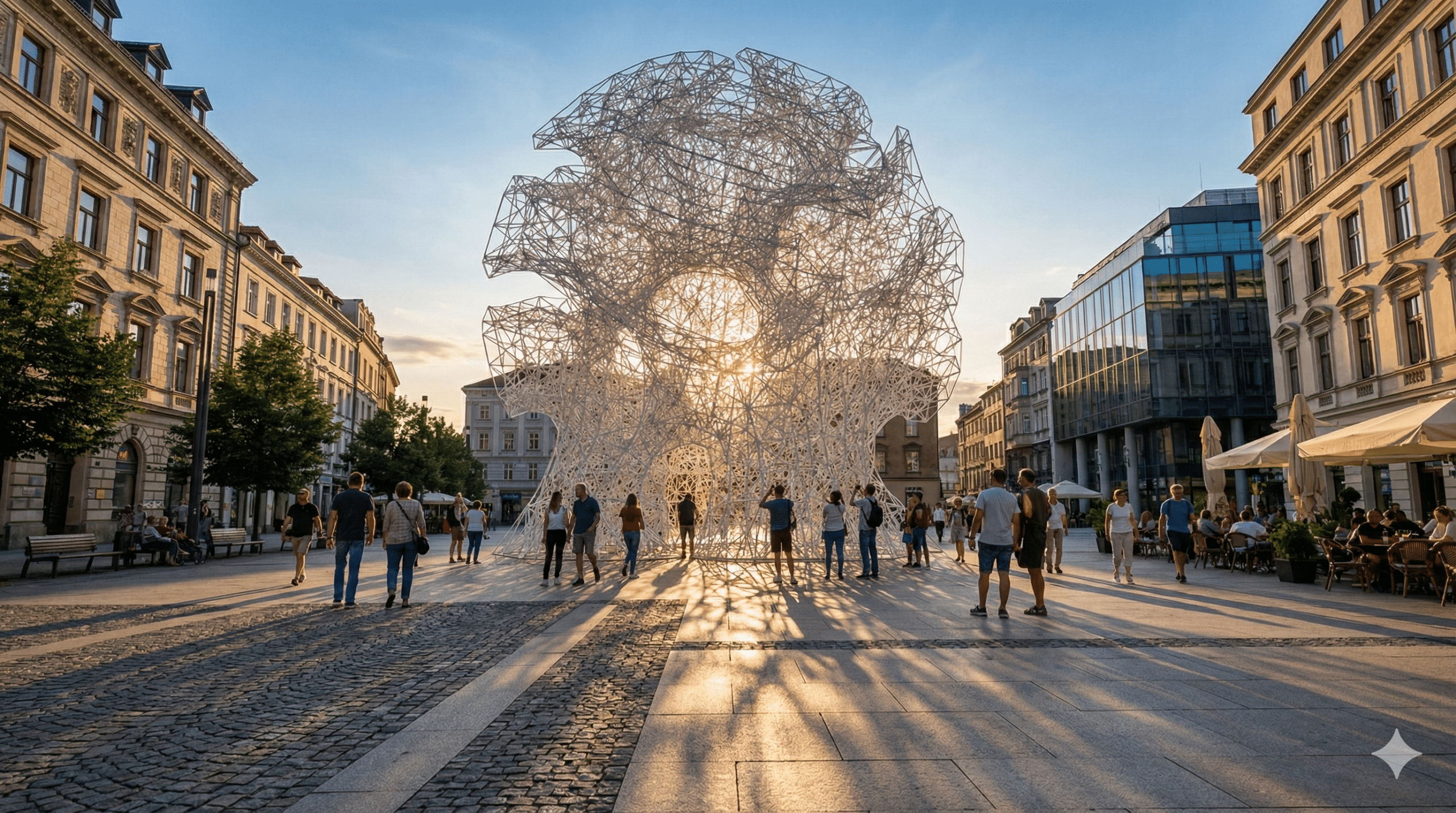
Glass fibre 3D printed temporary pavilion A structural and topological investigation into voxelised lattice systems, combining catenary form-finding with performance-driven optimisation to explore emergent spatial order and material efficiency. The Idea This project explores how a rigid, modular voxel system can define and enclose a pavilion, while an internally generated catenary geometry shapes circulation and … Read more

Temporary Pavilion

Pavillion Lattice Structure Render

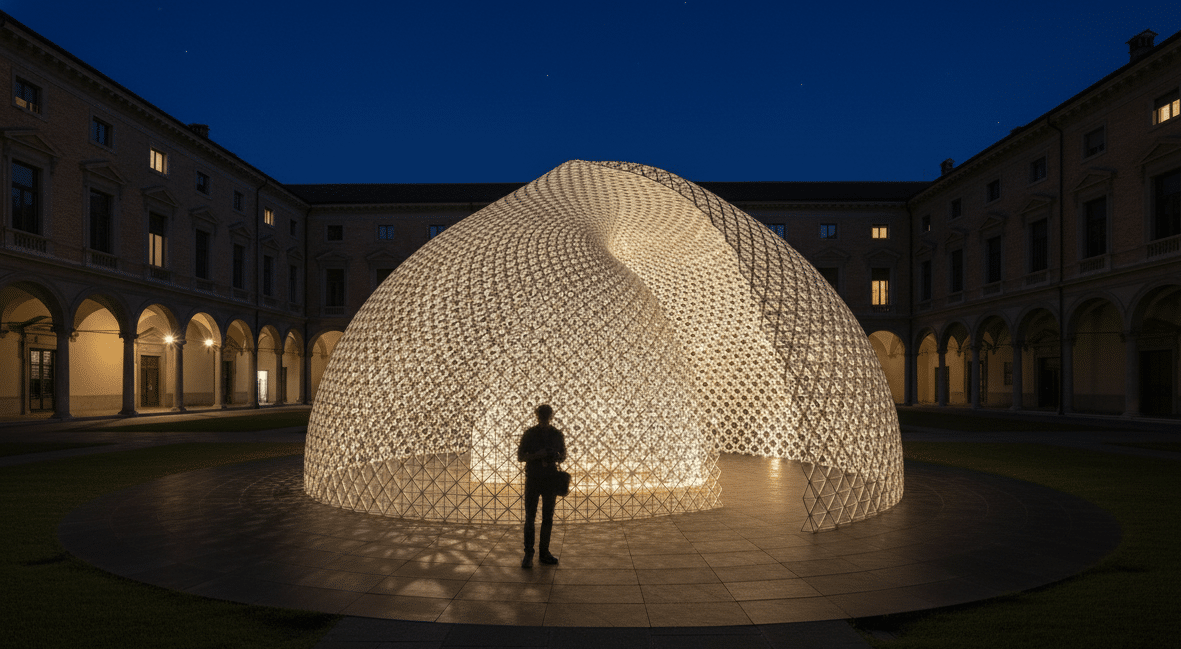
From Dense Lattice to Optimized 3D-Printed Structure 1. Project Overview This project explores the design and structural optimization of a temporary pavilion using computational design tools and lattice-based construction logic. The pavilion is conceived as a porous, walkable structure designed for large-scale 3D printing using glass-fiber reinforced recycled PET. The main objective is to investigate … Read more

Algorithmic Optimization and Fabrication of a Lattice Coral Pavilion

This technical report details the computational workflow developed for our final structural optimization assignment. The project methodology follows a rigorous sequence: initial form-finding, stress-line analysis, lattice topology selection, and cross-section optimization, culminating in a robotic fabrication strategy. General Workflow Overview The design process is structured around a linear algorithmic pipeline. It begins with form-finding utilizing … Read more

Materia Assente: Engineering the Ghost of an Architecture

Abstract Architecture is often defined by mass, weight, and permanence. But what happens when we design for the memory of a building rather than the building itself? Materia Assente explores the intersection of poetic parametric design and rigorous structural integrity. The project seeks to answer a complex question: How can we create a structure that … Read more

Solar stereotomy 

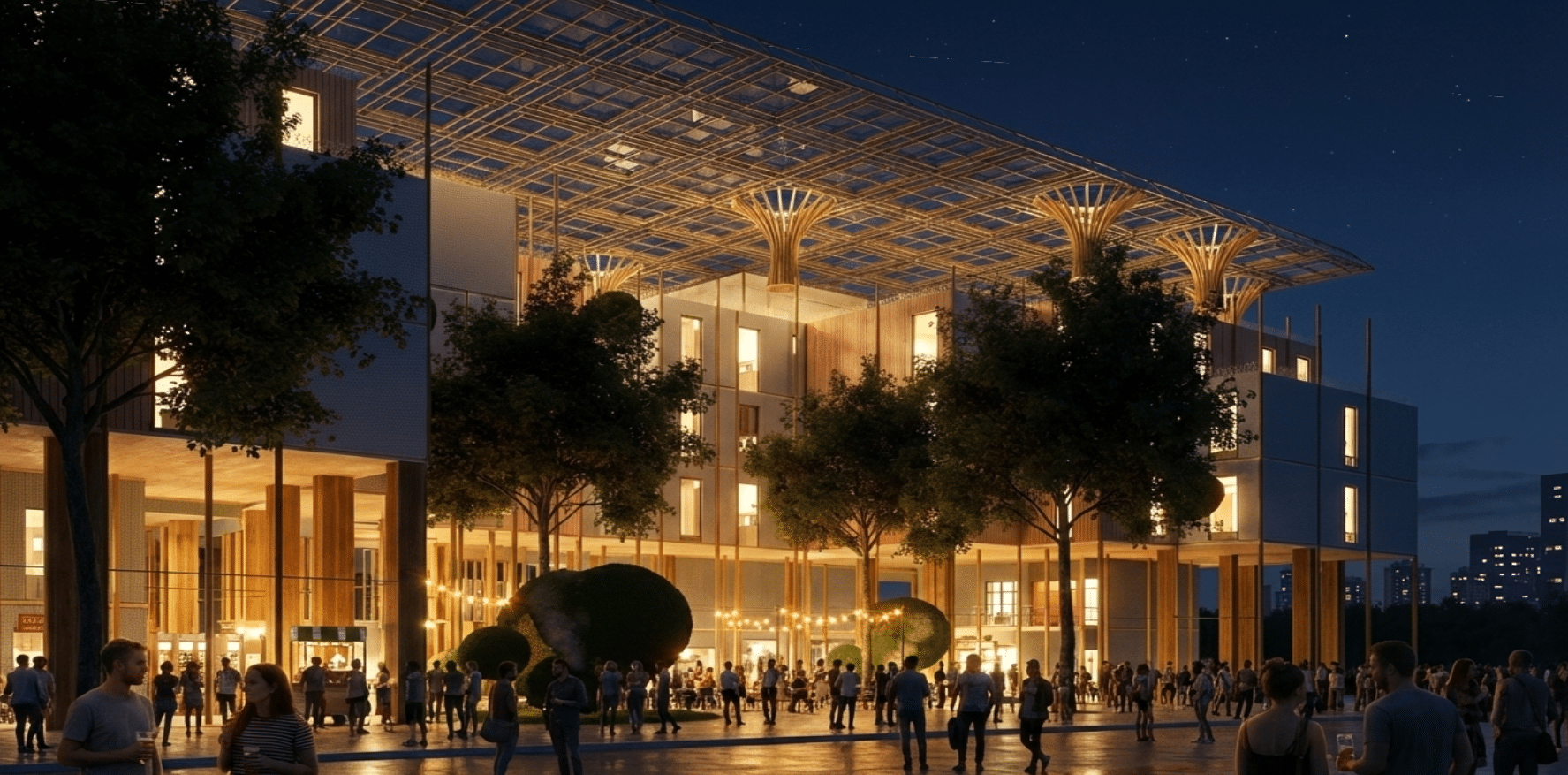
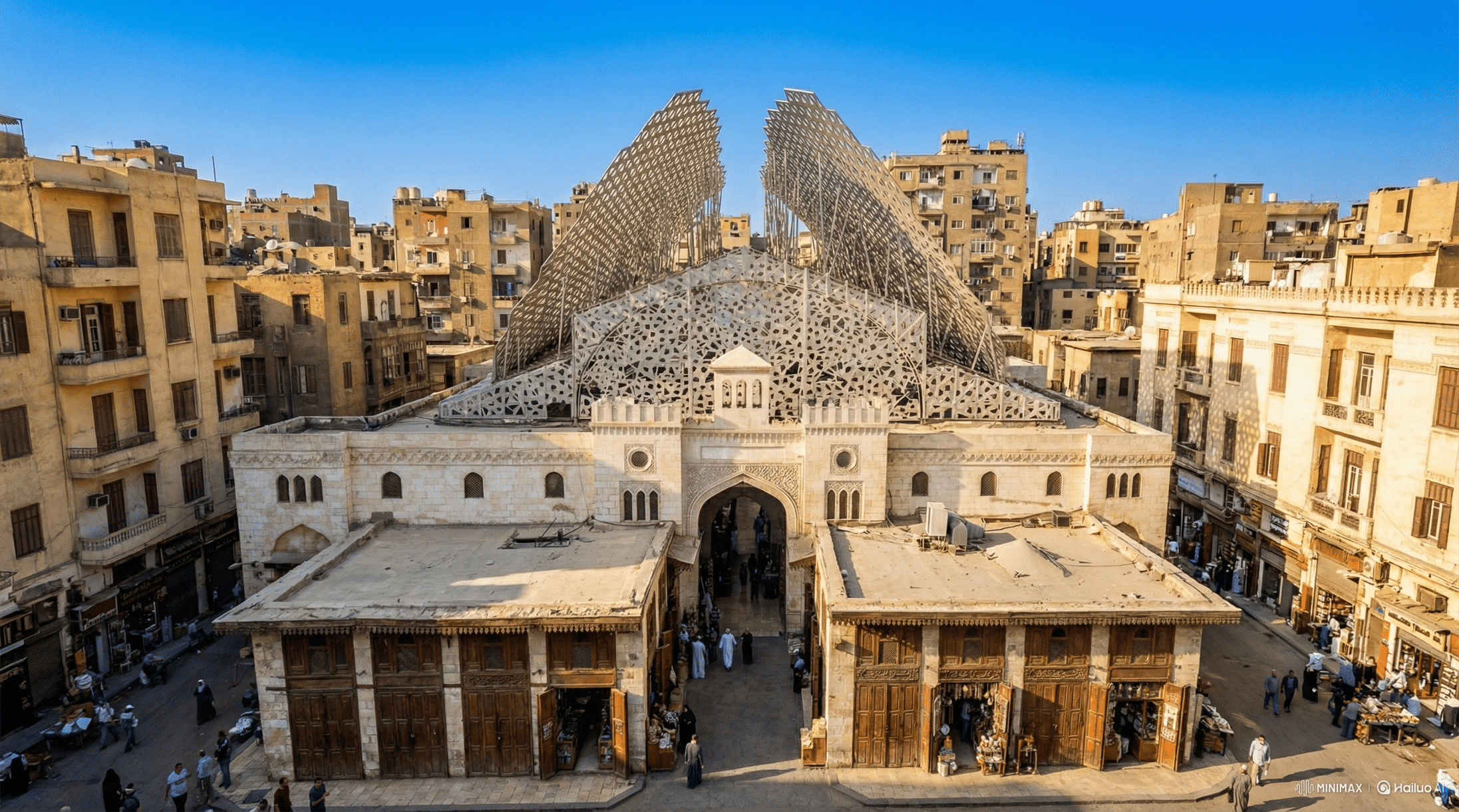
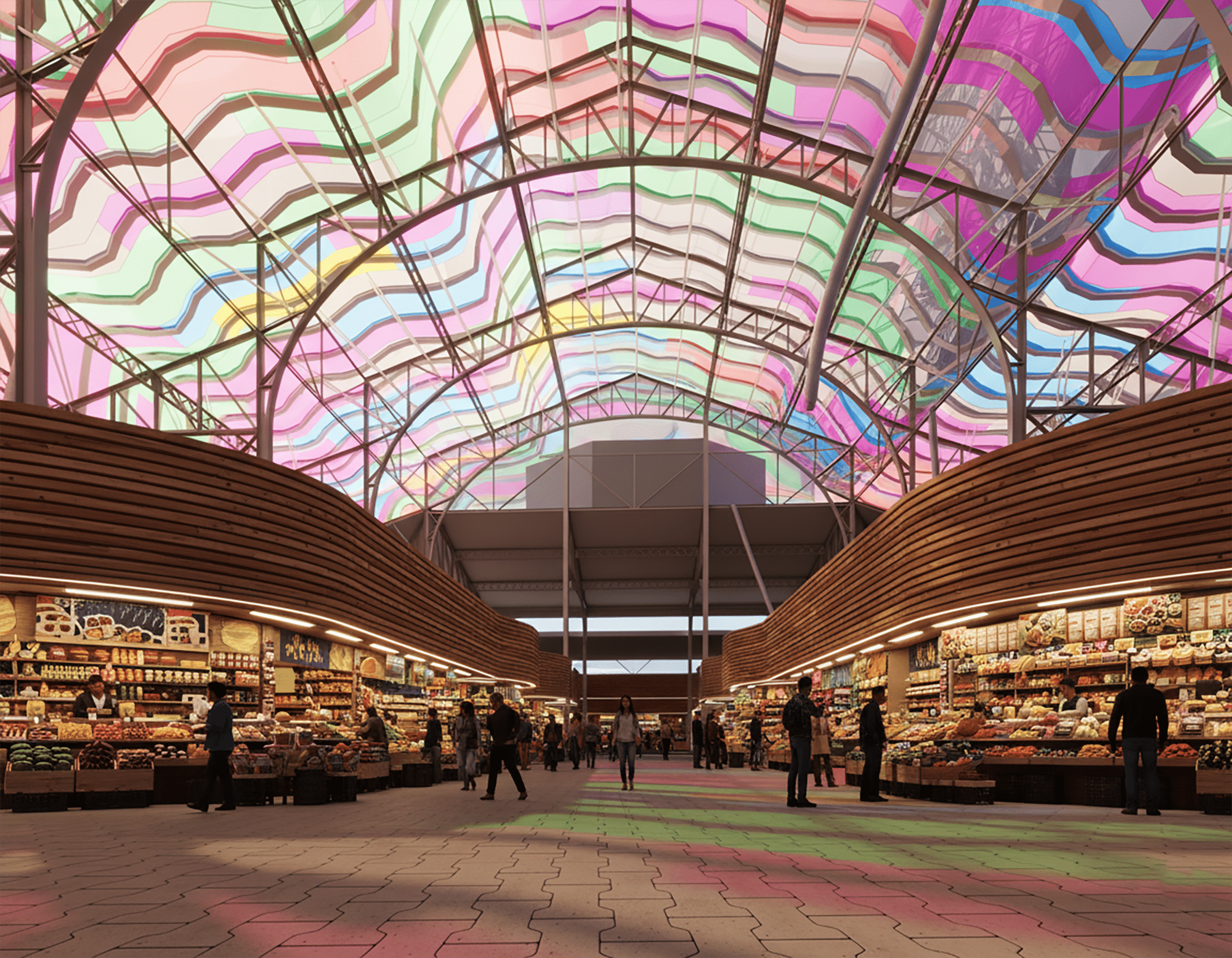
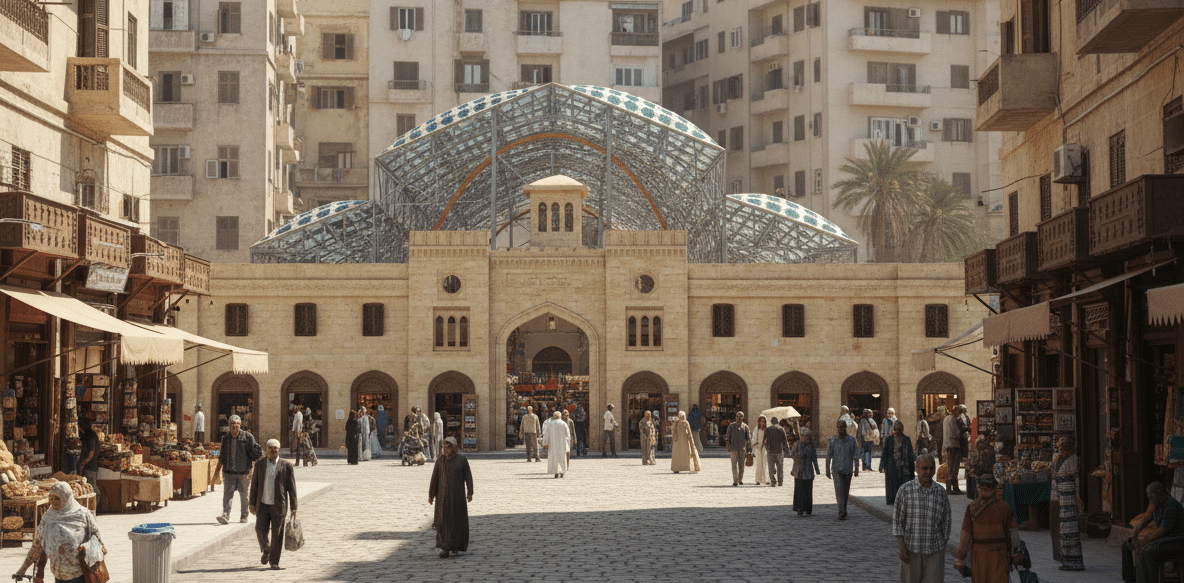
This project focuses on the reviving of the Bab Al-Lug market in Cairo, through the topics of Light, Path and Structure. Design idea: Established in 1912, the Bab Al-Lug market offered a state-of-the-art modern design inspired by the Halles in Paris The market’s metal structure is a typical example of tectonic architecture with its lightweight, … Read more

THE VEIL OF BAB AL-LUQ: A NEW SHADED HEART FOR DOWNTOWN CAIRO

I am excited to share The Veil of Bab Al-Luq, an architectural intervention designed by Sushmitha Ravi that reimagines the historic Bab Al-Luq Market in Downtown Cairo. The project seeks to restore the vibrancy of this iconic urban space by actively addressing its most urgent environmental challenge—the intense heat of Cairo’s hot, dry climate—through integrated … Read more

Verdant – Bringing Nature to Urban Rooftops

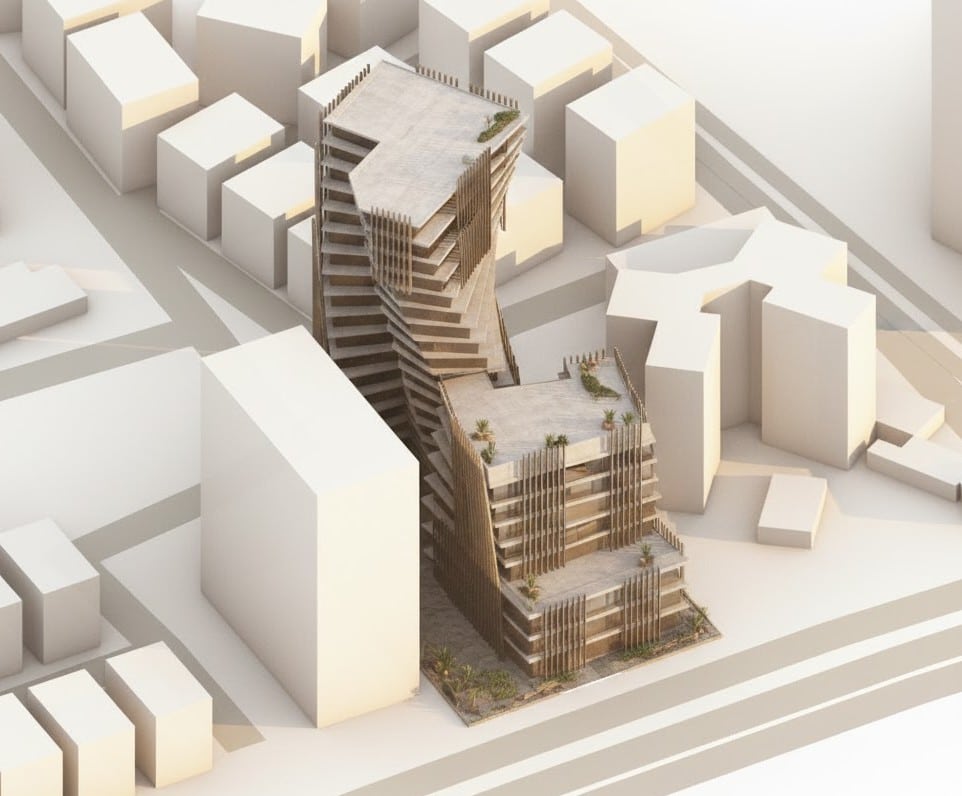
Verdant evokes lush greenery and vitality, capturing the essence of this parametric roof redesign that transforms a mundane urban building into an organic canopy. Inspired by the delicate structure of bamboo leaves, the project employs randomly oriented gold-anodized louvres to create a dynamic interplay of light and shadow, mimicking sunlight filtering through foliage. This modern … Read more

Bisāt al-Nūr: Reviving Bab al-Luq Souk in Cairo

Introduction The name Bisat-al-Nur—carpet of light—embodies both poetry and precision: a modern design rooted in tradition, echoing Cairo’s historic markets while reinterpreting them with contemporary materials and climate-responsive strategies. Ingredients The project is built on four ingredients: Design Process Layers The design unfolds across four layers: The strategy was to leave the existing market mostly … Read more

Ahmedabad’s Extreme Climate: Environmental Performance Driven Design, from Data to Form

Introduction This project, developed by Group D (Giovanni Carlo Volpe, Nihan Malkoç, Sushmitha Ravi, Zeynep Sezen Dursun) as part of the Master in Advanced Computation for Architecture & Design at IAAC, explores a computationally driven strategy for creating environmentally responsive architecture in the challenging climate of Ahmedabad, India. Through a rigorous process utilizing Digital Tools … Read more