The MaCAD is a unique online programme training a new generation of architects, engineers and designers ready to develop skills into the latest softwares, computational tools, BIM technologies and AI towards innovation for the Architecture, Engineering and Construction (AEC) industry.

Breaking the Photorealism Trap: Introducing ArchSketch Studio
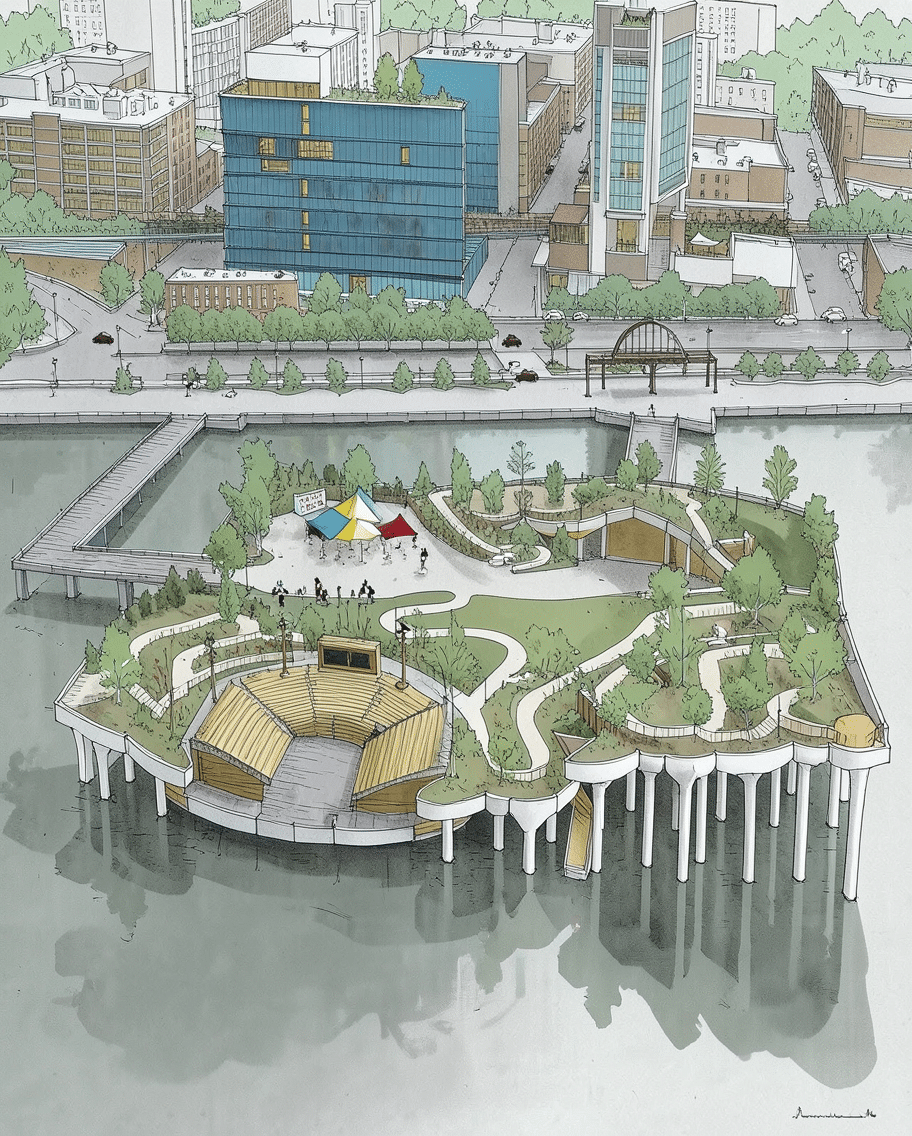
Architectural visualization has a default setting, and it’s usually photorealism. Walk into any design critique or client presentation, and you are almost guaranteed to see glossy, hyper-realistic renders. While beautiful, a single design often needs to be communicated in multiple visual languages depending on the audience and the phase of the project. Sometimes you need … Read more

VenustaMeter

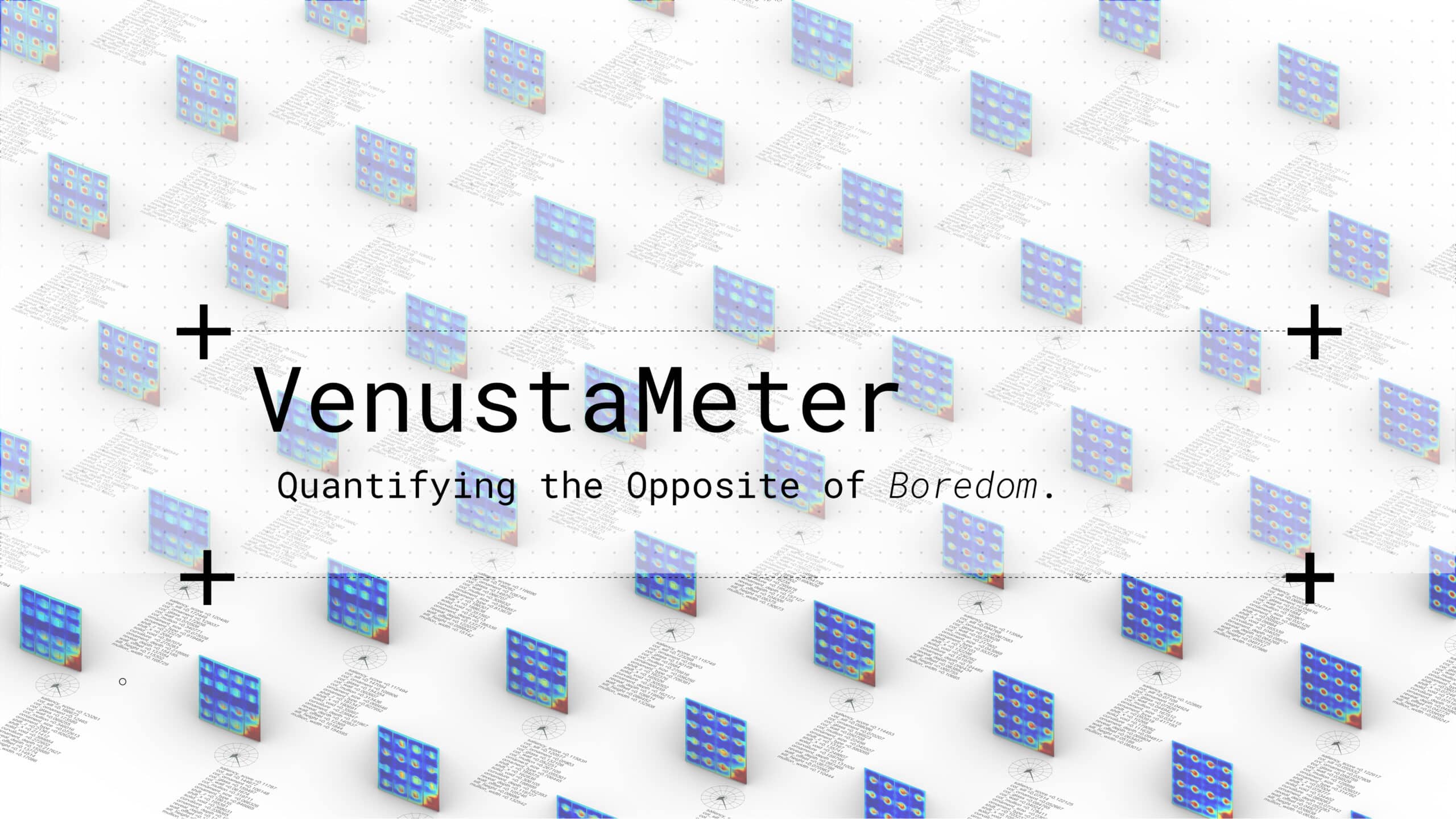
Quantifying the Opposite of Boredom For decades, architectural design has relied on intuition. Client feedback and peer reviews are inherently subjective, and by the time you can gather real human response data on a facade, the building is already standing. But what if we could predict whether a building will be visually engaging before a … Read more

NoiseXcape: Can Open Data Help Us Predict Urban Noise?

Introduction Noise is one of the most pervasive environmental stressors in cities. Long-term exposure has been linked to sleep disturbance, cardiovascular disease, reduced cognitive performance, and lower overall quality of life. Yet despite its importance, detailed noise maps are surprisingly difficult to obtain. Producing official noise maps requires measurements, traffic models, and considerable technical effort. … Read more

Ching Splat: An AI Interface for Architectural Image Translation

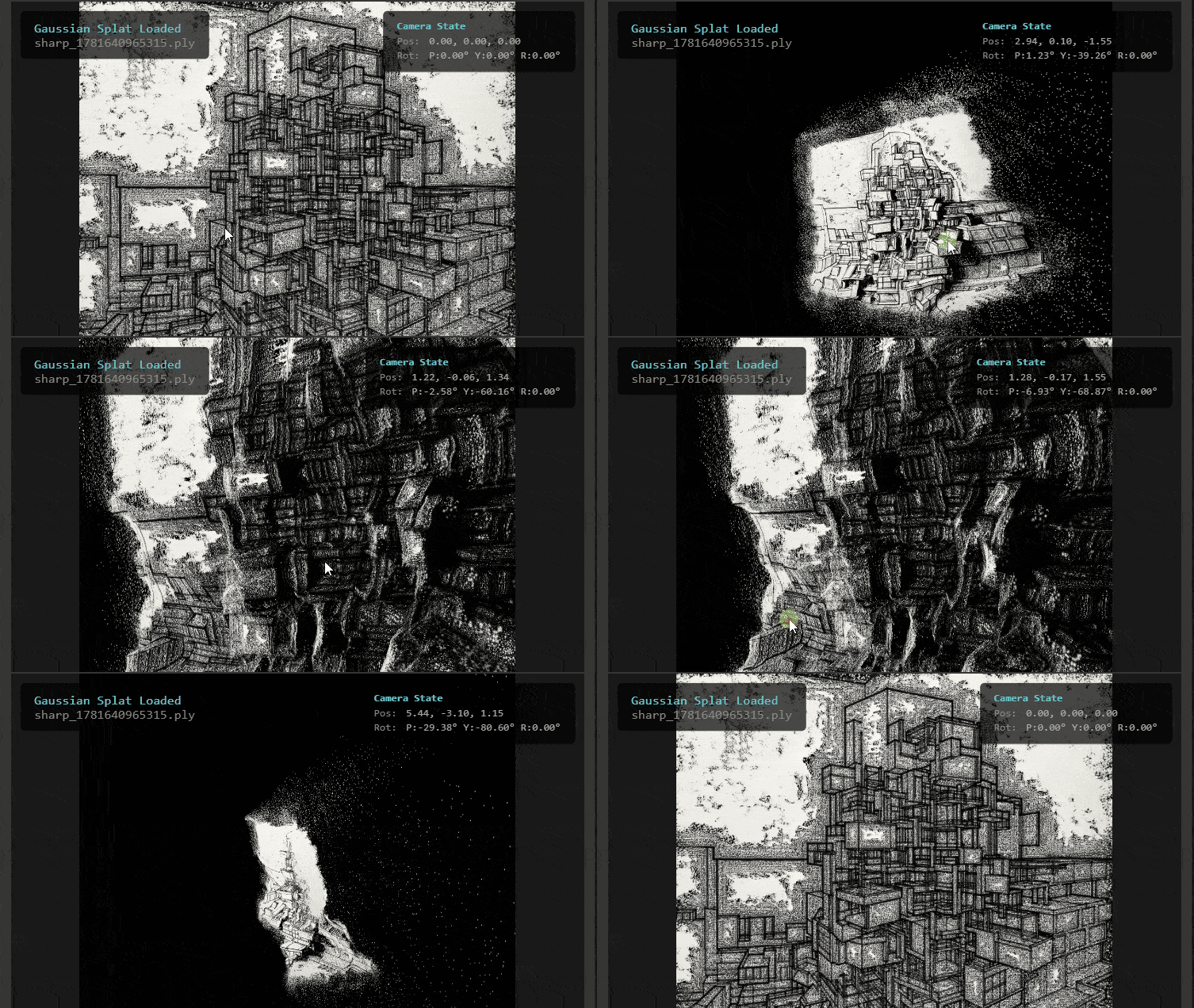
Interface Description Ching Splat is an experimental generative AI workflow. The project explores how architectural images can be translated between real photographs, line drawings, watercolor-style illustrations, and presentation renders through a controlled interface. The main design intention is not only to generate attractive images, but to build a practical visual workflow for architecture: keeping the … Read more

Plant Suitability Predictor

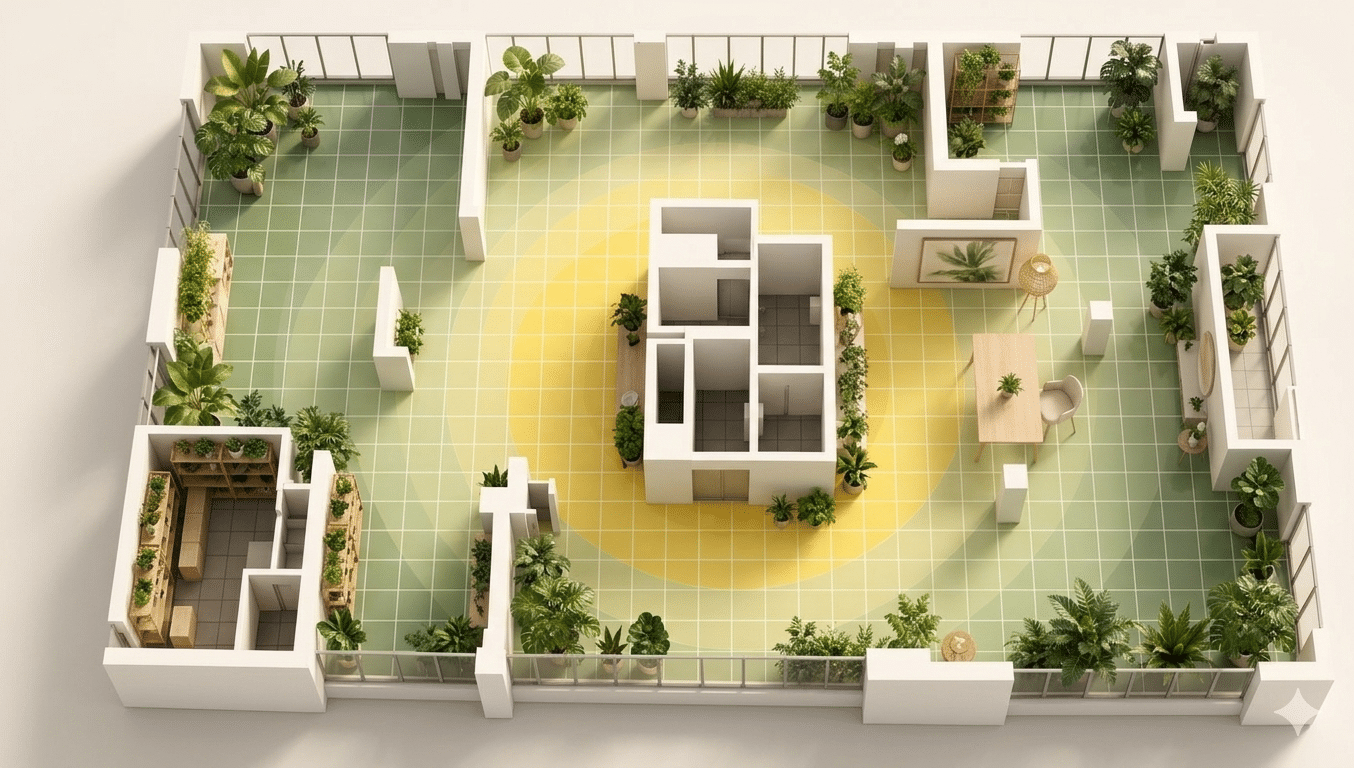
Interior floor plan used as project setup for plant suitability prediction

Tile-based machine-learning workflow for indoor plant suitability prediction Introduction Plant placement in interior spaces is usually treated as an intuitive or aesthetic decision. However, different areas inside the same room can receive very different levels of sun, radiation, useful daylight and humidity. This project proposes a machine-learning workflow to classify interior space into plant suitability … Read more

BioSpatial-Intelligence:

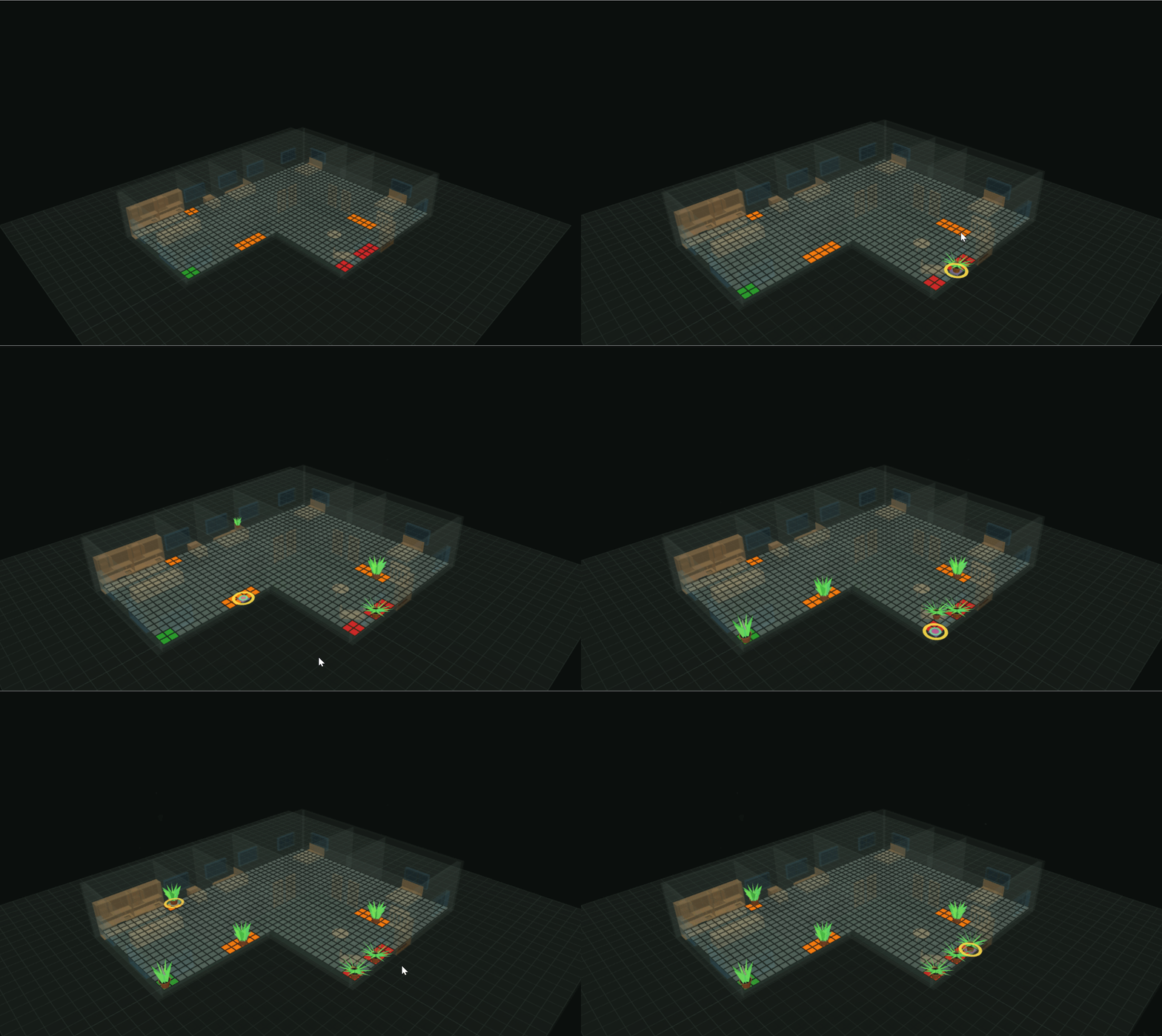
ML-Driven Plant Placement for Adaptive Architecture BioSpatial Intelligence explores how machine learning can support planting decisions in architectural spaces. The project starts from a simple design question: when we design a building, how can we decide which plants belong to which environmental conditions? Instead of relying only on intuition, we developed a workflow that reads … Read more

FloodPrint

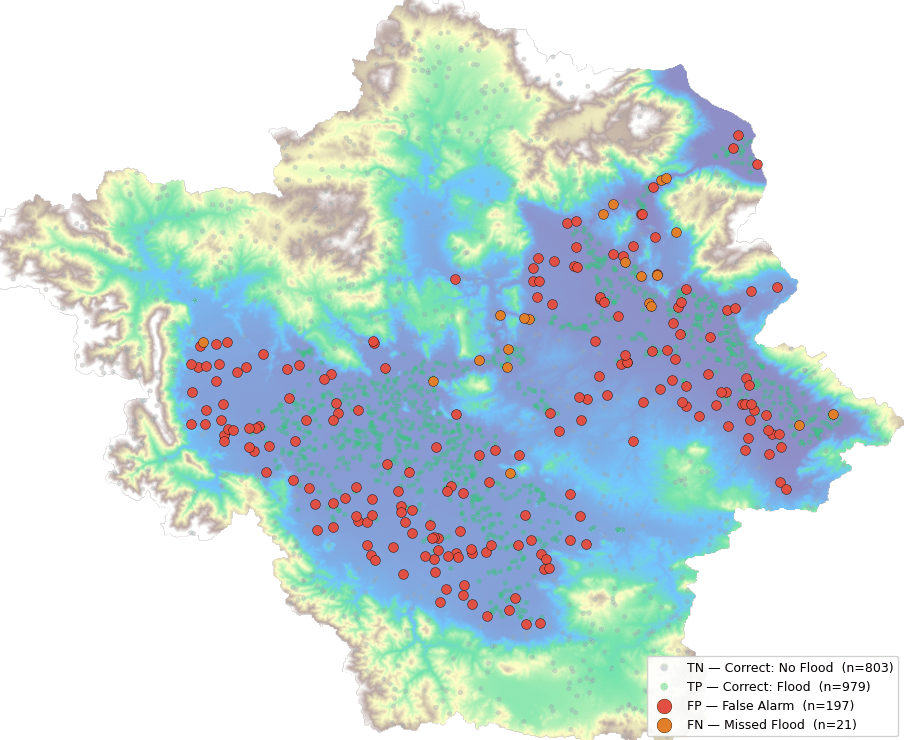
Objective Traditional flood risk maps take months to produce, are updated only every few years, and are too coarse, they might say a whole district is at risk without telling you which specific street or field will actually be underwater. “We are going to predict whether any given location in Thessaly, Greece is Flood-Prone or … Read more

FLAT DREAM

Interface description
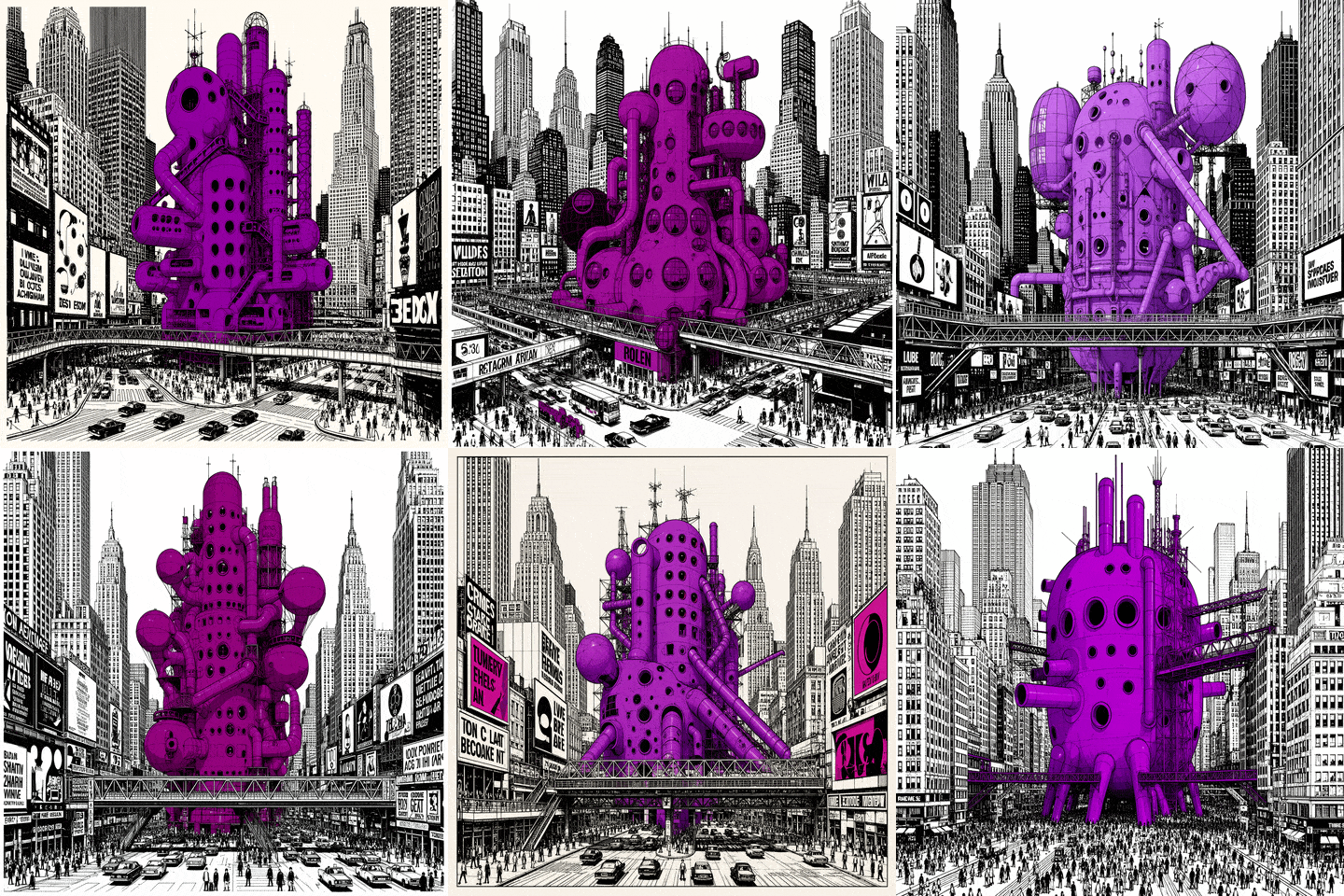
FlatDream is a interface inspired by the book Learning from Las Vegas built on 2 custom-trained LoRA models, fine-tuned on the visual language of the Archigram movement. It connects directly to ComfyUI and LM Studio to generate architectural imagery from text, image references, and multi-input compositions, with outputs that feed into a magazine builder, … Read more

NYC – Urban Land Use

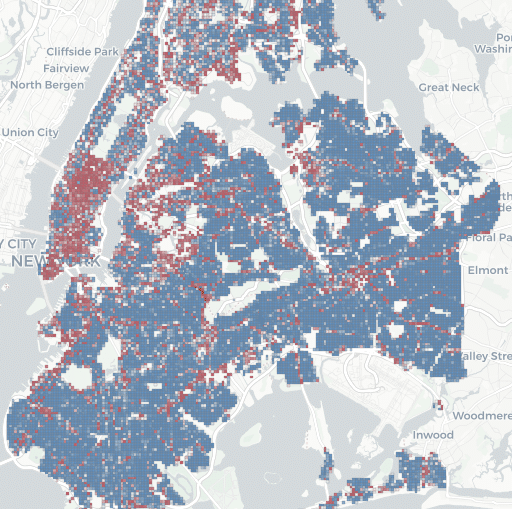
Can we predict what kind of use does a city grid hosts — Commercial vs. Residential — from its built form, morphology, and proximity to other urban features? “Can we predict the land use of a space based on existing environmental information from official and unofficial sources?” What’s the sweet spot for a Machine Learning … Read more

Ecoform: An Acoustic Copilot for Urban Designers

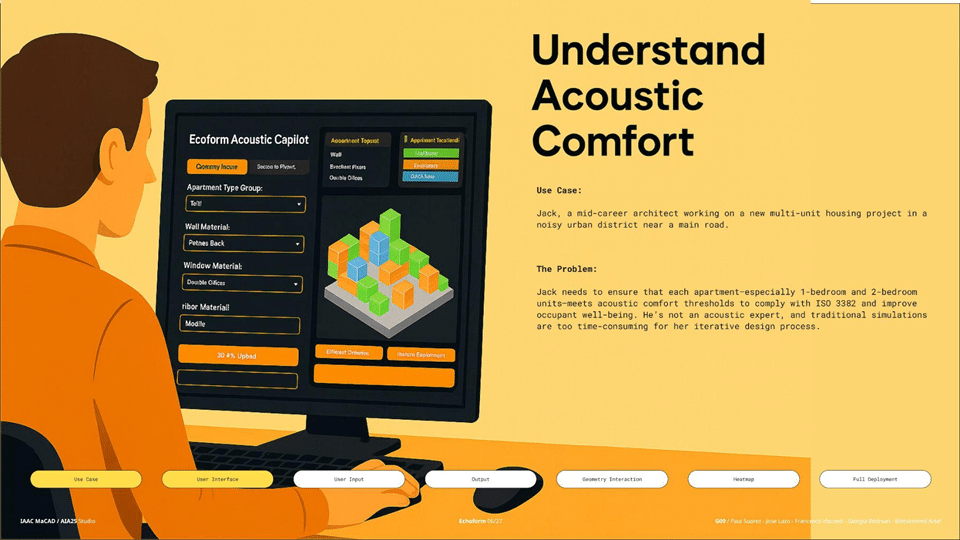
By Jose, Giorgia, Paul, Francesco, and Mohammed Rethinking Urban Design Through Acoustic Intelligence Cities today must manage noise for public health, productivity, and urban well-being. Streets, parks, towers, and public spaces all face constant noise challenges. Yet, traditional urban design often treats acoustics as an afterthought. Most teams evaluate sound issues only after making key … Read more

AIA25 Studio – HaBiCoM

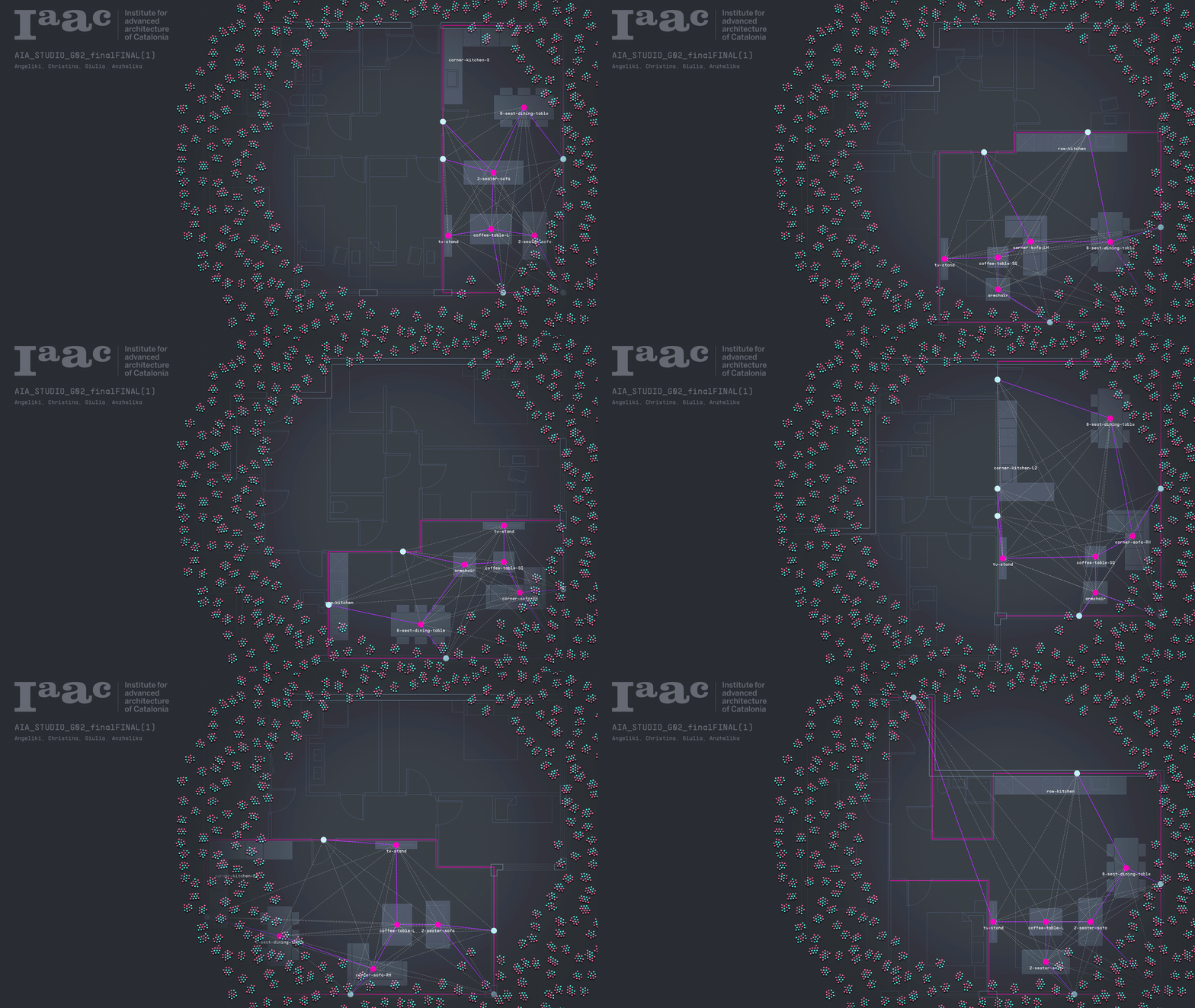
HaBiCoM is an AI-powered copilot designed to assist architects, designers, and users in shaping smarter, more responsive interior spaces. At its core, HaBiCoM redefines the way we approach furniture placement within residential environments by aligning each design decision with the user’s unique daily habits, lifestyle rhythms, and thermal comfort needs. Unlike traditional layout tools, HaBiCoM … Read more

gAIa*

A sustainability CoPilot Gaia is an intelligent design assistant, a copilot that supports architects in navigating the early stages of design with real-time environmental feedback. Named after the ancient Greek personification of the Earth, Gaia reflects both the ecological focus of the tool and its role as a guiding presence in the creative process. The … Read more

Captain CAT – Courtyard advisory tool

Consider yourself a local architect or urban planner dealing with the all-too-common Barcelona problem: Its too hot here! and the courtyard outside feels like a desolate oven. Imagine now that your co-pilot is a pixel-art cat that is friendly, understands the climatic conditions and works with you to create a courtyard that is actually comfortable, … Read more

GORA BOT: Graph-Oriented Routing Assistant

GORA BOT

GORA Bot—a real-time evacuation assistant that uses spatial logic and AI to guide people between composure and panic during emergencies. The Team Introduction In emergencies, every second counts, but evacuation planning is often delayed until after design, without real-time feedback. To ensure safety, architects must integrate evacuation logic directly into the design process. State Of … Read more