The MaCAD is a unique online programme training a new generation of architects, engineers and designers ready to develop skills into the latest softwares, computational tools, BIM technologies and AI towards innovation for the Architecture, Engineering and Construction (AEC) industry.

Filters
Course

AI Powered BIM Workflows

Abstract Artificial Intelligence is revolutionizing global industries, with the AEC sector being no exception. This study embarks on a comprehensive examination of AI’s role within Building Information Modeling (BIM) workflows, exploring its implications and envisioning the industry’s future post-AI integration. Initial Research Among the available AI aided BIM tools, we looked at the commonly used … Read more

Continuous workflow: Implementing BIM from planning to execution
Introduction BIM has long been established as a disruptive technology in the construction industry. It has significantly changed how we approach construction projects, making it possible to plan, manage, and execute projects more efficiently with digital models. Despite its potential, our experience is that the implementation of BIM into comprehensive processes and workflows involving multiple … Read more

Implementing BIM and 3D Printing Technology for Affordable & Sustainable Development in Third World Countries

•Building Information Modeling (BIM) and 3D Printing technologies offer a transformative potential in addressing housing challenges in third-world countries. BIM facilitates a comprehensive digital representation of construction projects, enhancing collaboration, reducing errors, and optimizing resources. In tandem, 3D Printing enables cost-effective and rapid construction, allowing for the creation of affordable and sustainable housing solutions. Together, … Read more

BIM as a part of smart data management in urban scale

“Building Information Modeling (BIM) in urban scale data management refers to the strategic integration of digital modeling techniques, for the thorough organization and oversight of urban infrastructure and services. This process entails crafting 3D models that encompass sets of data layers—including architectural, infrastructural, and environmental aspects—to streamline city planning, design, and operation.” The use of … Read more

From Data to the Physical: Prototyping Architecture in the Digital Age

PROBLEM STATEMENT The predominant usage of digital processes in the current practice of architecture. However, with the many positives there are known inherent and latent constraints (e.g., data encryption, cloud breaches, and copyright issues) and other possible complexities and challenges. THESIS STATEMENT To inquire the understanding of the adoption of digital processes in the practice … Read more

Machine Learning in Architectural Practice and BIM

We’ve witnessed a fascinating shift from conventional to computational approaches, responsive designs, and the era of automation. Machine Learning, a term buzzing everywhere these days, has made its mark in our industry as well. In architecture, ML, a subset of artificial intelligence, utilizes data to tackle challenges in computer-aided design by simulating various design alternatives … Read more

Better Data Frameworks: What Pixar Can Teach the AEC Industry

Challenge The available Building Information Modeling (BIM) applications in the AEC industry help create geometry and add meta-data. However, the files generated by this software are neither readable nor editable by any other application. Additionally, the metadata added to geometry lives as disconnected copies in several models. These issues lock AEC companies to particular software … Read more

BIM and the Sustainable development of affordable communities for informal settlements in Egypt

Abstract Informal settlements across all of Egypt are characterized by complex socio-economic situations aggravated by the immense size of the population and its rapid growth. As a result of lack of building regulations, extreme poverty and continuous need for expansion, the rise of uncontrolled informal settlements remains a significant challenge for Egypt. Our research explores … Read more

BIM Based Asset Management and Life cycle Analysis

Different Approaches for extracting/Regeneration of BIM Data Different Approaches of BIM Data integration for Life Cycle Analysis BIM-Based Asset Management and Life Cycle Analysis involve utilizing Life Cycle Assessment (LCA), a scientific methodology for quantifying potential environmental impacts. In the realm of buildings, LCA is standardized by the European standard EN 15978. While this standard … Read more

The Future of Generative Design – Enhanced with BIM

The Tools In the world of Architecture, Engineering, and Construction (AEC), designers have access to a plethora of tools, ideologies, and software to make their visions a reality. Within this vast space of options for designers to choose from, there are more specifically, tools that deal with Generative Design and Building Information Modeling (BIM). Software … Read more

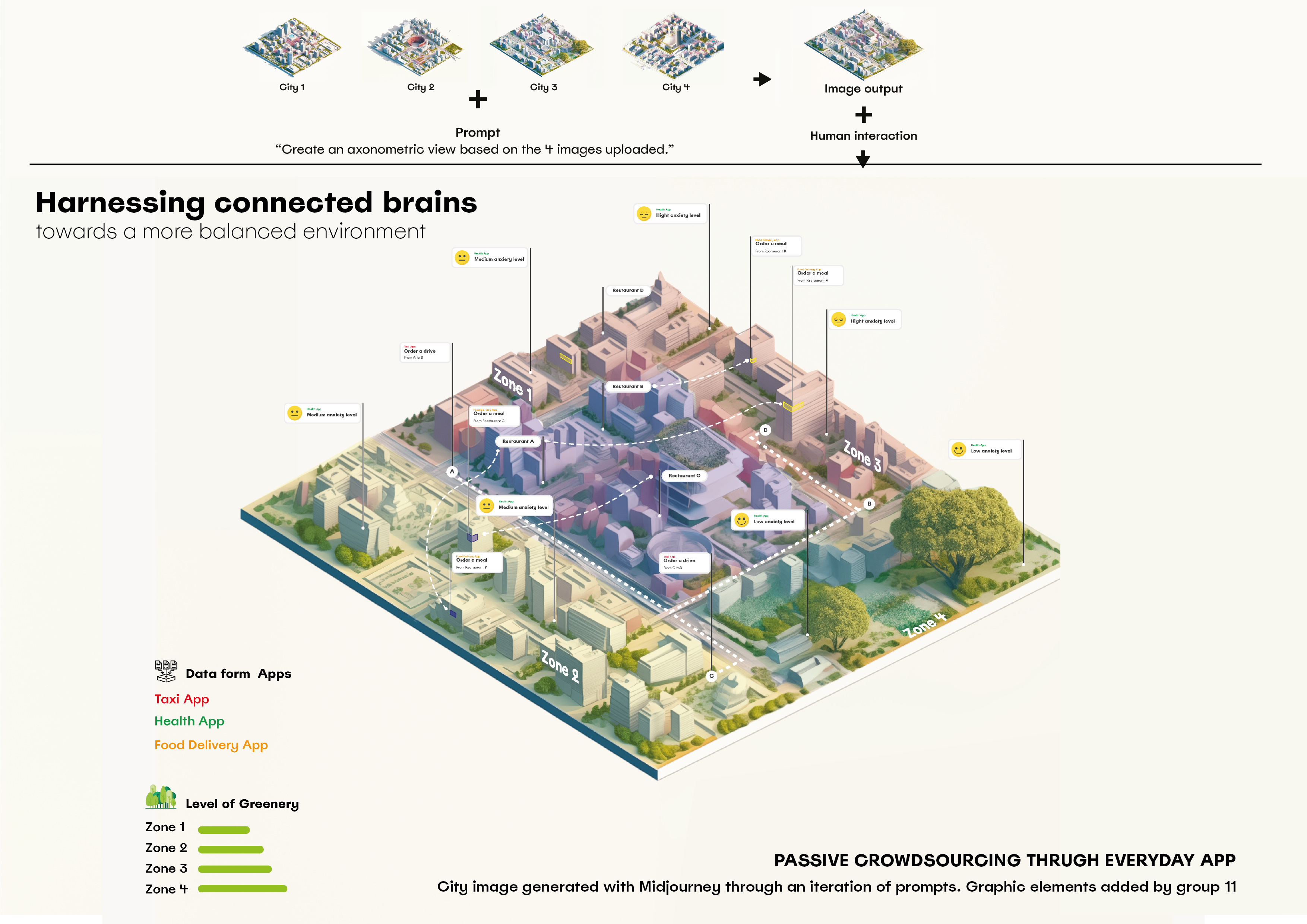
Harnessing connected brains towards a more balanced environment

Between groupthink and individualitythe conflicting human impulses toward civilisation and social organization”(William Golding, The Lord of the flies, 1954) -How does collective design ensure/produce better environments?-How collective intelligence can affect design decisions?-How top-down and bottom- up projects are implemented?–Open data vs privacy | Participatory vs autonomy | Crowdsourcing / Crowdfuding Introduction To what extent collective … Read more

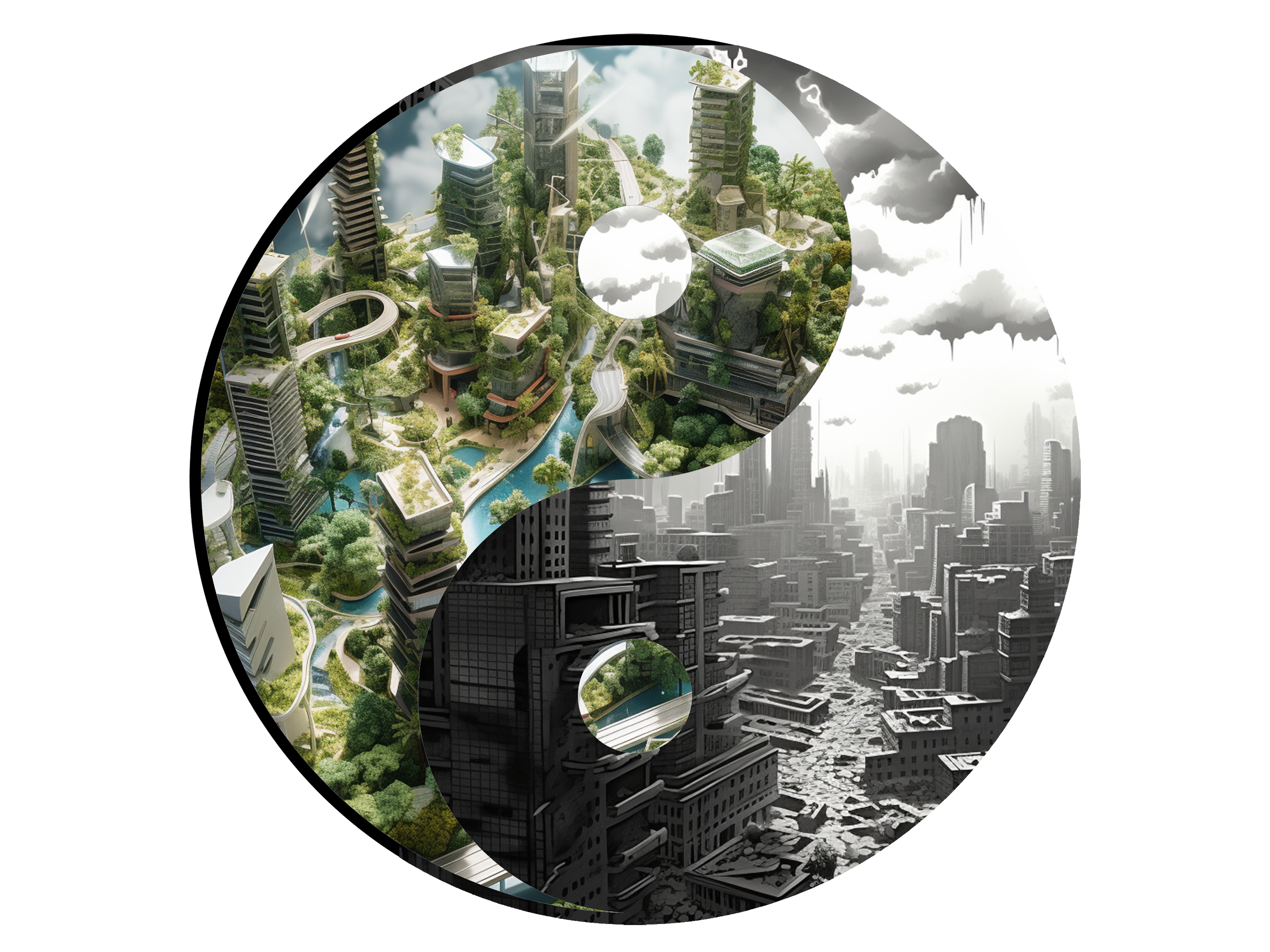
Ecological Design: Towards A Utopian or Dystopian Future

Ecological designs mimic nature, aiming to produce systems that generate no waste and positively impact the environment. We will consider the opposite ends of an ideal civilization: a utopian and dystopian world. Utopian: A future when there is a balance between satisfying living creatures (Humans, animals, and plants) needs in a space/building through an efficient … Read more

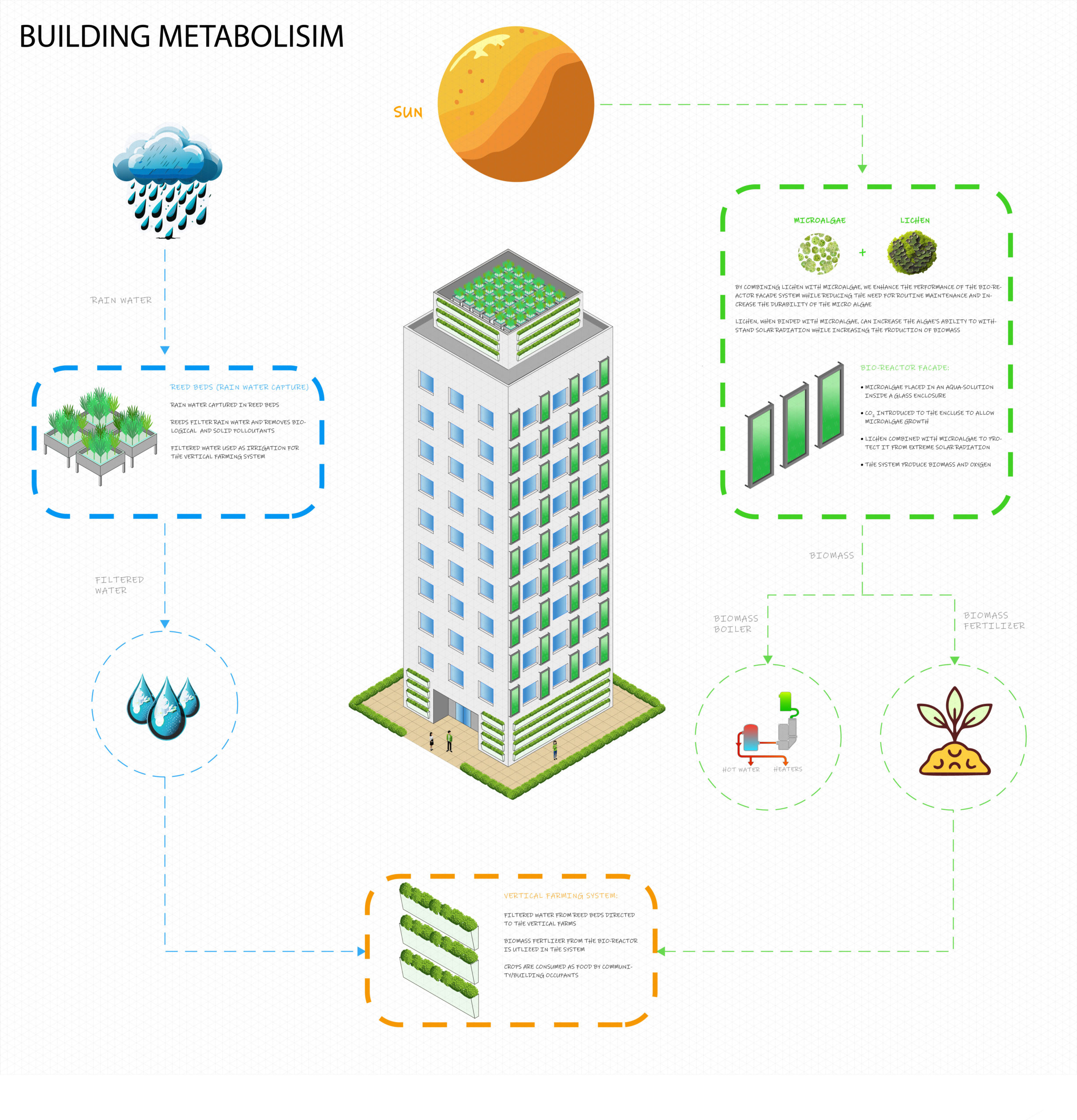
Metaphors of Transformation: Shaping Sustainable Architectural Paradigms in the Urban Era

Introduction In the face of intensifying urbanization and the climate crisis, how can a paradigm shift in architecture, guided by the principles of building metabolism theory, offer a sustainable and regenerative solution to address the challenges of our rapidly evolving urban environments? Abstract In an era of intense urbanization there is an imperative need for … Read more

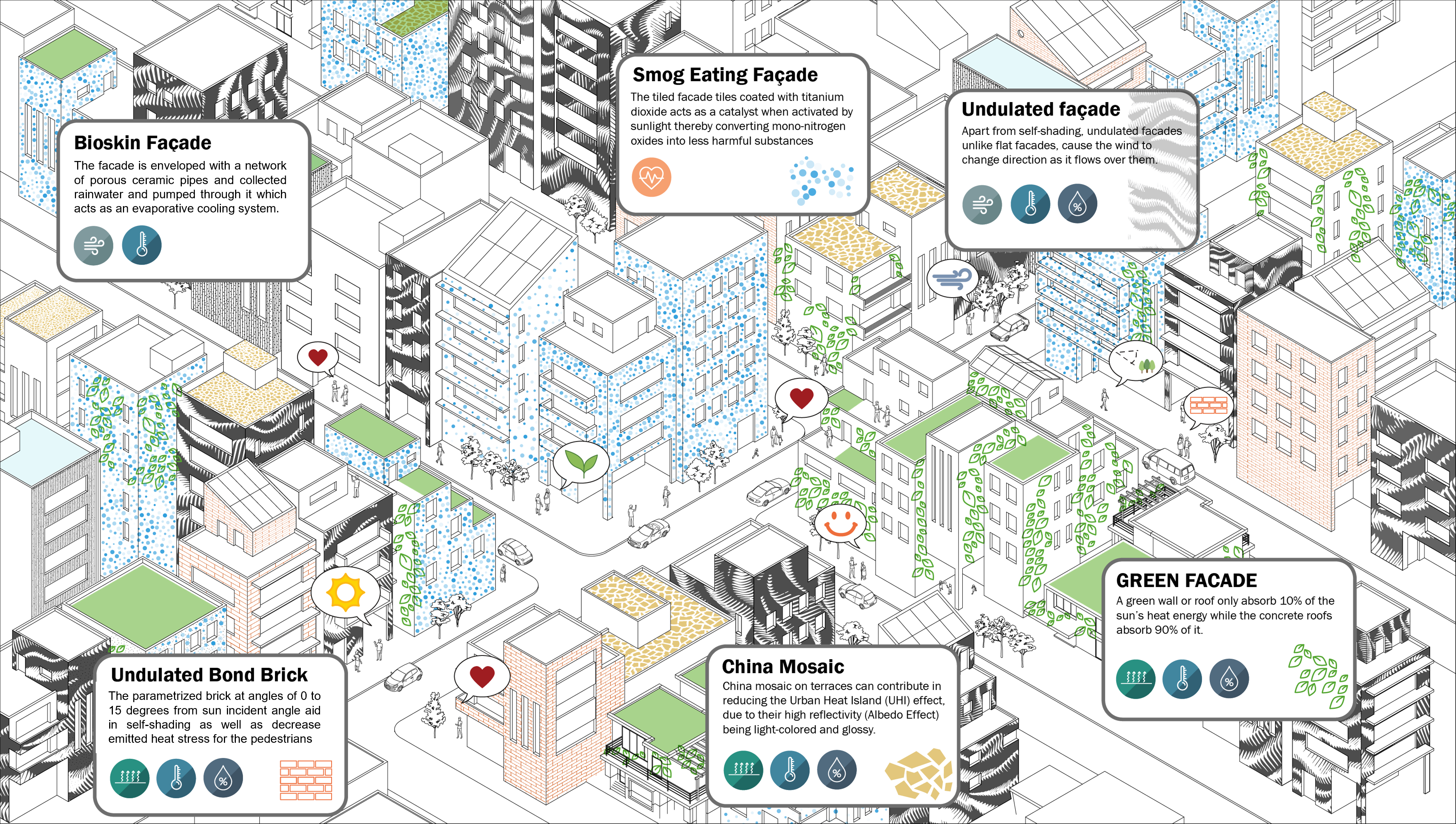
Building Envelopes: Catalysts for Outdoor Thermal Comfort and Health

Objective of the manifesto In an age defined by climate change, this manifesto strives to motivate designers by evoking their consciousness, to design the building envelopes not just for indoor comfort and aesthetics, but also ensuring the creation of outdoor thermal havens as these envelopes comprise approximately 70 % of the urban outdoor environment. Hence … Read more

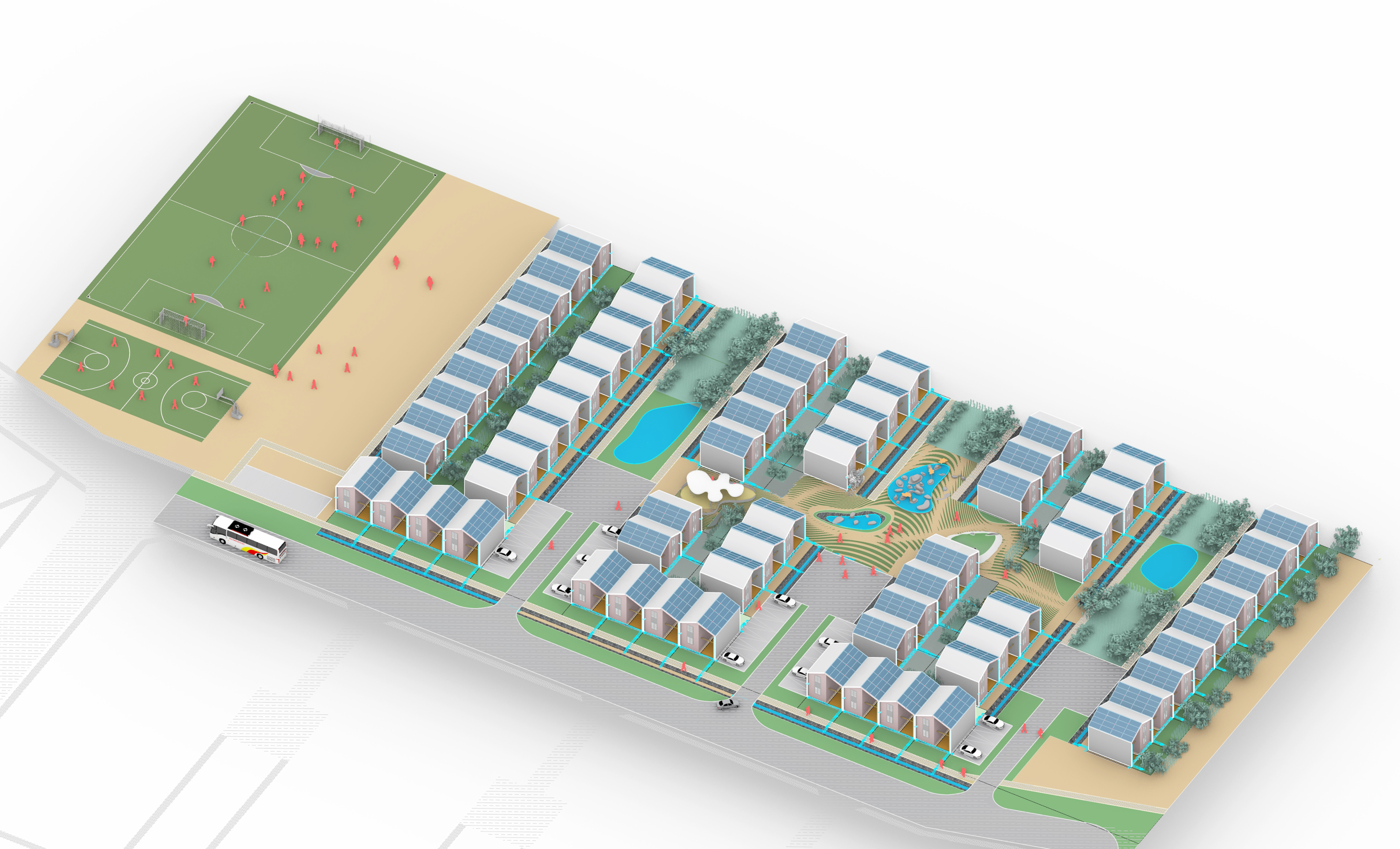
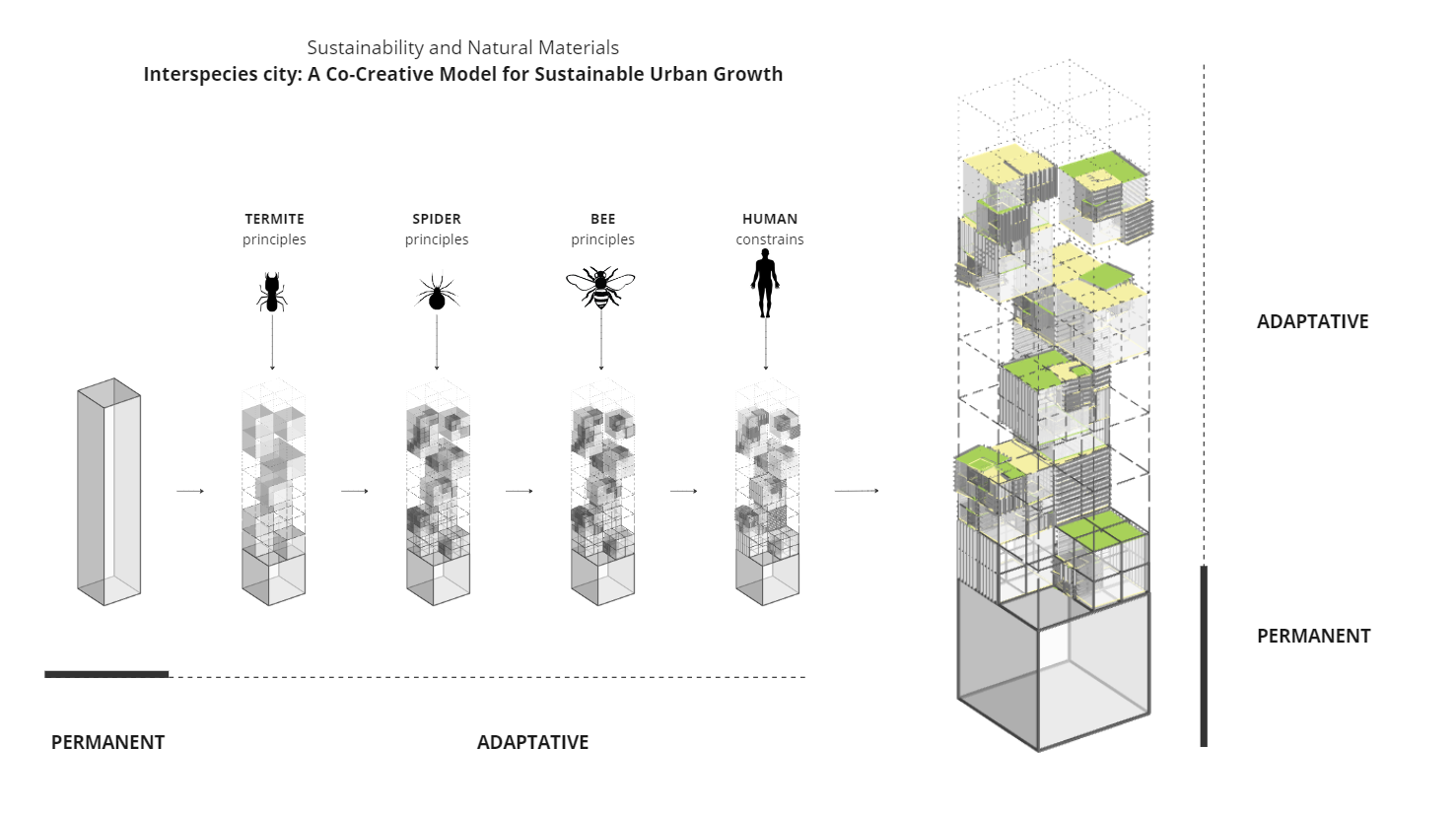
Interspecies city: A Co-Creative Model for Sustainable Urban Growth

INTRODUCTIONWhat is the difference between writing in ink and writing in pencil? Pencil can be easily deleted and re-written, while ink is permanent. In the realm of construction, the choice between writing in ink and pencil becomes a metaphor for permanence versus adaptability. Our cities face the urgent need for transformation in the face of … Read more