IAAC’s Master in City & Technology (1 or 2-year program) is a unique program oriented towards redefining the analysis, planning, and design of twenty-first-century cities and beyond. The program offers expertise in the design of digitally enhanced, ecological and human-centered urban environments by intersecting the disciplines of urbanism and data science. Taking place in Barcelona, the capital of urbanism, the Master in City & Technology is training the professionals that city administrations, governments, industries, and communities need, to transform the urban environment in the era of big data.


Filters
Course

[Un]becoming Local

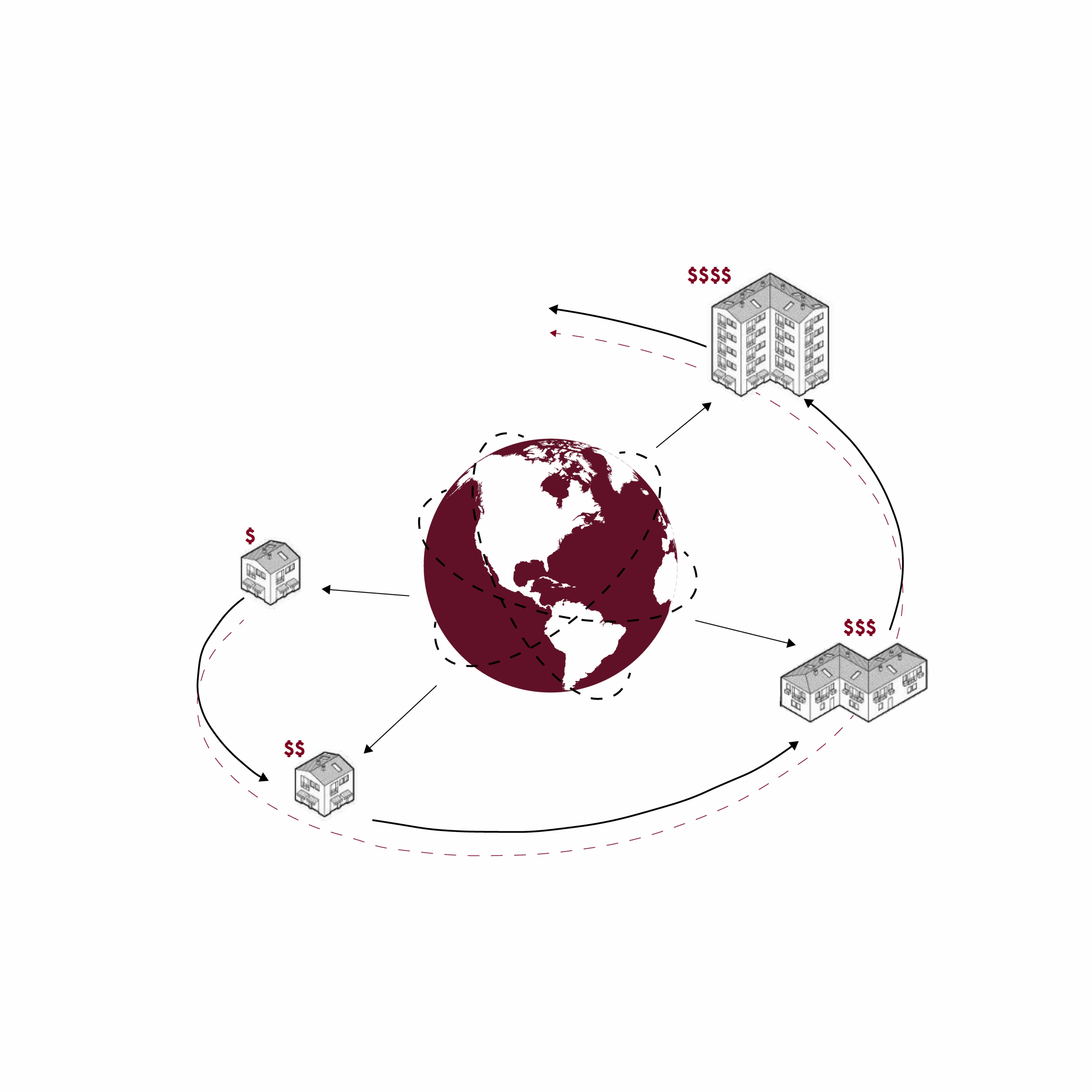
Abstract: Framing the Question This research begins with a simple but unresolved question: how can modular housing design become local. In the twenty-first century, architects face a housing crisis shaped by financialisation, scarcity, and displacement. Modularity is often presented as a global solution that promises efficiency and scalability. Yet when implemented, these systems rarely connect … Read more
Democratizing Credit

Using Street View and Remote Sensing to Assess Risk and Empower Small Businesses Whos got my Credit? Access to credit is a fundamental driver of economic growth, especially for Micro, Small, and Medium Enterprises (MSMEs) in the Food & Beverage (F&B) sector. Yet, traditional lending models—rooted in asset-based evaluations—often exclude countless small business owners, particularly … Read more

ToGetHer Safe

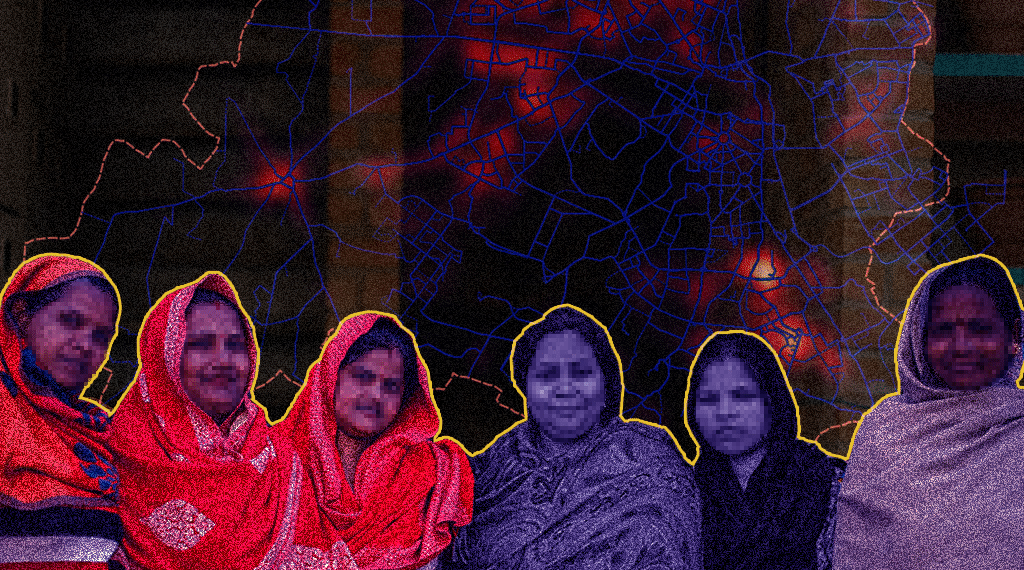
Mapping women+ safety through visibility Introduction Delhi, like many global cities, presents a paradox for women+ navigating its public spaces: a landscape where visibility can feel both protective and precarious. According to the National Crime Records Bureau (2022), over 14,000 crimes against women were reported in Delhi alone. Yet statistics only scratch the surface of … Read more

The Soil Beneath Us

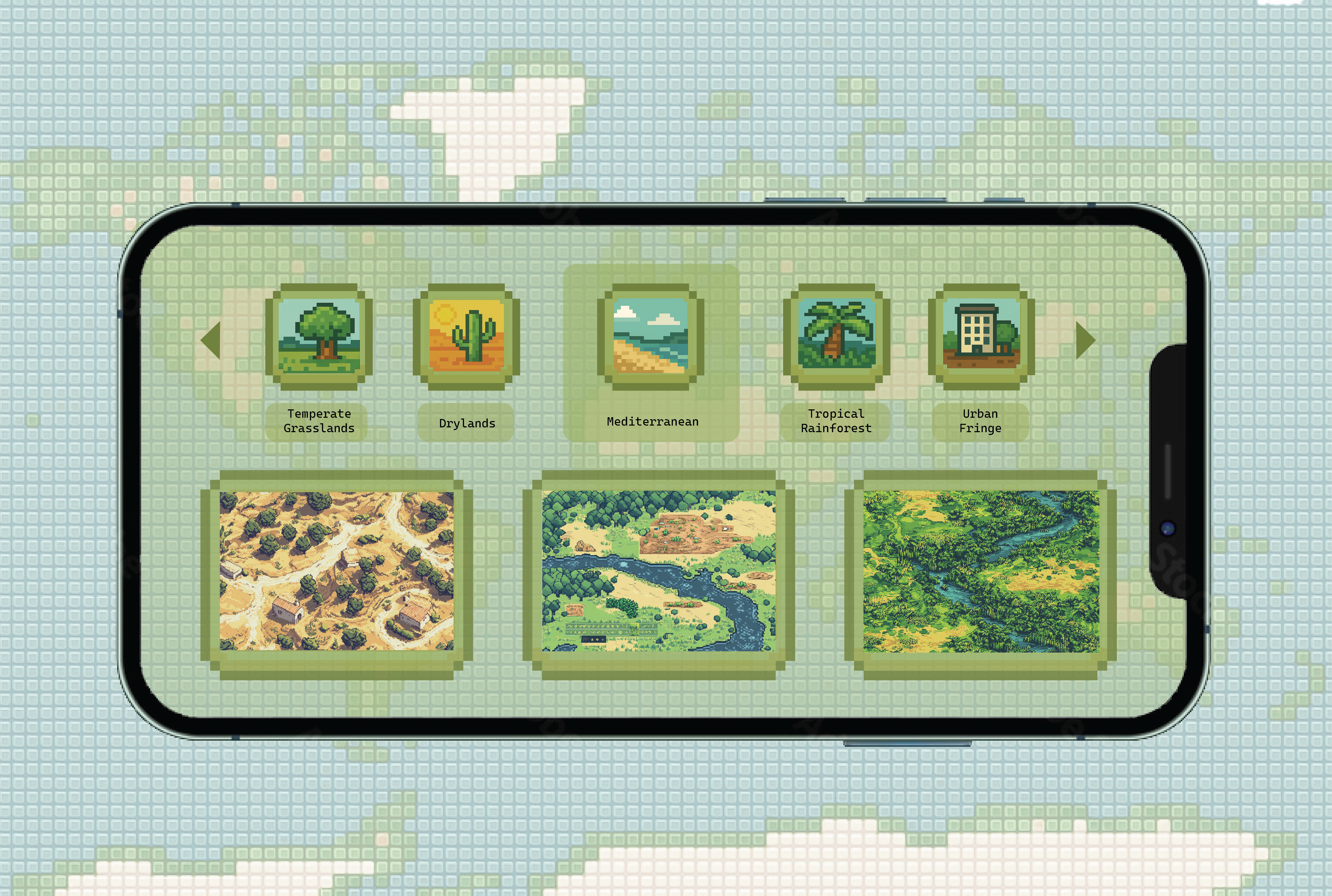
As the climate crisis intensifies, soil remains one of the most vital yet overlooked components of climate action. The Soil Beneath Us explores how game-based learning can turn soil science into an interactive, emotional, and educational experience. This project proposes a digital platform designed to teach young people about ecosystem restoration, using storytelling, real data, … Read more