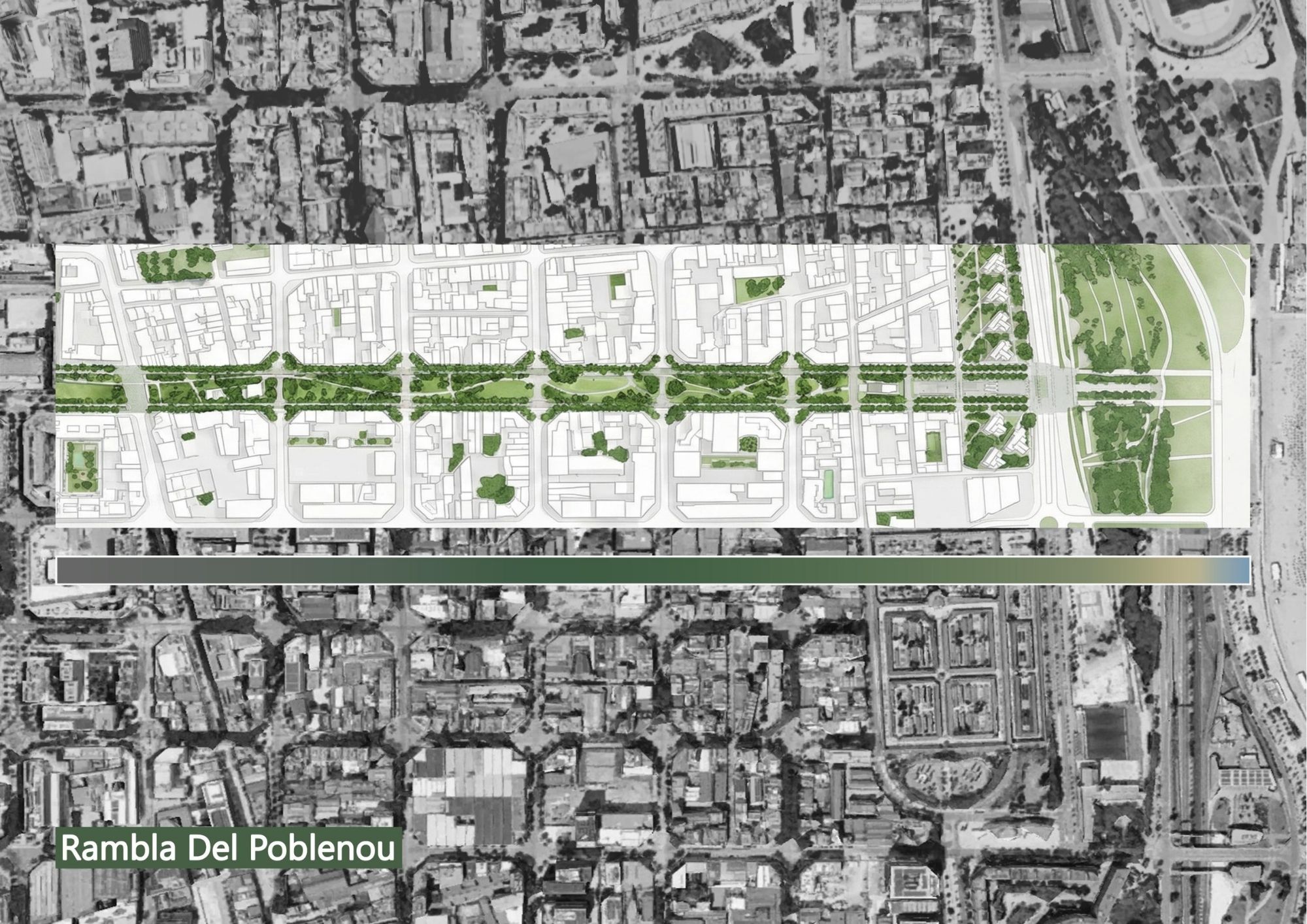
IAAC’s Master in City & Technology (1 or 2-year program) is a unique program oriented towards redefining the analysis, planning, and design of twenty-first-century cities and beyond. The program offers expertise in the design of digitally enhanced, ecological and human-centered urban environments by intersecting the disciplines of urbanism and data science. Taking place in Barcelona, the capital of urbanism, the Master in City & Technology is training the professionals that city administrations, governments, industries, and communities need, to transform the urban environment in the era of big data.


Filters
Course

Carbon as [hyperobject]
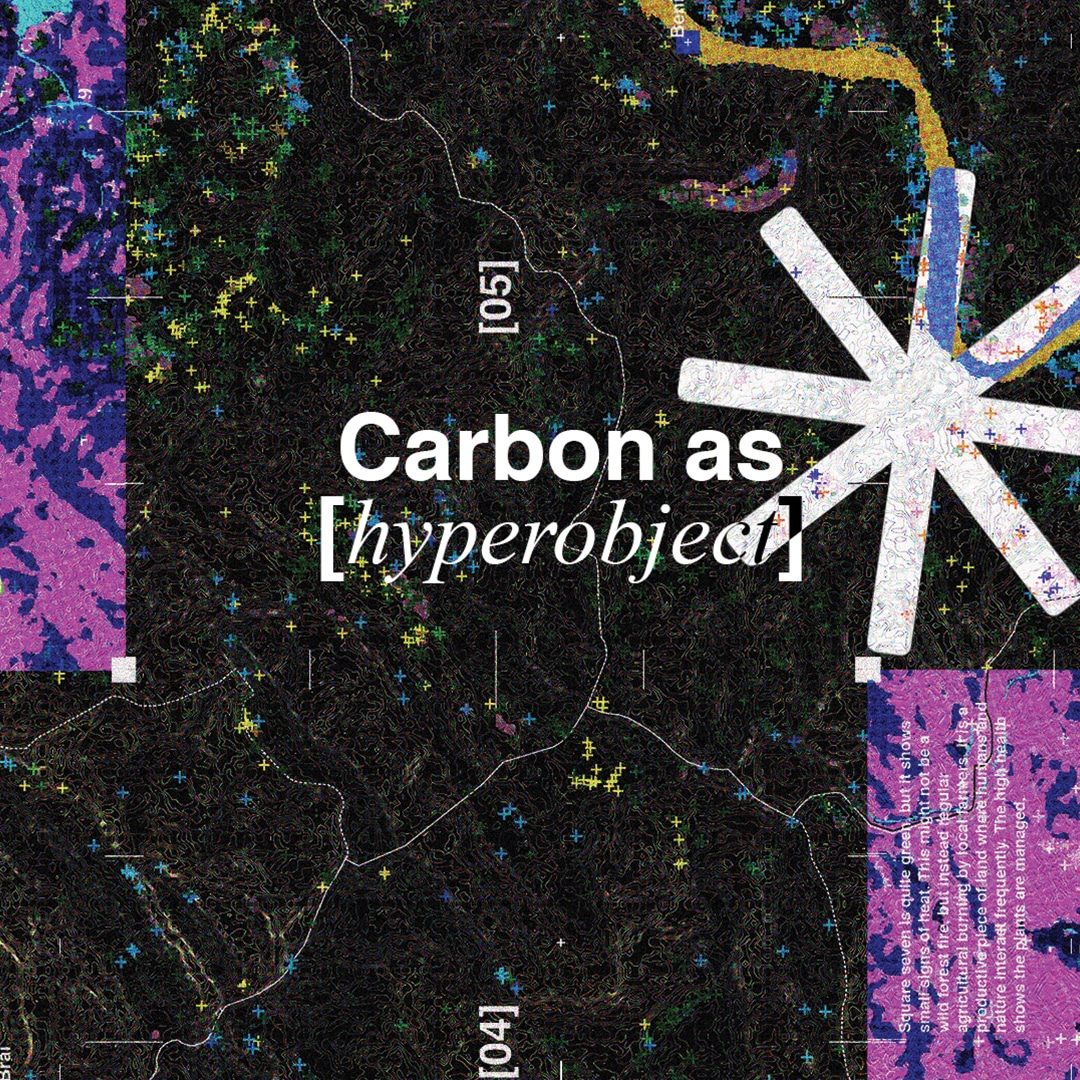
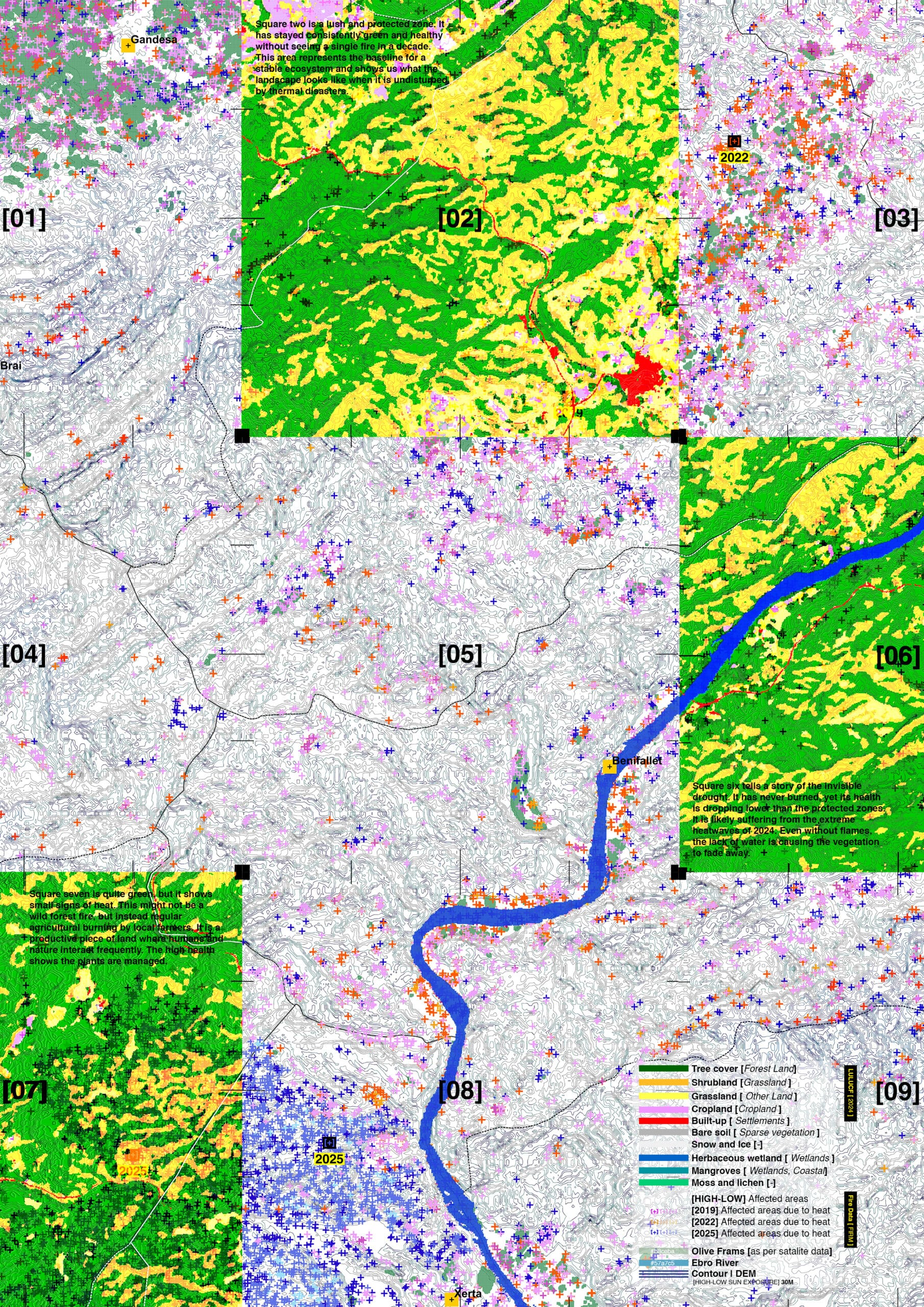
Vulnerability-adjusted carbon sequestration for more [actionable land]. Current climate mitigation treats carbon sequestration as a static stock: it counts the biomass a landscape holds and rewards storing more. Yet under fire and drought, the densest biomass is lost first, turning a carbon sink into a source. This thesis develops vulnerability-adjusted carbon sequestration. Working across a … Read more
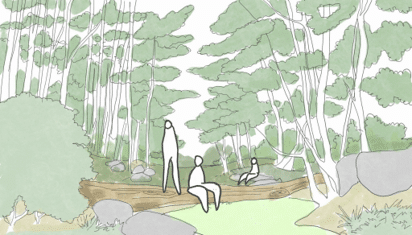
Natural Lab Inside the City of Barcelona: Local Habitat with Native Planting

Design for More Than Humans Seminar | IAAC Understanding Local Habitats, Native and Exotic Species What is a Local Habitat? “A place where plants or animals normally live, characterized primarily by its physical features such as topography, plant or animal , soil characteristics, climate, water quality etc and secondarily by the species of plants and … Read more

Who else lives here?

Urban space is conventionally conceptualized as an anthropocentric construct. However, non-human species continuously appropriate architectural surfaces, infrastructural voids, and vegetated fragments. Birds occupy ledges and canopy layers, insects colonize engineered soils, bats navigate nocturnal corridors along tree lines, and plants root within pavement fissures. These presences are not incidental; they reflect how spatial design either … Read more