The Master in City & Technology’s academic structure is based on IAAC’s innovative, learn-by-doing and design-through-research methodology which focuses on the development of interdisciplinary skills. During the Master in City & Technology students will have the opportunity to be part of a highly international group, including faculty members, researchers, and lecturers, in which they are encouraged to develop collective decision-making processes and materialize their project ideas.

Filters
Course

Fish Tail Park, Nanchang – Case Study

Case Study of Ecological Restoration, Human Presence and Design of Co-Existence Introduction Fish Tail Park is located in the center of Nanchang City, a historic city in southeastern China with approximately 6.6 million residents, has experienced rapid urban growth and high-tech industrial expansion along the Gan River. Is a large-scale ecological restoration project designed by … Read more

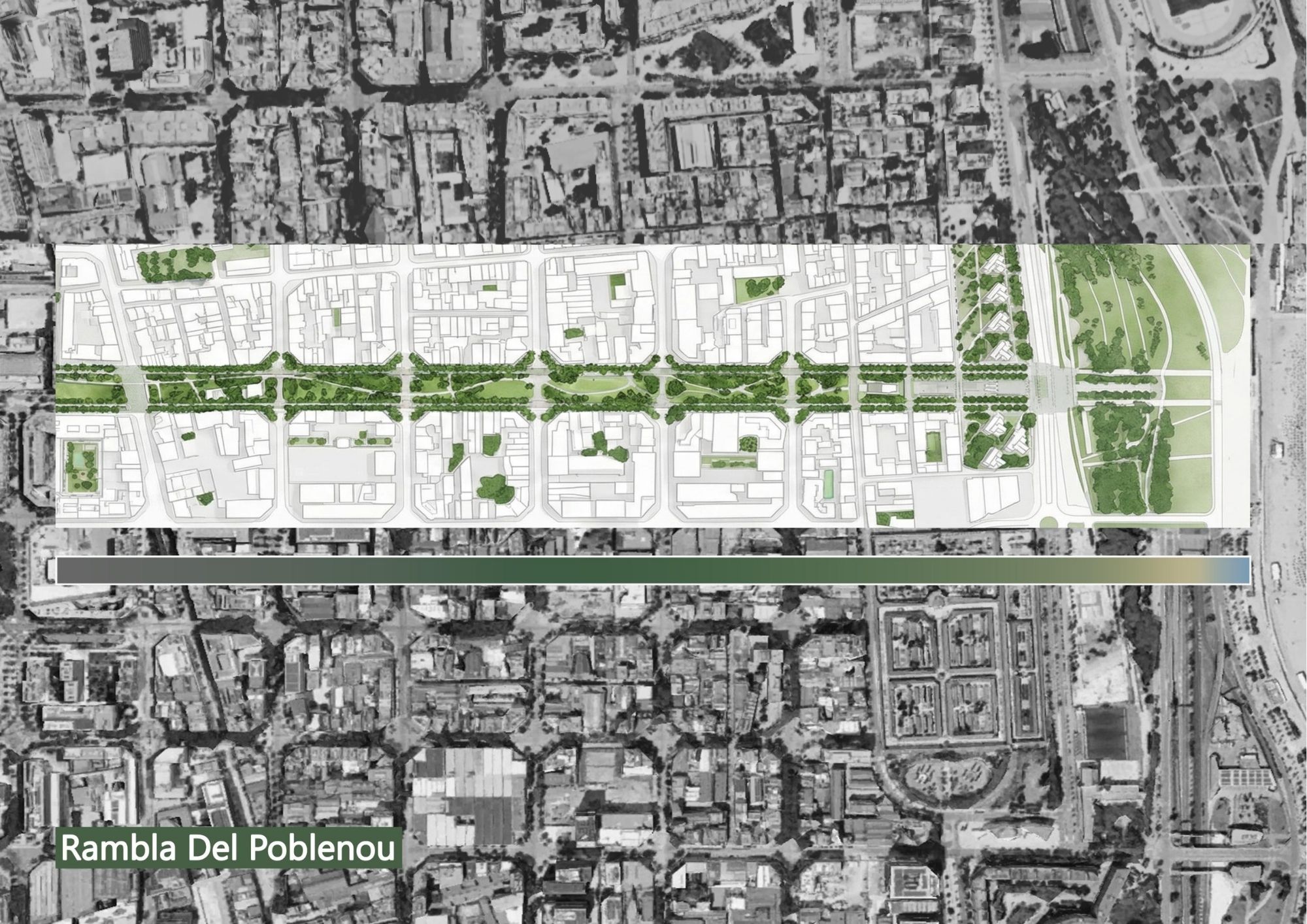
Parc del Centre del Poblenou

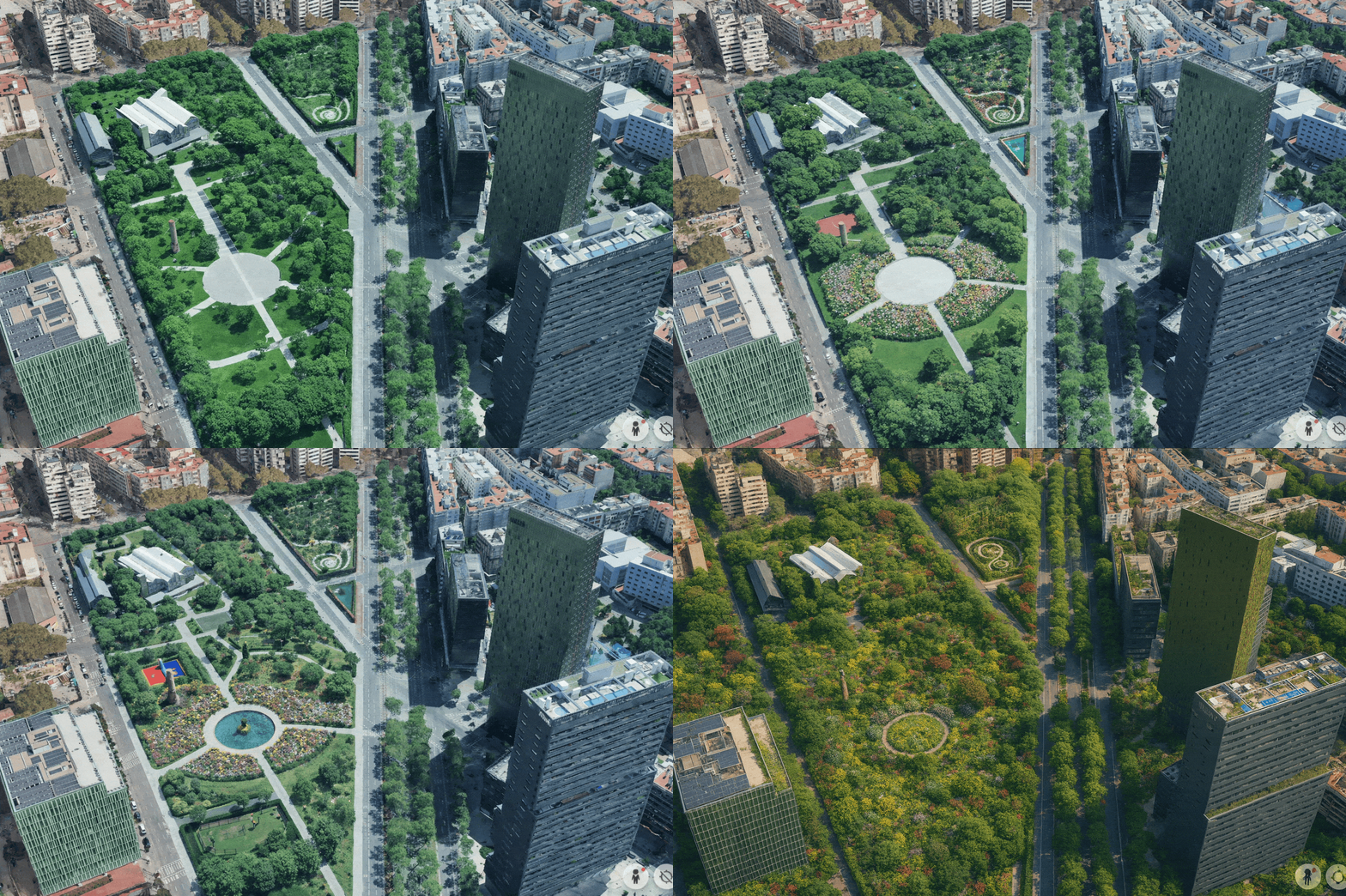
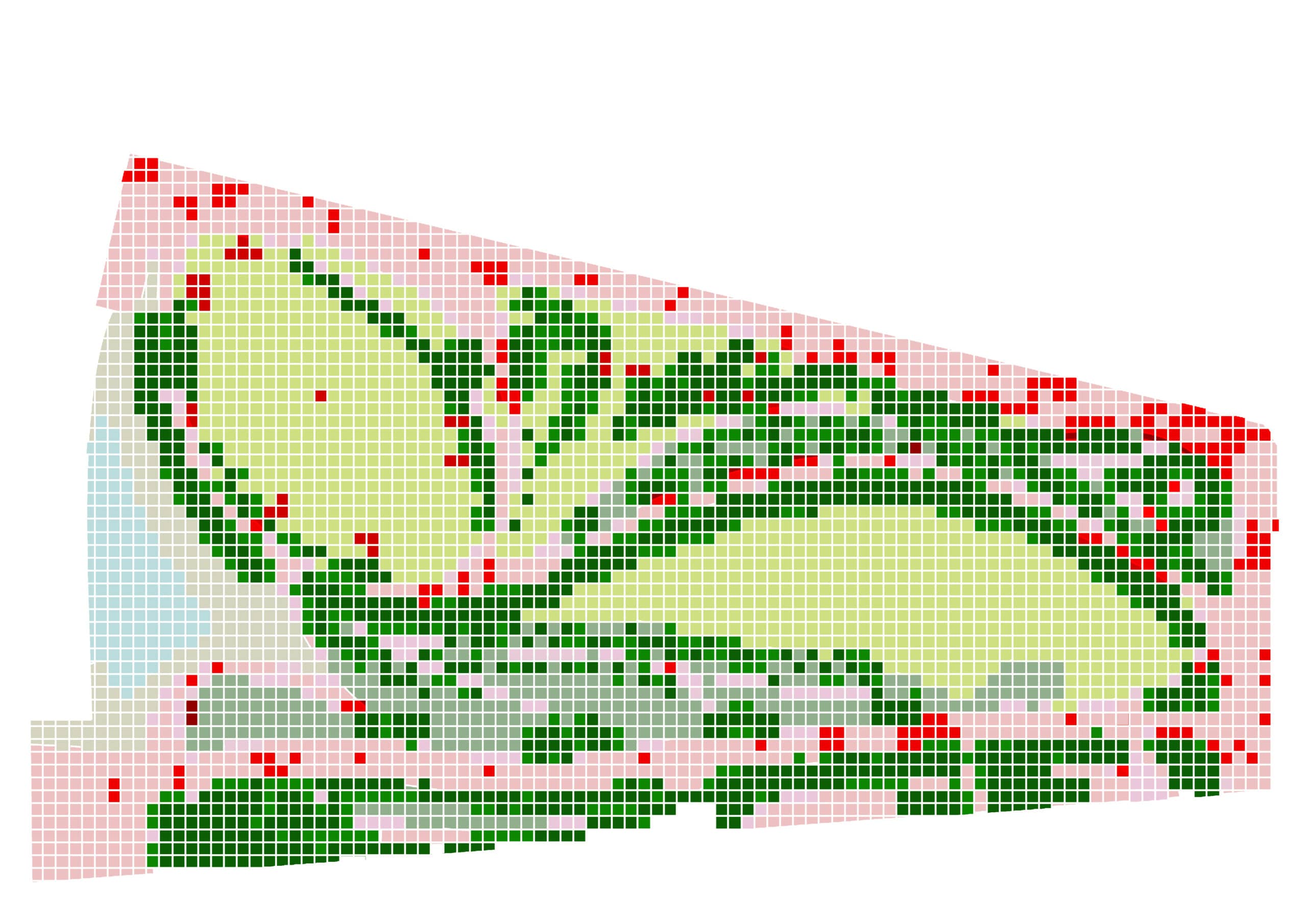
This project investigates Parc del Centre del Poblenou through the lens of Designing for More than Humans. The park, although permeable and vegetated, is spatially structured around human circulation and programmed activity. As a result, human occupation is continuous and dominant, while non-human life remains fragmented and residual. Through rule-based speculation, the project tests how … Read more

M.O.T.H @ Brooklyn Bridge park – New York, USA

The Brooklyn Bridge Park is located along the Brooklyn waterfront of the East River, between DUMBO and Atlantic Avenue, and it spans about 85 acres (0.34 km²), stretching roughly 2 kilometers along the shoreline. That alone makes it one of New York City’s most significant post-industrial waterfront transformations. The park was developed in phases between 2008 … Read more

The Wooded Circle

entrance image Started off in 1504 as a Renaissance-era fortification system, designed to resist cannon warfare. Over the years, it has undergone many reconstructions, with the latest turning it into a managed heritage park in the early 2000s (Planted rows of trees) . Ecology has played an important role in each of its eras, as … Read more

Who else lives here?

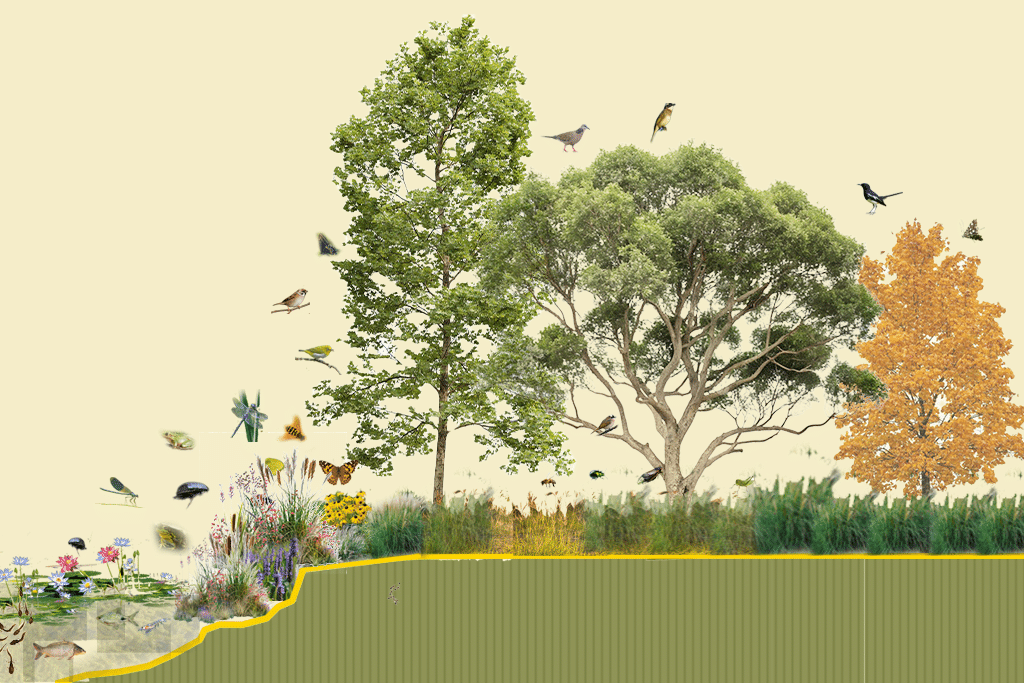
Urban space is conventionally conceptualized as an anthropocentric construct. However, non-human species continuously appropriate architectural surfaces, infrastructural voids, and vegetated fragments. Birds occupy ledges and canopy layers, insects colonize engineered soils, bats navigate nocturnal corridors along tree lines, and plants root within pavement fissures. These presences are not incidental; they reflect how spatial design either … Read more

Investigating [Soy Farming] – Deforestation, and Political Conflict in the Amazon

“The Amazon rainforest, often called the ‘lungs of the Earth,’ is rapidly disappearing. But this isn’t just an environmental crisis—it’s a geopolitical and economic issue. In the heart of this transformation lies [Mato Grosso], Brazil’s largest soy-producing state. Its key location fuels both economic growth and ecological destruction, leading to tensions over land use, trade … Read more

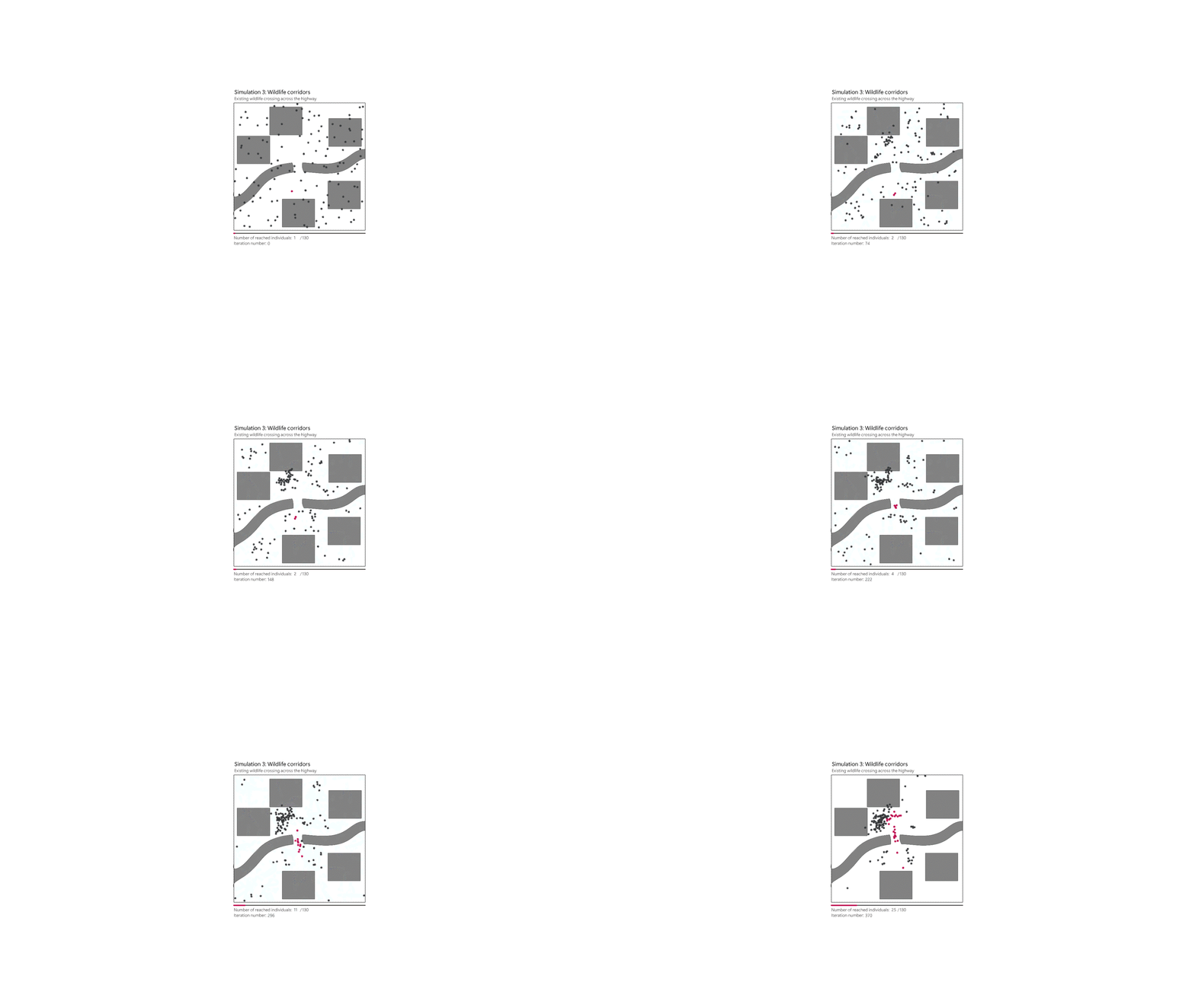
Urbanization and gene pools: A simulation study

The persistent expansion of urbanization poses a significant threat to wildlife populations. One under-explored facet of this impact concerns the genetic health of these populations. Genetic diversity, measured by the variation within a gene pool, is crucial for resilience and adaptation. This project utilizes Grashopper-led simulations to explore the dynamics between habitat fragmentation, animal movement, … Read more

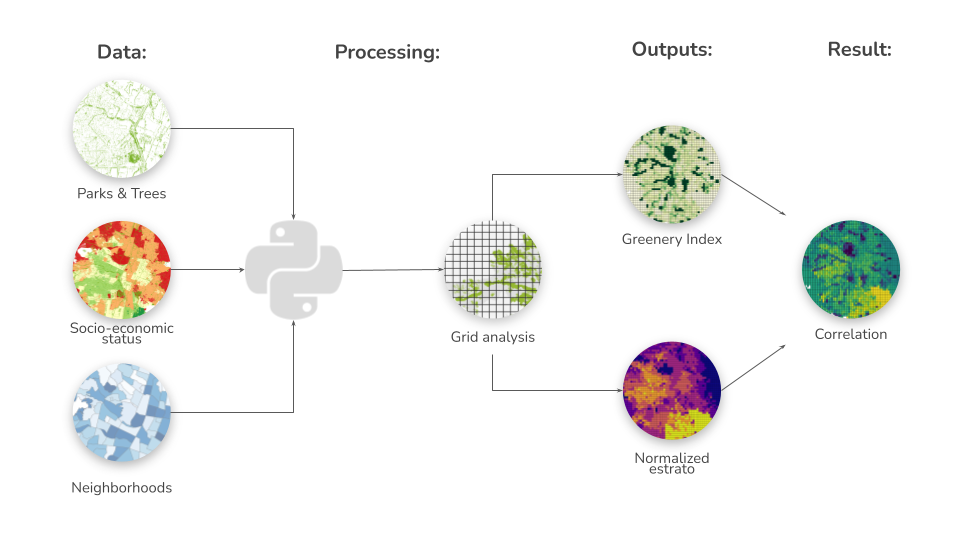
Unequal Blooms: Studying socioeconomic realities of Medellín’s “Eternal Spring”

Introduction In recent decades, the importance of urban green spaces and their potential impact on various aspects of urban life has gained significant attention from policymakers, urban planners, and researchers worldwide. The creation and maintenance of green spaces within urban environments have been associated with numerous benefits, including environmental sustainability, physical and mental health improvements, … Read more

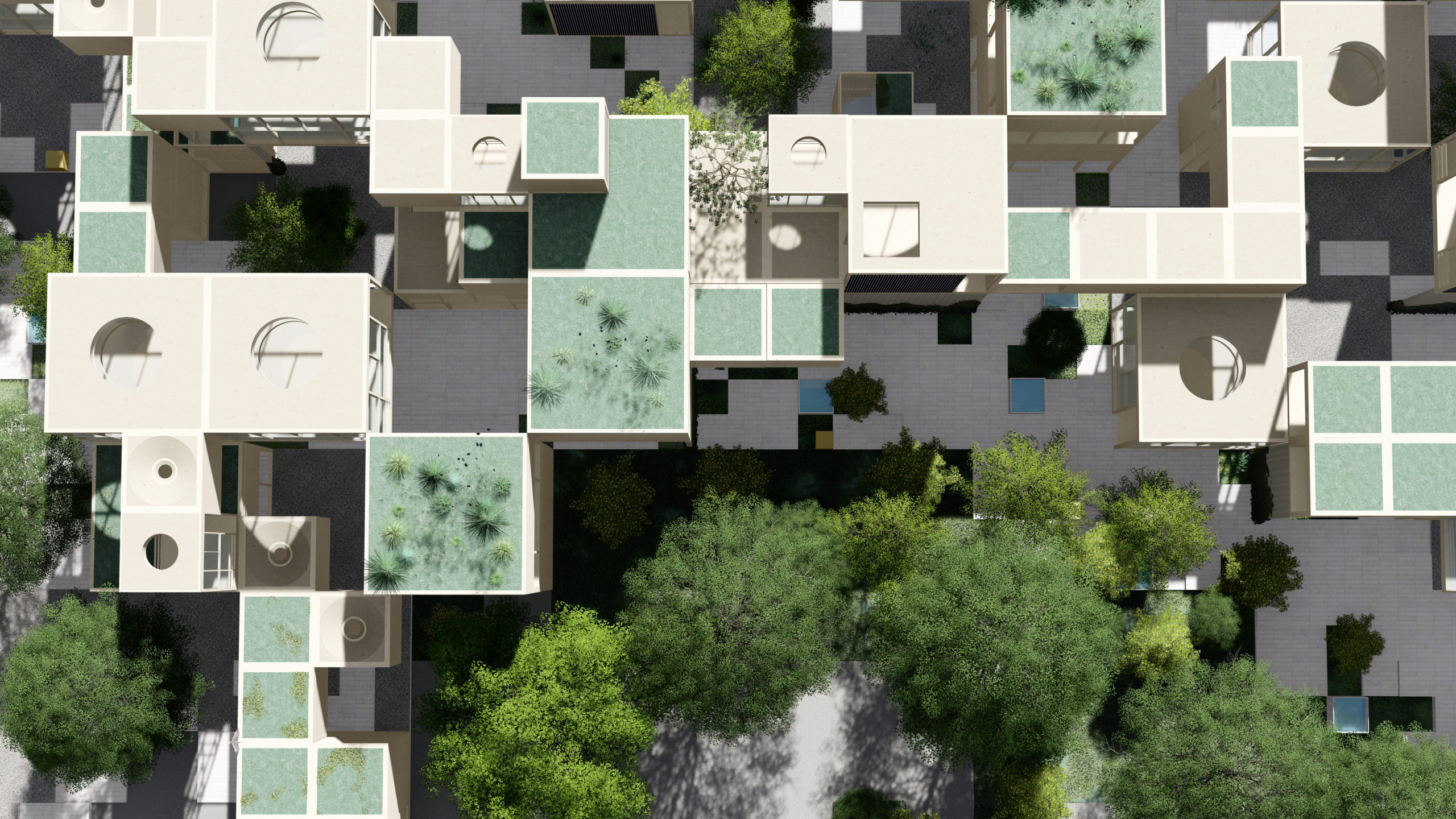
Bio-Digital Paths

“Bio-Digital Path” is a computational model of modular public spaces generated from emerging public movements within the existing urban fabric of Barcelona.  Global challenges consist of both environmental threats, but also social challenges and this project suggests that planners and architects actually have the tools to construct the public space not as a separate but … Read more