The Master in City & Technology’s academic structure is based on IAAC’s innovative, learn-by-doing and design-through-research methodology which focuses on the development of interdisciplinary skills. During the Master in City & Technology students will have the opportunity to be part of a highly international group, including faculty members, researchers, and lecturers, in which they are encouraged to develop collective decision-making processes and materialize their project ideas.
ILLA DE RAVAL
This project focuses on establishing a community-centered public space in Santa Coloma. Situated at Block Illa de Raval, a designated “green finger” of the Pinta Verde initiative, the project seeks to improve accessibility, enhance social engagement, and address infrastructural needs based on local context and community input. HUMAN Research and analysis The research highlighted several … Read more
FLUTTERING CONNECTIONS
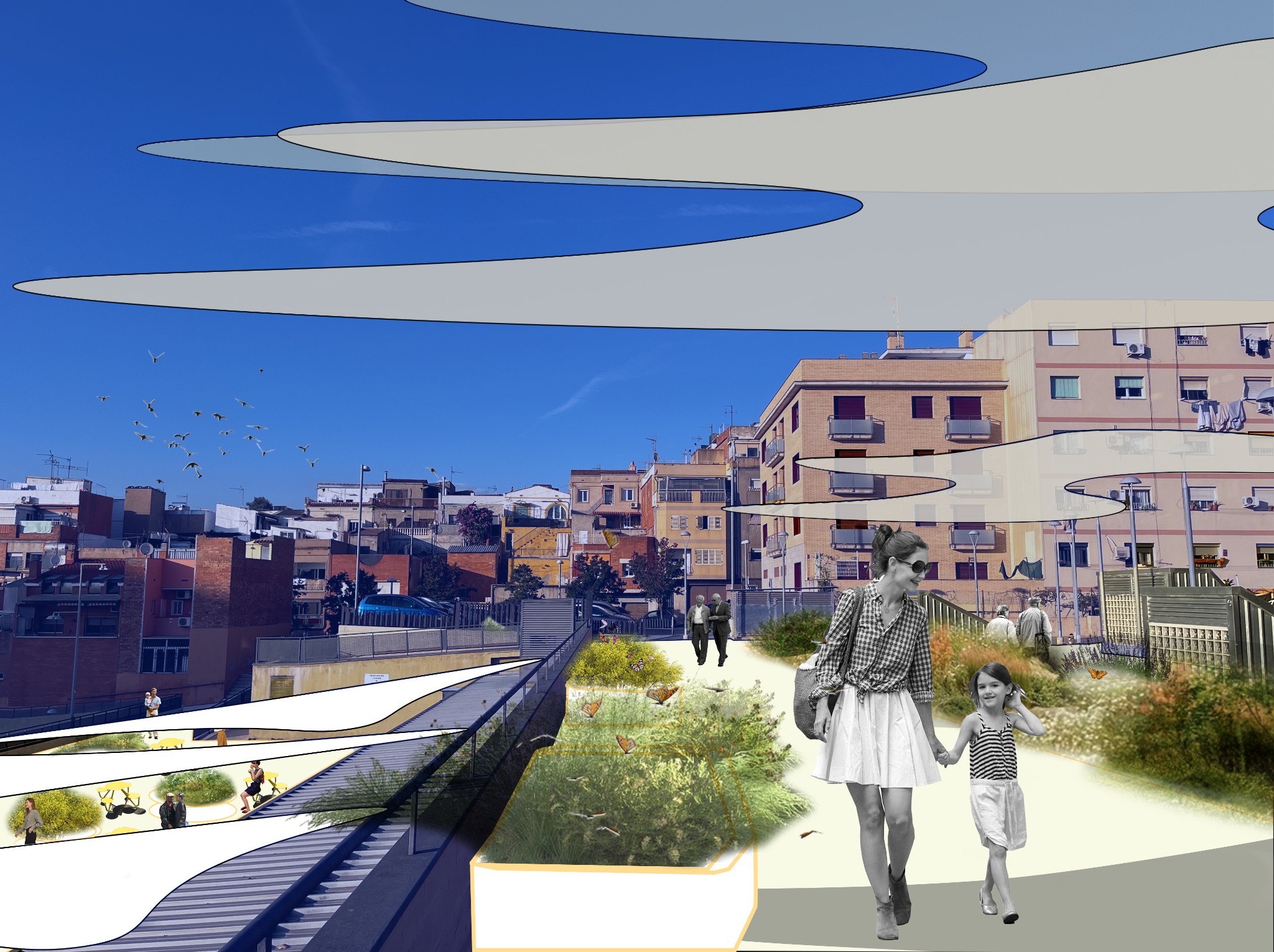
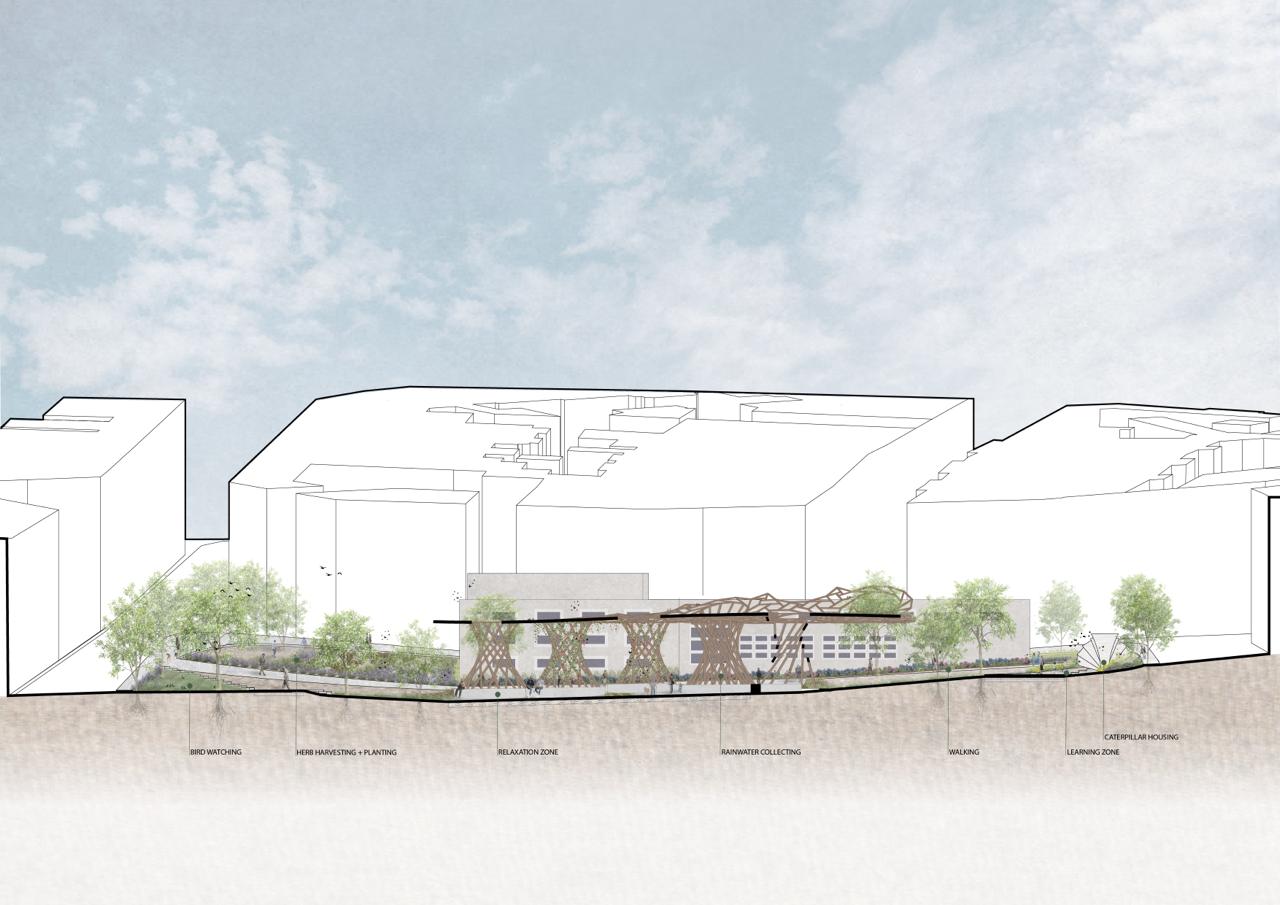
This project is an experiment of connecting Plaça d’Albert Francàs with flora and fauna, giving a prospective of designing for more than humans. This design exercise was built upon the previous workshop “Co-creating Public Spaces”. For more information about the previous proposal, please visit the blog post. In our co-creation project, Spaces of Negotiation, we … Read more
A more than human Care Hub
Following up on the project from the seminar “Co-creating Public Space”, where we explored the human layer through participatory processes in urban design, we have now ventured into adding a more-than-human layer. This approach challenges us to step out of conventional design thinking and consider perspectives invisible to anthropocentric eyes, enabling us to create a … Read more
Urban Complexity: Rethinking Space & Knowledge
01 Reading as Urban InsightIn a rapidly urbanizing world, the ability to read critically across diverse mediums—both digital and print—serves as an indispensable tool for interpreting the complexities of urban theory. Techniques like HYPERREADING, which facilitates navigation through vast digital information, and CLOSE READING, which emphasizes deep textual analysis, are crucial for decoding the nuanced … Read more
GENDERED GEOGRAPHY: A SILOM SAFETY INITIATIVE
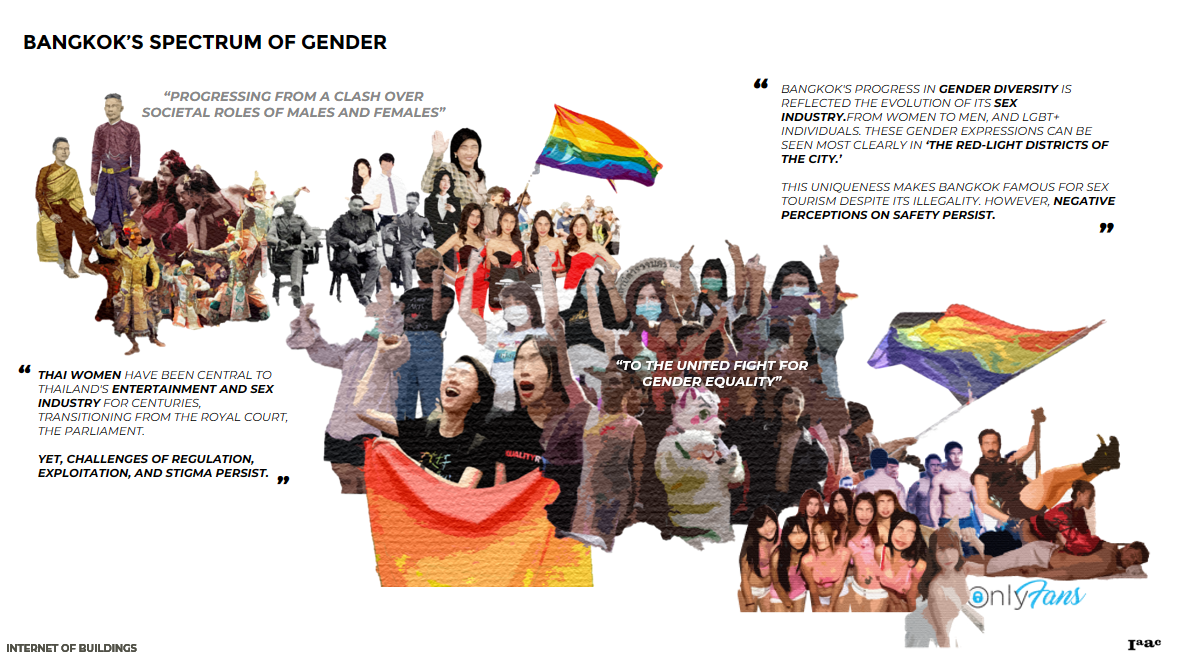
“WHAT IS THE FIRST THING THAT YOU THINK OF WHEN YOU HEAR THE WORDS: GENDER & BANGKOK? “ 1. BANGKOK’S SPECTRUM OF GENDER (INTRODUCTION) Historically, Thai society has grappled with rigid gender roles, which often saw Thai women facing significant challenges and being relegated to positions within the entertainment and sex industries. However, as Thai society … Read more
Future Cities: Lahore – A Vision for 2050
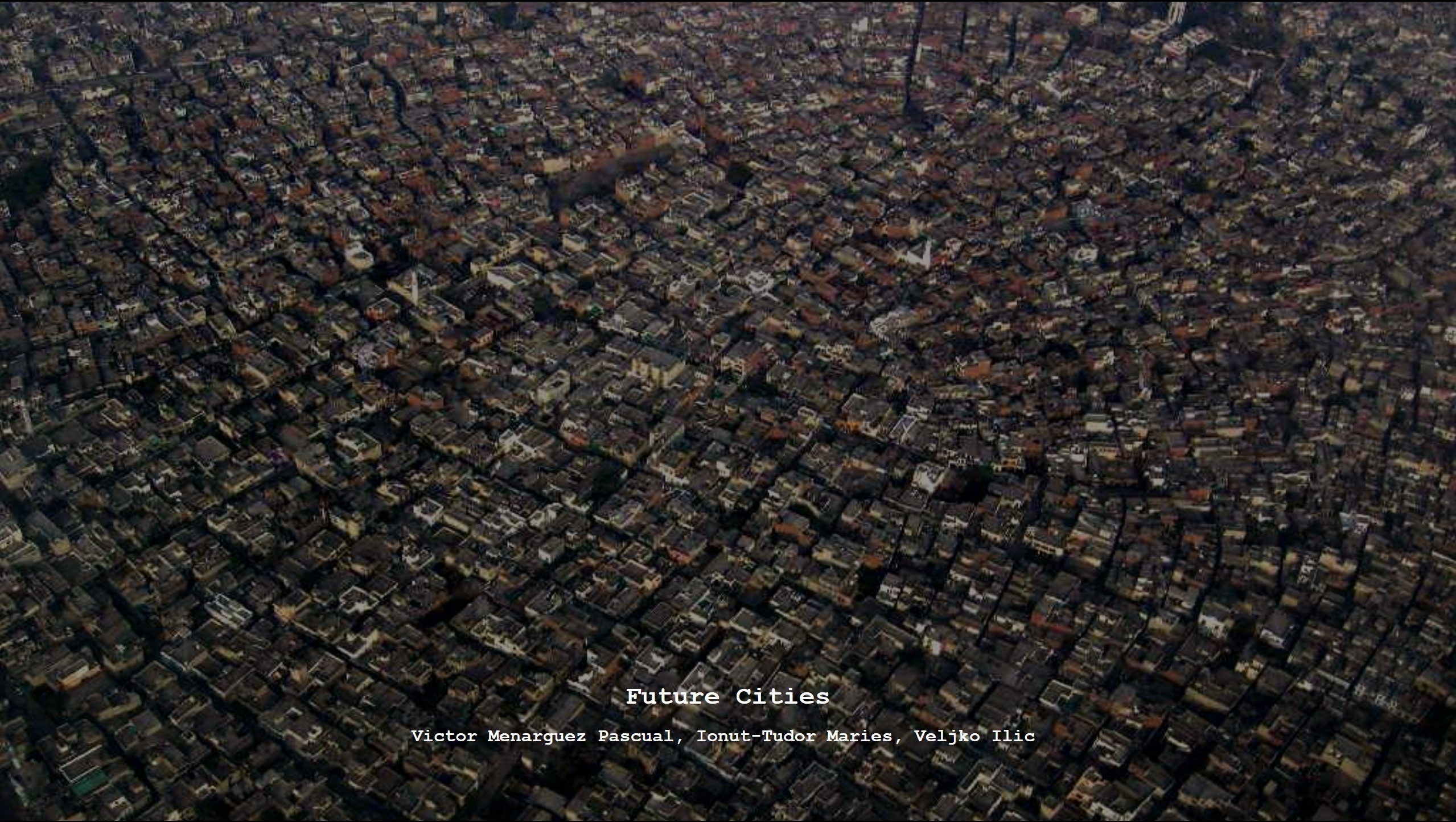
Where is Lahore? Lahore, the capital city of the Punjab province in Pakistan, is a historic urban center known for its rich culture, vibrant life, and significant economic contributions. Situated near the eastern border with India, Lahore stands as a testament to centuries of evolution, from a small walled city to a sprawling metropolis. As … Read more
Dhaka City’s Urban Nexus
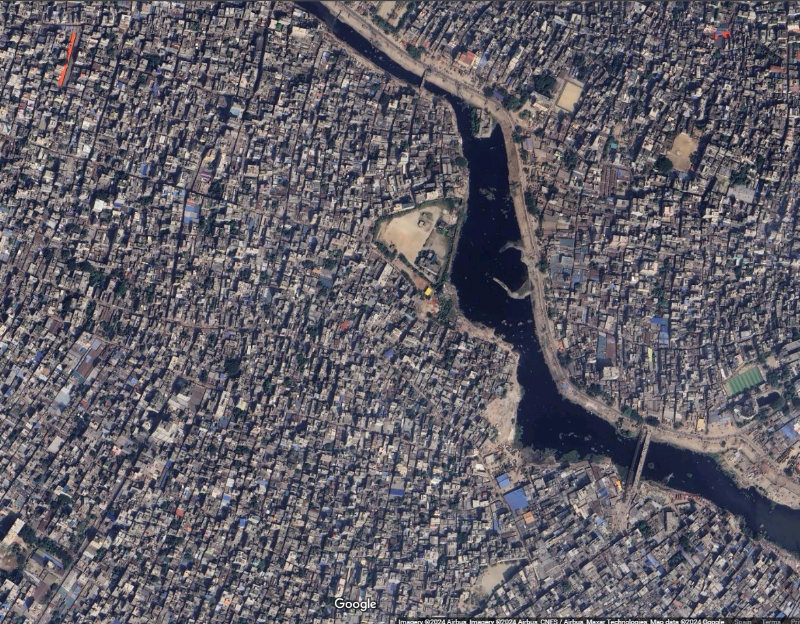
Dhaka, the bustling capital of Bangladesh is at a critical juncture in its urban development. With a population exceeding 10.4 million, the city faces significant challenges in housing, transportation, and environmental sustainability. This project is a part of a comparative analysis done by the students, understanding these challenges under the framework of SDG 11 – … Read more
Hyperenergetic Viladecans
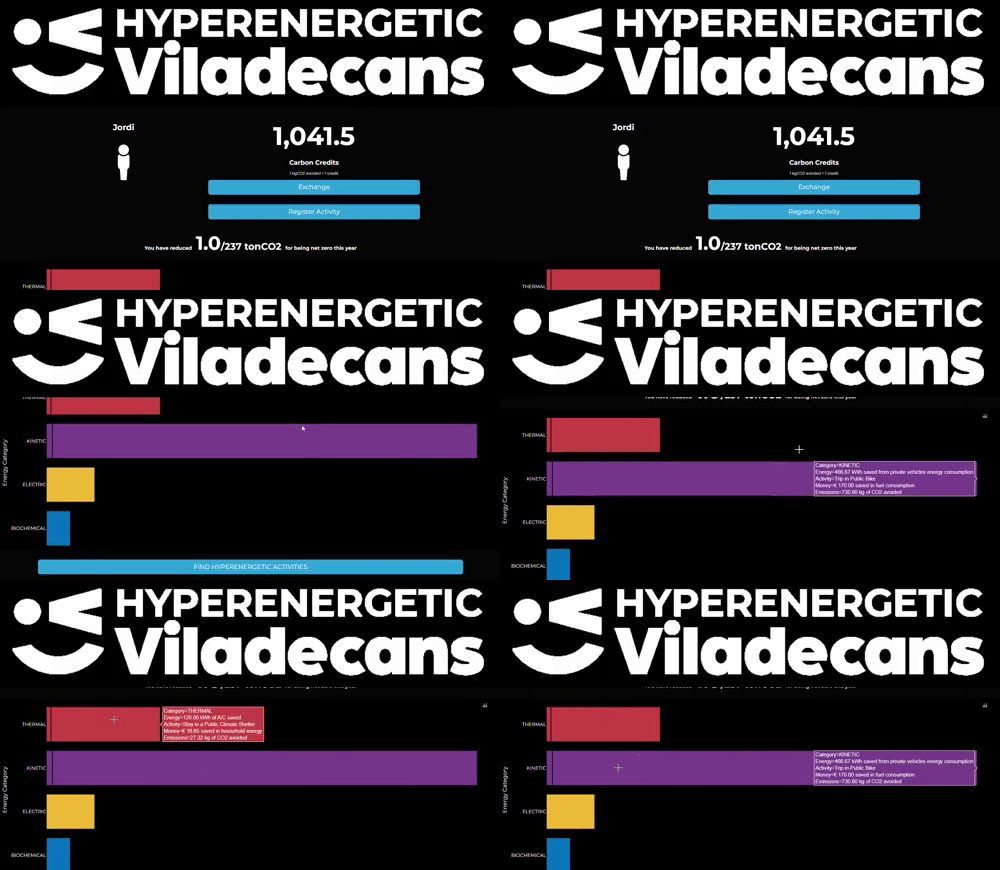
By 2100, the global temperature is forecasted to increase from 2 to 4 degrees Celsius due the effects of Greenhouse Gases Emissions and Human Activities. The City of Viladecans has developed a Vision by 2030 which expects the city to become EMISSIONS NEUTRAL, and EMISSIONS NEGATIVE by 2050. For approaching this goal, HYPENERGETIC VILADECANS establishes … Read more
Art on air
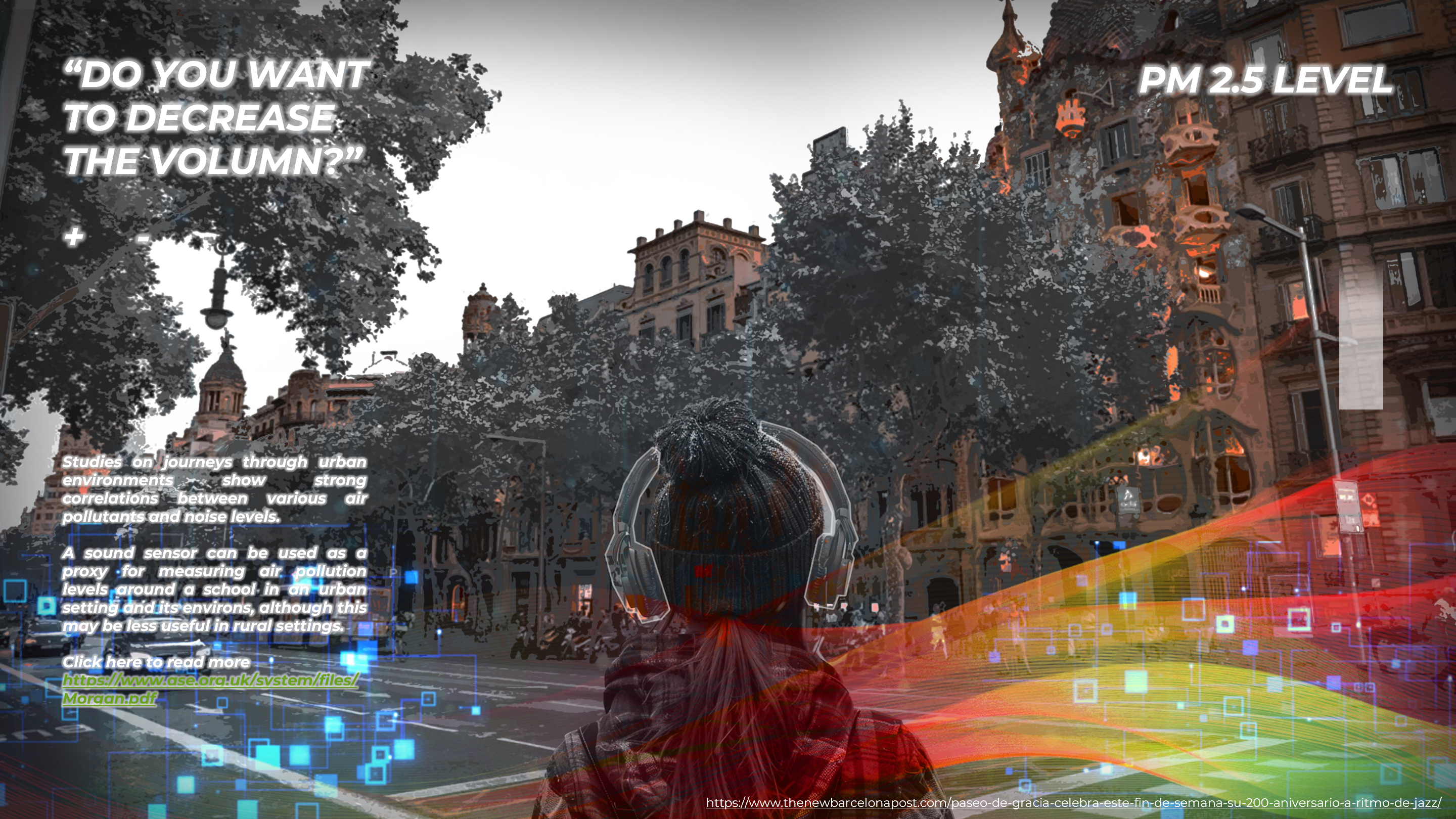
Introduction Air quality is a problem in many cities around the world, yet it remains largely invisible to the naked eye. This reality struck us deeply when the four of us, having lived in Barcelona, Lagos, Bangkok, and Medellin – our four cities of origin – came together. Amidst our diverse backgrounds and experiences, we … Read more
GreenScape – Milan
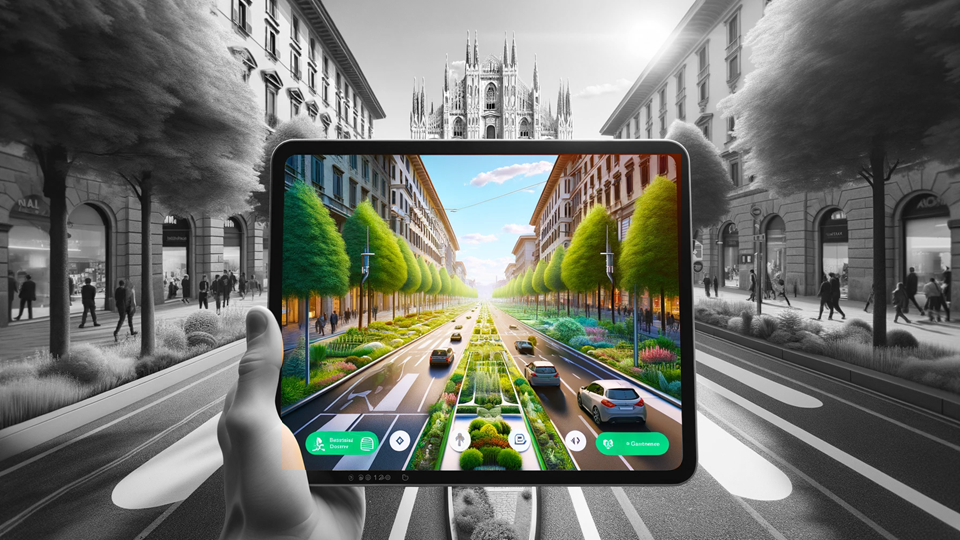
Introduction Known for its fashion, history, and culture, Milan also faces a pressing environmental issue: it stands as one of the most polluted cities in the World. The challenge of mitigating air pollution in Milan is complex, as it is shaped by a mix of geographical, meteorological, socio-economic, and cultural factors. From the city’s dense … Read more
LighTopia: Light up community space with participatory design
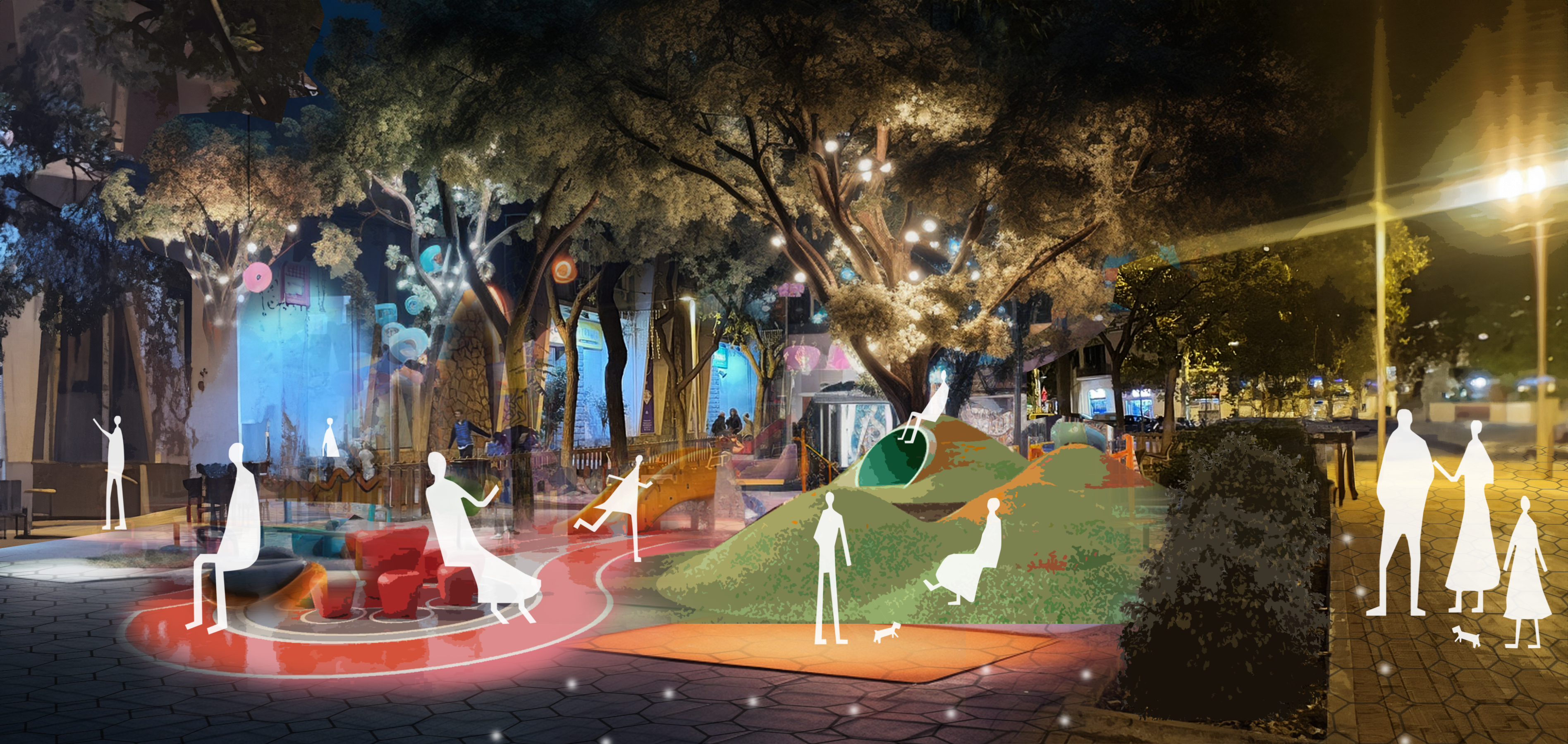
LighTopia, a transformative project where the community plays a pivotal role in shaping their public space through the lens of participatory design. In this immersive journey, we invite you to explore our comprehensive methodology, emphasizing collaboration, empathy, and the dynamic synergy between community insights and innovative design. 1. Site Context and Data Analysis: Our journey … Read more
Trencadís
Abstract Trencadís transforms a transitory sidewalk to resident alcoves through the implementation of trencadís, a dynamic mosaic art form that responds to the distinctive needs and material preferences of its creators. The design approach is centered on understanding and reacting to resident preferences to resolve site challenges. Non-descript materiality is replaced with a parametric, pervious … Read more
An Encounter with a Passage
1. Introduction In the exploration of urban design and its impact on community well-being, “An Encounter with a Passage” delves into the heart of participatory design. This project revolves around the central question of integrating green spaces in urban settings, not just as an aesthetic feature but as a core element of community identity and … Read more
Reviving the Romance – A New Chapter for Plaça dels Enamorats
The aim of the project was to redesign the Placa dels Enamorats and achieve the desired objectives: To identify challenges as well as positive aspects on the site, but also have a framework on which to base any design decision, several methods for gathering data were used. These methods allowed us to capture the essence … Read more
Housing for the Urban Poor
Considering the imminent demolition and in-situ rehabilitation of highly dense slum settlements, how might the application of generative algorithms facilitate the maximization and optimization of housing units within the existing spatial constraints? The slums and the unauthorized colonies are located across Delhi to identify which zones needs in-situ slum rehabilitation, there are over 700 slum … Read more