The Master Programme in Robotics and Advanced Construction is an innovative educational format that offers interdisciplinary skills and understanding through a series of class seminars that are put into practice through hands-on workshops. IAAC gives students the opportunity to create individual studio agendas and develop Pilot Thesis Projects based on the knowledge acquired during the seminars and workshops split into 3 Modules. In this way, IAAC puts together an experimental learning environment for the training of professionals with both theoretical and practical responses to the increasing complexity of the construction sector.

Filters
Course

WOVEN EARTH: FROM CRAFT TO INTELLIGENT ARCHITECTURE
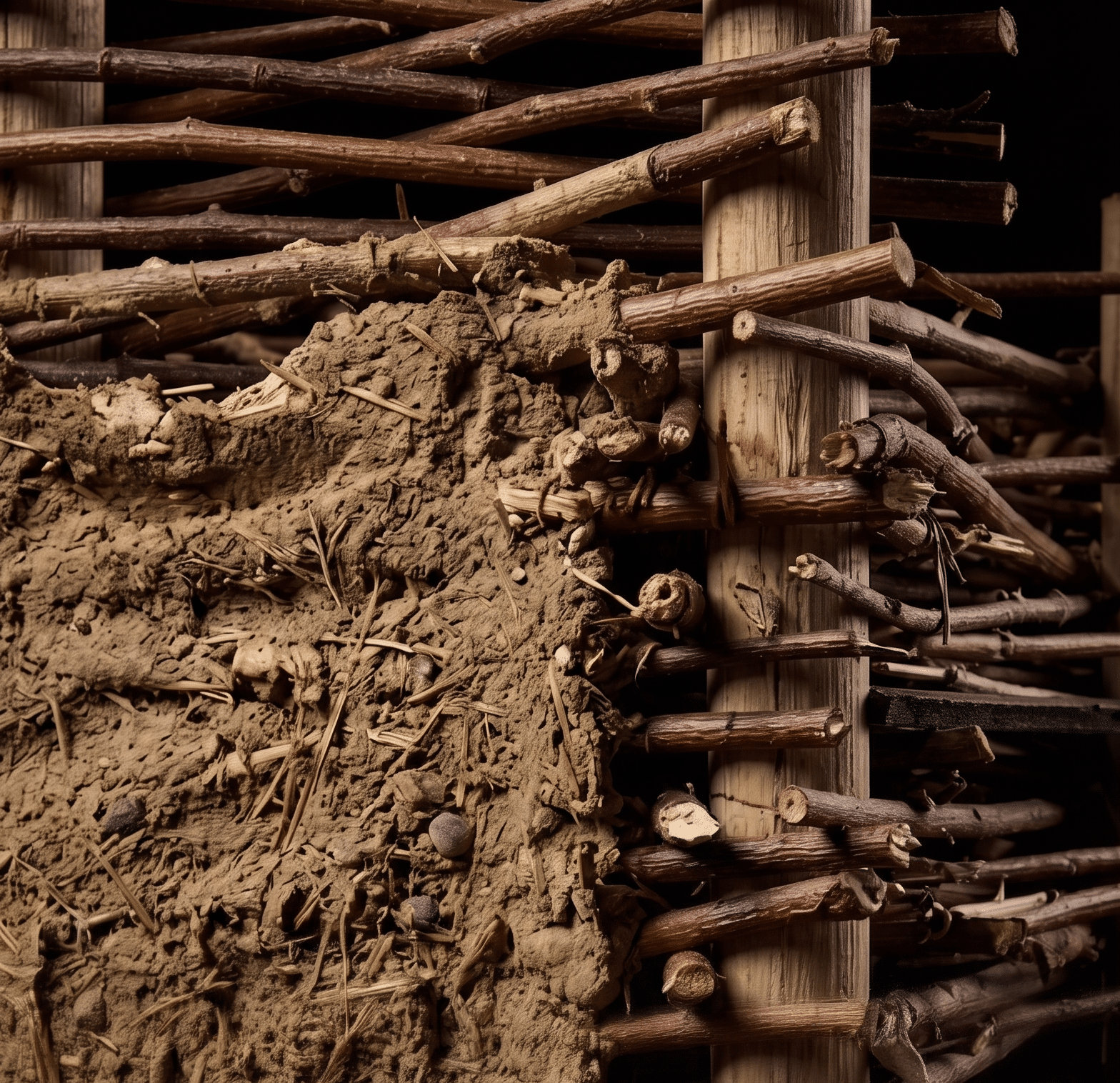
A Hybrid Robotic-Human System for Adaptive Woven-Earthen Construction Abstract Woven Earth reinterprets traditional willow weaving and earth construction as a digitally informed architectural system. Drawing from vernacular techniques such as wattle and daub, the project develops a hybrid construction method combining woven willow, variable-thickness cavities, and robotic fabrication. Infill strategies layer light earth and straw … Read more

Material Logic over Machine Efficiency: A Conversation with Manja van de Worp

Manja van de worp

Manja van de Worp Director, YIP Structural Engineering | Faculty: MAA, MaCAD, MRAC Manja van de Worp is a prominent structural engineer and the Director of YIP Structural Engineering London. With over 15 years of professional experience in the global construction industry, her work specializes in the synergy between structural geometry, advanced fabrication, and emergent … Read more

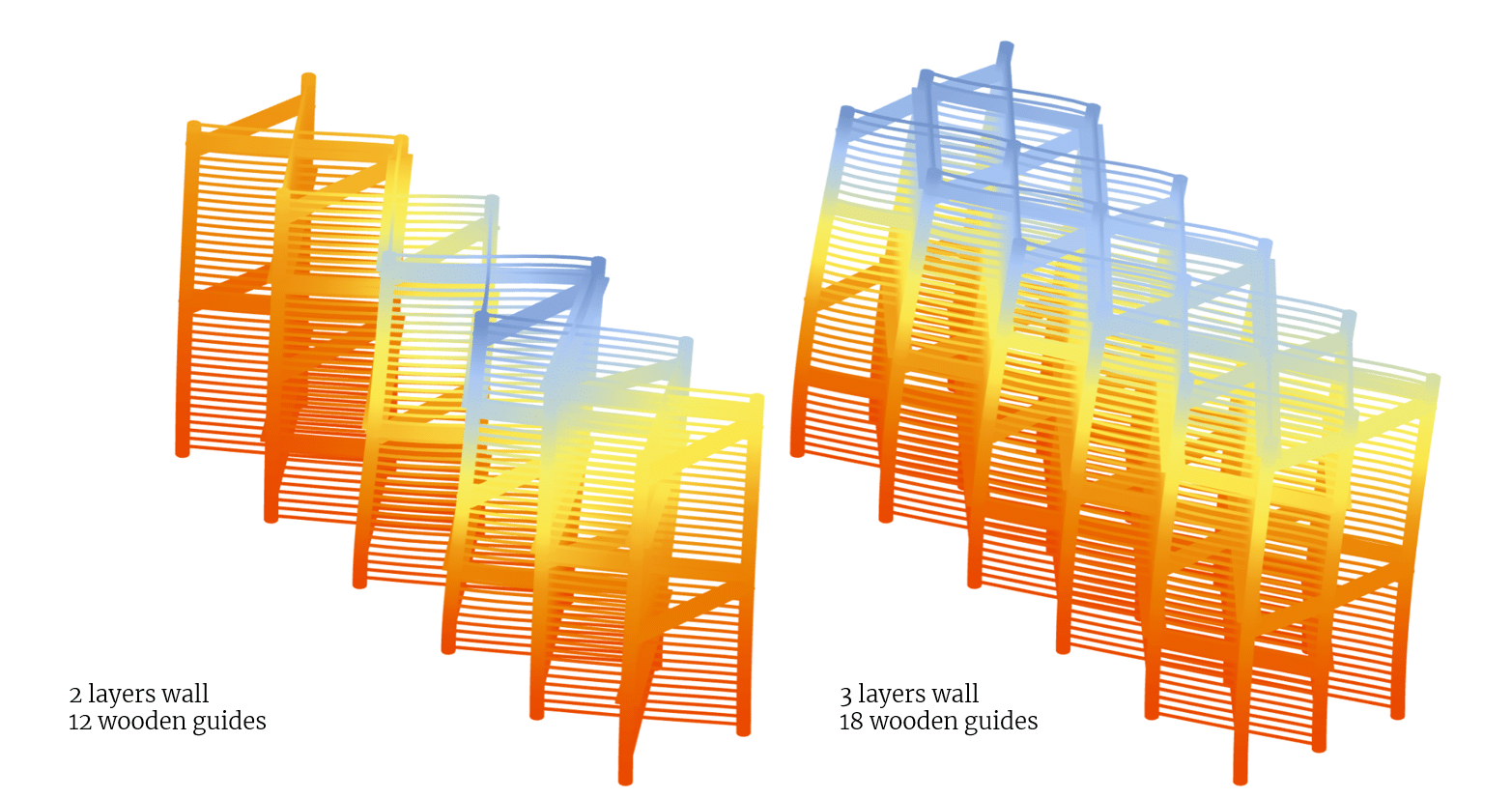
Software III: Structural Testing with Karamba. Optimizing Our Adaptive Willow Wall System

As part of our Software III course at IAAC, our team conducted a comprehensive structural analysis on our Willow Protocols system using Karamba, a parametric structural analysis plugin for Grasshopper. The Challenge: Beyond Aesthetics Our Adaptive Willow Wall is designed as a collaborative human-robot woven structure with variable thickness, integrated furniture, and thermal performance. While … Read more

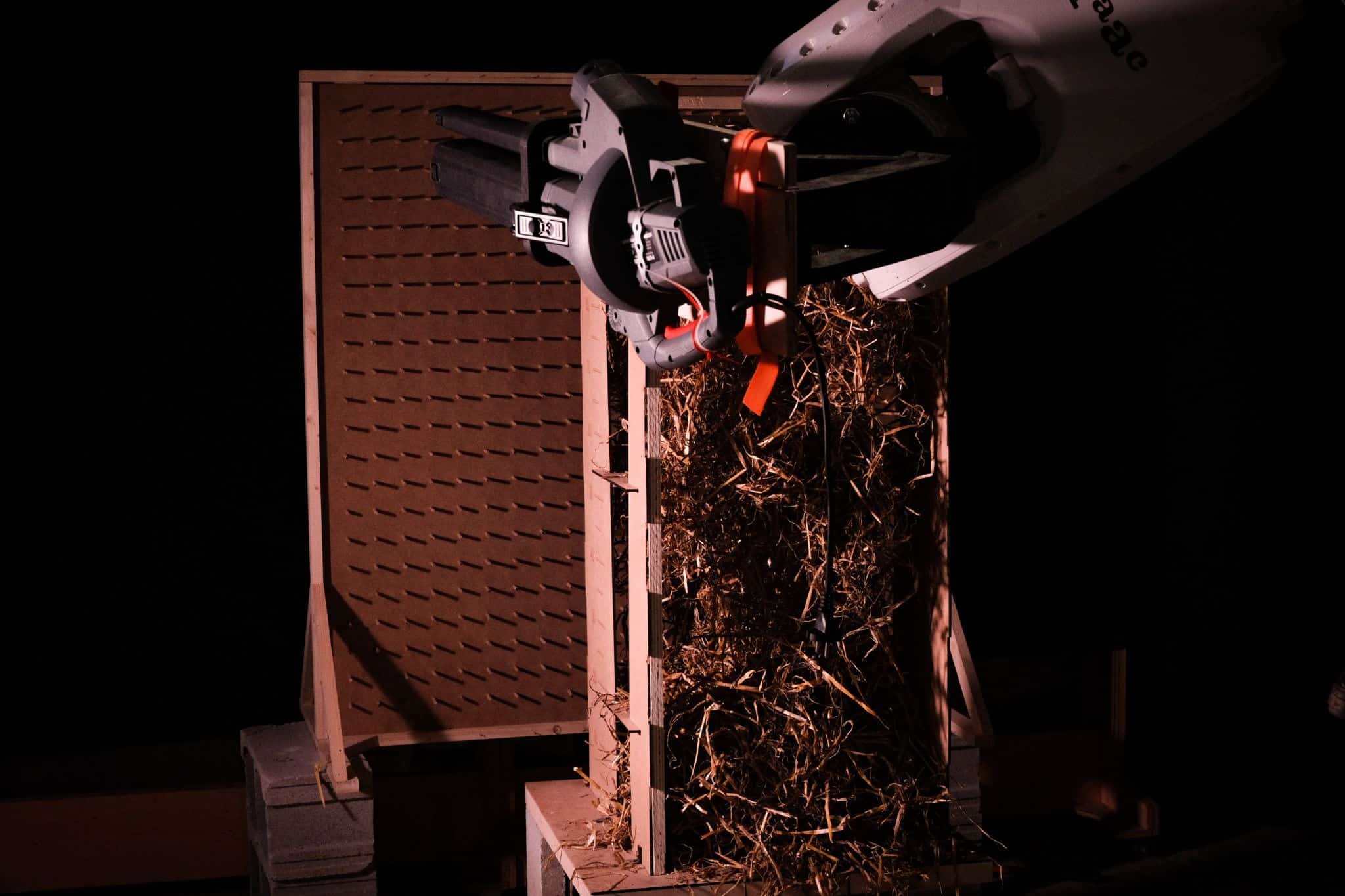
Robotics for Ecological Buildings: STRAW

This work investigates the structural potential of straw in its raw, unprocessed state — exploiting its natural wilderness and fibrous friction to build systems from its inherent properties. By coupling these material behaviors with robotic fabrication, the process becomes parameterized, enabling a vernacular material to be deployed within a precise and predictable architectural system. Introduction … Read more

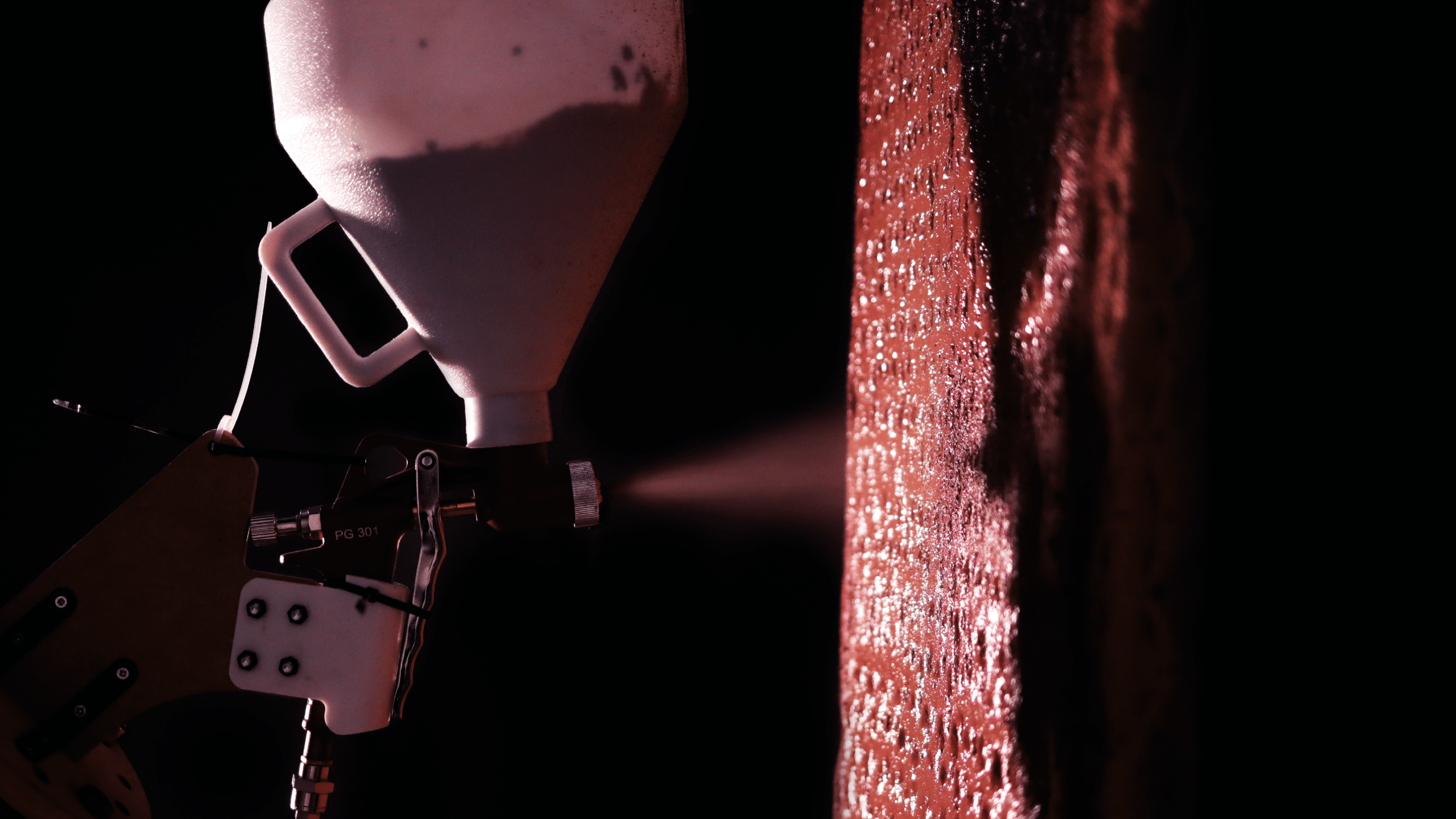
Robotics for Ecological Buildings : CLAY

This work explores how clay can be used to introduce compression strength into flexible surfaces. By using robotics for controlled deposition, the process becomes parameterised, allowing a traditional material to be developed into a precise and predictable building system. Introduction This project proposes a system that transforms a flexible surface into a rigid, three-dimensional structure. … Read more