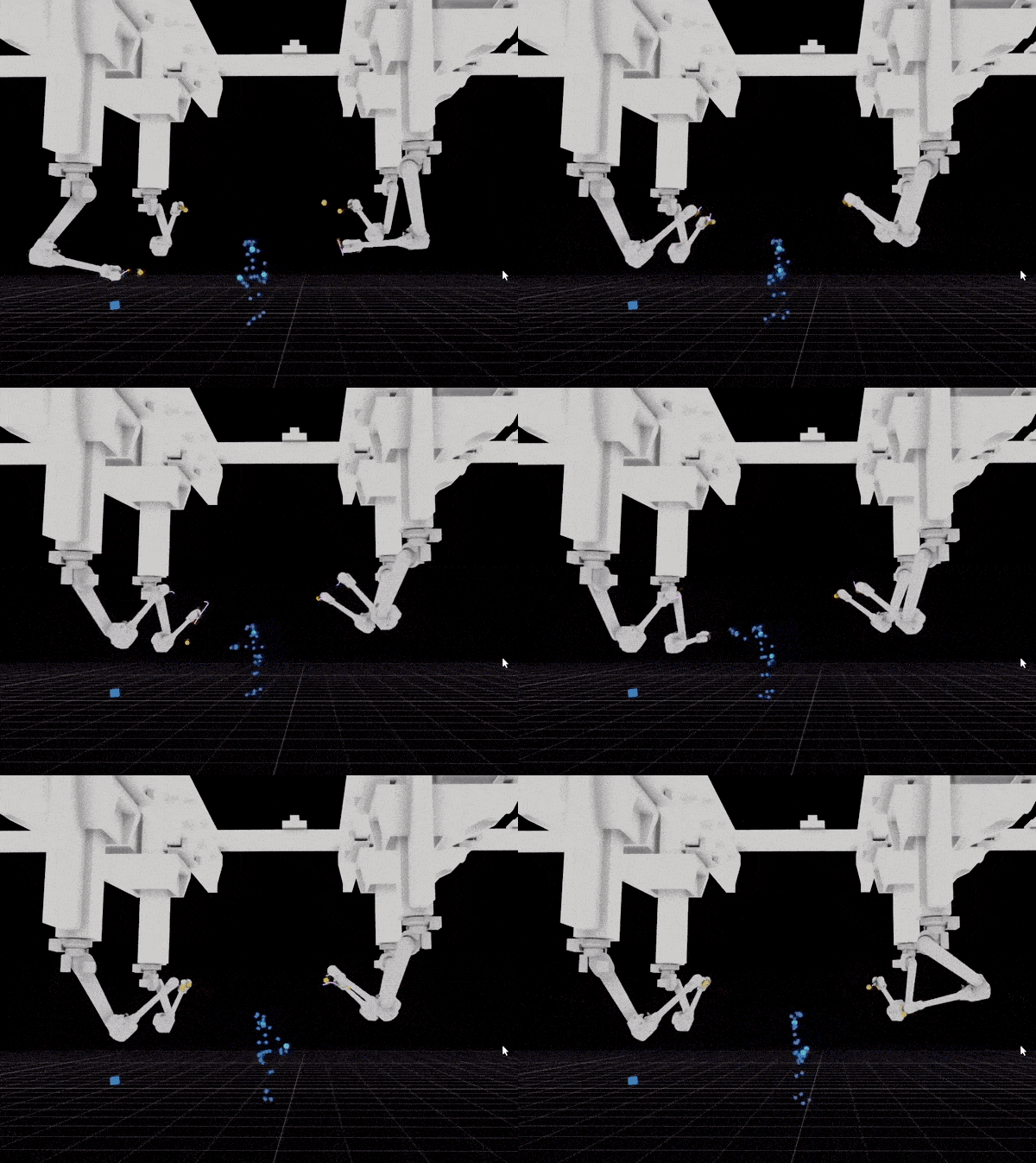
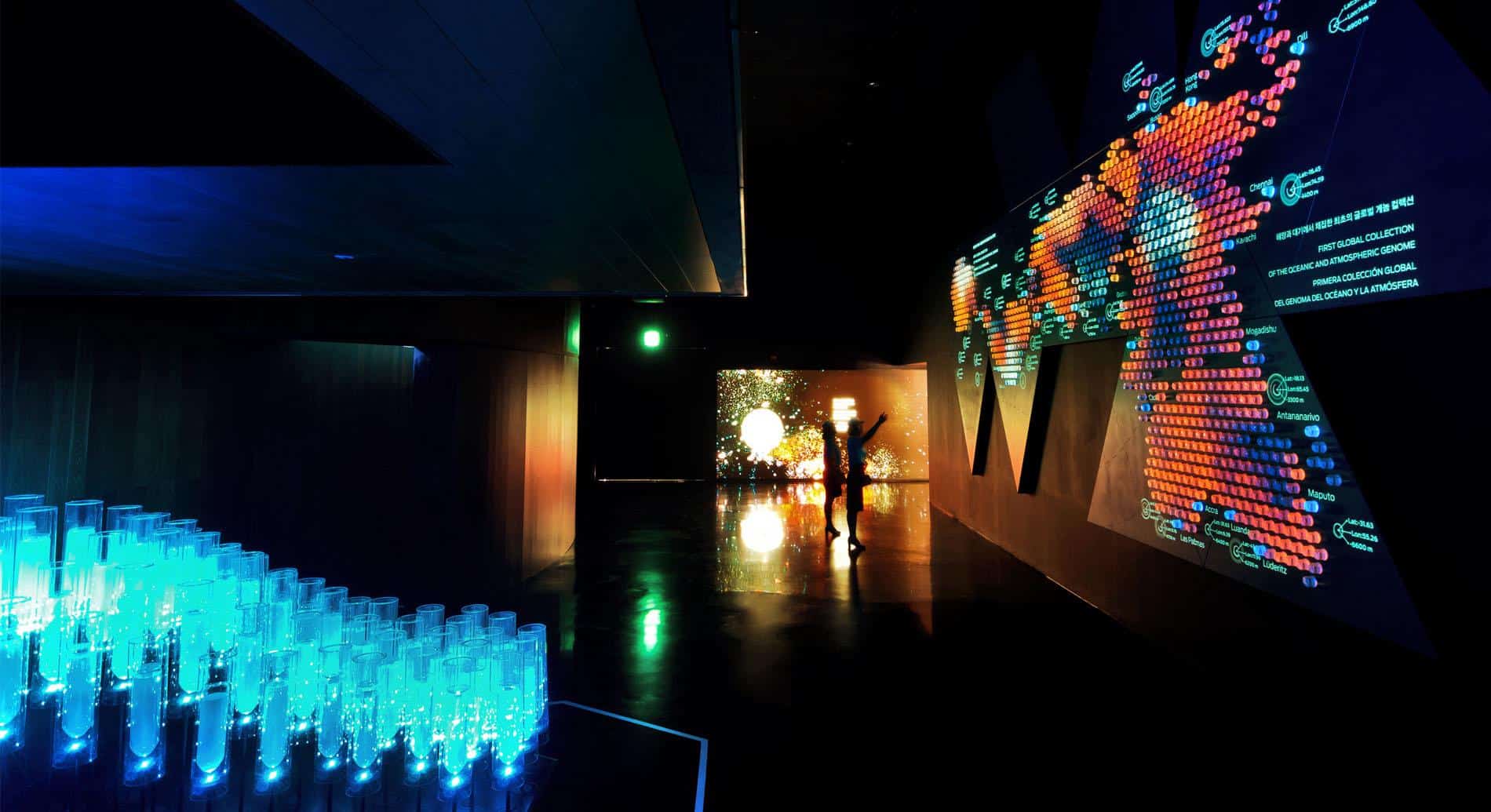
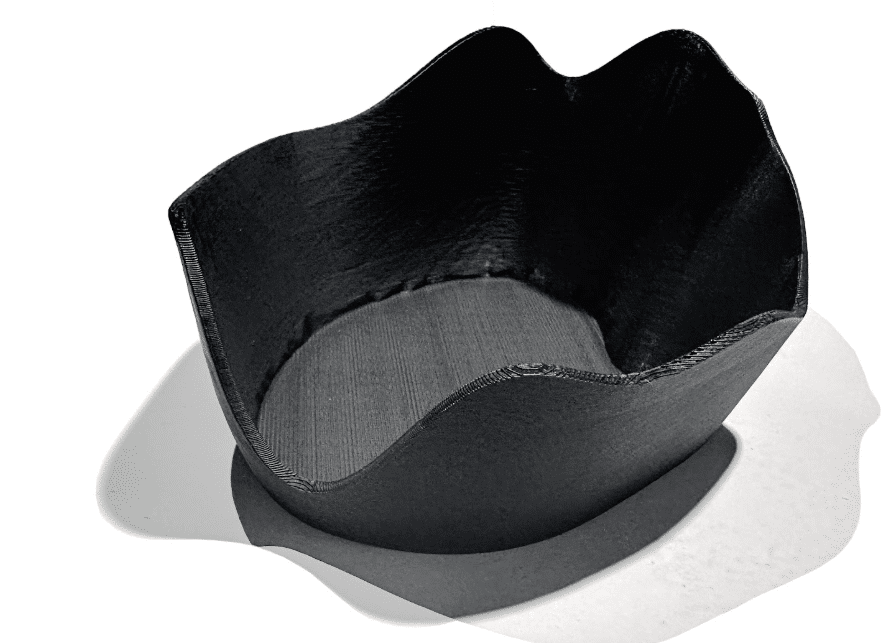
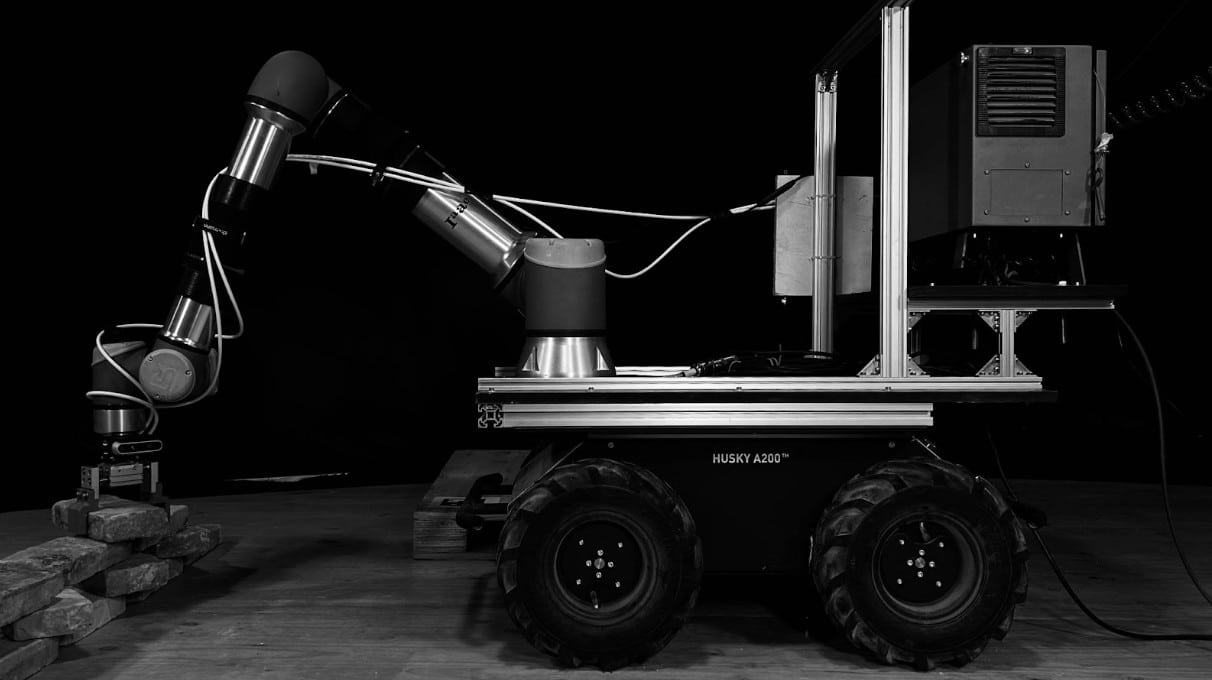
The Master Programme in Robotics and Advanced Construction is an innovative educational format that offers interdisciplinary skills and understanding through a series of class seminars that are put into practice through hands-on workshops. IAAC gives students the opportunity to create individual studio agendas and develop Pilot Thesis Projects based on the knowledge acquired during the seminars and workshops split into 3 Modules. In this way, IAAC puts together an experimental learning environment for the training of professionals with both theoretical and practical responses to the increasing complexity of the construction sector.

Filters
Course

From Design to Construction: A Conversation With Oriol Carrasco

Oriol Carrasco – Anomaly.Build Oriol Carrasco is a PhD architect from Barcelona. He is a senior fabrication expert at IAAC with extensive expertise in composite manufacturing. Oriol currently teaches in MAA and 3DpA programs. He has been co-leading the Design with Nature research line since 2013, teaching now in the metabolic introductory studio.  He has … Read more

Anatomy of a Machine: Shape

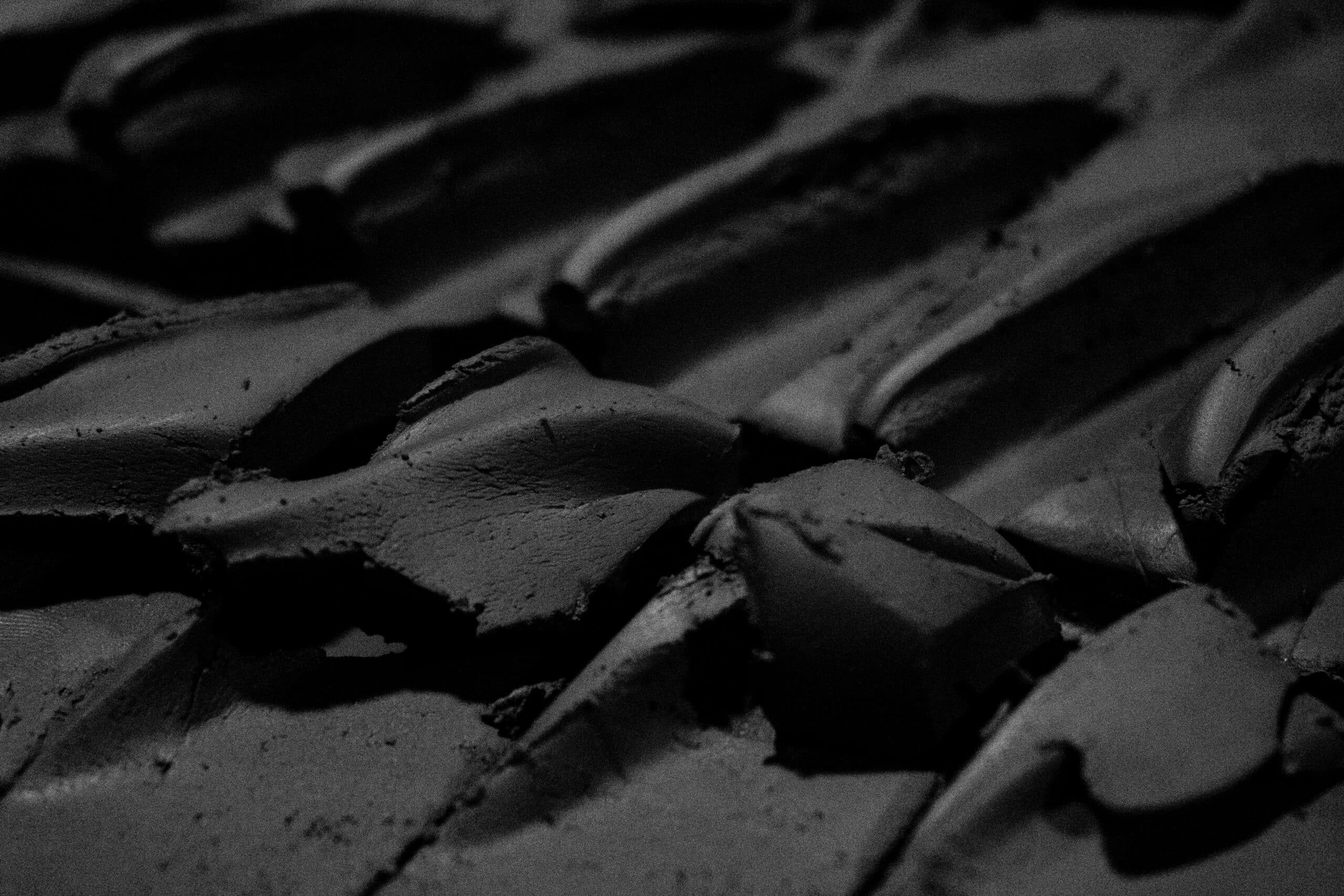
Context This exercise explores robotic fabrication processes through the direct manipulation of malleable materials. The assignment consisted of producing a 2.5D clay piece, measuring 40 × 40 cm with a maximum height of 5 cm, understood as a physical result of a robotically applied force on soft matter.Rather than designing a predefined form, the goal … Read more

Anatomy of a Machine: Spill

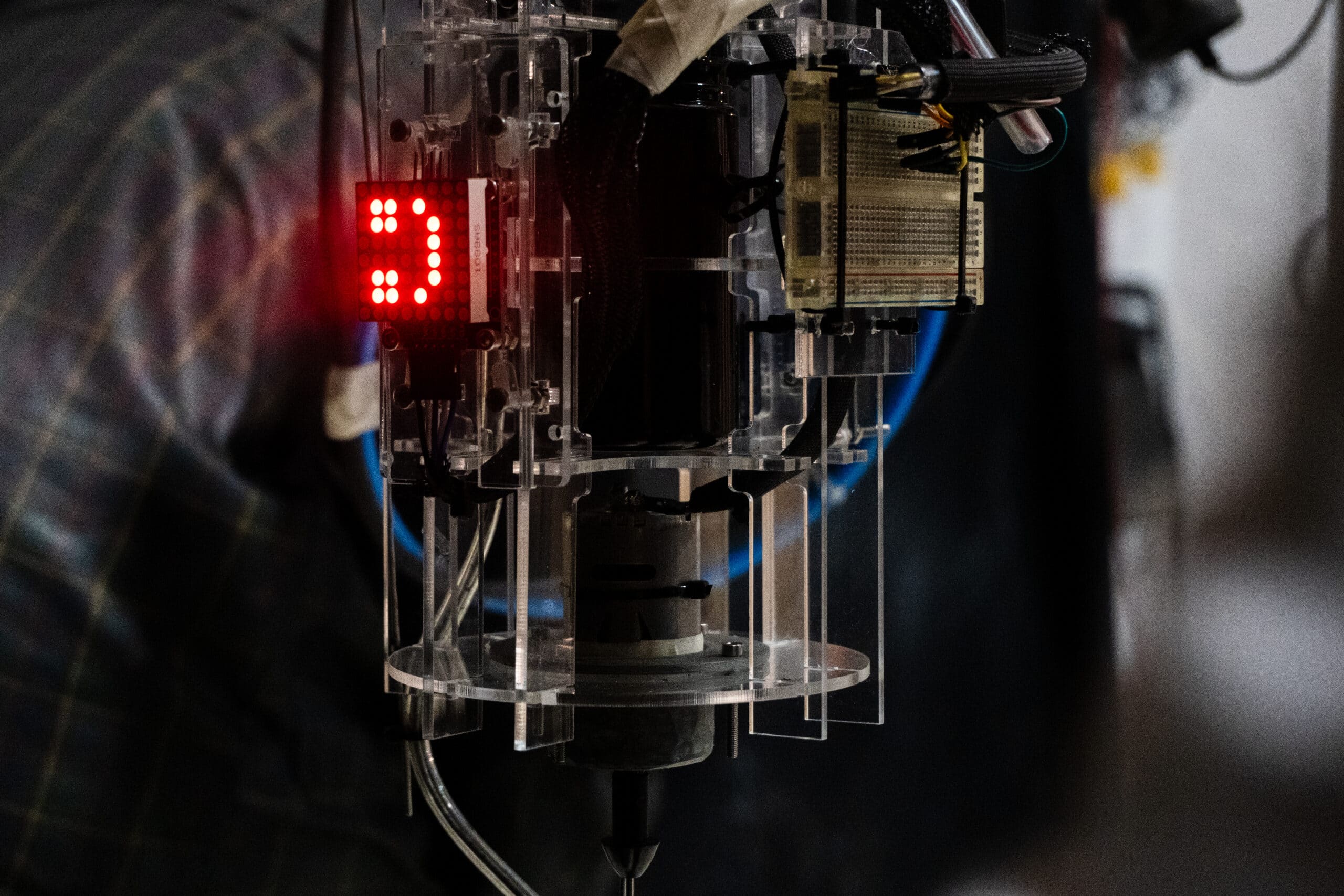
Introduction In Anatomy of a Machine: Spill, we designed and built our own paint-spilling tools and worked with large robotic arms to create expressive, A0-scale paintings. Over the weeks, we tested movements with our hands, translated them into robotic trajectories, and refined both the tools and the resulting spill patterns. Using Arduino and laser-cut acrylic … Read more

Software I non planar 3d printing

Advanced toolpath design for FDM process Students will design and simulate a toolpath for a small object intended for interior or product design. The focus is on exploring creative toolpath strategies, especially non-planar slicing, where the toolpath height changes across the object. Students must design a non-planar path and use attractors to locally deform the … Read more

Digital Design and Production of Complex Timber Structures

Evy Slabbinck – D2P – Design to Production How do you build a complex timber structure with zero errors in record time? Evy Slabbinck from Design-to-Production reveals the answer: merging computational precision with material intelligence. In this interview, we explored bending-active design, digital fabrication workflows, and the philosophy behind projects that push timber to new … Read more

Anatomy of a Machine: Stroke

Introduction This project investigates the dialogue between human gesture and robotic motion through painting. Over three weeks, students study brush behavior, paint flow, and stroke dynamics, beginning manually and progressively translating gestures into robotic trajectories. The final outcome is an A2 robot-made painting, accompanied by a vectorial drawing and a 60-second video, reflecting the anatomy … Read more

Soul and System | A Conversation with Aldo Sollazzo

Guest Lecture at IAAC (14 October 2025) – Exploring how La Máquina merges design, robotics, and the human element. During one of our sessions at IAAC, we had the opportunity to meet Aldo Sollazzo, co-founder of La Máquina, Noumena, and Pure.Tech, as well as a former IAAC faculty member in the field of robotic fabrication.Invited through the coordination of … Read more

Motion  Control of Robotic Arms Through Grasshopper and Sketching Devices

Introduction This project orients around robotic drawing system that uses a brush to create adaptive visual results. It focuses on turning basic painting actions; such as dipping, stroking, and rotating—into clear, programmable steps. By combining digital design tools with robotic movement, the work explores how changes in brush angle, paint material, and surface conditions shape … Read more

The Massage Chair

Top angle view

The massage chair is an experiment in digital fabrication and hybrid workflows, using computational design, CNC milling, 6-axis robotic milling, and human assembly and finishing, to understand how different subtractive manufacturing processes can be combined to balance speed, precision, and material expression in digital fabrication. Materials Tools Used Early Designs Early explorations of designs in … Read more

Nidra chair – MRAC & MAEB Workshop 1.1

Nidra chair

The Nidra Chair was developed within the framework of Workshop 1.1, where we explored robotic milling using the KUKA robotic arm. The design process was guided by a set of conceptual ideas—texture, nest, wings, and storage—which shaped the formal and tactile language of the piece. Inspired by notions of protection, warmth, and well-being, Nidra seeks … Read more

Robotic Milling and Design for Subtractive Manufacturing — Elephant Chair

Abstract: The Elephant Chair project was developed during the workshop “Robotic Milling and Design for Subtractive Manufacturing Workflows.”This workshop explored hybrid fabrication methods combining 3-axis CNC milling and 6-axis robotic milling to translate digital geometries into precise wooden prototypes. Our team designed and fabricated a furniture piece inspired by organic anatomy, robust yet flexible, mirroring the mechanical elegance of the machines used … Read more

Terraweave

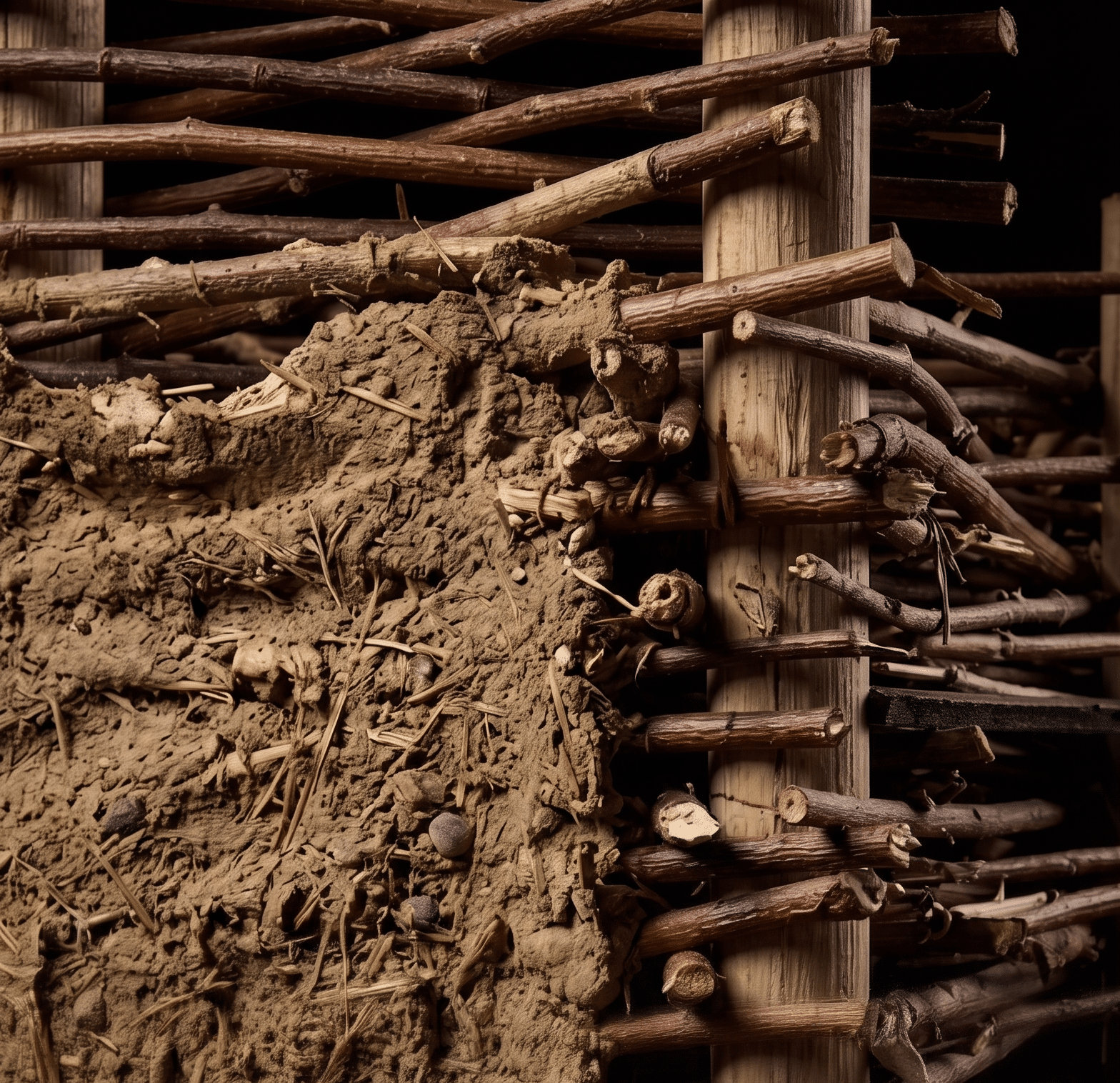
Crafting performative structures through robotic earth injection in dynamic fiber scaffolds Terraweave is an architectural research project that explores how robotic additive manufacturing can enhance the performance of natural building materials. Conducted as part of the Master in Robotics and Advanced Construction at IAAC, the project investigates the integration of willow scaffolds and earth injection … Read more

WORKSHOP 3.2 _ REFLECTION

“Precision becomes poetry through reflection and sound.” Reflection is an immersive installation that explores the potential of precision and reflection between two robotic arms through synchronized movements. Equipped with mirrors, the robots become both instruments and performers. Concept: The law of reflection The law of reflection states that the angle of incidence is equal to … Read more

Applied Theory III _ Un_Log Factory

INTRODUCTION In today’s construction industry, a large portion of timber is discarded due to its non-standard shape, curvature, or internal defects. Un_Log Factory challenges this paradigm by proposing a digitally augmented fabrication system that embraces the natural irregularity of timber. Instead of seeing bent or cracked logs as waste, our process redefines them as raw … Read more

Interlock Tower

Rethinking Towe Typology with AI: This project explores the redesign of contemporary tower structures using machine learning (ML), challenging the repetitive, profit-driven design seen in cities like Hong Kong. The goal is to discover new typologies through AI and stacking rules, and tren translate them to a robotic fabrication system (pick and place). AI-generated towers … Read more