SYNFORM I

Non Planar Strategies for Robotic Polymer 3D Printing: Translating Digital Realms into Large-Scale Architectural Elements to Reimagine Ornament and Material Expression.

Targeted toward students’ future careers in Academia, Start-up, or Industry, the second year of the Master in Robotics and Advanced Construction offers the opportunity to develop a thesis project with the support of IAAC infrastructure, experts and network.
The development of the project will be supported by advanced seminars in Technology, Theory, and Business to bring the proposal state of the art research that can really impact the construction industry.
In parallel to the development of the Thesis Project Studio, the second year of the Master in Robotics and Advanced Construction offers a series of seminars enhancing the theoretical, practical, and digital skills of the students. Students will also have the occasion to join cross-disciplinary workshops to build large prototypes and installations.
Non Planar Strategies for Robotic Polymer 3D Printing: Translating Digital Realms into Large-Scale Architectural Elements to Reimagine Ornament and Material Expression.
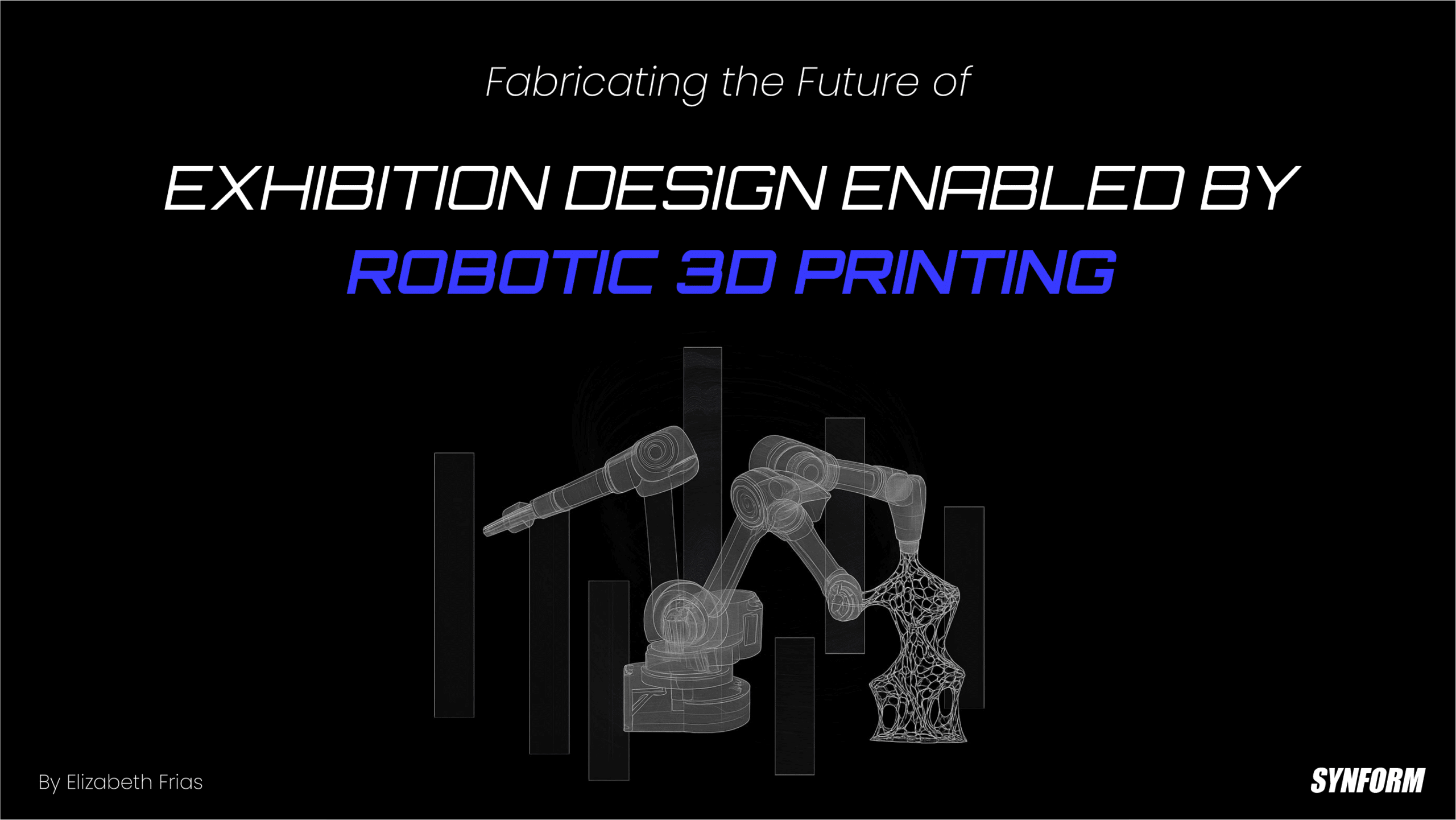
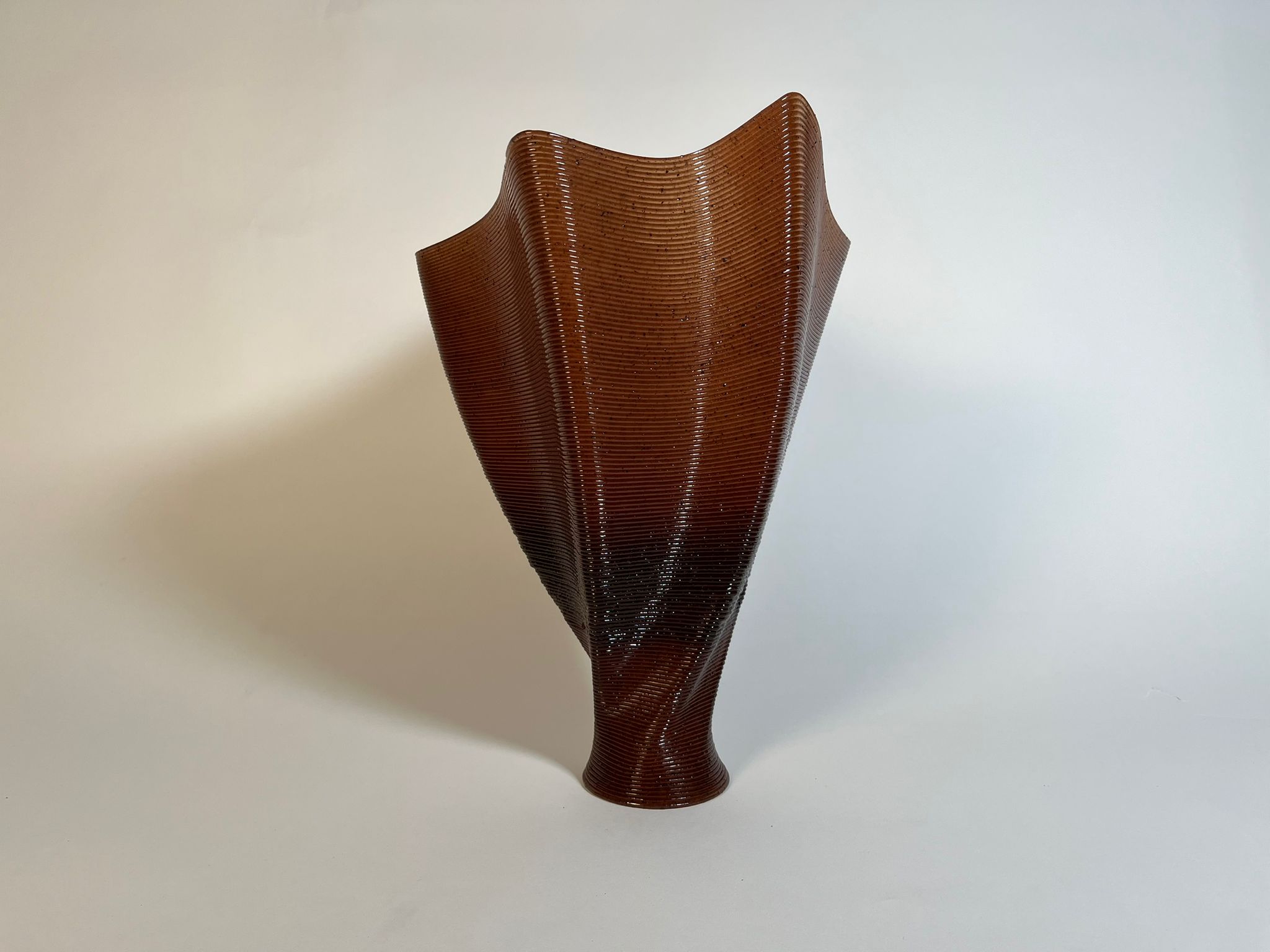
SYNFORM is a design-to-fabrication studio that fabricates luxury scenography and architectural surfaces that are parametric, modular and reconfigurable through large-scale 3D printing using recyclable plastics. Market Context According to Precedence Research, the global 3D printing market is estimated at around USD 29.29 billion in 2025 and is projected to grow to USD 134.58 billion by … Read more
Brasil is the seventh biggest productor of Cacao worldwide and 60% of its production is from family agriculture located in the states of Pará and South of Bahia. The Chocolate Supply Chain produces substantial amounts of waste, specifically the Cacao Pod Husk and the Cacao Seed Shell. The process of producing the Chocolate goes from … Read more
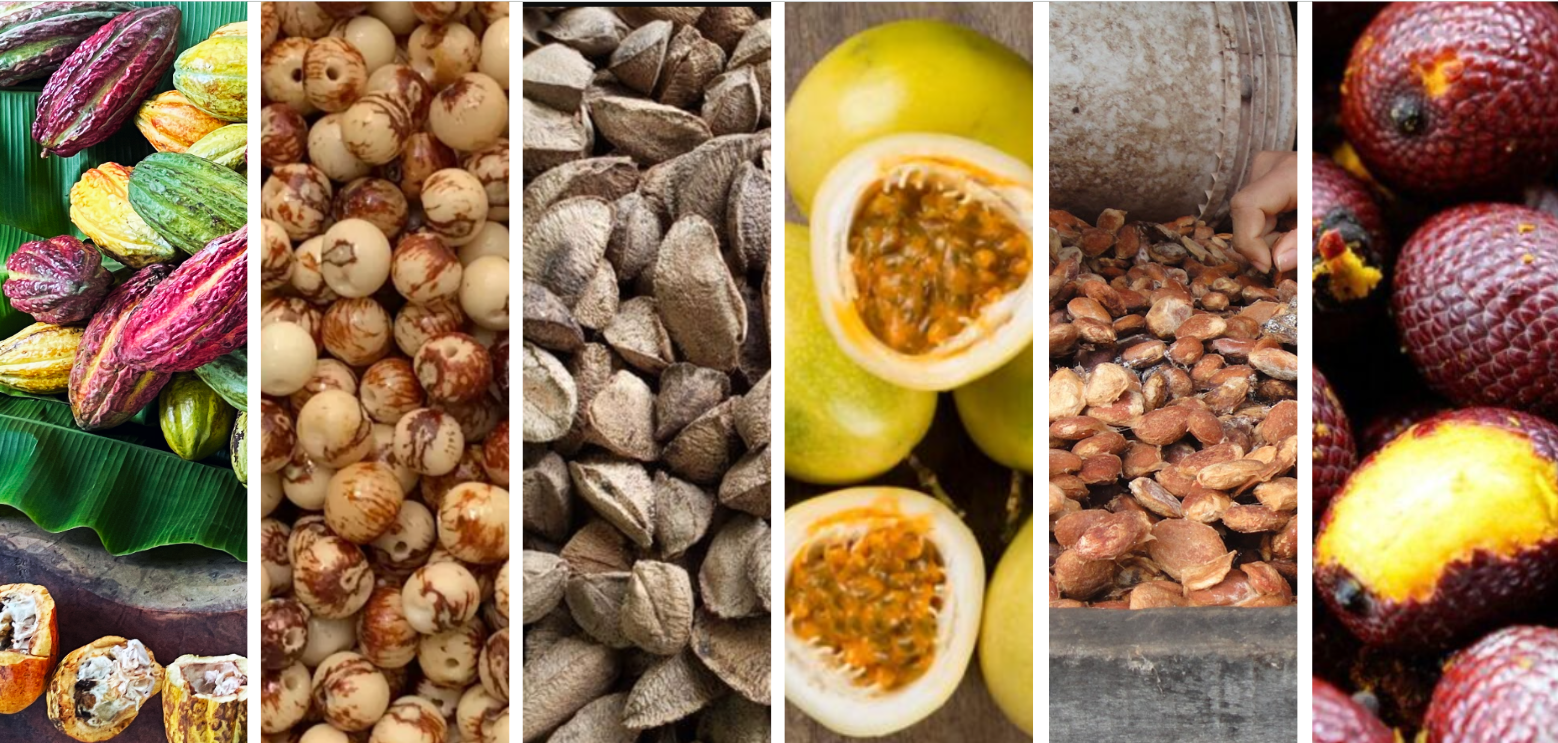
Supply Chain Opportunity to Solve The immense volume of organic waste generated by Brazil’s agricultural and food industries, including residues from cocoa, açaí, Brazil nuts, passion fruit, cupuaçu, buriti, and murumuru, represents a significant untapped resource. These byproducts, often discarded without proper utilization, contribute to environmental challenges and economic losses. Many of the companies highlighted, … Read more
The state of the art shows our pursue to develop organic geometries using Hyperboloid as design geometry The design takes advantage of the offcuts grain to create a rigid waffle-like structure. Horizontal and vertical members and then connected through notches and screws to stiffen the system. The outer horizontal members of this grid present bark … Read more
The annual construction waste is expected to reach 2.2 billion tons gobally by 2025, to try to solve this kind of problems in this sector we can use the Additive Manufacturing fot the optimization of Fabrication and construction. Key advantages of AM By 2020, the AM sector will grow up to a €13.4 billion industry … Read more

