The Master Programme in Robotics and Advanced Construction is an innovative educational format that offers interdisciplinary skills and understanding through a series of class seminars that are put into practice through hands-on workshops. IAAC gives students the opportunity to create individual studio agendas and develop Pilot Thesis Projects based on the knowledge acquired during the seminars and workshops split into 3 Modules. In this way, IAAC puts together an experimental learning environment for the training of professionals with both theoretical and practical responses to the increasing complexity of the construction sector.

Filters
Course

Ambient Public Mood Beacons-MRAC01

‘Urban Sensing Begins: The City Meets Its Beacons’ PLACEMENT — The Sensing GroundThe first beacons are placed along the park’s circulation spine silent observers that begin listening to the city’s rhythm. Sound, motion, and presence data start forming an invisible map of human interaction.At this stage, the system is not reactive, it’s learning.It introduces itself … Read more
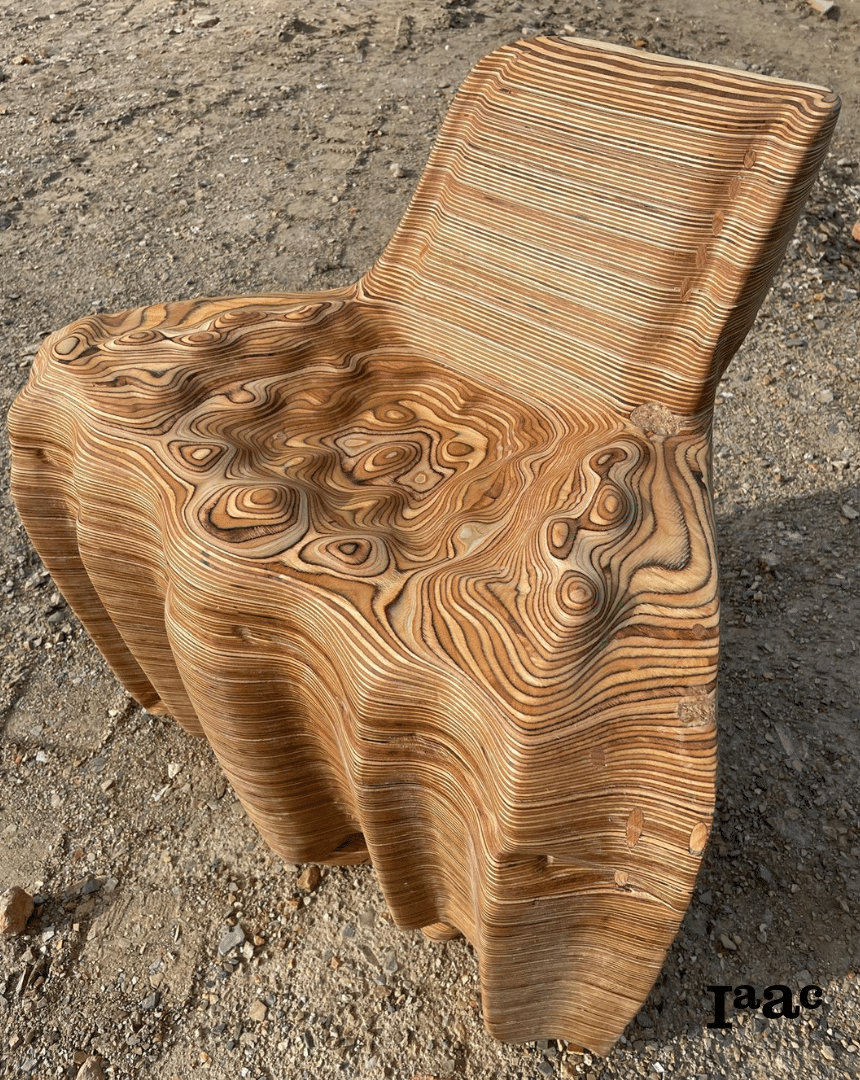
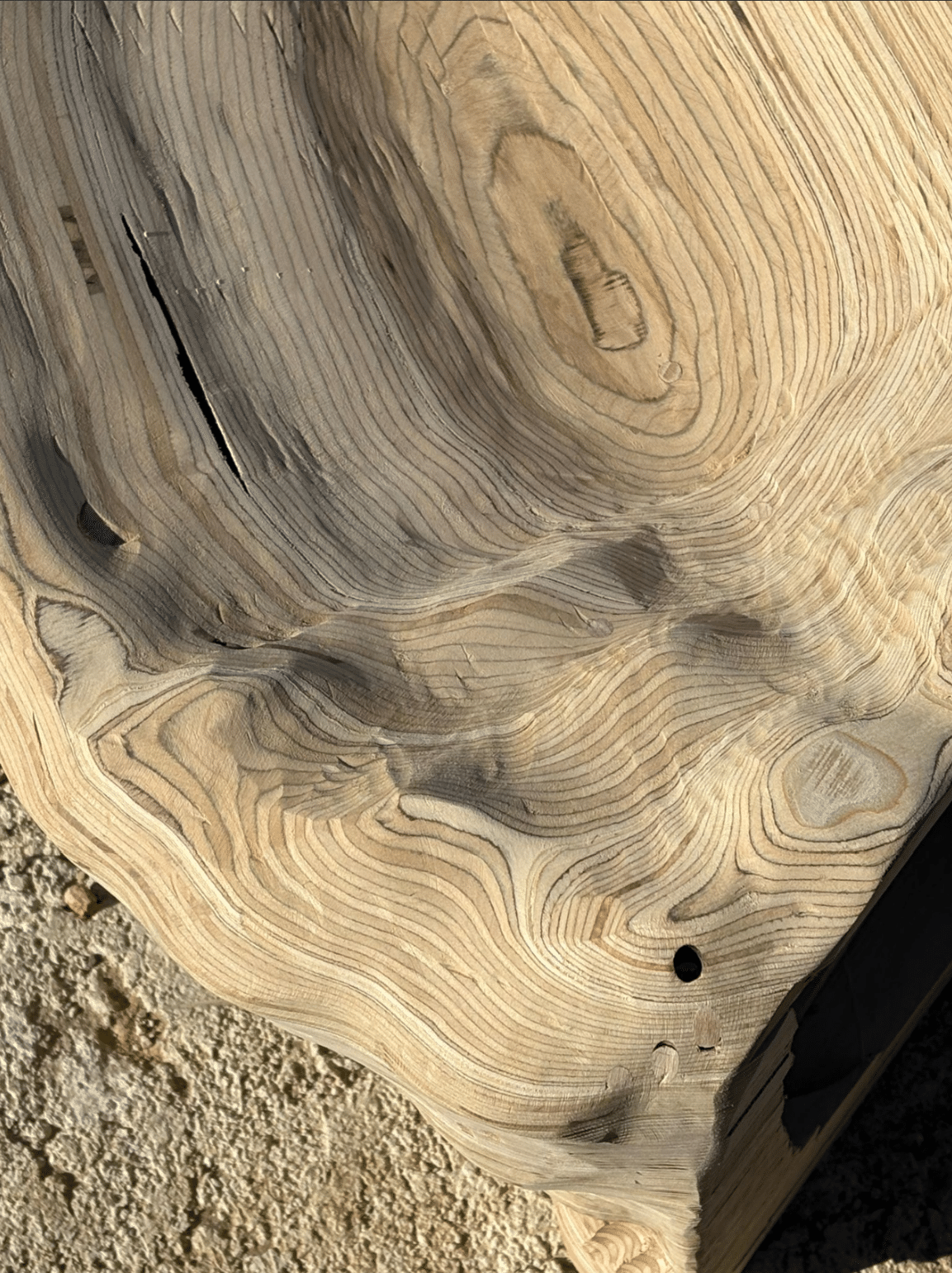
The Massage Chair

Top angle view

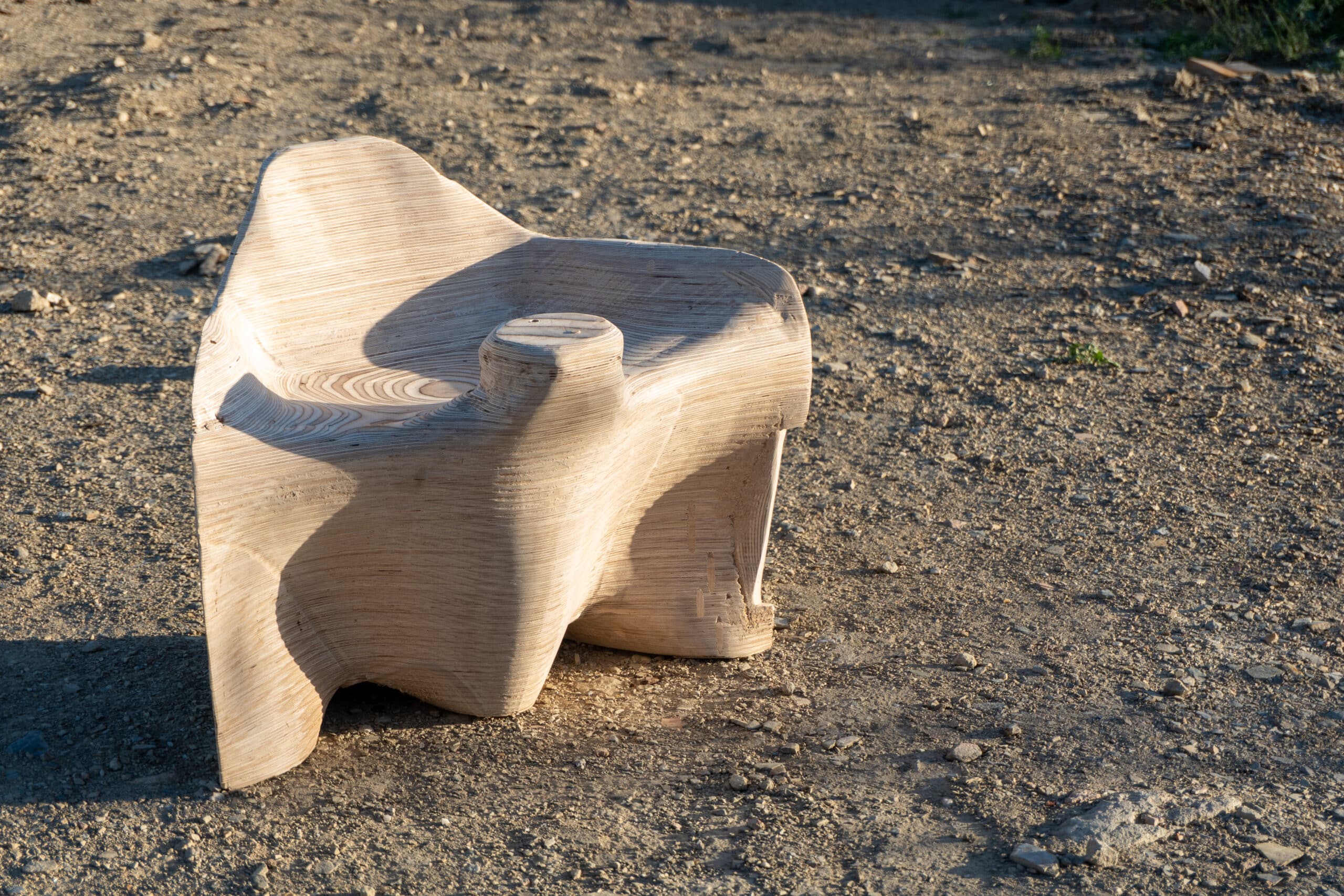
The massage chair is an experiment in digital fabrication and hybrid workflows, using computational design, CNC milling, 6-axis robotic milling, and human assembly and finishing, to understand how different subtractive manufacturing processes can be combined to balance speed, precision, and material expression in digital fabrication. Materials Tools Used Early Designs Early explorations of designs in … Read more

Nidra chair – MRAC & MAEB Workshop 1.1

Nidra chair

The Nidra Chair was developed within the framework of Workshop 1.1, where we explored robotic milling using the KUKA robotic arm. The design process was guided by a set of conceptual ideas—texture, nest, wings, and storage—which shaped the formal and tactile language of the piece. Inspired by notions of protection, warmth, and well-being, Nidra seeks … Read more

Robotic Milling and Design for Subtractive Manufacturing — Elephant Chair

Abstract: The Elephant Chair project was developed during the workshop “Robotic Milling and Design for Subtractive Manufacturing Workflows.”This workshop explored hybrid fabrication methods combining 3-axis CNC milling and 6-axis robotic milling to translate digital geometries into precise wooden prototypes. Our team designed and fabricated a furniture piece inspired by organic anatomy, robust yet flexible, mirroring the mechanical elegance of the machines used … Read more

Studio I_Anatomy of a Machine: Shape

This project comprises of 5 rapid prototypes developed over the course of 3 weeks. Each prototype is developed with a focus on a material and a process. These investigations were a means of developing the skillset of rapidly developing a robotic process and simultaneously became the palette from which we select our research lines for … Read more

BIO-ADDITIVE MANUFACTURING / MRAC Workshop 1.1

Cork-based 3d printing – Topological Optimisation Design Introduction    The seminar invites students to explore new materials, additive processes and new fields of applications through robotic 3d printing taking advantage of the potential of the 6-axes of the robotic arm. Context   Recently we have clearly observed immense changes in architectural design development. Architecture has been influenced … Read more

Designing Dynamic Forms – Robotic Fabrication Techniques

Team member(s):zeyu chao, Elizabeth.frias.martinez,Chi.Lee 3Dprint pavilion Introduction This project explores the large-scale robotic clay printing of a pavilion, with the geometry divided into four equal segments. The chosen geometry, Segment 1, was further developed into modular units to optimize the construction process. The modular approach allows for efficient fabrication and assembly, enhancing the structural and … Read more

Computational Design Strategies for Robotic Fabrication

thumbnail

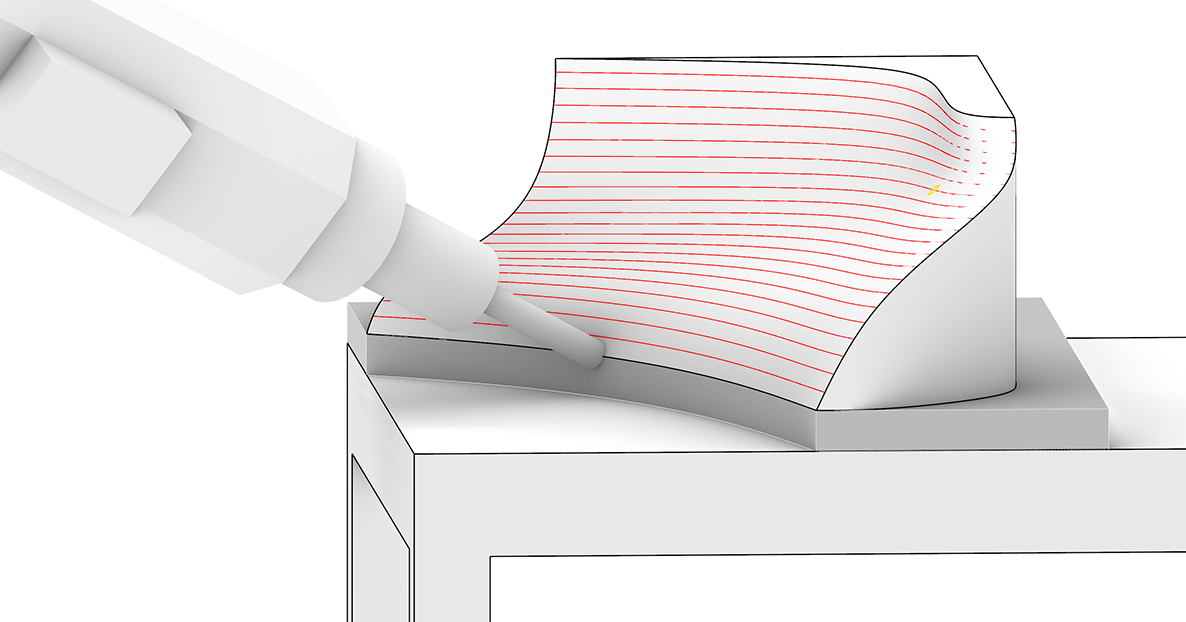
The Software-I seminar introduces computational design strategies for robotic fabrication, focusing on the software aspects of these processes. The following exercises cover different manufacturing strategies that translate digital models into buildable forms through precise toolpath development and simulation. These include an end-to-end process from conceptual design to the generation of fabrication files for robotic systems, … Read more

“Timber Narratives”

Aim To develop a modular system for seamless automated assembly and disassembly, specifically tailored for the reclamation and repurposing of planar, semi-standardized waste materials ,and also to foster circularity by maximizing resource efficiency and ensuring a sustainable end-of-life use for products within the system. Context State of the art Methodology Assembly and disassembly process by … Read more

Side Table

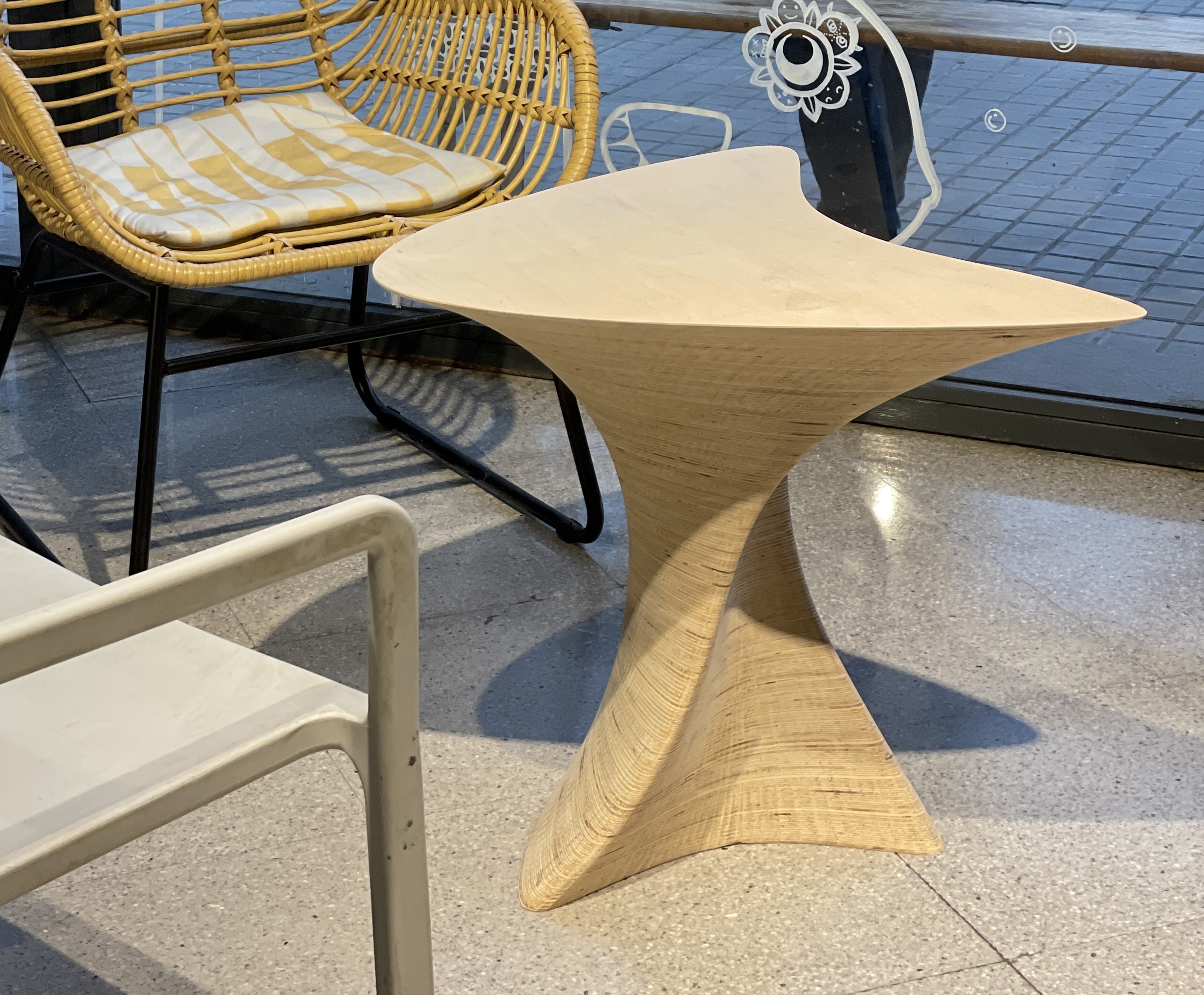
Exploring the Intersection of Subtractive and Additive Manufacturing In the pursuit of challenging manufacturing norms and pushing the boundaries of creativity, our team delved into the intricate world of stack lamination during the recent workshop. Focused on creating functional and visually stunning furniture pieces for a potential cafeteria in Barcelona, our journey unfolded through three … Read more

Topographic Chair

During this one week workshop we explored the combination of stack lamination and 5 axis robotic milling for the speculative production of furniture for the new IAAC cafe. As a group we conceptualized and developed 3 items of furniture that could be produced using stack lamination. Each design was rationalized to make use of a … Read more