HBIM and AI, a perspective on new technologies for Heritage architecture
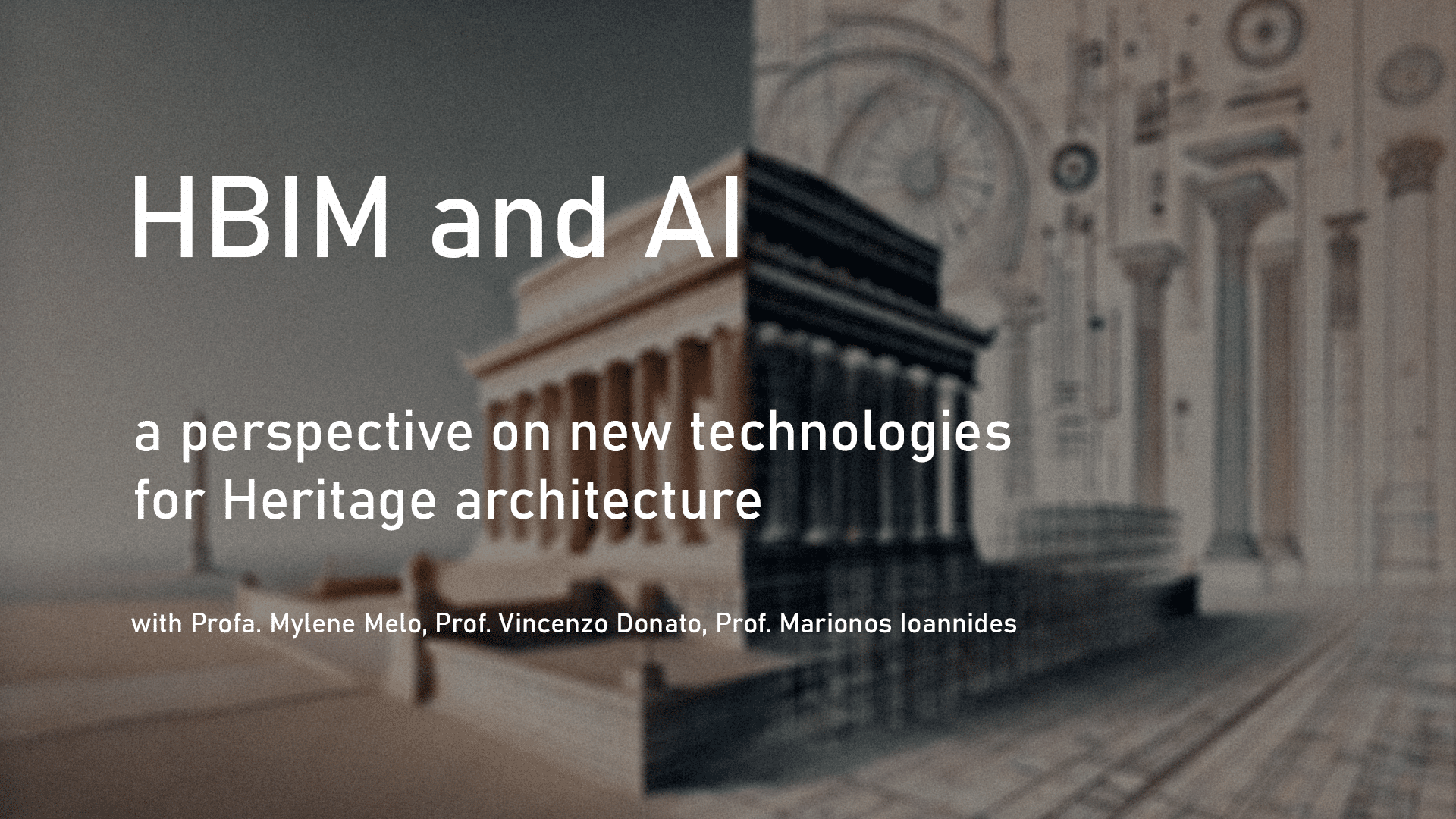
Brief Heritage Building Information Modeling (HBIM) is a process for managing and conserving historical structures. Despite its potential and the European Directive 2014/24/EU, HBIM remains underutilized due to complex processes. AI-based technology can streamline HBIM processes at reduced costs, making heritage conservation more feasible. Technologies like LIDAR, TLS, photogrammetry (including UAVs), and SLAM, initially tested … Read more
The Power of a good BIM Execution Plan

Abstract The BIM scope of a project still has many ambiguities, challenges, and known difficulties related to internal and external politics and other human factors. Project stakeholders usually have overlapping but in most cases different interests, e.g. tendering consultants and contractors want clearer definitions to be able to minimize their risk when submitting an offer, … Read more

Integration of Digital Twin Technology in Building Renovation and Restoration

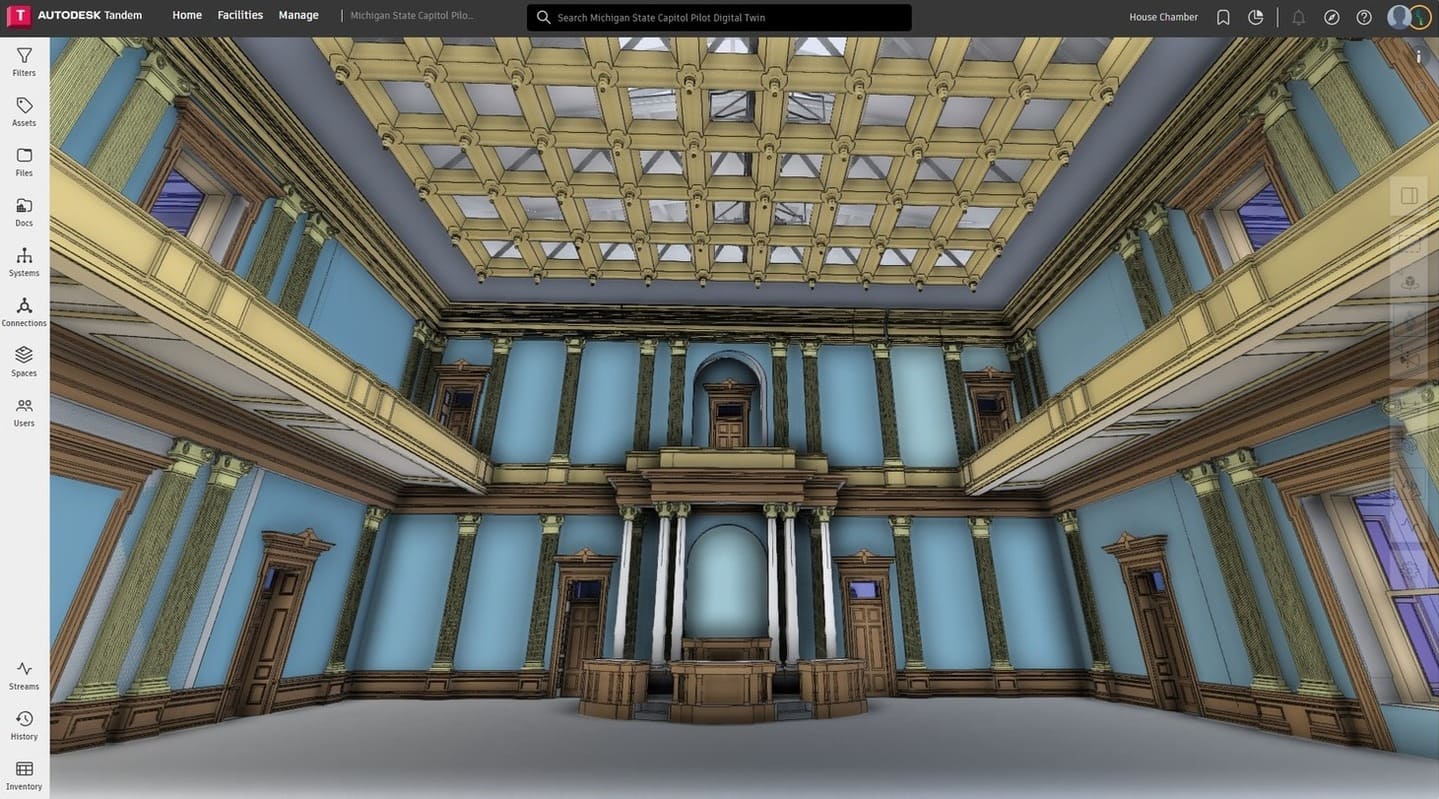
Exploring Digital Twins with Quinn Evans The integration of Digital Twin Technology in building renovation and restoration is transforming the industry, enhancing data accuracy, workflow efficiency, and long-term asset management. By creating precise digital replicas of structures, digital twins enable real-time updates, predictive maintenance, and seamless coordination across project teams. A leading example of this … Read more

Design Automation for Architectural Design in Small Steps

BRIEF PROBLEM: Architectural design is a complex process that often involves repetitive tasks, human errors, and inefficiencies that can slow down workflows. While Building Information Modeling (BIM) tools like Autodesk Revit have significantly improved design and documentation processes, the absence of structured automation continues to limit optimization, particularly for architectural design firms. Many firms struggle … Read more

Integrative Modeling: HyperA’s Neighborhood Approach

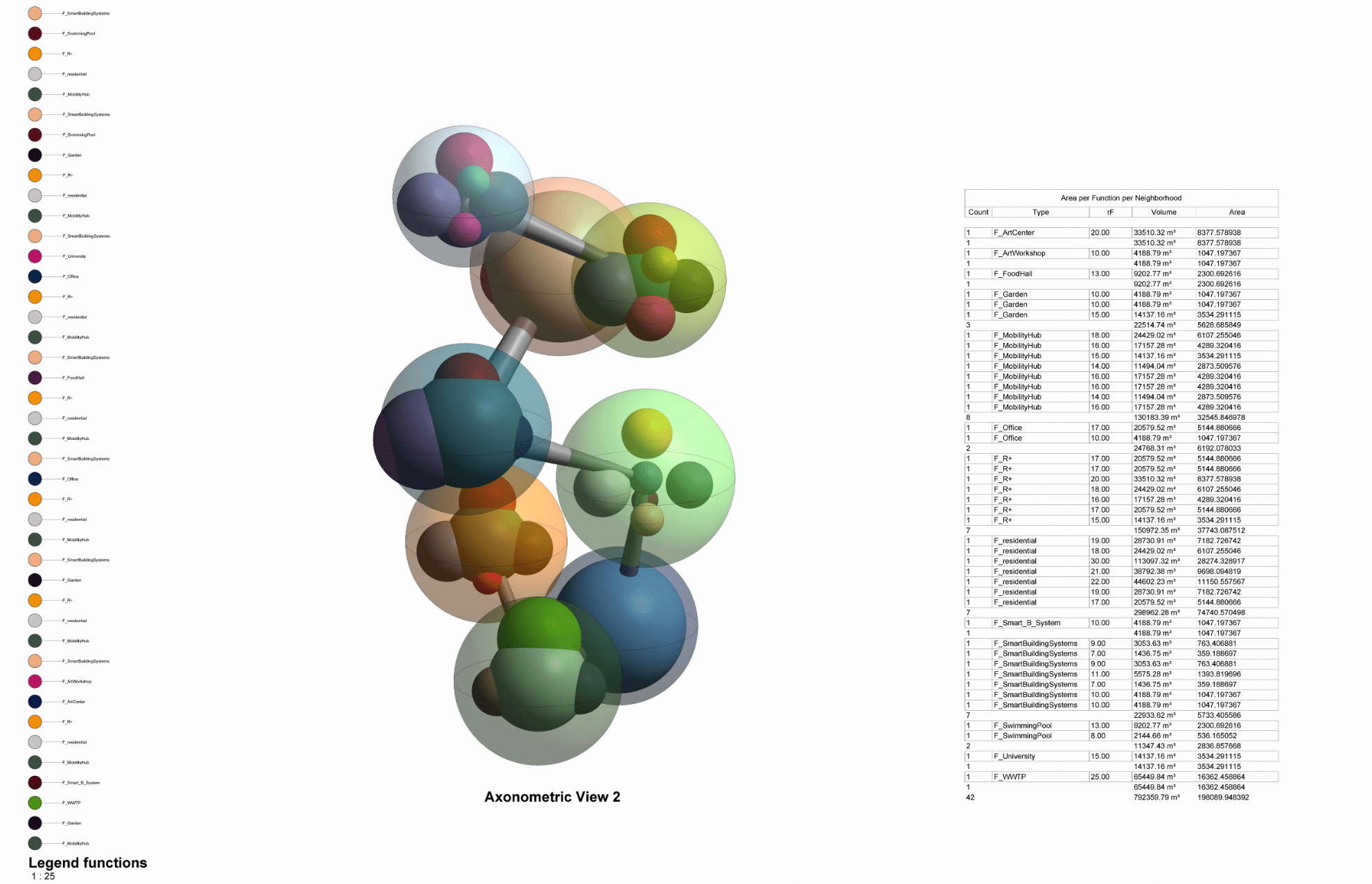
Welcome to HyperA!As we navigate the complexities of urban living, our design strives to create spaces that not only cater to functional needs but also enrich community connections. Through integrative modeling, we aim to challenge conventional architectural norms and present a bold vision for the future. Concept of Neighborhoods HyperA is centered around the concept … Read more

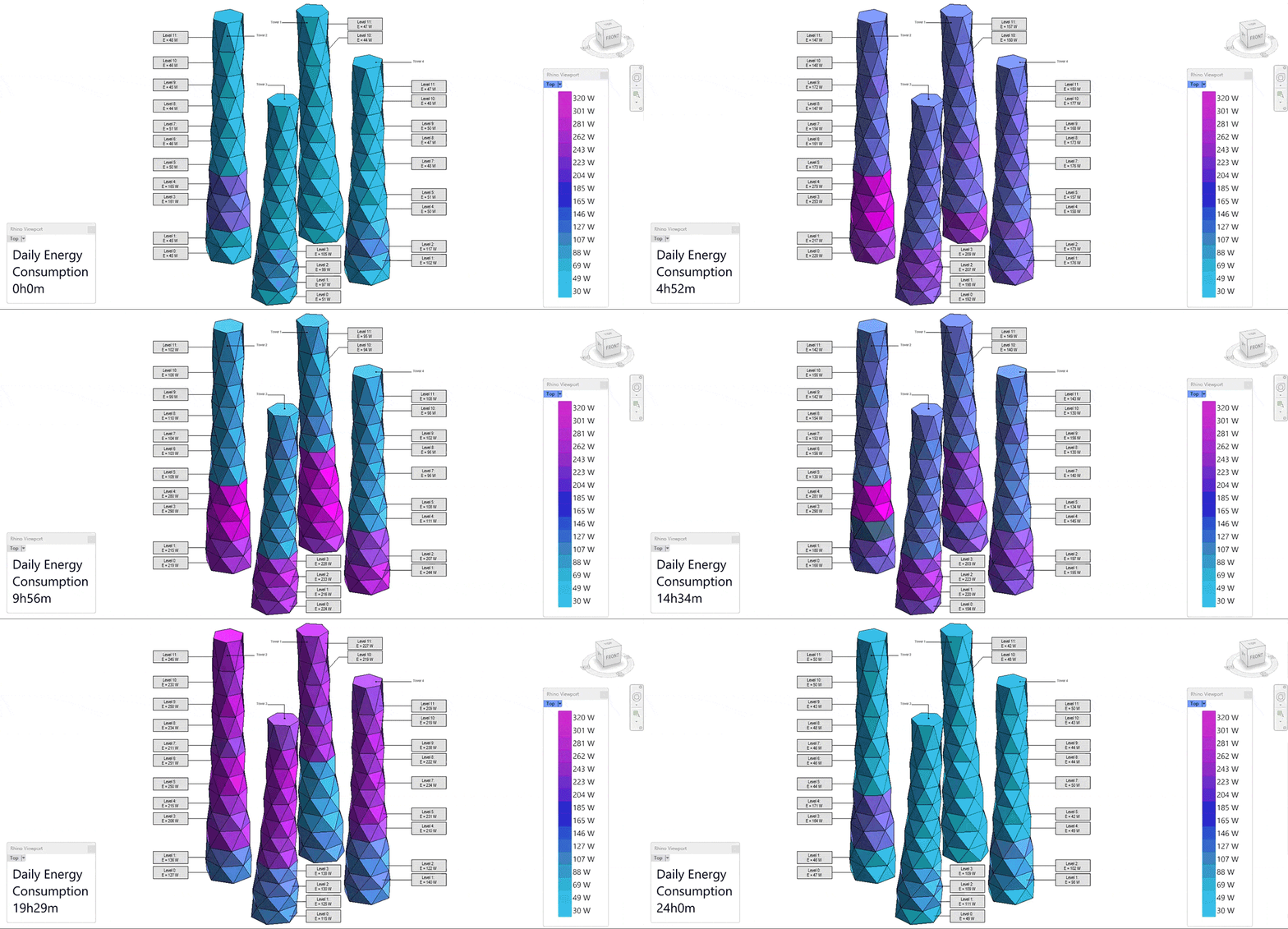
Integrating Residential Modeling for Hyper-B

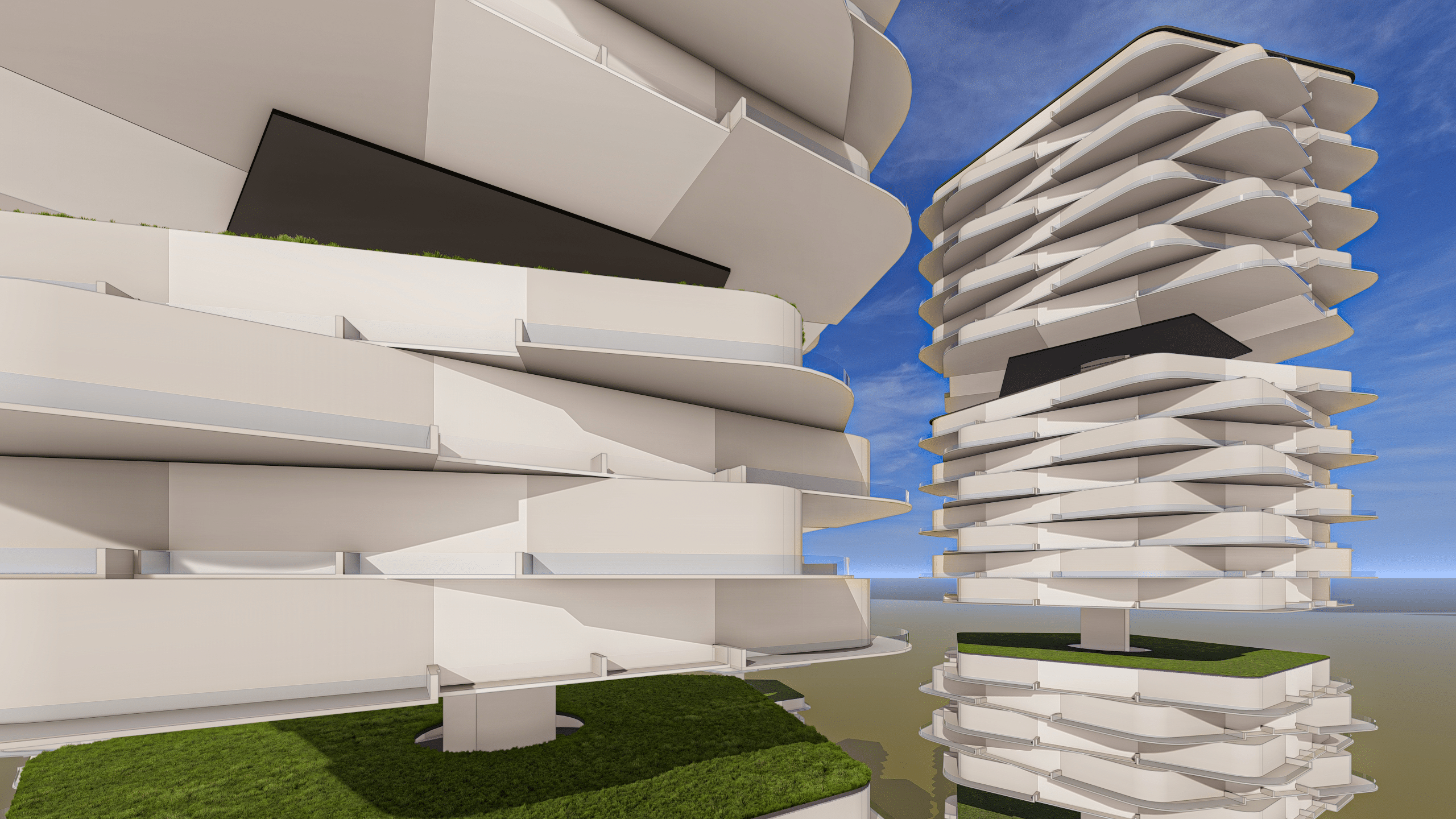
Hyper-B Residential team went through design concept, technical analyses, and integrated modeling process to create a detailed architectural documentation of four residential towers. In addition, the project covers various aspects including energy consumption, occupancy, and modular unit types. We approached this project with a goal that incorporates sustainable energy practices and efficient space planning with … Read more

Form follows Data

Introduction Facades are vital architectural elements, functioning as the interface between a building’s interior and exterior while reflecting broader design strategies. Vitruvius emphasized the concept of Venustas, the aesthetic appeal achieved through harmonious proportions and calculated symmetries, as central to the role of facades in conveying beauty and balance. In modern architecture, facades transcend their … Read more

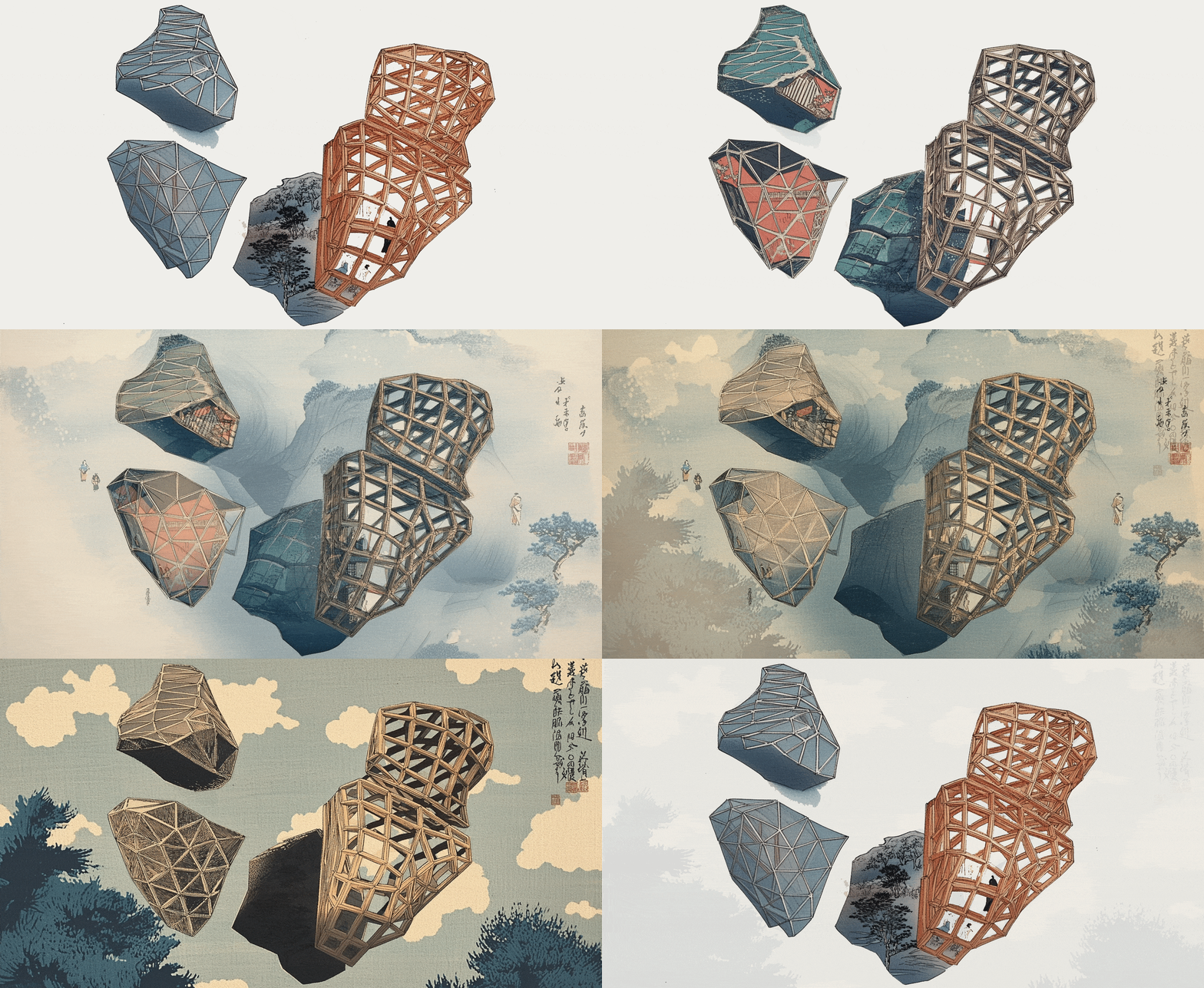
Digital tools for Integrative Modelling – Hyper A Facade

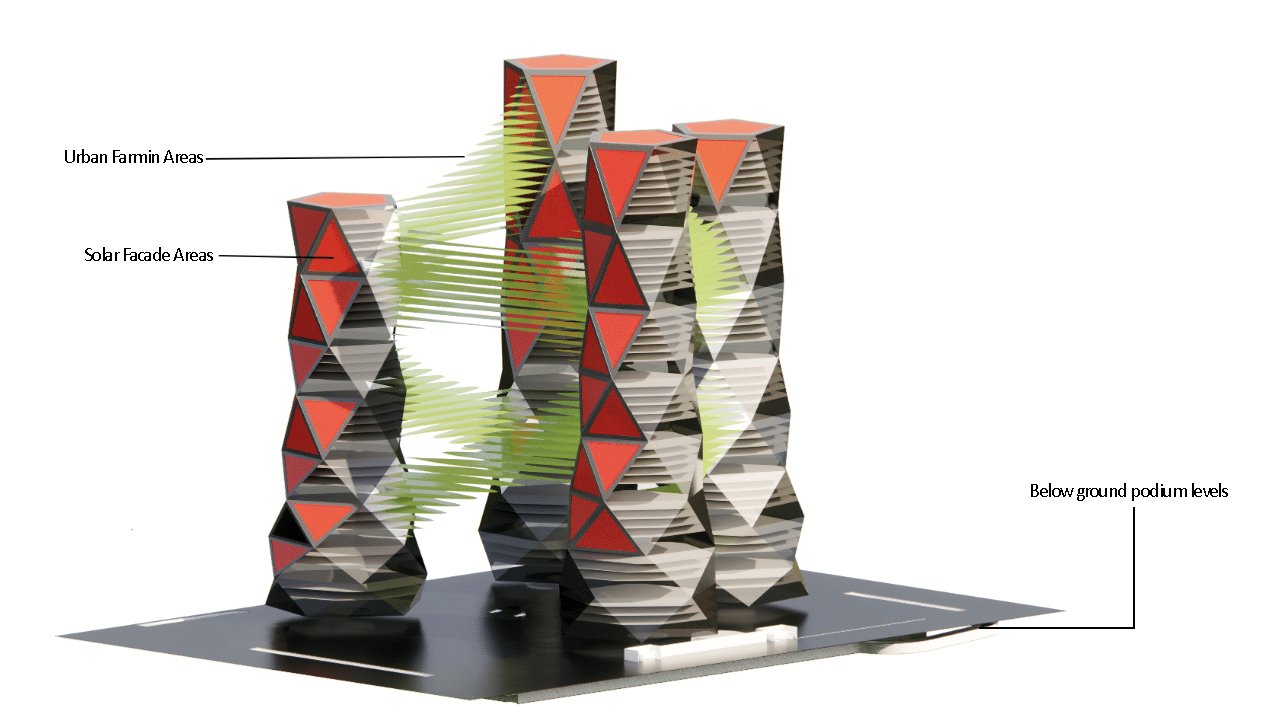
The Facade Team Team Vision Group Topic Kinetic Component  Envelope Development Hyper Building A is a self-sustaining, energy-efficient project designed to seamlessly integrate into Japanese culture. The design follows the 15-minute walk theory, organizing the building into distinct neighborhoods to promote accessibility and community interaction. The vision for this project is centered around energy efficiency, … Read more

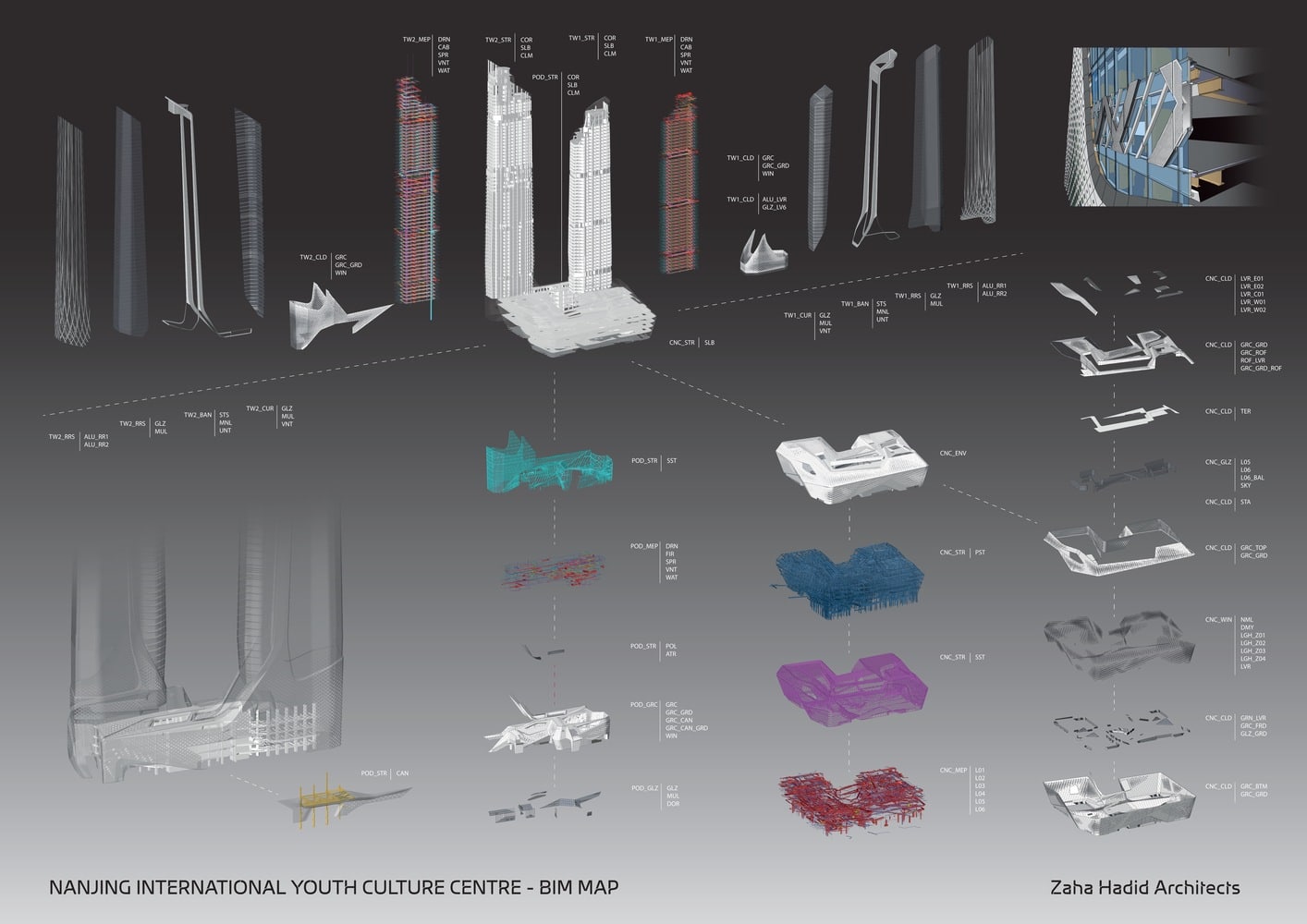
From Computational Design to BIM: How Zaha Hadid Architects Integrates Complex Geometries

Problem Statement: BIM integration is straightforward for basic building forms, but challenging for complex geometries. Issues include interoperability, maintaining design intent, and bridging conceptual design with BIM. Standardization and cost-effective fabrication remain key obstacles. Thesis: Computational tools like Grasshopper enhance BIM integration by improving early-stage collaboration, workflow standardization, and ensuring complex forms remain constructible. Research … Read more

Electrical Closet Planner

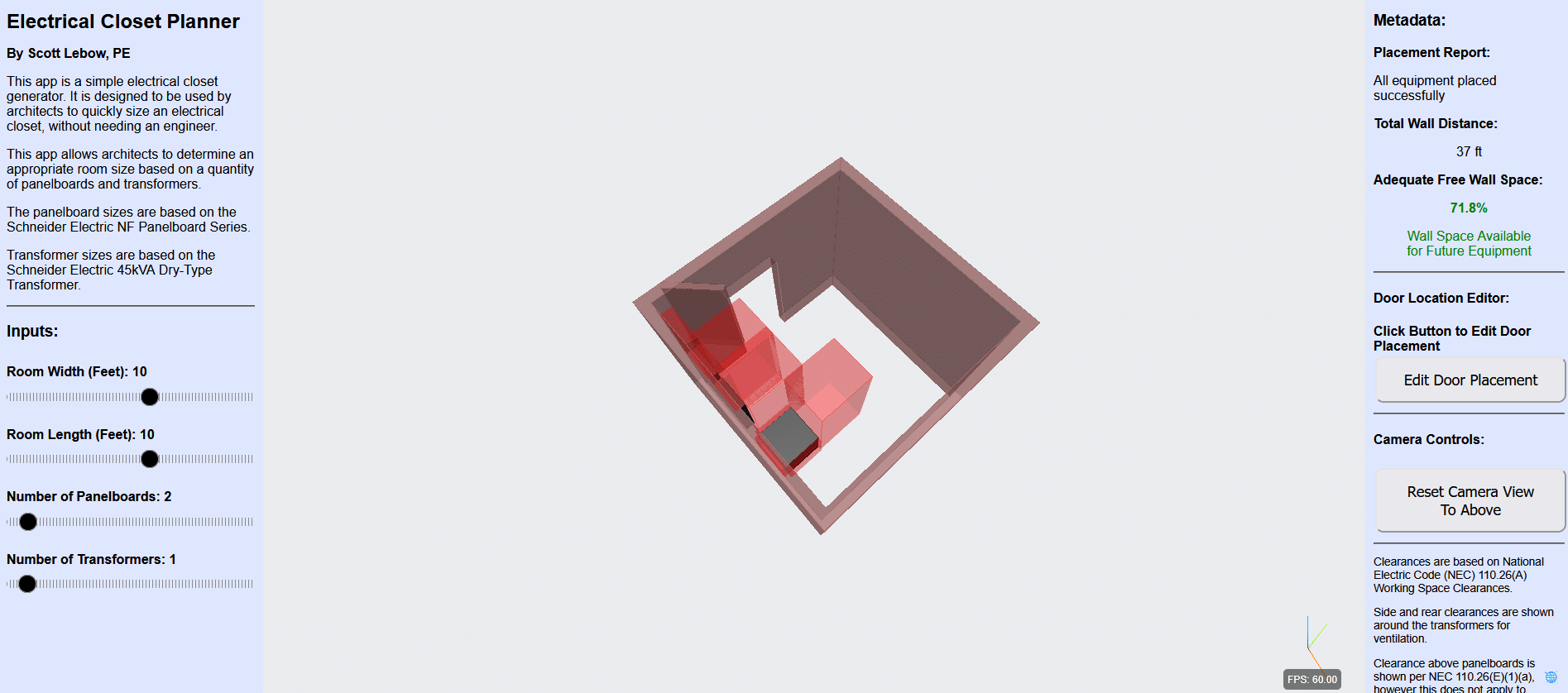
Link to Project: https://datamgmt25.iaac.net/ (Find Scott Lebow in the sidebar) This app is a simple electrical closet generator. This app allows architects to determine an appropriate room size based on a quantity of panelboards and transformers. It is designed to quickly size an electrical closet, without needing an engineer. Clearances are based on National Electric … Read more

ACTIVOS URBANOS EVOLUTIVOS

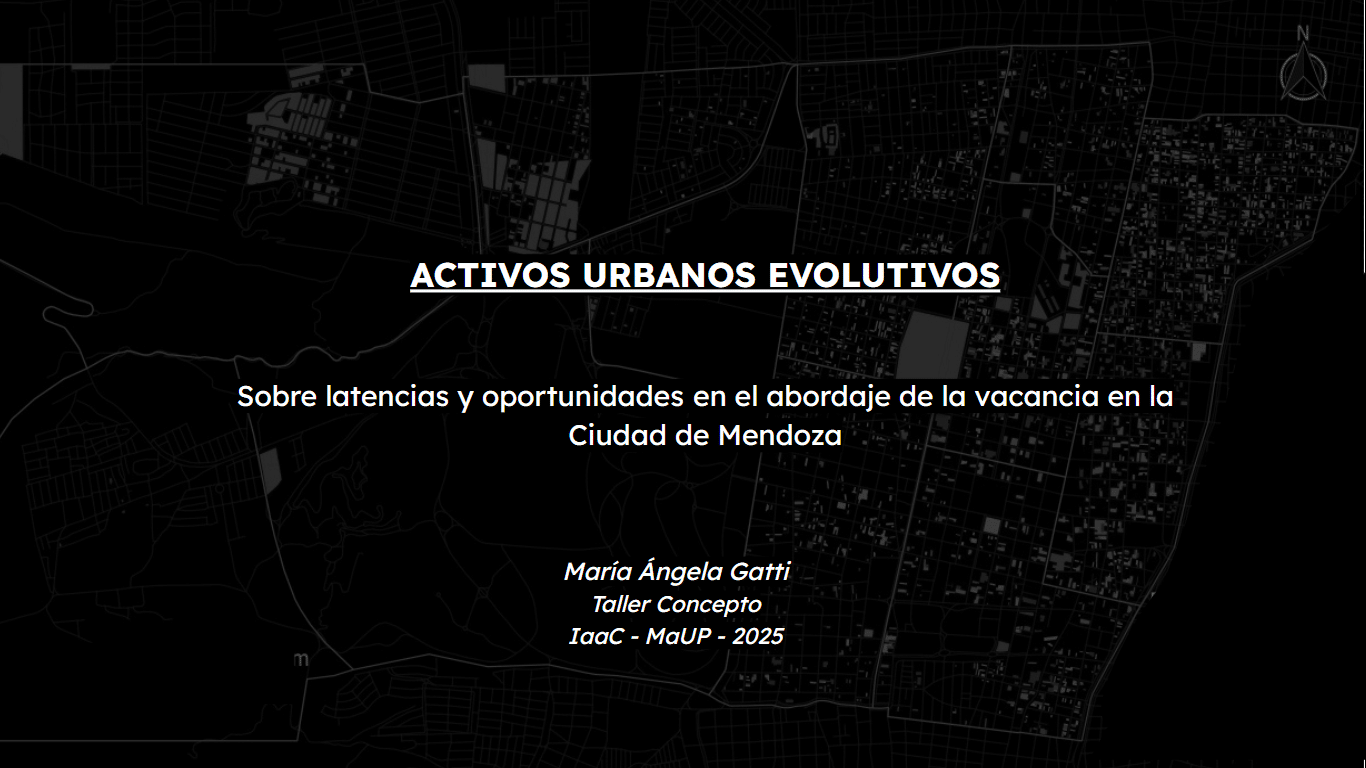
Sobre latencias y oportunidades en el abordaje de la vacancia en la Ciudad de Mendoza, Argentina RESUMEN La problemática de los pasivos urbanos, definidos como terrenos subutilizados o infraestructuras obsoletas dentro del tejido urbano, constituye un fenómeno global con implicaciones territoriales y socioeconómicas a escala local. La expansión urbana no planificada, caracterizada por patrones de … Read more