Carbon as [hyperobject]

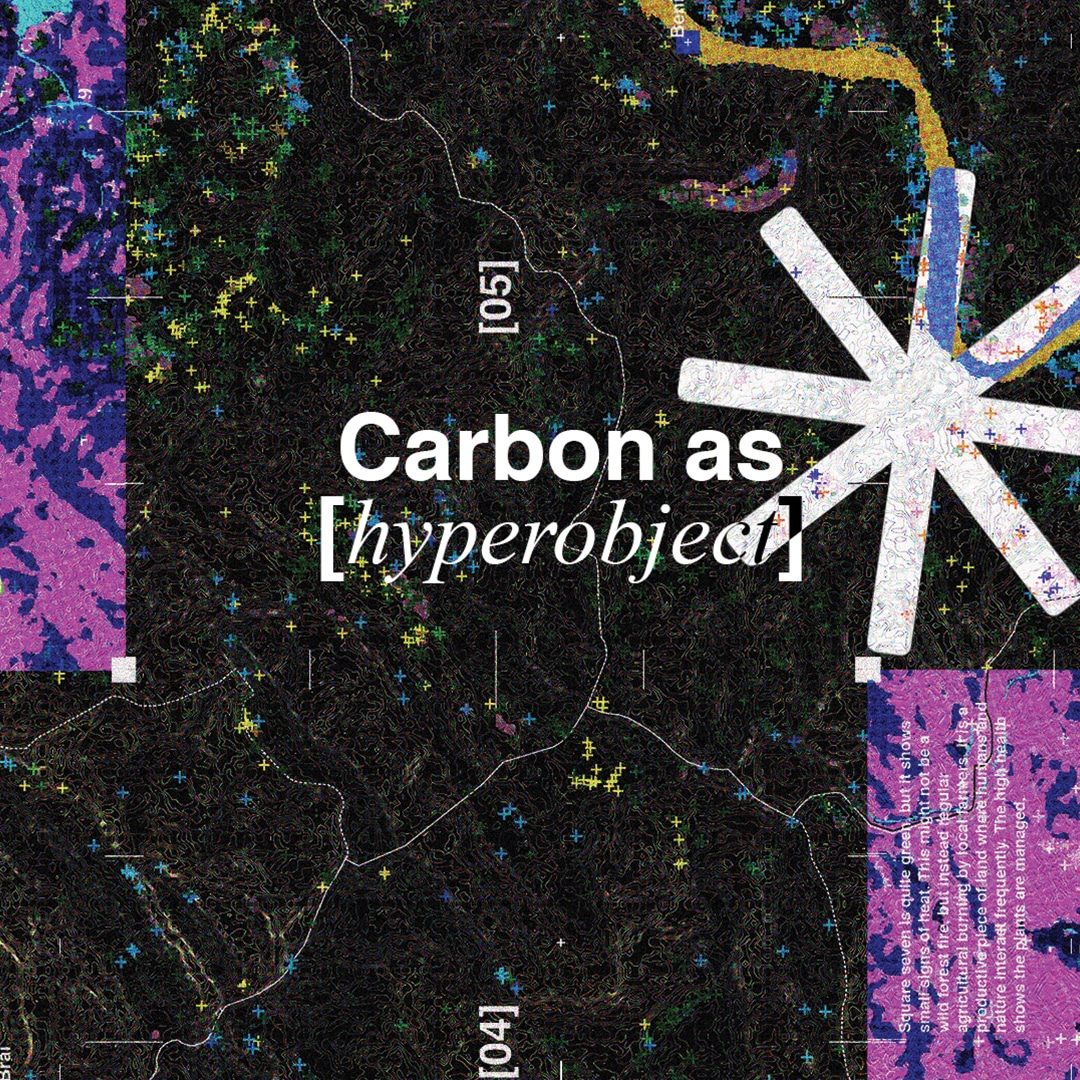
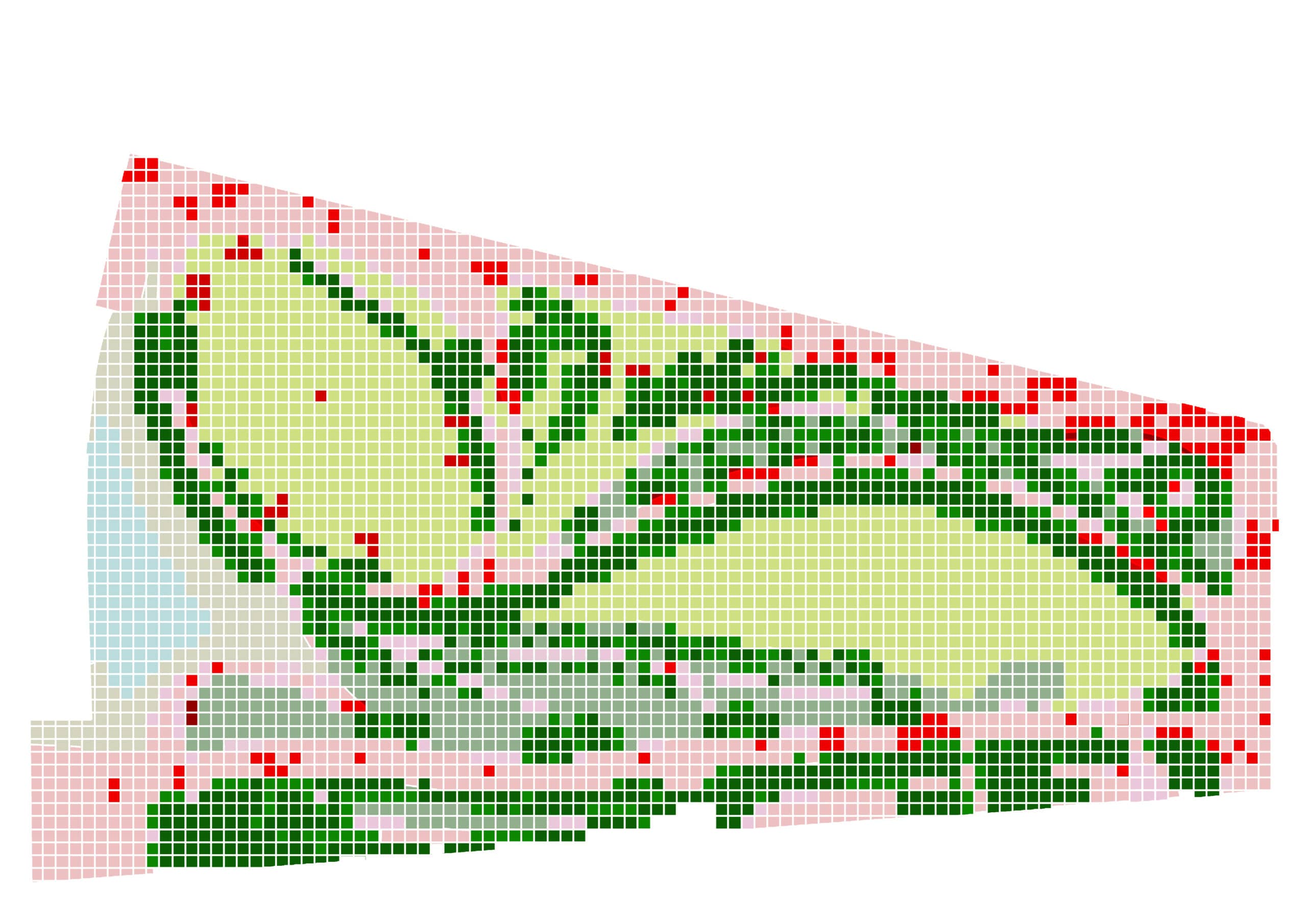
Vulnerability-adjusted carbon sequestration for more [actionable land]. Current climate mitigation treats carbon sequestration as a static stock: it counts the biomass a landscape holds and rewards storing more. Yet under fire and drought, the densest biomass is lost first, turning a carbon sink into a source. This thesis develops vulnerability-adjusted carbon sequestration. Working across a … Read more

Between Ritual and River

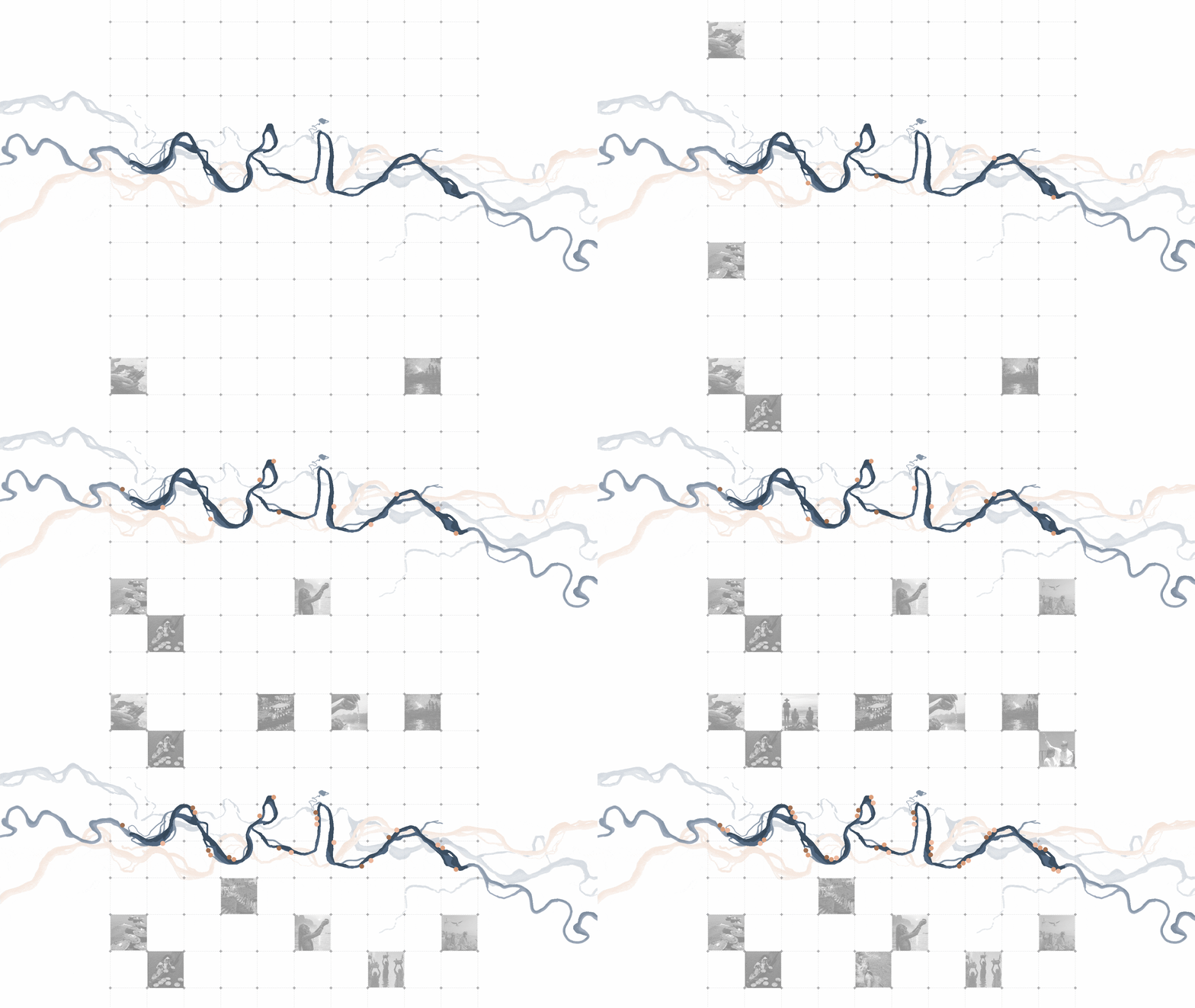
Ecological Renewal of Ghats Website Link: https://aria-final.vercel.app/ Statement “While industrial and sewage pollution receive significant attention in river conservation efforts. Ritual pollution stemming from religious and cultural practices remains largely unaddressed due to its sensitive nature. But it contributes substantially to river degradation and requires culturally respectful solutions.” Sacred Sites Across every continent and culture, rivers … Read more

Scarpa

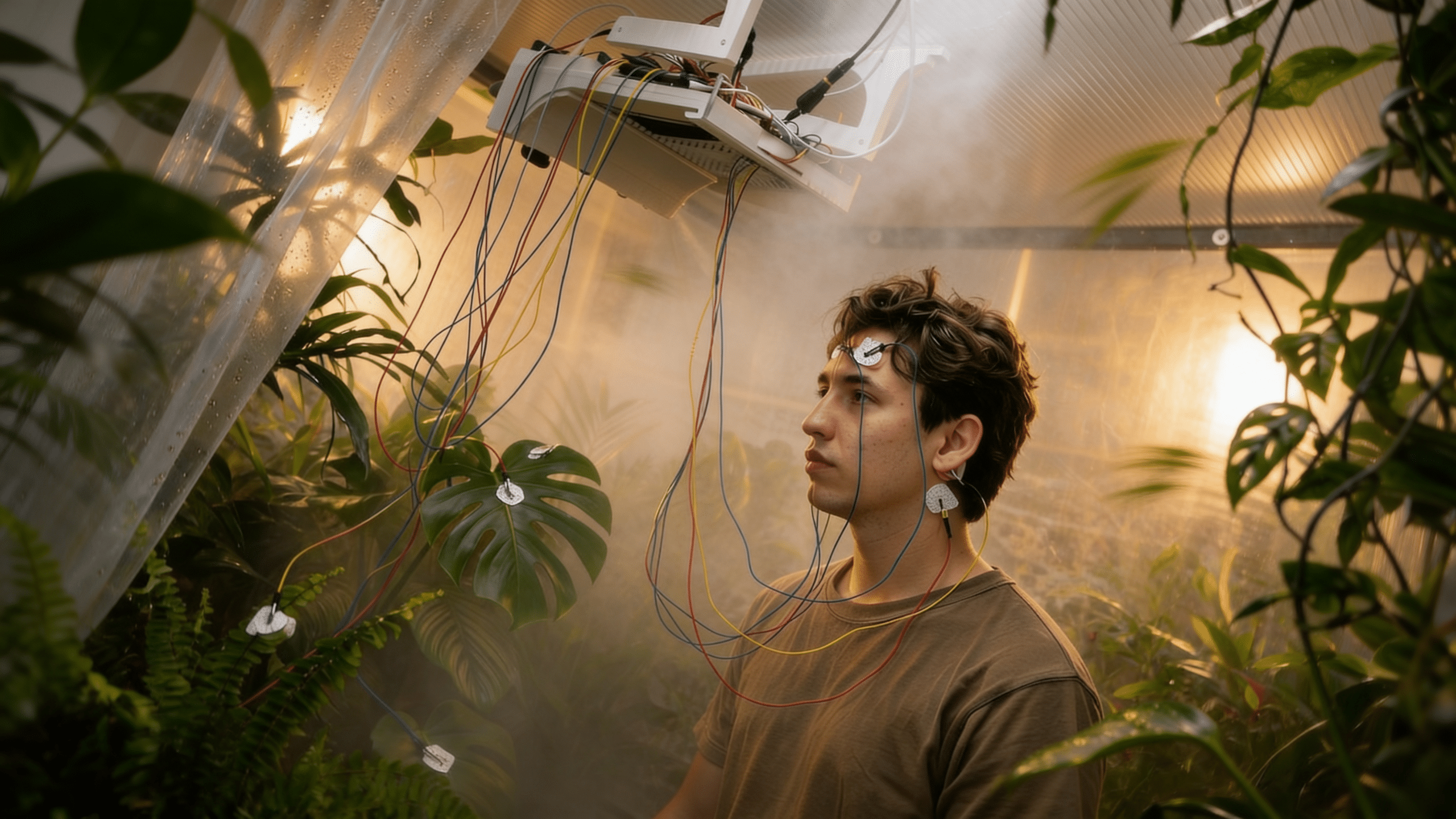
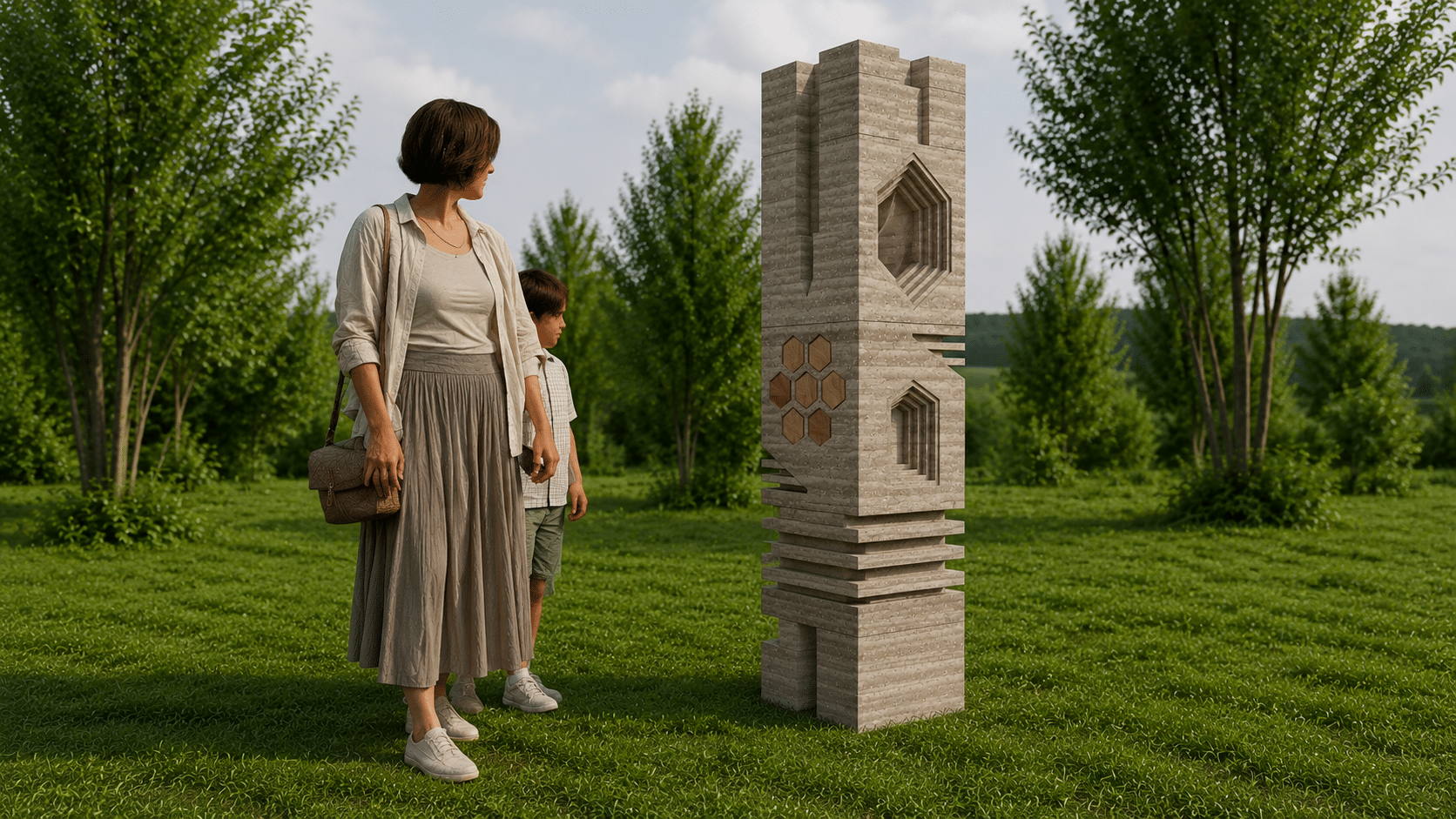
“If the architecture is any good, a person who looks and listens will feel its good effects without noticing.” — Carlo Scarpa Introduction The GreenInCities Seminar at IAAC explores the potential of circular construction practices and multispecies design within contemporary urban environments. Framed by the GreenInCities initiative in Barcelona, the seminar challenges students to rethink … Read more

Nature to Culture

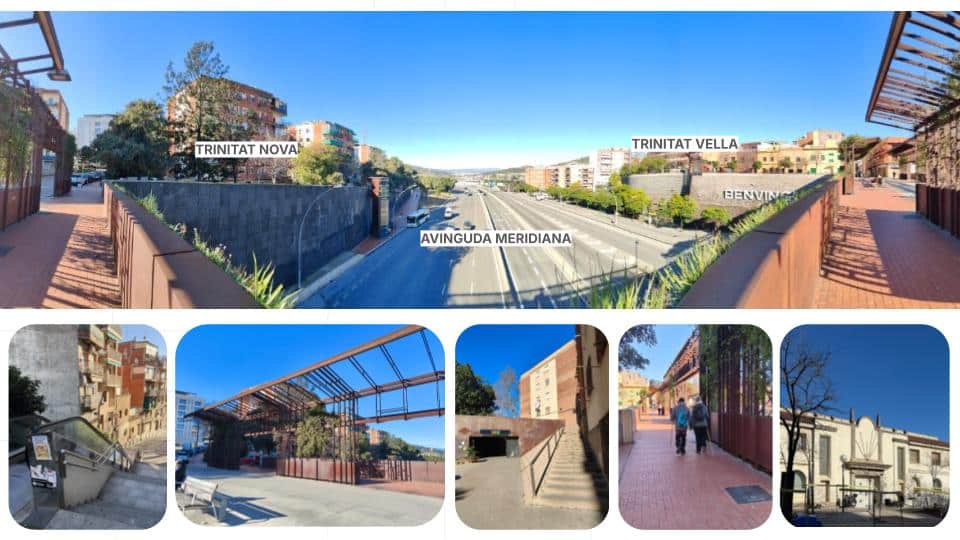
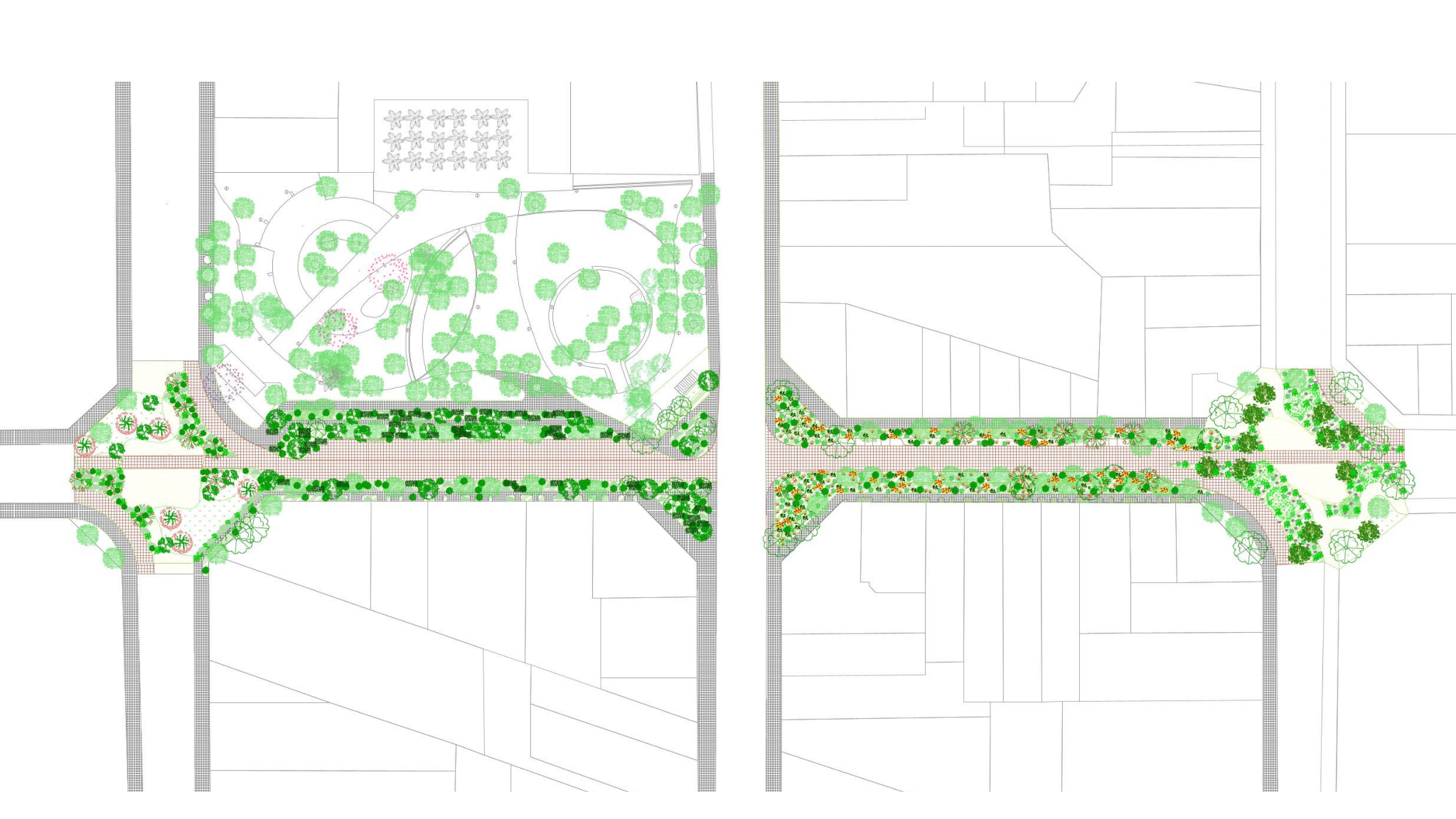
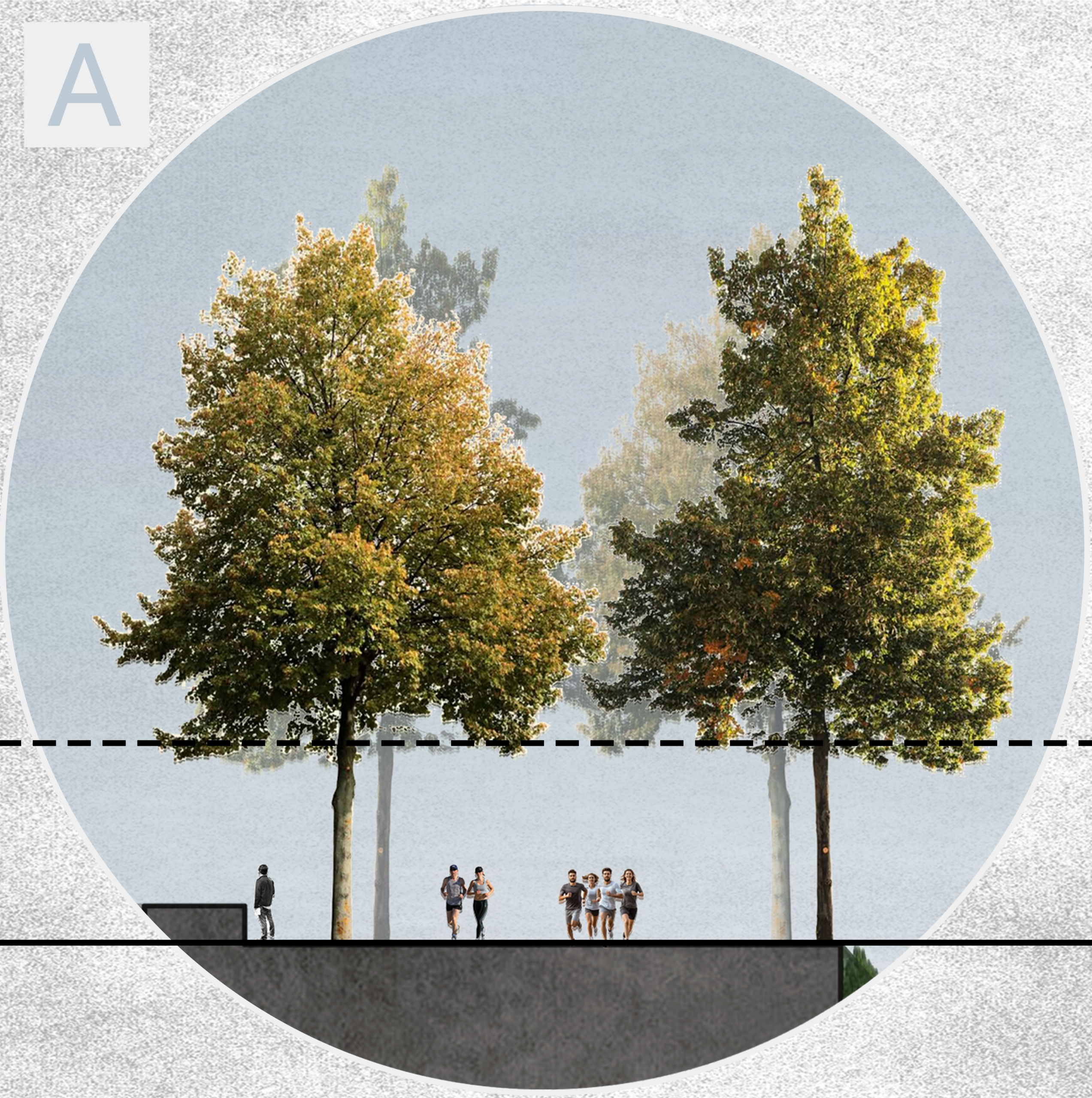
What would happen if our landscapes got inspired in Culture, tradition and seasonality reflecting the core and inner Catalan escence? How could our landscapes being changed? but most important how could we do this? Introduction We began with a simple reframing: instead of adding nature on top of the streetscape, we asked how Catalan culture … Read more

HB03: Data-Driven Towers for Human-Nature Coexistence

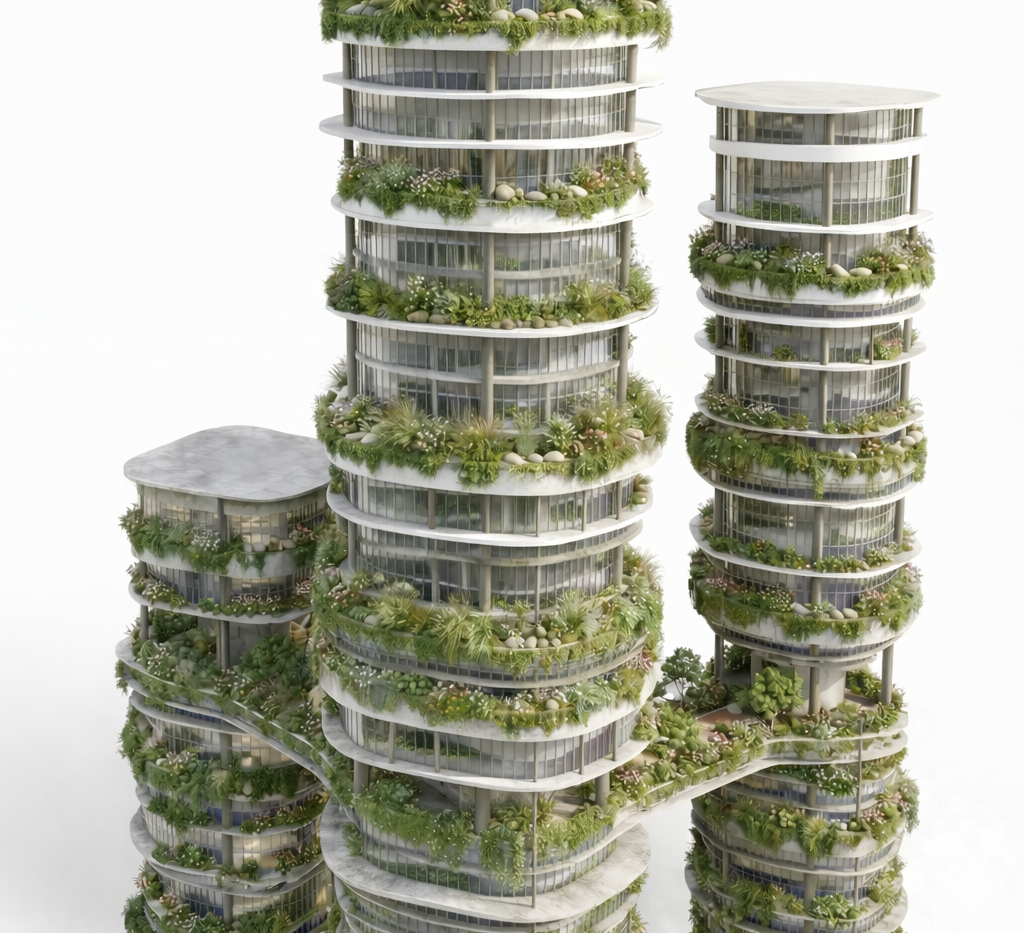
Explore HB03, a hyperbuilding developed through parametric design, structural engineering, and adaptive façade optimization. Discover a data-driven approach to sustainable vertical urbanism, daylight performance, and human-centric high-rise design. Introduction: Engineering the Skeleton of Vertical Urbanism In the Vertical Machine studio, architecture is treated as a dynamic urban organism rather than a static object. Within this … Read more

Ecosystem Services in Lisbon

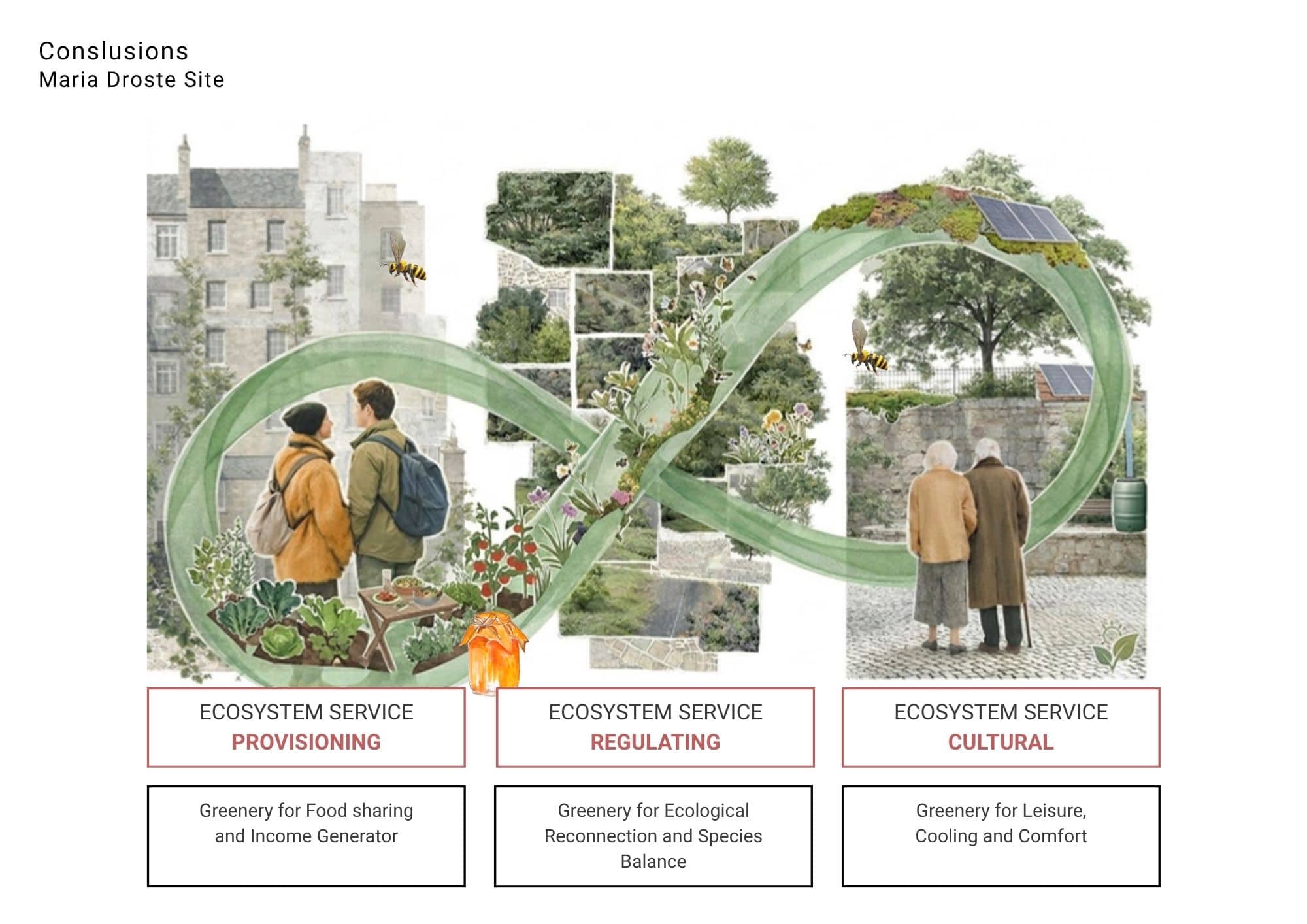
– Reimagining the Northern Green Corridor of Lisbon – Location The project site in Lisbon is strategically located within a dynamic urban fabric characterized by a mix of historic layers and contemporary development. Positioned between key mobility corridors and densely populated neighborhoods, the area experiences a high level of pedestrian and vehicular activity throughout the … Read more

Bee Careful


A Bee Survival Game Context – Bee-Careful starts in Lisbon, Portugal. Where social (vulnerable young community), environmental (ecological unbalance and fragmentation), and mobility (elderly retired community) problematics are adressed through one common medium; greenery. Greenery forms the binder in which the previous elderly community of Lisbon convverges with a new and young community across a … Read more

Fish Tail Park, Nanchang – Case Study

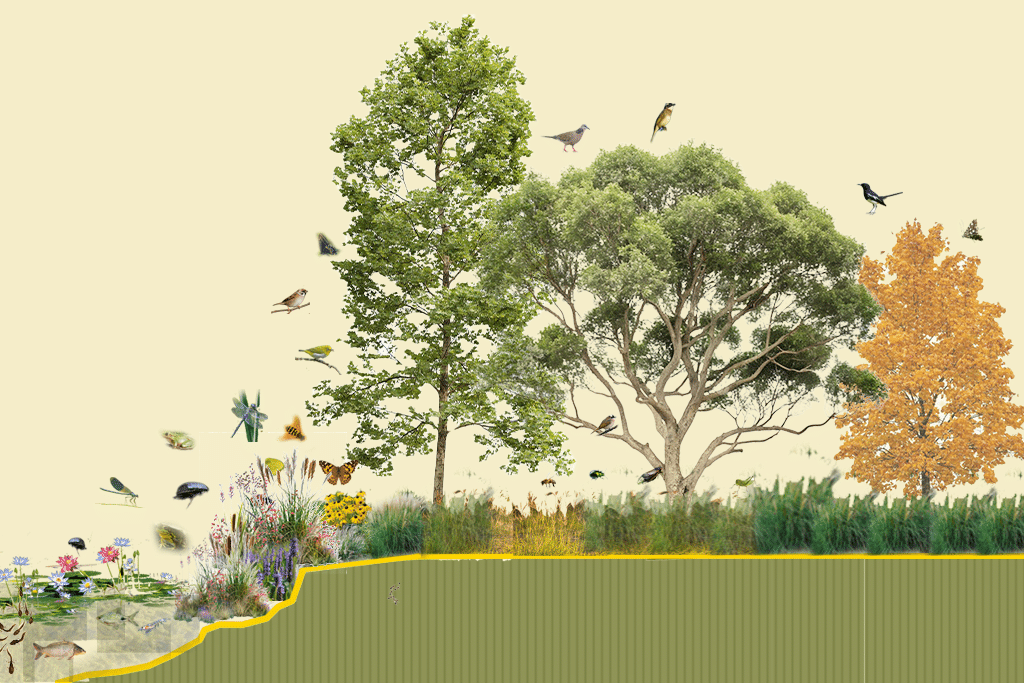
Case Study of Ecological Restoration, Human Presence and Design of Co-Existence Introduction Fish Tail Park is located in the center of Nanchang City, a historic city in southeastern China with approximately 6.6 million residents, has experienced rapid urban growth and high-tech industrial expansion along the Gan River. Is a large-scale ecological restoration project designed by … Read more

Parc del Centre del Poblenou

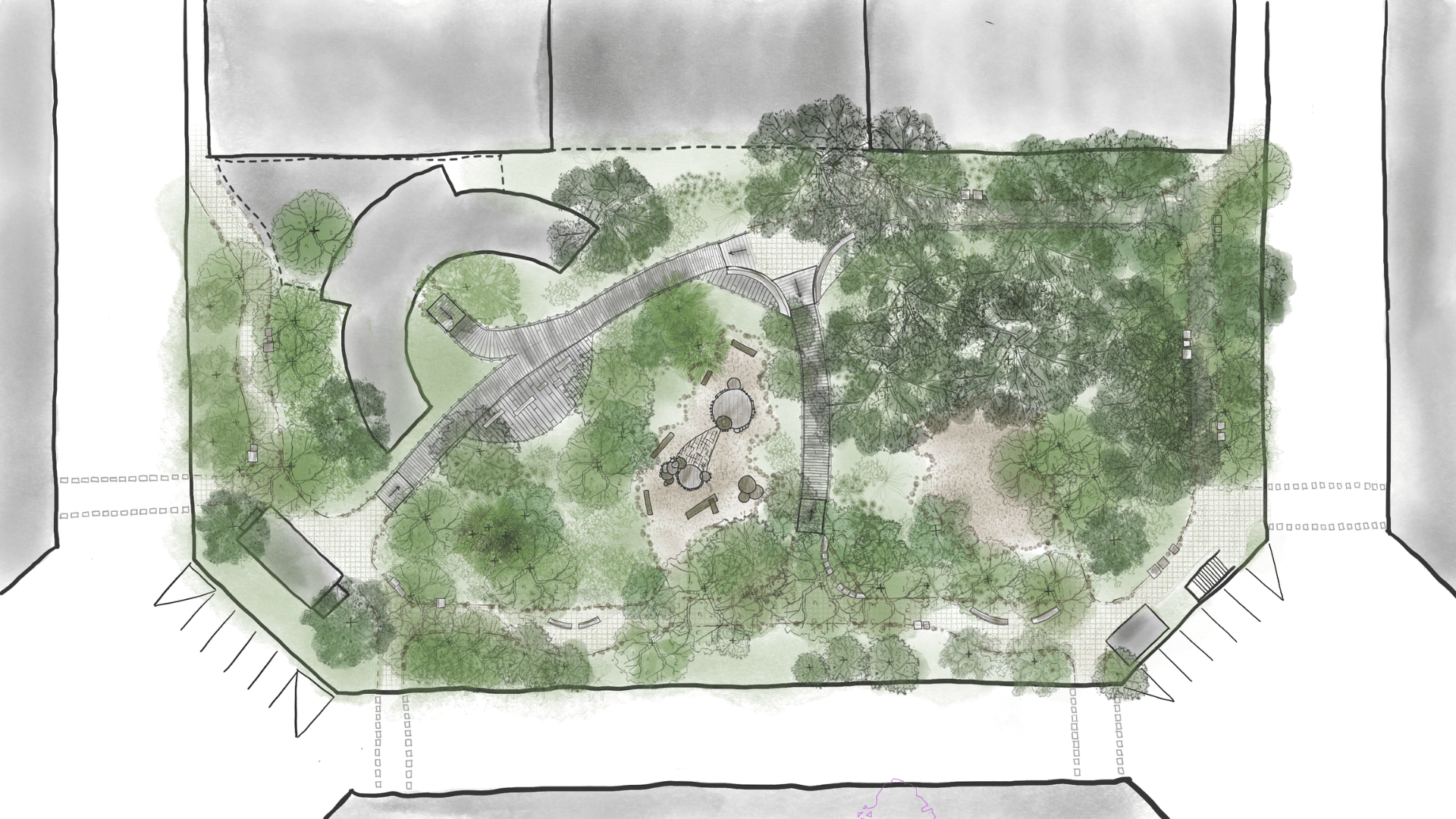
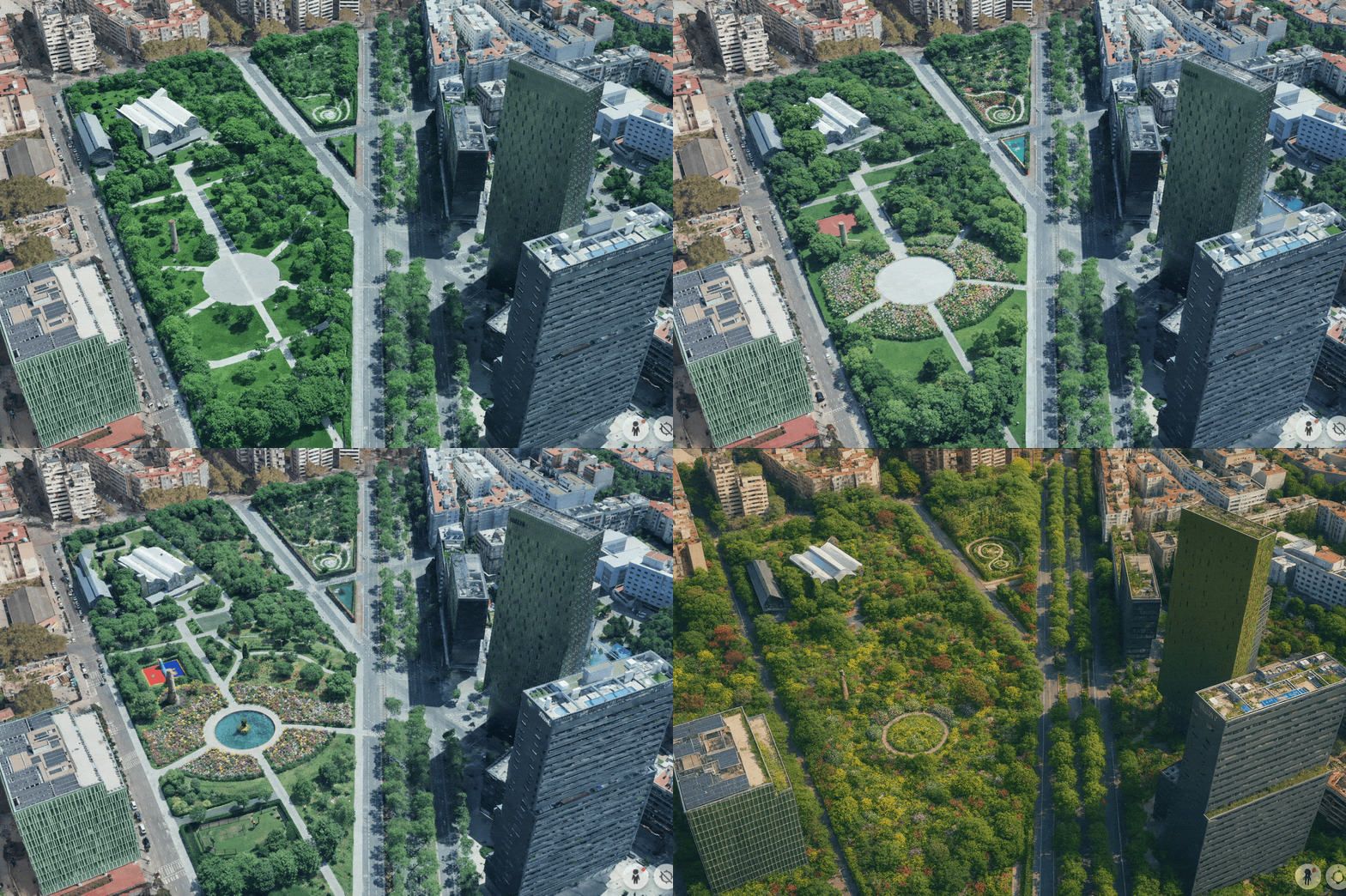
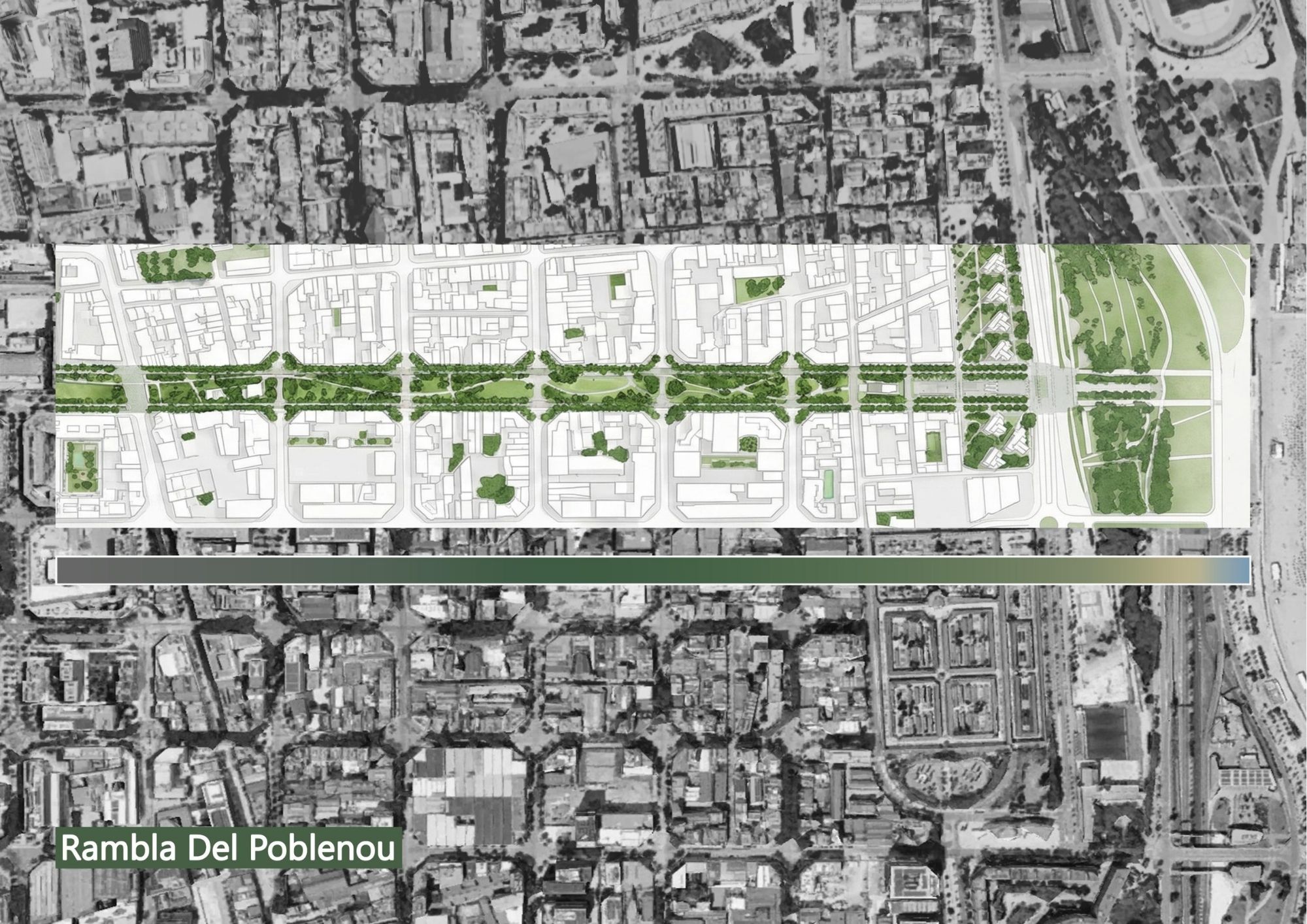
This project investigates Parc del Centre del Poblenou through the lens of Designing for More than Humans. The park, although permeable and vegetated, is spatially structured around human circulation and programmed activity. As a result, human occupation is continuous and dominant, while non-human life remains fragmented and residual. Through rule-based speculation, the project tests how … Read more

M.O.T.H @ Brooklyn Bridge park – New York, USA

The Brooklyn Bridge Park is located along the Brooklyn waterfront of the East River, between DUMBO and Atlantic Avenue, and it spans about 85 acres (0.34 km²), stretching roughly 2 kilometers along the shoreline. That alone makes it one of New York City’s most significant post-industrial waterfront transformations. The park was developed in phases between 2008 … Read more

The Wooded Circle

Started off in 1504 as a Renaissance-era fortification system, designed to resist cannon warfare. Over the years, it has undergone many reconstructions, with the latest turning it into a managed heritage park in the early 2000s (Planted rows of trees) . Ecology has played an important role in each of its eras, as we’ll see … Read more

Who else lives here?

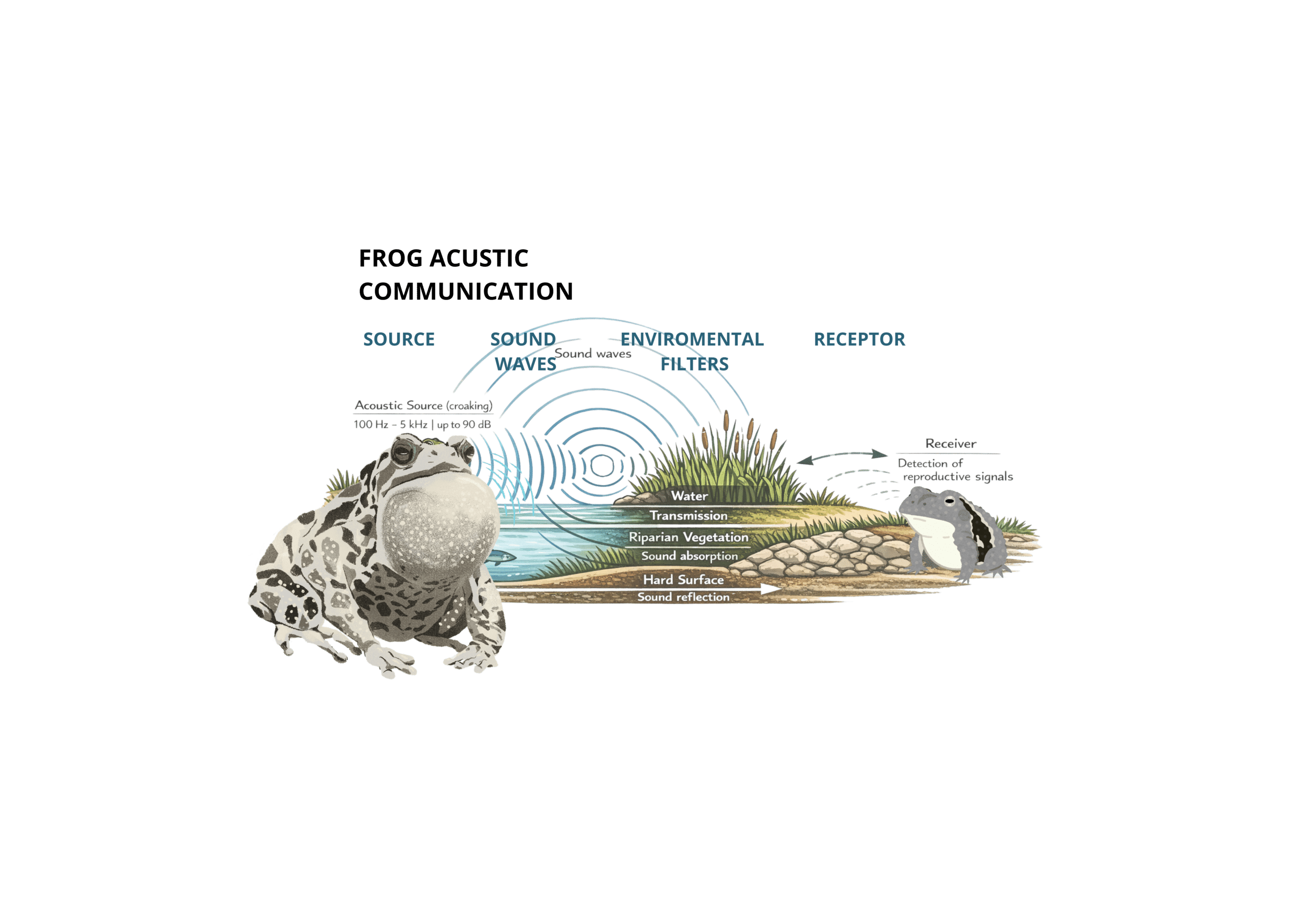
Urban space is conventionally conceptualized as an anthropocentric construct. However, non-human species continuously appropriate architectural surfaces, infrastructural voids, and vegetated fragments. Birds occupy ledges and canopy layers, insects colonize engineered soils, bats navigate nocturnal corridors along tree lines, and plants root within pavement fissures. These presences are not incidental; they reflect how spatial design either … Read more

Croando el río de vuelta a la vida

Contexto During much of the 20th century, the Besòs River was transformed by industrialization and urban growth into a highly engineered system. Its new rigid structure, designed to control flooding, disconnected the river from its natural processes, accelerated water flow, and reduced ecological habitats Today, these structural modifications continue to generate major problems. Difficulties in … Read more