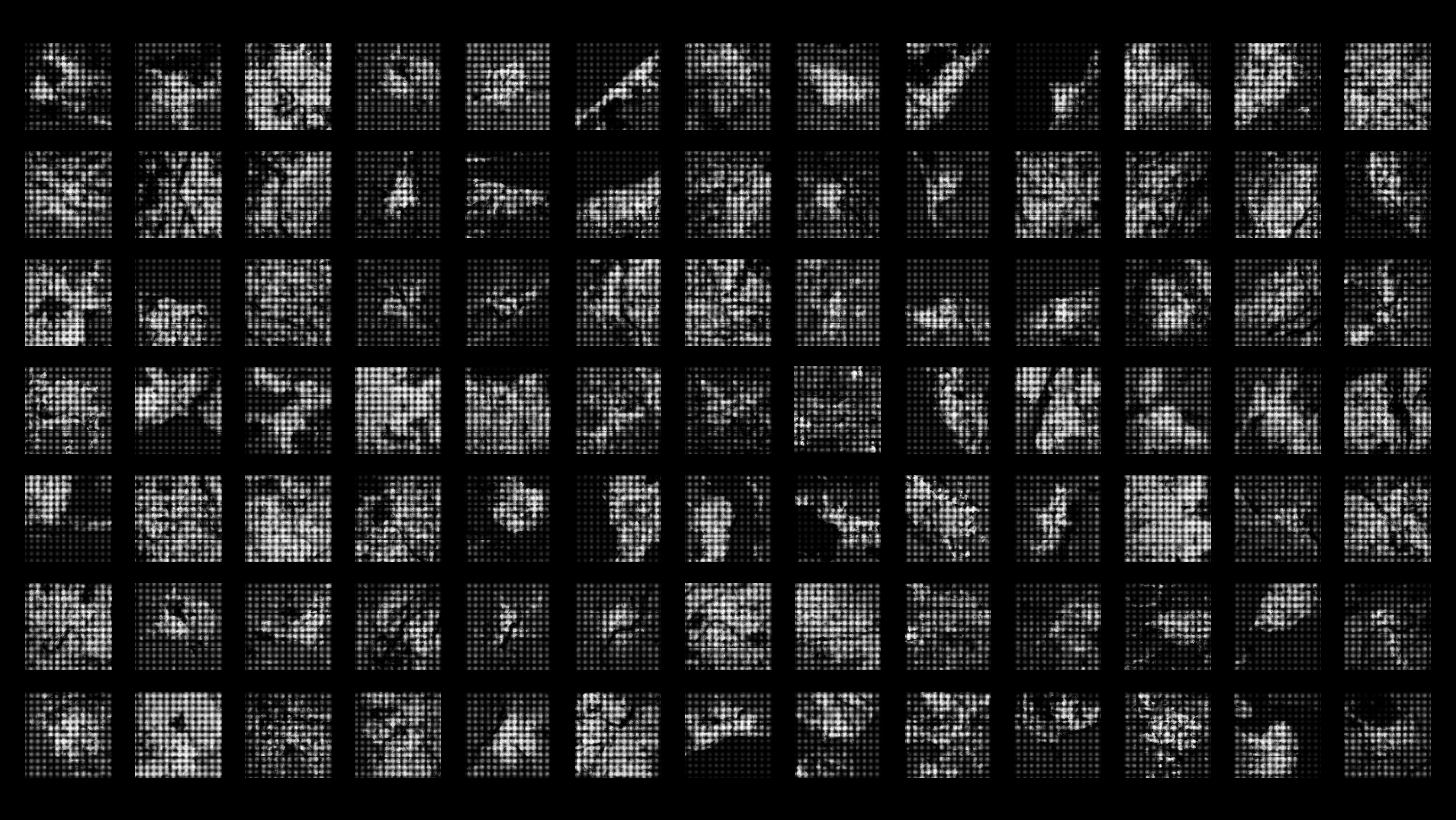
Maceió, La Tierra sobre Aguas

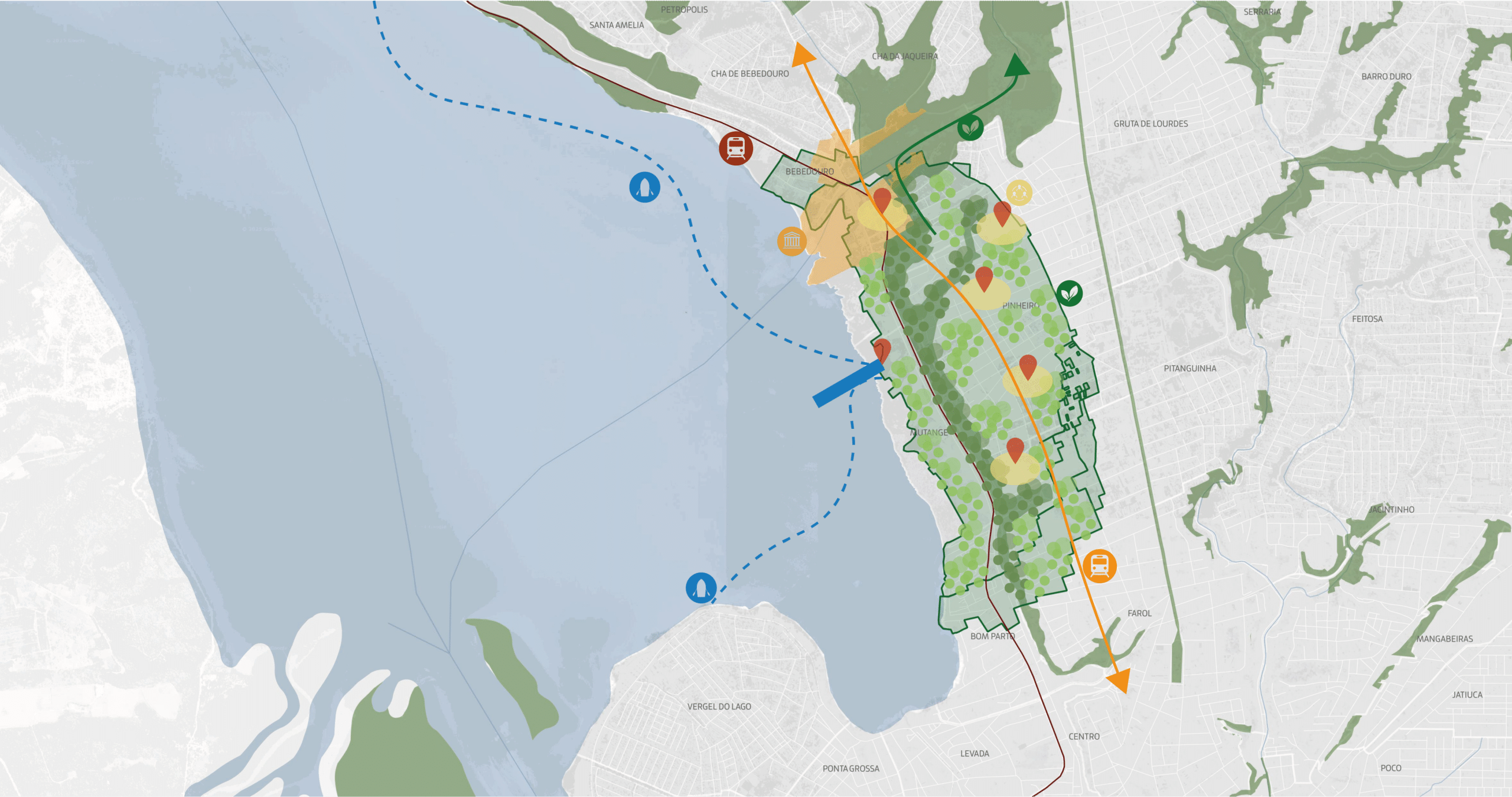
De la ruptura a la regeneración urbana a partir del rescate de conexiones históricas y ambientales Maria Luísa Machado Taller Concepto IaaC – MOeC – 2025 Resúmen Maceió, Alagoas, “la tierra que cubre el pantano”, nació de la unión de sus aguas, con sus primeros asentamientos vinculados a la Laguna Mundaú, el mar y las … Read more

Investigating [Soy Farming] – Deforestation, and Political Conflict in the Amazon

“The Amazon rainforest, often called the ‘lungs of the Earth,’ is rapidly disappearing. But this isn’t just an environmental crisis—it’s a geopolitical and economic issue. In the heart of this transformation lies [Mato Grosso], Brazil’s largest soy-producing state. Its key location fuels both economic growth and ecological destruction, leading to tensions over land use, trade … Read more

Informal Settlements in Chile

Informal settlements have become a pressing issue across Latin America, reflecting deep-rooted socioeconomic inequalities and rapid urbanization. In 2014, approximately one-quarter of the urban population in Latin American cities lived in informal housing. By 2017, this number had increased to nearly one-third, and the trend continues to rise. Each country’s informal settlements have unique names … Read more

The California Wildfires

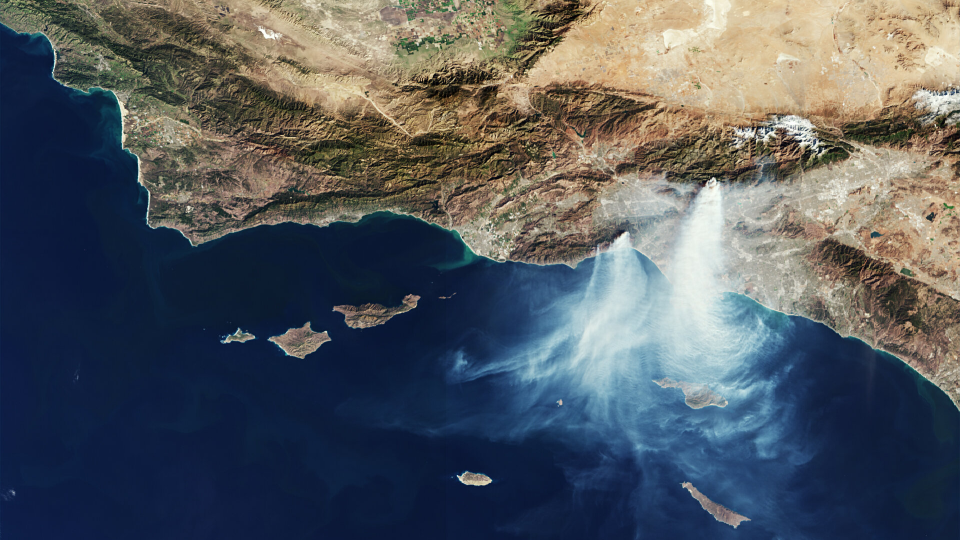
January brought a challenging start for California, as a series of devastating wildfires swept through the state, endangering lives, destroying homes, and reshaping entire communities. These fires were not only among the most destructive in California’s history but also ranked among the costliest ever recorded in the United States. The scale of destruction was unprecedented, … Read more

Vivir la Mundaú

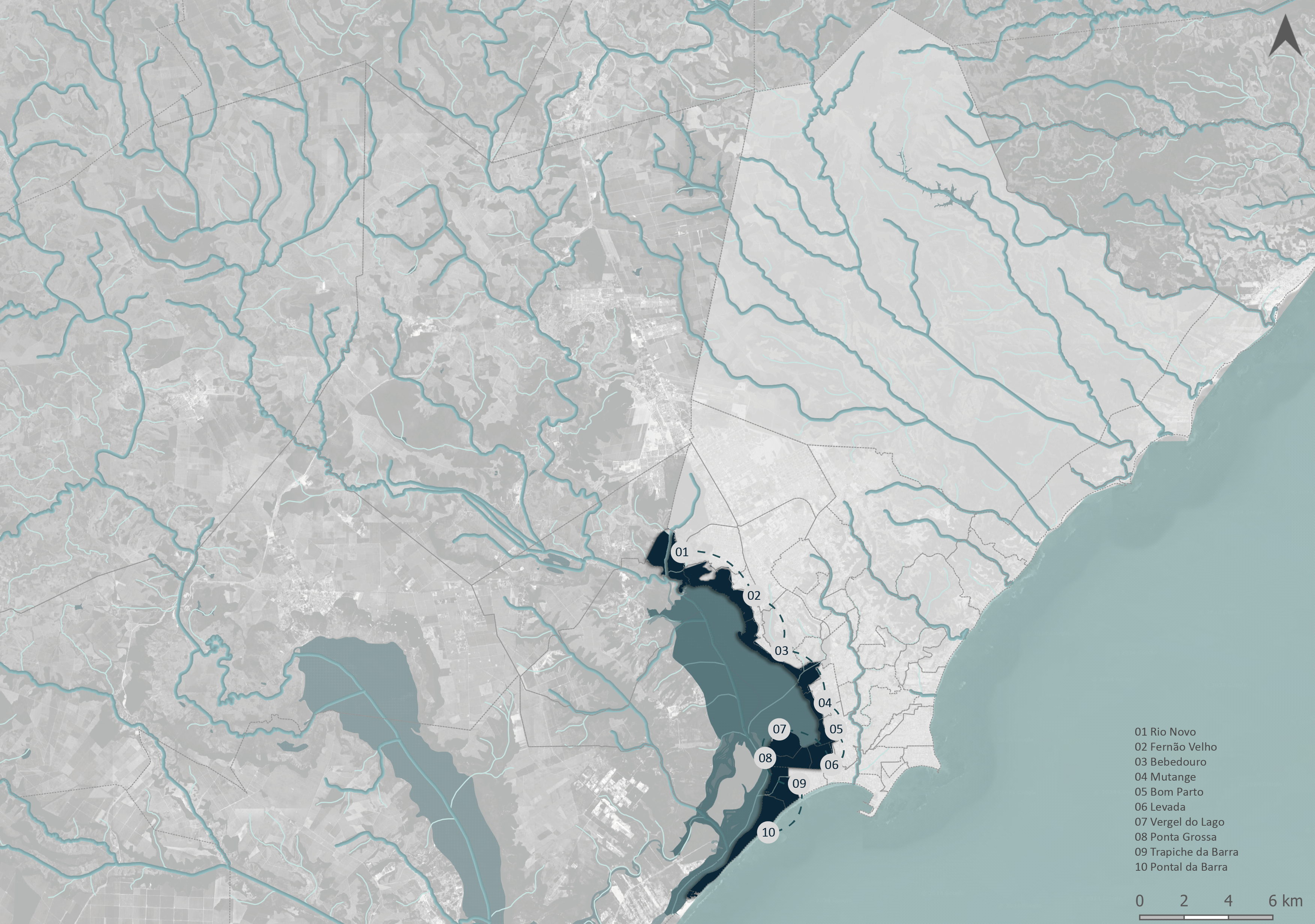
Caminos para Reimaginar el Territorio Lagunar en Crisis Soy residente de Maceió.Maceió, capital de Alagoas, es una de las principales ciudades del noreste de Brasil, destacándose tanto por sus bellezas naturales como por su papel económico y social en la región. Maceió, del tupí “maçayó”, “maçaio-k”: “lo que cubre el humedal”, está situada en la … Read more

Estados Híbridos

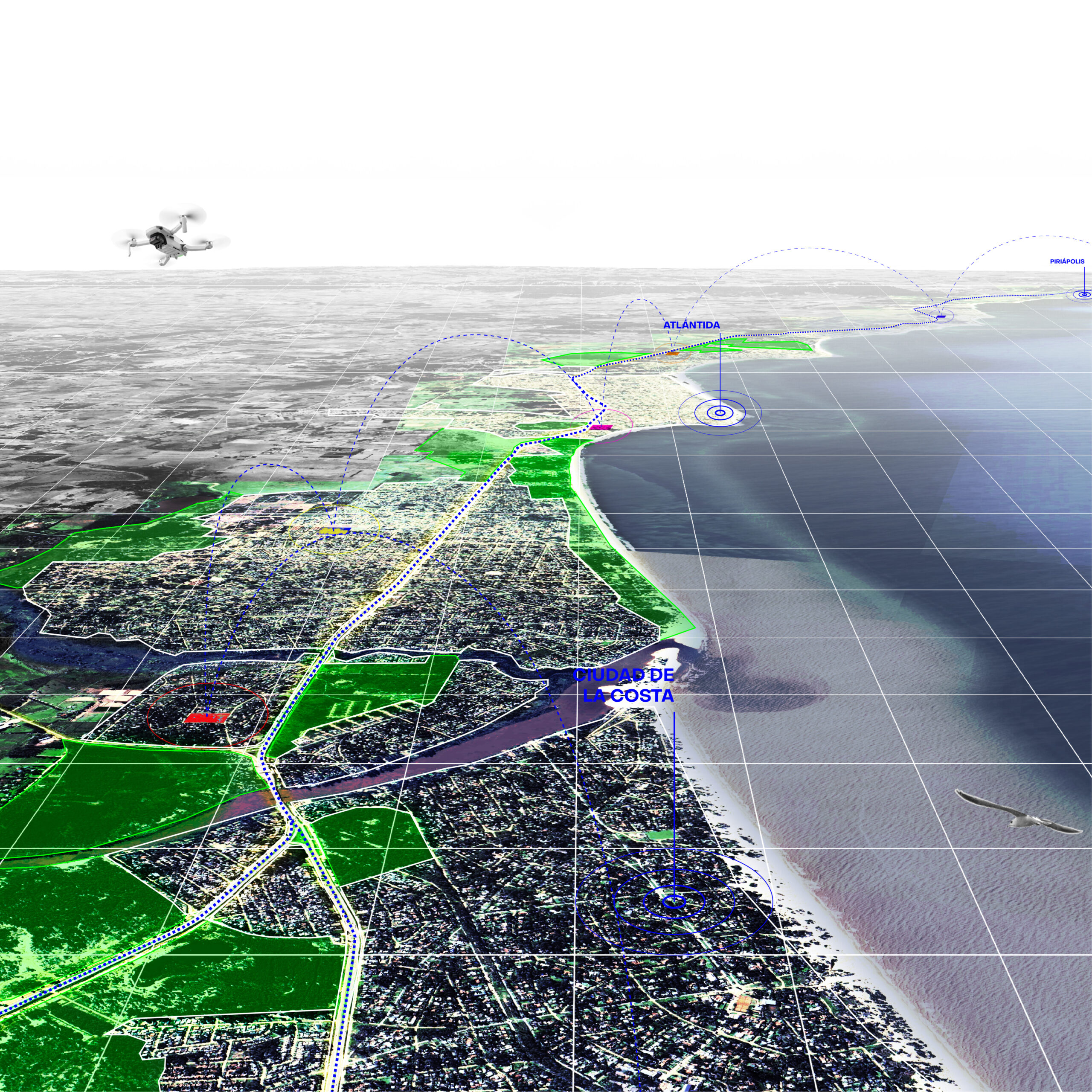
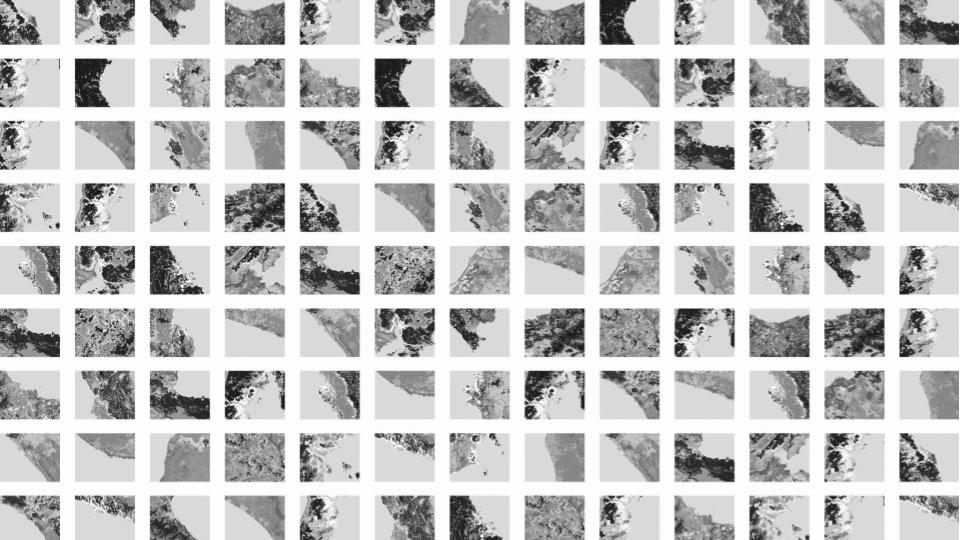
Entre Ciudad, Infraestructuras y Paisajes Introducción La costa Este de Uruguay se presenta como un territorio de oportunidad, donde la fragilidad ambiental, la presión del turismo y el crecimiento urbano exigen una visión de urbanismo resiliente. El proyecto propone un modelo que apuesta por la hibridación entre lo natural y lo artificial. En este contexto, … Read more

REqualificaSAL

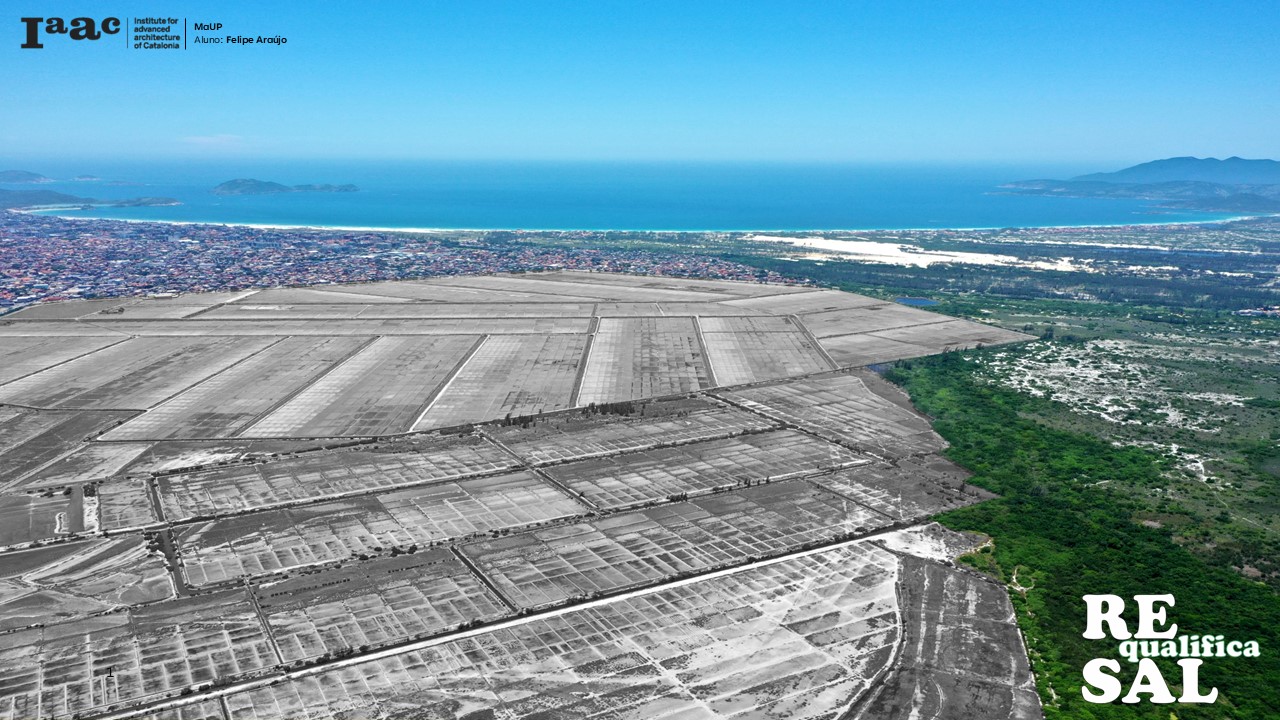
Recalificación de Áreas Degradadas por la Industria Salinera – Cabo Frio – Brasil Introducción Desde los albores de la humanidad, la sal siempre ha jugado un papel fundamental en la sociedad. Su importancia era tan grande que en la antigüedad, la sal se utilizaba como moneda, conservante, condimento y alimento. Antes de la colonización portuguesa, … Read more

EcoNodes

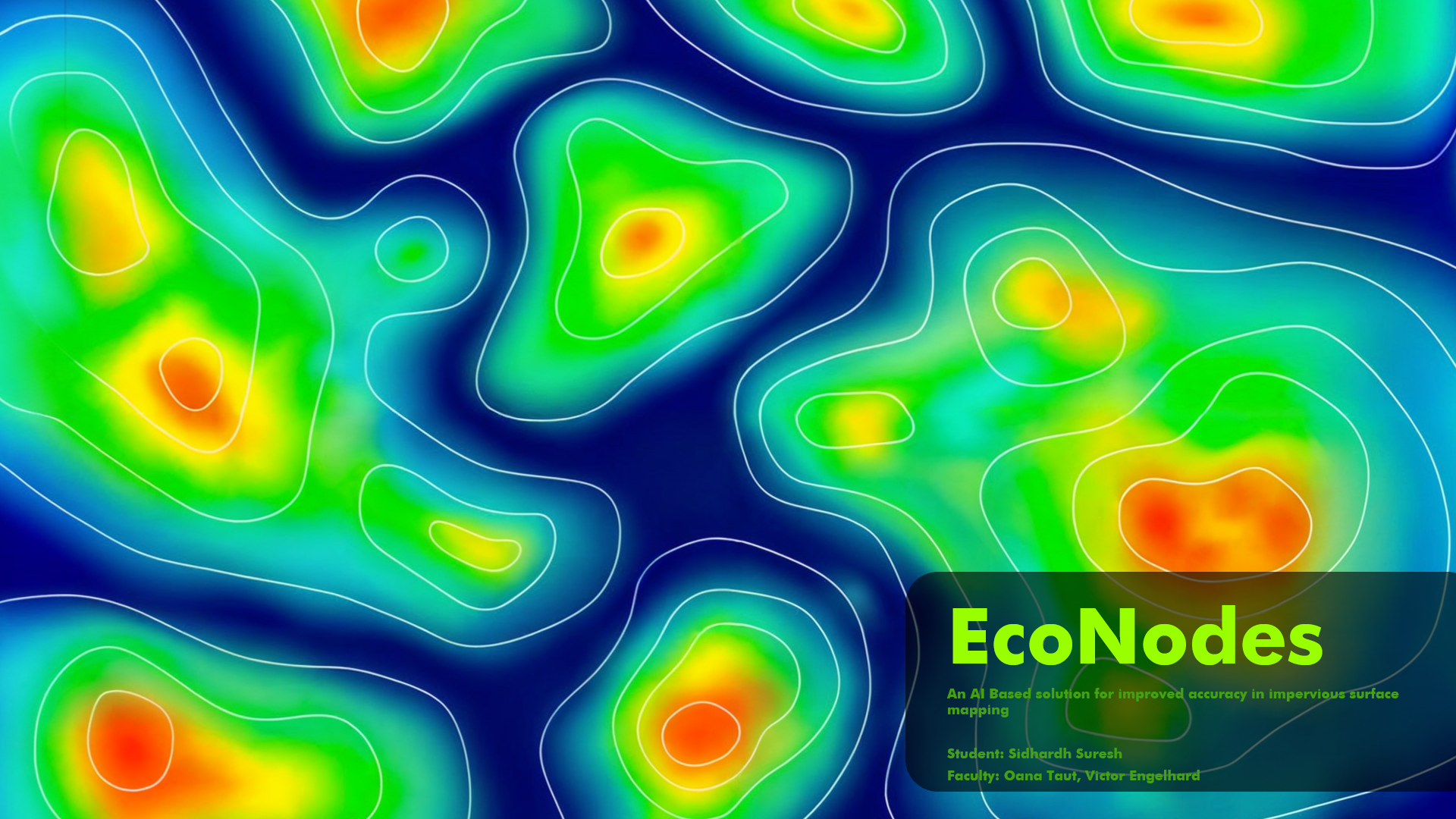
Introduction: Transforming Urban Junctions for a Sustainable Future Urbanization has drastically increased impervious surfaces in cities, leading to environmental challenges such as urban heat islands, stormwater runoff, and reduced access to green spaces. Junctions and intersections, often overlooked, are some of the most impervious and environmentally stressed areas in urban landscapes. This project aims to … Read more

Heat Archipelagos

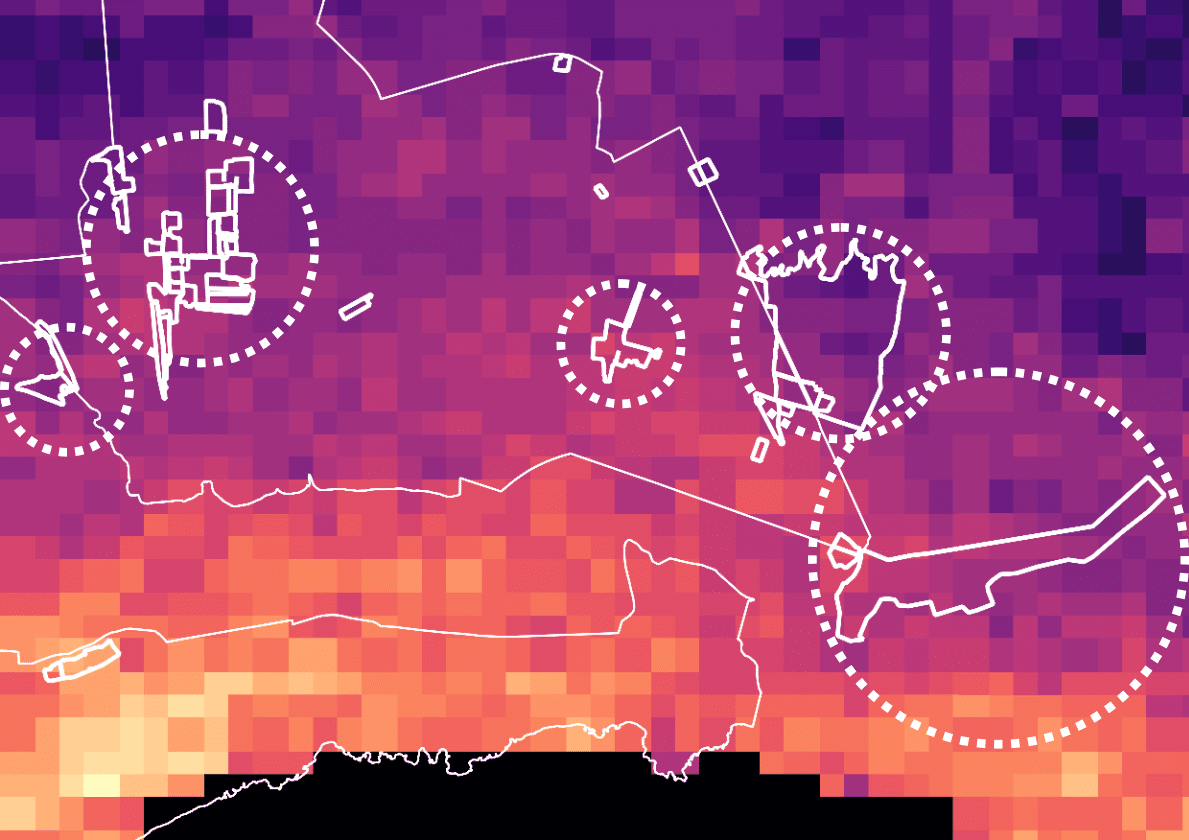
Rising heat is an increasingly critical global condition driven by climate change, urbanization, and deforestation. Average global temperatures have climbed due to greenhouse gas emissions, leading to more frequent and intense heatwaves that threaten ecosystems, economies, and public health. Urban areas, in particular, experience exacerbated effects due to the urban heat island phenomenon, where concrete, … Read more

TIME³

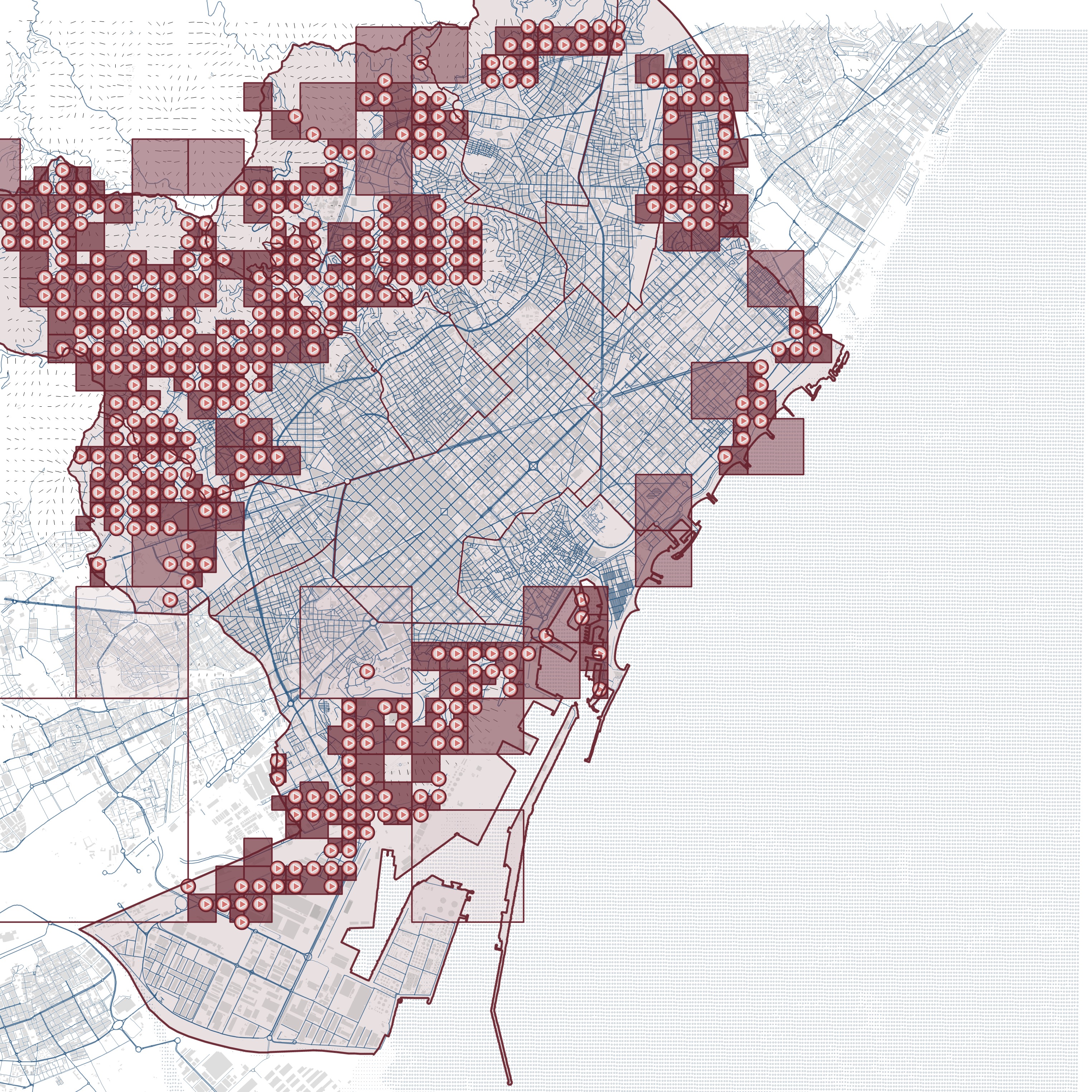
Multidimensionality of Time for Inclusive Urban Lives This project explores urban inclusivity through the multidimensional lens of time, using Barcelona as a case study. The analysis considers three temporal dimensions: time of day, time of year, and time of life, recognizing how these factors shape access to essential urban amenities. Proximity serves as the first … Read more

The Sundarbans: Beyond-Human approach to map cities

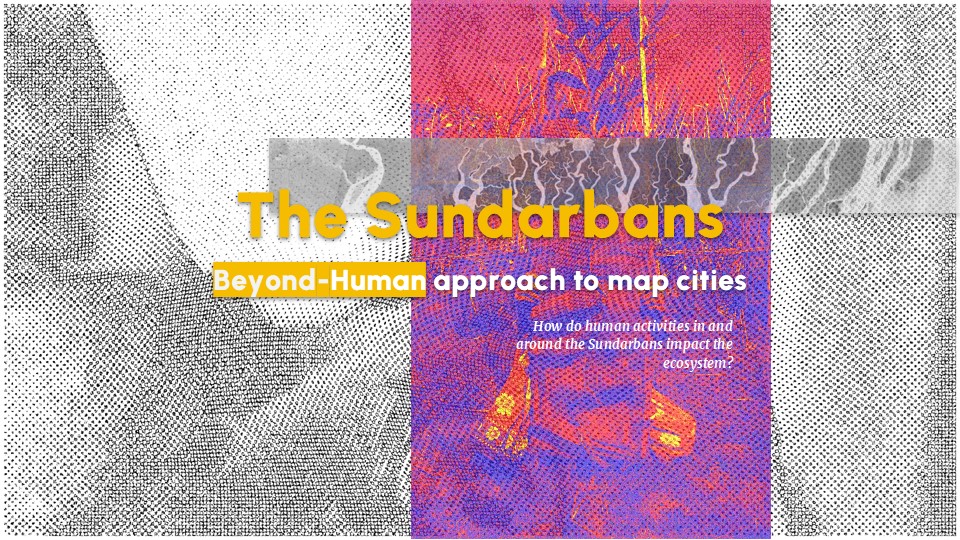
The Sundarbans Reserve Forest is the largest contiguous mangrove forest in the world. A wildlife sanctuary with an area of 139,700 ha,  considered as a core breeding area for a number of endangered species (The Sundarbans, n.d.). and home of the Bengal Tiger. STUDY AREA The Sundarbans is a shared protected area between India and … Read more

FLOOD RESILIENCE TOOLBOX

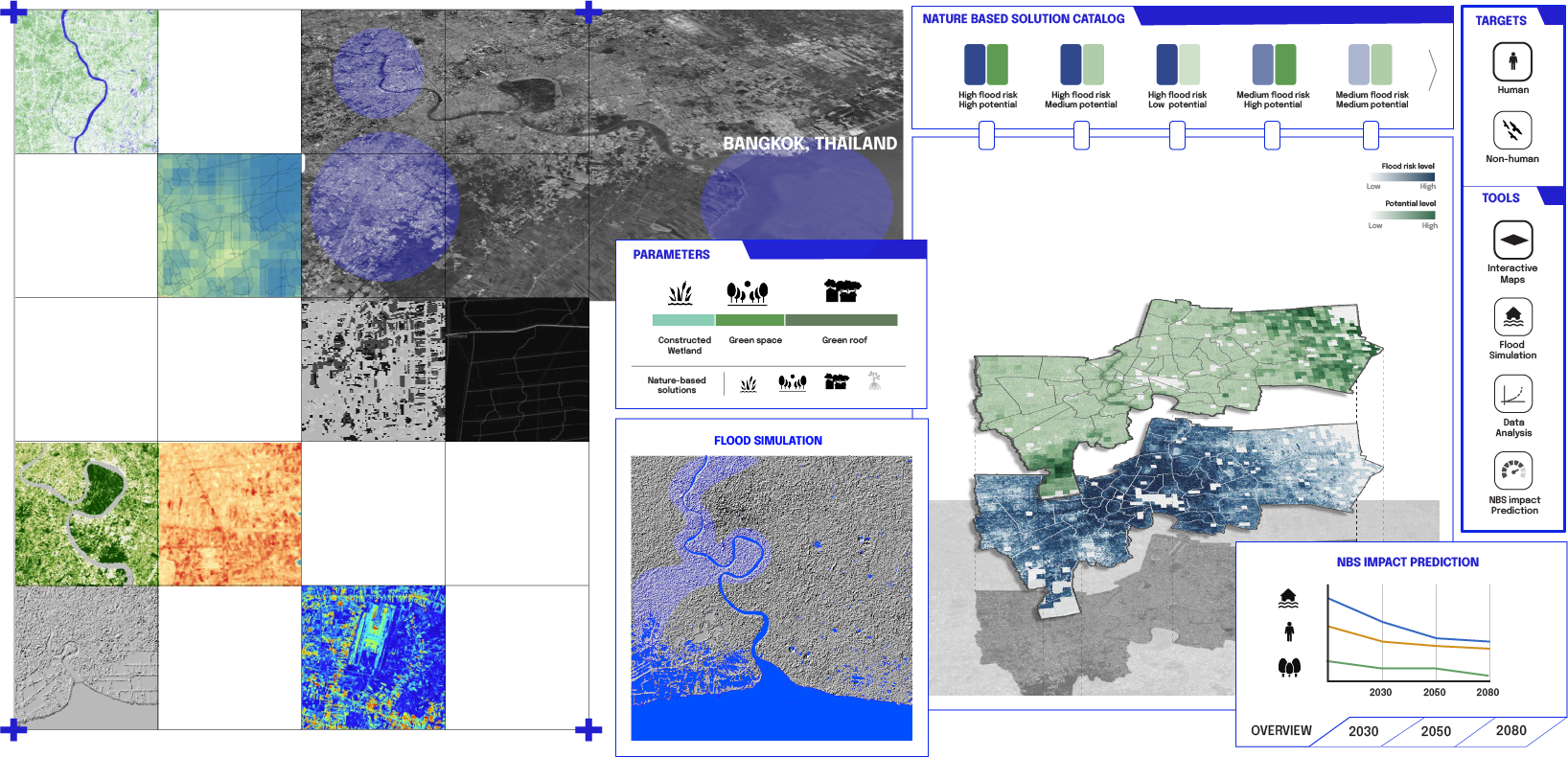
FLOOD RESILIENCE TOOLBOX FOR ADAPTIVE URBAN DESIGN IN COASTAL CITIES Flooding is the most frequent natural disaster worldwide. By the report from The OECD (Organization for Economic Co-operation and Development), floods cause more than 38 billion euro in damages worldwide per year. Due to climate change, floods are becoming more extreme and frequent. Coastal areas … Read more