BIM in Rhino to faborication world

Expert introduction Milos DimčićCEO &founder of Programming Architecture Milos Dimčić, PhD is an architect, computational designer and software developer specializing in the automation of design and construction workflows in the AEC industry. He has PhD in architecture & structural design from the University of Stuttgart and is guest assistant professor at TU Graz Faculty of … Read more

Parametric Engineering: Collaborate with Structural Data on the Cloud

Topic brief In the AEC industry, building analysis workflows often operate in isolated software environments, causing structural data to lose meaning once it leaves its original authoring tool. This study argues that the value of structural analysis depends not only on computational accuracy, but on the ability of its outputs to remain consistent as they … Read more

AEGIS – Autonomous Emergency Geostructural Inspection System

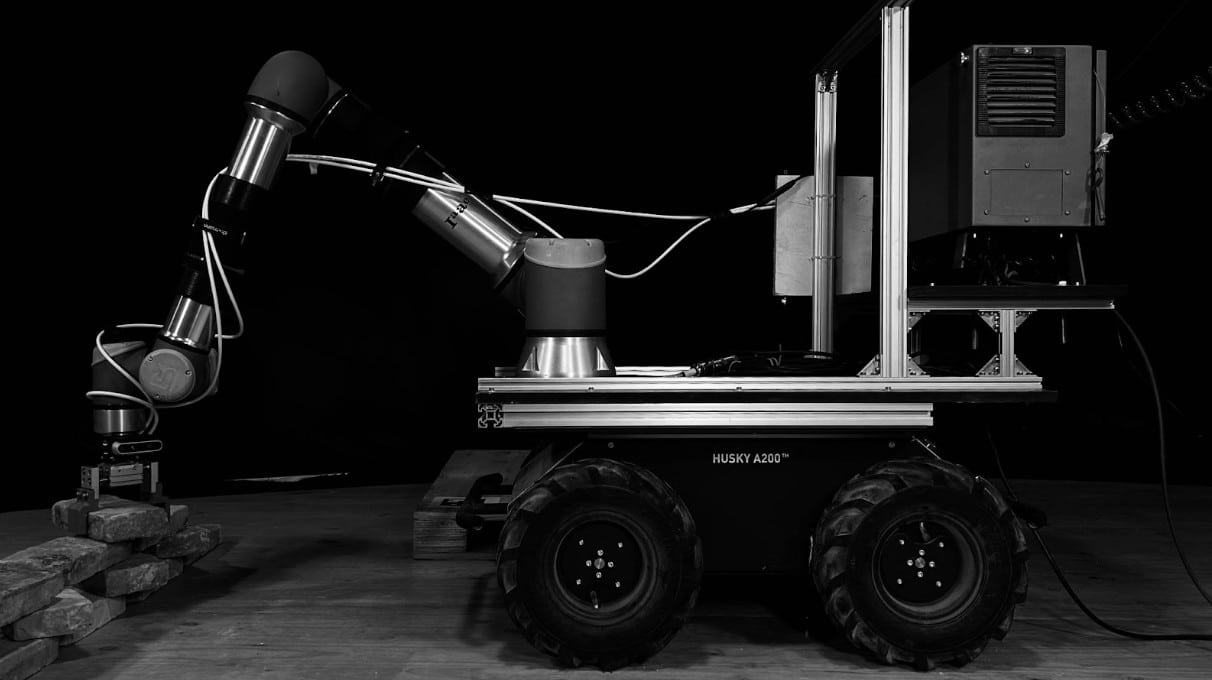
Solutions for Rapid Data Acquisition in Disaster Scenarios This project explores a robotic perception pipeline designed to support post-disaster assessment and early response scenarios. The core objective is to detect and map cracks in damaged buildings using vision-based data, assisting rescue teams by providing spatial information about potentially unsafe areas. Rather than aiming for full … Read more

From One Model to One Million Homes: Automating Social Housing with BIM

Rule-Based BIM Systems for Multi-Storey Residential Blocks in Vietnam   Using rule-based BIM master models to automate repetitive social housing design in Vietnam, while addressing real-world challenges of coordination, adoption, and collaboration across large-scale public projects. //CONTEXT Vietnam currently has an ambitious national target to build one million social housing units by 2030. However, progress … Read more

Optimizing For The Mind: Integrating Generative AI and Game Engines into BIM

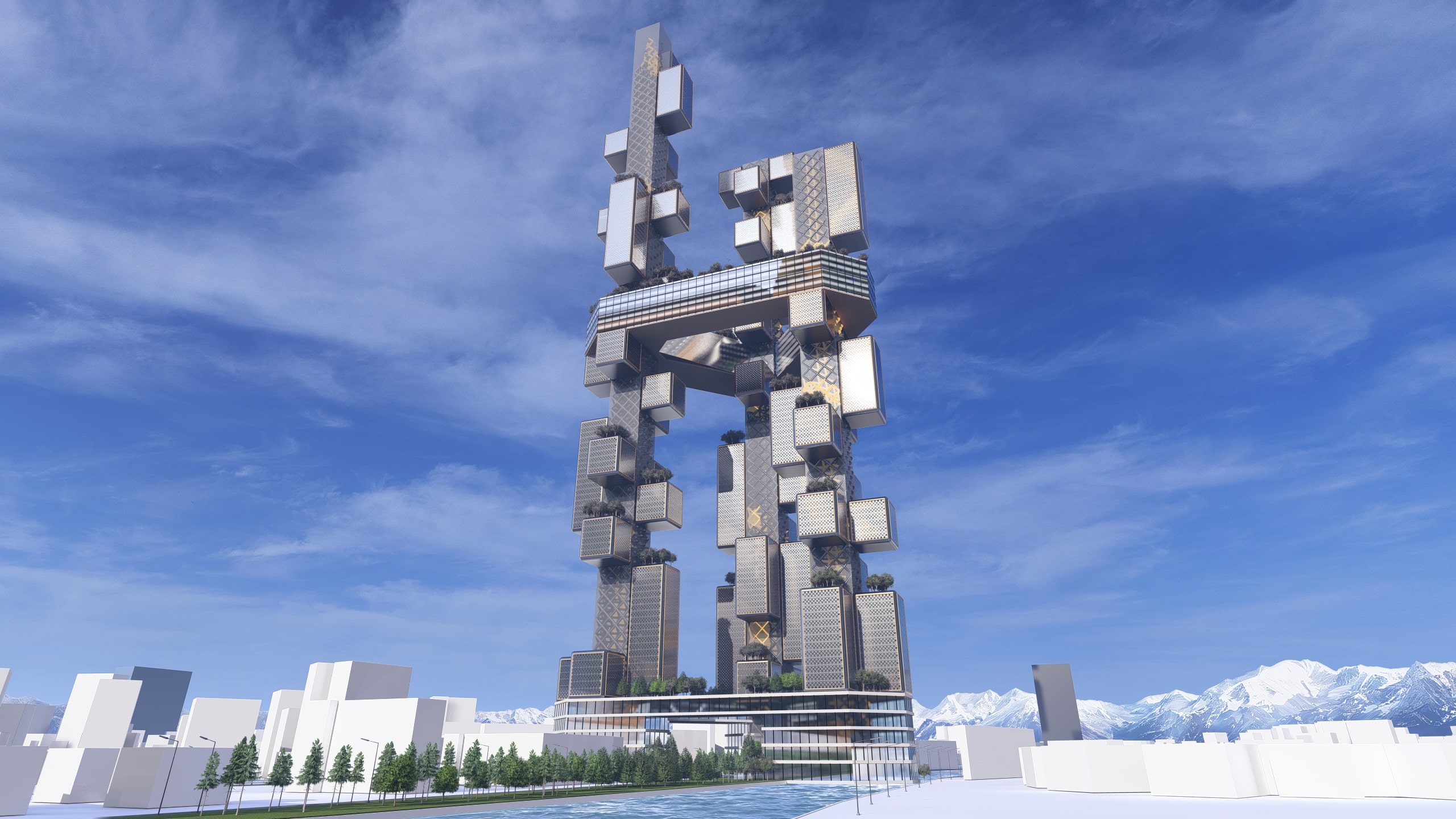
How architectural neuroimmunology is redefining the relationship between design and human health. The AEC industry optimizes for physical efficiency but neglects the neuro-physiological impact of built environments. This research investigates how Generative AI and Game Engine simulations, integrated into BIM workflows, can enable predictive cognitive performance analysis, transitioning the discipline from Building Information Modeling to … Read more

Computational Bucketing: Turning BIM Data into Visual Insight with Speckle Automate

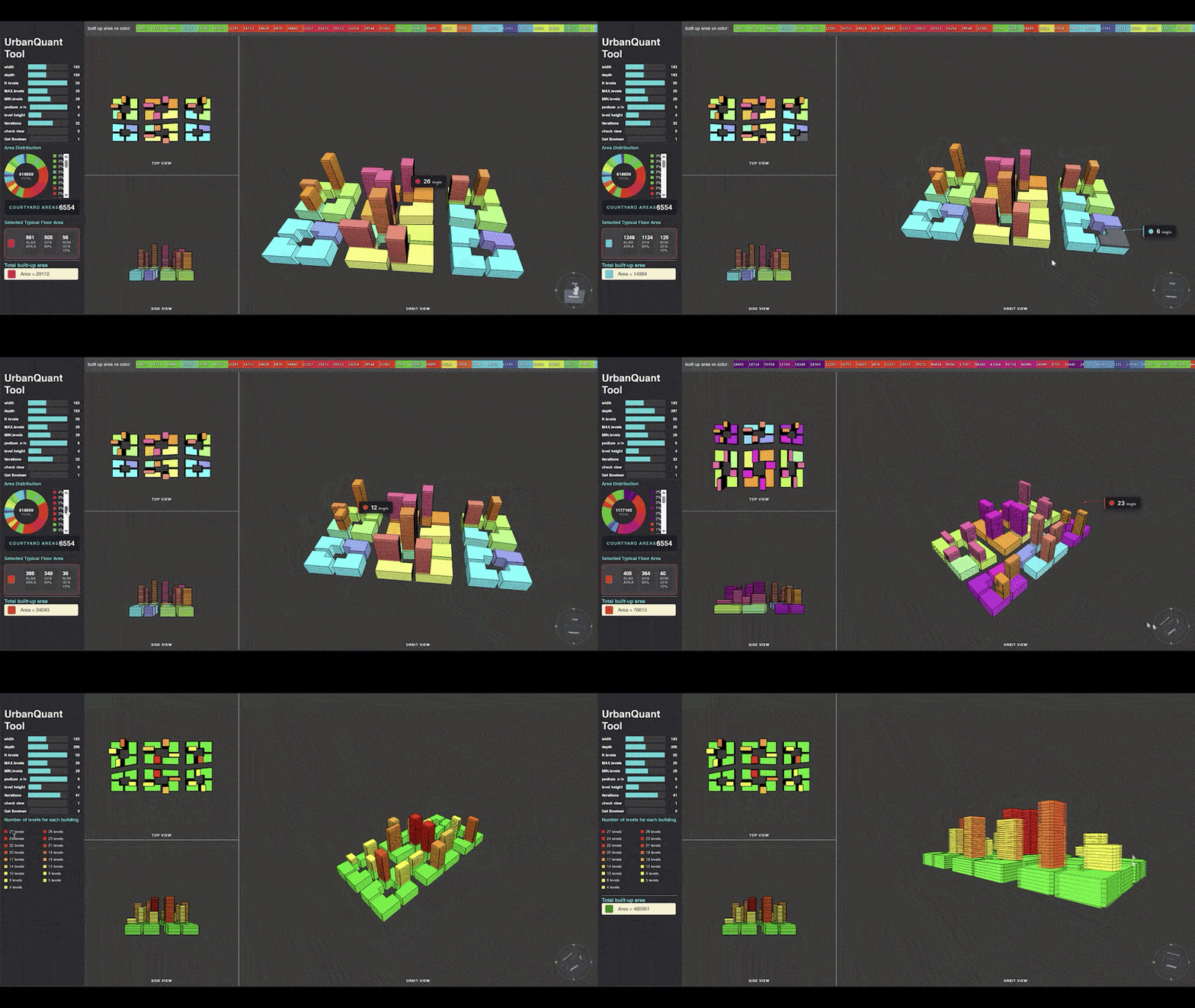
We developed a property-driven bucketing pipeline for BIM models using Speckle Automate that automatically groups building elements by numeric ranges and visualizes them as gradient-colored 3D models on a live website — making performance data accessible without needing to open Speckle. In collaborative design projects, reviewing building performance data is often a bottleneck. Team members … Read more

From The Very Many to the Very Least (Podcast)

Abstract In Contemporary Architecture, we are witnessing a shift from standardized building systems towards highly differentiated, data driven and geometrically complex structures. These projects challenge conventional workflows, requiring new methods to manage variation, fabrication logic, and translation of digital models into physical assemblies. Our research investigates how computational design, parametric modelling, and digital fabrication workflows … Read more

BIM in Ongoing Heritage Construction: The case of the Sagrada Família

Computational Workflows at the Sagrada Família The Sagrada Família in Barcelona is one of the most complex and long-running architectural projects in the world. Begun in 1882 and still under construction today, the basilica sits at the intersection of historical heritage, evolving design intent, and contemporary digital technology. To understand how digital tools support such … Read more

Architectural Creativity in the Age of AI

“Technology is the answer, but what was the question?” Cedric Price, 1966 Data Becoming ART! This research investigates whether AI and BIM enhance architectural creativity or contribute to the standardization of design. It examines whether computational workflows expand the boundaries of architectural expression or gradually replace human intuition with optimized uniformity. The study further explores … Read more

Design Beyond the Project: Reframing Practice Through Scalable Digital Services

A conversation with Jesper Wallgren Introduction In recent years, computational design and BIM workflows have become common tools in architectural practice. However, most of these tools remain confined to individual projects, often developed as internal scripts or one-off automation solutions to solve immediate design problems. While effective in improving efficiency within a project, these tools … Read more

Bridging the Gap: What Two Computational Industrial Designers Taught Me About Getting In

Computational design can feel like a field you need permission to enter, a space guarded by complex software, specialized knowledge, and a career path that isn’t clearly written anywhere. But after sitting down separately with Aaron Porterfield, developer of the open-source Grasshopper plugin Crystallon, and Aman Agrawal, founder of Cademy and computational design specialist at … Read more

Fa(ça)de

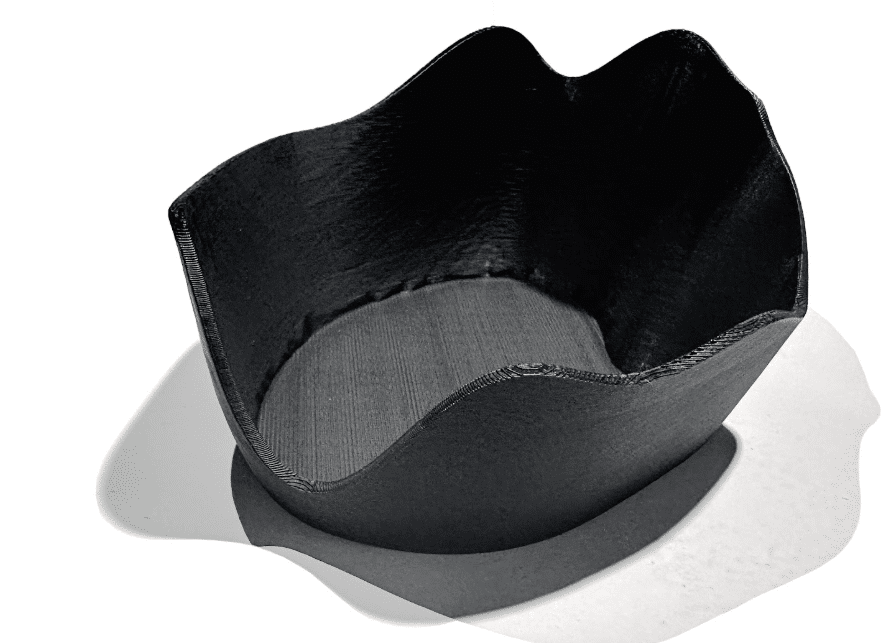
Fa(ça)de explores robotic clay fabrication as a method for producing expressive, materially efficient façade modules. Starting from a 2D patterned surface, the project develops a parametric workflow that transforms mesh-based geometries into 3D printed clay elements with controlled relief, wave amplitude, and module rotation. Through iterative prototyping, the design responds to fabrication limits such as … Read more

Behavioral Investment in Urban Decision Making

PROBLEM: Current urban investment decisions, particularly in social housing, are largely based on financial feasibility studies, static socio-economic indicators, and ESG-style metrics that fail to capture how people actually experience and use space and often overlook real-time behavioral dynamics: how people move, engage with space, perceive safety, or interact socially. In dense metropolitan environments like … Read more

Passadís d’ordinadors

Concept Inspiration Creating a tensile pavilion structure based on Felix Candela‘s arch and aisle geometric logistics and diagrams. Iterative design approach based on ‘anchor points’ on a frame. Exploring scalable methodology for Kangaroo based computational design processes. ‘Iglesia de la Medalla Milagrosa‘ Felix Candela – photo by Lola Alvarez Bravo, 1954 Felix Candela Drawings and … Read more