THE PNEUMATICAL ⤰ INCRUSTATION

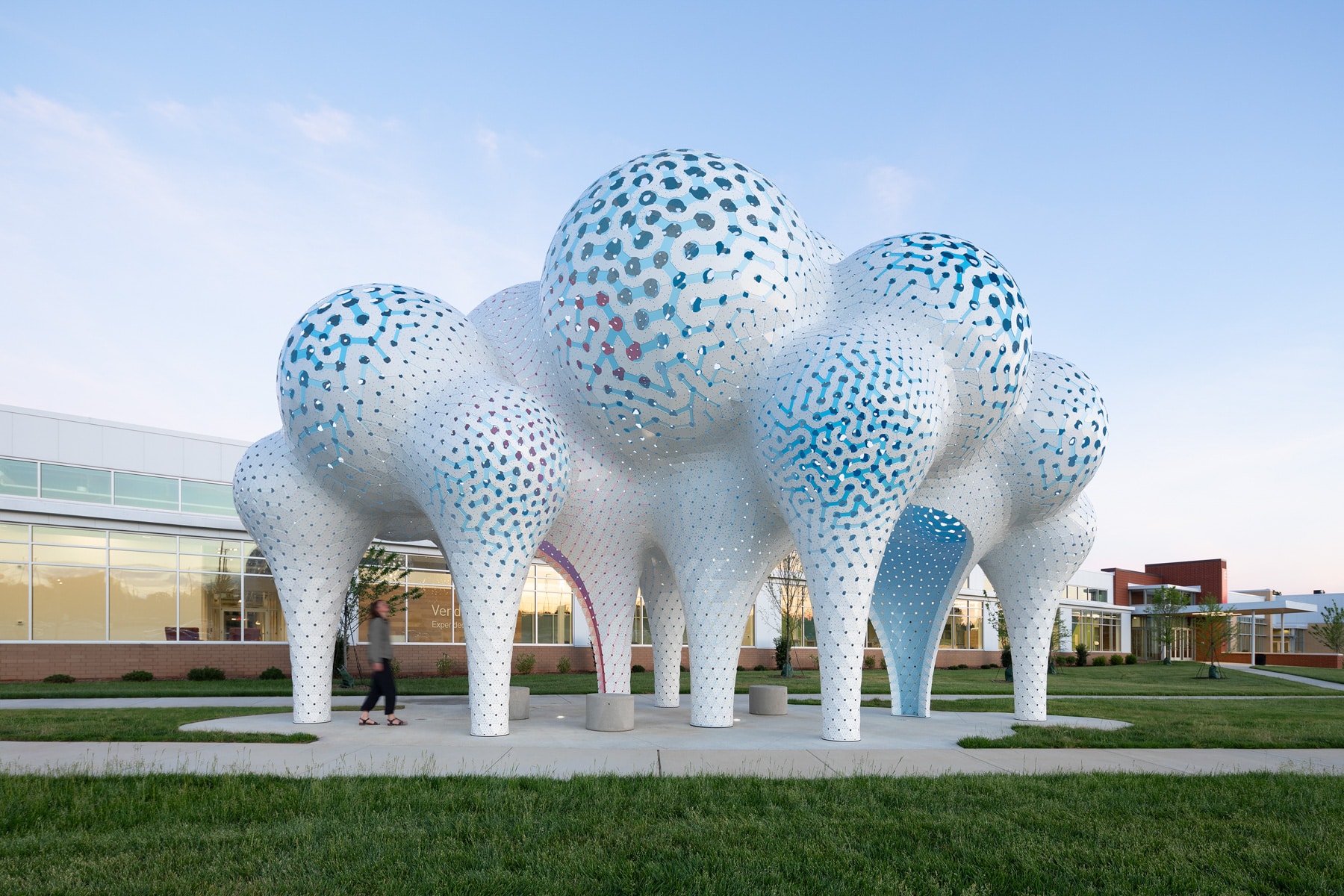
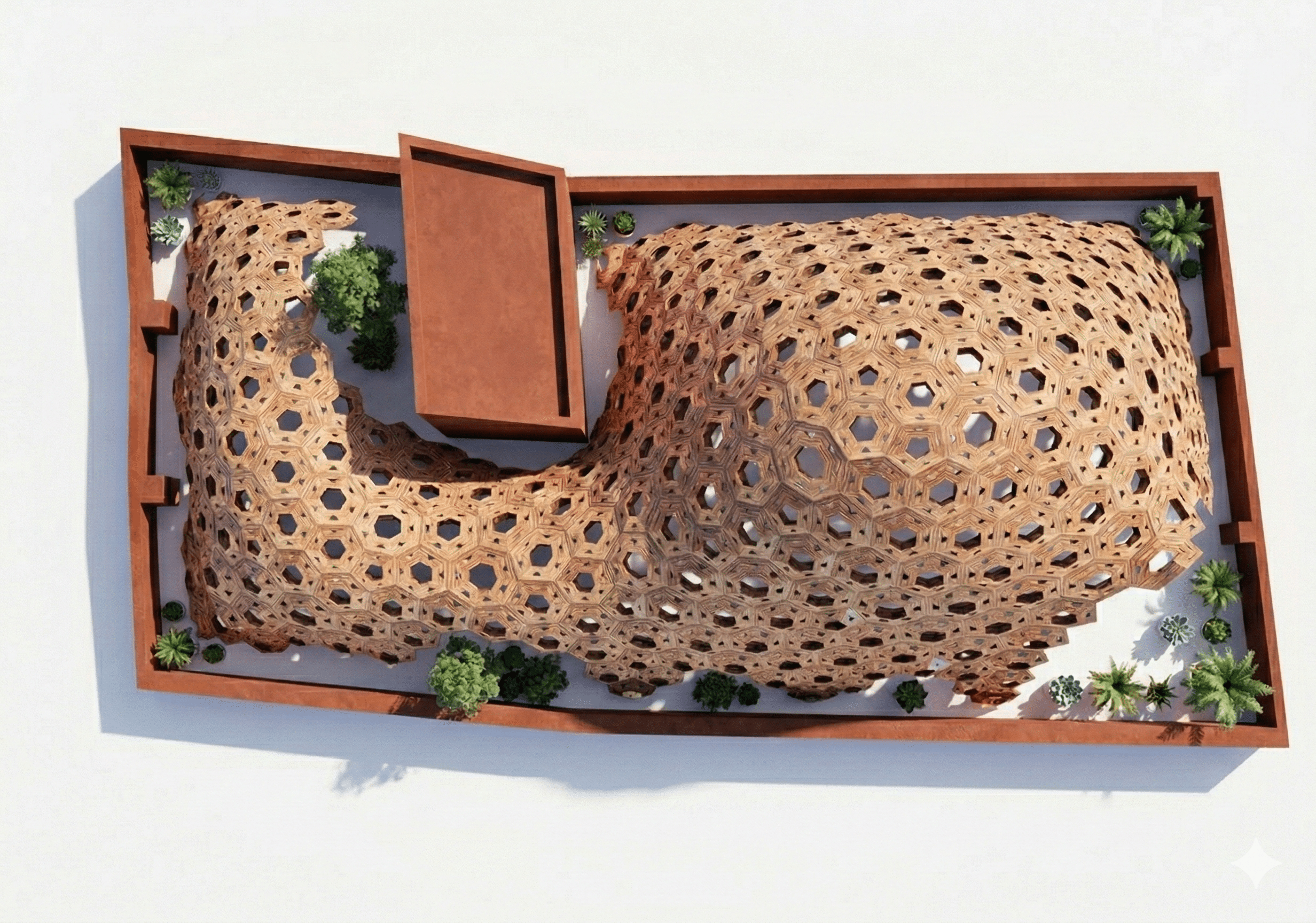
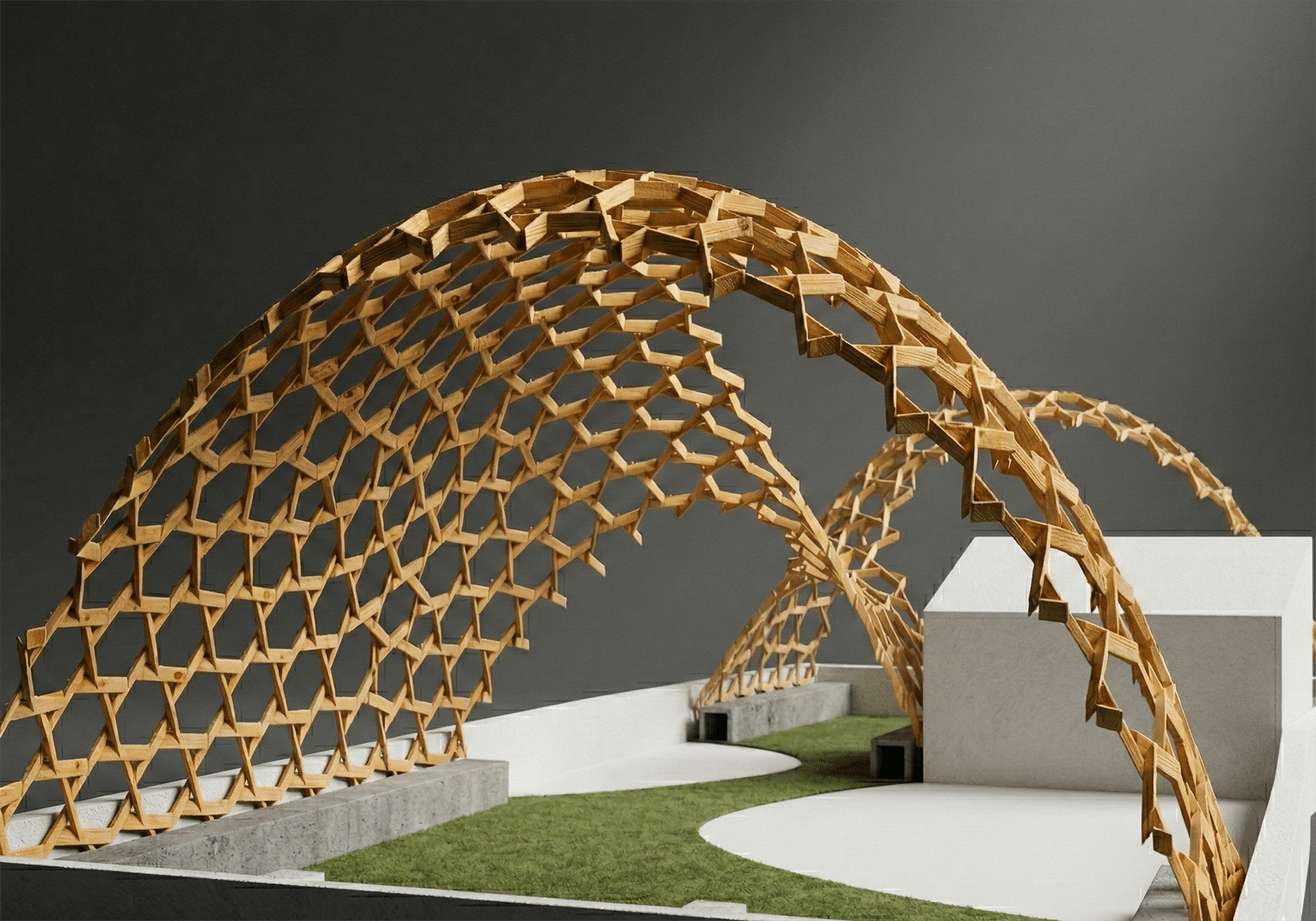
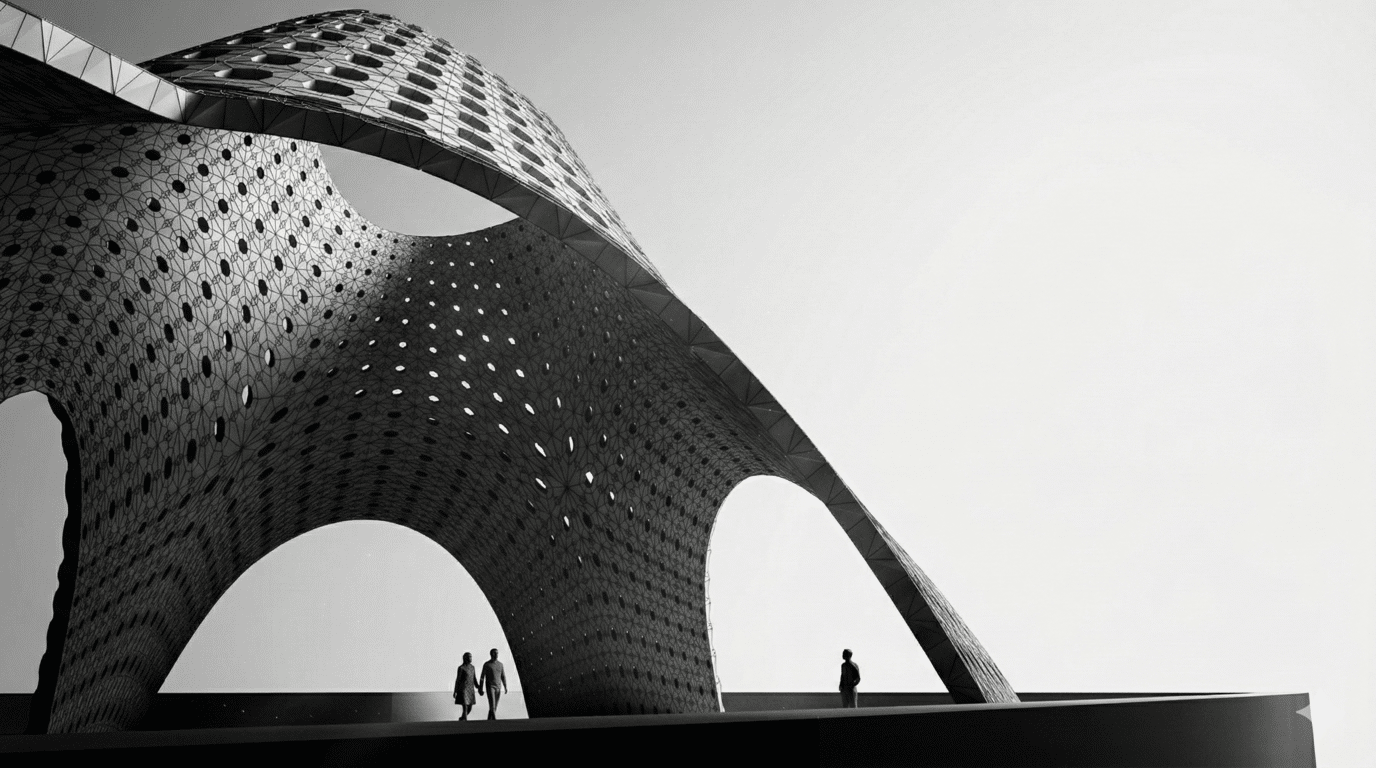
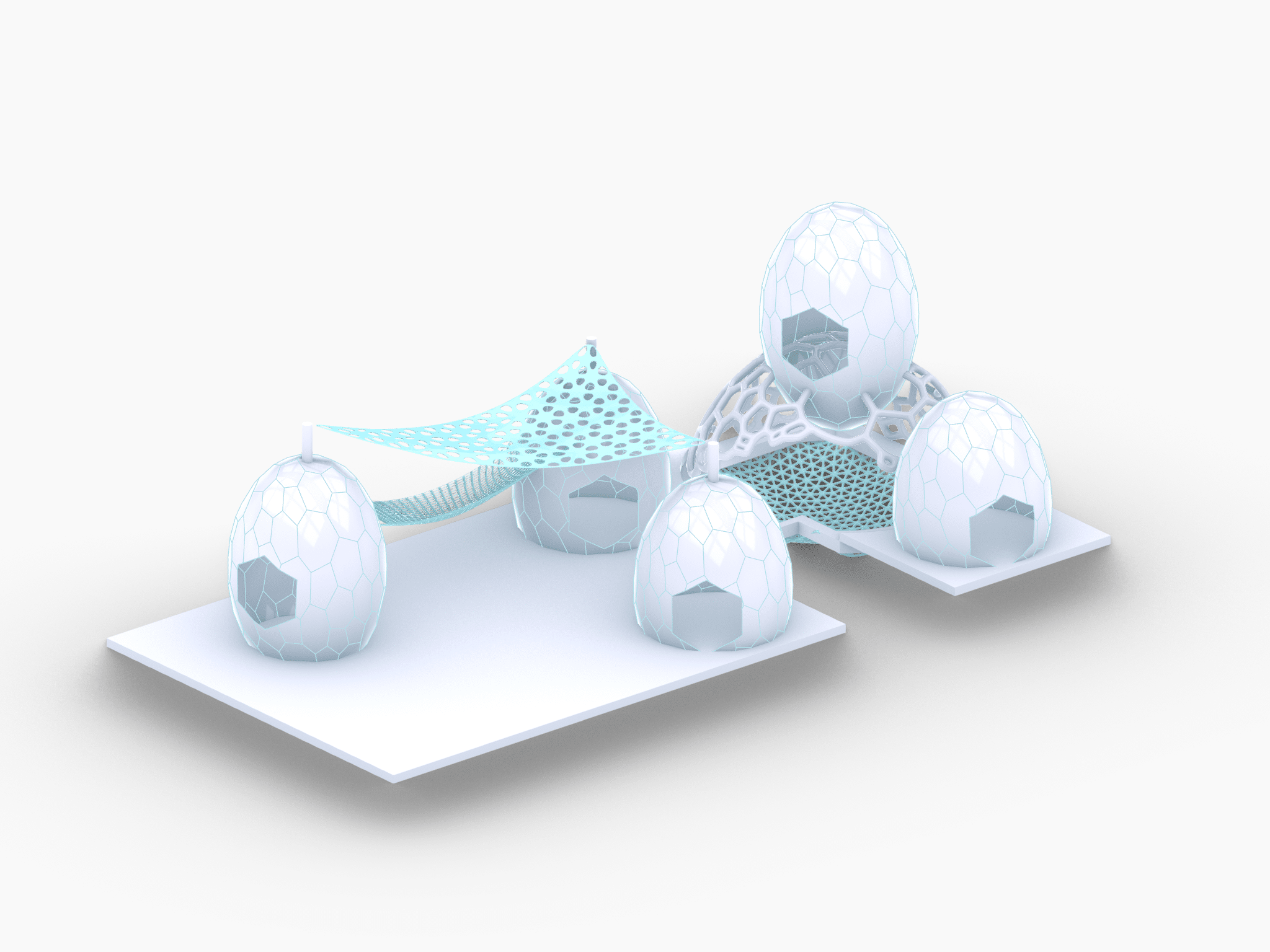
Solid vs. Soft How can an object low in inherent solidity still be structurally present and define architectural space? This question lies at the heart of The Pneumatical Incrustation. Developed for the Complex Forming Seminar, this project explores the fundamental contrast between the solid and the soft. The goal was to investigate how “soft” forms … Read more

Anatomy of a Machine – SPILL

In the second exercise of Anatomy of a Machine, our goal was to understand how a robot expresses itself through material behavior. Instead of carving or shaping solids, we explored how liquid material behaves when actuated, accelerated, and released through a controlled spraying mechanism. “Spill” became a study of force, viscosity, height, angle, and timing … Read more

Software I non planar 3d printing

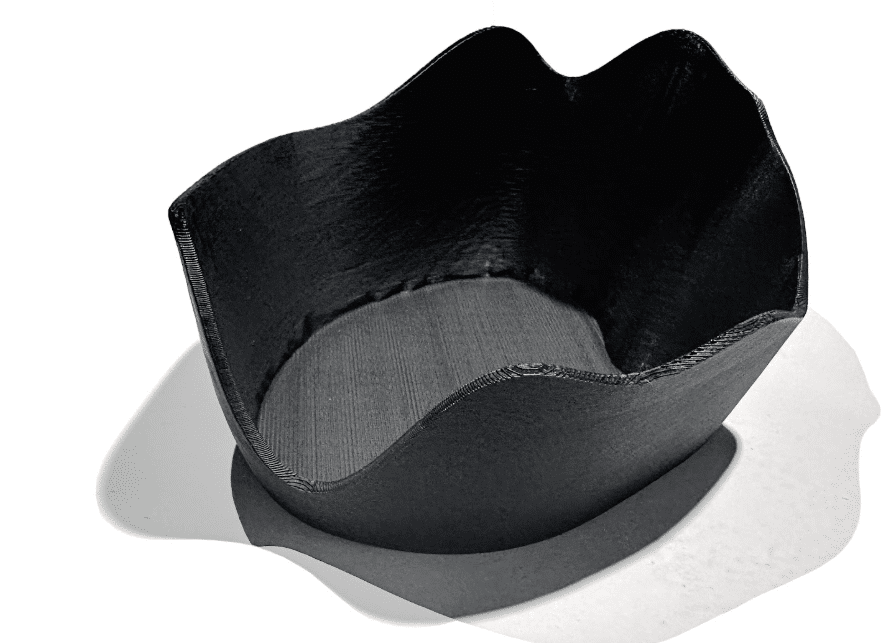
Advanced toolpath design for FDM process Students will design and simulate a toolpath for a small object intended for interior or product design. The focus is on exploring creative toolpath strategies, especially non-planar slicing, where the toolpath height changes across the object. Students must design a non-planar path and use attractors to locally deform the … Read more

Digital Design and Production of Complex Timber Structures

Evy Slabbinck – D2P – Design to Production How do you build a complex timber structure with zero errors in record time? Evy Slabbinck from Design-to-Production reveals the answer: merging computational precision with material intelligence. In this interview, we explored bending-active design, digital fabrication workflows, and the philosophy behind projects that push timber to new … Read more

THE MANUFACTURED VERNACULAR 

Image of comparison between a vernacular structure and a modern structure

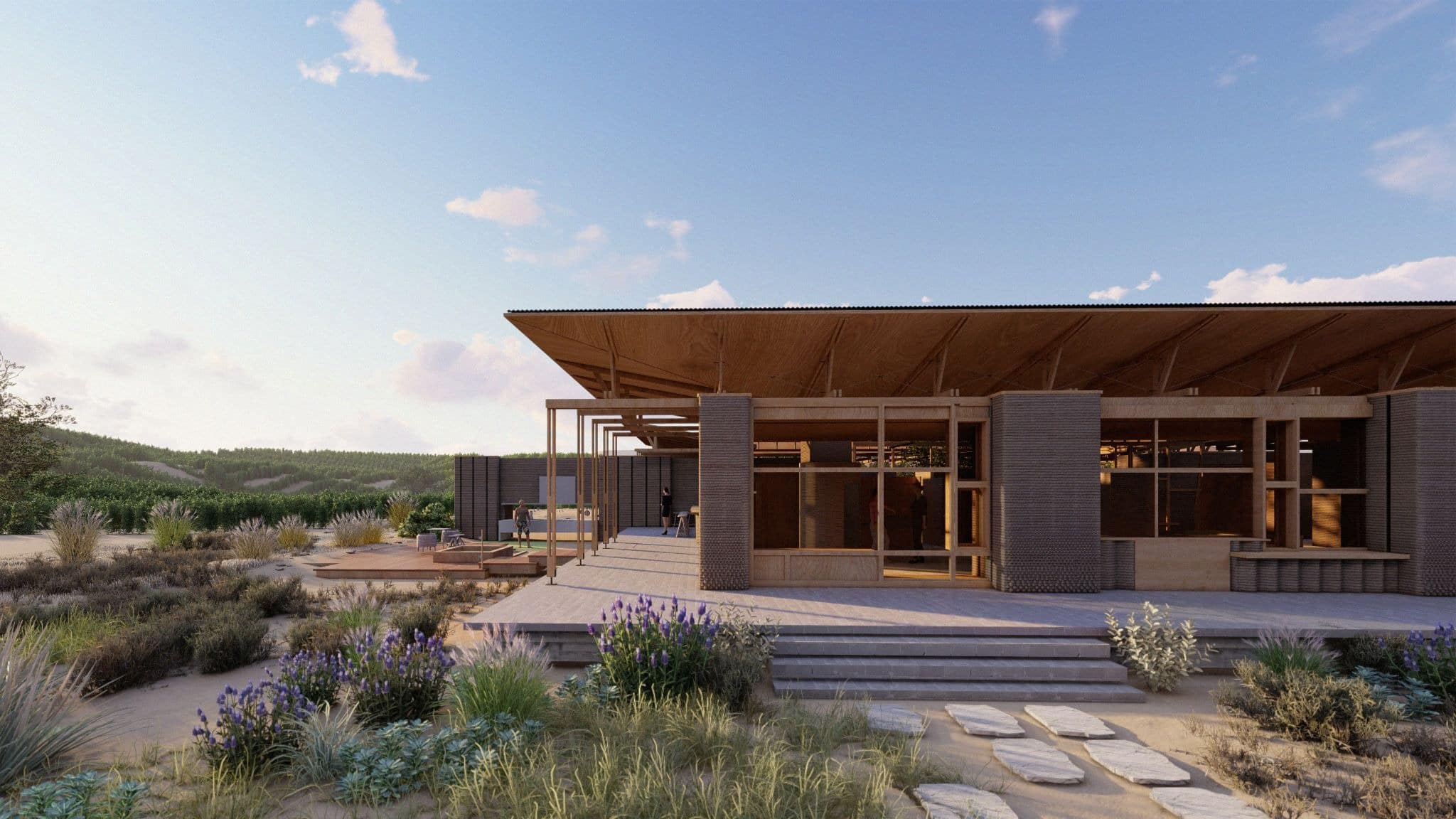
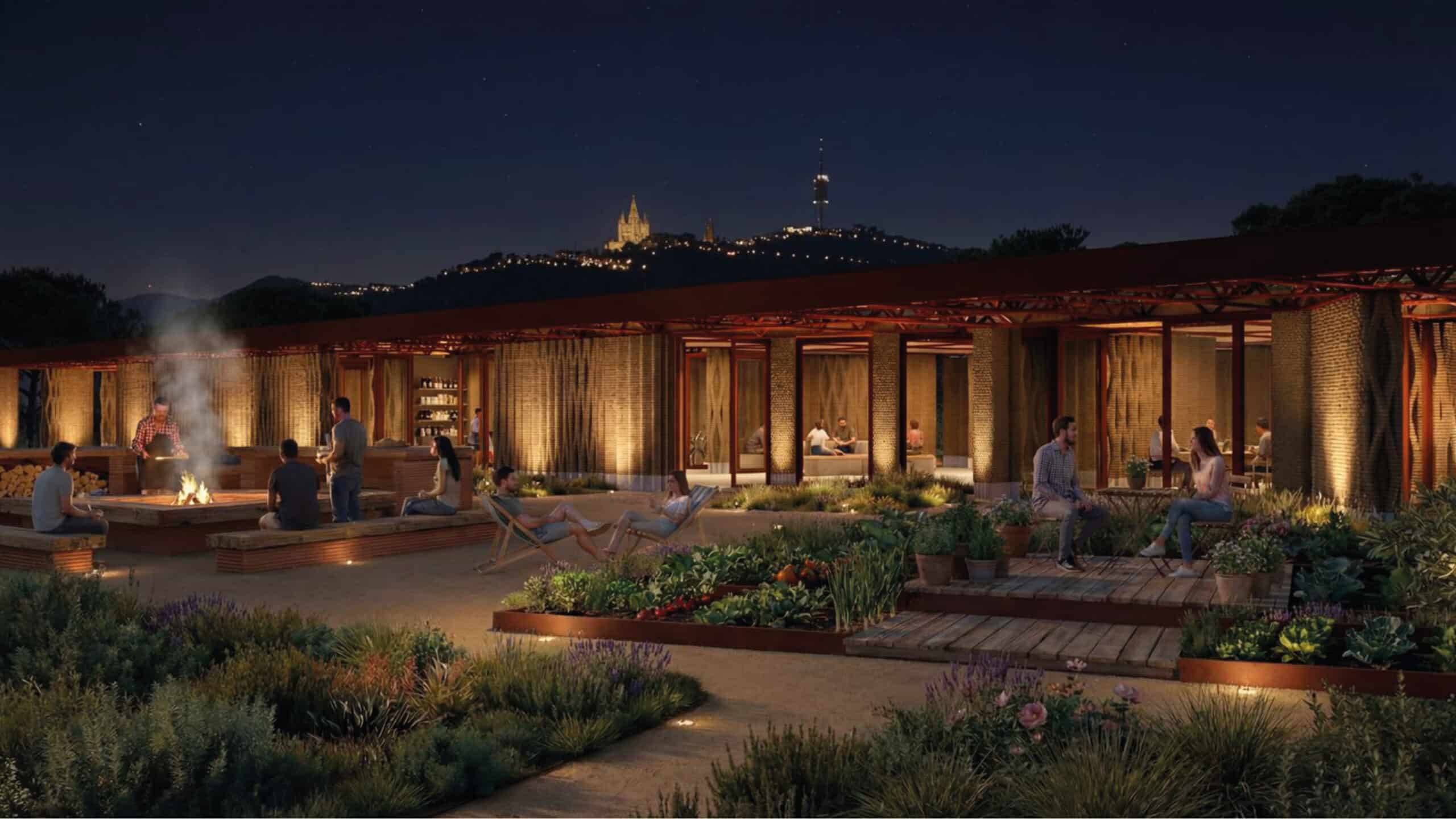
Turning time-tested vernacular intelligence into scalable, multi-hazard self sufficient building INTRODUCTION See this image above? yes, its comparison between two structures that survived a 6.8 rector scale earthquake in year 2005. The ironic part is , that these vernacular structures hold the carbon friendly intelligence responding towards climate adaptation and structural resistance against earthquakes, yet … Read more

SYNFORM – Pitch Deck

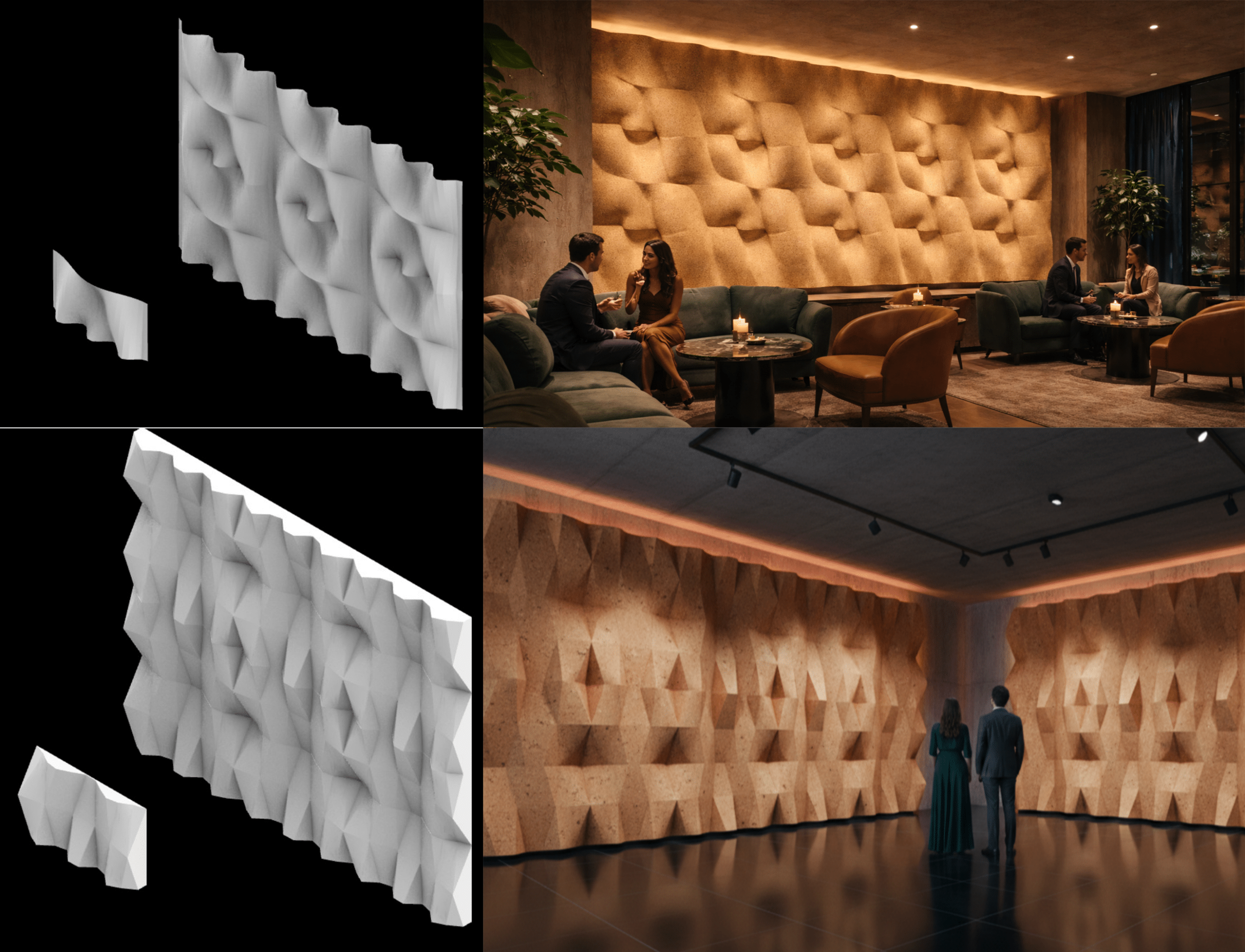
SYNFORM is a design-to-fabrication studio that fabricates luxury scenography and architectural surfaces that are parametric, modular and reconfigurable through large-scale 3D printing using recyclable plastics. Market Context According to Precedence Research, the global 3D printing market is estimated at around USD 29.29 billion in 2025 and is projected to grow to USD 134.58 billion by … Read more

Anatomy of a Machine: Stroke

Introduction This project investigates the dialogue between human gesture and robotic motion through painting. Over three weeks, students study brush behavior, paint flow, and stroke dynamics, beginning manually and progressively translating gestures into robotic trajectories. The final outcome is an A2 robot-made painting, accompanied by a vectorial drawing and a 60-second video, reflecting the anatomy … Read more

Guillem Camprodon “From Machines to Meaning: Technology, Fabrication, and the Future of Making”

The lecture examined the evolution of digital fabrication, open-source hardware, and distributed manufacturing, emphasizing the relationship between technology, culture, and society. Fab Labs were presented as environments that democratize access to production tools, bridging the gap between industrial processes and individual creativity. The discussion traced the historical transformation from centralized industrial systems to decentralized innovation. … Read more

Motion  Control of Robotic Arms Through Grasshopper and Sketching Devices

Introduction This project orients around robotic drawing system that uses a brush to create adaptive visual results. It focuses on turning basic painting actions; such as dipping, stroking, and rotating—into clear, programmable steps. By combining digital design tools with robotic movement, the work explores how changes in brush angle, paint material, and surface conditions shape … Read more

Feasibility and cost estimations in digital fabrication

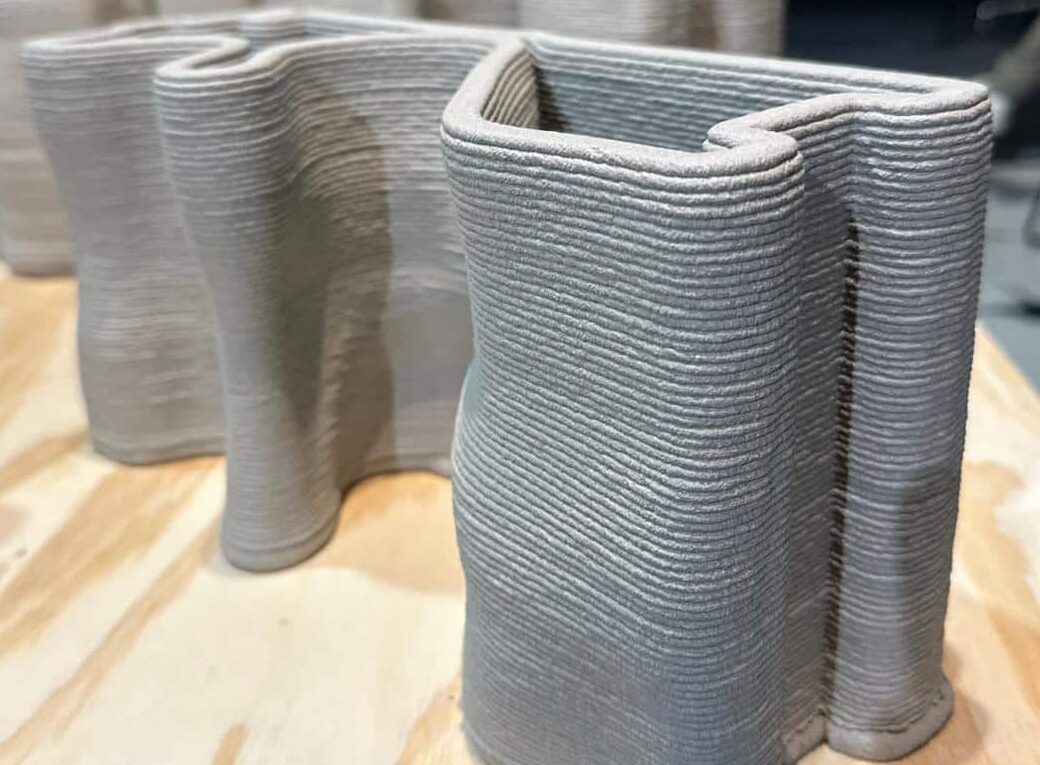
Building on our previous analysis of a large clay-printed geometric form, this study evaluates the feasibility of its digital-fabrication workflow. Through modular breakdown, material and time estimation, non-planar slicing analysis, and production-logistics modeling, we assess whether the system can be manufactured efficiently and economically. The process concludes with the development of a complete production plan … Read more

Acoustic Skin

An Intelligent, Shape-Shifting Sound Control System 01 | Project Abstract Acoustic Skin is an acoustic panel that morphs its surface geometry in real time to control the way sound interacts with the environment.
 It uses an array of miniature pistons embedded in a felt-covered membrane, behaving like a living, breathing skin that adapts its texture … Read more

Thermo – Acoustic Urban Pavilion

01 | Concept 02 | Resonance 03 | Prototype 04 | Components 05 | Circuit diagram If the temperature inside the pavilion is high or the noise level outside is high, both panels will close automatically using the servo motors. Below is how this logic connects to your architecture layers and the circuit design: 06 … Read more

Digital Fabrication Library

In today’s architectural landscape, digital fabrication has significantly expanded the way we design and construct building elements—offering unprecedented accuracy, efficiency, and formal freedom. Techniques such as laser cutting, CNC milling, 3D printing, and robotic manufacturing each bring distinct advantages in terms of material behavior, geometric complexity, and performance potential. RE:CELL Concept The Re:Cell is a … Read more

Nidra chair – MRAC & MAEBB Workshop 1.1

Nidra chair

The Nidra Chair was developed within the framework of Workshop 1.1, where we explored robotic milling using the KUKA robotic arm. The design process was guided by a set of conceptual ideas—texture, nest, wings, and storage—which shaped the formal and tactile language of the piece. Inspired by notions of protection, warmth, and well-being, Nidra seeks … Read more

Tectonics of Digital Craft

Digital fabrication enables designers to explore geometries that go beyond traditional construction constraints. The exercise focuses on translating complex geometries into constructible systems that integrate material behaviour, joinery logic, and mass customisation. Each technique allows experimentation with unique fabrication constraints, informing the evolution of the vertical element design. The outputs serve as material and geometric … Read more

Digital Fabrication

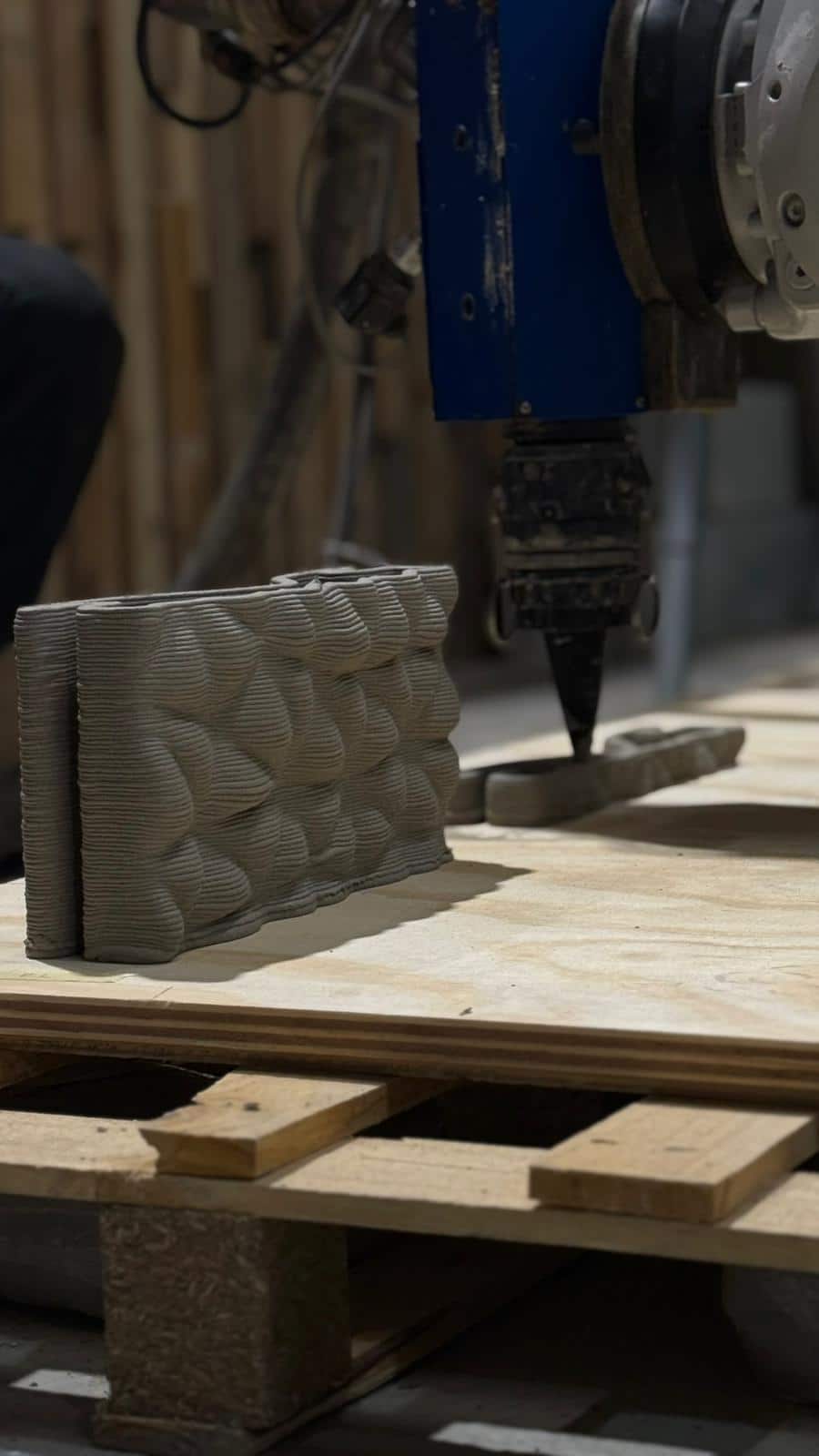
THE W-E SERIES WALL-E 3D PRINTING DESIGN INSPIRATION OBJECTIVE To create a modular vertical element that explores the capabilities of 3D printing and is simultaneously architecturally attractive, is structurally strong whilst using minimal material. DESIGN OPTIONS FINAL DESIGN CONCEPT By blending elements from previous prototypes, the final piece combines 2D and 3D forms to exploit … Read more