Earthen curtains

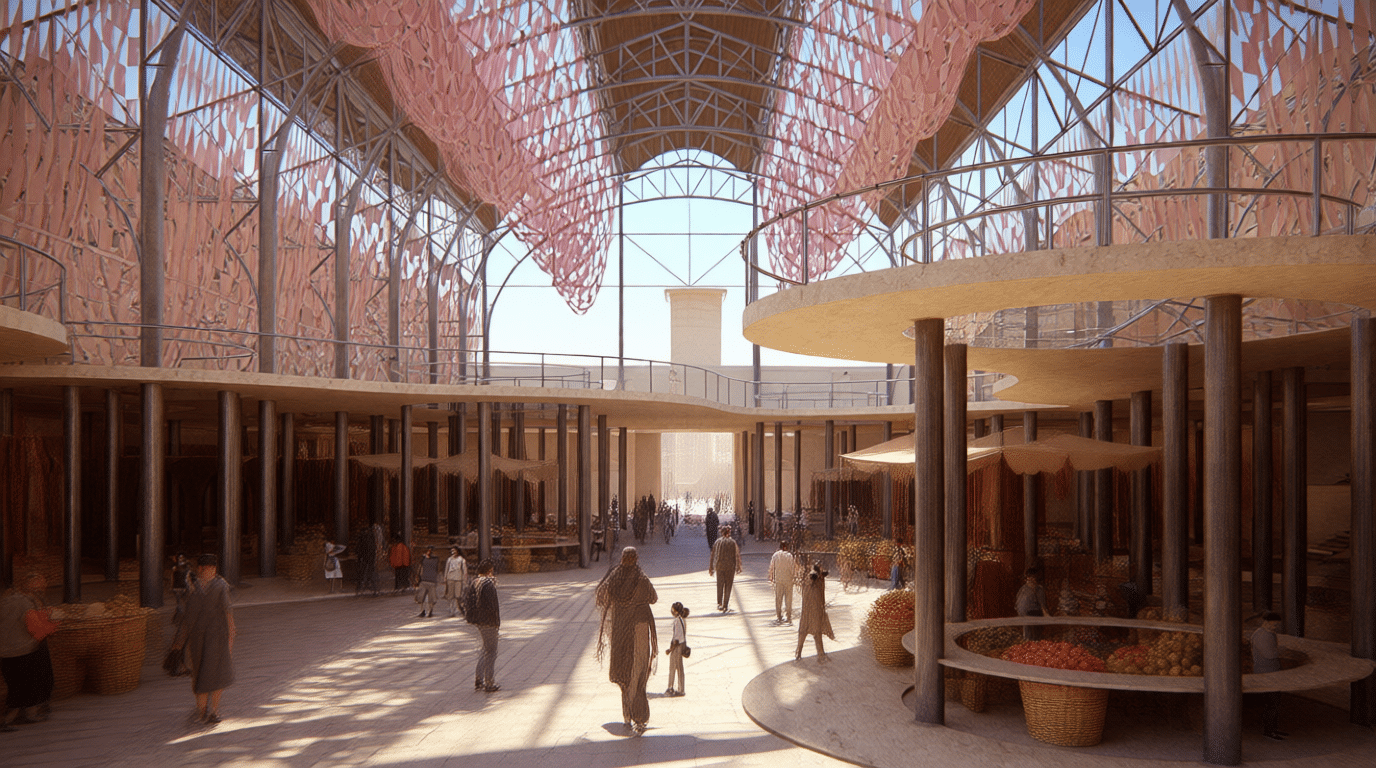
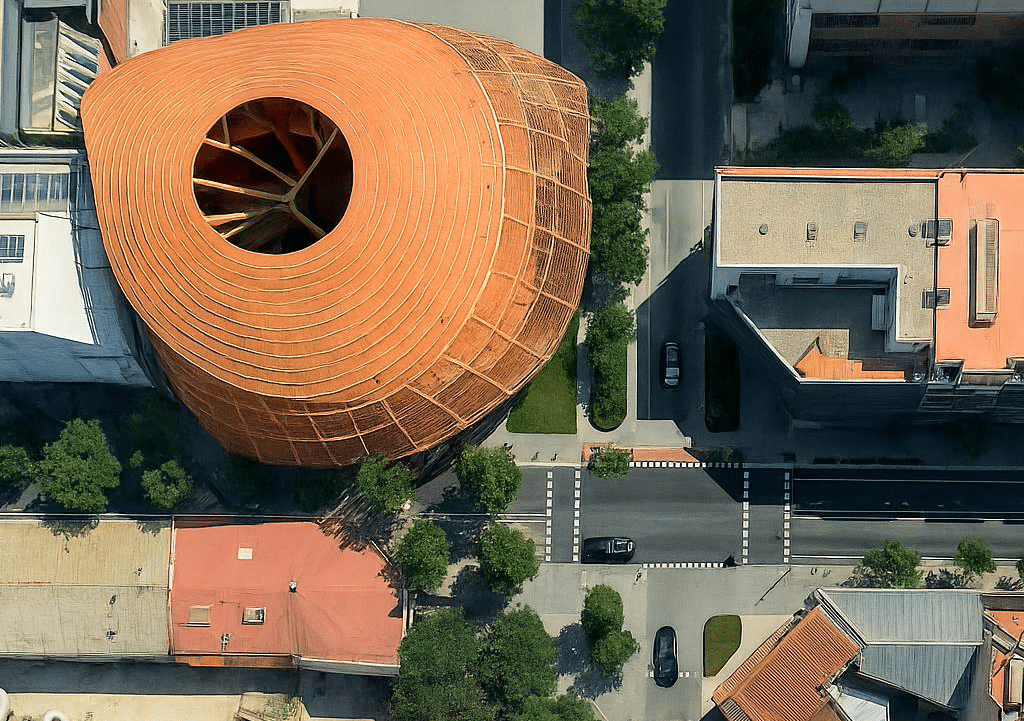
Inspirations The Earthen Curtains project is rooted in a deep reflection on vernacular architecture and passive sustainability. The primary formal and conceptual inspiration is derived from the work of Hassan Fathy and the tradition of the Nubian Vaults. This architectural heritage, celebrated for the use of local materials (raw earth) and intrinsic climatic strategies, is … Read more

THE MANUFACTURED VERNACULAR 

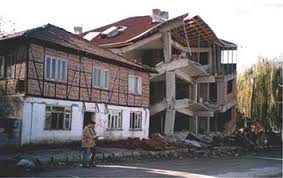
Image of comparison between a vernacular structure and a modern structure

Turning time-tested vernacular intelligence into scalable, multi-hazard self sufficient building INTRODUCTION See this image above? yes, its comparison between two structures that survived a 6.8 rector scale earthquake in year 2005. The ironic part is , that these vernacular structures hold the carbon friendly intelligence responding towards climate adaptation and structural resistance against earthquakes, yet … Read more

Feasibility and cost estimations in digital fabrication

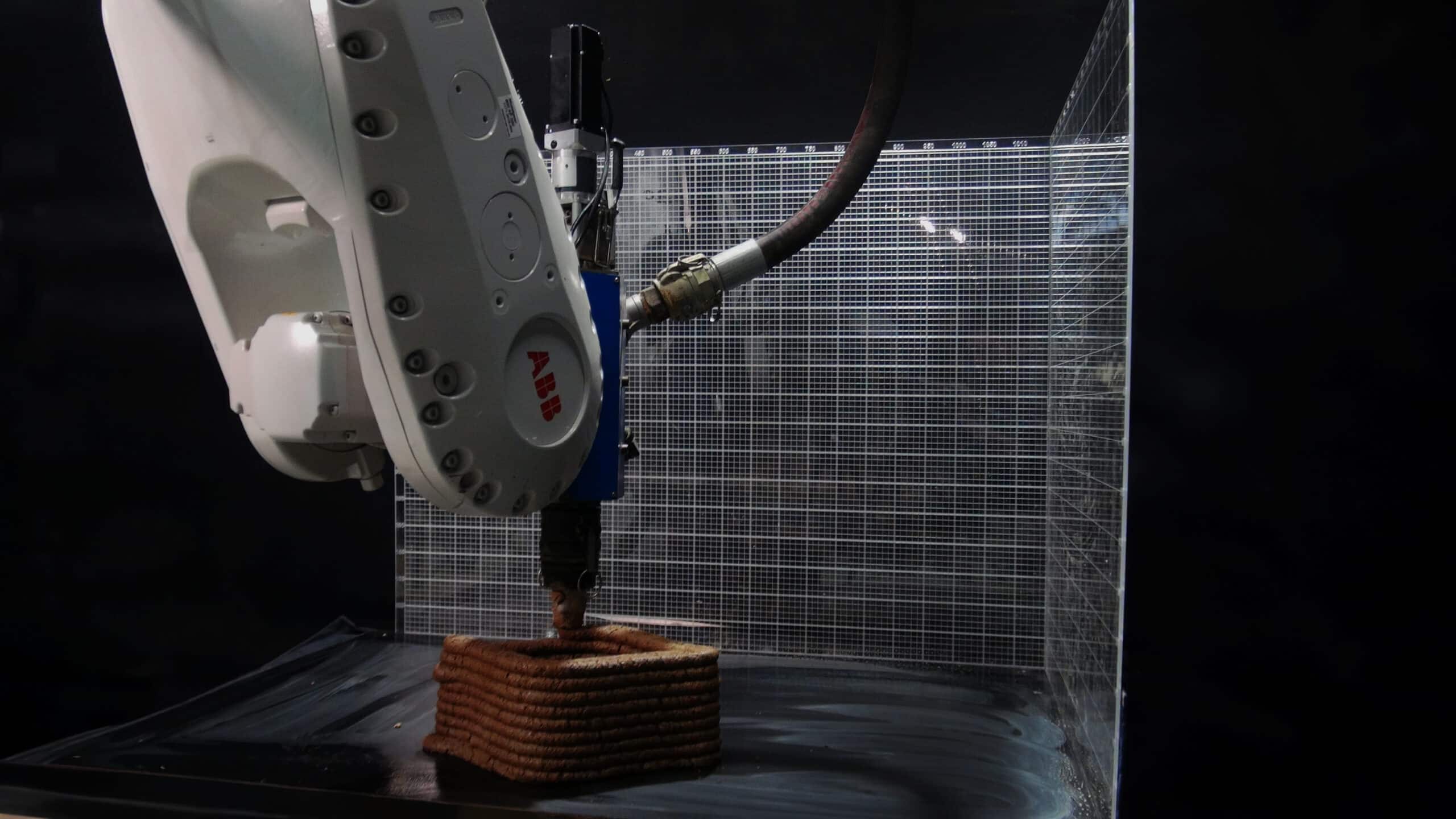
Building on our previous analysis of a large clay-printed geometric form, this study evaluates the feasibility of its digital-fabrication workflow. Through modular breakdown, material and time estimation, non-planar slicing analysis, and production-logistics modeling, we assess whether the system can be manufactured efficiently and economically. The process concludes with the development of a complete production plan … Read more

Digital Fabrication Library

In today’s architectural landscape, digital fabrication has significantly expanded the way we design and construct building elements—offering unprecedented accuracy, efficiency, and formal freedom. Techniques such as laser cutting, CNC milling, 3D printing, and robotic manufacturing each bring distinct advantages in terms of material behavior, geometric complexity, and performance potential. RE:CELL Concept The Re:Cell is a … Read more

Morphologies of Making: Four Experiments in Digital Craft

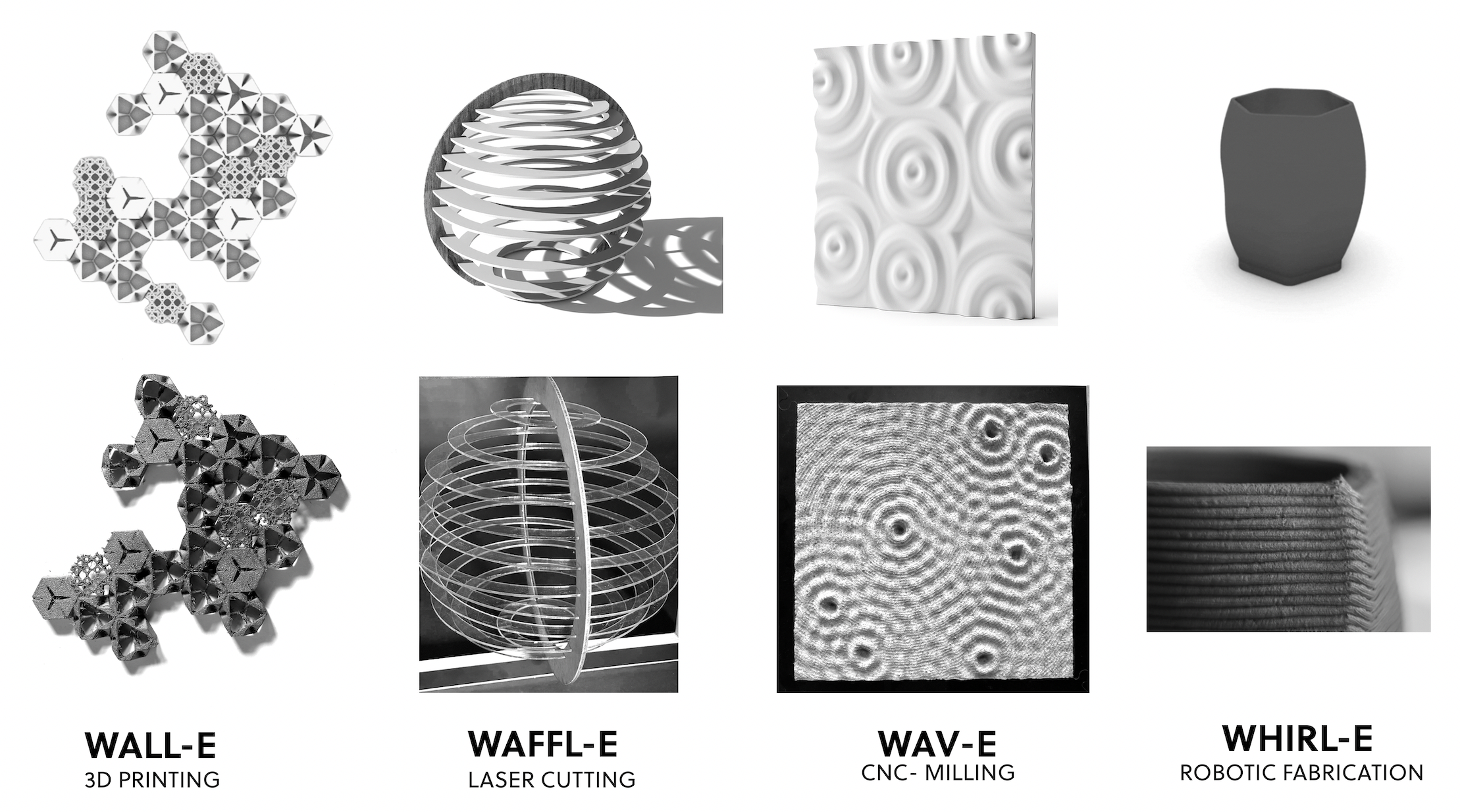
Our digital fabrication journey unfolds through four experiments that explore how material, geometry, and technology negotiate form. Each project challenges a different fabrication technique: laser cutting, CNC milling, 3D printing, and robotic manufacturing, while asking a deeper question: How does digital logic reshape the language of craft? Laser Cutting Tessellated Lightfield This project explores the … Read more

Tectonics of Digital Craft

Digital fabrication enables designers to explore geometries that go beyond traditional construction constraints. The exercise focuses on translating complex geometries into constructible systems that integrate material behaviour, joinery logic, and mass customisation. Each technique allows experimentation with unique fabrication constraints, informing the evolution of the vertical element design. The outputs serve as material and geometric … Read more

Digital Fabrication

THE W-E SERIES WALL-E 3D PRINTING DESIGN INSPIRATION OBJECTIVE To create a modular vertical element that explores the capabilities of 3D printing and is simultaneously architecturally attractive, is structurally strong whilst using minimal material. DESIGN OPTIONS FINAL DESIGN CONCEPT By blending elements from previous prototypes, the final piece combines 2D and 3D forms to exploit … Read more

FACADE PROTOTYPING

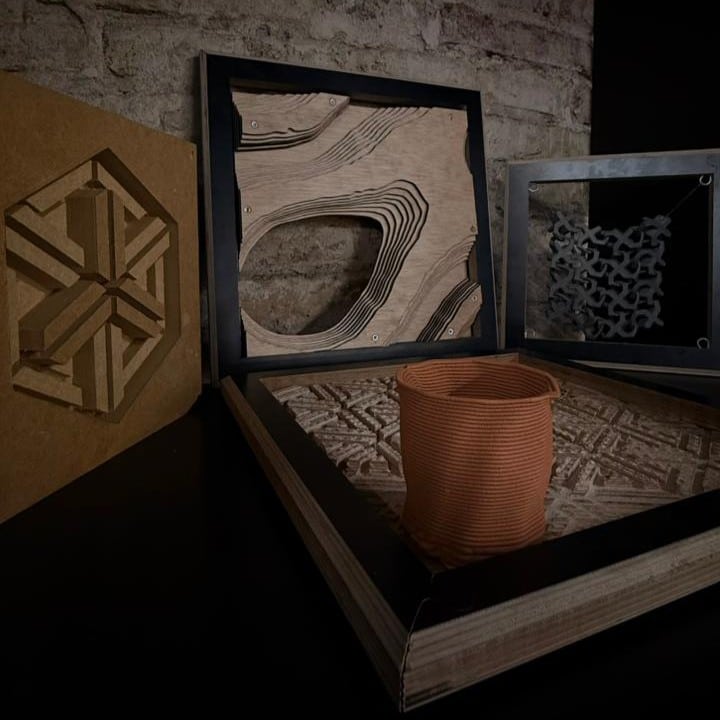
Vertical elements shape how we experience architecture-defining boundaries, filtering light, and giving character to both interiors and facades. In this exercise, we explored their potential through hands-on digital fabrication, rotating between 3D printing, laser cutting, CNC milling, and robotic manufacturing. Working within a fixed wooden framework, each technique challenged us to rethink material behavior, structural … Read more

TriAxial Dynamics

3D Printing | Kinetic Facade | CONCEPT | The project draws its primary inspiration from the dynamic, sun-responsive mashrabiya system of the Al Bahr Towers in Abu Dhabi. What captivated me was the sharp visual contrast between conventional, static façade geometries often rectilinear or triangulated and the refined kinetic intelligence embedded in these triangular adaptive … Read more

Research_Windows and Doors

This study investigates door and window joints insertion solutions for 3dPA walls. Two design solutions: framed and a frameless system. The frameless design employs a biodegradable cork-based composite, while the framed configuration uses a sub-frame bonded with the same cork mixture and sand poured into the remaining gaps for stability. Both methods improve structural integration … Read more

Performative Wall Textures

Introduction & Problem Statement Earthen 3D printing offers a low-carbon, recyclable, and locally sourced alternative to conventional construction materials. However, its architectural use remains limited by a critical issue: wet-state instability during printing. Freshly extruded clay has very low strength and stiffness, so walls usually reach only 15–20 cm per day. Beyond this height, the … Read more

Research _ BUILD – UP

This research focuses on one of the main limitations of 3D printing with earth: low stability in the wet state. Today, the maximum daily printing height is around 20 cm, which limits construction efficiency. This project explores how to improve wet-state stability to enable taller, faster, and more consistent earthen walls. STATE OF THE ART … Read more

Bio-Receptive | Interfaces

Bio-Receptive Interfaces is a performative multi-material clay-based system for indoor environments, integrating hydrogel vascularity to host an ecosystem of cryptogams and vascular plants. Fusing biological intelligence with embedded sensors and AI, it sustains a prolonged hydration cycle, purifies air, sequesters carbon, and reintroduces ecological presence into synthetic indoor worlds—transforming sealed spaces into living, responsive, multi-species … Read more

KINXA | The future built with tradition

Vernacular architecture has steadily lost relevance in contemporary practice. Industrialized construction methods, aesthetic shifts, and the pursuit of perceived reliability in materials like concrete and steel have overshadowed traditional techniques. However, these modern materials often come at a high environmental cost. Among the overlooked methods is quincha, a construction technique common in Latin America. It … Read more