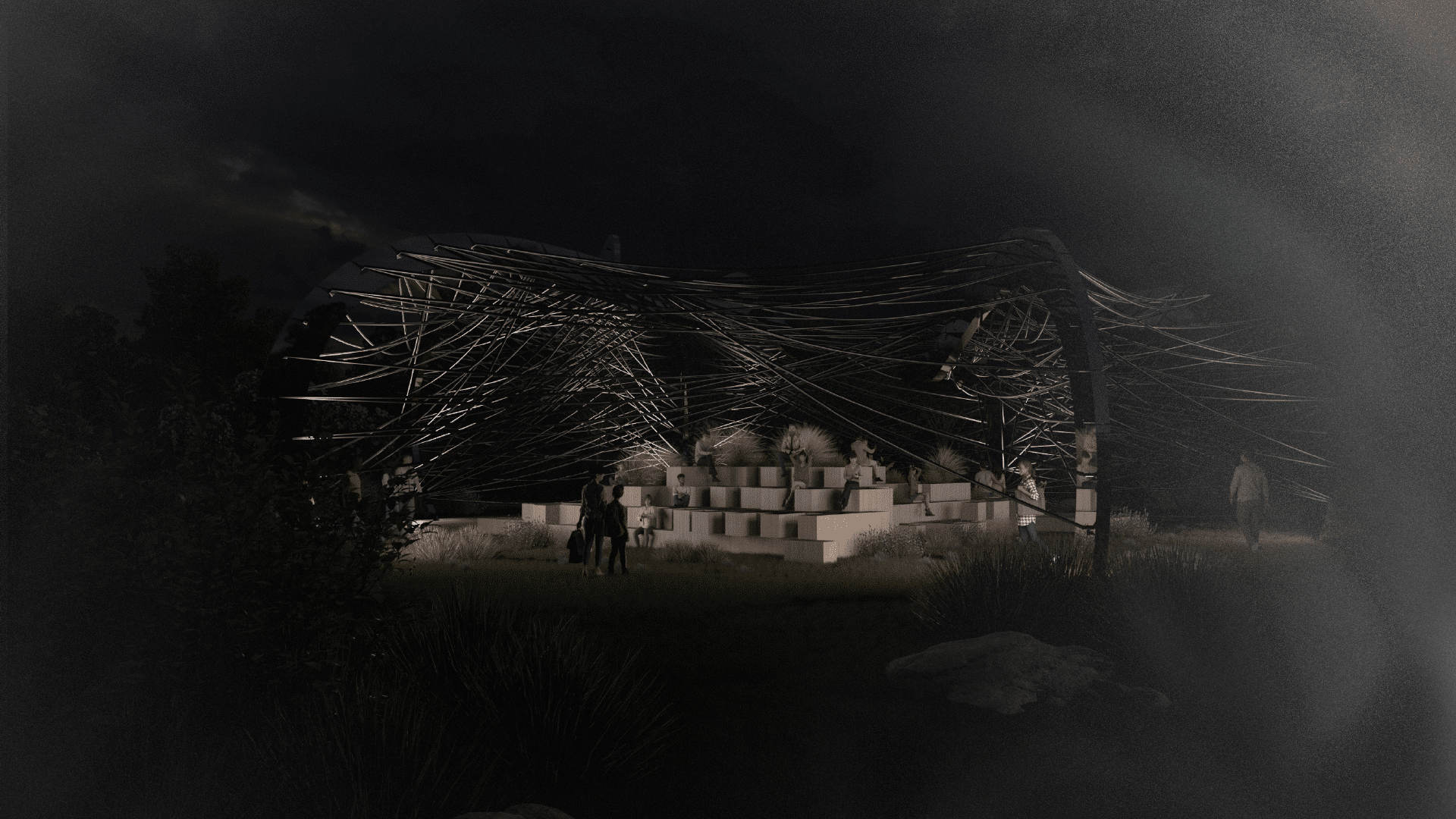
Who owns the bodily data?

What if body becomes the carrier of code? Information derived from human-body; it’s movement, expressions, how it sounds as a dataset for AI interpretation and use. What are the different dimensions of these interactions & interpretations? Biological Dimension AI Dimension Informational Dimension Different Modalities Study of Amazon’s AI systems Visualisation of the Back-End Process Follow … Read more

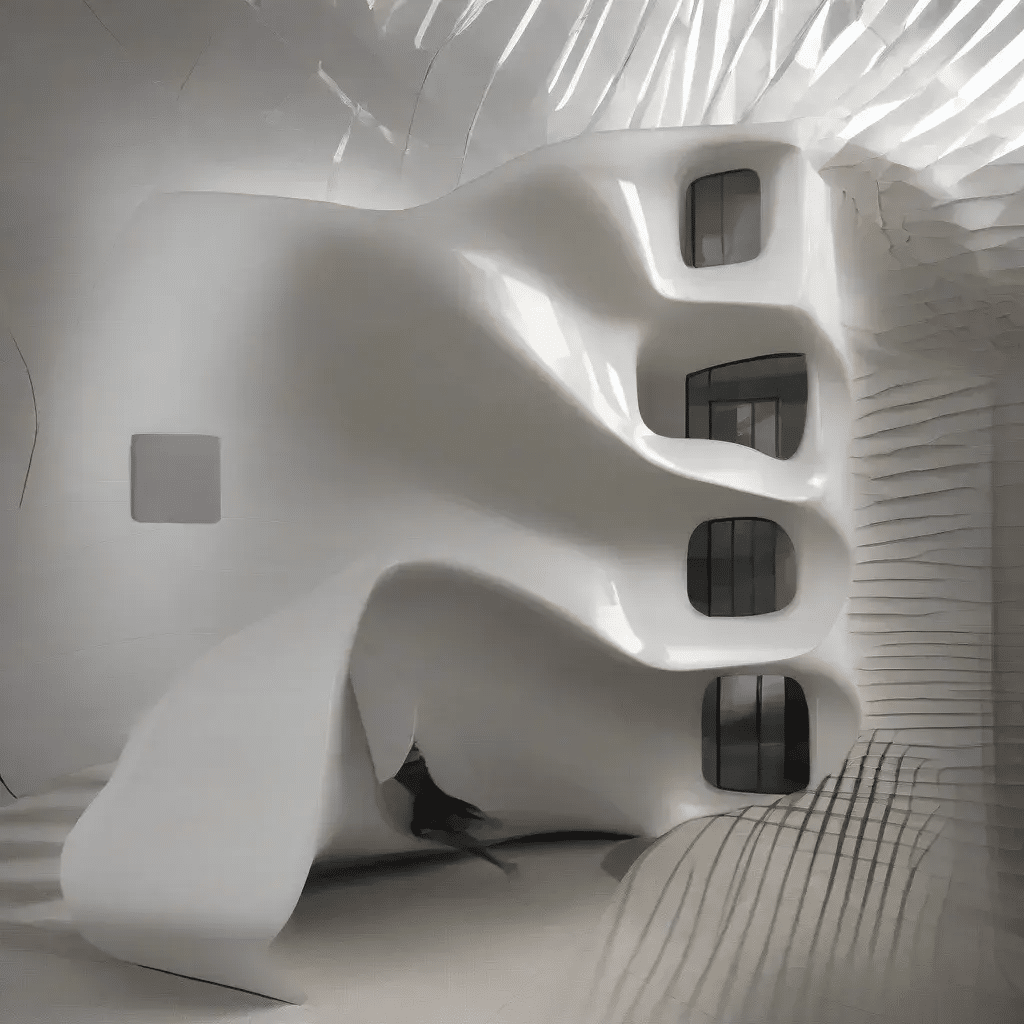
Mas Profundo: Model to Building

Mas Profundo is a pipeline that allows designers to generate interesting architectural images from simple models using a live camera feed.  Architectural models tend to portray a reduced colorway and detail is limited by workmanship and time.   Mas Profundo allows each model ideation to be visualized more realistically than a simple foam model. Mas Profundo … Read more

Facade Retrofit

This project explores the use of Augmented and Mixed Reality (AR/MR) technologies to enhance architectural design communication and decision-making. The mobile application allows users to select a facade design from a digital catalog and visualize it in real time on their existing buildings through their smartphone camera. After selecting a facade from the catalog, users can: The goal of the project … Read more

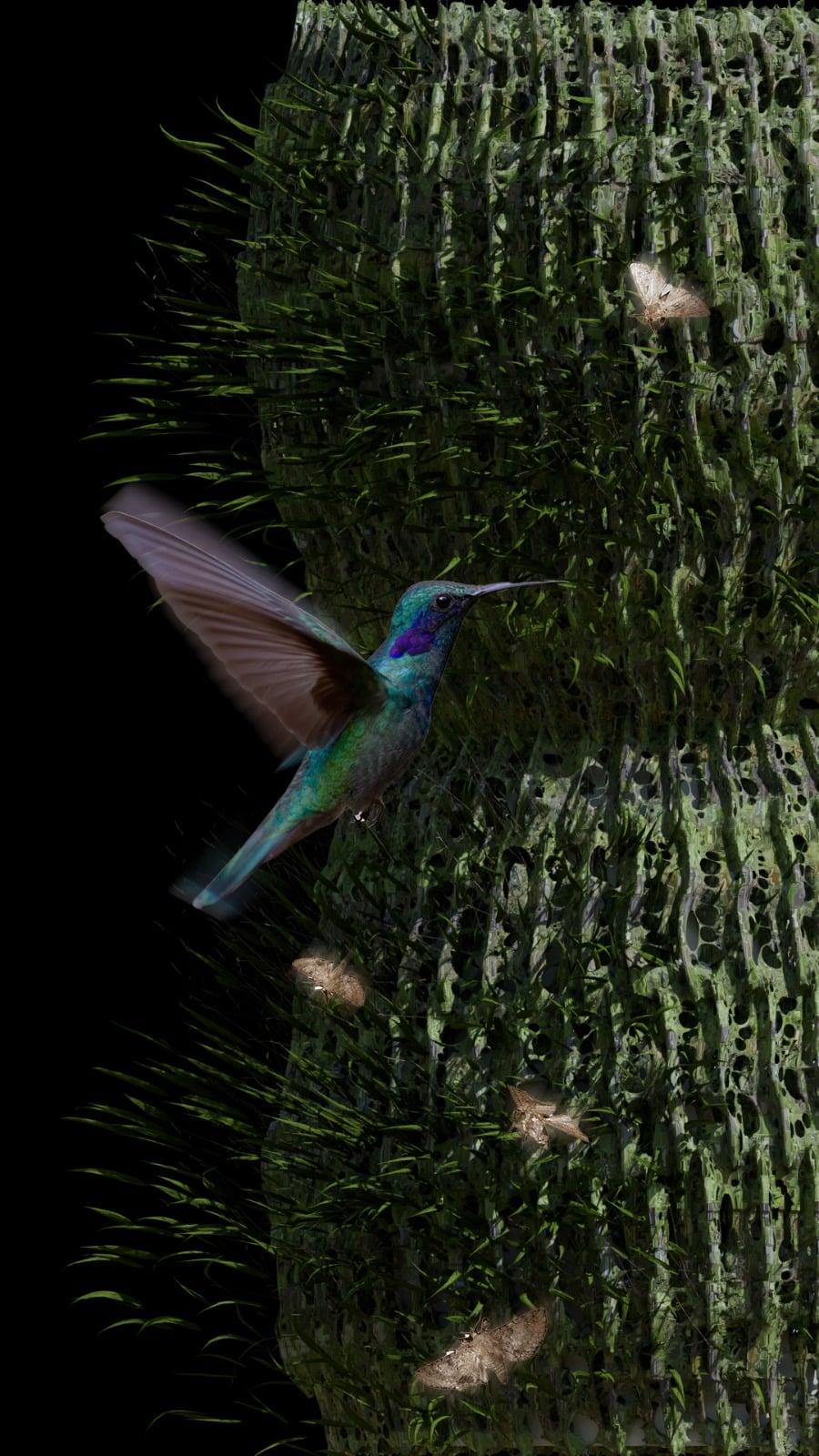
Bamboo Lens: Community AR Tools for Bamboo Construction

“Bamboo Lens” is an augmented reality application designed to empower local communities with hands-on guidance for sustainable bamboo construction. Using mobile AR, the app offers intuitive, step-by-step visual tutorials—from joinery details to full structural assemblies—enabling users to learn and build independently. Targeted for low-resource settings, the tool bridges traditional craftsmanship and digital learning, making bamboo … Read more

HOSTILE

Architectural Alienation In a world that is rapidly urbanizing itself, architecture holds immense power to shape the lives of individuals and how they experience the public space. Yet, architectural design often neglects the various needs of the community it is supposed to serve, leading to alienation and exclusion, particularly for marginalized populations. – 1.1.Hostile design  … Read more

Contexept

Contexept is a design-to-fabrication workflow that uses AI to generate context-aware façade designs and turn them into 3D-printable architectural modules. By combining semantic keyword clustering, image generation, and robotic clay printing, the system transforms abstract ideas into buildable, site-sensitive forms. It bridges digital creativity with physical construction, making AI a meaningful collaborator in architecture. Architecture … Read more

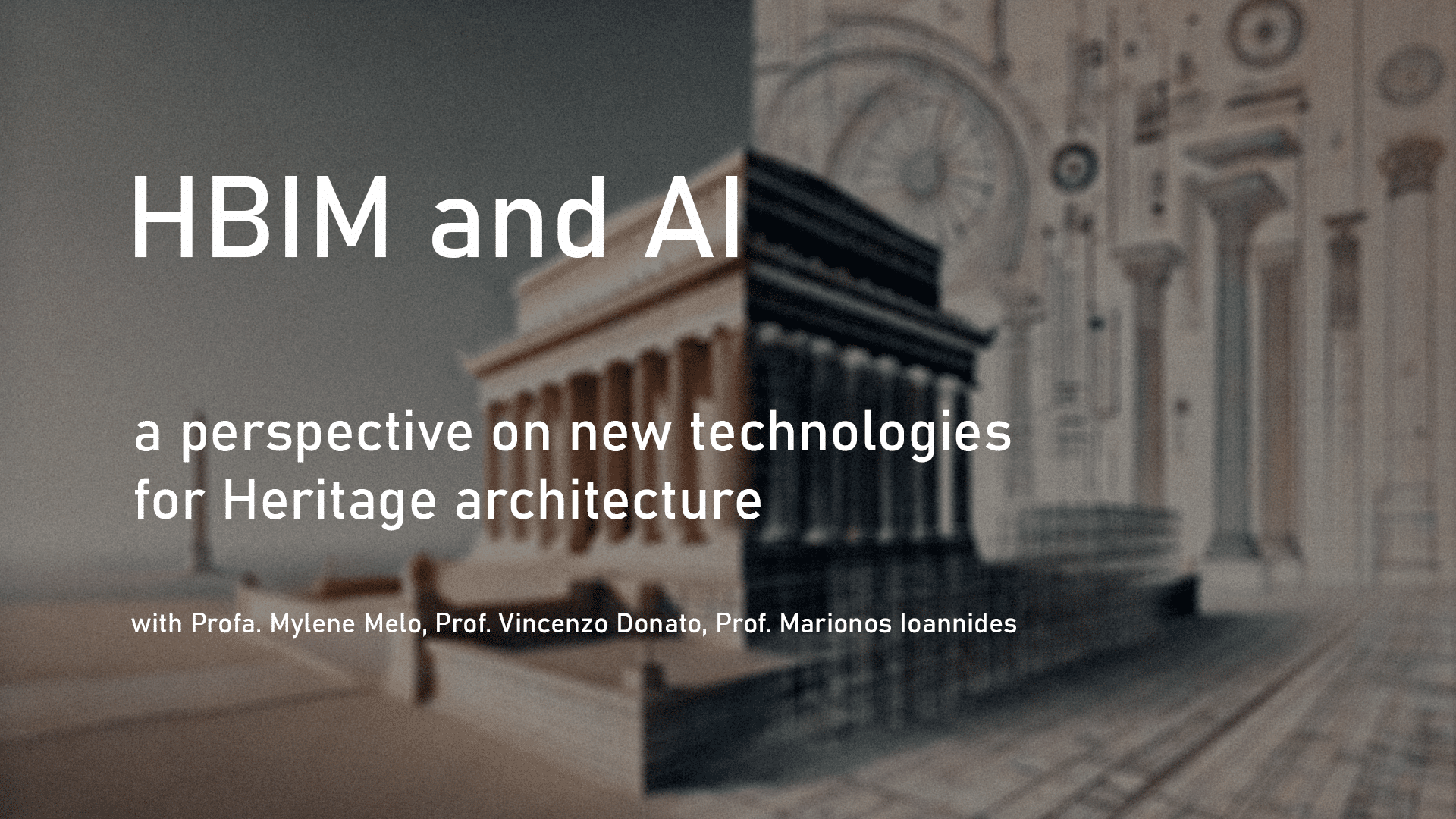
HBIM and AI, a perspective on new technologies for Heritage architecture

Brief Heritage Building Information Modeling (HBIM) is a process for managing and conserving historical structures. Despite its potential and the European Directive 2014/24/EU, HBIM remains underutilized due to complex processes. AI-based technology can streamline HBIM processes at reduced costs, making heritage conservation more feasible. Technologies like LIDAR, TLS, photogrammetry (including UAVs), and SLAM, initially tested … Read more

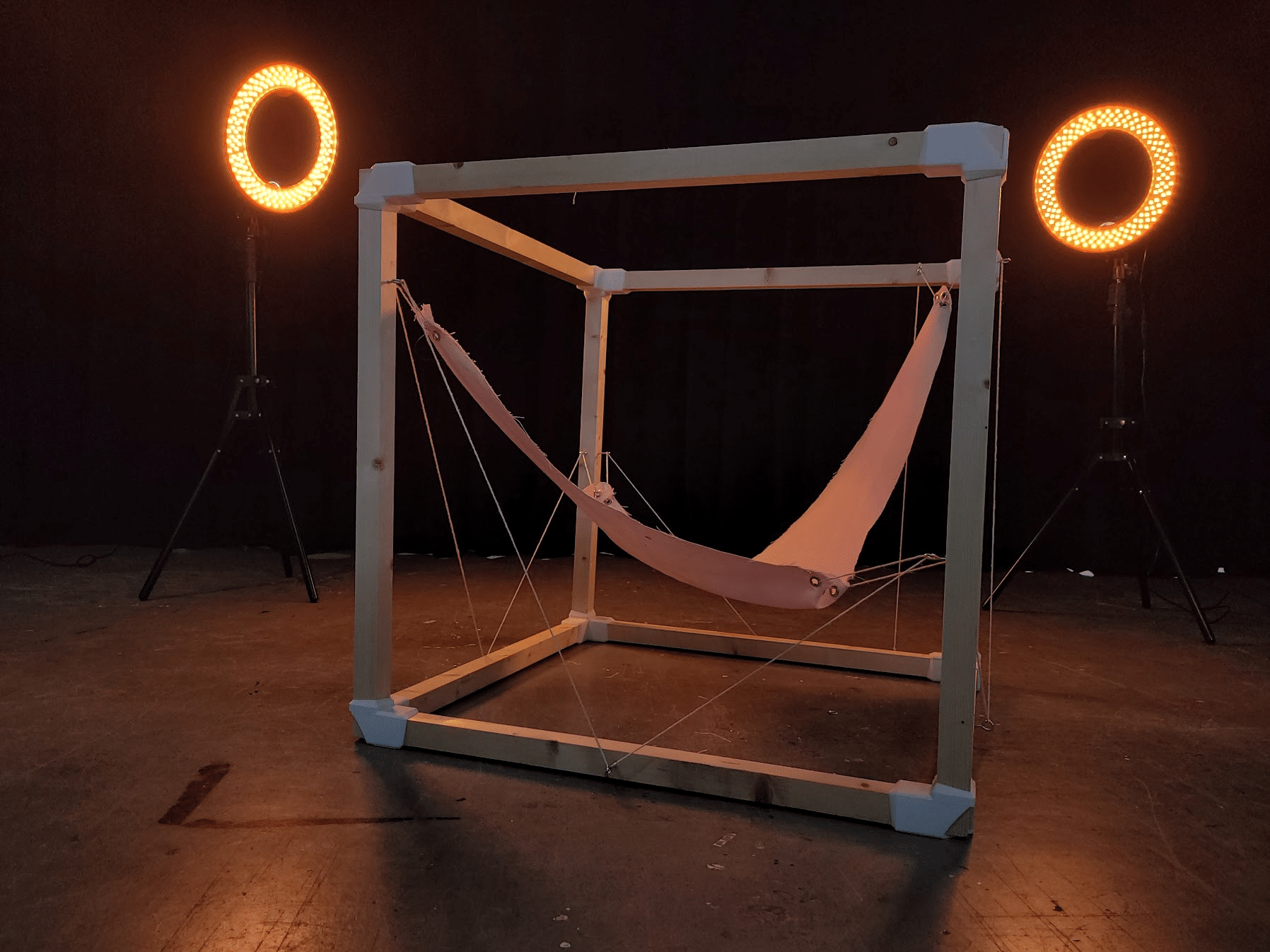
AiR

AiR is an Augmented Reality (AR) interface designed for creation of temporary fabric structures with a wooden framework. AiR enhances your design experience by scanning the site and offering a catalog of structures tailored for shading, resting, or playing. With real-time AR visualization, you can preview your chosen designwithin the environment before assembling it. The … Read more

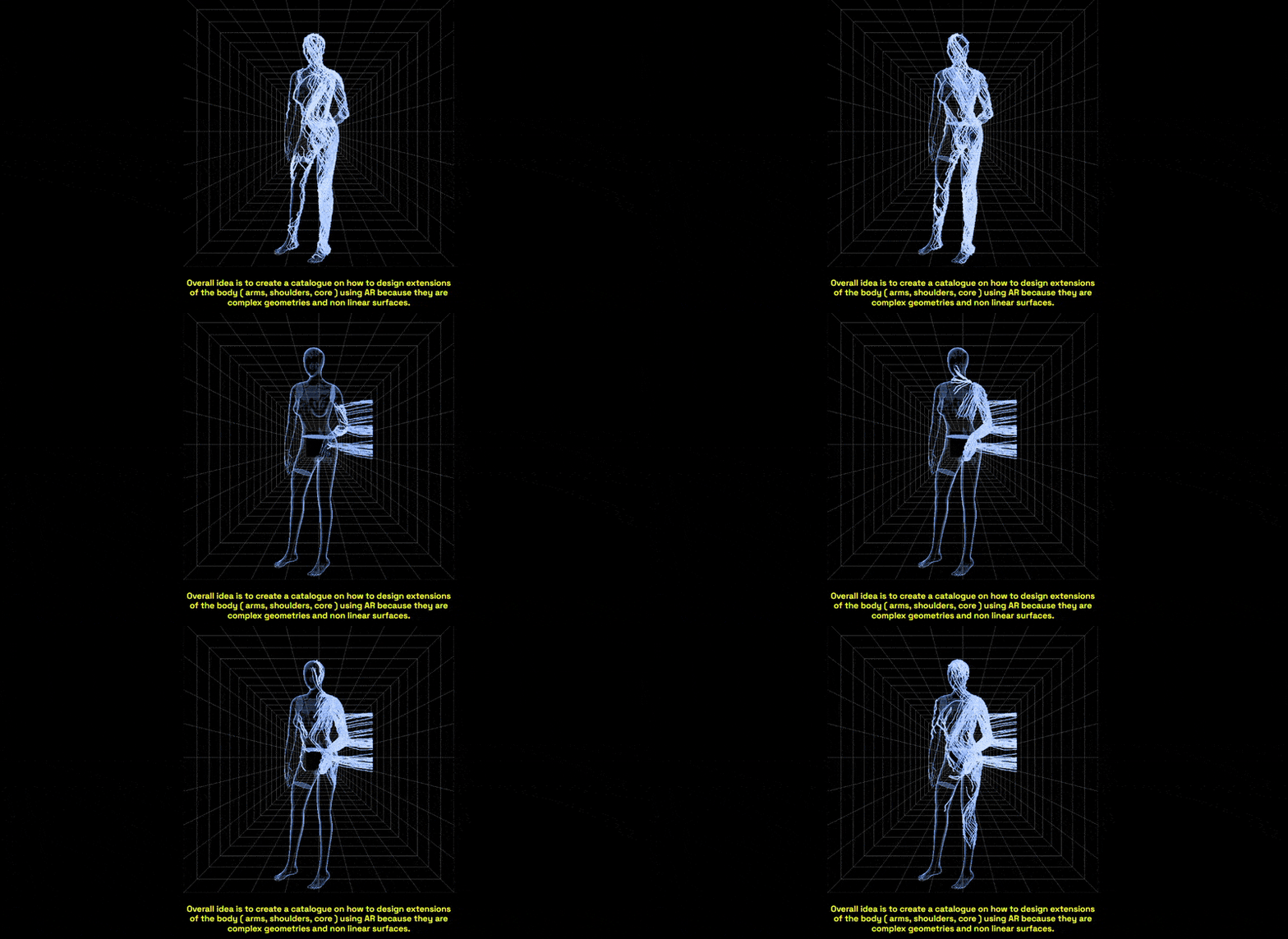
FAB-ARmour

FAB-ARmour is an augmented reality (AR) design system focused on artistic production and the development of body extensions (arms, shoulders, core). By using Grasshopper with the Culebra plugin, the project generates agent-based geometries that adapt to non-linear surfaces, creating complex digital structures. These designs are integrated into Unity AR, allowing for real-time visualization and iterative … Read more