Studio I_Anatomy of a Machine: Shape

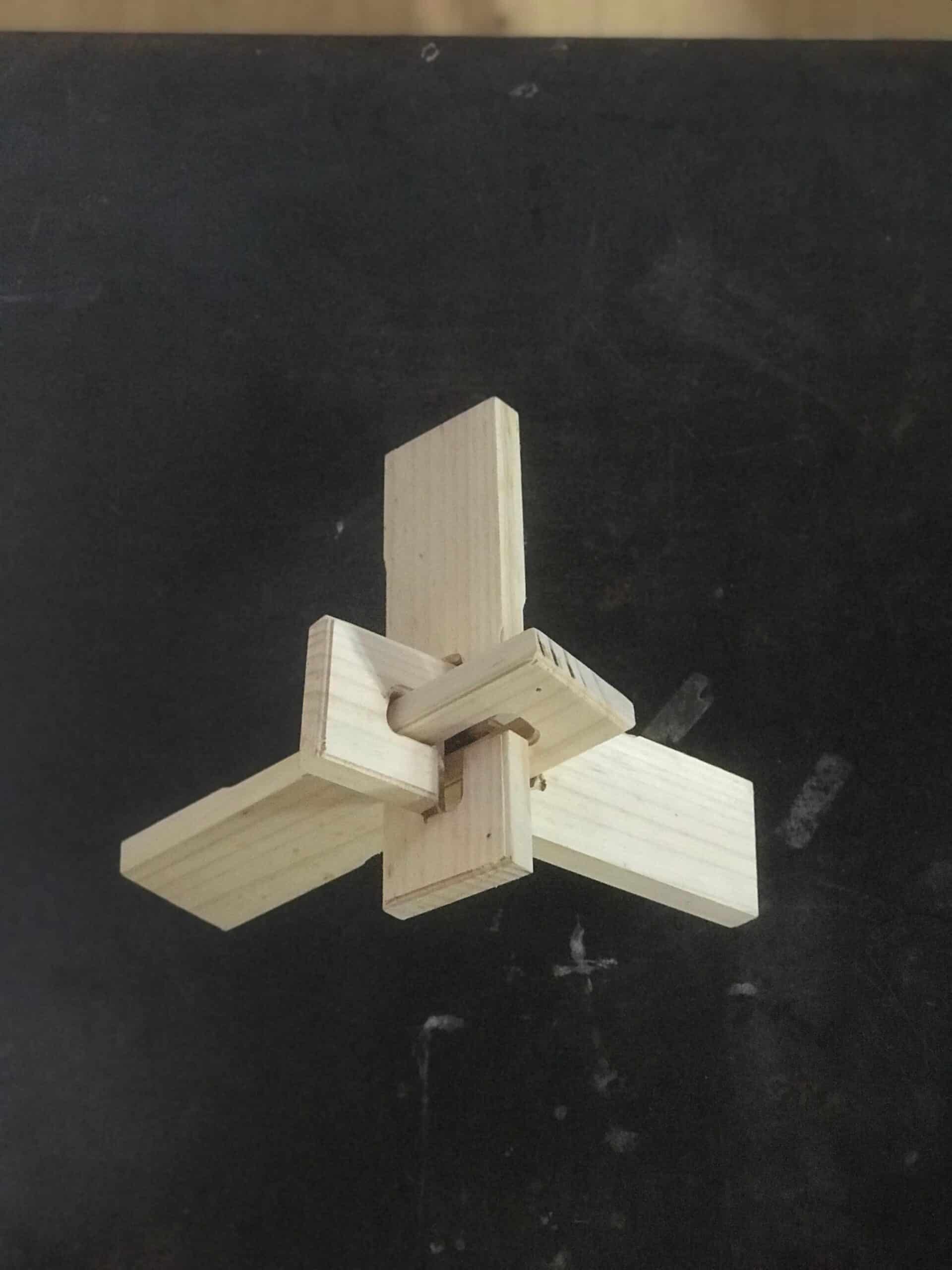
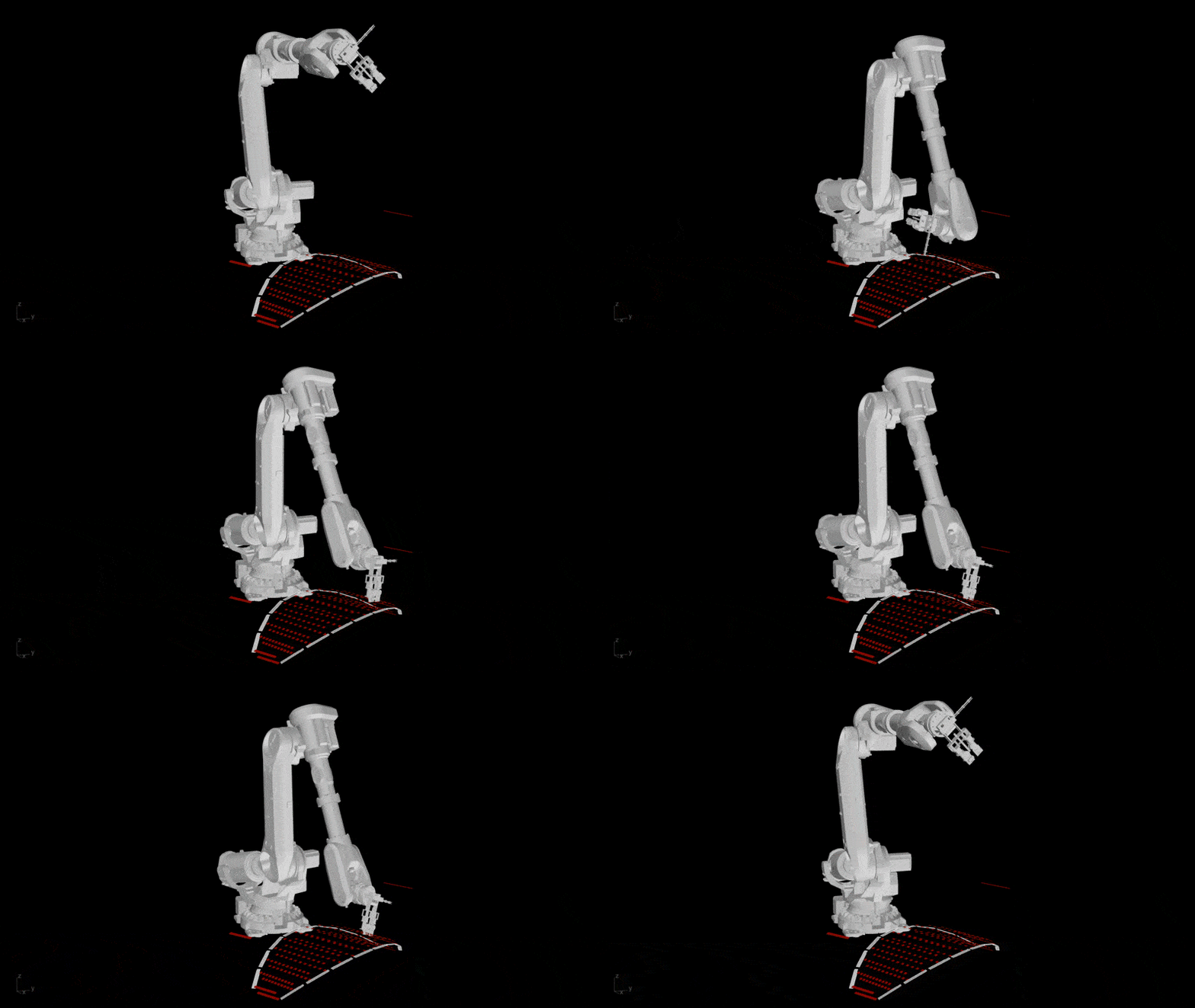
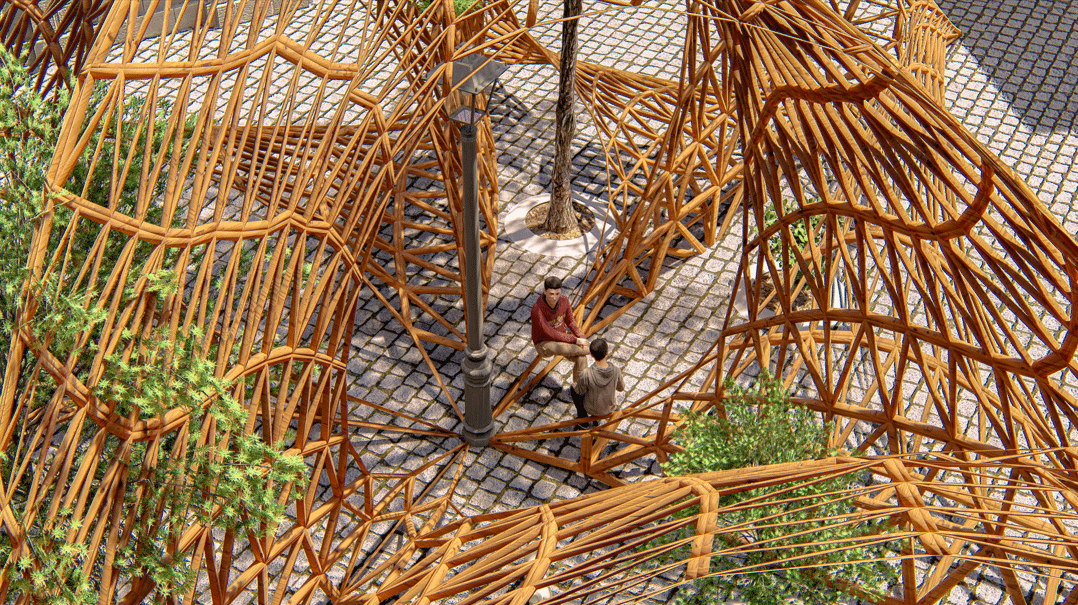
INTRO As part of the “Anatomy of a Machine – Shape” course, we engaged in an exercise that explores the possibilities of robotic material manipulation through various tools and techniques. Our objective was to research and experiment with sustainable, accessible, and locally available materials, applying scientific and creative principles to produce unique prototypes. This process … Read more

Studio I_Anatomy of a Machine: Spill _ FLOWPRESS

Introduction This seminar invites students to explore making custom made spillers controlled by Arduino and a 6-axes robotic arm in order to paint spills on canvas with black acrylic paint. Context   Recently we have clearly observed immense changes in production, prototyping, and innovation that has been influenced by open source software, firmware and hardware. Human … Read more

The Living Loop

ABSTRACT This project seeks to transform a plot in Poblenou’s 22@ district into a pioneering model of metabolic co-living and circular urbanism. By leveraging the district’s technological ecosystem and repurposing e-waste from nearby Green Points, the project integrates a localized recycling and up-cycling facility with innovative prefabrication techniques. Modular co-living units, structural frames, and facades … Read more

Directional Strength: Glulam Components in Force-Responsive Design

This research explores the optimization of glulam in architectural design by aligning material grading and grain orientation with force trajectories. Combining glulam offcuts and higher-grade timber, the study minimizes waste while maximizing structural efficiency. Computational workflows and generative algorithms are used to design force-aligned components for scalable applications. Prototypes demonstrate enhanced performance and sustainability, offering … Read more

Transient Plastics

The plastic crisis has reached staggering proportions. If all the plastic waste on Earth were laid out, it would be enough to cover the entire surface of Argentina ankle-deep. Every year, we produce 300 million tons of plastic globally. Yet only 10% remains in use, while more than 80% is discarded. Of this discarded plastic, … Read more

Intelligent Prototyping Combining Microcontrollers & Robotic Fabrication: Obstacle Detection – Notification System & Clay Pots

Microcontrollers This project focuses on creating an automated door system designed to enhance accessibility, particularly in healthcare environments such as hospitals and clinics. Using an ultrasound sensor to detect distance, the system provides auditory guidance and ensures safe and efficient door operation for users, including those with visual impairments. The system is programmed to announce … Read more

(re)bar; a theoretical context for recycled reinforcement steel bars

dba Re2bar, LLC. Course Overview While the Robotic in Construction Term II Studio Course focuses on means and methods of robotic processes for sustainable materials, this term’s Applied Theory course, Theory and Contexts, fosters analytical thinking about how these materials may be relevant in the industry, addressing the sector’s resource waste (35% EU total) and … Read more

Intelligent Prototyping using Robot & Arduino

FABRICATED PROTOTYPES & DESIGN ANALYSISIn this project, our group explored the integration of parametric modeling, robotic fabrication, and data-driven analysis to optimize clay-based 3D printing. We began by generating two vase geometries using Grasshopper and subsequently fabricated these designs with an ABB 120 robotic arm extruding clay. Throughout the process, we recorded both visual documentation ... Read more

Intelligent Prototyping: Robotics and Micro-controllers

The work presented in this blog post is an approach combining Robotics and Microcontrollers as preparation for a main Research Studio project focused on sustainable facades and environmental guidelines. This represents our first steps in exploring these fields and their connections with Artificial Intelligence in Architecture and the Built Environment. In the Robotics domain, the … Read more

Paramorph Furniture

Context Architecture, in general, is the least optimized industry. This results in more workload and less output. Hence the productivity rate is negative 1.4. In the furniture industry, even loose or modular furniture, typically expected to have quicker turnaround times faces significant delays due to the manual nature of customization and the complexity of matching … Read more

Robotic Craft Interaction

An Intersectional Investigation Robotics is the field of study focused on the research and application of robotic systems. This definition, however, doesn’t provide much insight. So, what is a robot? Robots are machines that can operate autonomously or through programmed input to perform specific tasks, often replacing human effort. These tasks are typically complex and … Read more