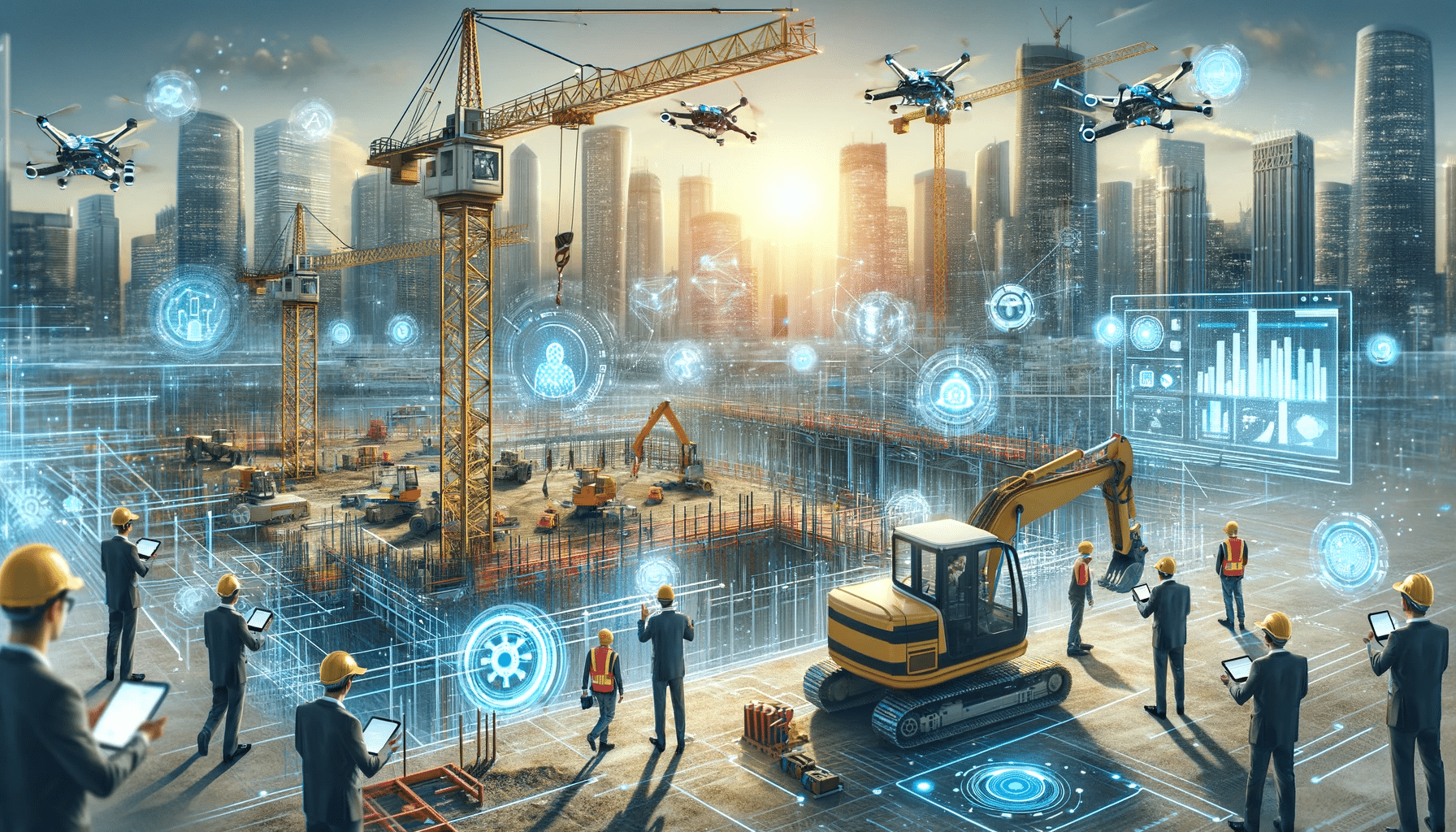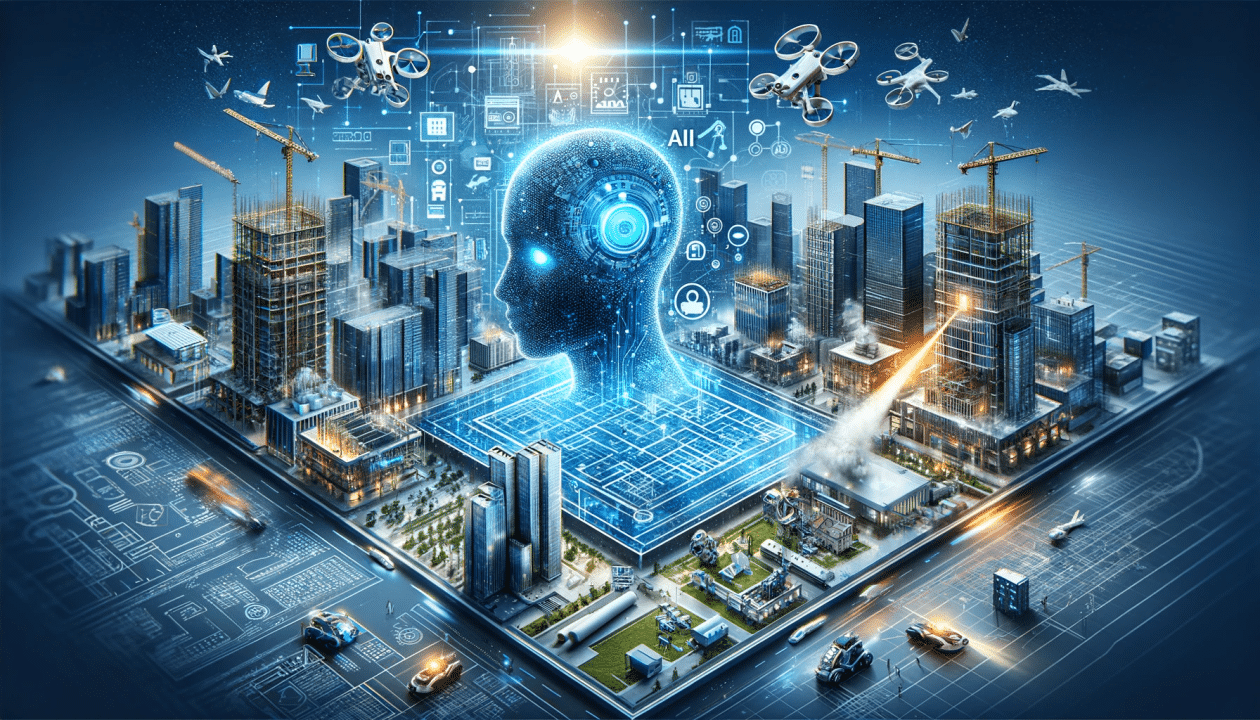
In the early stages of learning, artificial intelligence was perceived primarily as a digital aid tools created to improve efficiency, accuracy, and coordination across different stages of a project. AI was largely understood as a decision-support system, particularly valuable during the early design phases, yet always positioned as secondary to human expertise and judgment.
However, through lectures, professional interactions, and hands-on engagement with AI-driven tools, this understanding has evolved significantly. AI is now recognized not merely as a supportive tool, but as an intelligence layer embedded throughout the entire Architecture, Engineering, and Construction (AEC) workflow. Its purpose is no longer limited to speeding up tasks or automating repetitive processes.
The ability of AI to analyze large datasets, simulate multiple design alternatives, and predict performance outcomes such as energy efficiency, daylight access, and environmental impact is now acknowledged as a major shift in the design process. These capabilities allow performance-based decisions to be made at very early stages, long before construction begins. As a result, greater clarity and confidence can be achieved during conceptual design itself.
One of the most important lessons that has been learned is that AI is centered on augmentation rather than replacement. Through discussions on computational design and structural workflows (with Sergey Pigach and Libny Pacheco), it has become evident that repetitive tasks—such as simulations, optimization processes, and data handling can be efficiently managed by AI. This support allows architects and engineers to dedicate more time to creativity, strategic thinking, and critical decision making.
The design approach itself is also being transformed. Instead of working toward a single, fixed solution, multiple responsive design options can now be explored. These alternatives can be adapted to climate conditions, contextual constraints, and user needs, encouraging sustainability to be integrated from the earliest stages of design rather than treated as an afterthought.
Looking ahead, AI in the AEC industry is expected to evolve from isolated tools into autonomous agents that collaborate actively with designers throughout the project lifecycle. Ultimately, the purpose of AI in AEC is understood as enabling smarter decision-making, promoting sustainable practices, and creating more responsive built environments—while ensuring that human expertise remains central to the design process.