
Initial Perspective: AI as an Efficiency Tool
At the beginning of the course, I viewed AI primarily as a means to enhance productivity. It appeared to be a practical instrument for automating routine tasks, such as refining designs or performing structural calculations. By minimizing errors, reducing time requirements, and lowering costs, AI could expedite project completion. In essence, its role seemed confined to improving operational efficiency.
However, through the course lectures, discussions with professionals in the AI field, and examinations of practical applications, my viewpoint has shifted. AI is not merely an accelerator; it serves as a catalyst for making the AEC industry more intelligent, sustainable, and secure.
Initial Perspective: I initially regarded AI as an advanced computational aid—input data and receive accelerated outcomes. Yet, its potential extends far beyond this.
Evolution of My Vision: From Supportive Tool to Transformative Force
Engaging with AI experts revealed how this technology addresses complex challenges directly. Rather than simply accelerating construction, AI enables superior outcomes by harnessing data in unprecedented ways.
For instance, generative design, a topic covered in the course, demonstrates AI’s capabilities. By inputting parameters such as site constraints or material limitations, AI can produce numerous design alternatives, optimized for factors like energy efficiency and waste minimization. Software from Autodesk is already implemented in actual projects, allowing architects to evaluate a broader range of options that would be impractical to develop manually. This approach fosters innovation while reducing resource consumption.

Another key concept is digital twins: AI-driven virtual models that replicate physical structures in real time. These span the entire lifecycle from design to operation, enabling early detection of issues, cost-effective maintenance, and enhanced sustainability. Major organizations are adopting this technology to convert potential challenges into opportunities for improvement.

In terms of risk management and site safety, AI excels by analyzing historical data and real-time inputs to identify potential delays or hazards proactively. Course examples illustrated reductions in project overruns by 20-30%, significantly impacting budgets and schedules.
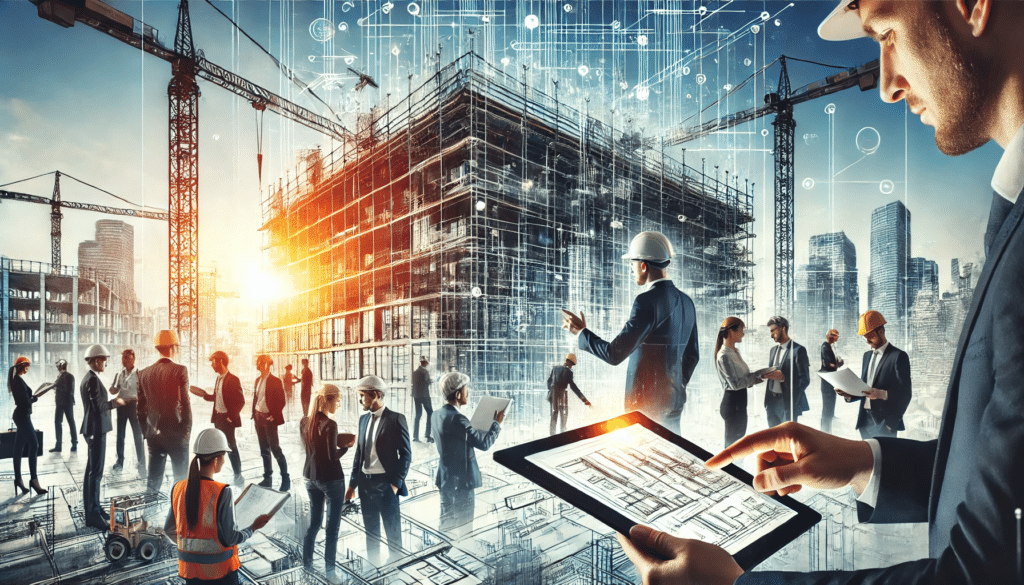
Regarding sustainability, AI facilitates simulations of energy usage and material optimization, as seen in the Bouygues Construction metro project, which achieved savings of 140 tons of steel. Such evidence underscores AI’s tangible contributions.
Key Insight: Interactions with AI specialists highlighted that AI does not supplant human intuition; rather, it enhances it through data processing capabilities beyond human scale.
Key Insights: The Central Role of Human Oversight
The primary lessons from the course are that AI augments human capabilities without replacing them. Traditionally, the industry relied on experience and manual efforts. Today, AI processes vast datasets to support more precise and timely decisions. Nevertheless, its effectiveness depends on human input: quality data, creative direction, and strategic oversight are essential to maximize its potential.
It is insufficient to issue commands and anticipate optimal results; success requires careful curation of processes and alignment with objectives.
Future Expectations: Toward a More Intelligent and Sustainable Industry
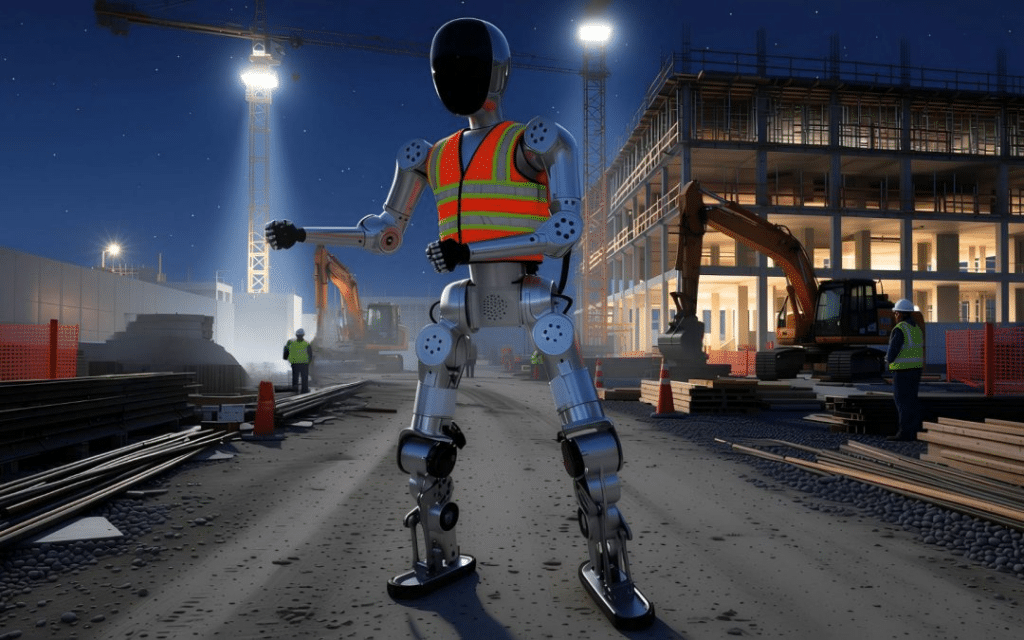
Ultimately, the purpose of AI in AEC is to transition from rapid construction to intelligent, high-quality, and environmentally conscious development. It empowers the creation of a more resilient built world through informed decision-making.
Forward-Looking Perspective: Envision an industry where AI manages routine complexities, liberating professionals to pursue ambitious innovations. This represents the future of AEC that I envision.
