
Design in Seconds: Rethinking Parametric Architecture with Façade/gen
Introduction
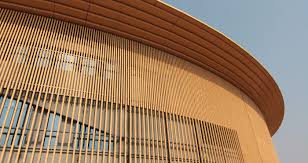
In the fast-paced world of modern architecture, the earliest stages of a project are the most critical. This is where a building’s identity is forged and its environmental footprint is largely determined. However, for years, high-level parametric design has been gated behind significant barriers: expensive software licenses, high-performance hardware, and years of specialized coding knowledge.
Enter Façade/gen, a web-based parametric design tool developed by Sushmitha Ravi as part of the Master in Advanced Computation for Architecture & Design (2025/2026). This isn’t just another niche app; it represents a fundamental shift toward the democratization of computational power. By moving parametric logic from the local desktop to the cloud, Façade/gen invites a wider audience to participate in the future of sustainable design.
Breaking Down the Barriers
The core philosophy of Façade/gen is radical accessibility. Traditionally, if a designer wanted to test how a specific louver angle affects solar heat gain, they would spend hours setting up complex scripts. Façade/gen flips this script. Designed for students, educators, and early-stage designers, the platform operates entirely within a standard web browser.
This means the computational “heavy lifting” is no longer tethered to a high-end workstation. Whether on a tablet in the field or a laptop in a café, the ability to prototype a building’s “skin” is now universal. By removing software friction, the focus shifts back to where it belongs: creative exploration and environmental performance.
From Geometry to Performance
Façade/gen offers an intuitive interface that hides a sophisticated backend. Users can choose from five distinct façade typologies, including:
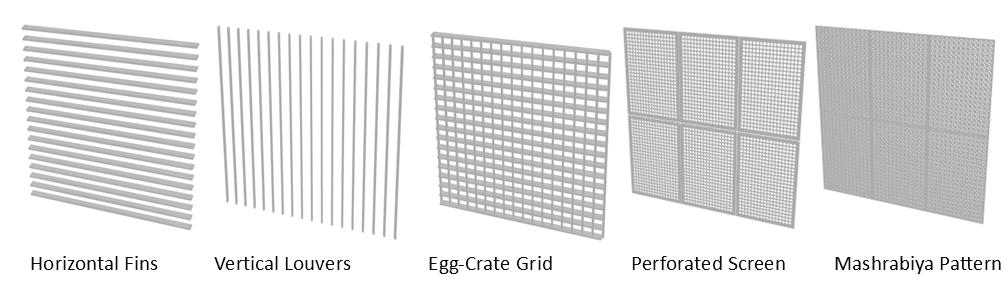
The power lies in the simplicity of the six key parameters: Width, Height, Spacing, Thickness, Depth, and Rotation. As sliders move, the geometry updates in real-time. But the true innovation is the integration of live climate data. By pulling weather files from cities worldwide—the tool transforms a geometric exercise into a performance simulation. It calculates solar radiation and daylight factors, synthesizing these into a “Climate Fit” score. This ensures the design isn’t just striking, but rooted in the physical reality of its location.
The Computing Process
Step 1: Parametric Control
Users begin by selecting from five façade typology options—including Vertical & Horizontal Louvers, Egg-Crate Grids, Perforated Screens, and Mashrabiya Patterns. These are controlled by six key parameters: width, height, louver spacing, thickness, depth, and rotation angle. As you adjust the sliders, the geometry updates instantly in real time, providing immediate visual feedback.
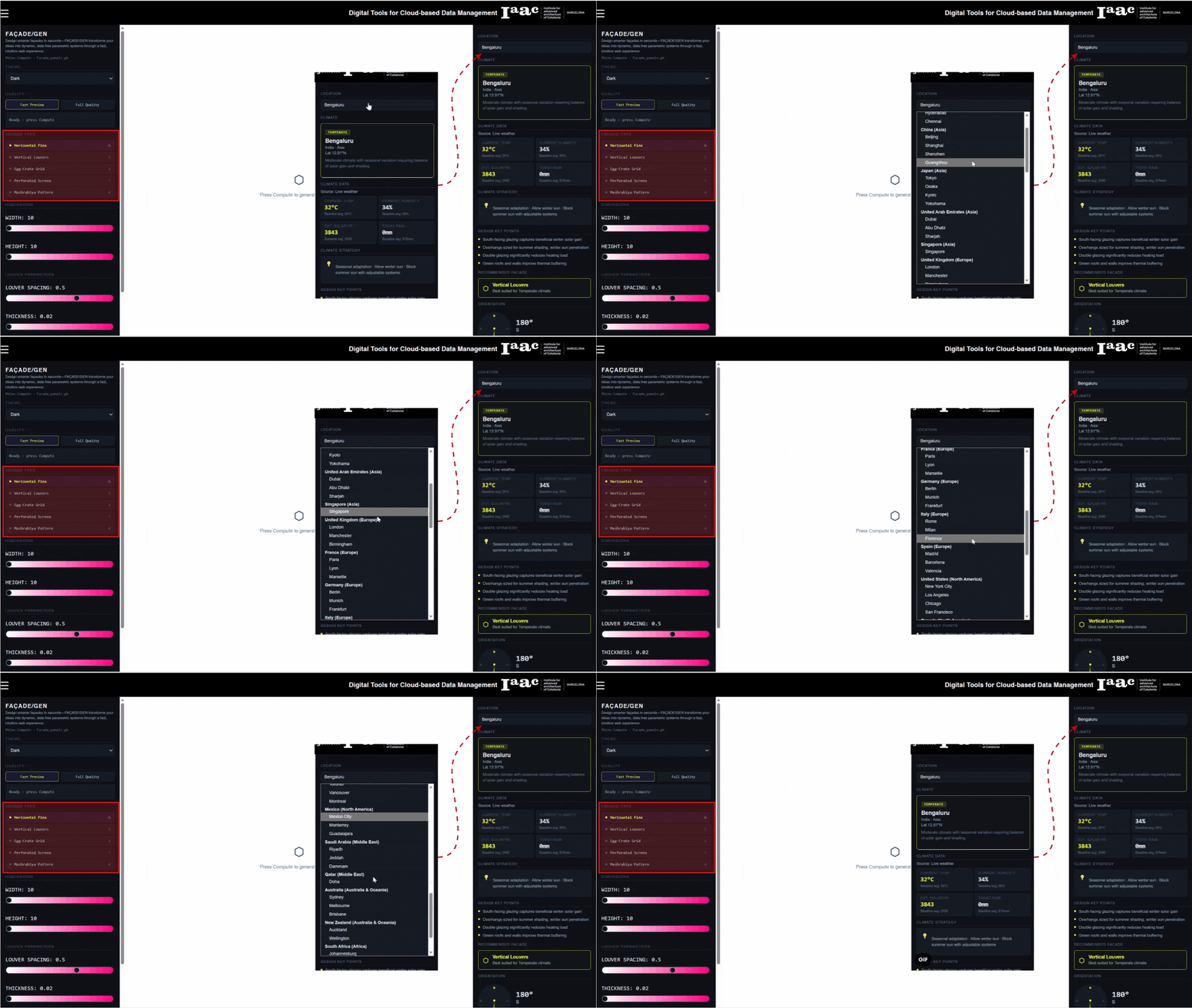
Step 2: Climate Integration
The system then integrates climate data from different cities and countries. By combining baseline climate information with live local weather data, the tool informs critical design decisions. Based on factors such as temperature, humidity, and solar exposure, the system recommends specific environmental strategies like full shading, cross ventilation, permeable screens, or Double glazing, etc.
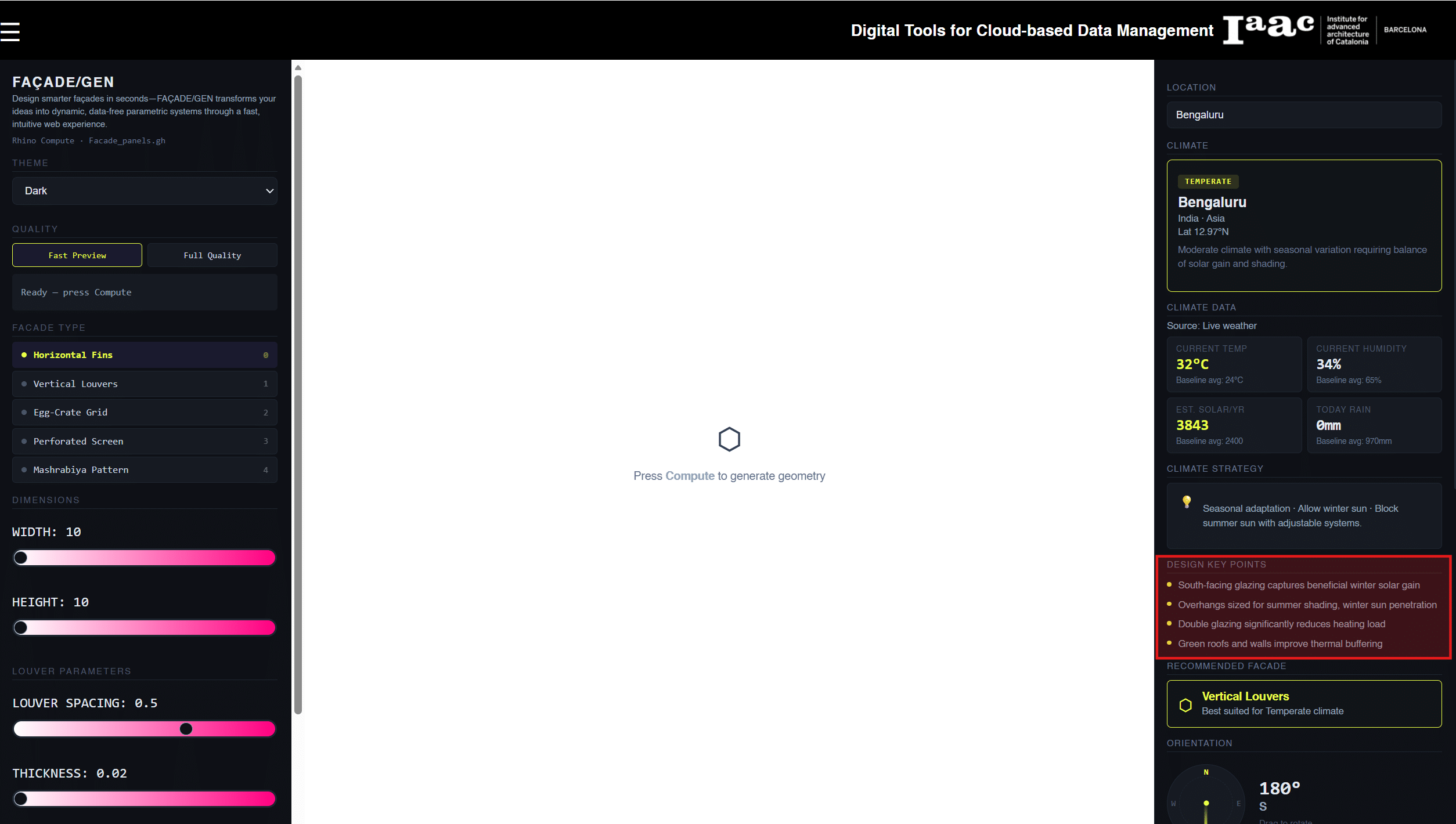
Step 3: Evaluation & Intelligence
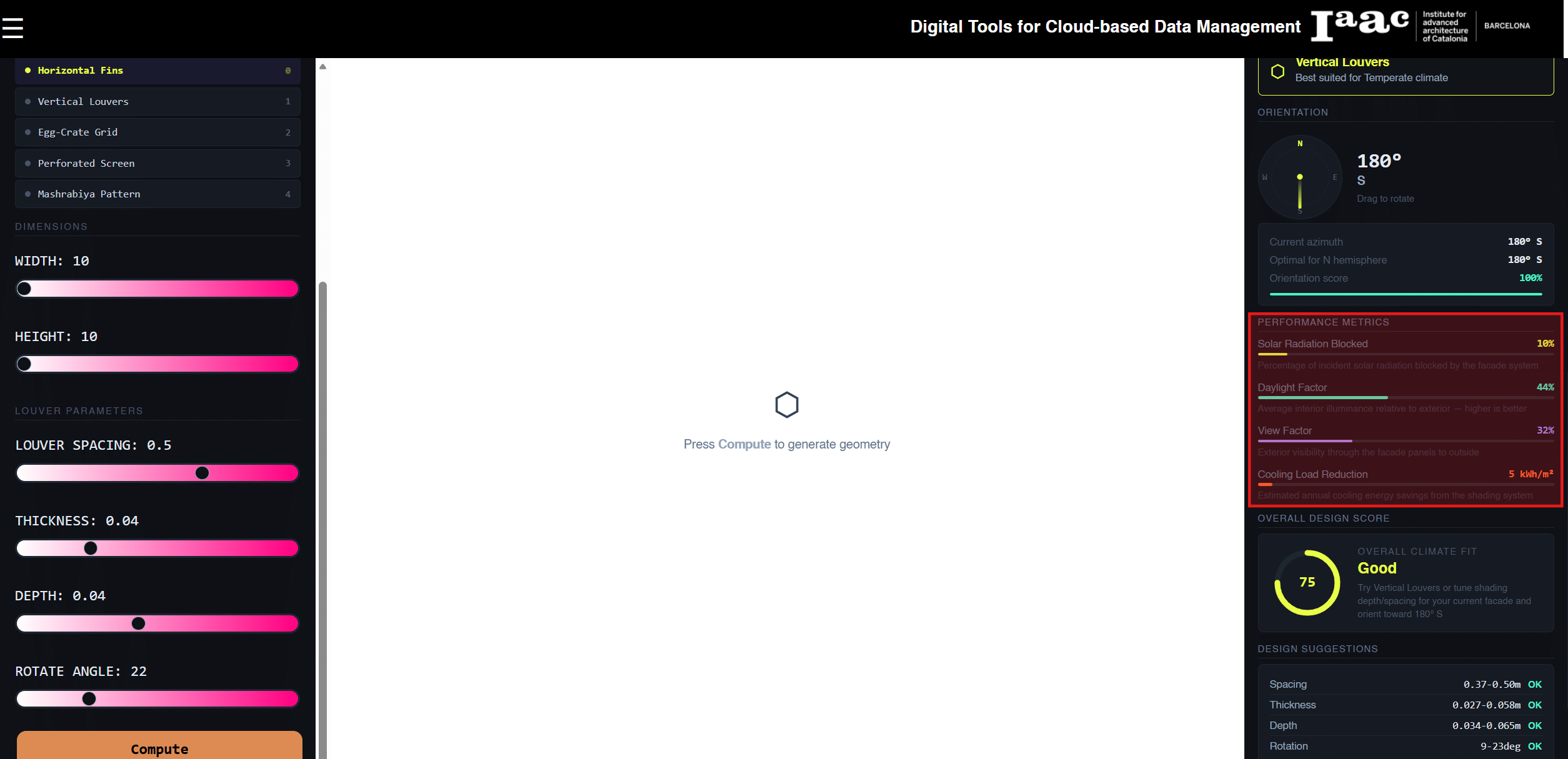
Once a location is set, the system identifies the most suitable façade type for that specific context. It evaluates performance using rigorous metrics:
- Solar Radiation Blockage
- Daylight Factors
- Cooling Load Reduction
Step 4: Optimization & Final Preview
In the final stage, Façade/gen provides an “Overall Design Score” alongside the exact values set for the current façade. If the performance isn’t peak, the Design Suggestion engine provides optimized parameter ranges to improve climate responsiveness. Within 20-35 seconds, the “Compute” function generates a high-fidelity 3D preview of the final, data-backed design.
Conclusion: A New Era of Responsibility
Façade/gen proves that parametric design doesn’t have to be a “dark art” reserved for specialists. It is a bridge between the digital and the environmental, turning complex data into actionable design decisions. As we move toward a climate-conscious future, tools like this are essential for building smarter, faster, and more responsibly.
