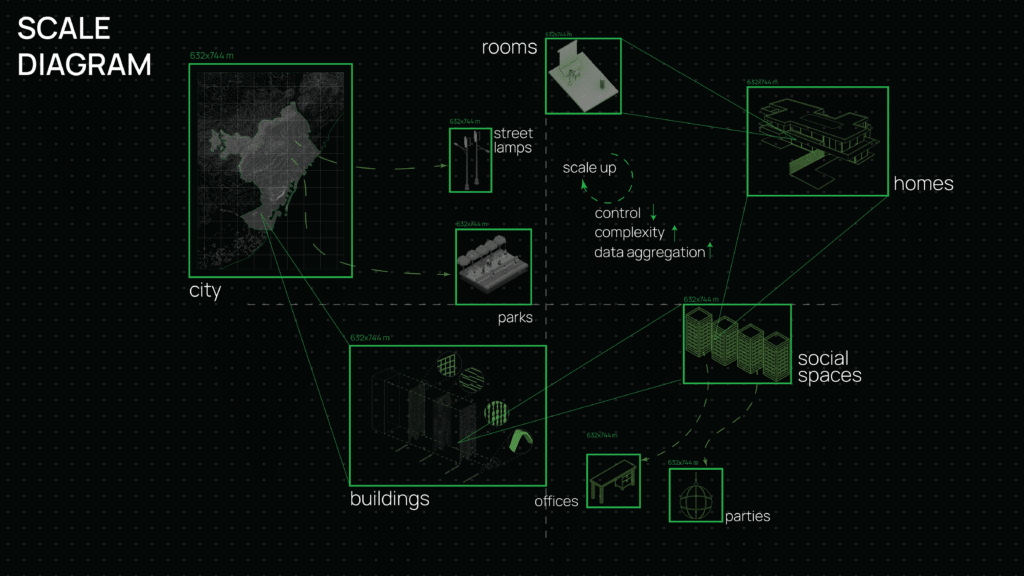
This thesis explores how biosignals can transform artificial light into an adaptive architectural interface. While light strongly affects human emotions, cognition, and well-being, most lighting systems still rely on manual control and cannot respond to users in real time. The research investigates how EEG, ECG, and GSR data can be used to create dynamic lighting environments that react to physiological and emotional states. Through a series of prototypes and controlled experiments, the study evaluates the relationship between biosignals and light behavior. The results suggest that responsive illumination can support more personalized, interactive, and human-centered spatial experiences.
Why Light Matters
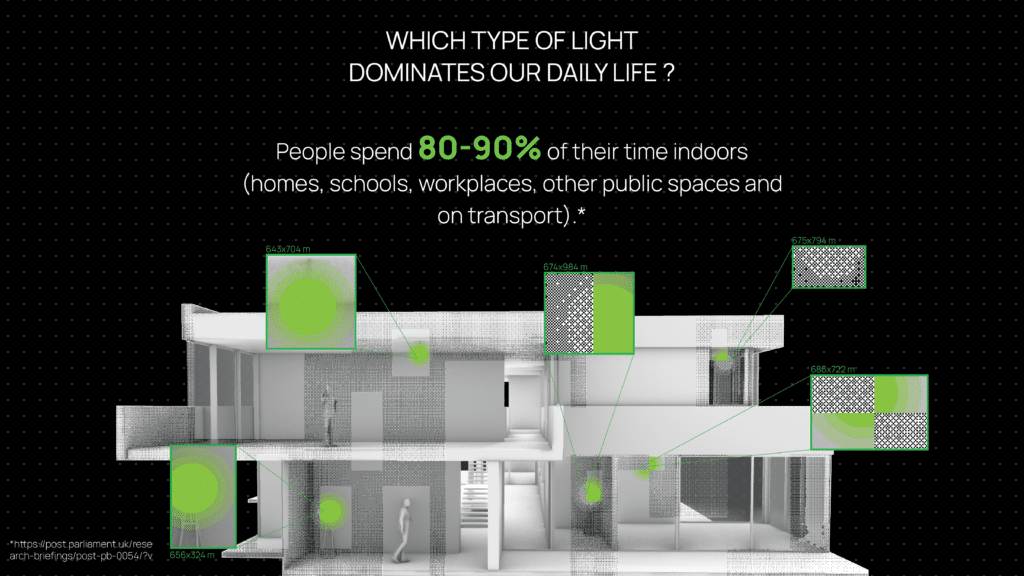
Light is more than a tool for visibility. It influences emotions, attention, comfort, and biological rhythms. Since people spend most of their time indoors, artificial light plays a major role in shaping everyday experiences.
The Problem
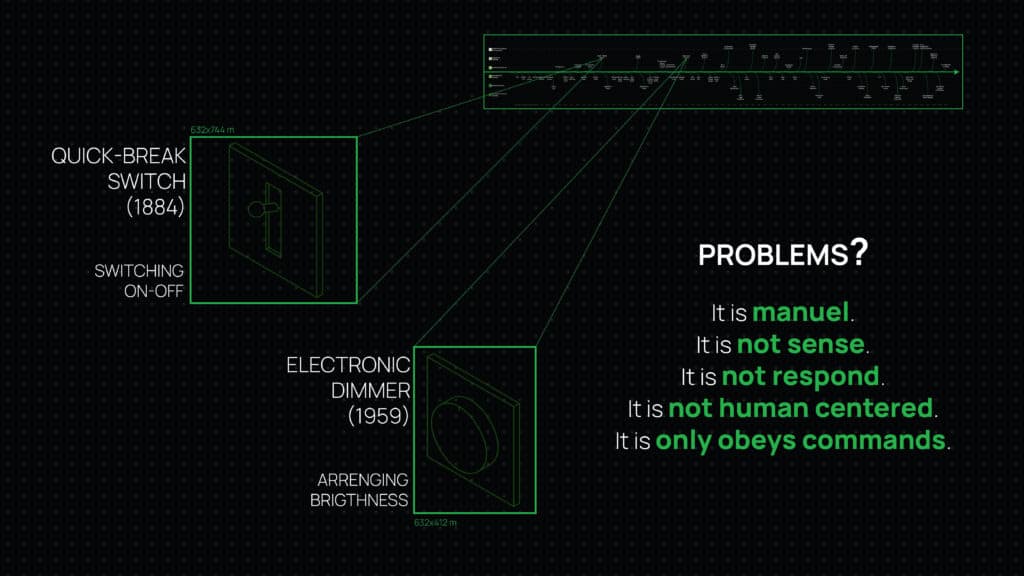
Most lighting systems are still controlled through switches, dimmers, or fixed settings. They can follow commands, but they cannot understand or respond to the changing needs of users in real time.
From Biosignals to Light
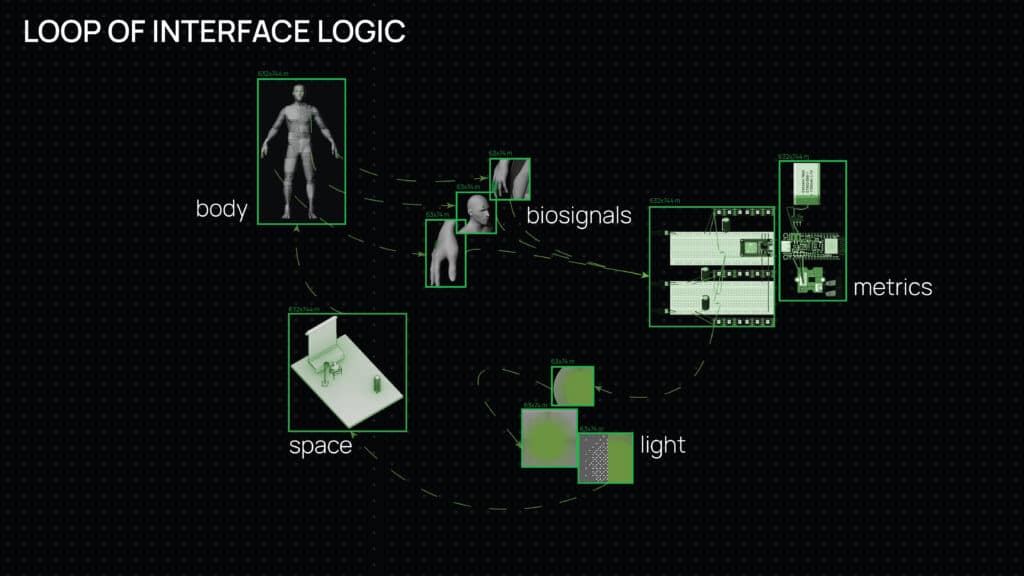
This research explores how EEG, ECG, and GSR sensors can translate physiological and emotional states into adaptive lighting behaviors. The goal is to create a direct connection between the human body and illumination.
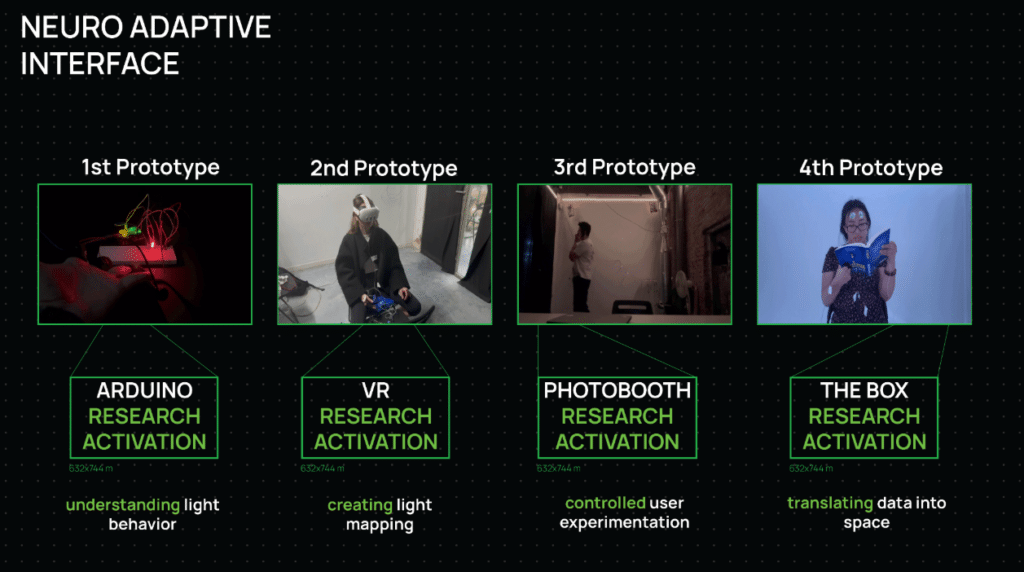
Experimentation
Through a series of prototypes and user experiments, biosignal data was collected and linked to changes in light color and brightness. The tests investigated how different lighting conditions affect cognitive and emotional responses.
Conclusion
The project proposes a future where light becomes an interactive architectural interface. Instead of being static, illumination can adapt to human needs and create more personalized and responsive environments.