Adaptive Framework for Hybrid Slicing Strategies in Large-Scale Robotic Fabrication of AI-Derived Architectural Systems

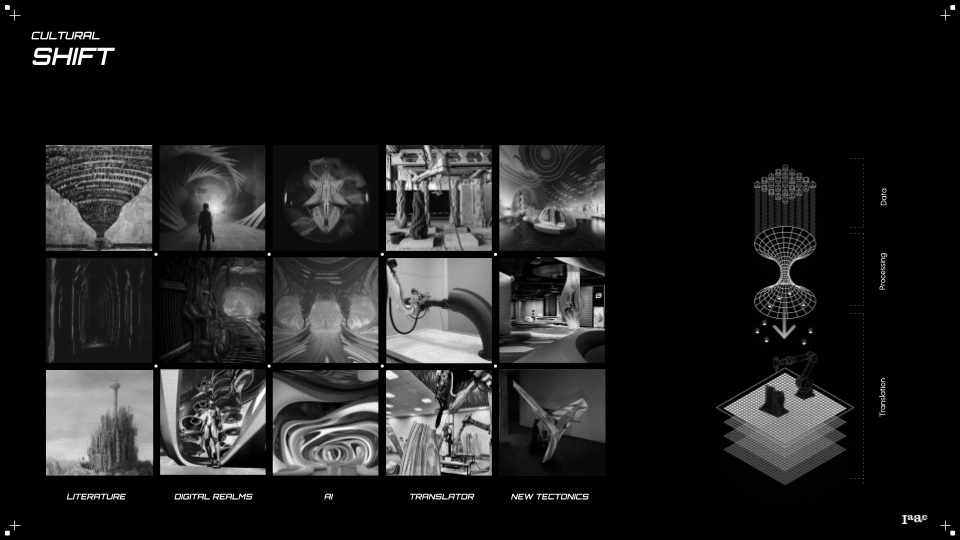
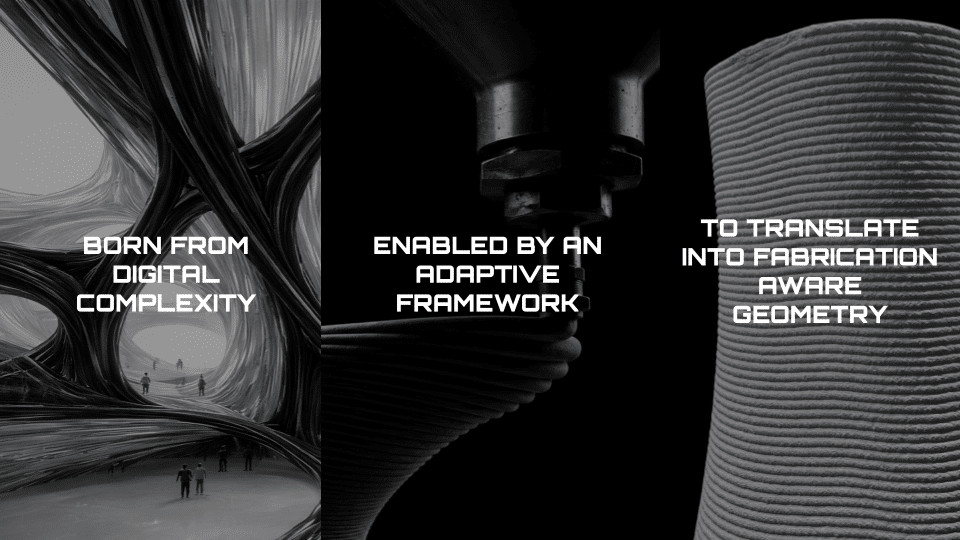
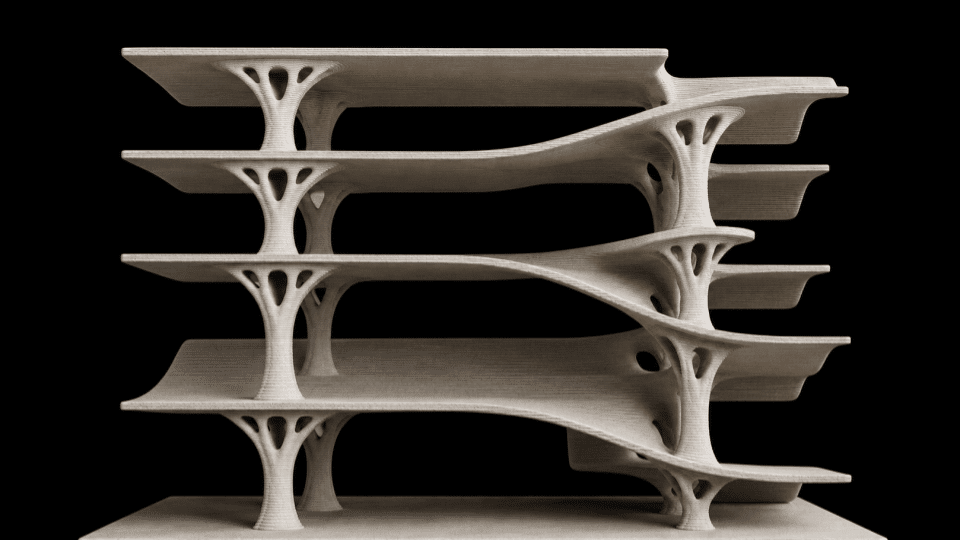
Throughout history, imagined worlds have existed through literature, cinema, and digital environments, continuously expanding architecture beyond the built. Today, AI allows these speculative realities to be generated with unprecedented complexity, while robotic fabrication enables their materialization.
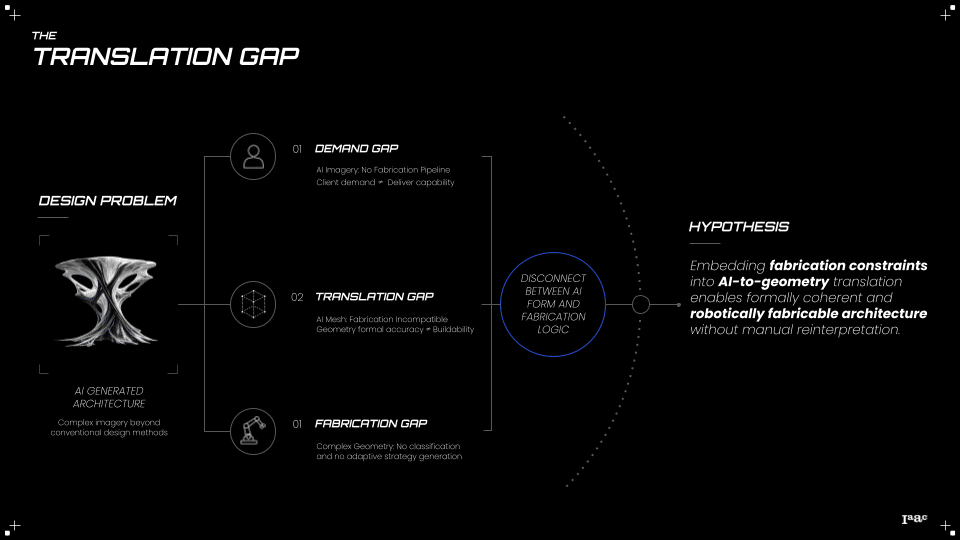
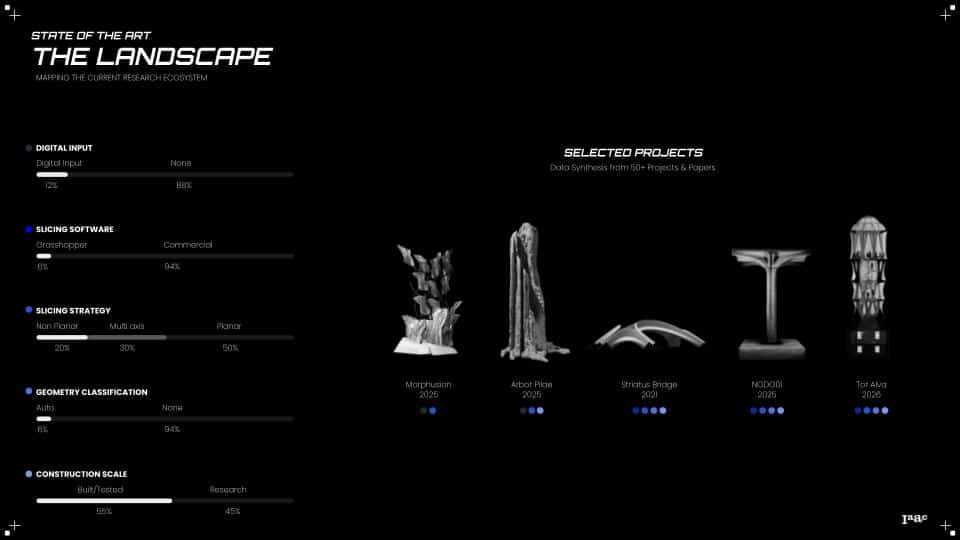
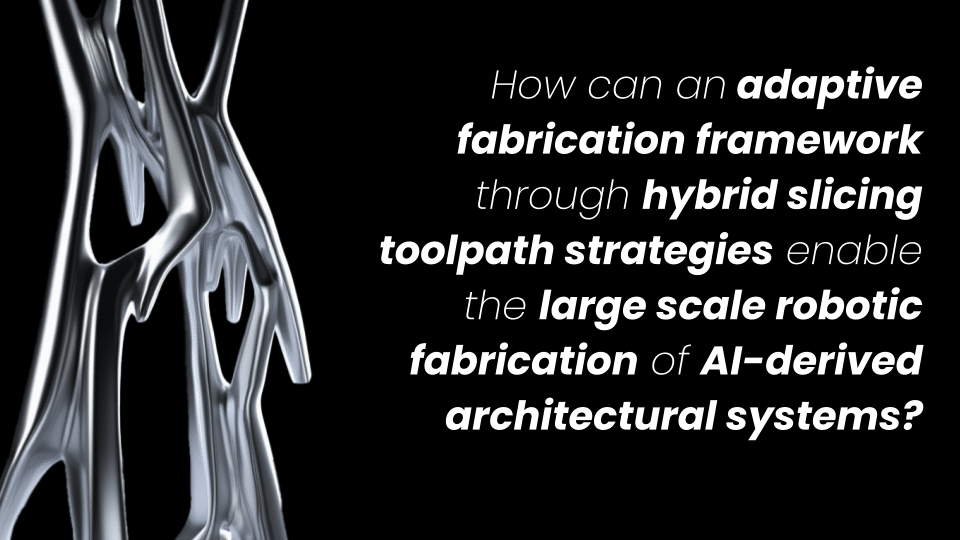
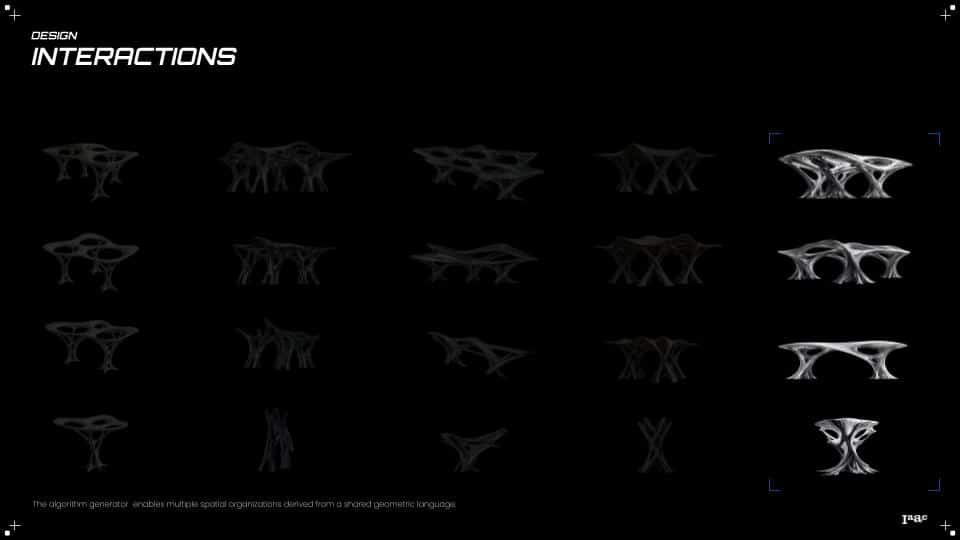
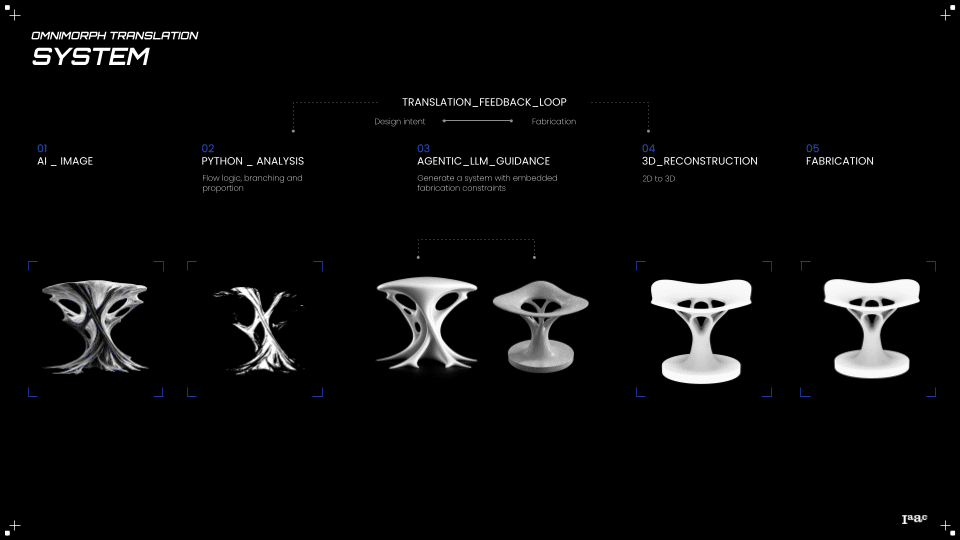
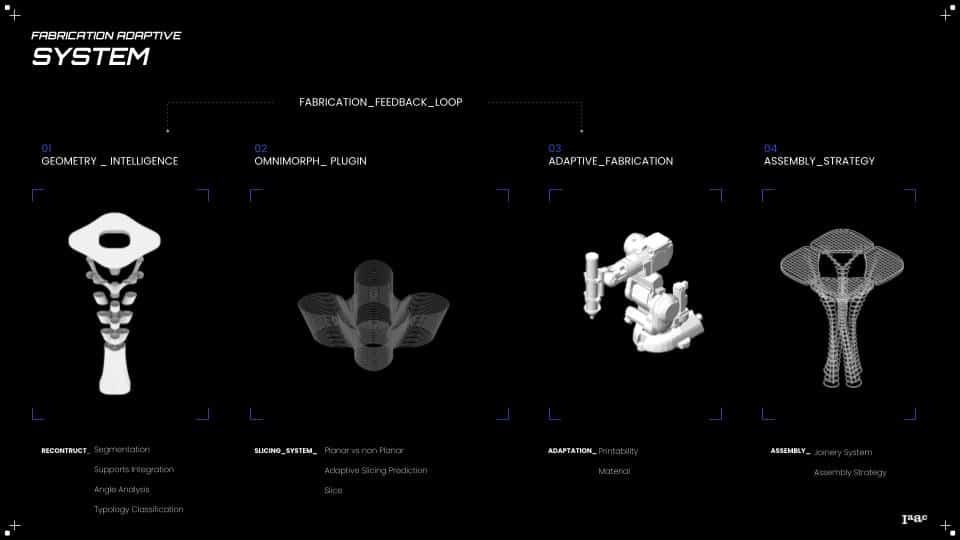
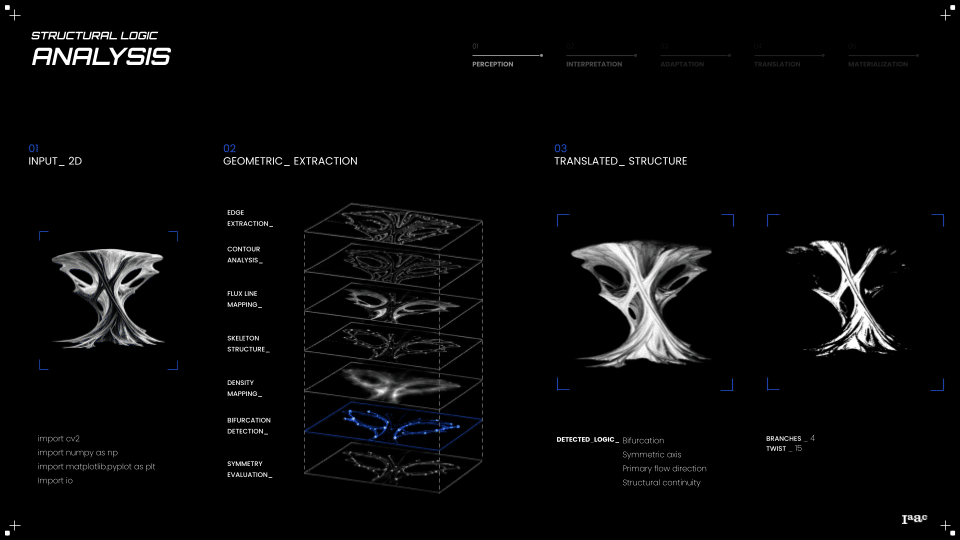
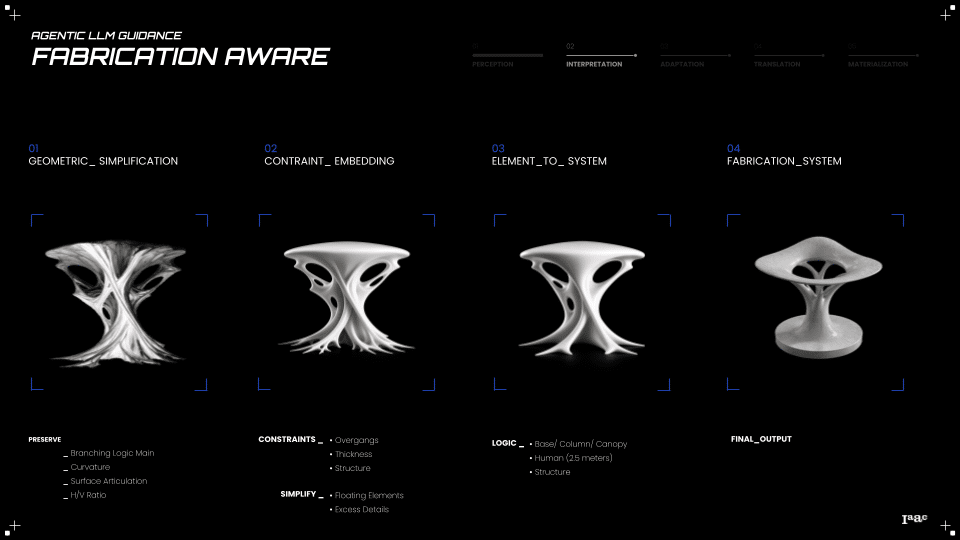
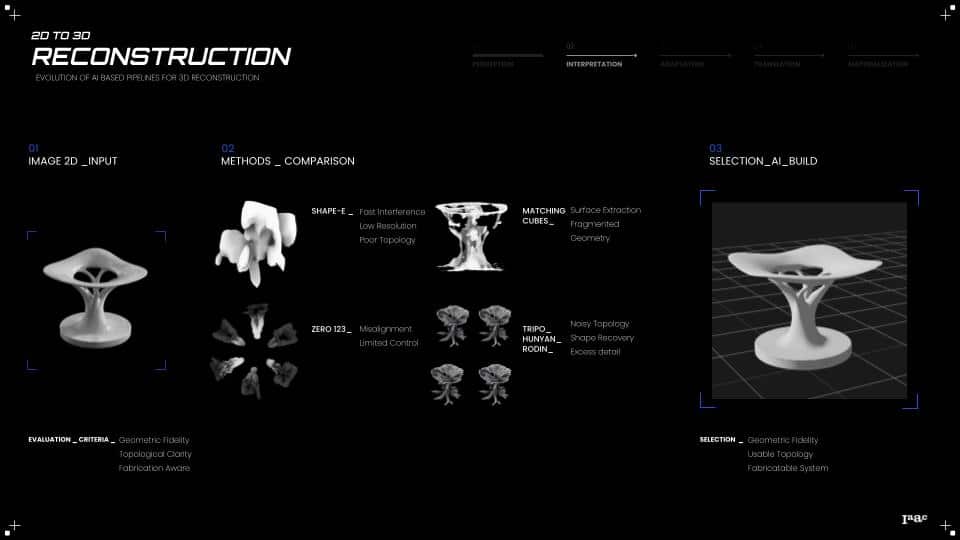
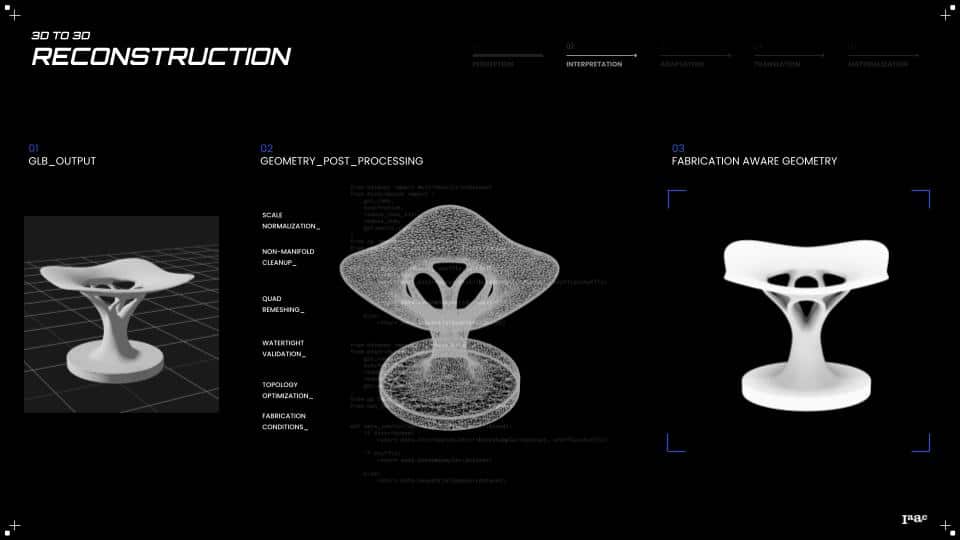
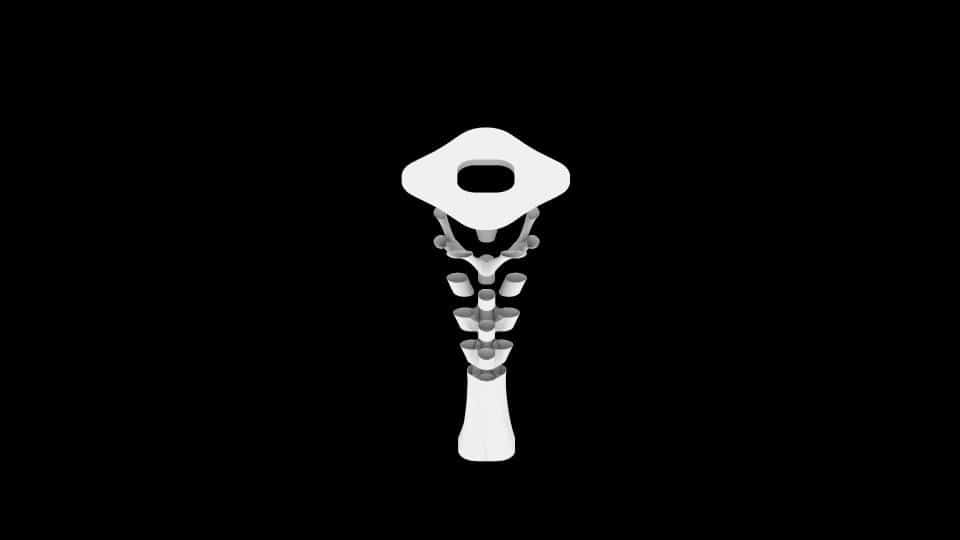
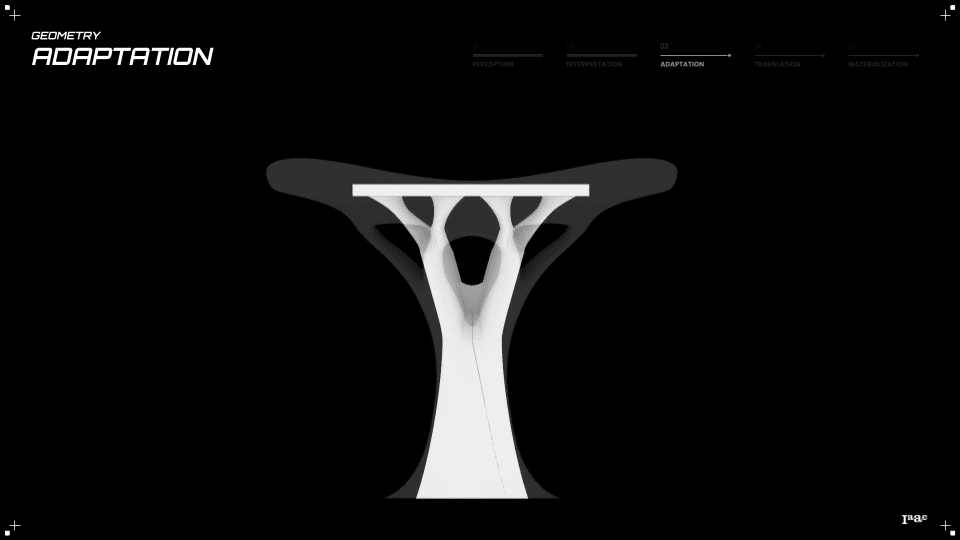
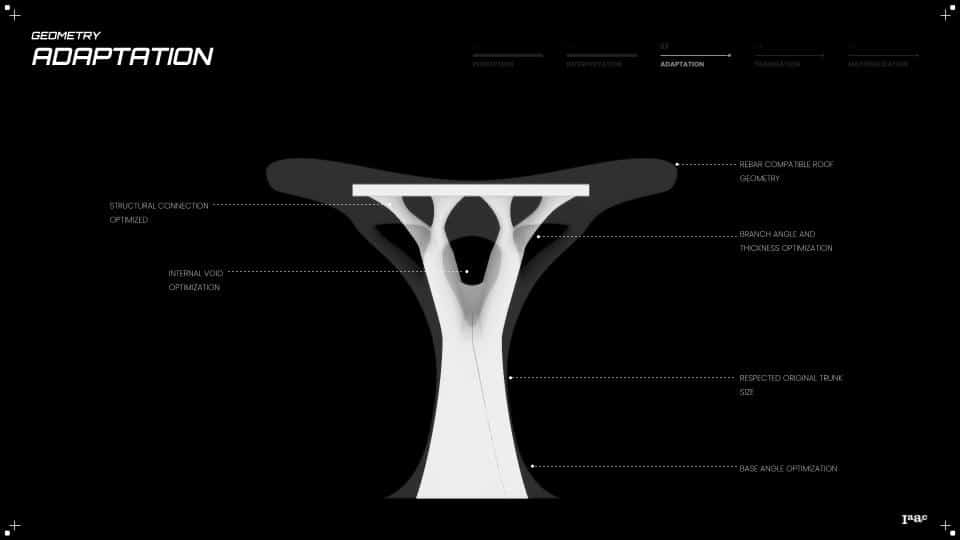
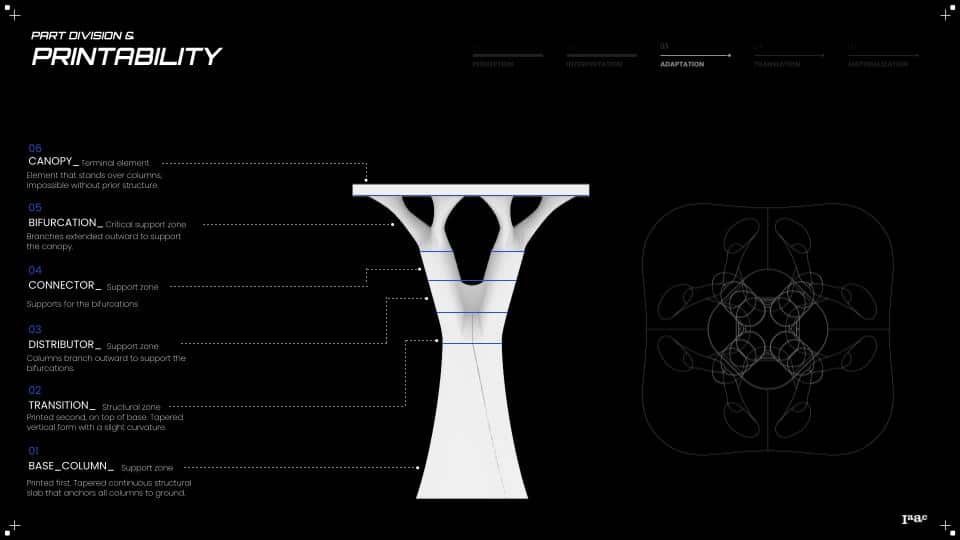
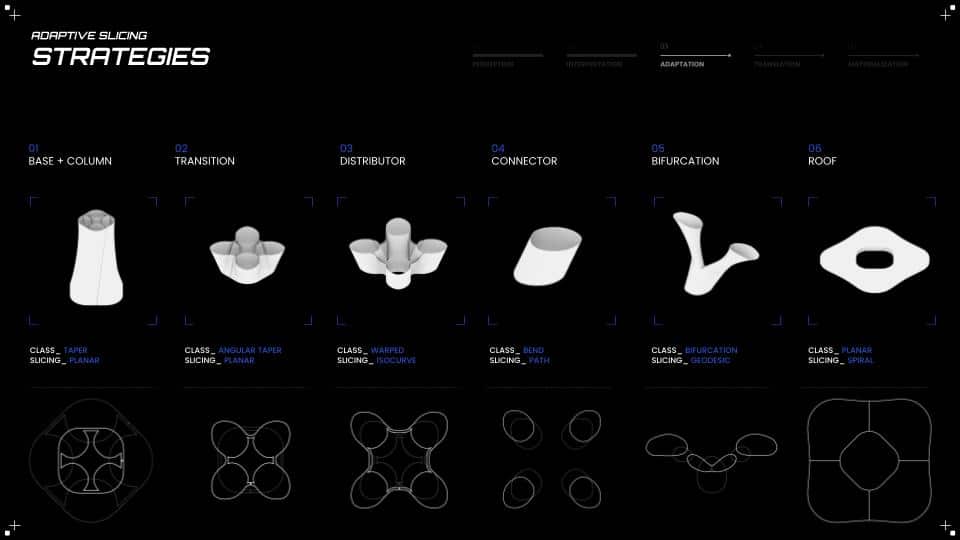
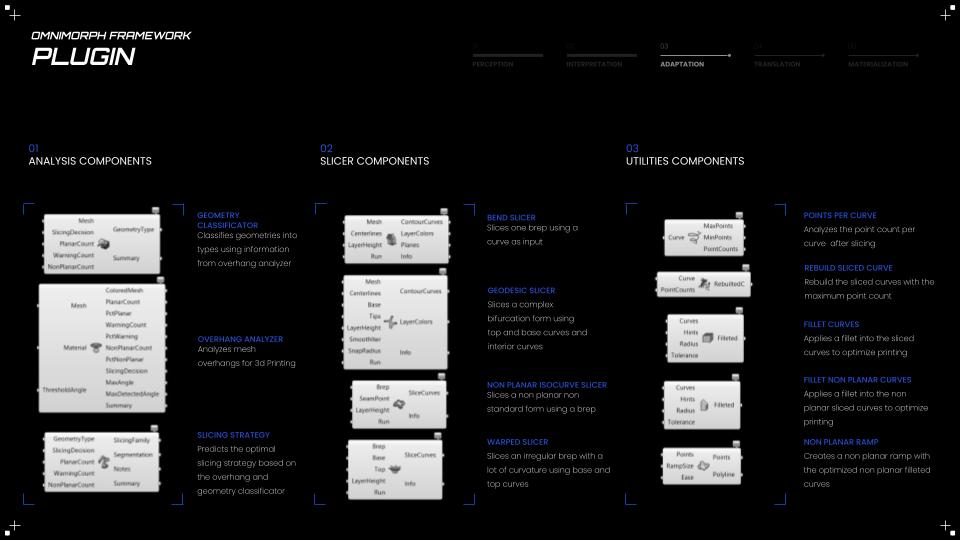
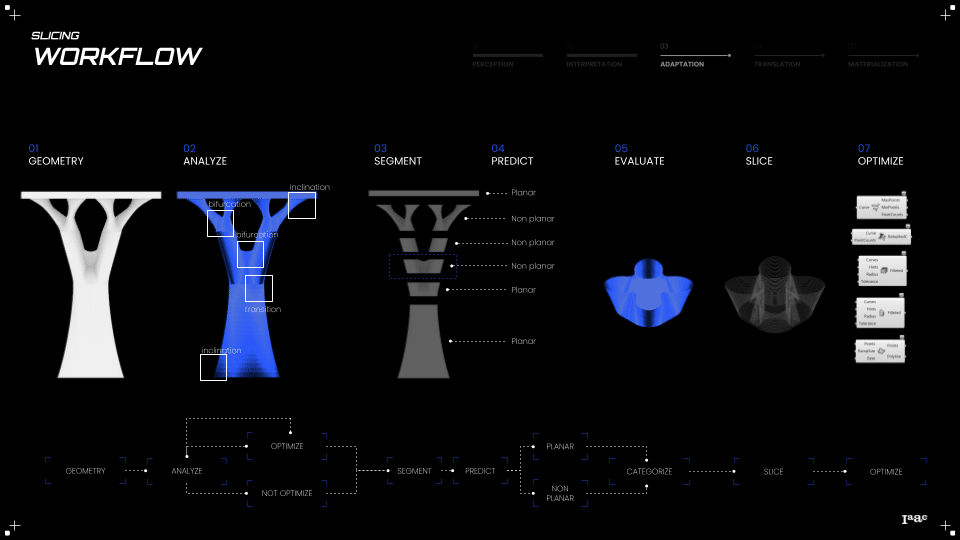
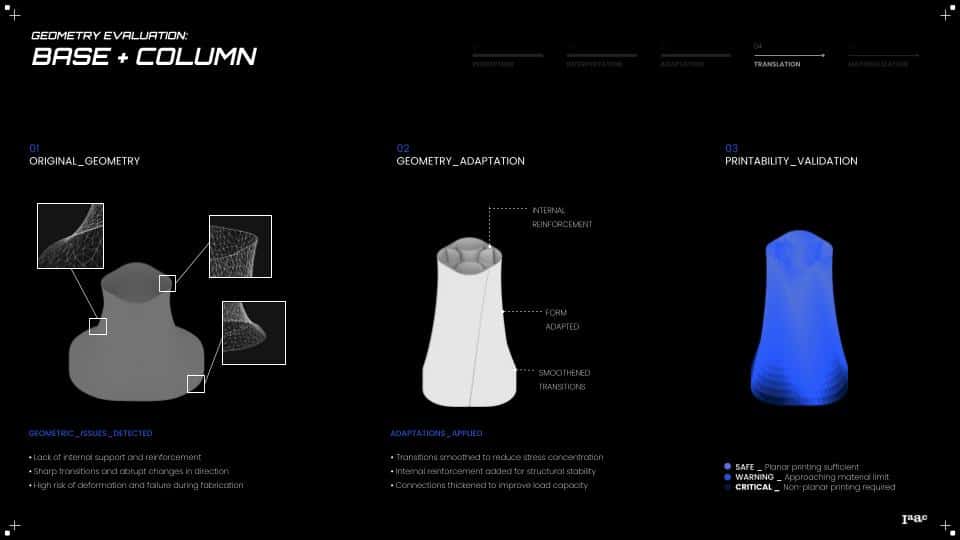
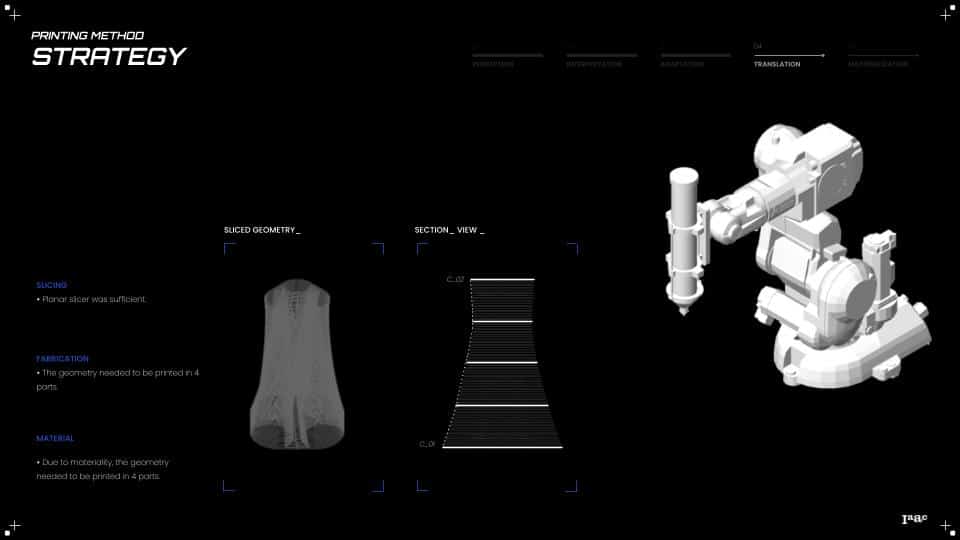
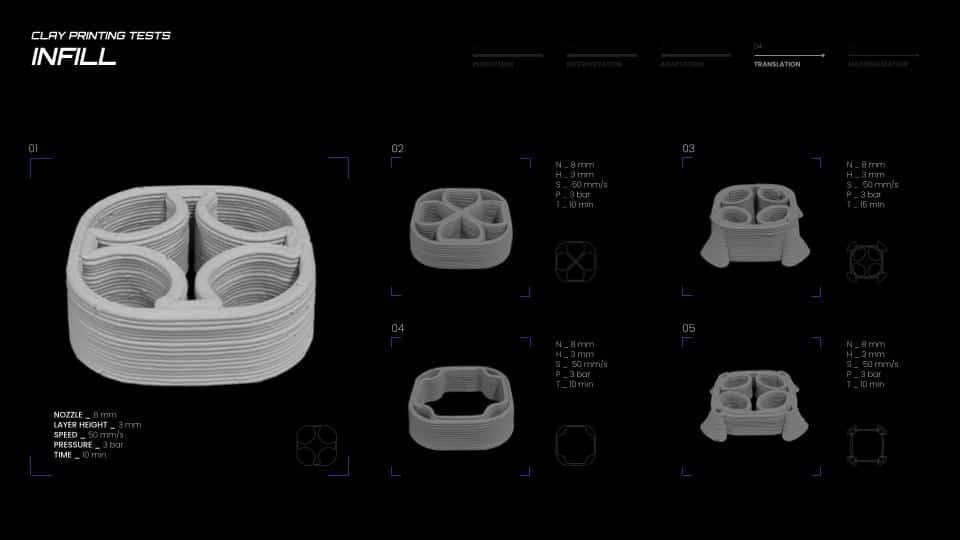
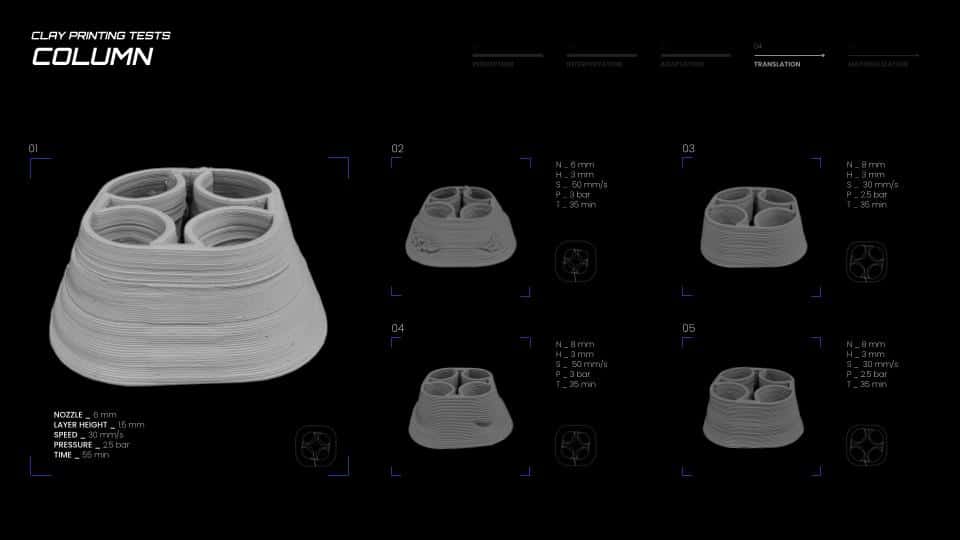
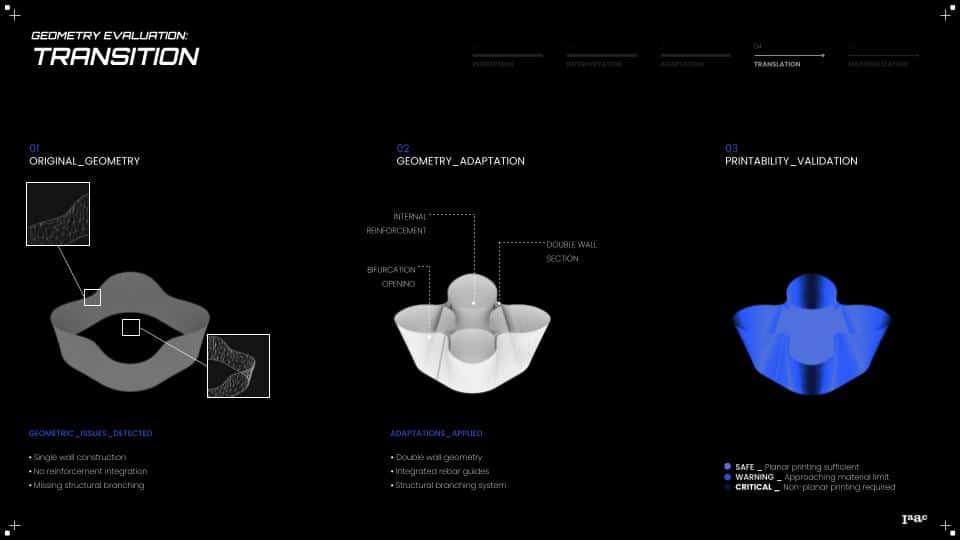
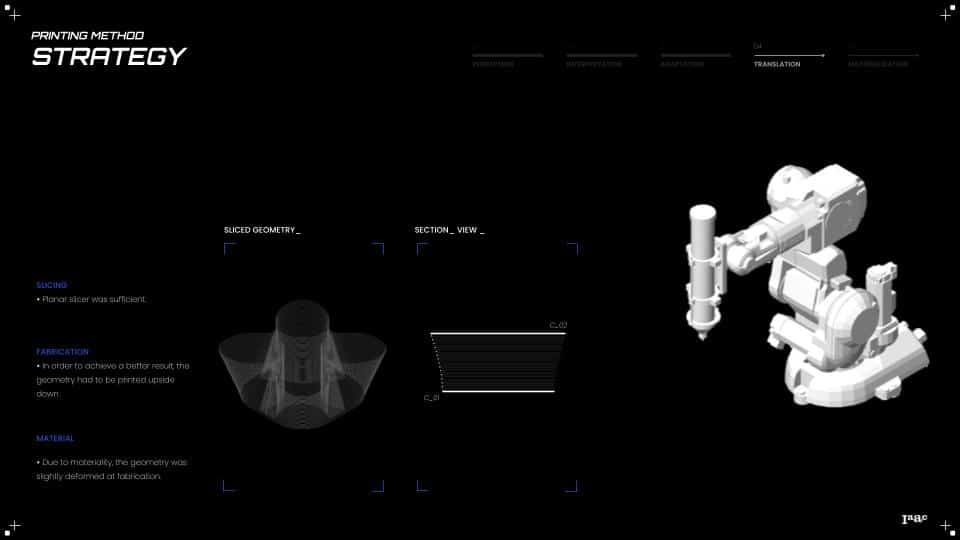
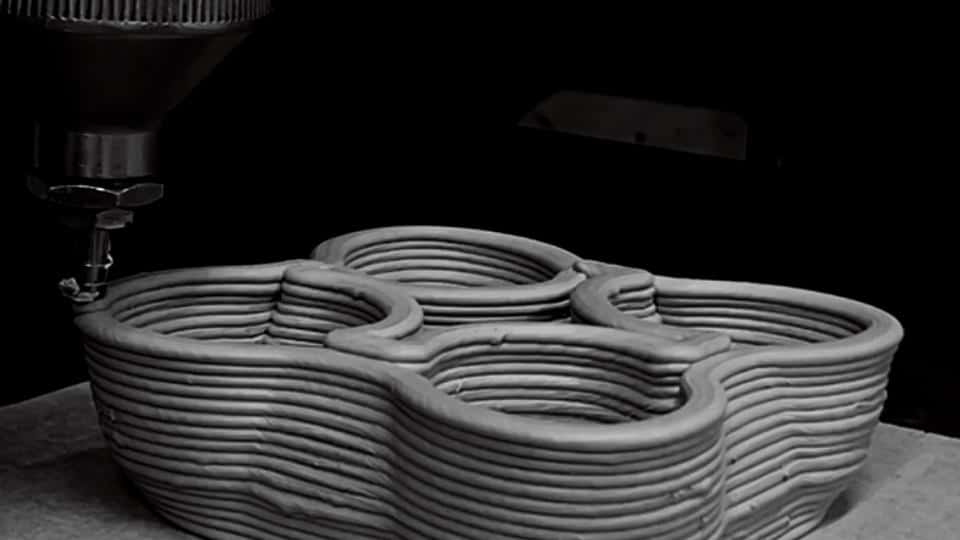
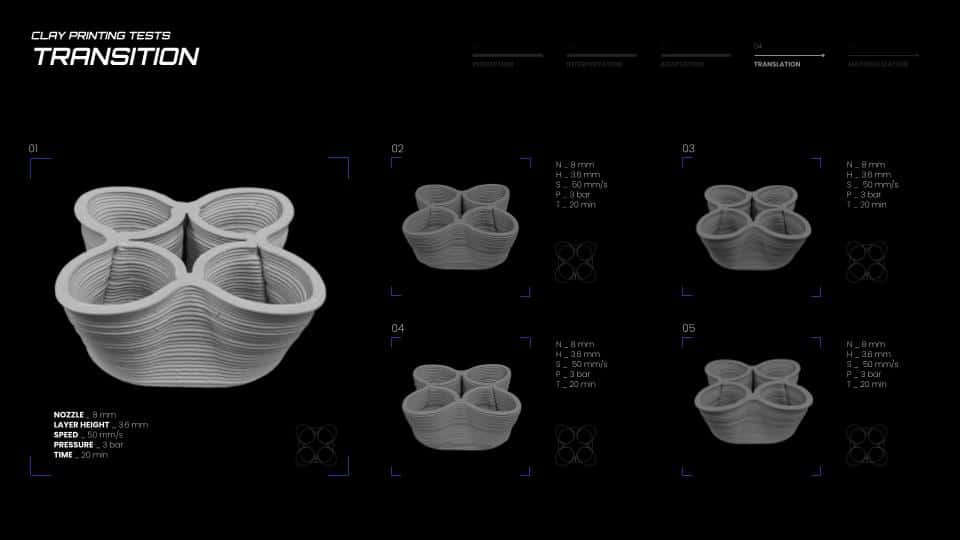
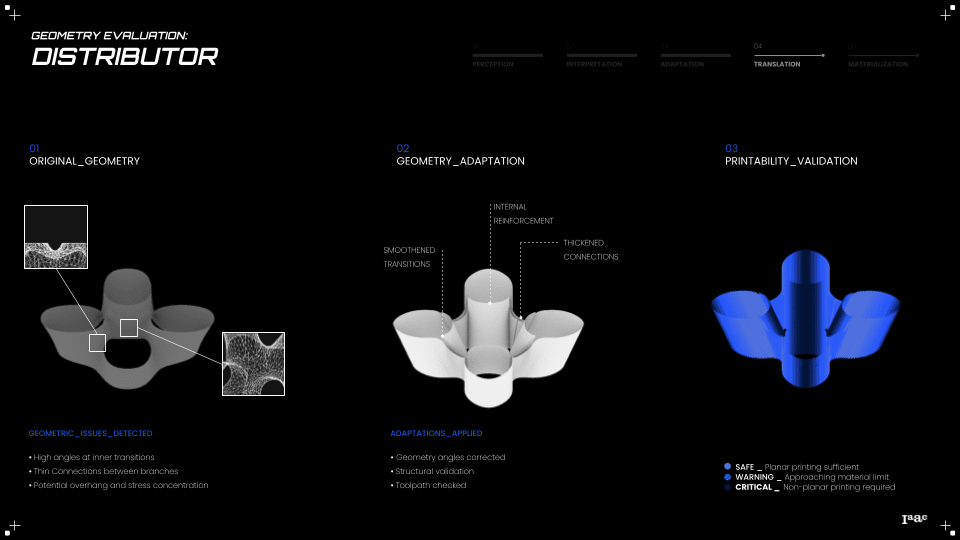
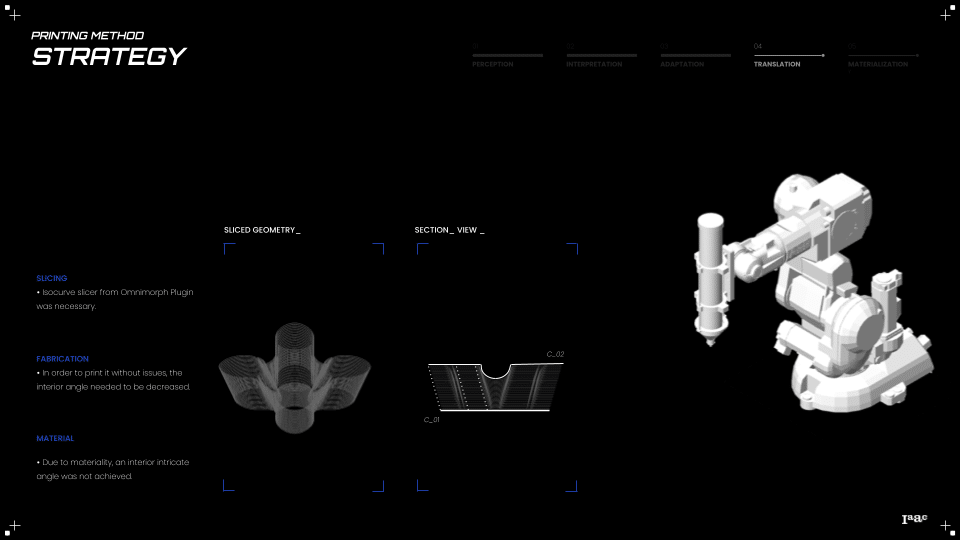
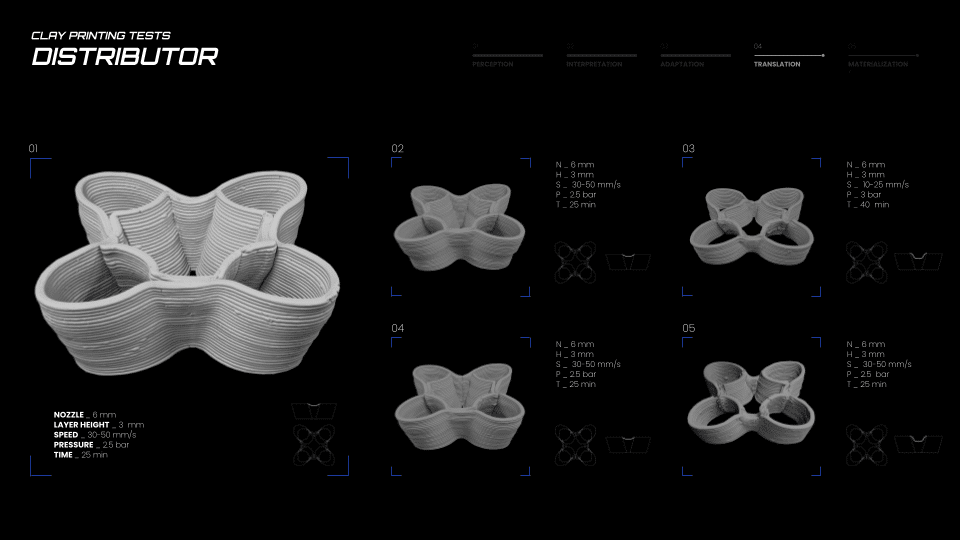
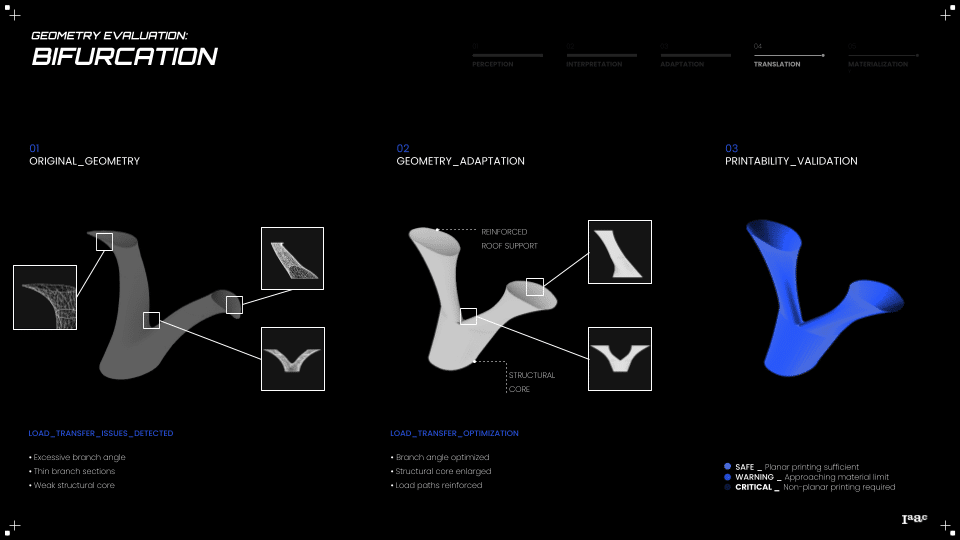
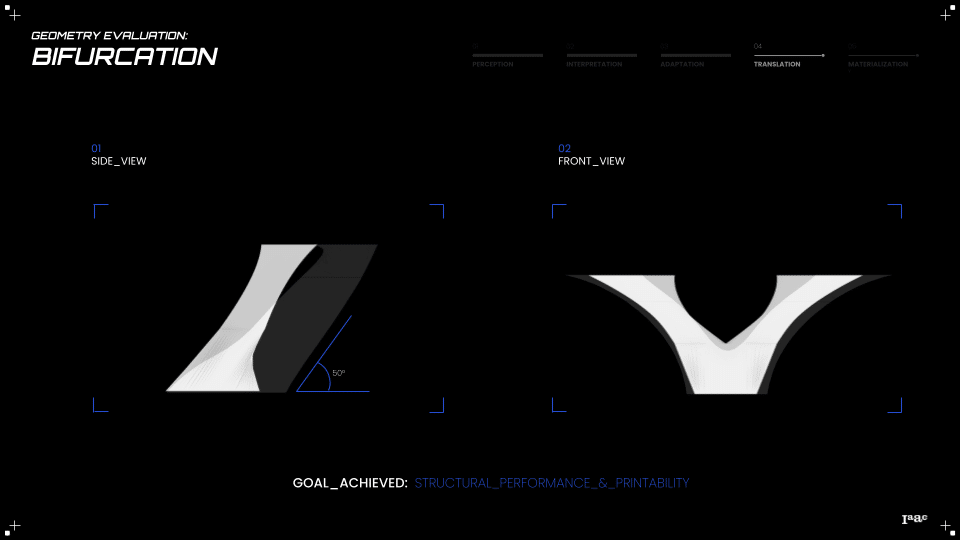
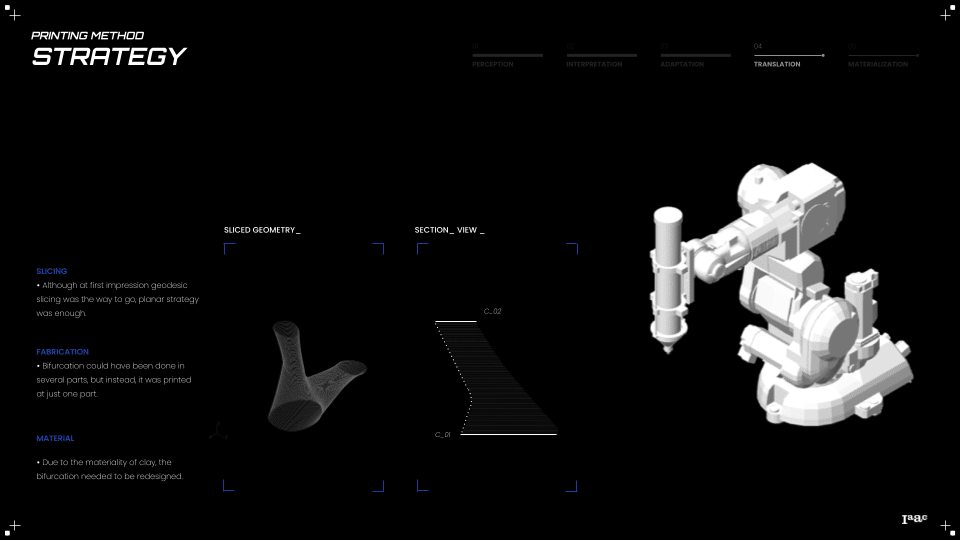
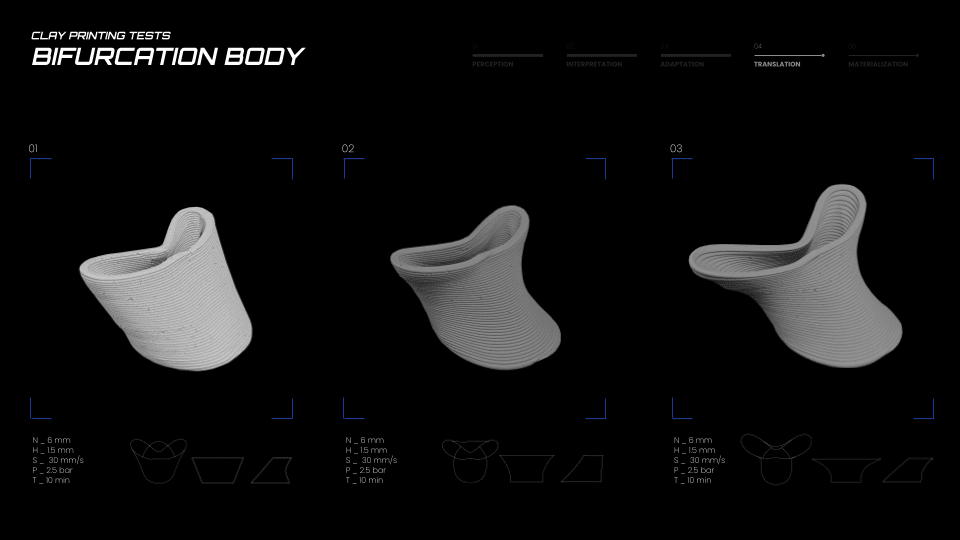
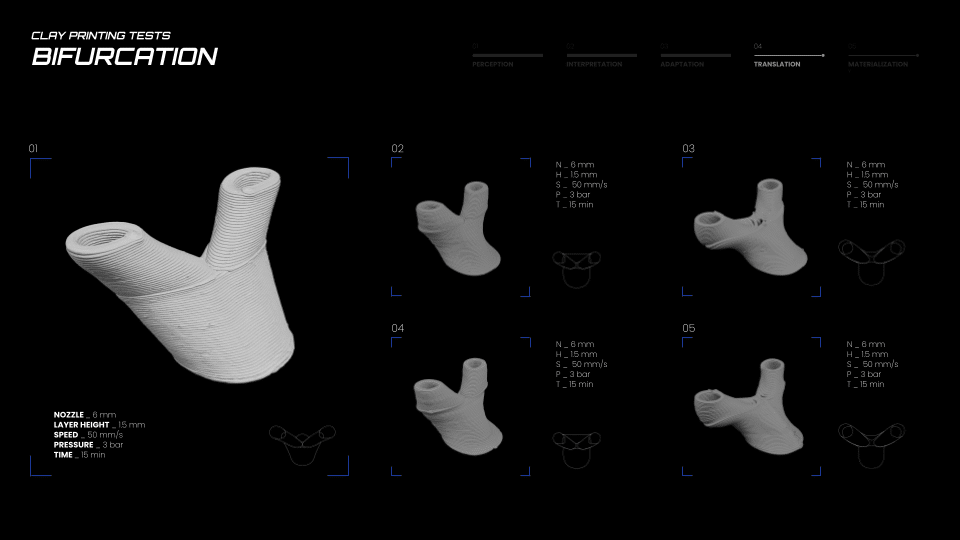
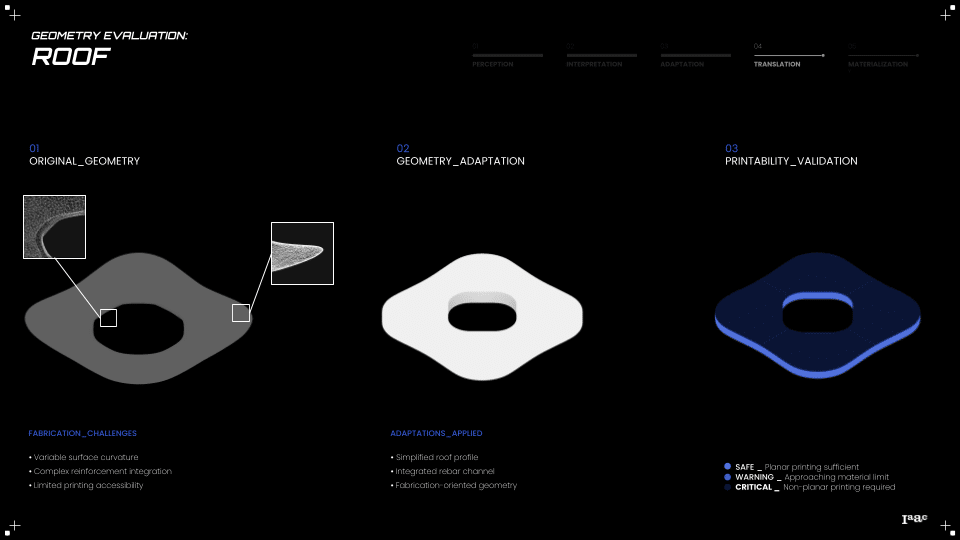
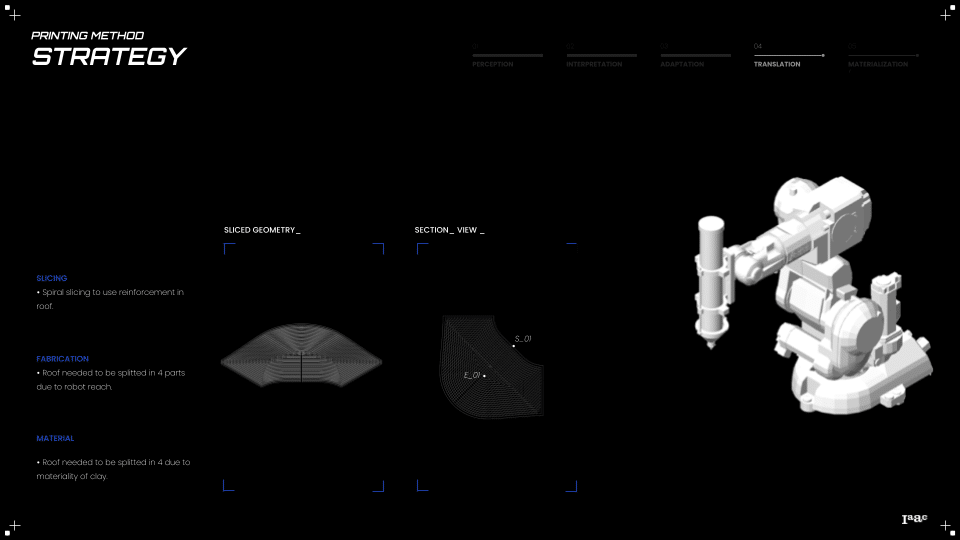
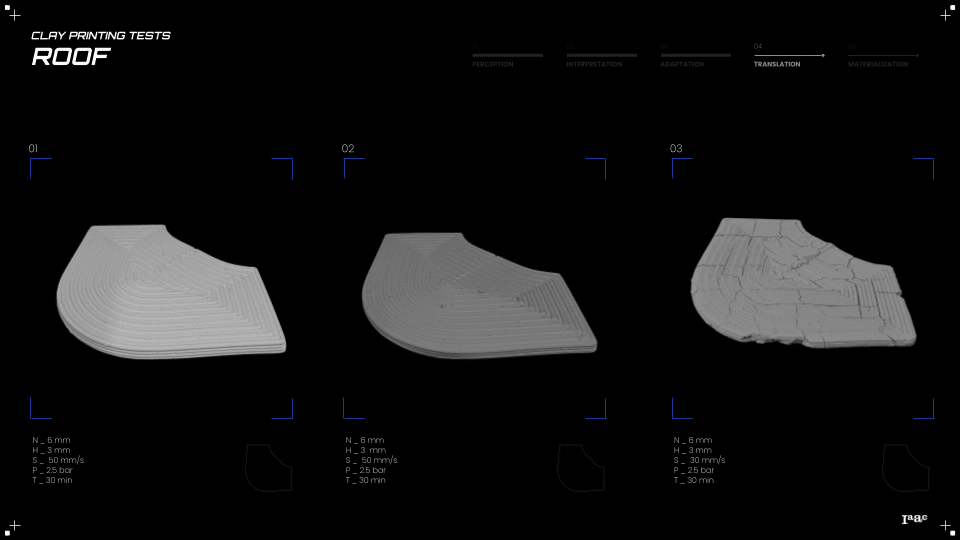
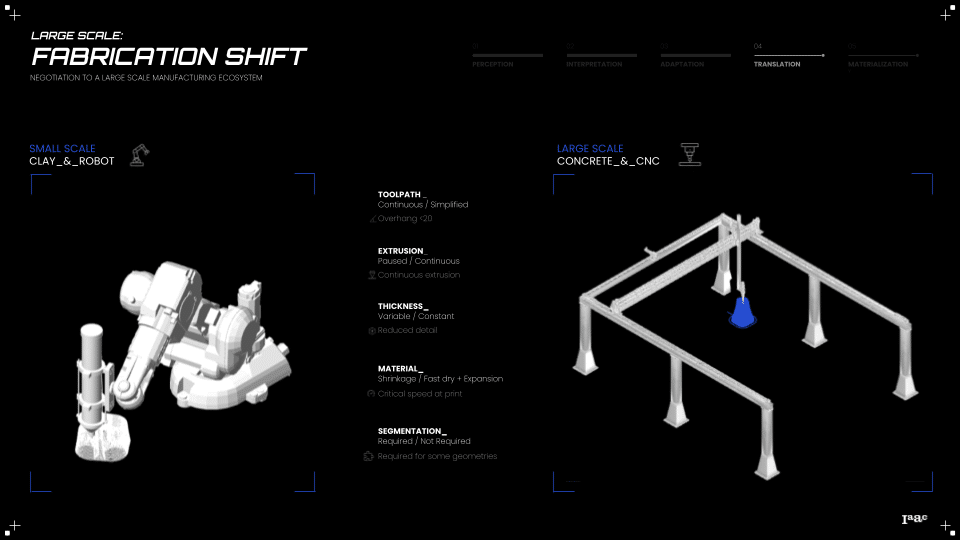
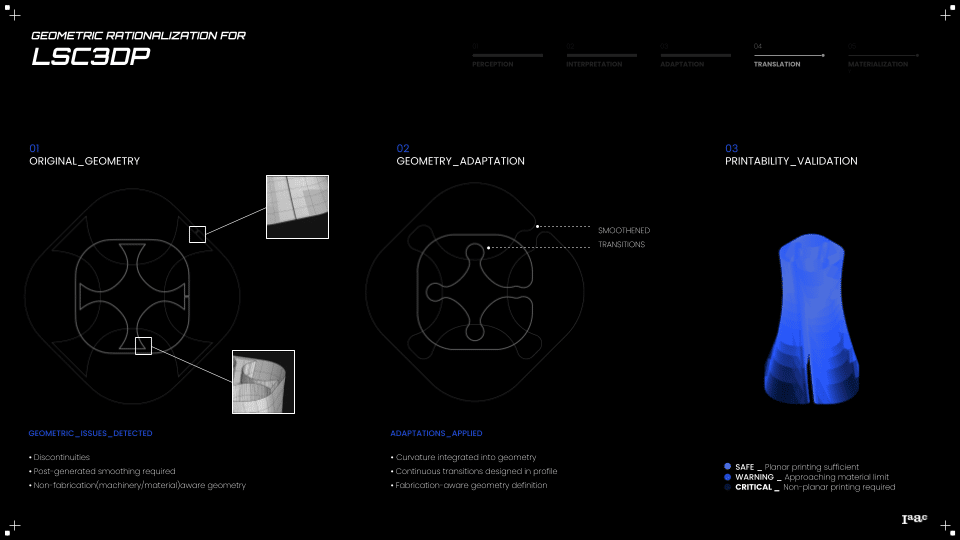
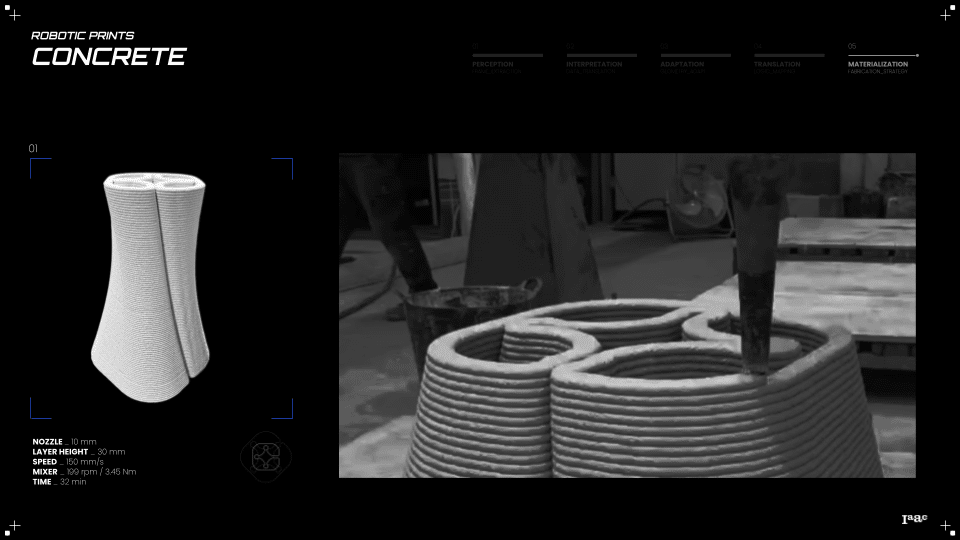
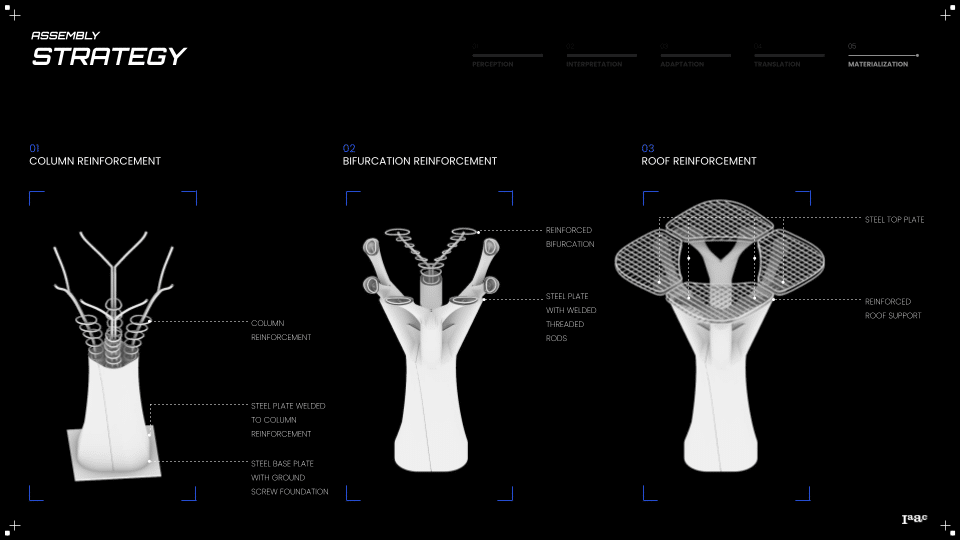
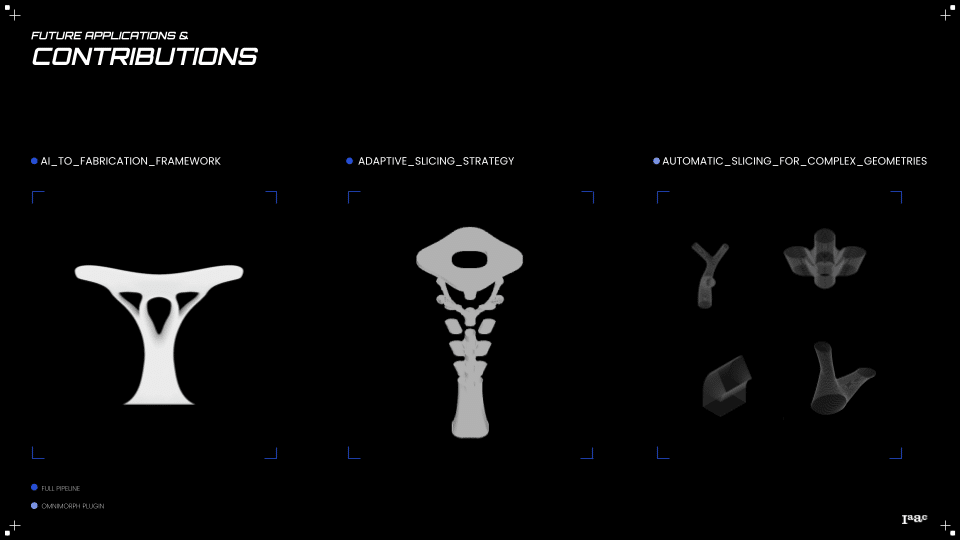
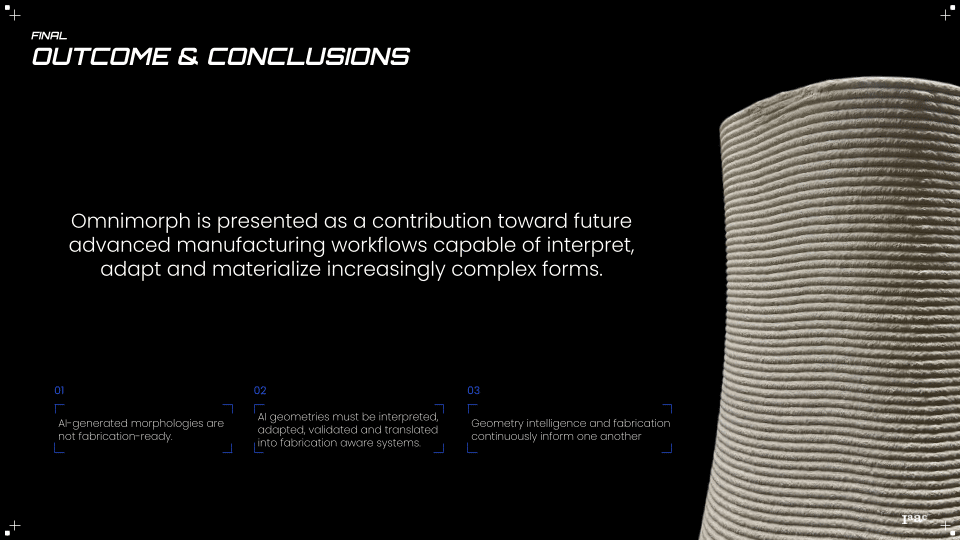
Through an adaptive framework using machine learning, agentic LLMs and the development of a grasshopper plugin for topology-based slicing, this thesis proposes a methodology for interpreting, adapting, and materializing AI-generated complex morpologies into fabrication aware architectural systems, exploring how architectural intelligence emerges through the continuous negotiation between geometry and hybrid slicing strategies.