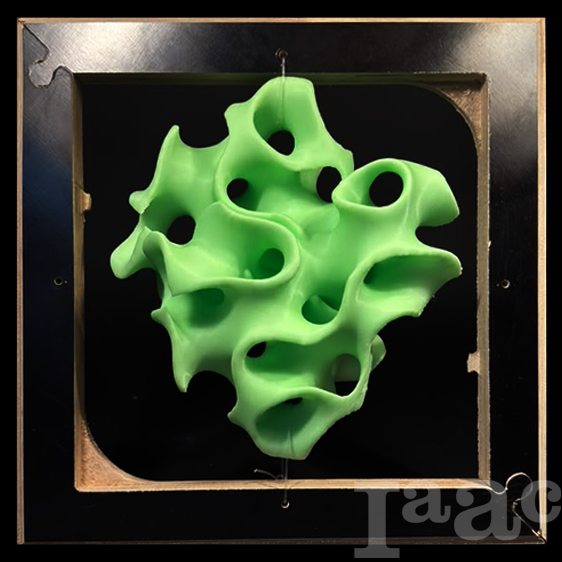
For this seminar, we set out to bring natural elements into our work, each one evoking a season of the year. Spring blooms in Flowers, summer comes from the warm ocean in Coral, autumn appears in the Twisted Pumpkin, and winter in Arctic Topography. We explored each form through its organic shapes and patterns, and each was made with a different technique: laser-cut acrylic, PLA 3D printing, robotic clay extrusion and milling. Working within a fixed wooden frame, every technique pushed us to rethink material performance, structural logic and spatial expression. Through this iterative making process, we saw how fabrication and design can come together to turn natural elements into meaningful forms.
WINTER: LASER CUTTING
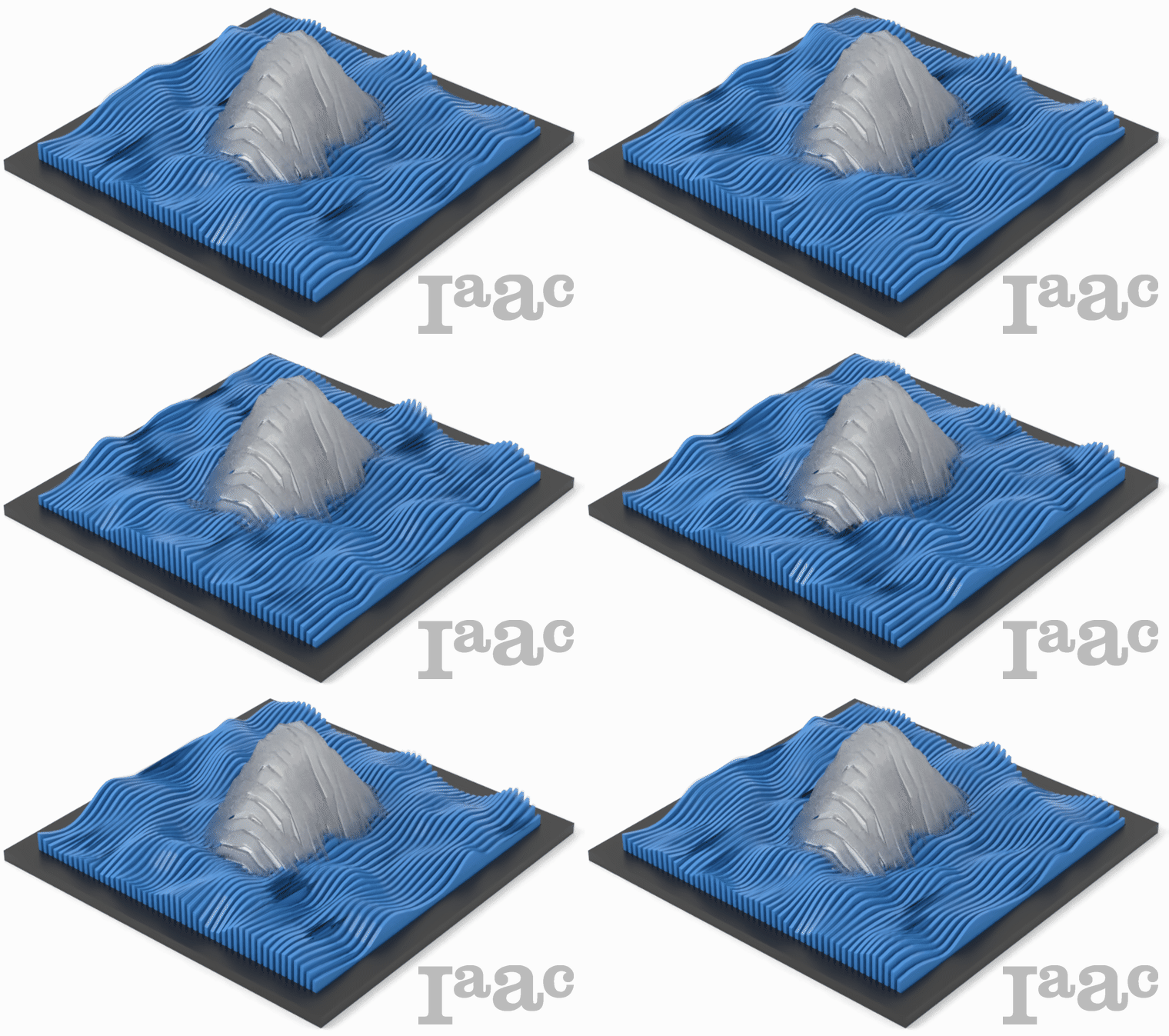
Artic Topography
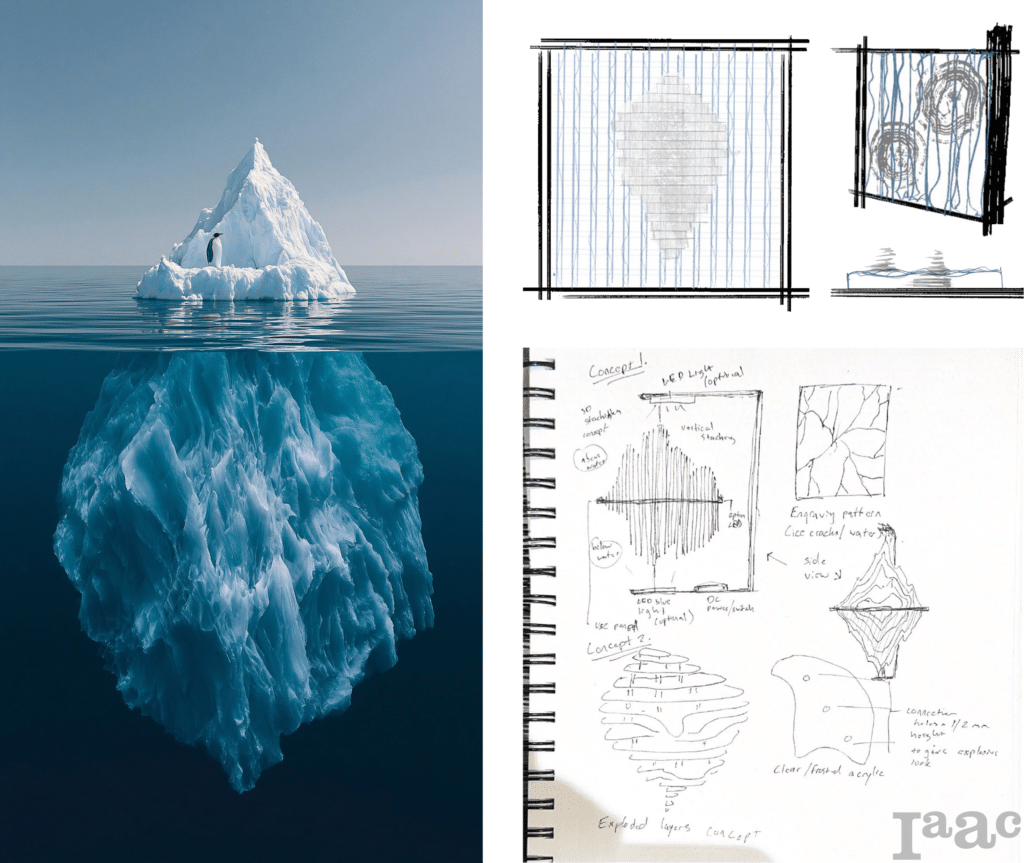
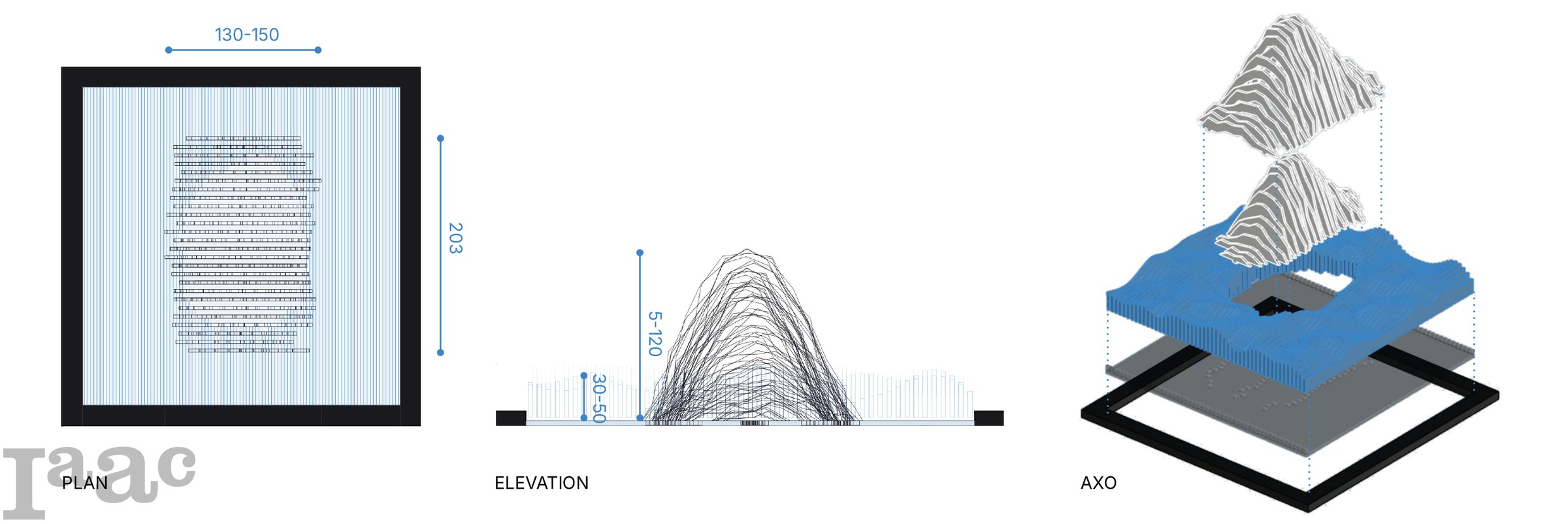
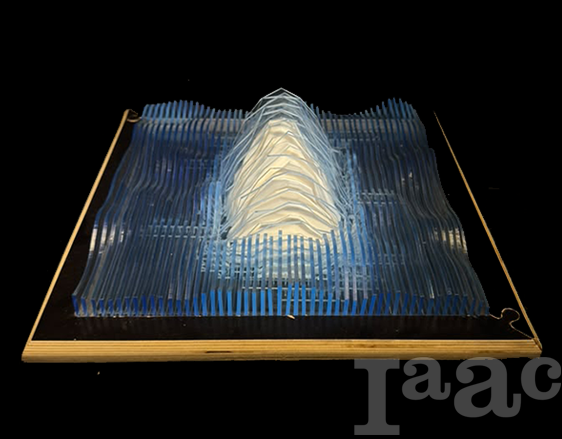
Our piece takes its inspiration from iceberg formations, where most of the mass hides below the waterline.
We set the organic, wavy curves of the sea against the sharp, spiky form of the ice rising from a sea.
Core Idea: Floating Iceberg
Design Language: Depth, layering, transparency and spatial continuation
Form Inspiration: Arctic icebergs and submerged structures
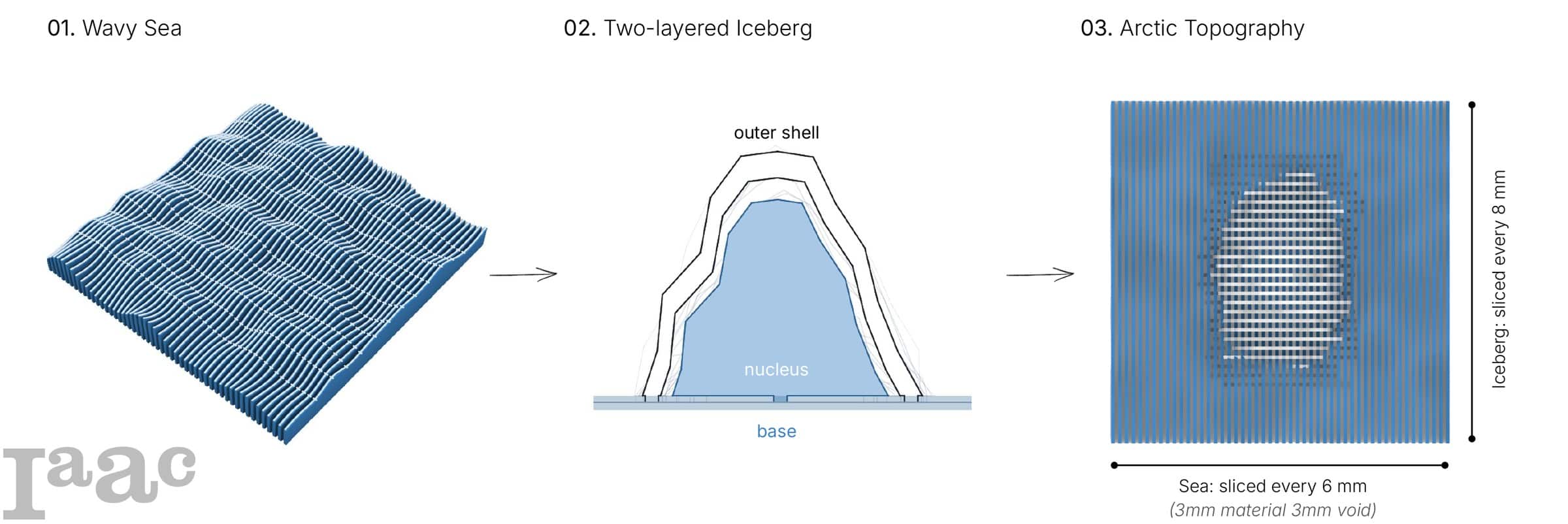
Material: Acrylic 3mm, in three shades (blue tinted, transparent and opaque white)
Technique: Slicing / Stacking
Goal: Create a form that changes depending on the viewer’s angle, suggesting that the object extends beyond what is immediately visible.
TECHNICAL DRAWINGS
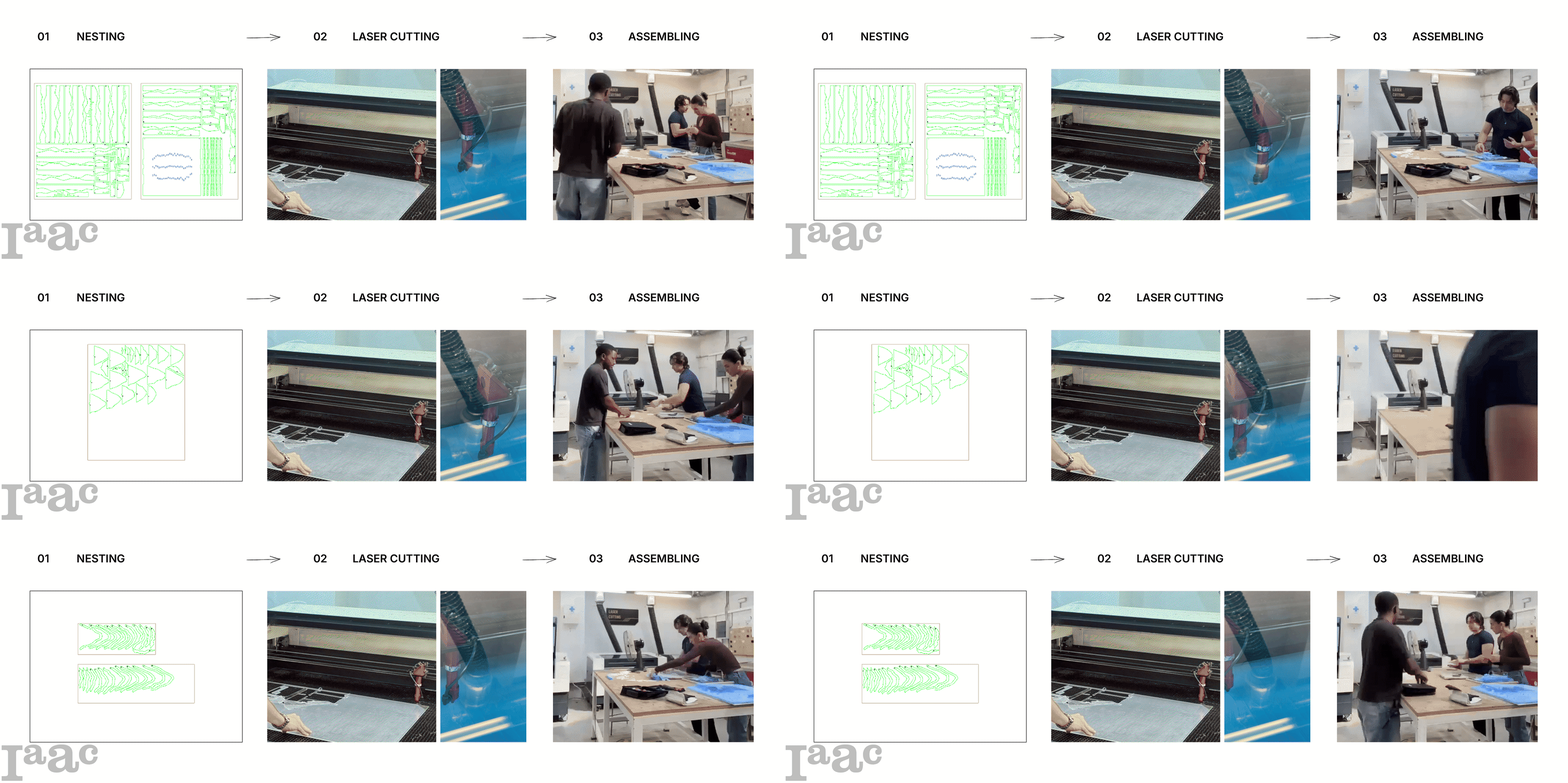
FABRICATION STRATEGY
- 2D drawing of each piece
- Numbering (marking on each piece)
- Layer organization (marking-inner-outer cut)
- Sorting by material
FINAL DESIGN
SPRING: CNC MILLING
Flowers
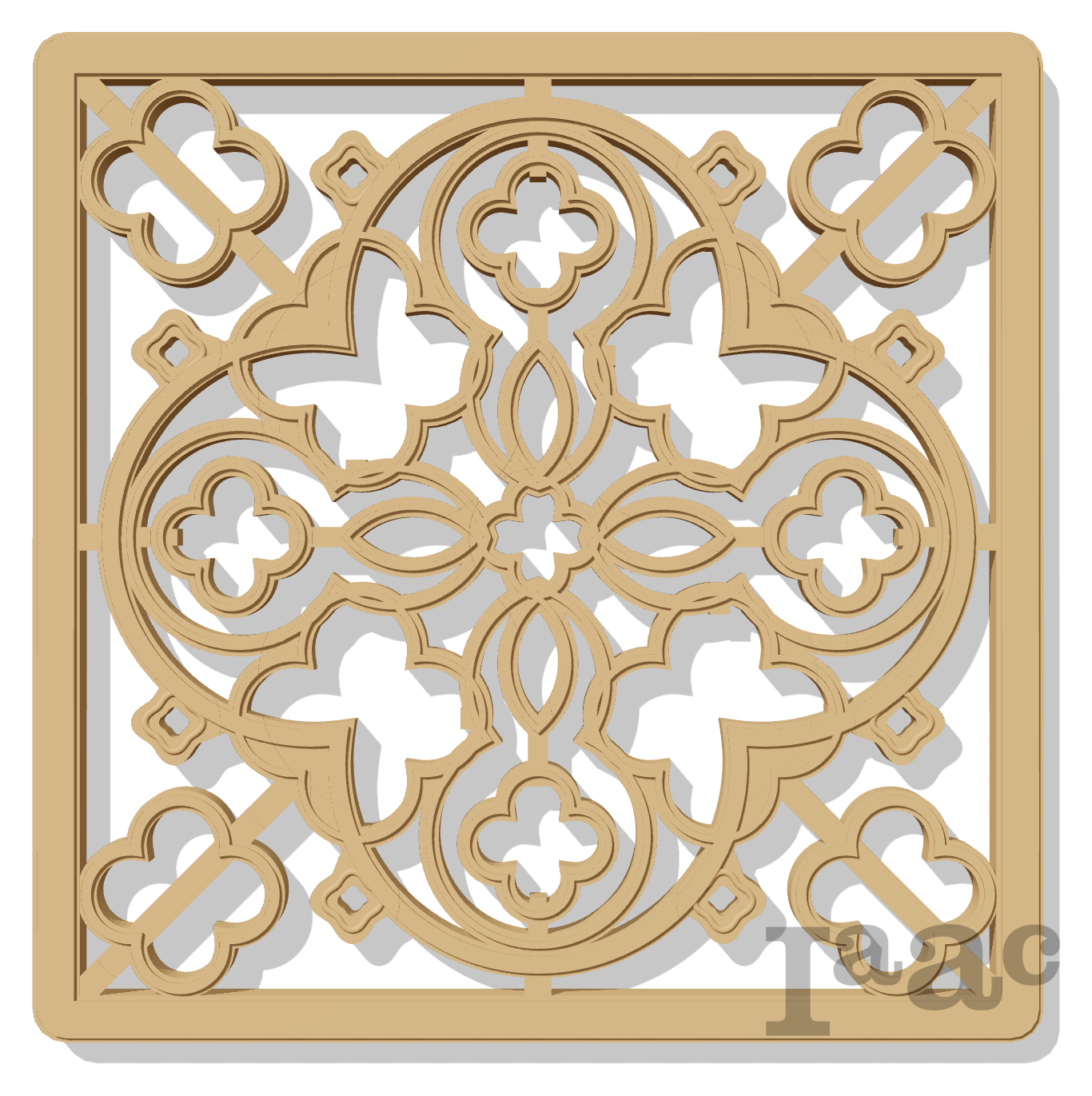
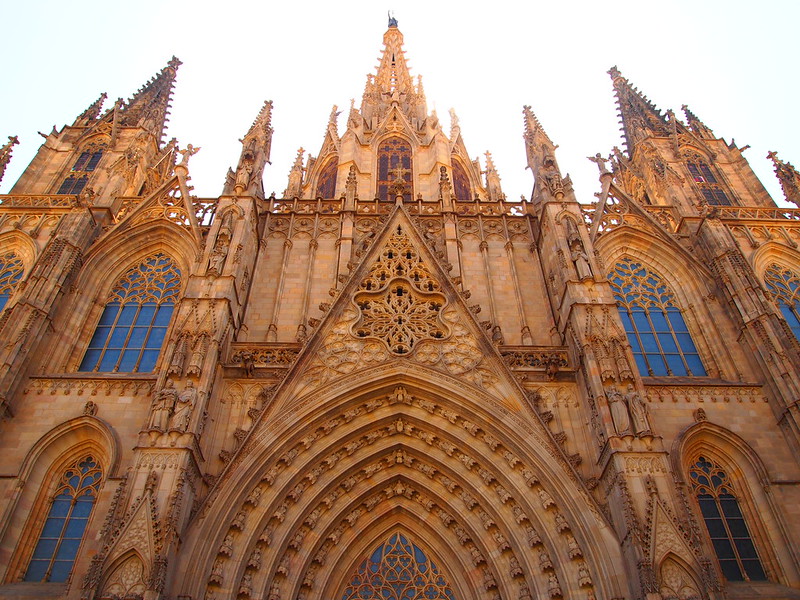
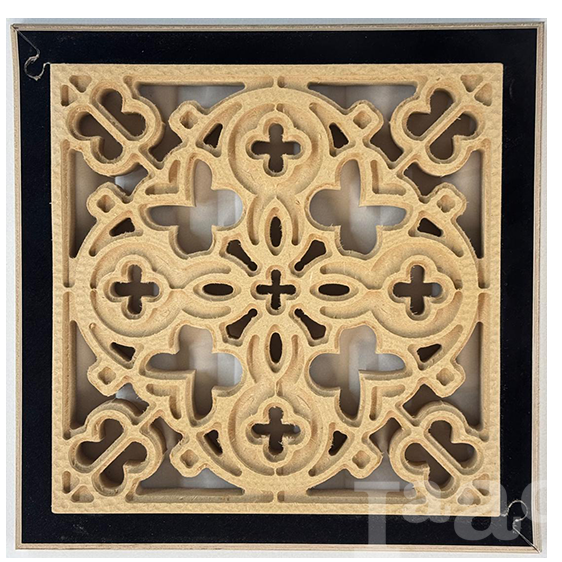
Our panel takes its inspiration from Barcelona Cathedral, at the heart of the Gothic Quarter. We studied the stone tracery of its windows and cloister: quatrefoils, interlaced circles and pointed lobes that turn solid stone into a screen of light and shadow.
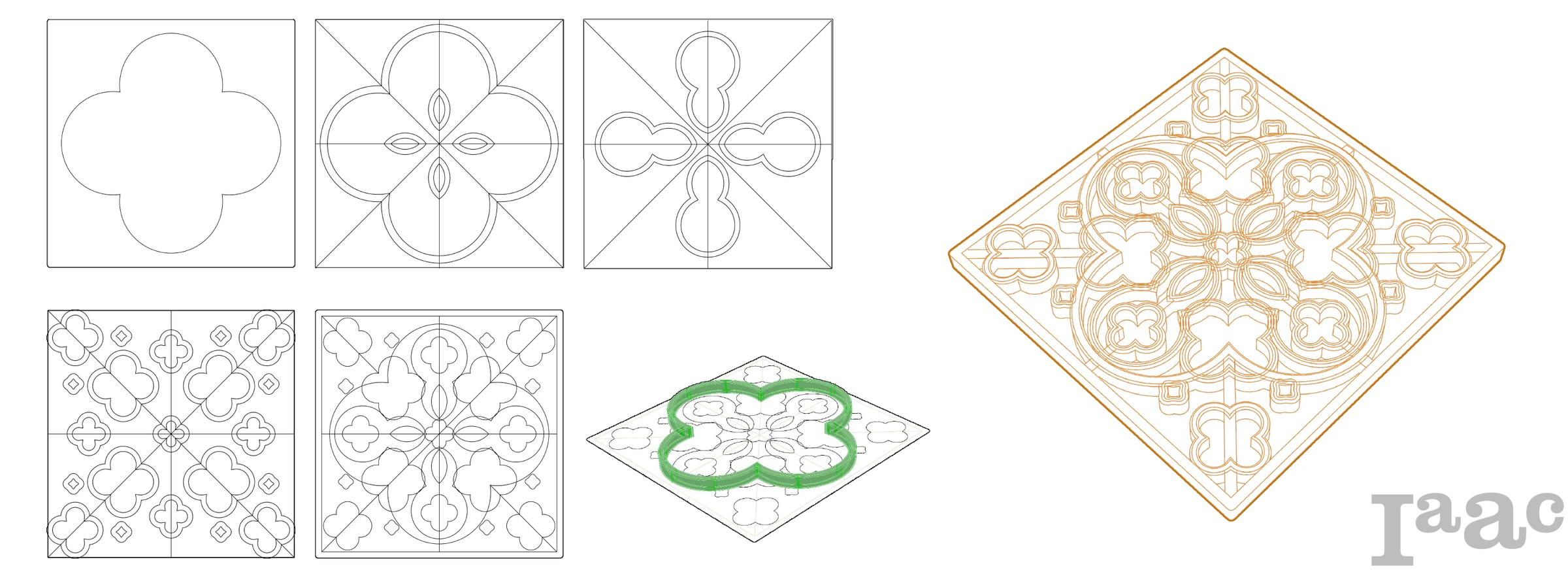
We redrew that language as a 331 mm square panel in beech, keeping the geometry of the original and changing the material and the tool.
Core Idea: Tracery at Barcelona’s Cathedral
Design Language: Depth, organic and spatial continuation
Form Inspiration: Panel inspired on Barcelona’s Cathedral door tracery
Material: MDF
Goal: Panel inspired tracery of a Gothic geometric pattern composed with intersecting arches and circular elements arranged symmetrically around a central point. The design reflects the decorative stonework found in Barcelona Cathedral.
TECHNICAL DRAWINGS
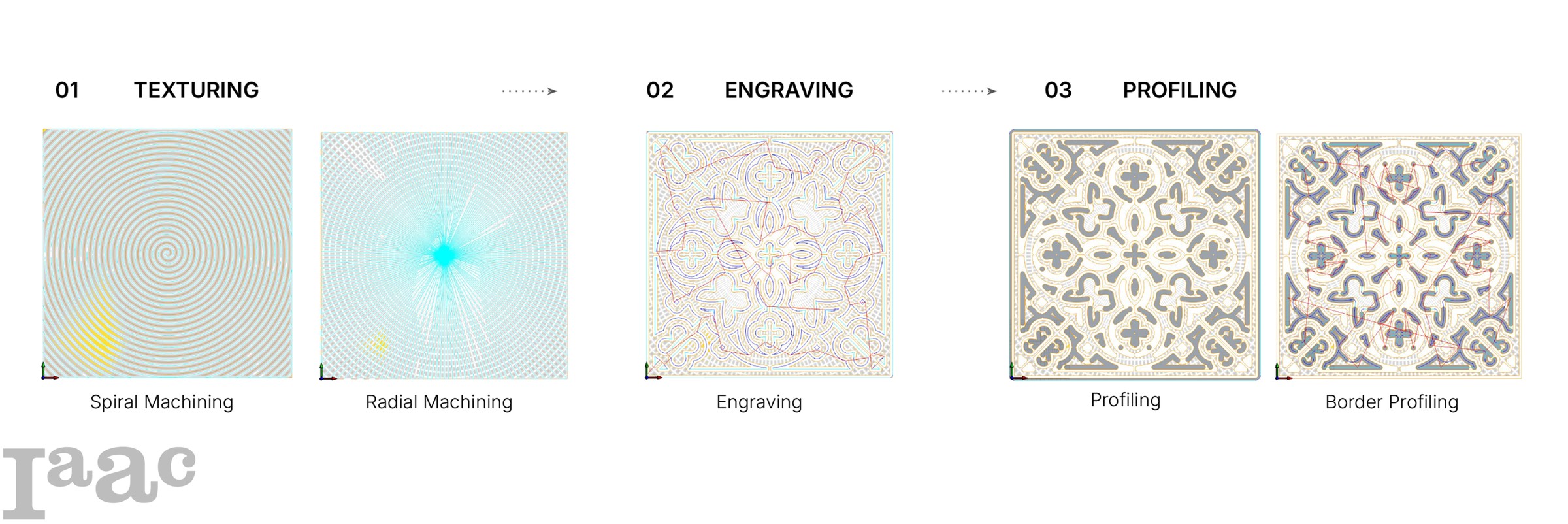
FABRICATION STRATEGY
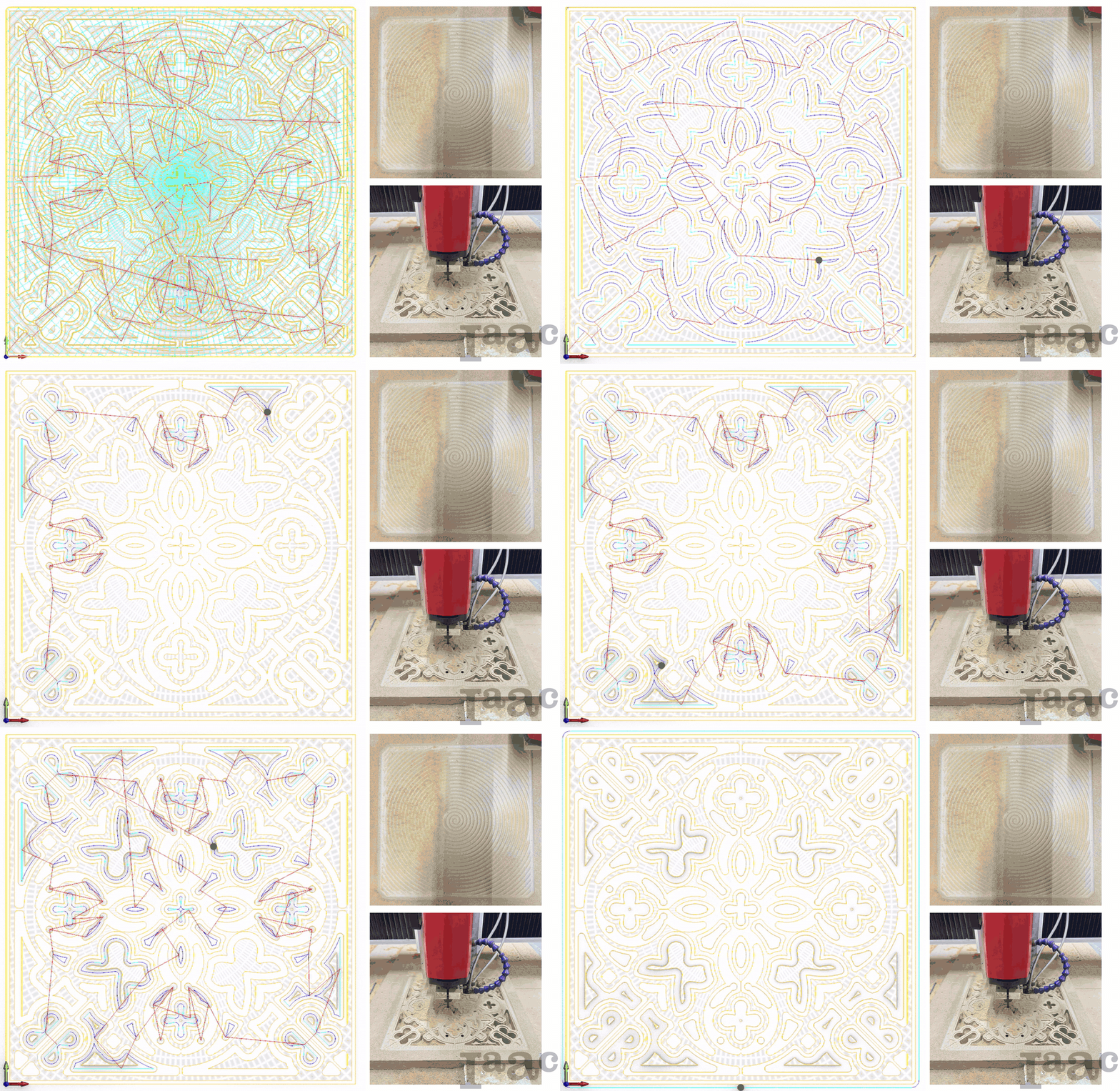
FINAL DESIGN
AUTUMN: ROBOTICS
Twisted Pumpkin
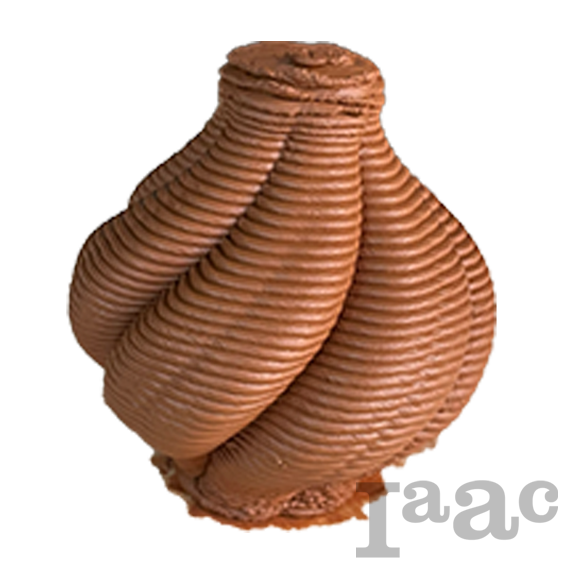
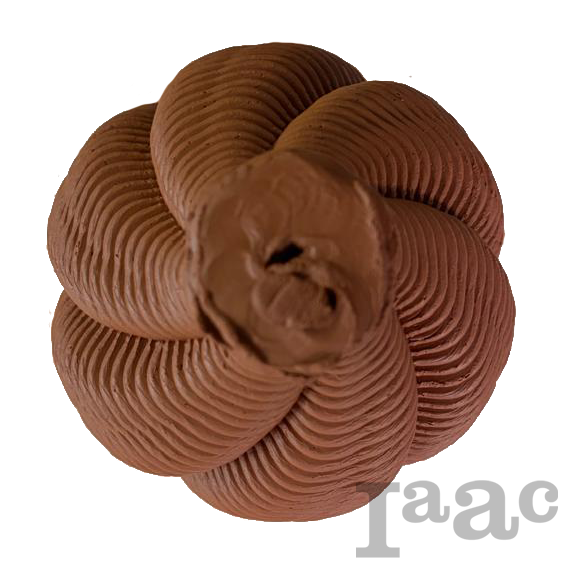
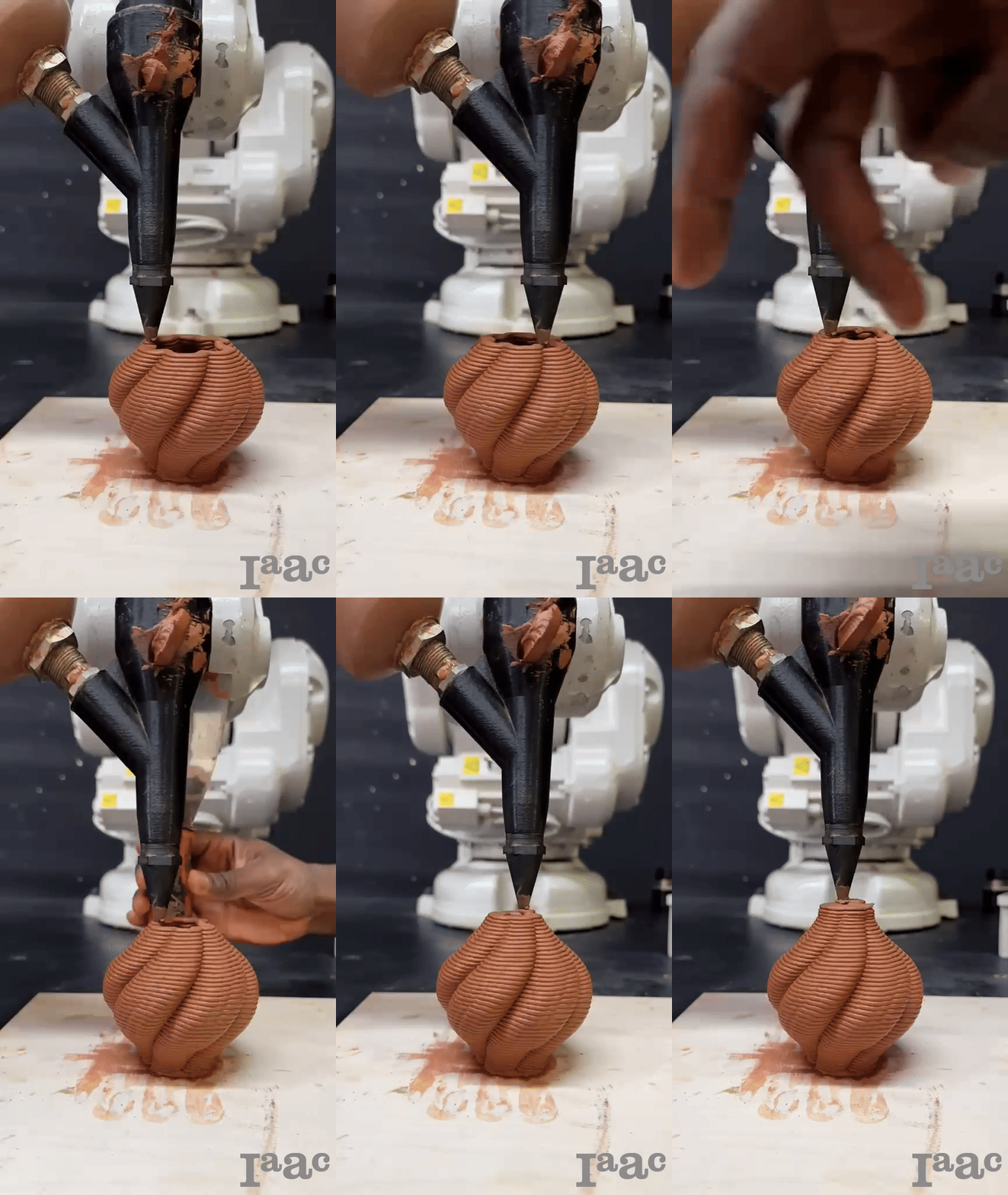
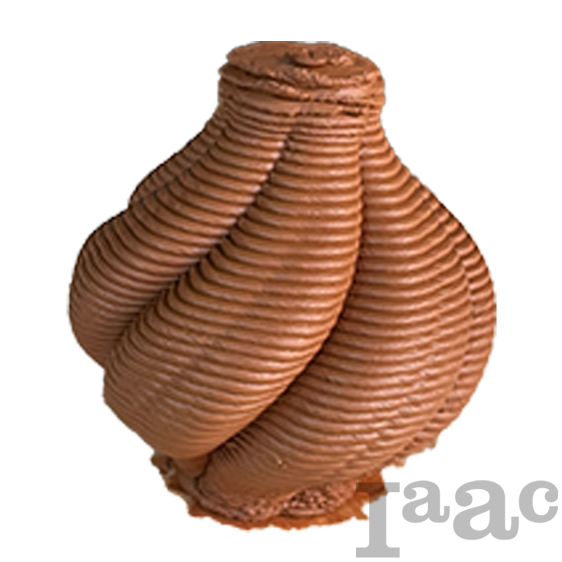
Our vase takes its inspiration form from the shape of a pumpkin. We wanted to relate the fall season to its typical food: pumpkin.
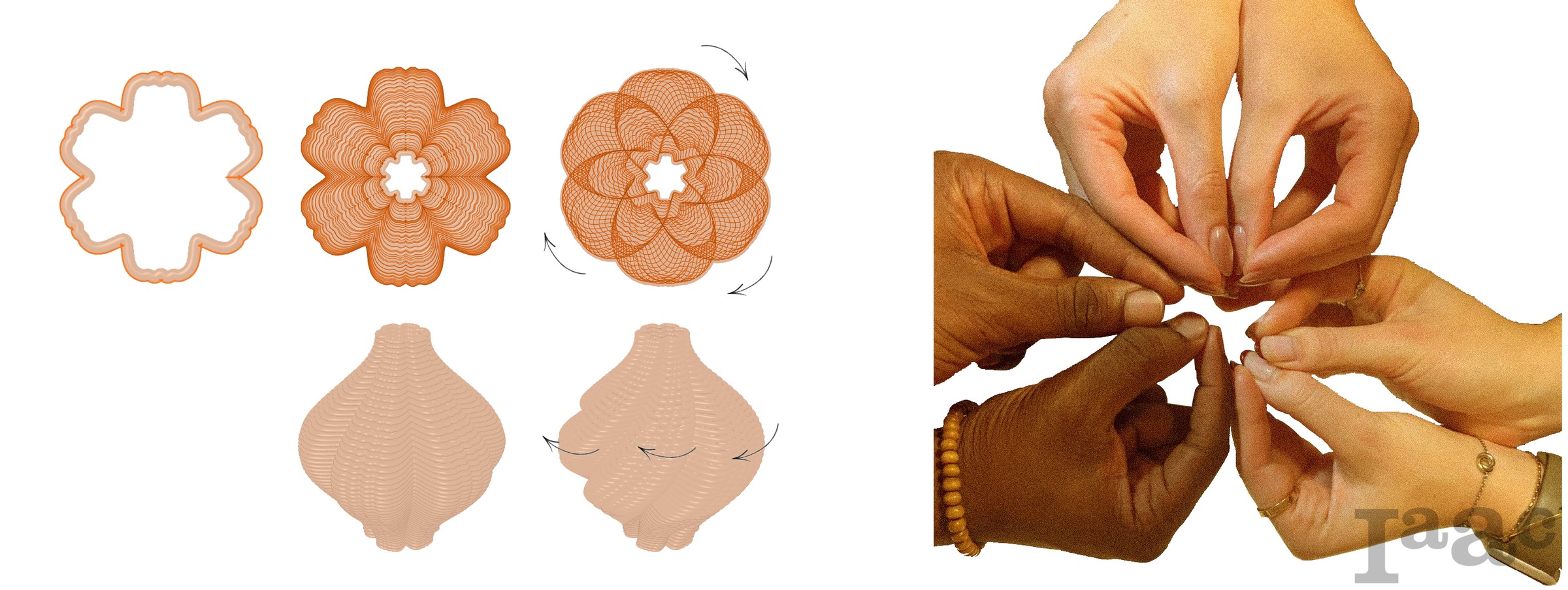
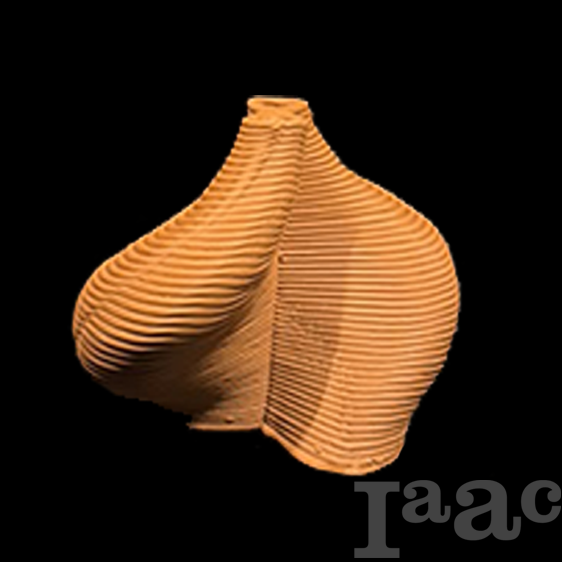
We started with rounded shapes that rotated on a 6-axis design.
After that, we twisted the form by its center to create a twisted pumpkin.
Core Idea: Seasonal pumpkin
Design Language: Layers, texture, symmetry, twist
Form Inspiration: Pumpkin
Material: Clay
Goal: To use a six-axis robotic arm to extrude clay into the shape of a pumpkin inspired cup.
FABRICATION STRATEGY
We converted the layers into a single continuous spiral toolpath, which avoids start/stop marks and keeps the extrusion steady. The path was simulated to check the robot’s reach and collisions, then exported as a program for the robot arm. The clay was wedged to remove air bubbles, loaded into the extruder, and printed layer by layer.
FINAL DESIGN
SUMMER: 3D PRINTING
Coral
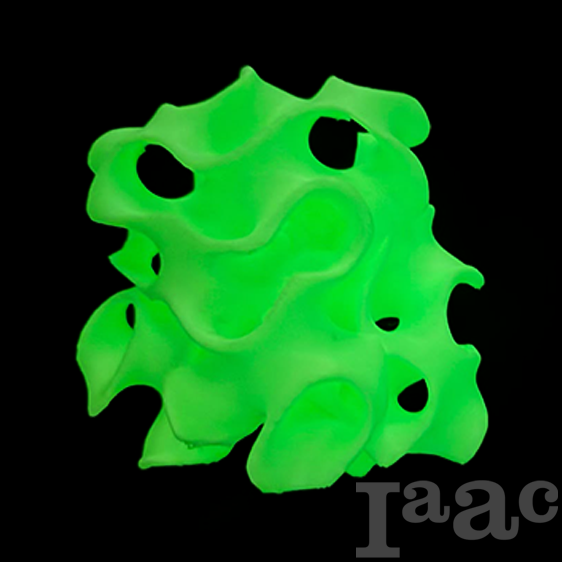
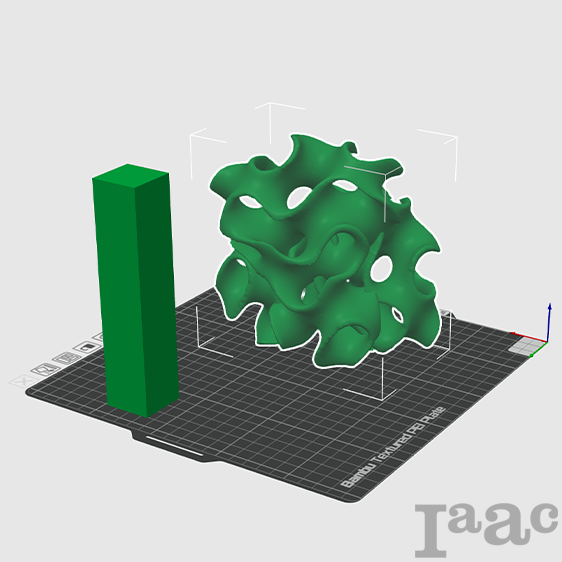
Our summer piece is inspired by warm seas and the soft, wavy shapes of coral reefs. We wanted a form that feels alive and growing, like a reef slowly building itself up underwater.
Material + Method: PLA – 3D printing
Core Idea: Coral reef
Design Language: Organic coral form
Form Inspiration: Ocean corals
Goal: Formation that relates to the natural wavy shapes of the reefs in the ocean
FABRICATION STRATEGY
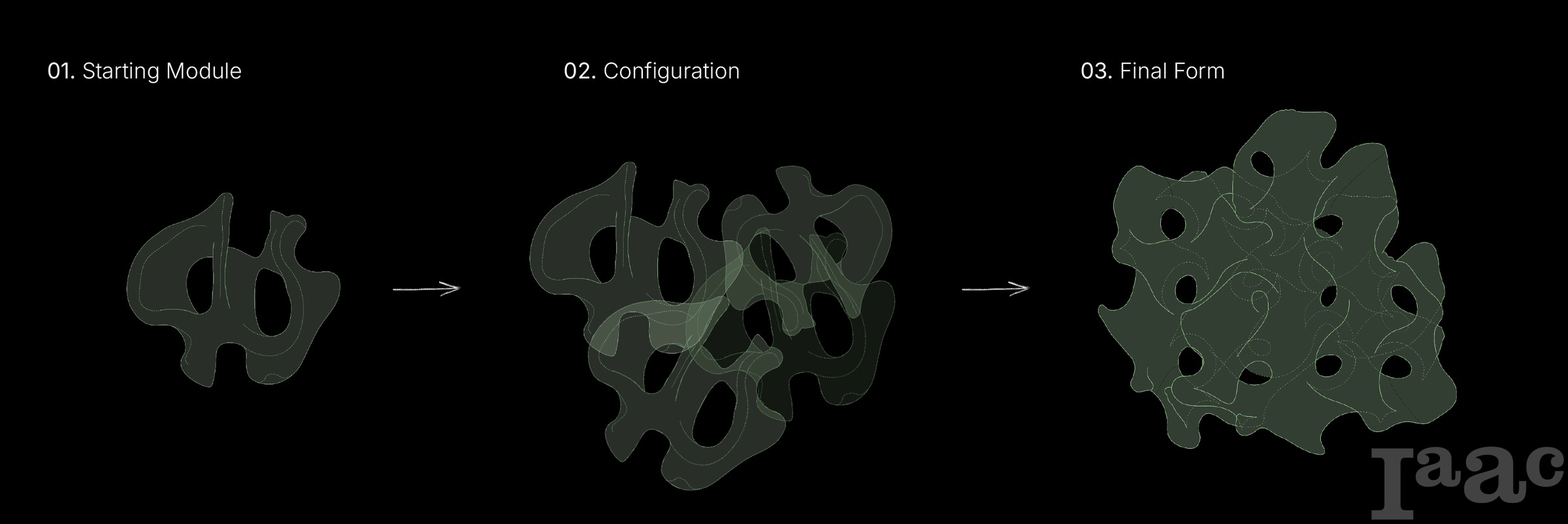
The design starts from a single organic module. Through multiplication, rotation, scaling and mirroring, it grows into a branching coral formation. Repeating one simple element with small variations gives the piece its natural rhythm and reflects how coral grows in the ocean.
FINAL DESIGN