
“Technology is the answer, but what was the question?”
Cedric Price, 1966
Data Becoming ART!
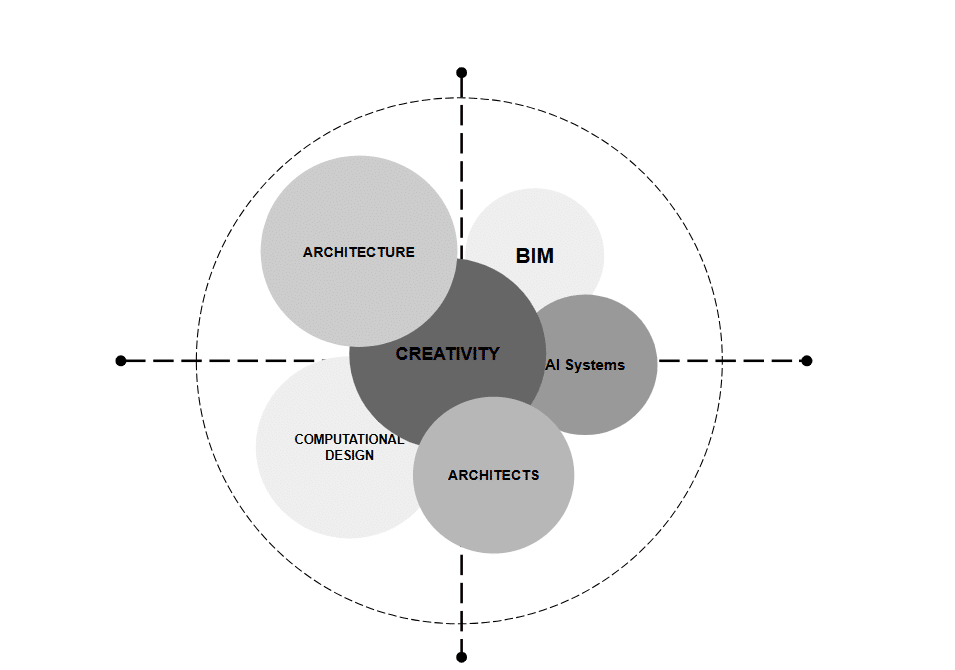
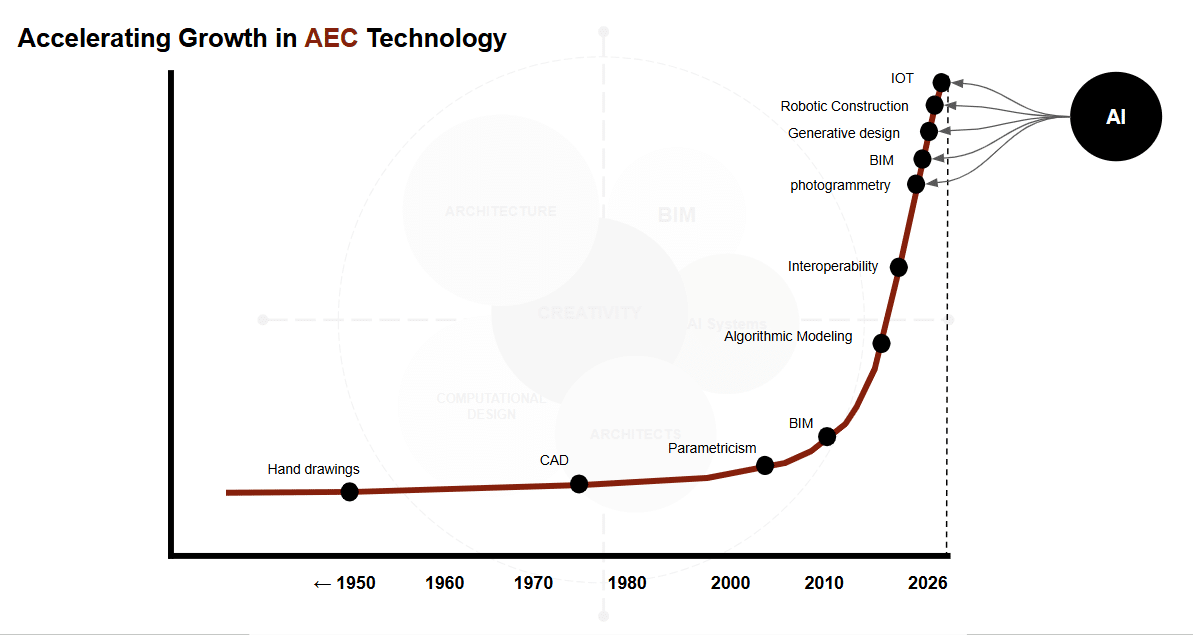
This research investigates whether AI and BIM enhance architectural creativity or contribute to the standardization of design. It examines whether computational workflows expand the boundaries of architectural expression or gradually replace human intuition with optimized uniformity.
The study further explores how increasing automation and data-driven processes are reshaping authorship, decision-making, and professional roles within contemporary architectural practice.
Podacst Questions:
Question for both guests
Q. Opening
What initially sparked your interest in architecture and computation, and how did that curiosity evolve into the work you’re doing now?
Question for Daniel
Q.2
BIM workflows, require parameters and constraints to be defined early, however, In your article “Generative Design is Doomed to Fail,” you argue that design goals can’t be fully specified upfront because they evolve through the process itself.
Do you see this early structuring as limiting the evolution of design goals?
Q.3
When AI operates within BIM’s predefined parameters, does it expand creative potential, or does it lock the design process into early assumptions?
Q.4
In the same article, you criticize the idea that generating thousands of options automatically leads to better design thinking, and you question the role of designers being reduced to editors of machine output.
In AI-augmented BIM systems, how should designers position themselves within workflows that generate and filter large numbers of automated design options?
Q.5
Beyond tools and technologies, what do you believe should remain at the core of architectural practice?
Q. Closing
In your article “What ‘The Future of the Professions’ Reveals About the Future of Architecture,” you suggest that technology may reshape professional roles rather than simply replace them.
With AI integration increase into BIM and design workflows, how do you see the architect’s role evolving, and what skills will matter most in that shift?
Question for Thomas
Q.2
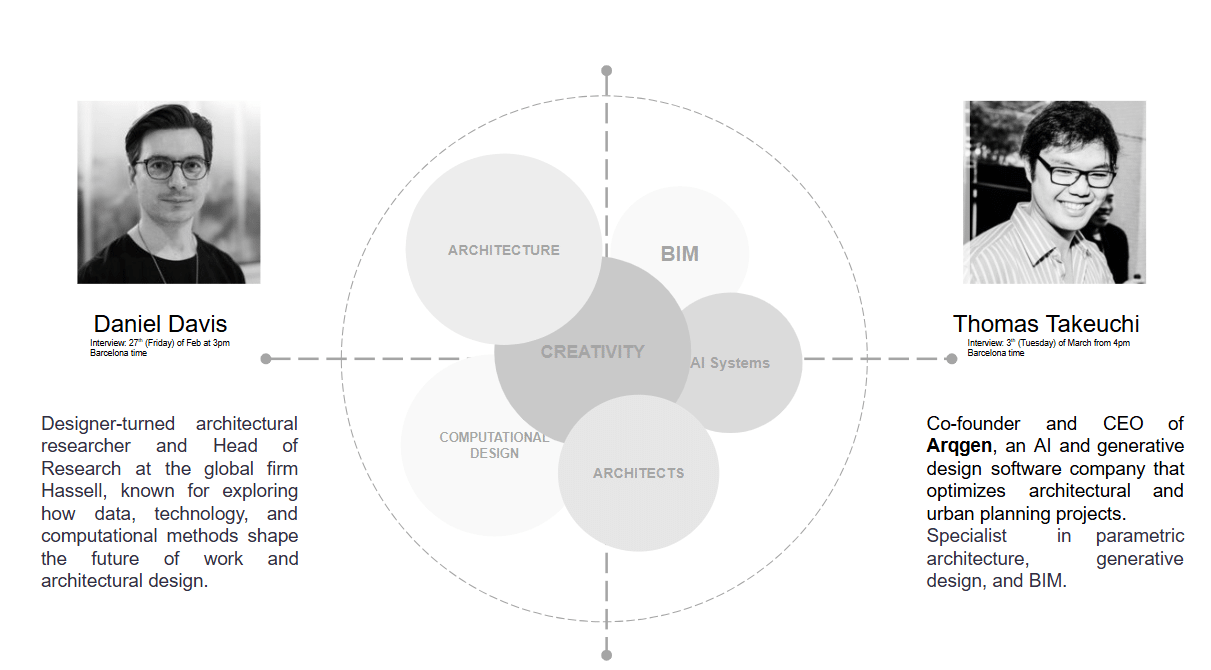
As Co-founder and CEO of ARQGEN, could you first explain what the platform does and what challenges in architectural practice it is designed to address?
Building on that, how has building a generative platform reshaped your own role as an architect, are you now designing forms, designing systems, or designing decision frameworks?
Q.3
ARQGEN translates zoning, regulatory, and performance constraints into generative logic. How do you ensure that projects don’t converge toward the same optimized typology? Can you describe where and how differentiation is introduced in your workflow?
Q.4
Can you share a specific project where AI-driven generation led to a design outcome that would likely not have emerged through a conventional workflow?
Q.5
In practice, at what point in an AI-driven design workflow does human judgment become critical? Have you experienced moments where the optimal solution was not the right architectural one?
Q. Closing
Looking ahead, as AI becomes more embedded in BIM workflows, what ethical responsibilities will design professionals need to assume in ensuring transparency, accountability, and fairness in AI-driven decisions?
