
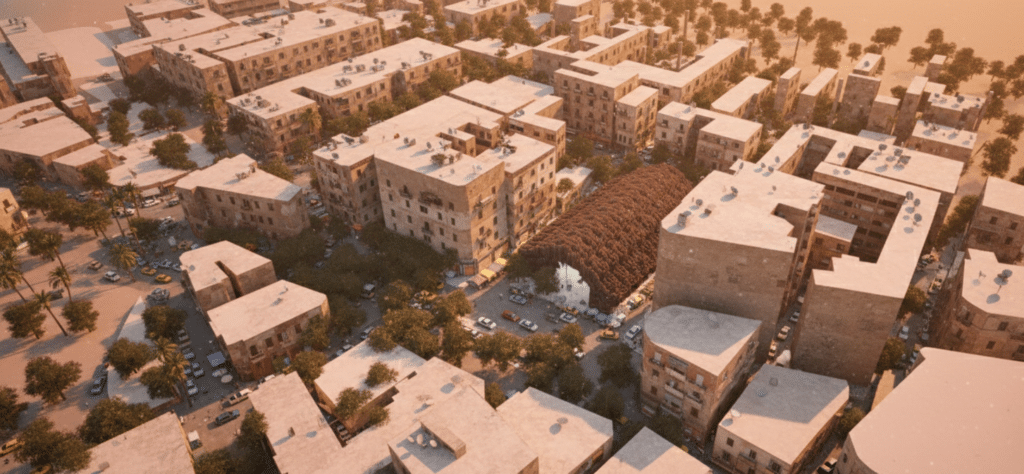
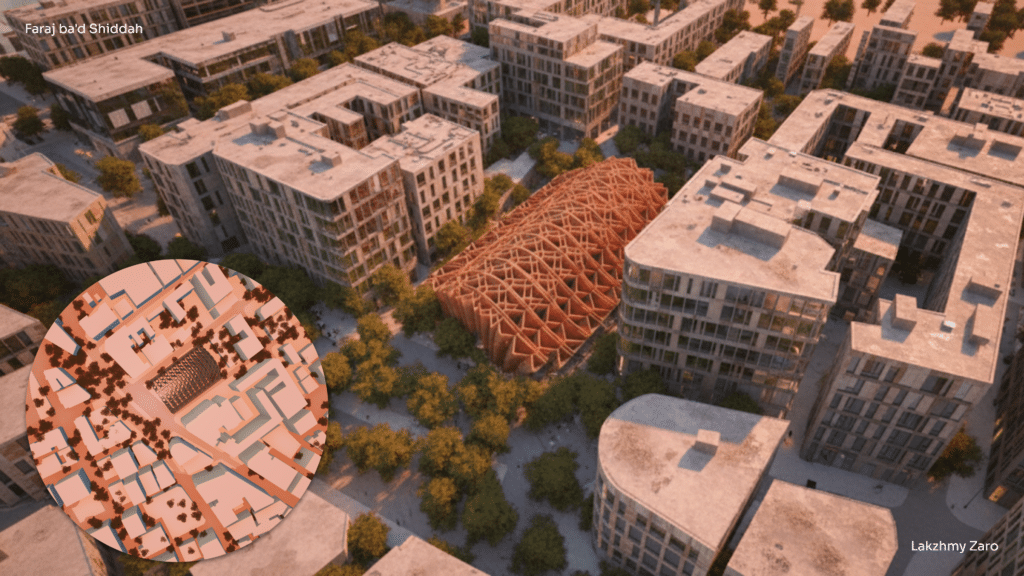
Faraj ba’d Shiddah Market is a reimagination of Bab al-Luq market in Cairo, Egypt, that explores a compression-to-relief multilevel shopping and community space with parametrically lofted hexagonal tessellations that plays with light and shadow.
Inspiration
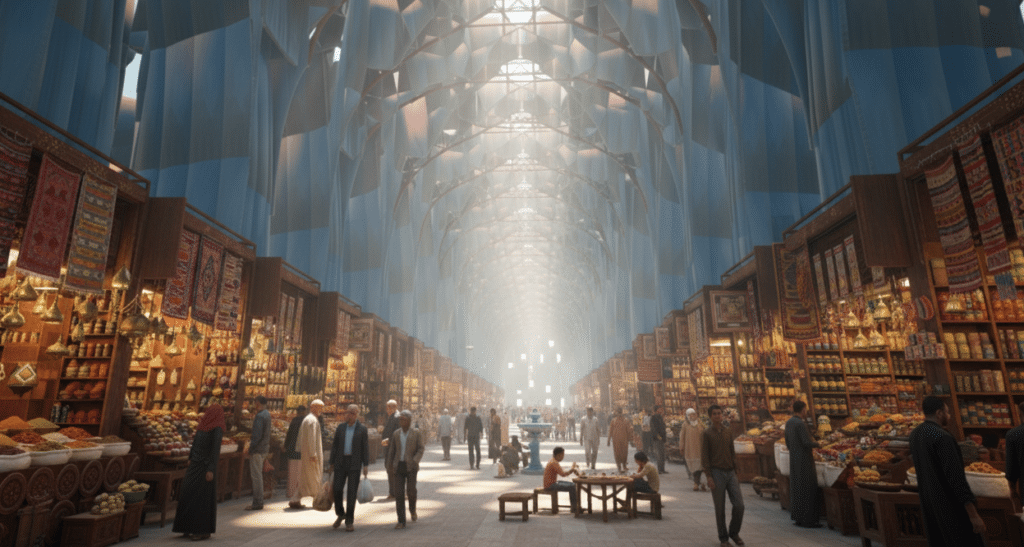
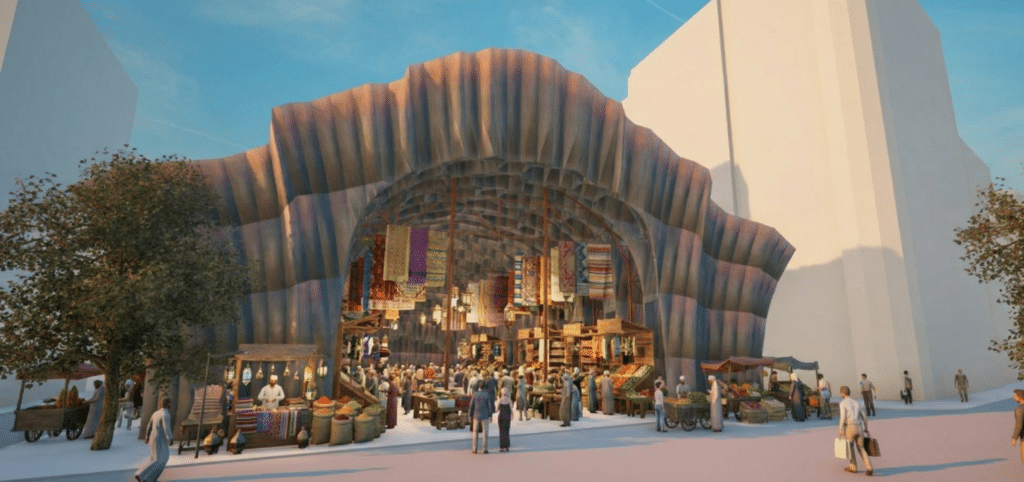
The initial idea transforms Bab al-Luq through a journey of compression and release—visitors navigate through shadowed tunnel entrances lined with vendor stalls before emerging into luminous multi-level courtyards.
These transitions from darkness to light embody the Arabic concept of “relief after hardship,” with each courtyard becoming a social oasis where the community gathers, converses, and finds respite from Cairo’s dense urban fabric.
The design celebrates the moment of arrival into these sun-filled spaces, turning the simple act of entering a market into a meaningful passage from the intimate compression of traditional souks to the collective breath of open-air gathering places.
Early Exploration
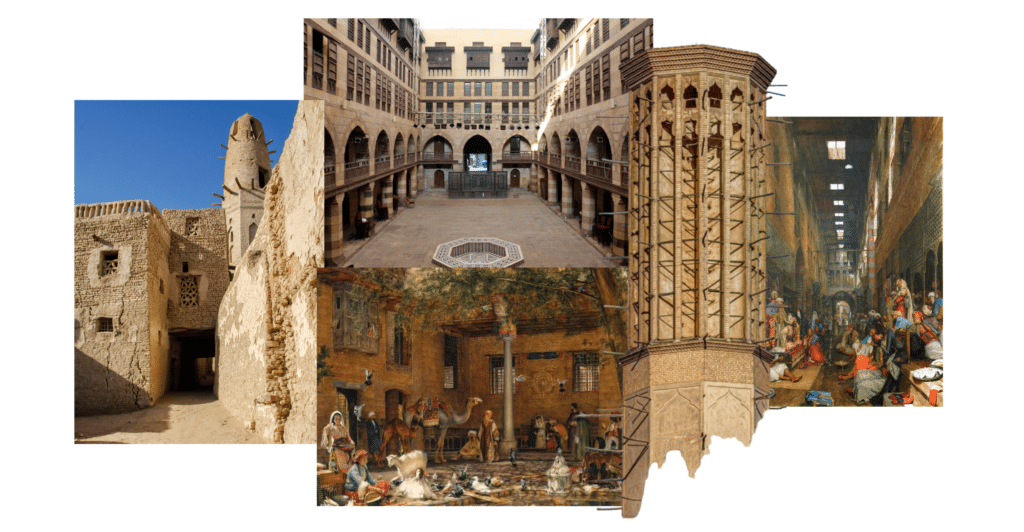
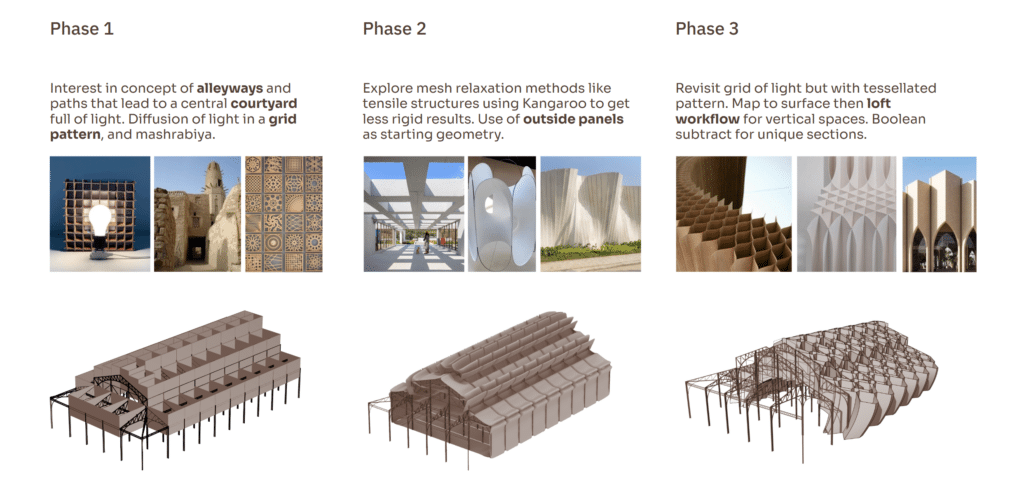
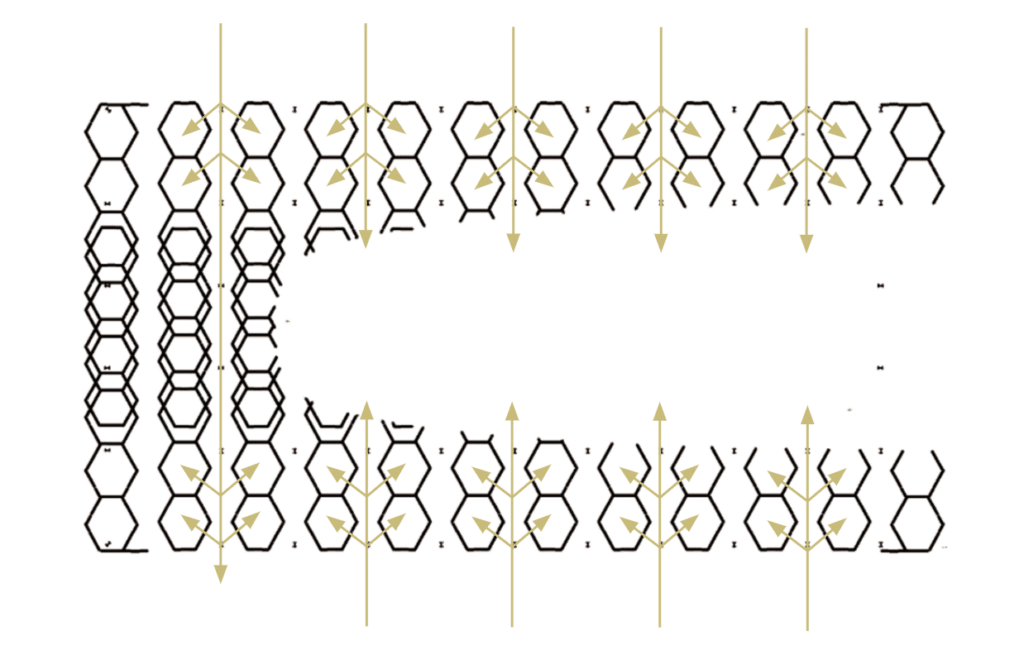
Early exploration began with studying Cairo’s traditional alleyways and their diffused light patterns through grids. Experiments with mesh relaxation aimed to create organic forms, which, though unsuccessful, led to developing roof panels derived from the existing structure. The final approach emerged through a tessellated pattern system, using loft workflows and Boolean operations to achieve the hexagonal geometry.
Computational Design Methodology
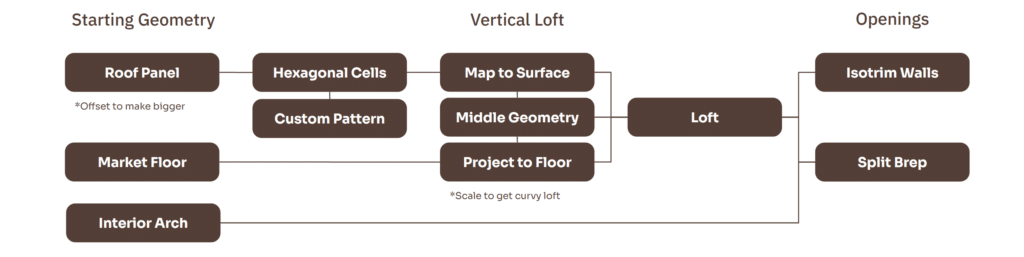
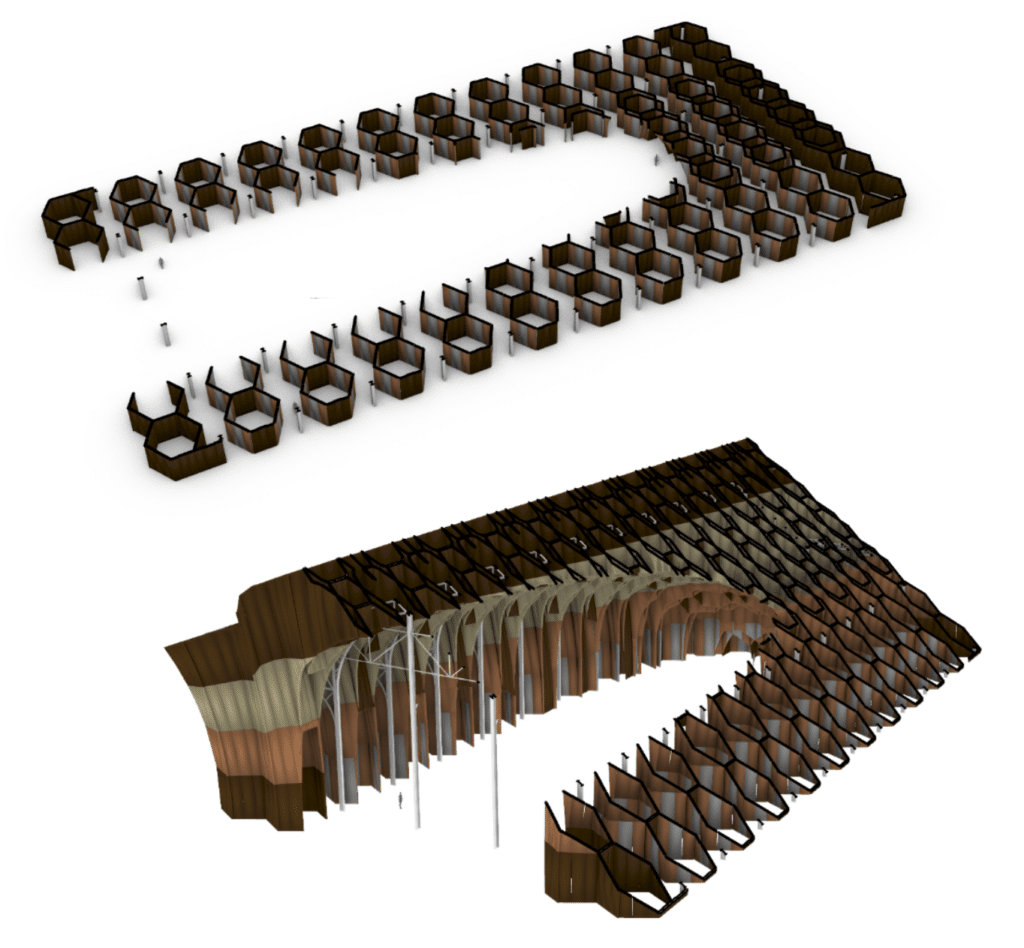
The process uses the Roof and Floor Paneling from the original Bab al-Luq structure. These geometries are used as the base for the lofted tessellations. The final output would also reference the original interior arch for the main entrance.
Workflow
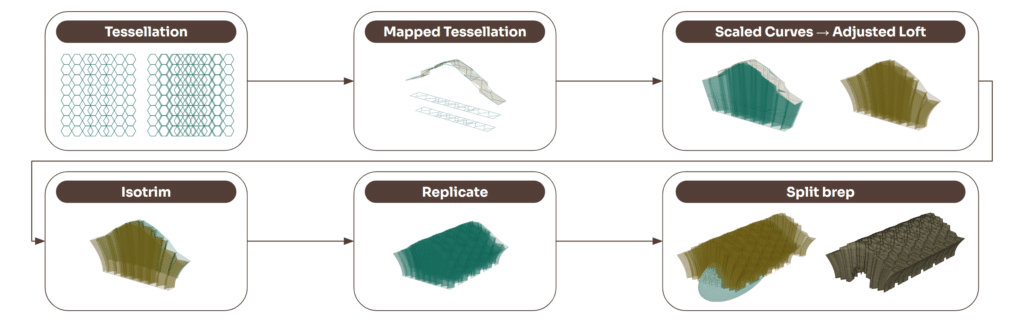
The workflow was optimized by isolating one partition of the structure for replication, minimizing calculation times. Three main operations define the process: generating the hexagonal tessellation, creating vertical lofts between levels, and introducing openings through isotrim extraction and brep splitting operations.
Iterations
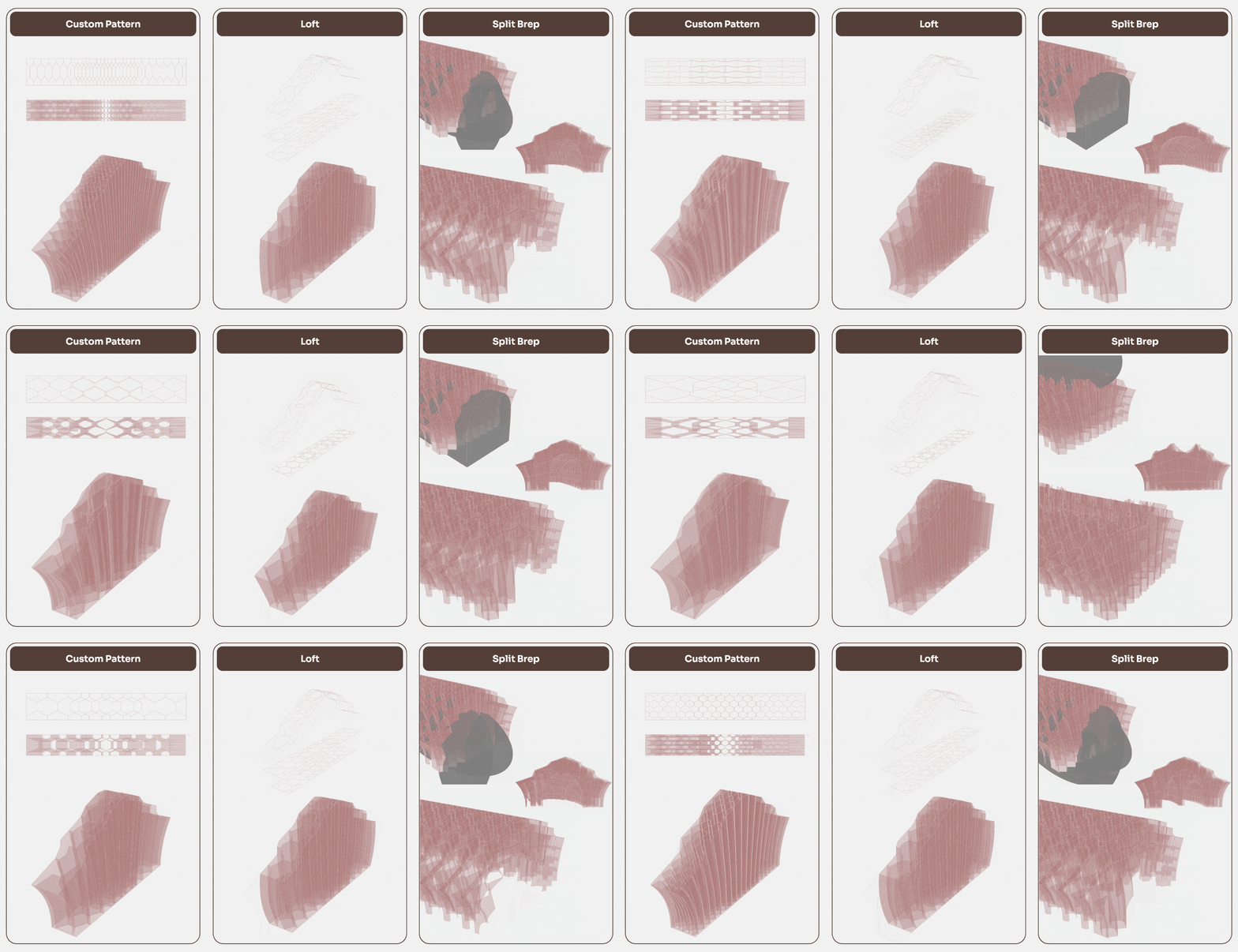
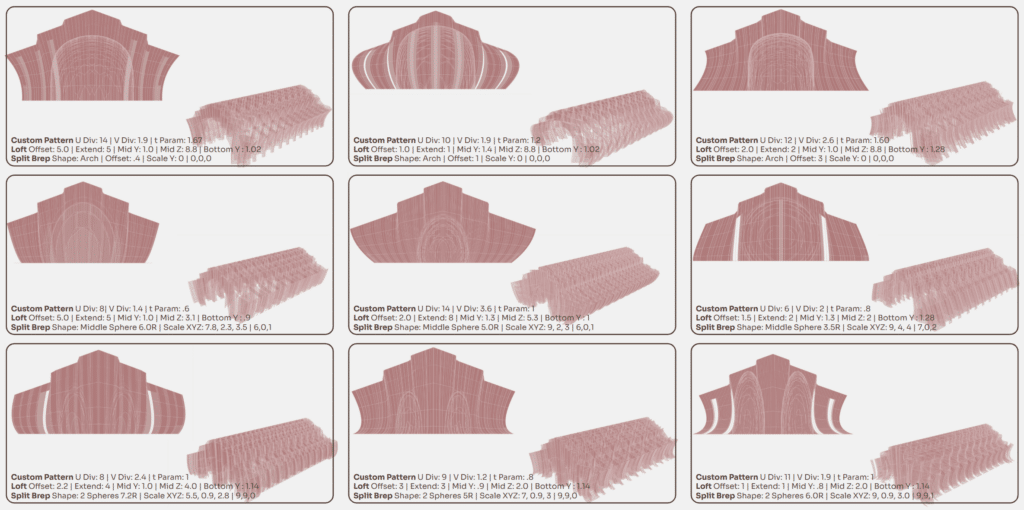
Iterations focused on achieving balanced forms that create functional spaces. Key parameters included controlling the loft profile for a harmonious silhouette, refining Boolean operations for openings, and adjusting tessellation patterns to optimize circulation throughout the complex.
Final Output: Layout & Circulation
Daylight
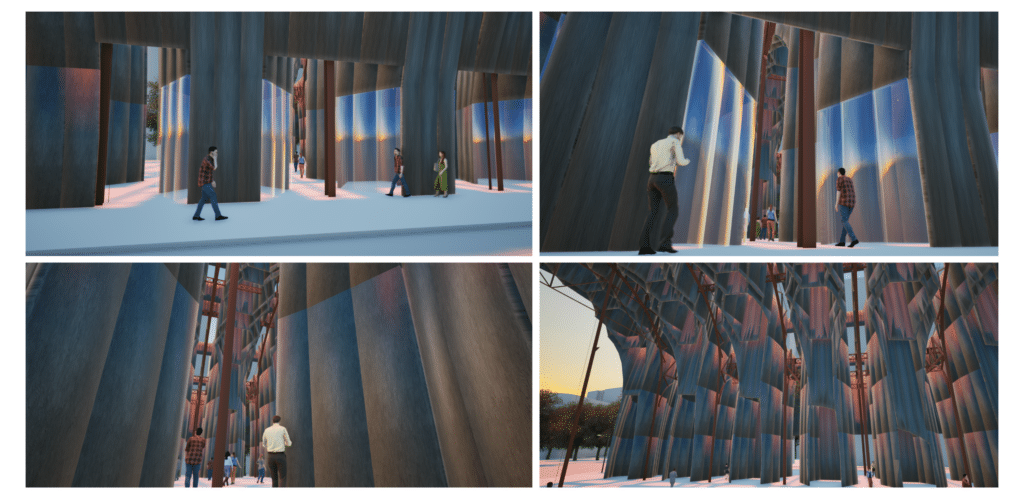
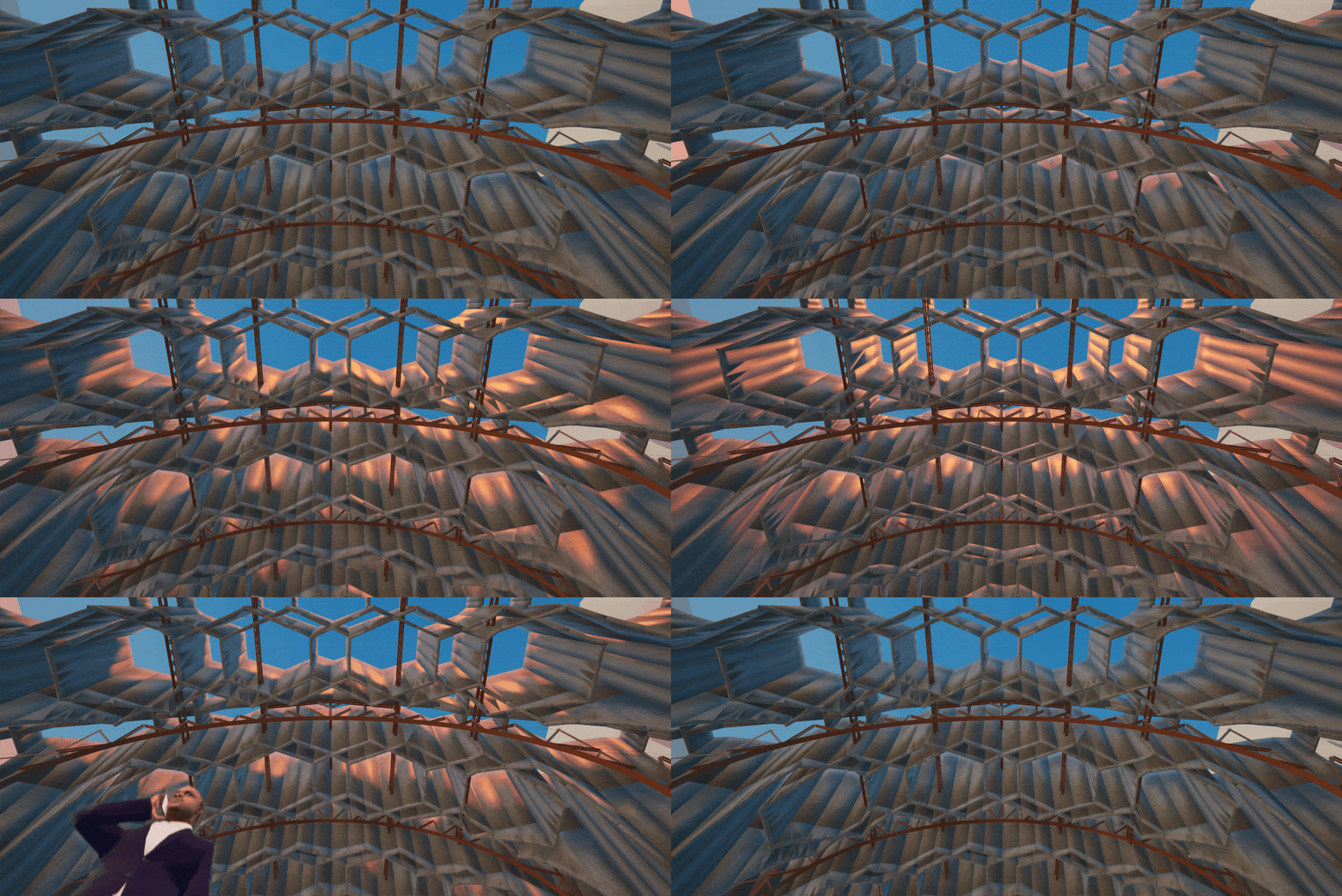
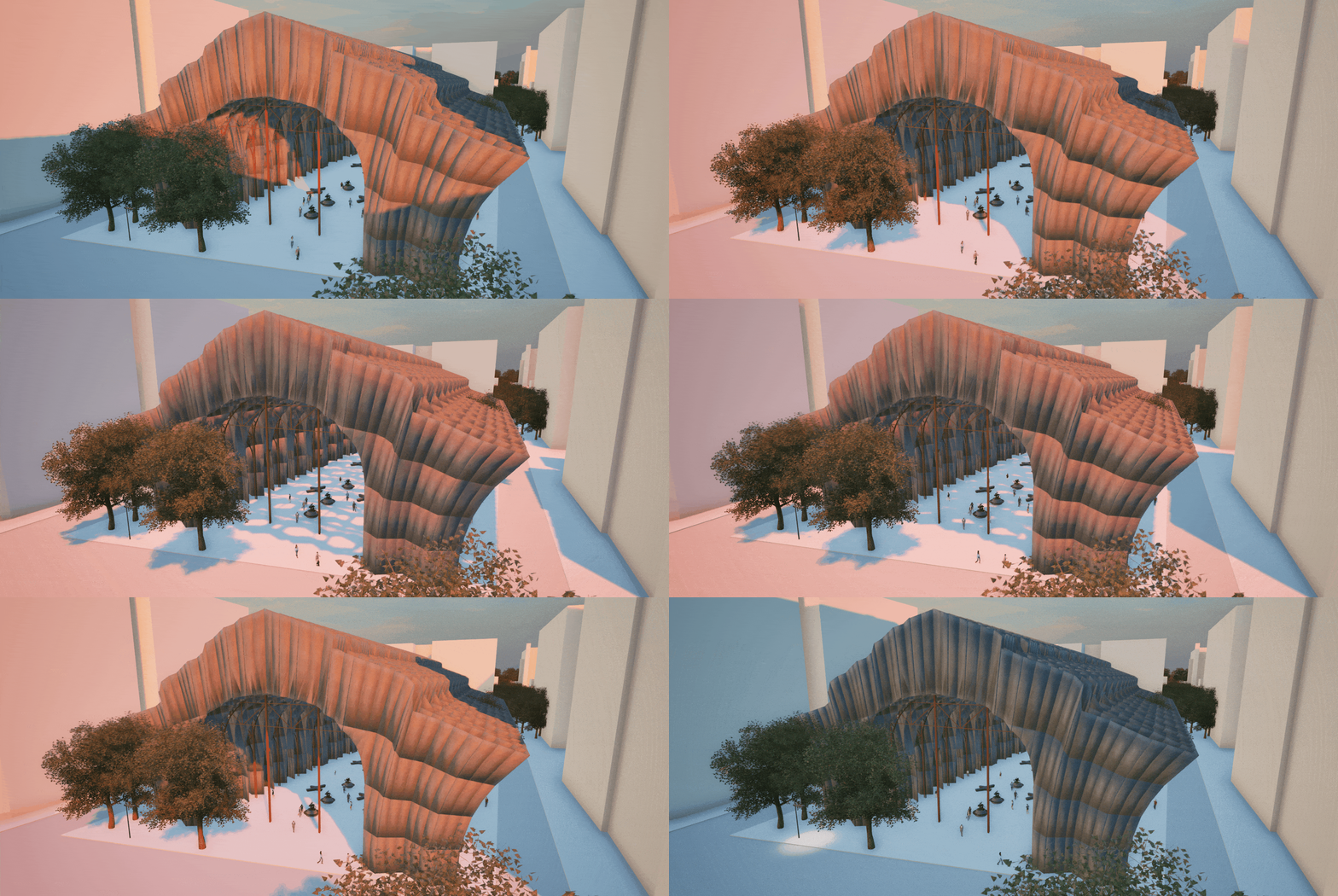
As the sun traces its path across Cairo’s sky, the Faraj ba’d Shiddah Market transforms throughout the day, with shifting light patterns animating the courtyards and creating unique experiences from morning to evening.
The multi-level structure maximizes the constrained site while the central courtyard voids facilitate natural ventilation, acting as stack ventilation chimneys that draw hot air upward. The compressed entrance tunnels serve dual functions as shaded retail spaces and thermal buffer zones, protecting visitors and vendors from Cairo’s heat before releasing them into the luminous social courtyards.
These transitions from darkness to light embody the Arabic concept of “relief after hardship,” turning each arrival into a meaningful passage from intimate compression to collective gathering space. The passive cooling strategy demonstrates how traditional Middle Eastern architectural principles can be adapted to contemporary vertical commercial programs.
Conclusion
The completed Faraj ba’d Shiddah Market stands as a parametric reinterpretation of Cairo’s traditional marketplace, where hexagonal tessellations create a rhythmic facade that filters light into the bustling interior. The structure’s organic form emerges from its urban context, offering multiple levels of shaded market spaces that open into luminous courtyards—transforming everyday commerce into moments of spatial relief that honor both computational design and Cairo’s architectural wisdom.
